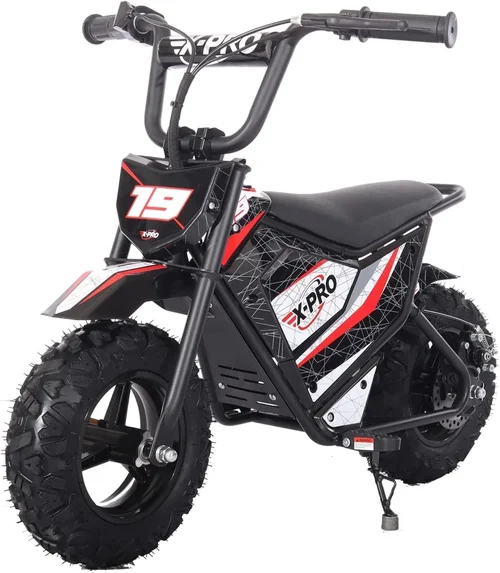
Electric dirt bikes are revolutionizing off-road riding—offering quiet power, zero emissions, and surprisingly capable performance—all without the maintenance headaches of gas-powered engines. Whether you’re a weekend warrior exploring local trails, a parent looking for a safe first ride for your teen, or an eco-conscious adventurer wanting to minimize your environmental footprint, there’s never been a better time to go electric. And the best part? You don’t need to break the bank to get started.
This comprehensive buying guide is designed to help you navigate the rapidly growing market of affordable electric dirt bikes in 2026. We’ll cut through the marketing hype, compare real-world performance specs, and highlight the key features that matter most when you’re shopping on a budget. From understanding motor power and battery life to evaluating build quality and safety features, we’ve tested and researched dozens of models so you don’t have to. By the end of this guide, you’ll know exactly what to look for, which brands offer the best value, and how to avoid common pitfalls that can turn a great deal into a costly mistake.
The electric dirt bike market has exploded in recent years, with new entrants launching every season and established brands refining their entry-level offerings. Prices now range from under $500 for basic youth models to over $3,000 for high-performance adult bikes—but the sweet spot for most riders lies between $800 and $1,500. In this range, you’ll find bikes that balance affordability with reliability, decent range, and enough power to handle moderate trails, jumps, and varied terrain. Our goal is to help you find that balance without sacrificing safety, durability, or fun.

What to Look for When Buying a Cheap Electric Dirt Bike
1. Budget & Price Range
Setting a realistic budget is the first and most important step in your buying journey. While “cheap” means different things to different people, the truth is that electric dirt bikes require a meaningful investment—especially if you want something that lasts more than a few months. For under $600, you’ll mostly find lightweight youth models or rebranded Chinese imports with questionable build quality. Between $600 and $1,200, you start seeing solid entry-level adult bikes from reputable brands like Razor, Segway, and Gotrax. From $1,200 to $2,000, you gain access to better motors, higher-capacity batteries, and improved suspension systems. Anything above $2,000 typically includes premium features like regenerative braking, app connectivity, and professional-grade components.
When setting your budget, consider not just the upfront cost but also long-term value. A $900 bike that lasts three years with minimal repairs offers better value than a $600 model that breaks down after six months. Also factor in potential add-ons: helmets, gloves, spare batteries, and maintenance kits can add $100–$300 to your total cost. Finally, remember that seasonal sales—especially around Black Friday, back-to-school season, and spring—can shave 15–30% off retail prices, making it smarter to wait if you’re not in a rush.
2. Performance Specifications
Performance specs tell you what a bike can actually do in the real world—not just what the marketing claims. The three most critical performance metrics are motor power (measured in watts), top speed (in mph or km/h), and range (how far it can go on a single charge). For adult riders, look for at least a 500W motor—anything less will struggle on hills or rough terrain. A 750W to 1,000W motor is ideal for most casual to intermediate riders, offering strong acceleration and hill-climbing ability without draining the battery too quickly.
Top speed matters less than you might think. Most cheap electric dirt bikes cap out between 15 and 25 mph, which is plenty for trail riding and learning. What’s more important is torque—the force that gets you moving from a stop or up a steep incline. Bikes with geared hub motors or mid-drive systems typically deliver better low-end torque than direct-drive hubs. Range is another crucial factor: a 36V 10Ah battery might give you 10–15 miles, while a 48V 15Ah pack can push 20–30 miles depending on terrain, rider weight, and riding style. Always check if the manufacturer lists “ideal conditions” range (flat ground, light rider) versus “real-world” range—the latter is far more useful.
Don’t overlook braking performance either. Mechanical disc brakes are standard on budget models, but hydraulic discs (found on mid-tier bikes) offer superior stopping power and modulation, especially in wet or muddy conditions. Suspension is equally important: front forks with 3–4 inches of travel help absorb bumps, while rear suspension (or a rigid frame) affects comfort and control. For beginners, a bike with adjustable suspension or preload settings can grow with your skill level.
3. Build Quality & Durability
A cheap price tag shouldn’t mean cheap construction. Unfortunately, many budget electric dirt bikes cut corners on materials and assembly, leading to premature failures. Start by examining the frame: look for high-tensile steel or aluminum alloy construction. Steel is heavier but more impact-resistant; aluminum is lighter and corrosion-resistant but can crack under repeated stress if not properly engineered. Avoid bikes with thin, flimsy welds or plastic frame reinforcements—these are red flags.
Check the wheels and tires. Spoked wheels are stronger and better at absorbing shocks than solid rims, which can bend or shatter on hard landings. Knobby, tubeless-ready tires provide better grip off-road, while smooth or semi-slick tires are only suitable for pavement or packed dirt. The drivetrain—chain, sprockets, and motor mount—should feel solid and well-lubricated. Loose chains or wobbly motor mounts indicate poor quality control.
Weather resistance is another durability factor. While no budget bike is fully waterproof, look for IP ratings (like IP54 or IP65) that indicate protection against dust and water splashes. Sealed bearings, coated electronics, and rubber gaskets around connectors help extend lifespan in muddy or rainy conditions. Finally, inspect the finish: powder-coated frames resist rust and scratches better than painted ones.
4. Features & Functionality
Modern electric dirt bikes come packed with features that enhance safety, convenience, and ride experience—even at lower price points. Start with the display: a basic LED screen showing speed, battery level, and mode is essential. More advanced models include LCD displays with trip meters, odometers, and Bluetooth connectivity for app-based diagnostics. Some even offer GPS tracking or anti-theft alerts—useful if you plan to leave your bike unattended at trailheads.
Ride modes are a game-changer for beginners and experts alike. Eco mode conserves battery for longer rides, while Sport or Turbo mode unlocks full power for steep climbs or quick bursts. Regenerative braking—where the motor slows the bike and recharges the battery slightly—is rare on cheap models but worth seeking out if available. Other useful features include LED headlights (for early morning or evening rides), kickstands, fenders, and tool-free wheel removal for easy transport.
Safety features shouldn’t be overlooked. A kill switch (emergency stop button) is non-negotiable. Throttle cutoff when braking prevents accidental acceleration. Some bikes include speed limiters or parental controls—ideal for younger riders. Finally, consider ergonomics: adjustable handlebars, comfortable grips, and a seat height that matches your inseam make long rides more enjoyable and reduce fatigue.
5. Brand Reputation
Not all budget brands are created equal. Established names like Razor, Segway-Ninebot, and Gotrax have built reputations for reliability, customer service, and consistent quality—even in their entry-level lines. These companies invest in R&D, adhere to safety standards (like UL certification for batteries), and maintain spare parts inventories. In contrast, no-name brands sold exclusively through Amazon or AliExpress often lack transparency about sourcing, testing, or support.
Research brand history: How long have they been making electric vehicles? Do they specialize in off-road bikes or just repurpose scooter designs? Read professional reviews and user forums to spot recurring issues—like battery degradation after a year or motor failures under load. A brand with a strong warranty and responsive customer service can save you hundreds in repair costs down the line. Also check if they offer firmware updates or accessory compatibility, which extends the bike’s lifespan.
Gotrax, for example, has become a standout in the affordable e-dirt bike space by offering well-engineered models with decent specs, clear documentation, and U.S.-based support. Their bikes may not match the performance of premium brands like Sur Ron or Cake, but they deliver exceptional value for the price—making them a top choice for budget-conscious buyers.
6. Warranty & Support
A good warranty is your safety net against manufacturing defects and premature failures. Most reputable brands offer at least a 90-day to 1-year warranty on the entire bike, with longer coverage (up to 2 years) on the battery and motor. Pay close attention to what’s covered: some warranties exclude “wear items” like tires, chains, and brake pads, while others cover only the electrical components.
Read the fine print carefully. Does the warranty require professional assembly? Must you register the product within 30 days? Are repairs handled by authorized dealers or do you ship the bike back to the manufacturer? International buyers should verify if the warranty applies outside the U.S. or EU. Also, check if the company offers extended warranties or battery replacement programs—these can be worth the extra cost if you plan to keep the bike for several years.
Customer support quality varies widely. Look for brands that provide phone, email, and live chat support during business hours. Check response times on forums or review sites. A company that quickly replaces a faulty controller or sends a free spare part builds trust and saves you downtime. Avoid brands that ghost customers after purchase or direct all support to third-party repair shops.
7. Size & Portability
Electric dirt bikes aren’t as portable as scooters, but size still matters—especially if you need to transport the bike in a car, store it in a garage, or share it among family members. Weight is a key consideration: most budget models weigh between 60 and 90 pounds. Anything over 80 pounds becomes difficult to lift without help, particularly for younger riders or those with limited strength.
Folding mechanisms are rare on dirt bikes due to structural requirements, but some models feature removable batteries or quick-release wheels for easier loading. Measure your vehicle’s trunk or trailer space before buying—many bikes require a roof rack, truck bed, or trailer for transport. If you’re sharing the bike, ensure the seat height and handlebar position are adjustable to accommodate different riders.
For youth riders, size is even more critical. A bike that’s too tall or heavy can be dangerous and discouraging. Look for models specifically designed for ages 8–14, with lower stand-over heights, reduced power output, and lighter frames. Many brands offer “junior” versions of their adult bikes with scaled-down dimensions and speed limiters.
8. User Reviews & Ratings
Never buy an electric dirt bike based solely on specs or marketing claims. Real-world user reviews reveal hidden flaws, quirks, and long-term reliability issues that spec sheets won’t show. Focus on verified purchase reviews from platforms like Amazon, Best Buy, or specialty retailers. Look for patterns: if multiple users report the same problem—like battery swelling, loose handlebars, or poor customer service—it’s likely a systemic issue.
Pay attention to reviews from riders with similar needs. A parent reviewing a bike for their 10-year-old won’t care about top speed, but an adult trail rider will. Check the date of reviews too—older reviews may not reflect current model improvements. Video reviews on YouTube are especially valuable, as they show the bike in action, demonstrate assembly, and highlight build quality details you can’t see in photos.
Be skeptical of overly positive or negative reviews. Glowing 5-star reviews with generic praise (“Great bike!”) may be fake, while angry 1-star rants without specifics could stem from user error. The most helpful reviews include photos, detailed pros/cons, and comparisons to other models. Use aggregate ratings as a starting point, but dive deep into individual experiences to make an informed decision.
Different Types of Electric Dirt Bikes

Common Buying Mistakes to Avoid
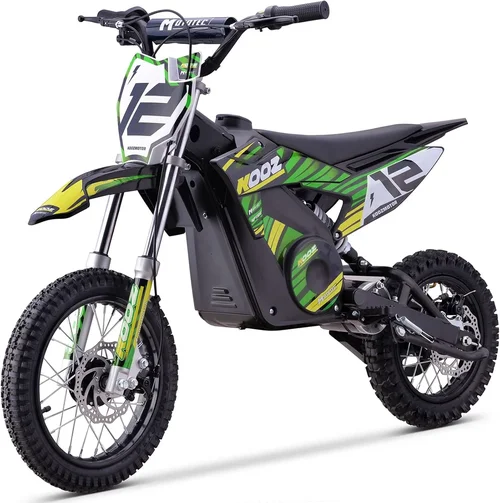
❌ Mistake: Prioritizing Price Over Quality
Why it’s bad: The cheapest bike isn’t always the best deal. Ultra-budget models often use low-grade motors, weak batteries, and flimsy frames that fail quickly—leading to frustration, safety risks, and higher long-term costs.
What to do instead: Aim for the mid-budget range ($800–$1,500). Here, you’ll find bikes with reliable components, better warranties, and real off-road capability. Think of it as an investment in fun and safety.
❌ Mistake: Ignoring Battery Specifications
Why it’s bad: Battery capacity (measured in watt-hours: volts × amp-hours) directly affects range and longevity. A 24V 7Ah battery might only last 5–8 miles, while a 48V 15Ah pack can double that.
What to do instead: Always check the battery’s voltage and amp-hour rating—not just the advertised “range.” Look for lithium-ion (Li-ion) or lithium iron phosphate (LiFePO4) chemistries, which offer better cycle life and safety than lead-acid.
❌ Mistake: Overlooking Weight and Size
Why it’s bad: A heavy bike is hard to control, difficult to transport, and dangerous if it tips over. A bike too tall for the rider increases crash risk.
What to do instead: Test ride if possible, or check seat height and weight specs against your body dimensions. For kids, choose age-appropriate models with adjustable components.
❌ Mistake: Skipping Safety Gear
Why it’s bad: Even slow electric bikes can cause serious injury in a fall. Helmets, gloves, knee pads, and eye protection are non-negotiable.
What to do instead: Budget at least $100 for certified safety gear. DOT/ECE-certified helmets and CE-rated armor offer proven protection.
❌ Mistake: Buying Without Researching Local Laws
Why it’s bad: Many states and parks restrict where electric dirt bikes can be ridden. Some require registration, licensing, or prohibit off-road use entirely.
What to do instead: Check your local Department of Motor Vehicles (DMV) and park regulations before buying. Some commuter hybrids are street-legal; pure off-road bikes are not.
❌ Mistake: Ignoring After-Sales Support
Why it’s bad: Without spare parts or repair guidance, a broken bike becomes a paperweight. Many cheap brands don’t stock replacements.
What to do instead: Choose brands with U.S.-based support, clear warranty terms, and accessible spare parts. Gotrax and Segway excel here.
❌ Mistake: Falling for “Unlimited Range” Claims
Why it’s bad: No battery lasts forever. Ads claiming “30+ miles” often assume ideal conditions—light rider, flat terrain, slow speed.
What to do instead: Divide advertised range by 1.5 to estimate real-world performance. If a bike claims 25 miles, expect 15–18 in mixed terrain.
Budget Guidelines: How Much Should You Spend?
- Entry-Level ($400–$700): Best for kids or very light adult use. Expect basic motors (250W–500W), short range (5–10 miles), and minimal suspension. Great for learning but not suited for serious trails.
- Mid-Range ($800–$1,500): The sweet spot for most buyers. Bikes here offer 750W–1,000W motors, 15–25 mile range, decent suspension, and reliable build quality. Ideal for teens, adults, and weekend adventures.
- Premium ($1,500–$2,500): For enthusiasts and frequent riders. Features include hydraulic brakes, advanced suspension, larger batteries (48V+), and app connectivity. Capable of handling technical terrain and longer rides.
- Luxury ($2,500+): Top-tier performance with race-inspired designs, regenerative braking, carbon components, and professional-grade durability. Best for serious off-roaders or those wanting the latest tech.
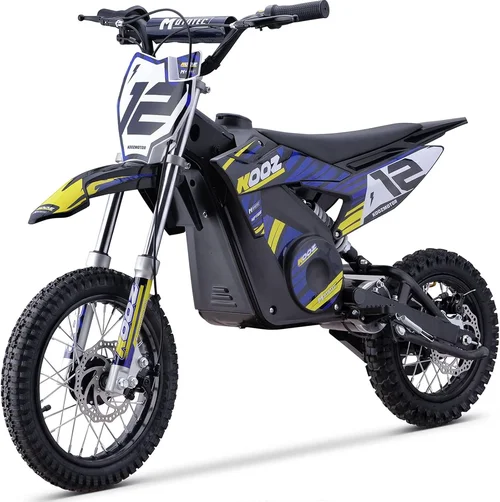
Expert Tips for Getting the Best Deal
- Buy during off-season: Prices drop in winter (January–March) when demand is low. Retailers clear inventory for new models.
- Check manufacturer websites: Brands like Gotrax often offer exclusive discounts, bundle deals (bike + helmet), or free shipping not available on Amazon.
- Sign up for newsletters: Get early access to sales, promo codes, and restock alerts.
- Consider refurbished models: Certified pre-owned bikes from reputable sellers come with warranties and cost 20–40% less.
- Read return policies: Ensure you can return the bike within 30 days if it doesn’t meet expectations. Some retailers charge restocking fees.
- Test ride when possible: Local dealers or expos let you try before you buy. Feel the suspension, throttle response, and ergonomics firsthand.
- Join rider communities: Facebook groups and Reddit forums often share exclusive discount codes or flash sale alerts.
- Negotiate bundle deals: Ask if the seller will include a spare battery, helmet, or maintenance kit at no extra cost—especially on higher-priced models.

Frequently Asked Questions
Q: Are cheap electric dirt bikes safe for kids?
A: Yes—if they’re age-appropriate and used with proper safety gear. Look for models with speed limiters (under 15 mph), lightweight frames, and parental controls. Always supervise young riders and start on flat, open terrain.
Q: How long do batteries last?
A: Most lithium-ion batteries retain 80% capacity after 500–800 charge cycles, equating to 2–4 years of regular use. Avoid fully draining the battery and store it at 50% charge if not used for weeks.
Q: Can I ride in the rain?
A: Light rain is usually fine if the bike has an IP54 rating or higher. Avoid deep puddles, submersion, or heavy downpours, as water can damage electronics and bearings.
Q: Do I need a license?
A: It depends on your location. Off-road electric dirt bikes typically don’t require licenses, but street-legal hybrids may. Check local DMV rules.
Q: How fast do they go?
A: Most budget models reach 15–25 mph. Performance bikes can hit 35–45 mph. Speed depends on motor power, rider weight, and terrain.
Q: Can I upgrade the battery?
A: Some brands offer higher-capacity replacement batteries, but compatibility varies. Never mix batteries from different manufacturers—it can cause fires.
Q: What’s the difference between hub and mid-drive motors?
A: Hub motors are in the wheel—simple and affordable but less efficient on hills. Mid-drive motors sit near the pedals (rare on dirt bikes) and offer better weight distribution and torque.
Q: How do I maintain my bike?
A: Clean after muddy rides, lubricate the chain monthly, check tire pressure, and inspect bolts regularly. Store indoors and charge the battery every 2–3 months if unused.
Q: Are they quieter than gas bikes?
A: Absolutely. Electric motors produce minimal noise—ideal for residential areas or wildlife-sensitive trails.
Q: Can adults ride youth models?
A: Not recommended. Youth bikes have lower weight limits, weaker motors, and smaller frames that compromise safety and performance for adults.
Our Final Recommendations
- Best for Budget-Conscious Buyers: Gotrax Nitro Electric Dirt Bike – At around $899, it delivers a 750W motor, 20-mile range, and solid build quality. Great for teens and light adult use.
- Best Overall Value: Segway Ninebot Dirt Bike ZT3 – Priced at $1,299, it offers 1,000W power, hydraulic brakes, and app connectivity. Excellent balance of performance and price.
- Best Premium Option: Razor SX500 McGrath – At $1,599, this motocross-style bike features a 1,000W motor, dual suspension, and aggressive styling. Perfect for serious trail riders.
- Best for Beginners: Gotrax GXL V2 Electric Dirt Bike – Simple controls, 500W motor, and low seat height make it ideal for first-time riders aged 13+.
- Best for Advanced Users: Sur Ron LBX (used/refurbished) – While new models exceed $3,000, certified pre-owned LBX bikes under $2,500 offer race-level performance and durability.
Conclusion: Making the Right Choice
Choosing the best cheap electric dirt bike isn’t just about finding the lowest price—it’s about matching your needs, skill level, and riding environment to a bike that delivers reliable performance, safety, and long-term value. By focusing on key factors like motor power, battery capacity, build quality, and brand reputation, you can avoid costly mistakes and find a ride that brings joy for years to come.
Remember, the sweet spot for most riders lies in the $800–$1,500 range, where affordability meets capability. Don’t skimp on safety gear, research local laws, and always prioritize real-world reviews over flashy ads. Whether you’re buying for yourself, your teen, or as a gift, take your time, compare options, and wait for the right deal.
Electric dirt bikes are more than just toys—they’re gateways to adventure, fitness, and outdoor connection. With the right choice, you’ll enjoy silent trails, zero emissions, and the pure thrill of electric-powered freedom. So gear up, charge up, and hit the dirt with confidence. Your perfect ride is out there—and it doesn’t have to break the bank.