
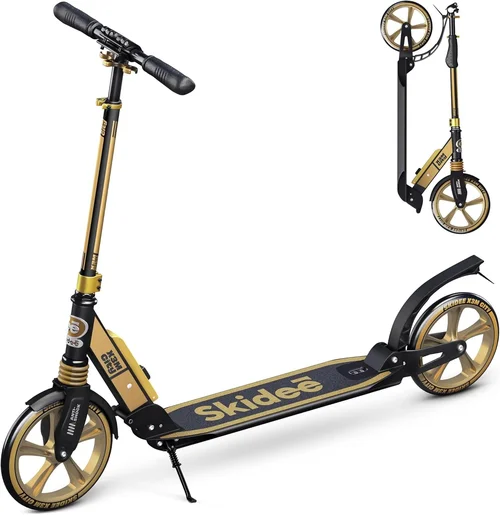
Foldable scooters for adults have evolved dramatically over the past decade, transforming from niche urban curiosities into legitimate, practical transportation solutions. Whether you’re commuting to work, navigating college campuses, or simply exploring your city with ease, a high-quality foldable scooter can save time, reduce stress, and even lower your carbon footprint. With advancements in battery technology, motor efficiency, and lightweight materials, today’s models offer impressive speed, range, and durability—all while remaining compact enough to carry on public transit or store under a desk. This comprehensive buying guide is designed to cut through the noise and help you make an informed decision in 2026, when the market is more competitive and feature-rich than ever.
In this guide, you’ll learn exactly what to look for when choosing the best foldable scooter for your lifestyle. We’ll break down the key factors that matter most—from performance specs and build quality to portability and after-sales support—so you can avoid common pitfalls and find a model that truly fits your needs. Whether you’re on a tight budget or ready to invest in a premium ride, we’ve got you covered. We’ll also compare different types of scooters, highlight frequent buying mistakes, provide budget guidelines, and share expert tips to help you get the best deal. By the end, you’ll have everything you need to confidently select a scooter that delivers reliability, comfort, and long-term value.
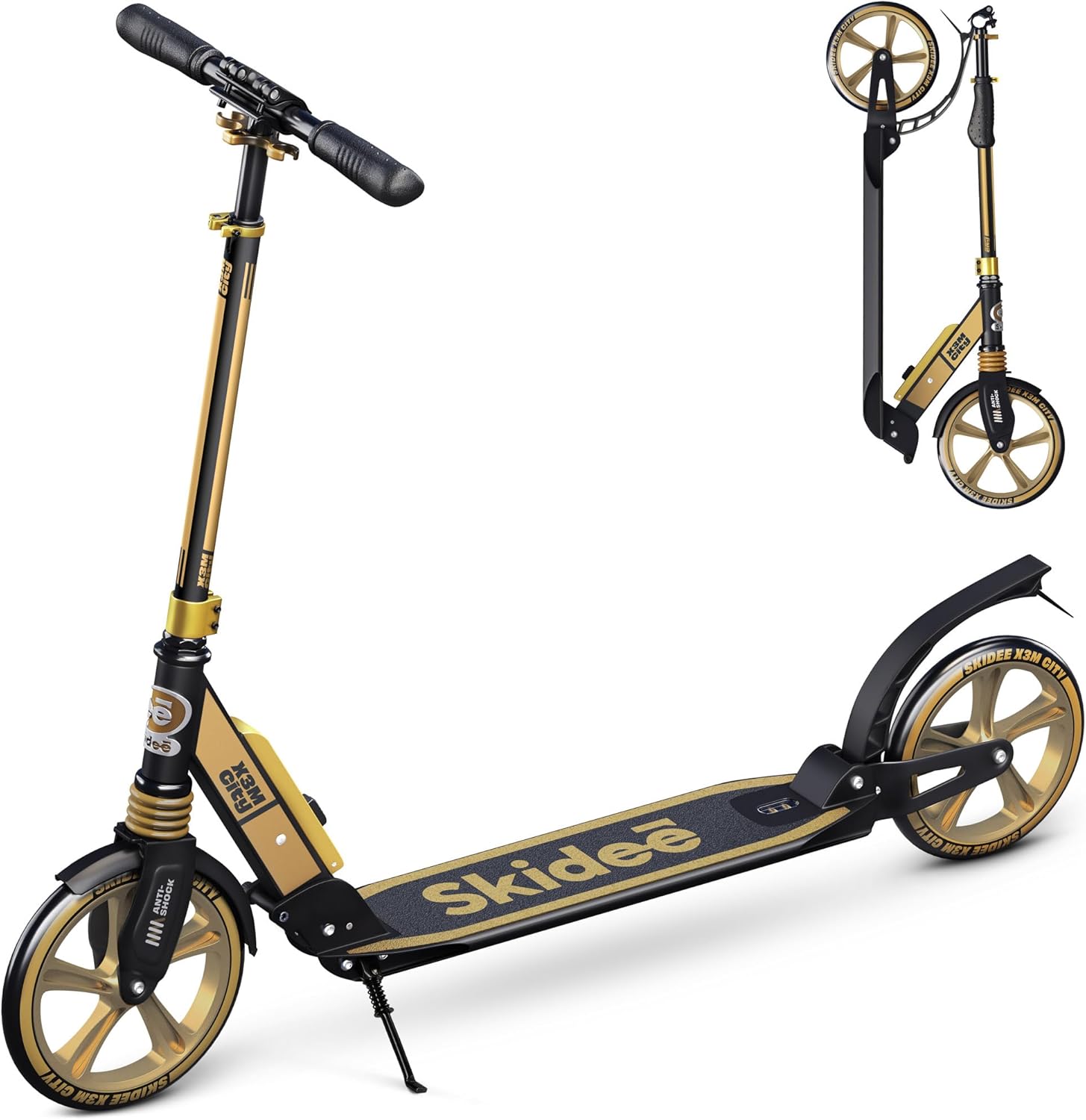
What to Look for When Buying a Foldable Scooter
1. Budget & Price Range
Your budget is the foundation of your purchasing decision. Foldable scooters for adults range from under $200 for basic models to over $2,000 for high-performance, feature-packed machines. While it’s tempting to go for the cheapest option, doing so often means compromising on safety, durability, and ride quality. A well-priced scooter in the $400–$800 range typically offers the best balance of performance, build quality, and features for most adult riders. Consider your usage frequency and environment: if you’ll be riding daily on rough city streets, investing in a sturdier model is wise. Always factor in potential long-term costs like battery replacements or maintenance.
2. Performance Specifications
Performance is where many buyers get overwhelmed by numbers, but understanding key specs is essential. Look at motor power (measured in watts), top speed, and range per charge. For city commuting, a 250W–500W motor is usually sufficient, offering speeds of 15–20 mph and ranges of 15–25 miles. Higher wattage motors (600W–1000W+) are better for hills or heavier riders but consume more battery. Range depends heavily on battery capacity (measured in watt-hours or Ah), rider weight, terrain, and riding style. Always check real-world user reports—manufacturer claims often assume ideal conditions. Acceleration and braking responsiveness are also critical; test rides (if possible) can reveal a lot about how a scooter performs under pressure.
3. Build Quality & Durability
A scooter is only as good as its weakest component. Look for frames made from aircraft-grade aluminum or reinforced steel, which offer strength without excessive weight. Check the quality of welds, hinges, and folding mechanisms—these are common failure points. Suspension systems (front, rear, or dual) significantly improve ride comfort, especially on uneven pavement. Tires matter too: air-filled (pneumatic) tires provide better shock absorption but require maintenance; solid or honeycomb tires are puncture-proof but offer a rougher ride. Water resistance (IP rating) is another key factor—IPX4 or higher means protection against splashes, which is essential for unpredictable weather.
4. Features & Functionality
Modern foldable scooters come packed with features that enhance safety, convenience, and usability. Essential features include bright LED headlights and taillights, responsive disc or electronic brakes, and a clear digital display showing speed, battery level, and mode. Some models offer app connectivity for ride tracking, anti-theft locks, or firmware updates. Cruise control is a nice-to-have for long rides, while regenerative braking can extend battery life. Consider ergonomics: adjustable handlebars, comfortable grips, and a wide deck improve comfort, especially for taller riders. Folding speed and mechanism matter too—look for one-handed folding if you’ll be carrying it frequently.
5. Brand Reputation
Not all scooter brands are created equal. Established brands like Gotrax, Segway-Ninebot, Xiaomi, and Apollo have built reputations for reliability, customer service, and innovation. They often invest more in R&D, quality control, and warranty support. Lesser-known brands may offer tempting prices, but they can lack consistent build quality or spare parts availability. Research brand history, read customer reviews across multiple platforms, and check how responsive they are to issues. A reputable brand may cost slightly more upfront but can save you headaches and expenses down the road.
6. Warranty & Support
A solid warranty is a strong indicator of a manufacturer’s confidence in their product. Look for at least a 12-month warranty covering the frame, motor, and battery. Some premium brands offer 18–24 months or even lifetime frame warranties. Pay attention to what’s excluded—many warranties don’t cover wear-and-tear items like tires or brake pads. Customer support responsiveness is just as important. Can you easily reach a human? Are replacement parts available? Check online forums and review sites for real user experiences with repairs and claims. A good warranty combined with responsive support can turn a frustrating issue into a minor inconvenience.
7. Size & Portability
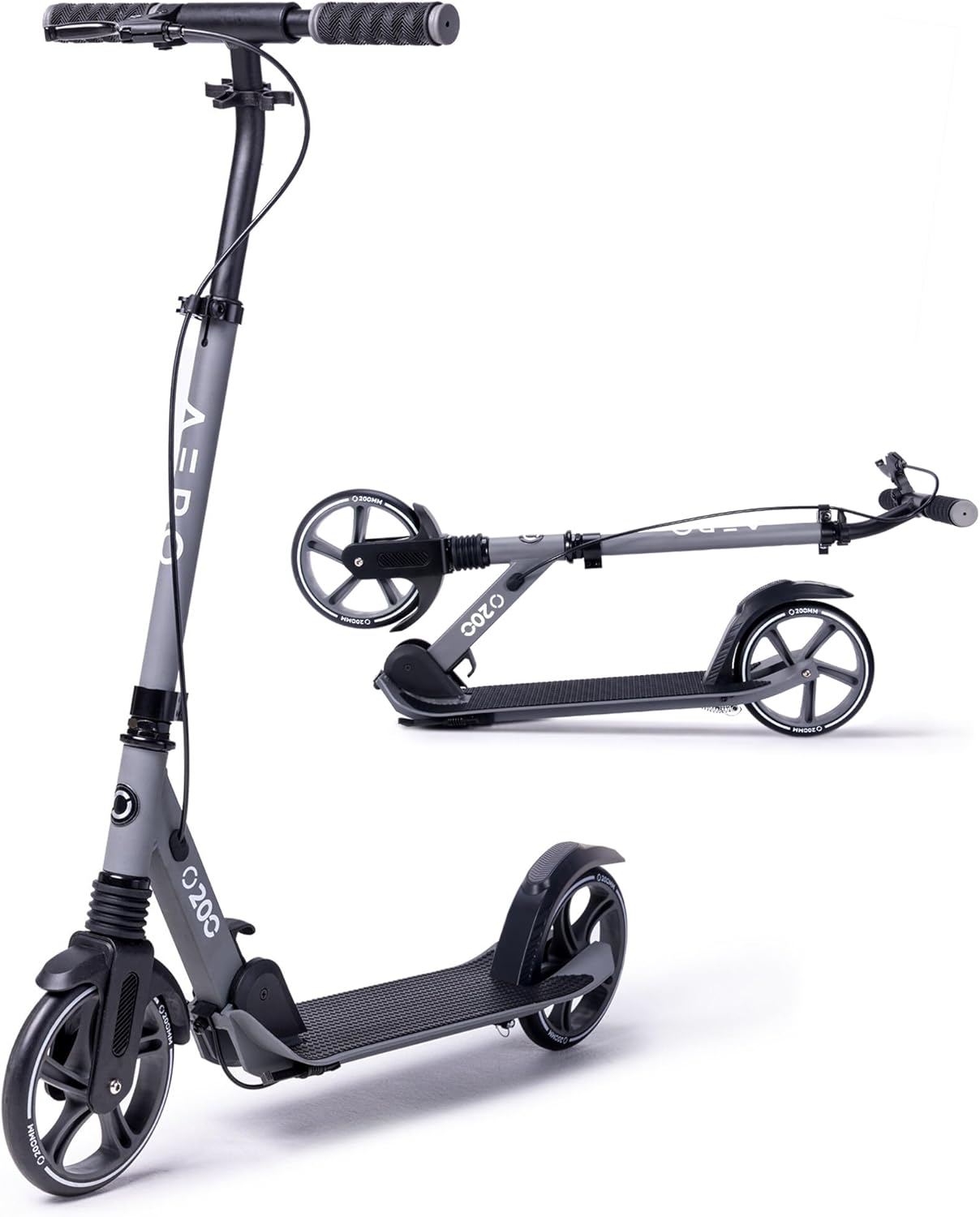
The whole point of a foldable scooter is portability, so size and weight matter greatly. Most adult models weigh between 25 and 40 pounds—anything over 35 lbs becomes cumbersome to carry long distances. Folded dimensions should allow easy storage in car trunks, under office desks, or on public transit. Look for scooters with compact folding designs and built-in carrying handles. Some models include shoulder straps or wheels on the deck for easier transport. If you plan to take your scooter on trains or buses, check local regulations—some limit size or battery capacity (usually under 100Wh for airline travel).
8. User Reviews & Ratings
Never rely solely on manufacturer specs or marketing claims. User reviews offer unfiltered insights into real-world performance, reliability, and quirks. Look for patterns: if multiple users report the same issue (e.g., battery degradation after six months), it’s likely a design flaw. Platforms like Amazon, Reddit (r/scooters), and specialized forums are goldmines of honest feedback. Pay attention to reviews from riders with similar weight, usage, and terrain as you. Video reviews are especially helpful for seeing folding mechanisms, ride quality, and build details in action.
Different Types of Foldable Scooters

Common Buying Mistakes to Avoid
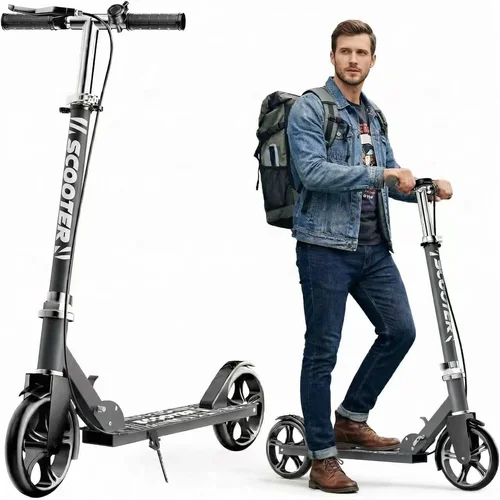
❌ Mistake: Prioritizing Price Over Quality
Why it’s bad: Cheap scooters often use low-grade motors, weak batteries, and flimsy frames that wear out quickly. You may end up replacing it within a year, costing more in the long run.
What to do instead: Set a realistic budget based on your usage. Spend a little more for a reputable brand with better components—it pays off in durability and safety.
❌ Mistake: Ignoring Weight Limits
Why it’s bad: Exceeding the scooter’s weight capacity can damage the motor, reduce range, and compromise braking performance.
What to do instead: Check the manufacturer’s maximum load rating and add 10–15 lbs for safety margin. Choose a model rated for at least 220–260 lbs if you’re an average adult.
❌ Mistake: Overlooking Real-World Range
Why it’s bad: Manufacturers often quote range under ideal conditions (flat ground, light rider, slow speed). In reality, hills, wind, and frequent stops can cut range by 30–50%.
What to do instead: Divide the advertised range by two for a realistic estimate, or look for user-reported range in reviews.
❌ Mistake: Skipping the Test Ride
Why it’s bad: Specs don’t tell the whole story. A scooter might look great on paper but feel unstable, jerky, or uncomfortable in practice.
What to do instead: Visit a local retailer or attend scooter demo events. If that’s not possible, watch detailed video reviews that show ride dynamics.
❌ Mistake: Neglecting Maintenance Needs
Why it’s bad: Many buyers assume scooters are maintenance-free. But tires wear out, brakes need adjustment, and batteries degrade over time.
What to do instead: Learn basic maintenance (tire pressure, brake checks) and factor in long-term costs. Choose models with accessible parts and clear service guides.
❌ Mistake: Buying Based on Looks Alone
Why it’s bad: A sleek design doesn’t guarantee performance or reliability. Some stylish models sacrifice structural integrity for aesthetics.
What to do instead: Focus on build materials, component quality, and user feedback. Style should be a bonus, not the main criterion.
❌ Mistake: Ignoring Local Laws and Regulations
Why it’s bad: Some cities restrict scooter speed, require helmets, or ban riding on sidewalks. Fines or confiscation can result from non-compliance.
What to do instead: Research local e-scooter laws before buying. Choose a model with adjustable speed modes to comply with regulations.
Budget Guidelines: How Much Should You Spend?
Entry-Level ($150–$300): These scooters are best for occasional use, light riders, or students. Expect basic motors (250W or less), limited range (8–12 miles), and minimal features. Build quality is often inconsistent, and warranties may be short. Ideal for short campus trips or weekend fun, but not recommended for daily commuting.
Mid-Range ($400–$800): This is the sweet spot for most adult buyers. You’ll find reliable motors (350W–500W), ranges of 15–25 miles, better suspension, and essential safety features. Brands like Gotrax, Xiaomi, and Segway offer excellent value here. These scooters handle daily commutes, moderate hills, and urban terrain with ease.
Premium ($800–$1,500): Designed for serious commuters and enthusiasts, these models boast powerful motors (600W–1000W), long-range batteries (25–40 miles), advanced suspension, and smart features like app integration and regenerative braking. They’re built to last, with high-quality materials and robust warranties.
Luxury ($1,500+): Top-tier scooters offer cutting-edge technology, premium materials (carbon fiber, forged aluminum), and exceptional performance. They’re ideal for tech lovers, professionals, or those who prioritize comfort and style. Expect features like full-color displays, GPS tracking, and ultra-fast charging—but at a significant cost.
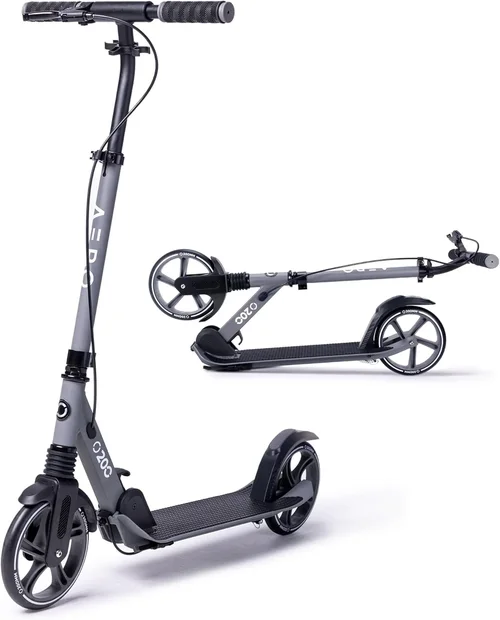
Expert Tips for Getting the Best Deal
1. Buy During Seasonal Sales: The best deals on foldable scooters typically occur during Black Friday, Cyber Monday, Amazon Prime Day, and end-of-season clearances (late summer/early fall). Sign up for brand newsletters to get early access to promotions.
2. Compare Retailers: Prices can vary significantly between Amazon, Best Buy, Walmart, and direct-from-manufacturer websites. Check for bundle deals (e.g., free helmet or lock) and price-match policies.
3. Consider Refurbished or Open-Box Models: Certified refurbished scooters from reputable sellers often come with warranties and can save you 20–40%. Just ensure they’ve been inspected and tested.
4. Read the Fine Print on Warranties: Some brands offer extended warranties for an extra fee. Evaluate whether it’s worth it based on the scooter’s expected lifespan and your usage intensity.
5. Check Return Policies: A generous return window (30 days or more) gives you time to test the scooter in real conditions. Avoid retailers with restocking fees or short return periods.
6. Test Before You Buy (If Possible): Visit local scooter shops or attend demo days. Feeling the ride, fold, and weight firsthand is invaluable.
7. Join Online Communities: Forums and Facebook groups often share exclusive discount codes, flash sales, and insider tips. Members may also sell used scooters in excellent condition.
8. Monitor Battery Technology Trends: Newer battery chemistries (like lithium iron phosphate) offer longer lifespans and faster charging. If you’re not in a rush, waiting for next-gen models could be worthwhile.
Frequently Asked Questions
Q: How fast do adult foldable scooters go?
A: Most commuter models reach 15–20 mph, while performance scooters can hit 25–30 mph. Speed depends on motor power, rider weight, and terrain. Always wear a helmet and obey local speed limits.
Q: How far can a foldable scooter travel on a single charge?
A: Range varies from 8 miles (budget models) to over 40 miles (premium scooters). Real-world range is typically 30–50% less than advertised due to hills, wind, and frequent stops.
Q: Are foldable scooters safe for adults?
A: Yes, when used responsibly. Choose models with reliable brakes, good suspension, and bright lights. Always wear protective gear and avoid riding in heavy traffic or bad weather.
Q: Can I take my scooter on public transportation?
A: Most buses, trains, and subways allow folded scooters, but check local rules. Some limit battery size (usually under 100Wh for airlines). Compact, lightweight models are easiest to manage.
Q: How long do scooter batteries last?
A: Lithium-ion batteries typically last 300–500 charge cycles, or 2–4 years with regular use. Proper care (avoiding full discharges, storing at 50% charge) can extend lifespan.
Q: Do I need to register or insure my scooter?
A: In most U.S. states, no registration or insurance is required for private use. However, some cities regulate e-scooters like bicycles—check local laws.
Q: Can I ride my scooter in the rain?
A: Only if it has an IPX4 rating or higher. Avoid deep puddles and heavy downpours, as water can damage electronics. Dry the scooter thoroughly after wet rides.
Q: How do I maintain my foldable scooter?
A: Regularly check tire pressure (if pneumatic), tighten bolts, clean the deck, and inspect brakes. Store in a dry place and charge the battery every few months if not in use.
Q: What’s the difference between hub motors and belt-driven motors?
A: Hub motors are built into the wheel, offering direct drive, quiet operation, and low maintenance. Belt-driven systems use a belt and pulley, which can be louder and require occasional tension adjustments but allow for gear ratios.
Q: Can I upgrade my scooter’s battery or motor?
A: Generally not recommended. Most scooters are designed as integrated systems. Unauthorized modifications can void warranties and create safety risks.
Our Final Recommendations
Best for Budget-Conscious Buyers: Gotrax GXL V2 – At around $350, it offers solid performance (15.5 mph, 12-mile range), reliable build quality, and essential features like LED lights and a digital display. Great for students and light commuters.
Best Overall Value: Segway Ninebot ES4 – Priced around $600, it combines a 15.5 mph top speed, 28-mile range (with extender battery), dual suspension, and app connectivity. Ideal for daily urban commuting with a balance of power and portability.
Best Premium Option: Apollo Explore – At $1,299, this scooter delivers 28 mph speed, 35-mile range, full suspension, and a robust frame. Perfect for long commutes, hilly areas, and riders who want top-tier performance and comfort.
Best for Beginners: Xiaomi Mi Electric Scooter 3 – Simple to use, lightweight (26.9 lbs), and affordable ($550), with a clean design and reliable performance. Excellent for first-time riders learning the ropes.
Best for Advanced Users: Dualtron Thunder 3 – A high-performance beast at $2,490, offering 50 mph top speed, 75-mile range, and dual motors. Built for enthusiasts who demand speed, power, and cutting-edge tech.
Conclusion: Making the Right Choice
Choosing the best foldable scooter for adults in 2026 isn’t just about picking the fastest or most stylish model—it’s about finding the right balance of performance, durability, portability, and value for your specific needs. We’ve covered the essential factors to consider, from budget and build quality to real-world range and safety features. We’ve compared different types, highlighted common mistakes, and provided actionable tips to help you save money and avoid regrets.
Remember, the perfect scooter is the one that fits seamlessly into your lifestyle. Whether you’re navigating crowded city streets, cruising through campus, or exploring new neighborhoods, your scooter should enhance your mobility—not complicate it. Take the time to assess your priorities, read real user reviews, and test ride when possible. And don’t overlook the importance of after-sales support and warranty coverage.
Investing in a quality foldable scooter is more than a purchase—it’s a step toward smarter, greener, and more efficient transportation. With the right model, you’ll enjoy years of reliable service, reduced commute stress, and the simple joy of gliding through your day with ease. So take what you’ve learned here, weigh your options carefully, and ride confidently into the future.