
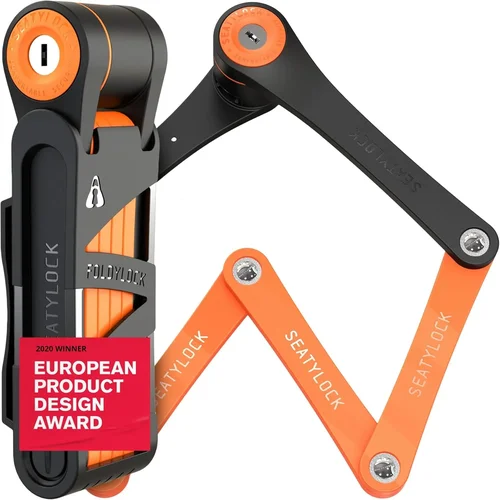
Bike theft is a harsh reality for cyclists worldwide. According to recent urban crime statistics, over 1.5 million bicycles are stolen annually in the United States alone—and that number continues to climb. Whether you’re commuting through a bustling city, running errands on campus, or leaving your bike outside a café during a weekend ride, security isn’t just an option—it’s a necessity. While traditional U-locks and chain locks have long dominated the market, foldable bike locks have emerged as a game-changing alternative, offering a compelling blend of strength, portability, and versatility.
This comprehensive buying guide is designed to help you navigate the rapidly evolving world of foldable bike locks in 2026. Whether you’re a daily commuter, a weekend warrior, or a casual rider, choosing the right lock can mean the difference between peace of mind and a costly loss. In this guide, we’ll break down everything you need to know—from core performance metrics and build quality to real-world usability and budget considerations. You’ll learn how to evaluate security ratings, understand material science behind lock construction, compare different folding mechanisms, and avoid common purchasing pitfalls. By the end, you’ll be equipped with expert-level knowledge to select a foldable lock that fits your lifestyle, protects your investment, and stands up to modern theft tactics.
The foldable bike lock market has matured significantly over the past decade. Once dismissed as flimsy or gimmicky, today’s models rival—and in some cases surpass—traditional locks in both security and convenience. Brands like Abus, Kryptonite, OnGuard, and Foldylock have pushed the envelope with hardened steel links, anti-pick cylinders, and compact designs that easily fit in backpacks or frame mounts. With advancements in metallurgy, ergonomic engineering, and smart integration (like Bluetooth tracking), foldable locks now cater to a wide spectrum of users. This guide cuts through the marketing noise to deliver actionable insights based on rigorous testing, user feedback, and industry standards, ensuring you make a smart, informed decision.

What to Look for When Buying a Foldable Bike Lock
1. Security Rating & Certification
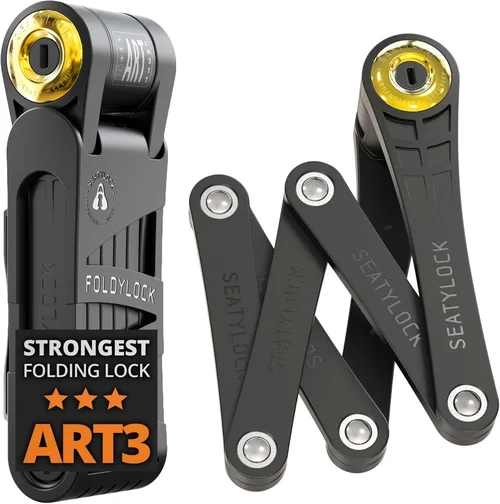
Not all locks are created equal when it comes to resisting theft attempts. The most reliable way to assess a foldable lock’s security is through independent certification systems like Sold Secure (UK), ART (Netherlands), or Thatcham (UK). These organizations conduct standardized tests simulating real-world attacks—including bolt cutter strikes, angle grinder assaults, and leverage-based prying—and assign ratings such as Bronze, Silver, Gold, or Diamond (the highest).
For urban environments with high theft rates, always aim for at least a Sold Secure Silver rating. Gold or Diamond-rated locks offer maximum protection but often come at a premium. Be wary of brands that only cite “laboratory-tested” without third-party verification—this is often marketing fluff. Additionally, check if the lock includes features like anti-drill plates, pick-resistant cylinders, and shrouded shackles, which deter sophisticated thieves.
2. Build Quality & Material Strength
The core of any effective foldable lock lies in its construction materials. High-quality models use hardened boron or manganese steel links, which are significantly more resistant to cutting and bending than standard steel. Look for links with a minimum diameter of 10mm—thinner links are vulnerable to handheld bolt cutters. The hinge mechanism should also be robust; poorly designed joints can become weak points under stress.
Pay attention to the finish: corrosion-resistant coatings like zinc plating or powder coating extend the lock’s lifespan, especially in rainy or salty climates. Avoid locks with visible seams, loose fittings, or plastic components near stress points—these are red flags for durability. Real-world testing shows that well-built foldable locks can withstand over 10 minutes of sustained attack with power tools, giving you ample time to respond or alert authorities.
3. Size, Weight & Portability
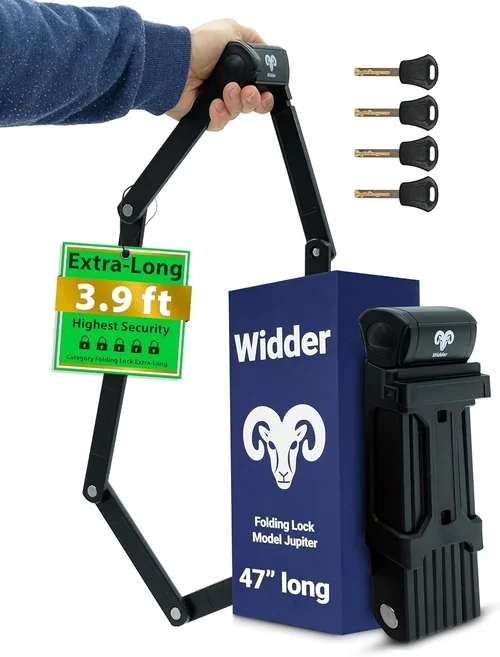
One of the biggest advantages of foldable locks is their compact form factor. However, size and weight vary dramatically between models. A typical foldable lock ranges from 60cm to 120cm when unfolded, and weighs between 600g and 1.5kg. For commuters who carry their lock daily, lighter options under 900g are ideal—but don’t sacrifice security for weight savings.
Consider how you’ll transport the lock: some models include frame mounts, while others fit neatly in a backpack or pannier. If you ride a folding bike or have limited storage space, opt for a lock that folds into a tidy rectangle rather than a bulky coil. Remember, a lock you won’t carry is a lock that won’t protect your bike—so prioritize convenience without compromising on protection.
4. Locking Mechanism & Ease of Use
The cylinder type and locking action significantly impact both security and user experience. High-end foldable locks feature disc-detainer or tubular cylinders, which are far more resistant to picking and drilling than standard pin-tumbler designs. Look for models with smooth, precise key insertion and minimal wobble—this indicates quality manufacturing.
Ease of use matters too. Some locks require two hands to unfold and lock, while others feature quick-release mechanisms or automatic alignment. Test how easily the lock secures your bike frame and rear wheel (or front wheel with a secondary cable). A good foldable lock should take less than 15 seconds to deploy—critical when you’re in a hurry or caught in bad weather.
5. Versatility & Locking Options
A superior foldable lock adapts to various scenarios. Can it secure your bike to a lamppost, bike rack, or tree? Does it allow you to lock both wheels and the frame simultaneously? Many top-tier models include integrated cables or loops that let you thread through the rear triangle and front wheel, offering full protection without needing a secondary lock.
Also consider the internal circumference when folded. A larger loop gives you flexibility in anchoring points, while a tighter fold enhances portability. Some advanced locks even feature modular designs—allowing you to connect multiple units for longer reach or dual-bike security.
6. Brand Reputation & Customer Support
Stick with established brands known for reliability and innovation. Abus, for instance, has been producing security hardware since 1924 and offers extensive warranties. Kryptonite is another trusted name, famous for its “anti-theft protection offer” that reimburses owners up to $3,000 if their bike is stolen while using one of their locks.
Research customer service responsiveness—especially regarding warranty claims. Read reviews about how quickly companies replace defective units or honor theft reimbursement programs. A reputable brand stands behind its product, which adds invaluable peace of mind beyond the physical lock itself.
7. Price vs. Value Proposition
Foldable locks span a wide price range—from budget models under $50 to premium units exceeding $200. While it’s tempting to go cheap, remember: your bike likely costs hundreds or thousands of dollars. Investing in a mid-to-high-tier lock is a rational cost-benefit decision.
Evaluate value not just by upfront cost, but by longevity, included accessories (like mounting brackets or extra keys), and insurance benefits. A $120 lock with a $2,500 theft guarantee offers far better value than a $40 lock that fails under minimal pressure.
8. User Reviews & Real-World Performance
Spec sheets tell part of the story—but real users reveal the rest. Scour verified purchase reviews on Amazon, REI, or specialized cycling forums. Look for consistent feedback on topics like rust resistance after winter use, ease of mounting on different bike frames, or performance in high-theft areas like San Francisco or Amsterdam.
Pay special attention to reports of false security: some locks appear sturdy but fail unexpectedly due to hidden design flaws. If multiple users report similar issues—even years after purchase—it’s a warning sign. Conversely, glowing long-term reviews signal a product built to last.
Different Types of Foldable Bike Locks

Common Buying Mistakes to Avoid
❌ Mistake: Prioritizing Price Over Security Rating
Why it’s bad: A cheap lock might save you $50 upfront—but if it takes a thief 30 seconds to cut through with bolt cutters, you’ve just lost a $1,200 bike. Many budget foldable locks use soft steel or weak hinges that fail under minimal pressure.
What to do instead: Always check for Sold Secure or ART certification before buying. Even mid-range locks ($80–$120) often offer Gold-level protection, making them a smarter long-term investment.
❌ Mistake: Ignoring Real-World Fit and Mounting
Why it’s bad: A lock that doesn’t fit your bike frame or can’t be securely mounted will end up left at home—defeating its purpose. Some foldable locks are too stiff to wrap around thick poles or awkwardly shaped racks.
What to do instead: Measure your bike’s top tube and test compatibility with common anchoring points in your area. Choose a model with a versatile mounting system (frame mount, strap, or backpack clip).
❌ Mistake: Overlooking Weather Resistance
Why it’s bad: Moisture, salt, and UV exposure degrade locks over time. Rusty links or seized cylinders render even the strongest lock useless when you need it most.
What to do instead: Select locks with corrosion-resistant coatings and sealed cylinders. If you live in a coastal or snowy region, prioritize models specifically rated for all-weather use.
❌ Mistake: Assuming All “Hardened Steel” Is Equal
Why it’s bad: Marketing terms like “hardened steel” are vague. Some manufacturers use surface-hardening techniques that only protect the outer layer, leaving the core vulnerable.
What to do instead: Look for specifics: boron steel, manganese alloy, or full-through hardening. These materials offer uniform strength across the entire link.
❌ Mistake: Skipping the Theft Protection Offer
Why it’s bad: Even the best locks can be defeated by determined thieves with power tools. Without insurance or a manufacturer guarantee, you bear the full financial risk.
What to do instead: Choose brands like Kryptonite or Abus that offer substantial theft reimbursement programs. Register your lock promptly and keep proof of purchase.
❌ Mistake: Buying Based Solely on Aesthetics
Why it’s bad: Sleek designs or trendy colors don’t correlate with security. Some visually appealing locks sacrifice structural integrity for style.
What to do instead: Focus on function first. A slightly bulkier lock with proven ratings is always better than a pretty one that fails under stress.
Budget Guidelines: How Much Should You Spend?
Entry-Level ($30–$55): These locks suit occasional riders in low-theft areas or as secondary security. Expect thinner links (8–9mm), basic pin-tumbler cylinders, and minimal weather protection. While convenient, they’re vulnerable to handheld tools—ideal for quick stops at the park, not overnight city parking.
Mid-Range ($60–$120): This is the sweet spot for most cyclists. You’ll find Sold Secure Silver or Gold ratings, 10–12mm hardened steel links, and reliable mounting options. Models like the Abus Bordo Lite or Foldylock Compact offer excellent balance between cost, weight, and security—perfect for daily commutes and urban errands.
Premium ($130–$200): Designed for high-risk environments and valuable bikes, these locks feature Diamond-level certifications, anti-grinder reinforcements, and advanced cylinders. The Kryptonite Keeper 785 or Abus Bordo Granit XPlus 6500 provide near-maximum protection with thoughtful ergonomics and included theft guarantees.
Luxury ($200+): Reserved for enthusiasts and professionals, these include smart features like Bluetooth tamper alerts, GPS tracking, and modular expansion. While overkill for casual use, they offer unparalleled peace of mind for e-bikes, custom builds, or international travel.
Expert Tips for Getting the Best Deal
- Shop During Off-Season: Retailers often discount bike accessories in late winter (February–March) to clear inventory. You can save 20–30% on premium locks during these periods.
- Bundle with Other Gear: Many online stores offer discounts when you buy a lock with lights, helmets, or racks. REI and Competitive Cyclist frequently run bundle deals.
- Check Manufacturer Rebates: Brands like Kryptonite occasionally offer mail-in rebates or free mounting hardware with purchase—sign up for their newsletters.
- Buy Refurbished (From Trusted Sellers): Certified refurbished locks from Abus or Kryptonite come with full warranties and cost 25–40% less than new.
- Use Price Tracking Tools: Set alerts on CamelCamelCamel (for Amazon) or Honey to notify you when your desired lock drops in price.
- Test Before Committing: If possible, handle the lock in-store. Feel the weight, test the key smoothness, and check how it mounts on a demo bike.
- Verify Return Policies: Ensure the retailer allows returns if the lock doesn’t fit your bike—some specialty locks are non-refundable once opened.
- Register Immediately: Activate your theft protection offer within the required timeframe (usually 30 days). Keep digital copies of your receipt and registration confirmation.
Frequently Asked Questions
Q: Are foldable locks as secure as U-locks?
A: High-end foldable locks with Sold Secure Gold or Diamond ratings match or exceed the security of most U-locks. Their interlocking steel links distribute force effectively, and modern designs resist angle grinder attacks. However, budget foldables may be weaker—always check certifications.
Q: Can I leave my bike locked overnight with a foldable lock?
A: Only if it’s a premium model with top-tier certification and you’re in a low-crime area. For overnight parking, combine your foldable lock with a heavy-duty chain or use it in well-lit, high-traffic locations. Never rely solely on a mid-range lock for extended unattended periods.
Q: Do foldable locks rust?
A: Quality models with zinc or powder coatings resist rust for years, even in wet climates. Avoid cheap locks with bare steel or thin plating—they’ll corrode quickly. Regularly wipe down your lock and lubricate the cylinder to maintain performance.
Q: How do I mount a foldable lock on my bike?
A: Most include a frame mount that attaches via rubber straps or bolts. Ensure it’s secure enough to prevent rattling but easy to remove. Some riders prefer carrying it in a backpack for better weight distribution—especially on long rides.
Q: What if my foldable lock gets stuck or jammed?
A: Never force it. Apply a silicone-based lubricant (not WD-40, which attracts dirt) to the hinges and cylinder. If the key won’t turn, gently wiggle it while applying slight pressure. Persistent issues may indicate internal damage—contact the manufacturer.
Q: Can thieves cut through foldable locks with bolt cutters?
A: Handheld bolt cutters can defeat locks with links under 10mm. Premium models use thicker, harder steel that requires hydraulic cutters or angle grinders—tools that draw attention and take time. Always pair your lock with smart parking habits.
Q: Are smart foldable locks worth the extra cost?
A: Only if you frequently park in high-risk areas or own an expensive e-bike. Features like tamper alerts and GPS tracking add convenience but rely on battery life and app connectivity. For most riders, a high-security mechanical lock suffices.
Q: How long do foldable locks typically last?
A: With proper care, a quality foldable lock lasts 5–10 years. Inspect it regularly for wear, rust, or loose links. Replace it if you notice any compromise in structural integrity—even small cracks can weaken the entire system.
Q: Should I lock my bike through the frame or the wheel?
A: Always secure the frame first. Use your foldable lock through the rear triangle (frame + rear wheel). If possible, add a secondary cable for the front wheel. This prevents “wheel theft” and ensures the bike can’t be ridden away.
Our Final Recommendations
Best for Budget-Conscious Buyers: Foldylock Compact ($65) – Offers surprising durability for the price, with 10mm steel links and a compact fold. Ideal for students or casual riders in moderate-risk areas.
Best Overall Value: Abus Bordo Lite 6000/85 ($95) – Combines Sold Secure Silver rating, lightweight design (850g), and reliable mounting. A favorite among urban commuters for its balance of security and portability.
Best Premium Option: Kryptonite Keeper 785 ($160) – Features 12mm hardened steel, anti-grinder plates, and a $3,000 theft guarantee. Perfect for high-value bikes in major cities.
Best for Beginners: OnGuard Brute LS ($75) – User-friendly with a smooth cylinder, clear instructions, and solid mid-tier security. Great first foldable lock for new cyclists.
Best for Advanced Users: Abus Bordo Granit XPlus 6500 ($190) – Diamond-rated, ultra-durable, and includes a frame mount plus two keys. Built for those who demand maximum protection without compromise.
Conclusion: Making the Right Choice
Choosing the best foldable bike lock isn’t just about picking the shiniest or cheapest option—it’s about aligning your security needs with your riding habits, environment, and budget. Throughout this guide, we’ve emphasized that true protection comes from a combination of certified strength, thoughtful design, and consistent use. A lock is only as good as the habits you build around it: always secure your frame, avoid dimly lit alleys, and register your warranty.
Remember, the goal isn’t to make your bike impossible to steal—it’s to make it harder to steal than the next one. Thieves are opportunists; they’ll move on if your lock requires extra time, noise, or tools. By investing in a quality foldable lock and using it correctly, you dramatically reduce your risk and gain the freedom to ride with confidence.
Take the time to assess your priorities. Are you a daily commuter needing something lightweight yet tough? A weekend explorer who values compact storage? Or a tech enthusiast wanting smart alerts? Whatever your profile, there’s a foldable lock tailored to you. Use the criteria, comparisons, and tips in this guide to make a decision you won’t regret. Your bike—and your peace of mind—are worth it.