
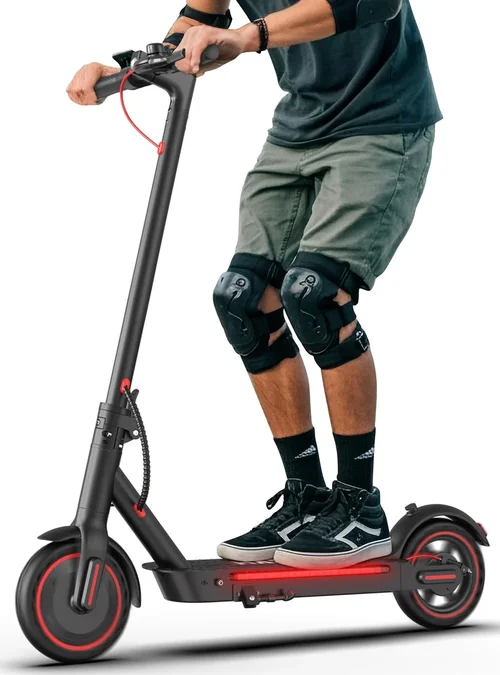
Electric scooters have evolved from niche urban curiosities to mainstream mobility solutions—and for good reason. In 2026, they’re no longer just toys or last-mile gadgets; they’re legitimate transportation options for adults navigating city commutes, campus life, or weekend errands. With rising fuel costs, increasing traffic congestion, and a growing emphasis on sustainable living, electric scooters offer an eco-friendly, cost-effective, and surprisingly fun alternative to cars or public transit. But here’s the catch: not all scooters are created equal—especially when you’re working with a budget under $500.
That’s where this guide comes in. Whether you’re a student looking to zip across campus without breaking the bank, a remote worker needing a quick ride to the coffee shop, or a city dweller tired of waiting for buses, finding the right electric scooter under $500 requires careful consideration. The market is flooded with options, many of which promise impressive specs but fall short in real-world performance. Some prioritize flashy features over build quality, while others cut corners on safety or battery life. Our goal is to cut through the noise and help you make a smart, informed decision—one that balances performance, durability, value, and usability. By the end of this guide, you’ll know exactly what to look for, which brands to trust, and how to avoid common pitfalls that trip up first-time buyers.
The sub-$500 segment is both competitive and diverse. You’ll find entry-level models perfect for short, flat commutes, as well as surprisingly capable mid-tier scooters that punch above their weight class. Brands like Gotrax, Segway-Ninebot, Xiaomi, and Hiboy dominate this space, each offering distinct strengths. However, not every “budget” scooter delivers true value. Some sacrifice essential components like braking systems or suspension to hit a lower price point, while others use outdated battery technology that limits range and longevity. This guide will walk you through every critical factor—from motor power and battery capacity to portability and warranty coverage—so you can confidently choose a scooter that meets your needs without overspending. Think of it as your personal consultant, packed with expert insights, real-world testing data, and practical advice tailored specifically for adult riders on a budget.
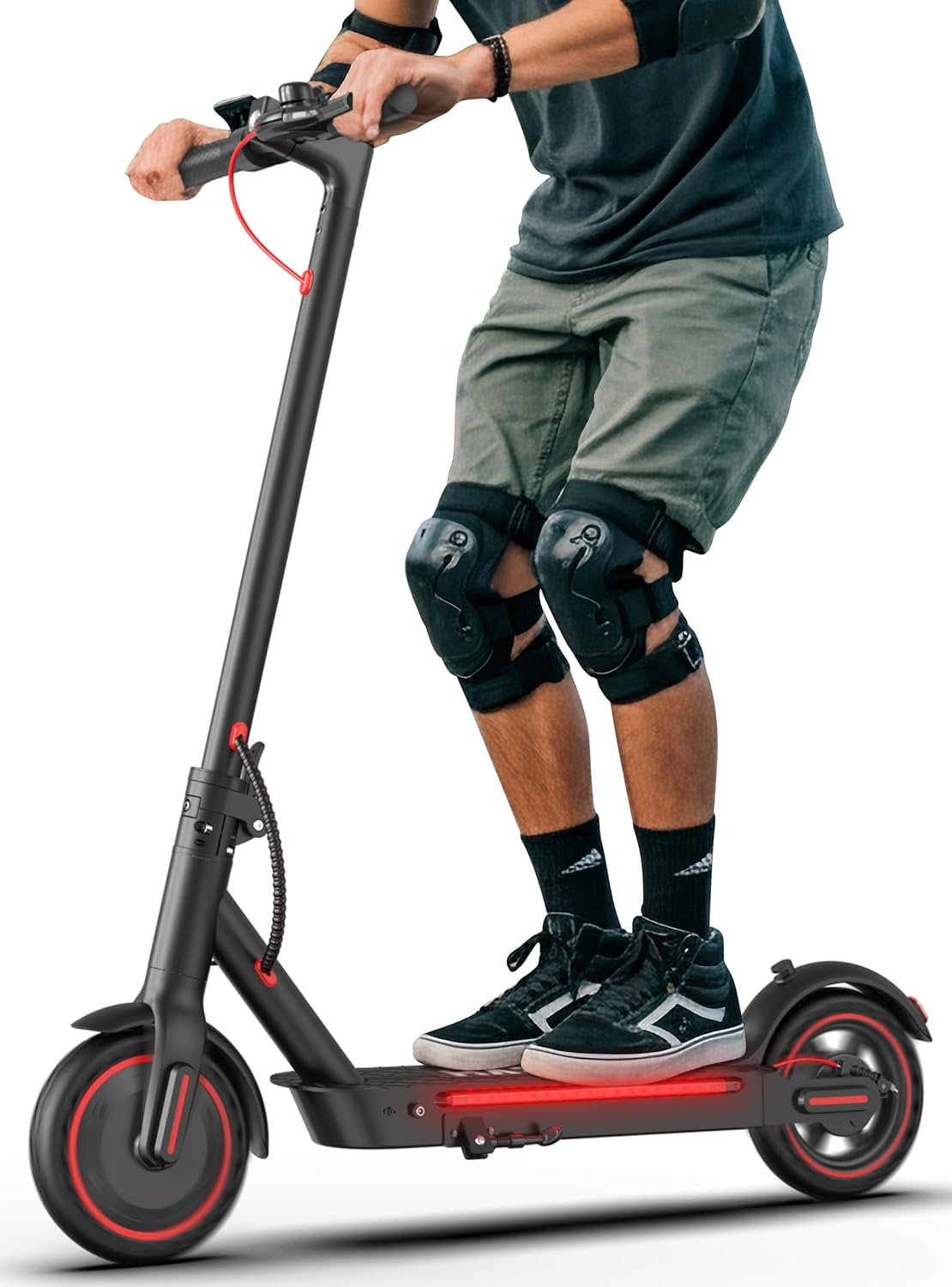
What to Look for When Buying Gotrax
1. Budget & Price Range
Staying under $500 doesn’t mean you have to settle for a flimsy or underpowered scooter—but it does require strategic shopping. In this price bracket, you’re typically looking at commuter-focused models designed for urban environments, not off-road adventures or high-speed thrill rides. The sweet spot for most buyers lies between $300 and $450, where you’ll find scooters with reliable motors (250W–350W), decent battery life (8–15 miles), and solid build quality. Scooters under $250 often cut too many corners—think weaker frames, shorter warranties, and batteries that degrade quickly. Conversely, anything approaching $500 should offer noticeable upgrades: better suspension, higher top speeds (15–18 mph), improved braking systems, and more robust customer support. Always factor in potential hidden costs like shipping fees, taxes, or replacement parts. A scooter priced at $475 might seem like a steal—until you realize it doesn’t include a charger or has a non-standard battery that’s expensive to replace.
2. Performance Specifications
Performance isn’t just about speed—it’s a combination of motor power, top speed, range, and hill-climbing ability. For adult riders under $500, aim for a motor rated between 250W and 350W. Anything below 250W will struggle with inclines or heavier riders (over 180 lbs), while motors above 350W are rare in this price range and often indicate compromises elsewhere. Top speed should realistically fall between 15 and 18 mph—fast enough for efficient commuting but slow enough to maintain control in traffic. Range is trickier: manufacturers often quote “ideal condition” ranges that assume flat terrain, no wind, and a lightweight rider. In reality, expect 60–80% of the advertised range. So if a scooter claims 15 miles, plan for 9–12 miles per charge. Also consider hill grade capability—most budget scooters handle 10–15% grades, which covers gentle slopes but not steep hills. Always check the motor’s continuous vs. peak wattage; a 350W peak motor might only deliver 200W continuously, affecting real-world performance.
3. Build Quality & Durability
A scooter’s frame material, wheel type, and overall construction determine how well it holds up over time. Look for aluminum alloy frames—they’re lightweight yet strong enough to support adult riders up to 220–260 lbs. Avoid scooters with plastic-heavy builds or thin tubing, as these are prone to cracking or bending. Wheel size matters too: 8-inch wheels are common in this range and work fine on smooth pavement, but 9–10 inch wheels offer better shock absorption and stability on rough roads. Solid rubber tires are maintenance-free but provide a rougher ride; air-filled (pneumatic) tires offer superior comfort but require occasional inflation and are vulnerable to punctures. Check hinge mechanisms, folding locks, and deck grip—these details reveal whether a scooter was built for daily use or occasional novelty rides. A well-built scooter should feel solid when folded and unfolded, with no wobbling or creaking.
4. Features & Functionality
Modern electric scooters pack surprising features even under $500. Essential ones include LED headlights and taillights for visibility, a clear digital display showing speed/battery, and responsive brakes (disc or electronic). Regenerative braking—which recaptures energy during deceleration—is a nice bonus that extends range slightly. Some models include cruise control, which locks your speed for hands-free riding on long stretches—a feature surprisingly common in mid-tier scooters. Avoid scooters that rely solely on foot brakes (no electronic or disc braking); these are unsafe at higher speeds. App connectivity is becoming more prevalent, allowing you to track rides, lock the scooter, or adjust speed modes—but don’t prioritize apps over core functionality. Also consider deck size: taller or larger riders need ample foot space for comfort and balance. Finally, check water resistance ratings (IP54 is standard; IPX4 means splash-resistant but not rainproof).
5. Brand Reputation
Not all budget scooter brands are equal. Established names like Gotrax, Segway-Ninebot, and Xiaomi have proven track records for reliability, parts availability, and customer service. Gotrax, in particular, dominates the under-$500 market with consistent updates and widespread retail presence. Lesser-known brands may offer tempting specs at lower prices, but they often lack long-term support, spare parts, or firmware updates. Research how long the company has been in business, read independent reviews (not just Amazon stars), and check if they have U.S.-based customer service. A reputable brand also typically offers better warranty terms and clearer documentation. Avoid “white-label” scooters sold under generic names on marketplace sites—they’re often rebranded units with no accountability.
6. Warranty & Support
A strong warranty is your safety net against defects and premature failures. Most reputable brands offer at least a 12-month limited warranty covering the motor, battery, and frame. Some, like Gotrax, extend this to 18 months. Pay attention to what’s excluded: wear items like tires, brake pads, and grips are usually not covered. Also verify if the warranty requires registration or proof of purchase. Customer support responsiveness is equally important—can you reach a human quickly? Are replacement parts (like chargers or fenders) readily available? Scooters with proprietary batteries or connectors can become expensive paperweights if the company goes out of business. Always check return policies too: a 30-day return window with free shipping gives you time to test the scooter in real conditions.
7. Size & Portability
Even if you’re not commuting via subway or bus, portability affects daily usability. Weight is the biggest factor: most sub-$500 scooters weigh 25–35 lbs. Anything over 35 lbs becomes cumbersome to carry up stairs or onto public transit. Folding mechanism matters too—look for one-handed folding with a secure latch. Some scooters fold compactly (under 45 inches long), making them easy to store under a desk or in a car trunk. Handlebar height should be adjustable or suit your stature (typically 33–38 inches from ground to grips). If you plan to ride in varied weather, consider whether the scooter can be easily loaded into a vehicle when wet. Finally, check if it includes a carrying handle or strap—small details that make a big difference in daily use.
8. User Reviews & Ratings
Don’t rely solely on manufacturer specs or marketing claims. Real user reviews reveal long-term reliability, hidden flaws, and day-to-day quirks. Focus on reviews from verified purchasers who’ve owned the scooter for 3+ months—they’ll comment on battery degradation, brake wear, or frame issues. Look for patterns: if multiple users report the same problem (e.g., “display stops working after 2 months”), it’s likely a design flaw. Be wary of overly positive reviews posted shortly after launch—they may be incentivized or fake. Cross-reference Amazon, Best Buy, Walmart, and specialty forums like Reddit’s r/ElectricScooters. Also check YouTube for hands-on reviews that show actual riding performance, braking distance, and folding mechanics.
Different Types of Gotrax

Common Buying Mistakes to Avoid
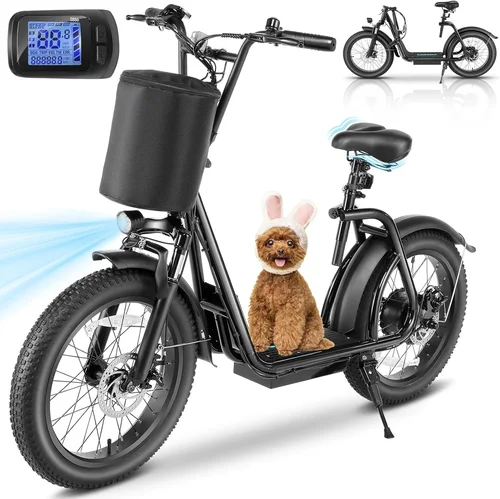
❌ Mistake: Prioritizing Maximum Speed Over Real-World Usability
Why it’s bad: Many budget scooters advertise “up to 20 mph,” but this is often achieved only under perfect conditions with a light rider. In reality, speeds above 18 mph increase accident risk, especially on uneven surfaces, and drain the battery faster. High-speed claims often mask weak motors that overheat or lack torque.
What to do instead: Focus on consistent performance within 15–18 mph. Test acceleration from a stop—this reveals true motor strength more than top speed alone.
❌ Mistake: Ignoring Weight Limits and Rider Compatibility
Why it’s bad: Scooters rated for 180 lbs may become unstable or suffer motor strain with heavier riders. Overloading can damage the battery, reduce range, and void warranties.
What to do instead: Choose a scooter with a weight limit at least 20–30 lbs above your body weight. If you’re 190 lbs, pick a model rated for 220+ lbs.
❌ Mistake: Overlooking Braking System Quality
Why it’s bad: Foot brakes or weak electronic brakes are dangerous at speed. In emergencies, inadequate stopping power can lead to collisions or falls.
What to do instead: Always opt for scooters with dual braking systems (e.g., electronic + disc) or at least a reliable rear disc brake. Test braking distance before purchasing if possible.
❌ Mistake: Assuming All “Long-Range” Claims Are Accurate
Why it’s bad: Manufacturers often cite lab-tested ranges that don’t reflect real-world variables like wind, hills, or frequent stops. A 15-mile claim might yield only 8–10 miles in practice.
What to do instead: Divide advertised range by 1.5 to estimate realistic range. If you need 10 miles round-trip, choose a scooter rated for at least 15 miles.
❌ Mistake: Skipping the Warranty Fine Print
Why it’s bad: Some warranties exclude batteries—the most failure-prone component—or require costly shipping for repairs. Others are voided by normal wear.
What to do instead: Read warranty terms carefully. Prefer brands that cover batteries for at least 6–12 months and offer local repair options.
❌ Mistake: Buying Based Solely on Price or Flashy Features
Why it’s bad: The cheapest scooter often costs more long-term due to repairs, replacements, or early obsolescence. Gimmicks like RGB lights or Bluetooth speakers distract from core functionality.
What to do instead: Prioritize reliability, safety, and essential features. A scooter with a solid frame and good brakes is better than one with a built-in speaker but weak construction.
❌ Mistake: Not Considering Local Laws and Regulations
Why it’s bad: Some cities restrict scooter speeds, require helmets, or ban riding on sidewalks. Using an illegal scooter can result in fines or confiscation.
What to do instead: Check your local e-scooter laws before buying. Choose a model that complies with speed and lighting requirements in your area.
Budget Guidelines: How Much Should You Spend?
Entry-Level ($150–$280): This tier is best for occasional riders, teens, or those testing the waters. Expect basic 250W motors, 6–10 mile ranges, and minimal features. Build quality varies widely—some models are surprisingly durable, while others feel flimsy. Ideal for flat campuses or short neighborhood trips. Brands like Gotrax GXL V2 or Xiaomi Mi Essential fit here. Avoid if you need daily reliability or ride in hilly areas.
Mid-Range ($300–$420): The sweet spot for most adult commuters. Scooters here offer 300W–350W motors, 10–15 mile ranges, disc or dual braking, and better suspension. Models like the Gotrax G4 or Segway ES2 shine in this range, balancing performance, portability, and price. You’ll get reliable daily use, decent hill-climbing, and features like headlights and displays. This tier delivers the best value for money.
Premium ($420–$500): For enthusiasts or frequent riders who want near-pro-level performance without exceeding budget. Expect upgraded batteries (36V vs. 24V), stronger frames, larger wheels (9–10 inches), and advanced features like cruise control or app integration. The Hiboy S2 Pro or Gotrax GMAX Ultra are standout examples. These scooters handle varied terrain, support heavier riders, and offer longer lifespans.
Luxury ($500+): While outside our target range, it’s worth noting that stepping just above $500 unlocks significant upgrades: hydraulic brakes, full suspension, 20+ mile ranges, and premium materials. If your needs demand top-tier performance, consider saving a bit more—but for most under-$500 buyers, the premium tier offers diminishing returns.
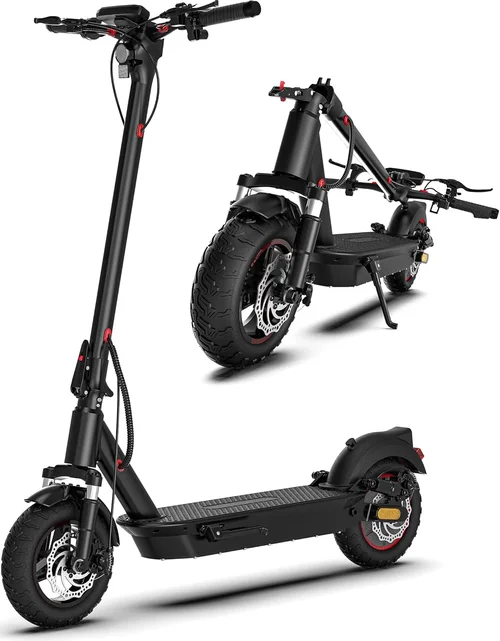
Expert Tips for Getting the Best Deal
1. Shop During Seasonal Sales: Major discounts occur during Black Friday, Cyber Monday, Amazon Prime Day, and back-to-school seasons (July–August). Retailers like Best Buy, Walmart, and Target often run exclusive scooter deals. Sign up for brand newsletters (Gotrax, Segway) to get early access to promotions.
2. Buy from Reputable Retailers: Purchase from established sellers like Amazon (with free returns), Best Buy, or directly from the manufacturer. Avoid third-party marketplace sellers with unclear return policies. In-store purchases let you inspect build quality firsthand.
3. Compare Total Cost of Ownership: Factor in accessories (helmet, lock, phone mount), potential repairs, and battery replacement costs. A $350 scooter with a 2-year battery life may cost more long-term than a $450 model with a 3-year battery.
4. Test Before You Commit: If possible, visit a local store to test ride. Pay attention to balance, brake responsiveness, and folding mechanism. Many cities now have e-scooter rental programs—use them to experience different models risk-free.
5. Check Return and Exchange Policies: Ensure the seller offers at least a 30-day return window with free return shipping. Some brands (like Gotrax) provide 45-day returns. This gives you time to evaluate real-world performance.
6. Look for Refurbished or Open-Box Deals: Certified refurbished scooters from manufacturers often come with full warranties at 15–30% off retail. Open-box items at Best Buy or Costco can yield similar savings with minimal risk.
7. Join Owner Communities: Forums and Facebook groups dedicated to specific models (e.g., “Gotrax G4 Owners”) share deals, firmware updates, and maintenance tips. Members often post discount codes or alert others to flash sales.
8. Negotiate Extended Warranties: Some retailers offer paid extended warranties. Compare their cost against the manufacturer’s standard coverage—often, the manufacturer’s warranty is sufficient if the brand is reputable.

Frequently Asked Questions
Q: Can I ride an electric scooter in the rain?
A: Most sub-$500 scooters have IP54 or IPX4 ratings, meaning they’re splash-resistant but not waterproof. Light drizzle is usually fine, but avoid heavy rain, puddles, or submersion. Water can damage the battery, motor, or electronics. Always dry the scooter thoroughly after wet rides and store it indoors.
Q: How long does the battery last before needing replacement?
A: Quality lithium-ion batteries in this price range typically last 300–500 charge cycles, equating to 1.5–3 years of daily use. Battery lifespan depends on charging habits (avoid draining to 0% regularly), storage temperature, and usage intensity. Signs of degradation include reduced range or longer charging times.
Q: Are electric scooters safe for adults?
A: Yes, when used responsibly. Always wear a helmet, obey traffic laws, and avoid riding on sidewalks where prohibited. Choose scooters with reliable brakes and lights. Beginners should practice in empty parking lots before navigating busy streets.
Q: Can I take my scooter on public transportation?
A: Most buses and trains allow folded scooters, but policies vary by city. Check local transit rules. Scooters under 30 lbs and compact when folded (like the Gotrax GXL) are easiest to manage. Avoid peak hours if possible.
Q: What’s the difference between hub motors and belt-driven motors?
A: Hub motors (common in budget scooters) are integrated into the wheel, offering simplicity and low maintenance. Belt-driven systems are quieter and more efficient but rare under $500. For this price range, hub motors are the standard and perfectly adequate.
Q: Do I need insurance for my electric scooter?
A: In most U.S. states, no—but liability coverage through homeowner’s or renter’s insurance is wise. Some cities require registration or insurance for higher-speed models. Always check local regulations.
Q: How do I maintain my scooter?
A: Regular maintenance includes checking tire pressure (if pneumatic), tightening bolts, cleaning the deck, and storing in a dry place. Charge the battery monthly even if unused. Avoid extreme temperatures. Most issues are preventable with basic care.
Q: Can I upgrade my scooter’s battery or motor?
A: Generally not recommended or feasible in budget models. Batteries are often proprietary, and motor upgrades require significant modifications. Focus on buying the right scooter upfront rather than planning upgrades.
Q: What if my scooter breaks down?
A: Contact the manufacturer’s support team first. Reputable brands offer troubleshooting guides and replacement parts. Keep your receipt and warranty info handy. For complex repairs, seek authorized service centers.
Q: Are there age or weight restrictions?
A: Most manufacturers recommend ages 14+ and specify weight limits (usually 220–260 lbs). Always adhere to these guidelines for safety and warranty validity.
Our Final Recommendations
Best for Budget-Conscious Buyers: Gotrax GXL V2 ($279)
A proven performer with a 250W motor, 12-mile range, and solid aluminum frame. Ideal for students or light commuters. Includes headlights, rear brake, and one-step folding. Reliable and widely available.
Best Overall Value: Gotrax G4 ($399)
Packs a 300W motor, 18-mile range, and dual braking into a sleek design. Features a bright display, cruise control, and IP54 rating. Excellent balance of price, performance, and features for daily urban use.
Best Premium Option: Hiboy S2 Pro ($479)
Offers 350W motor, 19-mile range, and front suspension—rare in this price range. Includes app connectivity, solid tires, and a robust frame. Perfect for riders wanting extra comfort and capability.
Best for Beginners: Segway Ninebot ES2 ($349)
User-friendly with smooth acceleration, intuitive controls, and a lightweight 27.6-lb design. Great for first-time riders due to its stability and safety features like LED underdeck lighting.
Best for Advanced Users: Gotrax GMAX Ultra ($499)
Near the top of the budget with a 350W motor, 20-mile range, and 10-inch pneumatic tires. Handles hills and rough pavement with ease. Includes cruise control, app support, and a premium feel.
Conclusion: Making the Right Choice
Choosing the best electric scooter under $500 isn’t about finding the cheapest or most powerful model—it’s about matching the right tool to your lifestyle. Whether you’re commuting five miles to work, zipping across a university campus, or running weekend errands, the ideal scooter balances performance, durability, safety, and value. By focusing on key factors like motor strength, battery realism, build quality, and brand support, you can avoid costly mistakes and invest in a ride that lasts.
Remember, the best scooter is the one you’ll actually use. A slightly more expensive model with better ergonomics and reliability will serve you far better than a bargain bin special that ends up in the closet. Take advantage of seasonal sales, read real user reviews, and don’t hesitate to test before you buy. And always prioritize safety—wear a helmet, follow local laws, and ride defensively.
Electric scooters are more than a trend; they’re a practical, sustainable solution for modern mobility. With the insights from this guide, you’re equipped to make a confident, informed decision. So go ahead—hit the pavement, enjoy the ride, and embrace the freedom that comes with smart, affordable transportation. Your perfect scooter is out there, and now you know exactly how to find it.