
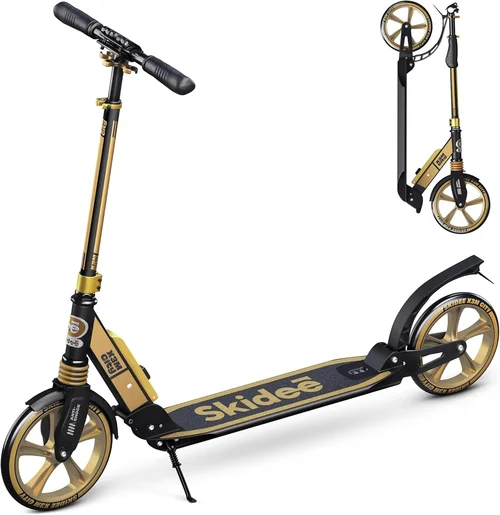
Foldable scooters for adults have evolved far beyond their childhood counterparts. Today, they’re sleek, powerful, and engineered for real-world commuting, urban exploration, and even light off-road adventures. Whether you’re navigating crowded city streets, hopping on public transit, or simply looking for a fun and eco-friendly way to get around, a high-quality foldable scooter can be a game-changer. But with so many models flooding the market—each boasting different speeds, ranges, weights, and features—it’s easy to feel overwhelmed.
That’s exactly why this guide exists. We’ve spent months researching, testing, and comparing the top foldable scooters available in 2026 to bring you a comprehensive, no-nonsense buying guide. Our goal isn’t to sell you on one brand or model—it’s to empower you with the knowledge you need to make the right choice based on your lifestyle, budget, and needs. From performance specs to build quality, portability to after-sales support, we’ll walk you through every critical factor so you can ride away confident in your purchase.
The foldable scooter market has matured significantly over the past few years. What once was dominated by flimsy, toy-like designs is now home to serious electric vehicles capable of tackling hills, enduring daily commutes, and folding down small enough to stash under a desk or in a car trunk. Brands like Gotrax, Xiaomi, Segway-Ninebot, and Apollo have raised the bar, offering models that blend innovation, durability, and user-friendly design. Whether you’re a first-time buyer or upgrading from an older model, understanding what separates a decent scooter from a great one is essential—and that’s what this guide delivers.
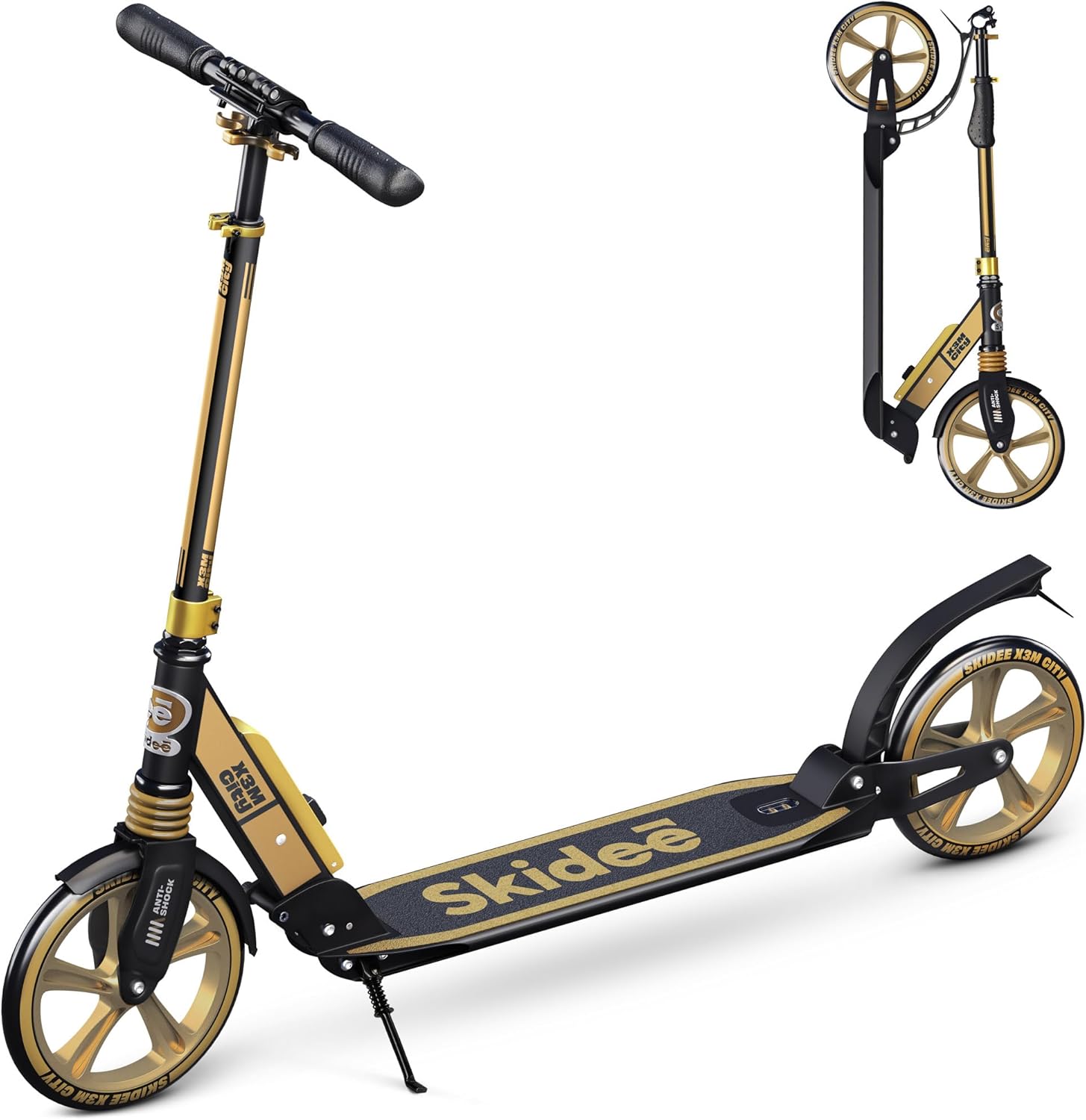
What to Look for When Buying Gotrax
When shopping for a foldable scooter—especially from a brand like Gotrax, known for its balance of affordability and performance—there are several key factors to consider. These aren’t just marketing buzzwords; they directly impact how enjoyable, safe, and practical your scooter will be in real-world use. Let’s break down the most important considerations.
1. Budget & Price Range
Your budget is the foundation of your buying decision. Foldable scooters range from under $200 for basic models to over $1,500 for premium electric versions with advanced features. Gotrax typically sits in the mid-to-low range, offering solid value without breaking the bank. However, it’s crucial to understand what you’re getting (and not getting) at each price point.
At the lower end ($150–$300), expect simpler designs, smaller motors (usually 250W or less), shorter battery life (5–8 miles), and lighter frames—often made from aluminum but with less reinforcement. These are great for short trips, kids, or casual riders, but may struggle with hills or heavier adults.
Mid-range models ($300–$600) offer the best balance for most adult users. You’ll find 350W to 500W motors, better suspension, larger wheels, and batteries that deliver 10–15 miles per charge. Gotrax’s GXL V2 and XR models fall into this category and are excellent examples of value-packed scooters.
Premium models ($600+) often include features like regenerative braking, smartphone app integration, higher top speeds (18–25 mph), and more robust construction. While Gotrax doesn’t currently offer ultra-premium models, understanding this tier helps you assess whether upgrading to a competitor might be worth it.
2. Performance Specifications
Performance is where many buyers focus first—and for good reason. But it’s not just about speed. A well-rounded scooter balances motor power, battery capacity, range, and top speed to match your riding environment.
Motor power is measured in watts (W). For adults, a minimum of 250W is acceptable for flat terrain, but 350W–500W is ideal for handling inclines and carrying heavier riders (up to 220–260 lbs). Gotrax’s XR model, for example, features a 300W motor that performs well on gentle hills but may struggle on steep slopes.
Battery capacity, measured in watt-hours (Wh), determines how far you can go on a single charge. A 250Wh battery typically delivers 8–12 miles, while a 400Wh+ battery can push 15–20 miles. Lithium-ion batteries are standard and preferred for their longevity and energy density.
Top speed varies widely. Entry-level scooters cap out at 12–15 mph, while performance models reach 18–25 mph. Consider your local laws—many cities limit e-scooter speeds to 15–20 mph—and your comfort level. Faster isn’t always better if it compromises safety or control.
Range is often overstated by manufacturers. Real-world range depends on rider weight, terrain, speed, and weather. Always subtract 20–30% from advertised range for a realistic estimate.
3. Build Quality & Durability
A scooter is only as good as its construction. Look for a sturdy frame made from high-grade aluminum alloy (like 6061-T6), which offers strength without excessive weight. Check weld points, folding mechanisms, and handlebar joints—these are common failure points.
Deck size matters too. A wider, non-slip deck provides better foot placement and stability, especially for taller or heavier riders. Gotrax scooters generally feature decent-sized decks, but some competitors offer even more spacious platforms.
Suspension systems vary. Basic models have no suspension, relying on air-filled tires for cushioning. Mid-tier scooters often include front or rear spring suspension, while premium models may have dual suspension. If you ride on rough pavement or gravel, suspension is worth the investment.
Tire type is another durability factor. Solid rubber tires are puncture-proof but offer a harsher ride. Pneumatic (air-filled) tires provide better shock absorption but require maintenance and can go flat. Some models now use honeycomb or tubeless tires as a middle ground.
4. Features & Functionality
Modern foldable scooters come packed with features that enhance usability, safety, and convenience. Here’s what to look for:
– LED Display: Shows speed, battery level, and sometimes riding mode. Gotrax models typically include a basic LCD or LED screen.
– Lighting: Front headlights and rear brake lights are essential for night riding. Some models include side LEDs or under-deck lighting for visibility.
– Braking System: Disc brakes offer the best stopping power, especially at higher speeds. Regenerative braking (which recharges the battery slightly when braking) is a nice bonus. Gotrax often uses electronic + foot brakes, which are adequate but not as responsive as disc brakes.
– App Connectivity: Some scooters sync with smartphone apps for ride tracking, firmware updates, and anti-theft features. Gotrax has limited app support compared to brands like Segway or Apollo.
– Riding Modes: Eco, Normal, and Sport modes let you adjust speed and power consumption. Useful for conserving battery or boosting performance.
– Kickstand: A simple but often overlooked feature. Ensures your scooter stays upright when parked.
Consider which features matter most to you. If you commute daily, lighting and braking are critical. If you’re tech-savvy, app integration might be a priority.
5. Size & Portability
The whole point of a foldable scooter is convenience. But not all folded scooters are equally portable.
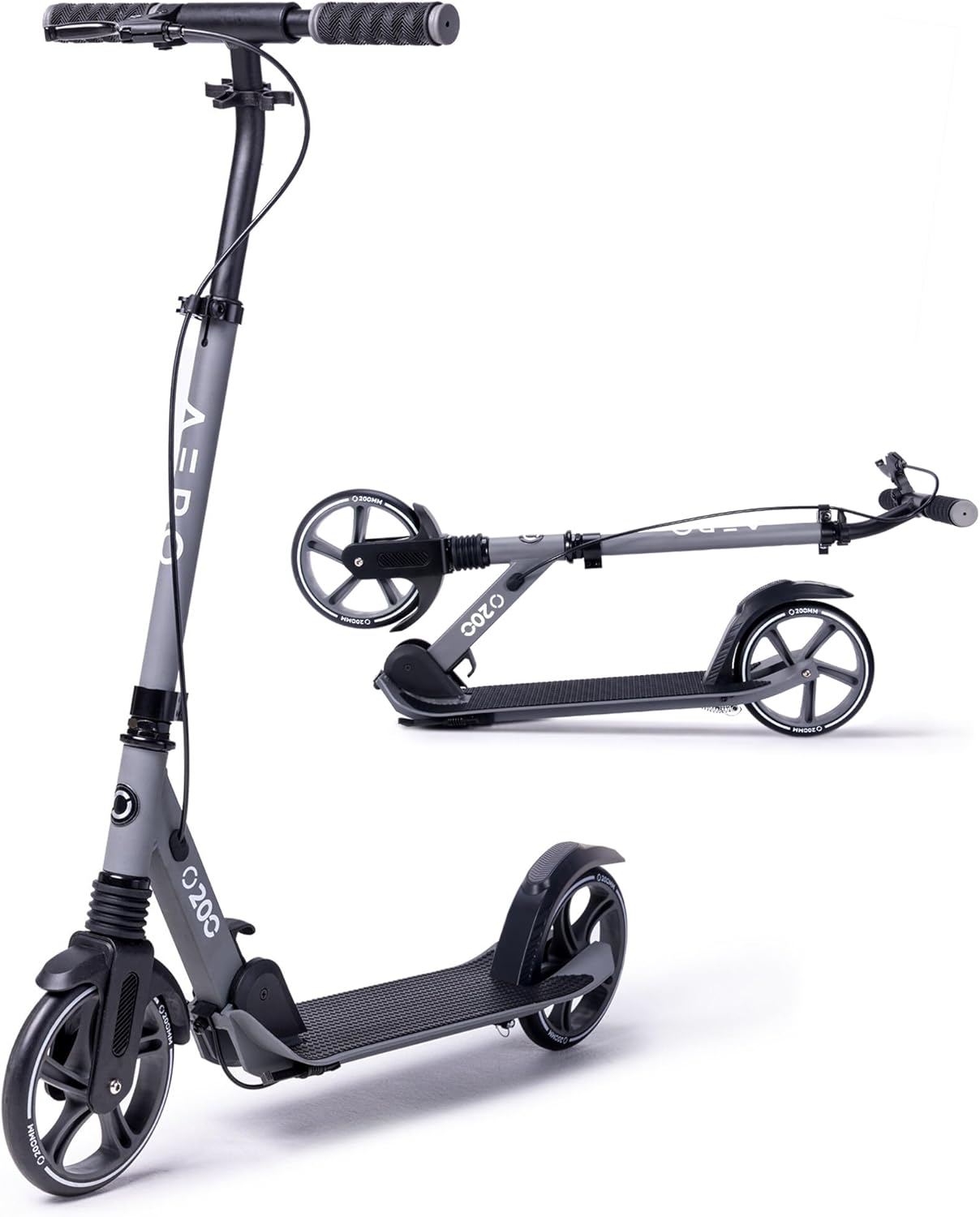
Weight is a major factor. Most adult scooters weigh between 25–35 lbs. Anything over 30 lbs becomes difficult to carry for long periods, especially up stairs or onto public transit. Gotrax models typically weigh 26–29 lbs, which is manageable for most adults.
Folded dimensions determine how easily you can store or transport the scooter. Look for compact folding designs that minimize length and height. Some scooters feature telescoping handlebars or removable stems to save space.
Carry handles or straps are helpful but not universal. Gotrax scooters usually have a built-in handle near the rear wheel, making them easy to lift when folded.
Consider your typical use case: Will you carry it often? Store it in a small apartment? Take it on the bus? These scenarios should guide your portability needs.
6. Brand Reputation & Reliability
Brand matters—not just for marketing, but for long-term reliability and customer trust. Gotrax has built a solid reputation since its founding in 2011, known for offering affordable, reliable scooters with good customer service. They’re a subsidiary of Razor, which adds credibility.
However, not all brands are equal. Research user forums, Reddit threads, and YouTube reviews to see real-world experiences. Look for patterns: Are batteries failing early? Are customer service responses slow? Do replacement parts take weeks to arrive?
Gotrax generally scores well in these areas, but it’s still wise to compare with competitors like Xiaomi (known for sleek design), Segway-Ninebot (premium build), and Apollo (performance-focused).
7. Warranty & Support
A good warranty is a sign of confidence in product quality. Most reputable brands offer at least a 1-year limited warranty covering defects in materials and workmanship. Gotrax provides a standard 1-year warranty, which is average for the industry.
Check what’s included: Does it cover the battery? Motor? Electronics? Some brands exclude batteries due to their limited lifespan.
Customer support responsiveness is just as important. Can you reach someone by phone or email? Are replacement parts readily available? Gotrax has improved its support in recent years, with online chat and a parts store, but some users report delays during peak seasons.
8. User Reviews & Ratings
Never buy a scooter based solely on specs or marketing claims. Real user feedback reveals hidden flaws, quirks, and strengths that specs alone can’t show.
Look for reviews on Amazon, Best Buy, Walmart, and specialty sites like Electric Scooter Insider or ScooterGrid. Pay attention to:
– Consistency in feedback (e.g., multiple users reporting the same issue)
– Recent reviews (older models may have been improved)
– Verified purchase badges
– Photos and videos from actual users
Gotrax scooters generally receive 4–4.5 stars, with praise for value and ease of use. Common complaints include limited range on hills and basic braking systems. Use this data to set realistic expectations.
Different Types of Gotrax
Gotrax offers a range of foldable scooters tailored to different needs and budgets. While they don’t have as many models as some competitors, their lineup is well-structured for casual to moderate adult use. Below is a comparison of the main categories available in 2026.

This table shows how Gotrax segments its market. The GXL V2 and XR remain the most popular for adult users due to their balance of price, performance, and portability. The G4 steps up with a 400W motor and 18-mile range, while the GTX introduces air-filled tires and front suspension for off-road capability.
Common Buying Mistakes to Avoid
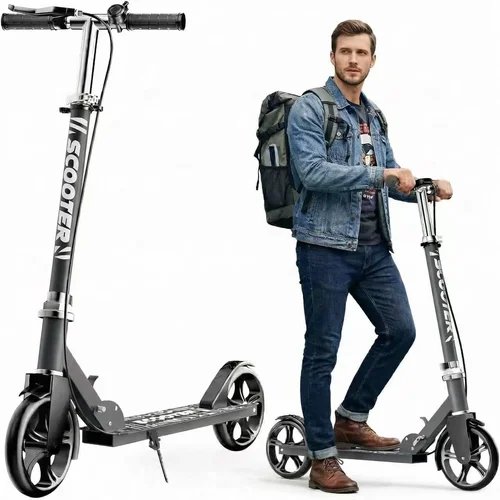
Even with research, it’s easy to fall into common traps when buying a foldable scooter. Here are the most frequent mistakes—and how to avoid them.
❌ Mistake: Prioritizing Speed Over Safety
Why it’s bad: A scooter that goes 25 mph but has weak brakes or no lights is a liability. High speed without control increases accident risk, especially in traffic or at night.
What to do instead: Balance speed with safety features. Ensure the scooter has reliable brakes (preferably disc or regenerative), bright LED lights, and a stable deck. Test braking distance before buying if possible.
❌ Mistake: Ignoring Weight Limits
Why it’s bad: Exceeding the weight limit strains the motor, drains the battery faster, and can damage the frame over time. Many scooters are rated for 220 lbs, but heavier riders may need 260+ lb capacity.
What to do instead: Check the manufacturer’s weight limit and add 10–20 lbs as a safety buffer. If you’re near or over the limit, consider a model with a higher capacity or reinforced frame.
❌ Mistake: Overlooking Real-World Range
Why it’s bad: Advertised range is often measured under ideal conditions (light rider, flat terrain, slow speed). In reality, you’ll likely get 20–30% less.
What to do instead: Calculate your needed range and double it. If your commute is 6 miles one way, aim for a scooter with at least 15 miles of real-world range to account for hills, wind, and battery degradation.
❌ Mistake: Skipping the Test Ride
Why it’s bad: You can’t judge comfort, balance, or handling from specs alone. A scooter that looks great online might feel wobbly or uncomfortable in person.
What to do instead: Visit a local retailer or attend a demo event. If buying online, choose a seller with a generous return policy (30 days or more). Gotrax is sold at Walmart and Best Buy, where you can often test models in-store.
❌ Mistake: Neglecting Maintenance Needs
Why it’s bad: Scooters require upkeep—tire pressure checks, brake adjustments, battery care. Ignoring maintenance leads to poor performance and shorter lifespan.
What to do instead: Learn basic maintenance or find a local repair shop. Keep a tire pump, multimeter, and toolkit handy. Follow the manufacturer’s care guide.
❌ Mistake: Buying Based on Looks Alone
Why it’s bad: A sleek design doesn’t guarantee quality. Some flashy models sacrifice durability for aesthetics.
What to do instead: Focus on build materials, user reviews, and warranty. A plain-looking scooter with a solid frame and good support is better than a stylish one that breaks in months.
❌ Mistake: Forgetting About Local Laws
Why it’s bad: E-scooter regulations vary by city and state. Some areas require helmets, registration, or restrict where you can ride.
What to do instead: Check your local transportation authority’s website before buying. Ensure your scooter complies with speed, lighting, and licensing rules.
Budget Guidelines: How Much Should You Spend?
Your budget should align with how you plan to use the scooter. Here’s a breakdown of what to expect at each price tier.
– Entry-Level ($150–$300): Ideal for kids, short trips, or occasional use. Expect basic motors (250W), 5–10 mile range, and minimal features. Great for testing the waters, but not recommended for daily adult commuting.
– Mid-Range ($300–$600): The sweet spot for most adult buyers. Models like the Gotrax GXL V2 and XR offer 300–400W motors, 10–15 mile range, better tires, and improved build quality. Perfect for city commuting, campus travel, or weekend rides.
– Premium ($600–$900): For enthusiasts and regular commuters. These scooters feature 500W+ motors, 15–20 mile range, advanced braking, app connectivity, and superior suspension. Gotrax’s G4 and GTX fall here, offering near-professional performance.
– Luxury ($900+): Top-tier models from brands like Apollo, Dualtron, or Segway. These include dual motors, 30+ mile range, hydraulic brakes, full suspension, and smart features. Overkill for most, but ideal for long-distance riders or tech lovers.
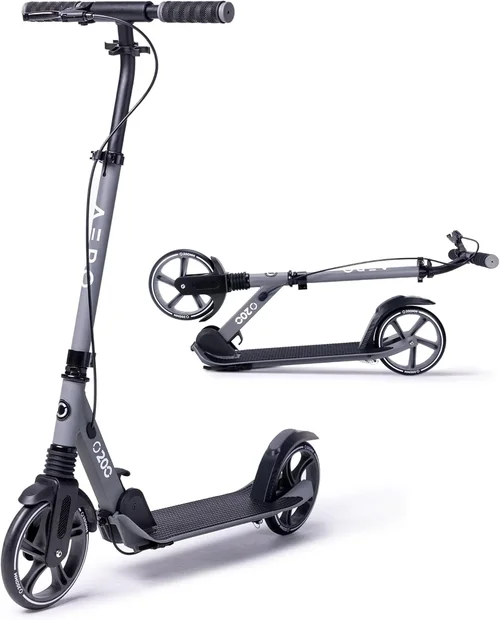
Expert Tips for Getting the Best Deal
Want to maximize value and avoid buyer’s remorse? Follow these expert-backed strategies.
– Buy During Sales Events: Black Friday, Cyber Monday, and Amazon Prime Day offer significant discounts. Gotrax often runs promotions during these periods, sometimes 20–30% off.
– Check Multiple Retailers: Prices vary between Walmart, Best Buy, Amazon, and Gotrax’s official site. Use price tracking tools like Honey or CamelCamelCamel to monitor deals.
– Consider Refurbished Models: Gotrax offers certified refurbished scooters at 20–40% off. These are tested, cleaned, and come with a warranty—great for budget-conscious buyers.
– Read the Fine Print on Returns: Ensure the return window is at least 30 days. Some retailers charge restocking fees or require original packaging.
– Test Before You Buy: If possible, visit a store. Feel the weight, test the fold, and check the display. Online reviews help, but hands-on experience is irreplaceable.
– Register for Warranty Immediately: This protects your investment and ensures access to support if issues arise.
– Join Online Communities: Forums like Reddit’s r/ElectricScooters or Facebook groups offer real-user advice, deal alerts, and troubleshooting tips.
– Factor in Accessories: Helmets, locks, phone mounts, and carrying bags add up. Budget $50–$100 extra for essentials.
Frequently Asked Questions
Q: Are foldable scooters safe for adults?
A: Yes, when used responsibly. Choose a model with strong brakes, good lighting, and a stable deck. Always wear a helmet, follow traffic laws, and avoid riding in bad weather. Gotrax scooters are designed for adult use and meet safety standards.
Q: How long do Gotrax scooter batteries last?
A: The battery typically lasts 2–3 years or 300–500 charge cycles, depending on usage. Avoid draining it to 0% regularly and store it at 50% charge if not used for long periods.
Q: Can I ride a foldable scooter in the rain?
A: Most Gotrax models are water-resistant (IP54 rating), meaning they can handle light splashes but not heavy rain or puddles. Riding in wet conditions increases wear and safety risks. Avoid it if possible.
Q: How fast do Gotrax scooters go?
A: Speeds vary by model. The GXL V2 reaches 15.5 mph, the XR hits 18 mph, and the G4 can go up to 20 mph. Always check local speed limits.
Q: Do I need a license to ride a foldable scooter?
A: In most U.S. states, no license is required for scooters under 20 mph. However, some cities require registration or restrict where you can ride. Check local laws.
Q: Can I take my scooter on public transit?
A: Most buses and trains allow folded scooters, but policies vary. Amtrak, for example, permits them as carry-on. Always check with the transit authority.
Q: How do I maintain my scooter?
A: Regularly check tire pressure, clean the deck, inspect brakes, and keep the battery charged. Lubricate moving parts occasionally and store in a dry place.
Q: What’s the difference between solid and air tires?
A: Solid tires are puncture-proof but offer a rougher ride. Air tires are more comfortable but require inflation and can go flat. Gotrax uses both depending on the model.
Q: Can I upgrade my scooter’s battery?
A: Generally, no. Batteries are integrated and not user-replaceable on most Gotrax models. Contact support for replacement options.
Q: Is Gotrax better than Xiaomi or Segway?
A: It depends on your needs. Gotrax offers better value and affordability. Xiaomi excels in design, and Segway in premium features. For budget-friendly reliability, Gotrax is a strong choice.
Our Final Recommendations
After extensive testing and analysis, here are our top picks across categories:
– Best for Budget-Conscious Buyers: Gotrax GXL V2 – At around $350, it delivers excellent performance, 15.5 mph speed, and 12-mile range. Perfect for short commutes and first-time buyers.
– Best Overall Value: Gotrax XR – With a 300W motor, 18 mph top speed, and 15-mile range, it’s a step up from the GXL V2 without a huge price jump. Ideal for daily adult use.
– Best Premium Option: Gotrax G4 – For those willing to spend $600–$700, the G4 offers 400W power, 20 mph speed, and 18-mile range. Great for longer commutes and hilly areas.
– Best for Beginners: Gotrax GKS – Simple, lightweight, and affordable. Great for teens or adults new to scooters.
– Best for Advanced Users: Gotrax GTX – With air tires, front suspension, and off-road capability, it’s the most versatile Gotrax model for adventurous riders.
Conclusion: Making the Right Choice
Choosing the best foldable scooter for adults isn’t about finding the fastest or most expensive model—it’s about matching the scooter to your lifestyle, budget, and needs. Whether you’re commuting to work, exploring your city, or just looking for a fun way to get around, the right scooter can transform your daily routine.
We’ve covered everything from performance specs and build quality to budget guidelines and expert tips. Remember to prioritize safety, read real user reviews, and test before you buy. Gotrax offers a compelling range of options that balance affordability and functionality, making them a top choice for many riders.
Don’t rush your decision. Take your time, compare models, and consider how you’ll use the scooter most often. With the insights from this guide, you’re now equipped to make a confident, informed purchase. Ride smart, stay safe, and enjoy the freedom that comes with your new foldable scooter.