
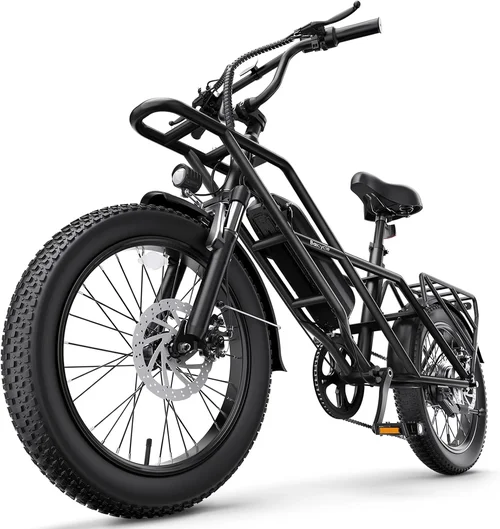
Fat tire ebikes have revolutionized the way people explore terrain—whether it’s snow-covered trails, sandy beaches, muddy backroads, or urban commutes with potholes aplenty. As we move into 2026, the market for these rugged, all-terrain electric bicycles has matured significantly, offering more power, better range, smarter technology, and improved durability than ever before. No longer niche machines reserved for off-road adventurers, fat tire ebikes now appeal to commuters, weekend warriors, campers, and even seniors looking for stable, low-impact transportation. With so many models flooding the market—from budget-friendly options under $1,000 to high-performance beasts exceeding $4,000—choosing the right one can feel overwhelming.
That’s exactly why this comprehensive buying guide exists. Whether you’re a first-time buyer curious about what makes fat tire ebikes special or an experienced rider upgrading your rig, this guide will equip you with everything you need to make a smart, informed decision. We’ll break down the most critical factors to consider—from motor power and battery life to frame materials and warranty coverage—and compare different categories based on use case and budget. You’ll also learn how to avoid common pitfalls, maximize value for your money, and find the perfect fat tire ebike that matches your lifestyle, terrain, and riding goals. By the end, you won’t just know which models are trending in 2026—you’ll understand why they matter for your needs.
The fat tire ebike market in 2026 is more competitive and innovative than ever. Major brands like Rad Power Bikes, Aventon, Juiced Bikes, and Himiway continue to push boundaries with longer-lasting batteries, torque-sensing mid-drive motors, integrated smart displays, and modular designs. Meanwhile, newer entrants like Heybike, Engwe, and Lectric are shaking up the entry-level segment with surprisingly capable bikes at aggressive price points. Regulatory changes in the U.S. and EU have also standardized safety features like pedal-assist limits and lighting requirements, making it easier to compare apples to apples. With advancements in lithium-ion cell technology, many 2026 models now deliver 50–80 miles of real-world range, while improved suspension systems and hydraulic disc brakes ensure control and comfort across unpredictable surfaces. This guide cuts through the noise to help you navigate this dynamic landscape with confidence.

What to Look for When Buying Fat Tire Ebikes
1. Motor Type and Power Output
The motor is the heart of any ebike, and for fat tire models—which often carry extra weight due to wider frames and tires—it’s especially critical. Most fat tire ebikes use either hub motors (mounted in the wheel) or mid-drive motors (integrated near the pedals). Hub motors are common in budget and mid-range models because they’re simpler and cheaper to produce. They provide direct power to the rear or front wheel and typically range from 500W to 1,000W. While adequate for flat terrain and light off-roading, they can struggle on steep inclines or when fully loaded.
Mid-drive motors, on the other hand, leverage the bike’s gears for more efficient power delivery, offering better hill-climbing ability and a more natural riding feel. Though less common in fat tire ebikes due to cost and complexity, some premium 2026 models—like the RadRover 6 Plus Mid-Drive prototype—are beginning to adopt this technology. Look for motors rated between 750W and 1,200W for optimal performance. Higher wattage doesn’t always mean faster speeds (most are capped at 20 mph for Class 2 compliance), but it does improve torque, acceleration, and load capacity. Always check if the motor uses geared or gearless design—geared motors are lighter and more responsive, ideal for varied terrain.
2. Battery Capacity and Range
Battery life directly impacts how far you can ride on a single charge—a crucial factor whether you’re commuting 15 miles round-trip or exploring remote trails. Fat tire ebikes typically use removable lithium-ion batteries with capacities measured in watt-hours (Wh). In 2026, expect standard ranges from 480Wh (entry-level) to 960Wh (premium). For context, a 500Wh battery might give you 30–40 miles on eco mode, but only 15–20 miles on full throttle over rough terrain.
Look for batteries with Samsung, LG, or Panasonic cells—these brands offer superior longevity and safety. Also consider voltage: most fat tire ebikes run on 48V systems, which balance efficiency and power delivery. Higher voltage (like 52V) can improve performance but may reduce compatibility with aftermarket accessories. Removable batteries are strongly recommended—they allow you to charge indoors, swap in a spare, or replace degraded units easily. Some 2026 models even feature dual-battery setups (e.g., Himiway Cobra Pro), effectively doubling your range to 100+ miles.
3. Frame Material and Build Quality
Fat tire ebikes endure more stress than standard ebikes due to their wide tires, heavy loads, and off-road use. That’s why frame material matters immensely. Aluminum alloy (6061 or 7005) is the gold standard—it’s lightweight, rust-resistant, and strong enough to handle impacts. Avoid steel frames unless specifically designed for heavy-duty use; they’re durable but significantly heavier, which drains battery faster.
Pay attention to weld quality, tube thickness, and reinforcement points around the motor mount and dropouts. A well-built frame should feel solid when you lift it—no creaking or flexing. Integrated cable routing not only looks cleaner but also protects wires from snags and weather. For 2026, many brands are adopting hydroformed tubing (shaped under high pressure) for better strength-to-weight ratios. If you’re buying online, check customer photos and videos for real-world build assessments—sometimes specs don’t tell the whole story.
4. Tire Size and Tread Pattern
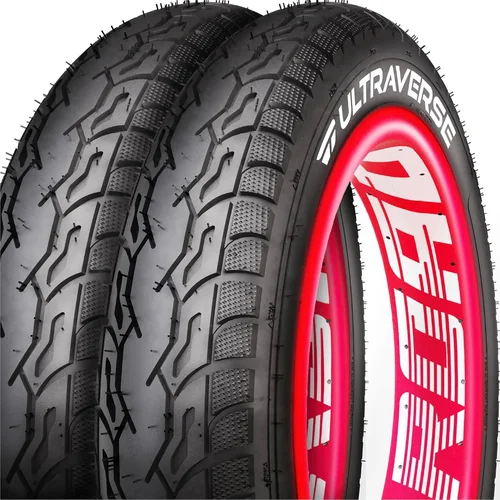
Fat tires aren’t just about width—they’re engineered for specific conditions. Standard fat tires measure 4.0 to 5.0 inches wide, mounted on 20″, 24″, or 26″ wheels. Wider tires (4.8″+) offer superior flotation on sand or snow but increase rolling resistance on pavement. Narrower fat tires (4.0–4.5″) strike a better balance for mixed-use riding.
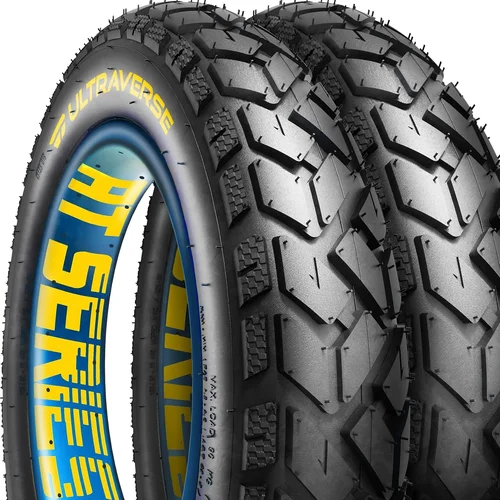
Tread pattern is equally important. Knobby, aggressive treads excel in mud, snow, and loose gravel but create noise and drag on asphalt. Semi-slick or hybrid treads (with center ribs and side knobs) provide quieter pavement performance while retaining off-road capability. Some 2026 models, like the Aventon Aventure.2, come with puncture-resistant layers and reflective sidewalls—small details that enhance safety and durability. Always verify tire pressure recommendations; running too low can damage rims, while too high reduces traction.
5. Suspension System
A good suspension system absorbs shocks from uneven terrain, improving comfort and control. Most fat tire ebikes feature front suspension forks with 80–120mm of travel. Air-sprung forks (like those from SR Suntour or RockShox) are lighter and more tunable than coil springs, making them ideal for performance-oriented riders. However, they require occasional maintenance.
Full-suspension fat tire ebikes are rare and expensive but offer unparalleled comfort on technical trails. For casual riders, a quality front fork paired with a suspension seatpost (like the Selle Royal Respiro) provides ample cushioning. Avoid rigid (no-suspension) models unless you’re strictly riding smooth roads—they’re harsh on long rides and can cause hand numbness or back fatigue. In 2026, some brands are integrating smart suspension that auto-adjusts based on terrain sensors—a premium feature worth considering if budget allows.
6. Braking Performance
Stopping power is non-negotiable, especially with the added momentum of a fat tire ebike. Mechanical disc brakes are common on budget models but require frequent adjustment and lose effectiveness when wet. Hydraulic disc brakes, found on mid-to-high-end bikes, offer superior modulation, consistency, and stopping force with minimal hand effort.
Look for 180mm or 203mm rotors—larger rotors dissipate heat better and provide stronger braking. Brands like Tektro, Shimano, and Zoom dominate the market, with Shimano’s MT200 and MT400 series offering excellent reliability. Some 2026 models include regenerative braking (converting kinetic energy back into battery charge), though this feature is still experimental and adds complexity. Always test brakes before purchasing—squeeze the levers; they should engage smoothly without excessive travel.
7. Display and Smart Features
The display is your command center, showing speed, battery level, assist mode, and sometimes navigation or ride stats. Basic LCD screens show essential info, while color TFT displays (like on the Juiced CrossCurrent X) offer Bluetooth connectivity, app integration, and customizable ride modes. In 2026, expect more bikes to support GPS tracking, anti-theft alerts, and over-the-air firmware updates.
Consider whether you want a handlebar-mounted or stem-integrated display. The latter reduces clutter but may limit visibility. Touchscreens are becoming more common but can be hard to read in direct sunlight. Ensure the interface is intuitive—complicated menus distract from riding. Some brands (e.g., Rad Power) allow you to disable throttle or limit top speed via the display, which is useful for complying with local laws or teaching new riders.
8. Warranty and Customer Support
A fat tire ebike is a significant investment, so robust warranty coverage is essential. Most reputable brands offer 1–2 years on the frame and motor, and 6–12 months on batteries and electronics. However, 2026 sees a shift toward longer warranties—Himiway now offers 2-year comprehensive coverage, while Rad Power provides lifetime frame warranties.
Check what’s included: Does the warranty cover labor? Are batteries prorated? Can you get service locally, or must you ship the entire bike? Brands with U.S.-based support (like Aventon and Juiced) typically resolve issues faster than overseas manufacturers. Read the fine print: some exclude “commercial use” or “extreme terrain.” Also, verify return policies—many companies allow 14–30 days for testing, but restocking fees may apply.
Different Types of Fat Tire Ebikes

Common Buying Mistakes to Avoid
❌ Mistake: Prioritizing Price Over Battery Quality
Why it’s bad: A cheap battery may save you $200 upfront but could degrade 50% faster, leaving you stranded after just one season. Low-quality cells are also fire hazards.
What to do instead: Always verify the battery brand and chemistry. Invest in a bike with name-brand lithium-ion cells (Samsung, LG) and aim for at least 600Wh if you plan regular long rides.
❌ Mistake: Ignoring Local E-Bike Laws
Why it’s bad: Many fat tire ebikes exceed legal speed or power limits in certain states or countries, risking fines or confiscation. Some parks ban Class 3 ebikes entirely.
What to do instead: Confirm your bike is Class 1, 2, or 3 compliant and check municipal regulations. Choose models with configurable speed limits via display or app.
❌ Mistake: Overlooking Weight and Portability
Why it’s bad: Fat tire ebikes weigh 60–90 lbs. Lifting one upstairs or onto a car rack is difficult without assistance.
What to do instead: If you lack storage space or need to transport the bike frequently, consider a folding model or look for lightweight aluminum frames under 65 lbs.
❌ Mistake: Skipping the Test Ride
Why it’s bad: Specs don’t reveal how a bike handles. A stiff frame or poorly tuned suspension can make even a powerful ebike uncomfortable.
What to do instead: Visit local dealers or attend demo days. If buying online, choose retailers with generous return windows (30 days ideal).
❌ Mistake: Assuming All Fat Tires Are Equal
Why it’s bad: Tires dramatically affect ride quality. Aggressive knobbies slow you down on pavement; smooth treads slip in mud.
What to do instead: Match tire type to your primary terrain. Hybrid treads offer the best compromise for mixed-use riders.
❌ Mistake: Neglecting Maintenance Requirements
Why it’s bad: Fat tire ebikes require more upkeep—wider tires collect debris, heavy use wears drivetrains faster.
What to do instead: Budget for annual tune-ups and learn basic maintenance (chain lubrication, brake adjustments). Choose brands with widely available replacement parts.
❌ Mistake: Buying Based Solely on Throttle Power
Why it’s bad: Throttle-only riding drains batteries quickly and reduces range. It also discourages pedaling, which is key for fitness and efficiency.
What to do instead: Prioritize pedal-assist systems with multiple levels. Use throttle sparingly for hills or starts.
Budget Guidelines: How Much Should You Spend?
Entry-Level ($800 – $1,500): These bikes—like the Heybike Mars or Engwe Engine Pro—offer basic functionality for casual riders. Expect 500W hub motors, 480–600Wh batteries, mechanical disc brakes, and minimal features. Build quality varies; some use lower-grade aluminum or generic components. Ideal for flat urban commutes or light weekend rides, but may struggle on hills or with heavy loads. Range typically caps at 25–35 miles.
Mid-Range ($1,500 – $2,800): This is the sweet spot for most buyers. Models like the RadRover 6 Plus, Aventon Aventure.2, and Himiway Cruiser deliver 750W motors, 672–840Wh batteries, hydraulic brakes, and thoughtful extras (fenders, racks, integrated lights). Frames are well-welded, and warranties are more reliable. You’ll get 40–60 miles of range and solid performance across varied terrain. Great for daily commuting, light off-roading, and recreational use.
Premium ($2,800 – $4,000): Designed for enthusiasts and serious adventurers. Expect 1,000W+ motors, dual-battery options, full suspension, premium drivetrains (Shimano Deore or SRAM), and advanced displays. Bikes like the Juiced RipCurrent X or Himiway Cobra Pro excel in extreme conditions—snow, sand, mountain trails—and offer 70–100+ mile range. Build quality is top-tier, with attention to细节 like internal cable routing and corrosion-resistant hardware.
Luxury ($4,000+): These are niche machines for professionals or collectors. Think custom builds, carbon fiber elements, regenerative braking, AI-assisted ride tuning, and concierge support. While overkill for most, they represent the cutting edge of ebike engineering—perfect for those who want the absolute best regardless of cost.
Expert Tips for Getting the Best Deal
– Buy during seasonal sales: Major discounts happen in January (post-holiday), April (Earth Day), and November (Black Friday). Many brands clear inventory ahead of new model releases in spring.
– Consider refurbished or open-box units: Reputable sellers like Rad Power and Aventon offer certified pre-owned bikes with full warranties at 15–30% off retail.
– Check for bundle deals: Some retailers include free accessories (helmets, locks, phone mounts) or extended warranties during promotions.
– Compare total cost of ownership: Factor in battery replacement (every 3–5 years), maintenance, and potential upgrades. A slightly pricier bike with better components may save money long-term.
– Read verified owner reviews: Look beyond star ratings. Sites like Electric Bike Report and YouTube channels (e.g., Benno Ebikes) provide in-depth, real-world testing.
– Negotiate with local dealers: Independent shops may price-match online retailers or throw in free assembly and tune-ups.
– Verify return and exchange policies: Ensure you can return the bike if it doesn’t fit or perform as expected. Avoid retailers with restocking fees over 10%.
– Join owner communities: Facebook groups and Reddit forums (r/ebikes) often share exclusive discount codes and early access to sales.

Frequently Asked Questions
Q: Can fat tire ebikes be ridden in the rain or snow?
A: Yes, but with precautions. Most 2026 models are IP65-rated (dust and water-resistant), meaning they can handle light rain and splashes. However, avoid submerging the battery or motor. In snow, lower tire pressure (10–15 PSI) improves traction, but ensure brakes and drivetrain are clear of ice buildup. Always dry and lubricate the chain after wet rides.
Q: How long do fat tire ebike batteries last?
A: A quality lithium-ion battery should retain 80% capacity after 800–1,000 charge cycles, translating to 3–5 years of regular use. Factors like extreme temperatures, deep discharges, and fast charging can shorten lifespan. Store batteries at 40–60% charge if unused for weeks.
Q: Are fat tire ebikes legal on bike paths?
A: It depends on local laws. In the U.S., Class 1 and 2 ebikes (20 mph max) are generally allowed on multi-use paths unless posted otherwise. Class 3 (28 mph) may be restricted. Fat tires themselves aren’t banned, but some parks prohibit motorized vehicles altogether—always check signage.
Q: Do I need special insurance for a fat tire ebike?
A: Not typically, but recommended. Homeowner’s or renter’s insurance may cover theft or damage, but limits often apply ($1,000–$2,000). Specialized ebike insurance (e.g., Velosurance) offers full replacement value and liability coverage for around $15–$30/month.
Q: Can I convert my regular bike to a fat tire ebike?
A: Technically yes, but it’s rarely practical. Fat tire conversion kits require wide forks, reinforced frames, and compatible wheels—most standard bikes aren’t designed for this. It’s usually cheaper and safer to buy a purpose-built fat tire ebike.
Q: How much weight can a fat tire ebike carry?
A: Most support 275–350 lbs total (rider + cargo). Cargo-specific models (e.g., RadWagon 4) handle up to 450 lbs. Always check the manufacturer’s rated payload—exceeding it voids warranties and risks frame failure.
Q: Are fat tire ebikes good for beginners?
A: Absolutely. Their wide tires provide exceptional stability, making them ideal for new riders. Step-through frames and intuitive controls lower the learning curve. Start in low assist modes to build confidence.
Q: What’s the difference between pedal-assist and throttle?
A: Pedal-assist (PAS) provides power only when you pedal, offering a natural biking experience and better range. Throttle lets you ride without pedaling (like a scooter), useful for quick starts or hills, but drains the battery faster. Most fat tire ebikes include both.
Q: How do I maintain my fat tire ebike?
A: Clean the bike after muddy or salty rides, lubricate the chain monthly, check tire pressure weekly, and inspect brakes and bolts quarterly. Service the motor and battery connections annually. Keep firmware updated via the manufacturer’s app.
Q: Can I ride a fat tire ebike on the beach?
A: Yes! Fat tires excel on sand when run at low pressure (8–12 PSI). Avoid wet sand near water—it can corrode components. Rinse thoroughly with fresh water after use to remove salt and sand.
Our Final Recommendations
Best for Budget-Conscious Buyers: Heybike Mars 2 ($1,199) – A surprisingly capable entry-level option with a 750W motor, 672Wh battery, and hydraulic brakes. Great for city commuting and light trails, though build quality isn’t as refined as pricier models.
Best Overall Value: Rad Power Bikes RadRover 6 Plus ($1,999) – Consistently praised for its balance of power, range (45–60 miles), and features. Includes a torque sensor, integrated lights, and a robust warranty. Perfect for riders who want reliability without premium pricing.
Best Premium Option: Juiced RipCurrent X ($3,499) – With a 1,000W motor, 960Wh dual-battery system, and full suspension, this beast dominates off-road terrain. Ideal for adventurers who demand maximum range and performance.
Best for Beginners: Aventon Aventure.2 Step-Through ($1,799) – Low standover height, intuitive display, and smooth pedal-assist make it incredibly user-friendly. Comes with fenders, rack, and lights—ready to ride out of the box.
Best for Advanced Users: Himiway Cobra Pro ($3,299) – Dual 72V 20Ah batteries, 1,000W mid-drive motor, and full suspension deliver extreme capability. Built for long-distance touring and technical trails, with a 100+ mile range.
Conclusion: Making the Right Choice
Choosing the best fat tire ebike in 2026 isn’t just about picking the most powerful or feature-packed model—it’s about aligning your purchase with your real-world needs, terrain, and budget. Whether you’re navigating city streets, exploring forest trails, hauling groceries, or simply seeking a more enjoyable way to stay active, there’s a fat tire ebike designed for you. By focusing on critical factors like motor performance, battery quality, build durability, and after-sales support, you’ll avoid common pitfalls and invest wisely.
Remember, the “best” bike is the one that fits your lifestyle, not the one with the longest spec sheet. Take advantage of test rides, read owner reviews, and don’t rush the decision. With the insights from this guide, you’re now equipped to cut through marketing hype and find a reliable, high-performing fat tire ebike that will serve you well for years to come. So gear up, charge that battery, and get ready to explore further, ride longer, and experience the freedom that only a fat tire ebike can deliver.