
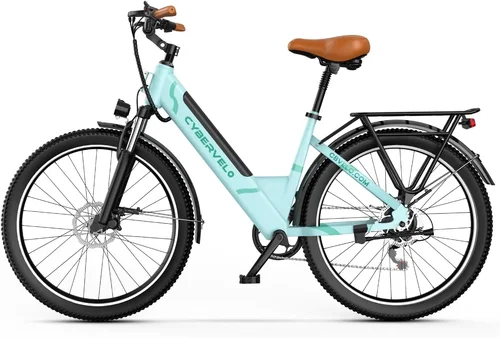
Commuting is changing—and fast. With rising fuel costs, increasing traffic congestion, and growing environmental awareness, more people than ever are turning to electric bikes as a smart, sustainable, and surprisingly enjoyable way to get to work, school, or around town. In 2026, the e-bike market has matured significantly, offering a wide range of models tailored specifically for daily urban travel. Whether you’re navigating city streets, tackling hilly commutes, or simply looking for a greener alternative to your car, the right commute e-bike can transform your daily routine.
This expert buying guide is designed to cut through the noise and help you make an informed decision. We’ll walk you through every critical factor—from battery life and motor power to build quality and warranty—so you can confidently choose the best e-bike for your lifestyle and budget. You’ll learn how to avoid common pitfalls, understand what features truly matter, and discover which models deliver the best value. By the end of this guide, you’ll have a clear roadmap to finding a reliable, efficient, and comfortable e-bike that fits your commute like a glove.
The market today is flooded with options, from budget-friendly folding e-bikes to high-performance cargo models capable of carrying kids or groceries. Brands like Rad Power Bikes, Aventon, Trek, Specialized, and even newcomers like Heybike and Engwe are pushing innovation in battery technology, motor efficiency, and smart integration. With advancements in torque sensors, regenerative braking, and integrated lighting, 2026’s commute e-bikes are smarter, safer, and more capable than ever. This guide will help you navigate this evolving landscape with confidence.

What to Look for When Buying a Commute E-Bike
1. Budget & Price Range
Your budget is the foundation of your e-bike purchase. Commute e-bikes vary dramatically in price—from under $800 to well over $5,000—so setting a realistic range early on will save you time and frustration. While it’s tempting to go for the cheapest option, remember that e-bikes are long-term investments. A lower upfront cost might mean shorter battery life, weaker motors, or poor build quality, leading to higher maintenance and replacement costs down the line.
For most commuters, spending between $1,200 and $2,500 will get you a reliable, well-equipped e-bike with solid components, decent range, and good customer support. Entry-level models under $1,000 can work for short, flat commutes but often lack durability and advanced features. On the other hand, premium models above $3,000 offer top-tier performance, lightweight frames, and cutting-edge tech—ideal for serious riders or those with demanding commutes.
2. Performance Specifications
Performance specs are where the rubber meets the road—literally. The two most critical components are the motor and the battery. Most commute e-bikes use hub motors (located in the front or rear wheel) or mid-drive motors (mounted near the pedals). Hub motors are simpler and more affordable, great for flat terrain. Mid-drive motors offer better balance, hill-climbing power, and efficiency, making them ideal for hilly areas or longer rides.
Motor power is measured in watts (W). In the U.S., e-bikes are typically limited to 750W for Class 3 (speed-assisted up to 28 mph) models, though many commuter bikes use 500W or 250W motors for quieter, more efficient operation. Torque, measured in Newton-meters (Nm), is equally important—it determines how easily the bike accelerates and climbs hills. Look for at least 50 Nm for city commuting; 70+ Nm is ideal for steep inclines.
Battery capacity is measured in watt-hours (Wh). A 400Wh battery might give you 25–35 miles on a single charge, while a 700Wh+ battery can deliver 50–80 miles, depending on terrain, rider weight, and assist level. Lithium-ion (Li-ion) batteries are standard and offer good energy density and longevity. Always check the battery’s voltage (usually 36V or 48V) and amp-hour (Ah) rating—multiply them to get Wh (e.g., 48V × 13Ah = 624Wh).
3. Build Quality & Durability
A commute e-bike needs to withstand daily use, weather exposure, and the occasional bump or pothole. Frame material is a key indicator of durability. Aluminum alloy is the most common—lightweight, rust-resistant, and strong enough for daily riding. Steel frames are heavier but offer a smoother ride and better shock absorption. Carbon fiber is rare in commuter e-bikes due to cost but offers the best strength-to-weight ratio.
Pay attention to welds, joints, and overall construction. A well-built bike will have clean, consistent welds and no rattling or flexing when you test ride it. Components like brakes, drivetrain, and suspension also matter. Mechanical disc brakes are standard; hydraulic disc brakes offer superior stopping power and require less maintenance. For suspension, front suspension forks help absorb bumps, but full suspension adds weight and cost—usually unnecessary for city commuting.
Tires are another durability factor. Look for puncture-resistant tires with reflective sidewalls for visibility. Wider tires (2.0”–2.4”) provide better grip and comfort on rough roads, while narrower tires (1.75”–1.95”) are faster on smooth pavement.
4. Features & Functionality
Modern commute e-bikes come packed with features that enhance safety, convenience, and comfort. Integrated lighting is a must—front and rear LED lights powered by the main battery ensure you’re visible at night without needing extra batteries. Fenders (mudguards) protect you from splashes in wet weather, while rear racks let you carry bags, groceries, or even child seats.
A digital display is essential for monitoring speed, battery level, distance, and assist mode. Look for backlit screens that are readable in sunlight. Some models offer Bluetooth connectivity, allowing you to track rides, update firmware, or lock the bike via a smartphone app.
Other useful features include:
– Throttle (for quick starts or rest breaks)
– Multiple pedal-assist levels (Eco, Tour, Sport, Turbo)
– Walk-assist mode (helps when pushing the bike uphill)
– Kickstand (preferably center-mounted for stability)
– USB charging port (to power your phone)
Smart features like GPS tracking, anti-theft alarms, and automatic lights are becoming more common in mid-to-high-end models and can add significant value.
5. Brand Reputation
Not all e-bike brands are created equal. Established brands like Trek, Specialized, and Giant have decades of experience in cycling and offer reliable products with strong dealer networks. Newer direct-to-consumer brands like Rad Power Bikes, Aventon, and Lectric offer excellent value with competitive specs at lower prices.
Research brand reputation by reading customer reviews, checking BBB ratings, and looking at how long the company has been in business. A reputable brand is more likely to honor warranties, provide timely support, and offer replacement parts. Avoid unknown brands with no online presence or customer service contact.
6. Warranty & Support
A solid warranty is a sign of confidence in the product. Most reputable e-bike brands offer at least a 1-year warranty on the entire bike, with 2–3 years on the battery and motor. Some premium brands extend coverage to 5 years. Read the fine print: some warranties only cover manufacturing defects, not wear and tear or damage from accidents.
Customer support is just as important. Can you reach someone by phone or email? Do they respond quickly? Are replacement parts readily available? Brands with strong support often have detailed FAQs, video tutorials, and active user communities.
7. Size & Portability
Your e-bike must fit you comfortably. Most brands offer multiple frame sizes (S, M, L) based on rider height. A proper fit ensures efficient pedaling, better control, and reduced strain on your back and knees. Test ride if possible—your feet should touch the ground when seated, and you should have a slight bend in your knee at the bottom of the pedal stroke.
Portability matters if you need to carry the bike upstairs, store it in a small apartment, or take it on public transit. Folding e-bikes like the Lectric XP or Brompton Electric are excellent for multi-modal commuting. However, they’re often heavier and have smaller wheels, which can affect ride quality.
Weight is a key factor. Most commute e-bikes weigh 40–60 lbs. Lighter models (under 45 lbs) are easier to maneuver and lift, but may sacrifice battery capacity or frame strength. Consider where you’ll store the bike—garage, balcony, or apartment hallway—and whether you’ll need to move it frequently.
8. User Reviews & Ratings
Don’t rely solely on manufacturer specs. Real-world user reviews reveal how a bike performs over time. Look for patterns in feedback: Are multiple users reporting battery degradation after 6 months? Do people praise the comfort but complain about the display? Sites like Amazon, Reddit (r/ebikes), and specialized forums like Electric Bike Review are great resources.
Pay attention to long-term reviews (6+ months) and videos showing the bike in action. A bike that looks great on paper might have hidden flaws—like a noisy motor, poor ergonomics, or unreliable electronics—that only become apparent with daily use.
Different Types of Commute E-Bikes

Common Buying Mistakes to Avoid
❌ Mistake: Ignoring Test Rides
Why it’s bad: Buying an e-bike without riding it first is like buying shoes without trying them on. Comfort, handling, and fit are highly personal, and specs alone can’t tell you how a bike feels.
What to do instead: Always test ride before purchasing. Visit local bike shops or attend e-bike demo events. Pay attention to seat comfort, handlebar reach, and how the bike accelerates and brakes.
❌ Mistake: Overlooking Battery Real-World Range
Why it’s bad: Manufacturers often quote ideal range (e.g., “up to 60 miles”), but real-world conditions—hills, wind, heavy loads—can cut that in half.
What to do instead: Use online range calculators and read user reviews to get realistic estimates. Aim for a battery with at least 20–30% more range than your longest expected commute.
❌ Mistake: Choosing Based on Price Alone
Why it’s bad: The cheapest e-bike often has the shortest lifespan. Poor-quality components fail faster, and weak motors struggle on hills.
What to do instead: Focus on value, not just price. A $1,500 bike with a 2-year warranty and reliable parts is a better long-term investment than a $900 bike that needs repairs in 6 months.
❌ Mistake: Neglecting Maintenance Needs
Why it’s bad: E-bikes require regular maintenance—brake adjustments, tire checks, chain lubrication—just like regular bikes. Ignoring this leads to safety risks and costly repairs.
What to do instead: Learn basic maintenance or find a local shop that services e-bikes. Budget $100–$200 per year for tune-ups and parts.
❌ Mistake: Forgetting About Theft Protection
Why it’s bad: E-bikes are prime targets for thieves. A $2,000 bike locked with a $20 cable lock is an easy score.
What to do instead: Invest in a high-quality U-lock (like Kryptonite or Abus) and consider a GPS tracker. Always lock the frame and wheels to a secure object.
❌ Mistake: Not Considering Storage and Transport
Why it’s bad: A 55-pound e-bike is hard to carry upstairs or fit in a small apartment. Folding models solve this but may not suit all riders.
What to do instead: Measure your storage space and consider how you’ll move the bike. If you live in a walk-up, a lighter or folding model might be worth the trade-off.
❌ Mistake: Overestimating Your Fitness Level
Why it’s bad: Assuming you’ll pedal hard every day can lead to disappointment. Most commuters use assist levels 2–4, not full manual mode.
What to do instead: Choose a bike with a throttle and multiple assist levels. This gives you flexibility on tired days or when carrying heavy loads.
Budget Guidelines: How Much Should You Spend?
– Entry-Level ($600 – $1,200): These bikes are best for short, flat commutes under 10 miles. Expect basic components, limited range (20–30 miles), and minimal features. Brands like Heybike, Ancheer, and Swagtron offer affordable options, but build quality and support can be inconsistent. Ideal for occasional riders or those on a tight budget.
– Mid-Range ($1,200 – $2,500): This is the sweet spot for most commuters. You’ll get reliable motors (500W–750W), decent batteries (500Wh+), hydraulic disc brakes, integrated lights, and fenders. Brands like Rad Power Bikes, Aventon, and Lectric dominate this space with strong value propositions. These bikes handle hills, longer distances, and daily wear with ease.
– Premium ($2,500 – $4,000): For enthusiasts and serious commuters, premium e-bikes offer top-tier components, lightweight frames, advanced displays, and smart features. Expect mid-drive motors (like Bosch or Shimano), long-range batteries (700Wh+), and superior suspension. Models from Trek, Specialized, and Riese & Müller fall here. Perfect for hilly cities or multi-hour commutes.
– Luxury ($4,000+): These are the Ferraris of e-bikes—engineered for performance, comfort, and prestige. Features include carbon frames, regenerative braking, GPS navigation, and app integration. Brands like Stromer, Delfast, and Magnum offer cutting-edge tech and exceptional build quality. Best for professionals, long-distance commuters, or those who want the absolute best.
Expert Tips for Getting the Best Deal
– Buy During Off-Season Sales: Late fall and winter (October–February) are the best times to buy. Retailers discount last year’s models to clear inventory. Look for Black Friday, Cyber Monday, and end-of-year sales.
– Shop Direct-to-Consumer Brands Online: Brands like Rad Power Bikes, Lectric, and Aventon sell directly to customers, cutting out the middleman and passing savings to you. Just ensure they have good return policies and support.
– Check for Rebates and Incentives: Many cities and states offer e-bike rebates (e.g., California’s Clean Air Vehicle Program). Federal tax credits may also be available. These can save you $200–$1,000.
– Negotiate with Local Dealers: Even if a bike is listed at full price, local shops may offer discounts, free tune-ups, or accessories to close the sale. It never hurts to ask.
– Read the Return Policy Carefully: Some online retailers charge restocking fees or only allow returns within 14 days. Make sure you have at least 30 days to test the bike.
– Consider Certified Pre-Owned: Reputable dealers often sell certified used e-bikes with warranties. You can save 20–40% off retail while still getting a quality product.
– Bundle Accessories: Some retailers offer package deals with helmets, locks, and lights. These can be cheaper than buying items separately.
– Join E-Bike Communities: Forums and Facebook groups often share exclusive discount codes and early access to sales.

Frequently Asked Questions
Q: How far can I really ride on a single charge?
A: Real-world range depends on terrain, rider weight, assist level, and weather. A 500Wh battery typically delivers 25–45 miles. Use the bike’s display to monitor consumption and plan accordingly. Always carry a charger if your commute exceeds 70% of the rated range.
Q: Are e-bikes legal where I live?
A: In the U.S., e-bikes are classified into three categories based on speed and throttle use. Most states follow federal guidelines, but local laws vary. Check your city or state’s transportation department website for specific rules.
Q: Do I need a license or insurance?
A: In most U.S. states, you don’t need a license or insurance for Class 1 and Class 2 e-bikes. Class 3 bikes may require a helmet and have age restrictions. Always verify local regulations.
Q: How often should I charge the battery?
A: Charge after each ride if possible. Avoid letting the battery drop below 20% regularly. Store it at 50–70% charge if not using for weeks. Most modern Li-ion batteries handle partial charging well.
Q: Can I ride in the rain?
A: Yes, most e-bikes are water-resistant (IP65 or higher), but avoid submerging them or high-pressure hoses. Dry the bike after wet rides and check connectors for moisture.
Q: How long does the battery last?
A: A quality e-bike battery lasts 500–1,000 charge cycles, or 2–5 years with daily use. Capacity gradually decreases over time. Replacement batteries cost $400–$800.
Q: Are e-bikes good for hills?
A: Absolutely. Mid-drive motors and high-torque hub motors make climbing hills much easier. Look for at least 60 Nm of torque and a low gear ratio for steep inclines.
Q: Can I carry my kids on an e-bike?
A: Yes, with a cargo e-bike or a rear child seat. Ensure the bike is rated for the total weight and use a certified seat with a harness. Practice balancing before riding with a child.
Q: What’s the difference between pedal assist and throttle?
A: Pedal assist (PAS) provides power only when you pedal, while a throttle lets you ride without pedaling (like a motorcycle). Both are useful—PAS for efficiency, throttle for rest breaks or quick starts.
Q: How do I maintain my e-bike?
A: Regularly clean the chain, check tire pressure, inspect brakes, and update firmware. Take it to a shop for annual tune-ups. Keep the battery charged and store it in a cool, dry place.
Our Final Recommendations
– Best for Budget-Conscious Buyers: Lectric XP 3.0 ($999) – A folding e-bike with 45+ mile range, 750W motor, and hydraulic brakes. Perfect for short commutes and apartment dwellers.
– Best Overall Value: Rad Power Bikes RadCity 5 Plus ($1,799) – A versatile city e-bike with a 672Wh battery, integrated lights, fenders, and a rear rack. Reliable, comfortable, and backed by excellent support.
– Best Premium Option: Trek Allant+ 7S ($3,999) – A high-performance commuter with a Bosch Performance Line motor, 625Wh battery, and premium components. Ideal for long, hilly commutes.
– Best for Beginners: Aventon Pace 500.3 ($1,599) – Easy to ride, with a step-through frame, intuitive display, and smooth ride. Great first e-bike with room to grow.
– Best for Advanced Users: Specialized Turbo Vado SL 6.0 ($4,500) – Lightweight, efficient, and packed with smart features. Uses a lightweight motor and offers up to 80 miles of range.
Conclusion: Making the Right Choice
Choosing the best commute e-bike in 2026 is about balancing your needs, budget, and lifestyle. Whether you’re looking for a budget-friendly folding model or a high-end performance machine, the key is to prioritize reliability, comfort, and real-world usability. Don’t rush the decision—test ride, read reviews, and consider long-term value over short-term savings.
Remember, the right e-bike isn’t just a mode of transportation—it’s an investment in your health, your time, and the planet. With the right model, your daily commute can become the most enjoyable part of your day. So take your time, do your research, and ride with confidence. The perfect e-bike is out there—waiting to transform your journey.