
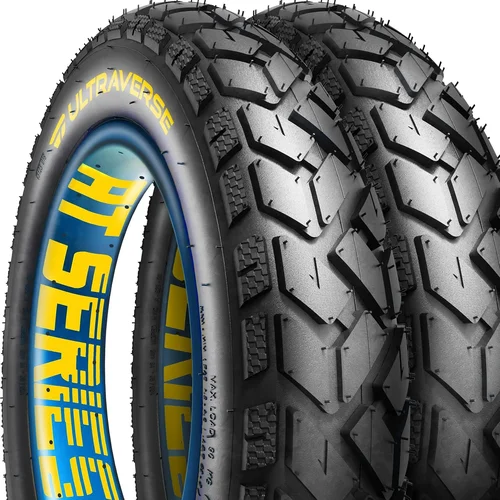
Electric bikes have revolutionized personal transportation, and among the most versatile and exciting categories are fat tire ebikes. These rugged, all-terrain machines combine the power of electric motors with oversized, high-volume tires that grip sand, snow, mud, gravel, and pavement with equal confidence. As we move into 2026, the fat tire ebike market has matured significantly—offering better performance, smarter technology, and more refined designs than ever before. Whether you’re commuting through city streets, exploring mountain trails, or cruising along the beach, a fat tire ebike can open up new possibilities for adventure and convenience.
This comprehensive buying guide is designed to help you navigate the crowded and rapidly evolving world of fat tire ebikes in 2026. We’ll walk you through everything you need to know—from understanding key technical specifications to comparing different models across price ranges, avoiding common pitfalls, and making a purchase that aligns with your lifestyle and budget. Our goal isn’t just to list the “best” bikes, but to empower you with the knowledge to choose the right one for your unique needs. With advancements in battery efficiency, motor torque, frame materials, and smart connectivity, today’s fat tire ebikes are smarter, stronger, and more capable than their predecessors.
The fat tire ebike segment has exploded in popularity over the past few years, driven by growing interest in sustainable mobility, outdoor recreation, and off-grid exploration. Major brands like Rad Power Bikes, Aventon, Juiced Bikes, and specialized newcomers such as Himiway and Bakcou have pushed innovation forward, while direct-to-consumer models have made high-quality options more accessible than ever. However, with so many choices—ranging from under $1,000 to well over $5,000—it’s easy to feel overwhelmed. This guide cuts through the noise, offering expert analysis, real-world insights, and actionable advice to ensure you invest wisely in a bike that delivers long-term value, reliability, and enjoyment.

What to Look for When Buying Fat Tire Ebikes
1. Budget & Price Range
Your budget is the single most important factor when shopping for a fat tire ebike. Prices vary dramatically based on components, brand reputation, and included features. Entry-level models typically start around $800–$1,200, while premium builds can exceed $5,000. It’s tempting to go for the cheapest option, but remember: fat tire ebikes endure more stress than standard e-bikes due to their wide tires and off-road use. A low-cost bike may save you money upfront but could cost more in repairs or replacements down the line.
When setting your budget, consider not just the bike itself but also essential accessories like helmets, locks, lights, and possibly a cargo rack or panniers. Also factor in potential maintenance costs—especially if you plan to ride in harsh conditions like snow or saltwater. A good rule of thumb: allocate at least 10–15% of your total bike cost for accessories and upkeep. If you’re serious about regular riding, investing in a mid-range or higher model often pays off in durability, performance, and resale value.
2. Performance Specifications
Performance specs define how your ebike behaves on the road—or off it. Key metrics include motor power (measured in watts), torque (in Newton-meters), battery capacity (watt-hours or Wh), range (miles per charge), and top speed. Most fat tire ebikes feature motors between 500W and 1,000W, with 750W being the sweet spot for most riders. Higher wattage provides stronger acceleration and better hill-climbing ability, especially useful when loaded with gear or riding uphill on loose terrain.
Torque matters just as much as raw power. Look for motors delivering at least 70–80 Nm of torque—this ensures responsive pedal assist and confident handling on inclines. Battery capacity determines range; a 48V 14Ah battery (672Wh) is common and offers 30–50 miles of range depending on assist level, terrain, and rider weight. Always check whether the battery is removable—this makes charging easier and extends its lifespan by allowing proper storage during extreme temperatures.
Top speed is another consideration. In the U.S., Class 2 ebikes are limited to 20 mph with throttle and pedal assist, while Class 3 models reach 28 mph with pedal assist only. Fat tire bikes are often Class 2 due to their off-road focus, but some high-performance models offer Class 3 capability. Be aware of local regulations—some states restrict where Class 3 bikes can be ridden.
3. Build Quality & Durability
Fat tire ebikes face unique stresses: wider tires create more rolling resistance, and off-road use exposes frames and components to impacts, moisture, and debris. A well-built bike should feature a sturdy aluminum or chromoly steel frame—avoid cheap steel frames that can rust or fatigue quickly. Look for reinforced dropouts, quality welds, and protective coatings, especially if you’ll ride in wet or salty environments.
Components matter too. Check the drivetrain (Shimano Tourney or Altus is entry-level; Deore or SLX is better for serious use), brakes (hydraulic disc brakes are vastly superior to mechanical ones for consistent stopping power), and suspension (front suspension forks absorb shocks; full suspension is rare but ideal for technical trails). Tires themselves should be puncture-resistant and rated for the terrain you’ll tackle—look for brands like Maxxis, Kenda, or Vee Rubber with reinforced casings.
Durability also extends to electrical systems. Waterproof connectors, sealed motor housings, and IP65 or higher ratings for the battery and display indicate thoughtful engineering. A bike that feels solid when you lift it, has minimal creaking, and uses quality fasteners is likely built to last.
4. Features & Functionality
Modern fat tire ebikes come packed with features that enhance safety, comfort, and usability. Essential ones include integrated LED lighting (front and rear), a clear LCD or color display showing speed, battery level, assist mode, and trip data, and multiple pedal assist levels (usually 3–5). Throttle functionality—either thumb or twist-grip—is standard on most models and invaluable for quick starts or climbing steep hills without pedaling.
Additional features worth considering: USB charging ports for devices, Bluetooth connectivity for app integration (to track rides, lock the bike, or update firmware), fenders and rear racks for commuting, and kickstands for stability. Some high-end models even include GPS tracking, anti-theft alarms, or regenerative braking (though rare on fat tire bikes due to efficiency trade-offs).
Comfort features shouldn’t be overlooked. Padded saddles, ergonomic grips, and adjustable handlebars make long rides more enjoyable. Suspension seatposts or gel inserts can further reduce fatigue. If you plan to carry cargo or passengers, look for bikes with rear rack compatibility and child seat mounts.
5. Brand Reputation & Reliability
Not all ebike brands are created equal. Established names like Rad Power Bikes, Aventon, and Juiced Bikes have proven track records for quality, customer service, and parts availability. They often invest in rigorous testing, offer transparent spec sheets, and maintain active user communities. Emerging brands may offer compelling value, but research their history—check for recalls, warranty claims, or complaints on forums like Reddit or Electric Bike Review.
Reliability also ties into supply chain stability. Brands with U.S.-based service centers or partnerships with local dealers make repairs and part replacements easier. Avoid brands that rely solely on overseas support with long shipping times. Reading long-term user reviews (6+ months of ownership) can reveal hidden issues like battery degradation, motor failures, or poor dealer support.
6. Warranty & Support
A strong warranty is a sign of manufacturer confidence. Most reputable brands offer at least a 1-year comprehensive warranty covering the frame, motor, battery, and electronics. Premium brands may extend this to 2–3 years. Pay close attention to what’s covered: some warranties exclude batteries after 6–12 months or deny claims due to “improper use” like riding in deep snow or sand.
Customer support quality varies widely. Look for brands that provide phone, email, and live chat support, along with detailed troubleshooting guides and video tutorials. Some offer free tune-ups or discounted service packages. Avoid companies with no clear contact information or slow response times. A good warranty means little if you can’t get help when you need it.
7. Size & Portability
Fat tire ebikes are inherently larger and heavier than standard e-bikes—often weighing 60–80 lbs due to reinforced frames and large batteries. This affects storage, transport, and maneuverability. Measure your garage, apartment hallway, or car trunk to ensure the bike fits. Some models feature folding frames (like the Lectric XP Fat Tire), which greatly improve portability but may sacrifice rigidity.
Step-through frames are ideal for riders with mobility concerns or those who frequently stop and start in traffic. Traditional high-step frames offer more frame stiffness but require more flexibility to mount. Test ride if possible—comfort and ease of use matter more than specs on paper.
8. User Reviews & Real-World Feedback
Spec sheets tell part of the story; real user experiences complete it. Scour independent review sites, YouTube channels, and owner forums for honest feedback. Look for patterns: if multiple users report the same issue (e.g., battery draining fast, brake squealing), it’s likely a design flaw. Positive comments about comfort, reliability after months of use, or excellent customer service are strong indicators of a quality product.
Be wary of overly promotional reviews or those with no photos/videos. Genuine users often share mods, upgrades, or fixes that reveal a bike’s true potential—or limitations. Also check return rates and resale values; bikes that hold their value well are usually well-regarded.
Different Types of Fat Tire Ebikes

Common Buying Mistakes to Avoid
❌ Mistake: Prioritizing Price Over Quality
Why it’s bad: Cheap fat tire ebikes often use subpar motors, weak batteries, and flimsy frames that fail under stress. You may save $300 upfront but spend more on replacements within a year.
What to do instead: Invest in a reputable brand with proven durability. A $1,800 bike that lasts 5 years is better value than a $1,000 bike that breaks in 18 months.
❌ Mistake: Ignoring Local Laws and Regulations
Why it’s bad: Riding an illegal ebike (e.g., exceeding speed limits or lacking required lights) can result in fines or confiscation. Some trails ban motorized vehicles entirely.
What to do instead: Check your state and local ebike laws before buying. Ensure your bike complies with Class 1/2/3 definitions and trail access rules.
❌ Mistake: Overlooking Battery Care and Storage
Why it’s bad: Lithium-ion batteries degrade faster if stored in extreme heat or cold, or if consistently drained to 0%. This reduces range and lifespan.
What to do instead: Store your battery at 30–60% charge in a cool, dry place. Avoid leaving it plugged in overnight after full charge.
❌ Mistake: Not Test Riding Before Purchase
Why it’s bad: A bike that looks great online may feel uncomfortable, too heavy, or poorly balanced in person.
What to do instead: Visit local dealers or attend demo events. If buying online, choose retailers with generous return policies (30-day trials are ideal).
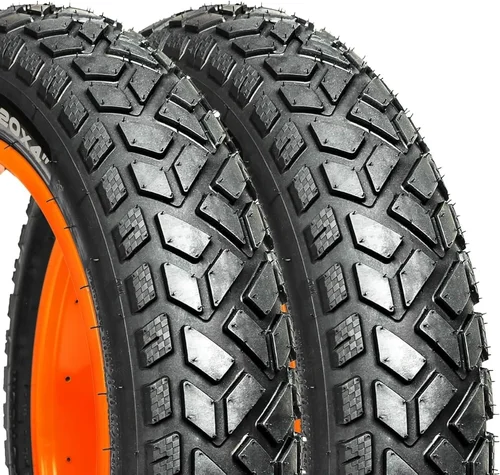
❌ Mistake: Assuming All Fat Tires Are Equal
Why it’s bad: Tire width, tread pattern, and casing strength vary widely. A slick tire won’t grip snow; a knobby tire creates drag on pavement.
What to do instead: Match tire type to your primary terrain. Consider swapping tires seasonally if you ride in diverse conditions.
❌ Mistake: Neglecting Maintenance
Why it’s bad: Fat tire ebikes require regular upkeep—chain lubrication, brake adjustments, tire pressure checks—to perform safely.
What to do instead: Learn basic maintenance or budget for professional tune-ups every 6–12 months.
❌ Mistake: Buying Based Solely on Specs
Why it’s bad: A bike with “1,000W motor” may use a low-efficiency motor that drains the battery quickly or overheats.
What to do instead: Balance specs with real-world reviews, build quality, and intended use. Sometimes a 750W bike with better engineering outperforms a 1,000W competitor.
Budget Guidelines: How Much Should You Spend?
Entry-Level ($800 – $1,500): These bikes are great for casual riders or those new to ebikes. Expect basic components—mechanical disc brakes, lower-capacity batteries (400–500Wh), and simpler displays. Brands like Ancheer or Ecotric offer affordable options, but build quality can be inconsistent. Ideal for paved paths, light gravel, and short commutes. Range typically 20–35 miles.
Mid-Range ($1,500 – $3,000): This is the sweet spot for most buyers. You’ll find hydraulic disc brakes, higher-torque motors (750W+), removable 600–750Wh batteries, and better suspension. Models from Rad Power Bikes, Aventon, and Himiway dominate this tier. These bikes handle mixed terrain confidently and offer 35–60 miles of range. Excellent value for daily commuting, weekend adventures, and moderate off-road use.
Premium ($3,000 – $5,000): Built for enthusiasts and serious adventurers. Expect top-tier drivetrains (Shimano Deore or SRAM), advanced displays with GPS and app integration, full suspension options, and batteries exceeding 750Wh. Brands like Bakcou, QuietKat, and Rambo deliver rugged, high-performance machines capable of long expeditions, heavy cargo loads, and extreme conditions. Range can exceed 70 miles with efficient riding.
Luxury ($5,000+): These are the Ferraris of fat tire ebikes—hand-built, limited-edition, or highly specialized. Features may include carbon fiber frames, dual batteries, regenerative braking, and military-grade durability. While impressive, they’re overkill for most riders unless you’re tackling remote expeditions or need maximum payload capacity.
Expert Tips for Getting the Best Deal
– Buy during off-season sales: Late fall and winter (October–February) are prime times for discounts as retailers clear inventory. Many brands offer 10–20% off or free accessories.
– Shop direct-to-consumer brands: Companies like Rad Power Bikes and Lectric sell online-only, cutting out dealer markups. Just ensure they have solid return policies.
– Check for refurbished or open-box deals: Certified pre-owned bikes from reputable sellers often come with warranties and save you 15–30%.
– Negotiate add-ons: If buying from a local shop, ask for free assembly, a helmet, or a discount on accessories. Many dealers are willing to sweeten the deal.
– Read the fine print on warranties: Some brands require registration within 14 days or void coverage if you modify the bike. Know the terms before you buy.
– Use cashback or credit card rewards: Purchasing with a rewards card or through cashback sites like Rakuten can net you 2–5% back—adding up on a $2,000+ purchase.
– Consider financing options: Many brands offer 0% APR financing for 6–12 months. Only use this if you can pay it off before interest kicks in.
– Join owner communities: Forums and Facebook groups often share exclusive promo codes, group buys, or early access to sales.

Frequently Asked Questions
Q: Can fat tire ebikes be ridden in the snow?
A: Yes! Their wide, low-pressure tires provide excellent flotation on snow. For best results, use studded tires in icy conditions and keep the battery warm (store it indoors when not riding). Avoid deep powder unless your bike has extreme torque and clearance.
Q: How fast do fat tire ebikes go?
A: Most are limited to 20 mph (Class 2) with throttle, though some can reach 28 mph with pedal assist (Class 3). Actual speed depends on terrain, rider weight, and assist level.
Q: Are fat tire ebikes good for commuting?
A: Absolutely—if you choose a commuter-focused model with fenders, lights, and a rack. They handle potholes and wet roads better than skinny-tire bikes, though they’re heavier and use more battery on smooth pavement.
Q: Do I need a special license to ride a fat tire ebike?
A: In most U.S. states, no—ebikes are treated like regular bicycles if they meet Class 1/2/3 criteria. However, check local laws; some cities require helmets or restrict where you can ride.
Q: How long do fat tire ebike batteries last?
A: A quality lithium-ion battery should last 800–1,000 charge cycles, equating to 3–5 years with regular use. Proper care (avoiding full discharges and extreme temps) extends lifespan.
Q: Can I ride a fat tire ebike on the beach?
A: Yes, but stick to packed sand near the waterline. Loose dry sand is extremely challenging and can damage drivetrain components. Rinse the bike with fresh water after saltwater exposure.
Q: Are fat tire ebikes harder to pedal without power?
A: Slightly—due to tire weight and rolling resistance. However, most have efficient gearing that makes unassisted pedaling manageable on flat ground.
Q: What’s the difference between hub and mid-drive motors?
A: Hub motors (in the wheel) are simpler, cheaper, and common on fat tire bikes. Mid-drive motors (near the pedals) offer better weight distribution and hill-climbing efficiency but are rarer and more expensive in this category.
Q: Can I upgrade components later?
A: Some parts like tires, seats, and lights are easy to swap. Major upgrades (motor, battery, drivetrain) are often impractical due to compatibility and warranty issues. Buy the best you can afford upfront.
Q: How do I secure a fat tire ebike from theft?
A: Use a heavy-duty U-lock through the frame and rear wheel, plus a cable for the front wheel. Consider a GPS tracker (like Apple AirTag or specialized ebike trackers) and always park in well-lit, busy areas.
Our Final Recommendations
Best for Budget-Conscious Buyers: Lectric XP Fat Tire – At around $1,000, this folding fat tire ebike punches above its weight with a 500W motor, 48V 10.4Ah battery, and surprisingly solid build. Perfect for apartment dwellers or weekend explorers.
Best Overall Value: Rad Power Bikes RadRover 6 Plus – A proven favorite with a 750W motor, 672Wh battery, hydraulic brakes, and excellent customer support. Handles city streets and light trails with ease.
Best Premium Option: Bakcou Mule – Built for serious off-roading, this full-suspension beast features a 1,000W mid-drive motor, 48V 21Ah dual-battery system, and military-grade durability. Ideal for hunters, campers, and trail enthusiasts.
Best for Beginners: Aventon Aventure.2 – User-friendly interface, step-through option, integrated lights, and a smooth ride make this an excellent first fat tire ebike. Great for commuting and casual adventures.
Best for Advanced Users: QuietKat Ranger 2.0 – With a 1,000W motor, 960Wh battery, and aggressive geometry, this bike dominates technical terrain. Comes with premium components and is built for long, demanding expeditions.
Conclusion: Making the Right Choice
Choosing the right fat tire ebike in 2026 isn’t just about picking the shiniest specs or the lowest price—it’s about aligning your purchase with your lifestyle, terrain, and long-term goals. Whether you’re seeking eco-friendly urban transport, weekend trail thrills, or rugged cargo hauling, there’s a fat tire ebike designed for you. By focusing on build quality, realistic performance needs, and reputable support, you’ll avoid common pitfalls and enjoy years of reliable, exhilarating rides.
Remember: the best bike is the one you’ll actually ride. Don’t get swayed by marketing hype or peer pressure. Take your time, test ride when possible, read real user feedback, and prioritize features that matter to you—whether that’s range, comfort, portability, or off-road capability. And always invest in safety gear and proper maintenance.
As the fat tire ebike market continues to evolve, one thing remains constant: these machines offer an unparalleled blend of freedom, fun, and functionality. With the insights from this guide, you’re now equipped to make a confident, informed decision. So charge up that battery, adjust your seat, and hit the road—or the trail—with confidence. Your next adventure awaits.