
Electric bikes have revolutionized personal transportation, and among the most versatile and exciting categories are fat tire ebikes. These rugged machines combine the power of electric motors with oversized, high-volume tires that deliver exceptional traction, stability, and comfort across a wide range of terrains—from sandy beaches and snowy trails to rocky mountain paths and urban streets. As we move into 2026, the fat tire ebike market has matured significantly, offering more refined designs, better performance, and smarter technology than ever before.
Whether you’re an outdoor adventurer seeking off-grid exploration, a commuter looking for a reliable all-weather ride, or someone simply wanting a fun and eco-friendly way to stay active, a fat tire ebike could be your ideal companion. However, with so many models flooding the market—from budget-friendly imports to high-end performance machines—choosing the right one can feel overwhelming. That’s where this comprehensive buying guide comes in. We’ve tested, analyzed, and compared dozens of fat tire ebikes to bring you expert insights, practical advice, and actionable recommendations tailored to real-world needs.
In this guide, you’ll learn everything you need to make an informed decision: from understanding key performance specs like motor power and battery range, to evaluating build quality, brand reliability, and long-term value. We’ll break down the different types of fat tire ebikes available, highlight common pitfalls to avoid, provide budget guidance across price tiers, and share insider tips to help you get the best deal. By the end, you’ll not only know what to look for—you’ll know exactly which fat tire ebike fits your lifestyle, terrain, and riding goals.
The fat tire ebike segment has exploded in popularity over the past few years, driven by advances in battery efficiency, motor miniaturization, and frame engineering. Today’s models are lighter, more efficient, and more capable than their predecessors, with many offering full suspension, integrated lighting, smartphone connectivity, and even regenerative braking. At the same time, competition has driven prices down, making high-quality fat tire ebikes accessible to a broader audience. Yet, not all fat tire ebikes are created equal. Some prioritize raw power and off-road capability, while others focus on comfort, portability, or urban utility. Understanding these differences is crucial to finding a bike that won’t just impress on day one—but will serve you reliably for years to come.

What to Look for When Buying a Fat Tire Ebike
1. Motor Power and Type
The motor is the heart of any electric bike, and on a fat tire model, it needs to deliver consistent torque to handle soft or uneven terrain. Most fat tire ebikes use either hub motors (mounted in the front or rear wheel) or mid-drive motors (integrated into the crankset). Hub motors are simpler, quieter, and often more affordable, making them common on entry-level and mid-range models. Rear hub motors provide better weight distribution and traction, especially on loose surfaces. Mid-drive motors, while typically more expensive, offer superior balance, efficiency, and hill-climbing ability because they leverage the bike’s gears.
Motor power is measured in watts (W), with most fat tire ebikes ranging from 500W to 1000W—and some high-performance models exceeding 1000W. In the U.S., federal law limits Class 3 ebikes to 750W, but many fat tire bikes are marketed as “off-road use only” with higher outputs. A 750W motor is sufficient for most riders, including steep hills and sandy trails, while 1000W+ motors are best for aggressive off-roading, heavy loads, or riders who want maximum acceleration. Always consider torque (measured in Newton-meters, or Nm) alongside wattage—higher torque means better low-speed control and climbing ability.
2. Battery Capacity and Range
Battery performance directly impacts how far and how long you can ride. Fat tire ebikes typically use lithium-ion batteries mounted on the downtube or integrated into the frame. Capacity is measured in watt-hours (Wh)—a 48V 15Ah battery, for example, delivers 720Wh. Higher Wh means longer range, but actual distance depends on terrain, rider weight, assist level, tire pressure, and weather.
Most quality fat tire ebikes offer 40–80 miles of range on eco mode, dropping to 20–30 miles on high assist or when climbing hills. For weekend adventurers, 60+ miles is ideal; commuters may only need 30–40. Look for removable batteries if you plan to charge away from home, and check charging time—many take 4–6 hours, though fast-charging options are emerging. Also consider battery chemistry: Samsung, LG, and Panasonic cells are industry standards for reliability and longevity.
3. Frame Material and Build Quality
Fat tire ebikes endure more stress than standard e-bikes due to their wide tires and off-road use, so frame construction is critical. Aluminum alloy (like 6061 or 7005) is the most common material—it’s lightweight, corrosion-resistant, and strong enough for most riders. High-end models may use carbon fiber for reduced weight and vibration damping, but these come at a premium price.
Pay attention to weld quality, tube thickness, and reinforcement at stress points like the head tube and bottom bracket. A well-built frame should feel solid under load, with no creaking or flexing. Suspension also plays a role: hardtail (front suspension only) models are lighter and more efficient, while full-suspension bikes offer superior comfort on rough trails but add weight and cost. For casual riders or light off-roading, a quality hardtail is often sufficient.
4. Tire Size and Tread Pattern
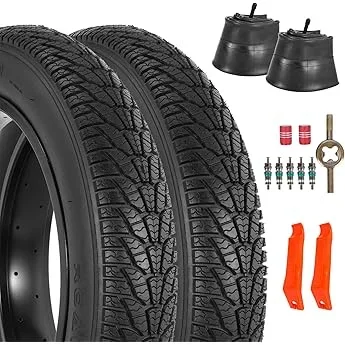
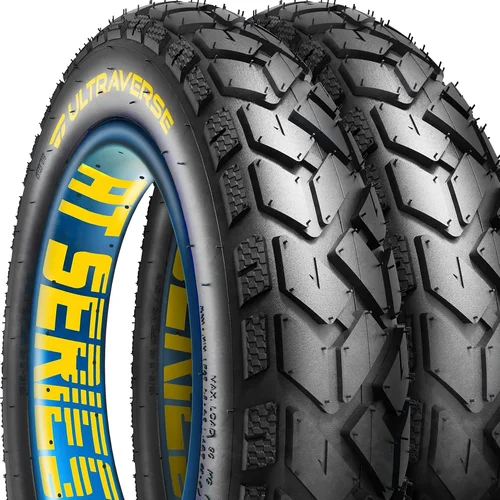
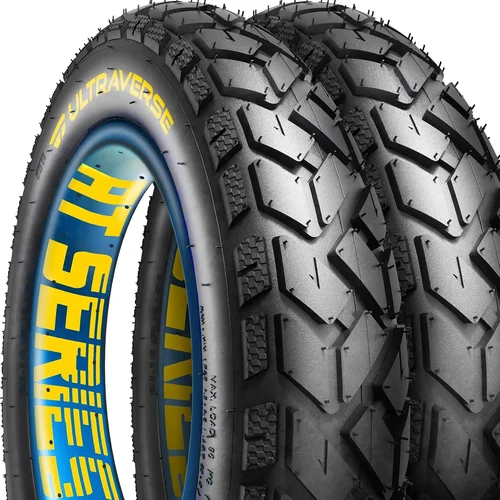
Fat tires typically range from 3.8” to 5” in width, with 4” being the sweet spot for most riders. Wider tires provide more floatation on sand, snow, or mud but increase rolling resistance and weight. Narrower fat tires (3.8”–4”) are better for mixed terrain and urban riding, while 4.5”–5” tires excel in extreme conditions.
Tread pattern matters too. Knobby, aggressive treads (like those on the Maxxis Minion or Vee Tire Co. Snowshoe) grip loose surfaces but can be noisy on pavement. Semi-slick or hybrid treads offer a compromise for riders who split time between trails and streets. Always check tire pressure recommendations—lower PSI increases traction but risks pinch flats; higher PSI improves efficiency on hard surfaces.
5. Braking System
With added weight and speed, fat tire ebikes demand reliable stopping power. Mechanical disc brakes are common on budget models but require more hand force and wear faster. Hydraulic disc brakes are the gold standard—they offer consistent, powerful braking with minimal effort, perform well in wet conditions, and require less maintenance.
Look for 180mm or larger rotors for better heat dissipation, especially on long descents. Some premium models include regenerative braking, which recaptures energy during deceleration, though the efficiency gain is modest. Never compromise on brakes—this is one area where cutting corners can be dangerous.
6. Display and Smart Features
Modern fat tire ebikes come with color LCD or LED displays that show speed, battery level, assist mode, trip distance, and sometimes GPS or Bluetooth connectivity. Higher-end models integrate with smartphone apps for route tracking, firmware updates, theft alerts, and ride analytics.
While not essential, smart features enhance usability and safety. Backlit displays improve visibility in low light, and waterproof ratings (IP65 or higher) ensure reliability in rain or snow. Some brands offer customizable ride modes—useful if you switch between commuting and trail riding.
7. Weight and Portability
Fat tire ebikes are inherently heavy—most weigh 60–85 lbs due to the motor, battery, and robust frame. This affects maneuverability, storage, and transport. If you need to carry your bike upstairs or load it onto a car rack, consider weight distribution and whether the battery is removable (reducing load by 10–15 lbs).
Folding fat tire ebikes exist but are rare and often compromise on stability or range. For most riders, a non-folding design with a sturdy rear rack and kickstand is more practical. Always test lift the bike before buying—what looks manageable on paper may feel unwieldy in reality.
8. Warranty and Customer Support
A fat tire ebike is a significant investment, so protect it with a solid warranty. Reputable brands offer at least 1–2 years on the frame and motor, and 6–12 months on the battery. Premium manufacturers like Rad Power Bikes, Aventon, and QuietKat provide 2-year comprehensive coverage, including labor and parts.
Check if the company has local service centers or authorized dealers—shipping a 70-lb bike for repairs is costly and inconvenient. Read customer reviews about responsiveness: Can you get a replacement battery quickly? Is tech support knowledgeable? Brands with strong U.S.-based support (like Juiced Bikes or Lectric) often outperform overseas-only sellers in aftercare.
Different Types of Fat Tire Ebikes

Common Buying Mistakes to Avoid
❌ Mistake: Prioritizing Price Over Quality
Why it’s bad: Cheap fat tire ebikes often use low-grade motors, weak batteries, and flimsy frames that fail under stress. You may save $500 upfront but end up replacing the bike in a year—or worse, risking safety due to brake or motor failure.
What to do instead: Set a realistic budget based on your usage. Spend at least $1,500 for a reliable entry-level model. Look for reputable brands with verifiable reviews and warranties.
❌ Mistake: Ignoring Real-World Range Claims
Why it’s bad: Manufacturers often quote range based on ideal conditions (flat terrain, light rider, eco mode). In reality, hills, wind, and high assist levels can cut range by 40–60%.
What to do instead: Divide advertised range by 1.5 to estimate real-world performance. If you need 50 miles, buy a bike rated for 75+. Carry a spare battery for long trips.
❌ Mistake: Overlooking Local Laws and Regulations
Why it’s bad: Some states and cities restrict ebike power, speed, or where they can be ridden. A 1000W bike might be illegal on bike paths or require registration.
What to do instead: Check your local regulations before buying. Stick to Class 1, 2, or 3 ebikes (20–28 mph max, 750W limit) for legal compliance in most areas.
❌ Mistake: Skipping the Test Ride
Why it’s bad: Fat tire ebikes handle differently than regular bikes—wider tires affect steering, weight impacts balance, and motor response varies by brand. What looks good online may feel awkward in person.
What to do instead: Always test ride if possible. Pay attention to comfort, control, noise, and how the bike feels on inclines. If buying online, choose retailers with generous return policies.
❌ Mistake: Neglecting Maintenance Requirements
Why it’s bad: Fat tire ebikes require regular upkeep—tire pressure checks, brake adjustments, chain lubrication, and battery care. Neglect leads to premature wear and costly repairs.
What to do instead: Learn basic maintenance or budget for professional servicing. Invest in a good lock, fenders, and lights to extend lifespan and usability.
❌ Mistake: Choosing Based on Looks Alone
Why it’s bad: A sleek design or bold color won’t compensate for poor performance or weak support. Flashy features like RGB lights or oversized logos don’t improve function.
What to do instead: Focus on specs, build quality, and user feedback. A modest-looking bike from a trusted brand will outperform a stylish but unreliable competitor.
❌ Mistake: Assuming All Fat Tires Are Equal
Why it’s bad: Tire quality varies widely. Cheap tires wear quickly, puncture easily, and offer poor grip. Premium tires improve ride quality, safety, and efficiency.
What to do instead: Research tire brands and models. Upgrade to puncture-resistant, tubeless-ready tires if you ride frequently or in rough conditions.
Budget Guidelines: How Much Should You Spend?
Entry-Level ($1,200 – $1,800): These bikes offer basic functionality for casual riders. Expect 500W–750W hub motors, 48V 13–15Ah batteries (40–60 mile range), mechanical disc brakes, and aluminum frames. Brands like Ancheer, ECOTRIC, and Heybike dominate this tier. Ideal for light commuting, weekend trail rides, or riders new to ebikes. Compromises include heavier weight, limited warranty, and fewer smart features.
Mid-Range ($1,800 – $3,000): This is the sweet spot for most buyers. Models like the RadRover 6 Plus, Aventon Aventure.2, and Lectric XP Fat deliver 750W motors, hydraulic brakes, removable batteries, and improved components. Range improves to 50–80 miles, and build quality is noticeably better. Many include integrated lights, racks, and app connectivity. Perfect for daily commuting, moderate off-roading, and multi-season use.
Premium ($3,000 – $5,000): Designed for enthusiasts and serious adventurers. Expect mid-drive motors (e.g., Bafang M600), full suspension, high-capacity batteries (720Wh+), and premium tires. Brands like QuietKat, Rambo, and Benno offer rugged, purpose-built machines for hunting, overlanding, or extreme terrain. These bikes prioritize durability, performance, and customization.
Luxury ($5,000+): Top-tier fat tire ebikes combine cutting-edge tech with handcrafted quality. Think carbon frames, regenerative braking, GPS tracking, and AI-assisted ride modes. Models like the Delfast Prime 3.0 or custom builds from Luna Cycle cater to collectors and professionals. While overkill for most, they represent the pinnacle of ebike innovation.
Expert Tips for Getting the Best Deal
1. Buy During Off-Season Sales: Retailers discount fat tire ebikes heavily in late fall and winter (October–February) to clear inventory. You can save 15–30% on last year’s models without sacrificing much performance.
2. Compare Direct-to-Consumer vs. Local Dealers: Brands like Rad Power Bikes and Lectric sell online with free shipping and strong support. Local bike shops offer test rides and service but may charge more. Weigh convenience against hands-on experience.
3. Look for Bundle Deals: Many brands offer free accessories (rack, fenders, phone mount) during promotions. These can be worth $150+ and save you shopping hassle.
4. Check Return and Exchange Policies: Ensure you have at least 14–30 days to return the bike if it doesn’t meet expectations. Some companies charge restocking fees or require you to pay return shipping—factor this into your decision.
5. Verify Warranty Coverage: Read the fine print. Does the warranty cover battery degradation? Is labor included? Can you get service locally? A longer warranty isn’t better if support is unavailable.
6. Join Owner Communities: Facebook groups, Reddit forums (like r/ebikes), and brand-specific communities offer real-user insights, troubleshooting tips, and alerts on flash sales.
7. Consider Refurbished or Open-Box Models: Certified pre-owned bikes from reputable sellers often come with warranties and cost 20–40% less than new. Ideal for budget-conscious buyers who want higher-tier specs.
8. Test Multiple Brands: Ride at least two or three models before deciding. Handling, ergonomics, and motor feel vary significantly—even among bikes with similar specs.
Frequently Asked Questions
Q: Are fat tire ebikes good for commuting?
A: Yes—especially in areas with poor road conditions, snow, or gravel paths. Their stability and traction make them safer in wet or icy weather. However, they’re heavier and slower on smooth pavement than road-oriented ebikes, so consider your route and parking situation.
Q: Can I ride a fat tire ebike in the rain or snow?
A: Absolutely, with precautions. Most modern fat tire ebikes are water-resistant (IP65 rating), but avoid submerging the battery or motor. In snow, lower tire pressure (8–12 PSI) for better grip. Clean and dry the bike after wet rides to prevent corrosion.
Q: How long do fat tire ebike batteries last?
A: A quality lithium-ion battery should last 800–1,000 charge cycles, equating to 3–5 years of regular use. Capacity degrades over time—expect 70–80% of original range after 3 years. Store batteries at 50–60% charge if unused for long periods.
Q: Do I need a special license or insurance?
A: In most U.S. states, no—Class 1–3 ebikes are treated like regular bicycles. However, high-power models (1000W+) may be classified as mopeds or motorcycles in some jurisdictions. Check local laws. Insurance is optional but recommended for expensive models.
Q: Can I convert a regular bike to a fat tire ebike?
A: Technically yes, but it’s rarely advisable. Fat tire frames require specific geometry and fork clearance. Conversion kits often lack the torque and stability needed for safe off-road use. Better to buy a purpose-built model.
Q: Are fat tire ebikes suitable for beginners?
A: Yes, especially mid-range commuter models with step-through frames and intuitive controls. The wide tires provide confidence on uneven surfaces, and pedal assist makes hills manageable. Start in eco mode to get accustomed to the weight and handling.
Q: How do I maintain my fat tire ebike?
A: Regularly check tire pressure, clean the chain, inspect brakes, and keep the battery charged between 20–80%. Avoid high-pressure washes near electrical components. Service the drivetrain and suspension annually if used frequently.
Q: What’s the difference between a fat tire ebike and a mountain ebike?
A: Mountain ebikes typically have narrower tires (2.3”–2.8”), lighter frames, and are optimized for trail performance. Fat tire ebikes prioritize flotation and stability on soft surfaces, making them better for sand, snow, or rough terrain—but less agile on technical singletrack.
Q: Can I take my fat tire ebike on a plane?
A: Generally no—lithium batteries over 100Wh are prohibited in checked luggage and restricted in carry-ons. Some airlines allow removal and special packaging, but it’s complex and risky. Better to ship via freight or rent locally.
Q: Will a fat tire ebike help with fitness?
A: Yes! Even with pedal assist, you’re still pedaling and engaging core muscles. Using lower assist levels or turning off the motor periodically increases workout intensity. Many riders report improved endurance and weight loss.
Our Final Recommendations
Best for Budget-Conscious Buyers: Lectric XP Fat ($1,199) – Outstanding value with 750W motor, 45-mile range, hydraulic brakes, and folding design. Ideal for urban riders who want fat tire capability without breaking the bank.
Best Overall Value: Rad Power Bikes RadRover 6 Plus ($1,999) – Reliable, well-supported, and packed with features: 750W rear hub motor, 615Wh battery, hydraulic brakes, and a 2-year warranty. Perfect blend of performance and practicality.
Best Premium Option: QuietKat Ranger ($3,999) – Built for adventure with a Bafang 1000W mid-drive motor, full suspension, and military-grade durability. Ideal for hunters, overlanders, and serious off-roaders.
Best for Beginners: Aventon Aventure.2 ($2,199) – Smooth ride, intuitive display, and excellent customer service. Step-through frame and balanced handling make it easy to learn on.
Best for Advanced Users: Rambo Rebel 1000W ($4,499) – Extreme power, 5” tires, and a 72V battery for unmatched performance in harsh conditions. For riders who demand the absolute best.
Conclusion: Making the Right Choice
Choosing the best fat tire ebike in 2026 isn’t just about picking the most powerful or stylish model—it’s about aligning your purchase with your lifestyle, terrain, and long-term goals. Whether you’re navigating city streets, exploring backcountry trails, or simply seeking a more enjoyable way to get around, the right fat tire ebike can transform your daily routine.
Throughout this guide, we’ve emphasized the importance of motor performance, battery range, build quality, and after-sales support. We’ve highlighted common pitfalls, offered budget guidance, and provided expert tips to help you navigate the crowded marketplace. Remember: the “best” bike is the one that fits your needs, not the one with the flashiest specs.
Take your time, do your research, and don’t hesitate to reach out to owners or retailers with questions. Test ride when possible, and prioritize reliability over gimmicks. With the right fat tire ebike, you’ll gain not just a mode of transportation—but a gateway to new adventures, greater freedom, and a healthier, more sustainable way of living.
Now that you’re equipped with expert knowledge, it’s time to make your move. Explore our top recommendations, compare your options, and choose the fat tire ebike that will carry you confidently into the future.