
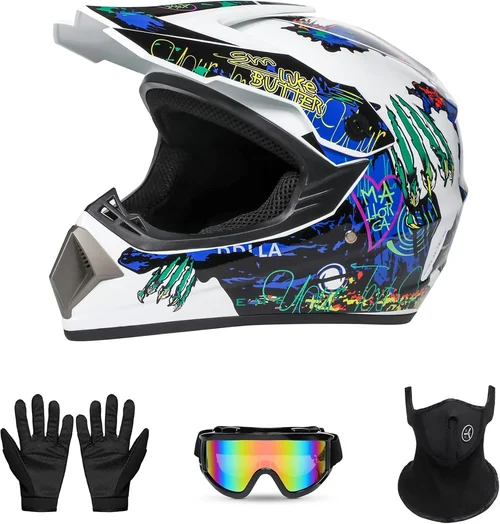
Electric dirt bikes are revolutionizing off-road riding, offering a cleaner, quieter, and increasingly powerful alternative to traditional gas-powered machines. Whether you’re a weekend warrior hitting the trails, a parent looking for a safe starter bike for your child, or an experienced rider curious about the latest in electric performance, the market for e-dirt bikes has never been more exciting—or more confusing. With new models launching every year and technology advancing at breakneck speed, choosing the right electric dirt bike can feel overwhelming. That’s exactly why this guide exists.
In this comprehensive buying guide, we’ll walk you through everything you need to know to make a smart, informed decision. You’ll learn how to evaluate performance specs like motor power and battery life, understand the importance of build quality and suspension, and discover which features truly matter for your riding style. We’ll break down different categories of e-dirt bikes, highlight common pitfalls to avoid, and give you expert-backed tips to get the best value for your money. By the end, you’ll have a clear roadmap to find the perfect electric dirt bike that matches your budget, skill level, and riding goals.
The e-dirt bike market has exploded in recent years, driven by advances in lithium-ion battery technology, stronger motors, and growing demand for sustainable recreation. Major brands like Zero Motorcycles, KTM, and Husqvarna now offer high-performance electric models, while innovative startups like Cake, Sur Ron, and Talaria are pushing the boundaries of lightweight, trail-ready designs. At the same time, affordable entry-level options from companies like Razor and MotoTec have made electric off-roading accessible to kids and beginners. With such a wide range of choices—from $500 kids’ bikes to $15,000 professional-grade machines—it’s essential to understand what separates a good bike from a great one. This guide cuts through the noise to help you find the best fit.

What to Look for When Buying an E-Dirt Bike
1. Budget & Price Range
Your budget is the foundation of your buying decision. E-dirt bikes span an enormous price range—from under $500 for basic youth models to over $15,000 for race-ready machines. Setting a realistic budget upfront helps narrow your options and prevents overspending on features you don’t need. Consider not just the purchase price, but also ongoing costs like replacement batteries, maintenance, and protective gear.
For most riders, the sweet spot lies between $2,000 and $6,000, where you get solid performance, decent range, and reliable build quality without breaking the bank. Entry-level bikes under $1,000 are great for kids or casual use but often lack durability and real off-road capability. Premium models above $8,000 offer cutting-edge tech, extended range, and professional-grade components—ideal for serious enthusiasts or competitive riders.
2. Performance Specifications
Performance is where e-dirt bikes truly shine—and where specs can be misleading if you don’t know what to look for. The three key metrics are motor power (measured in watts or horsepower), torque (in lb-ft), and top speed. A 3,000W motor might sound impressive, but if it’s paired with a weak battery or poor gearing, real-world performance will disappoint.
Look for continuous power ratings rather than peak or “burst” power, which only lasts seconds. Torque is especially important for off-road riding—it determines how quickly the bike accelerates from a stop and climbs hills. Electric motors deliver instant torque, giving e-dirt bikes a significant advantage over gas bikes in low-speed control and responsiveness.
Top speed matters less than you think. Most trail riding happens between 15–35 mph, and many e-dirt bikes are electronically limited for safety. Focus instead on usable power delivery across the RPM range. Test rides (when possible) are the best way to judge real performance.
3. Battery Life & Range
Battery life is arguably the most critical factor for adult riders. Unlike gas bikes, you can’t just “top off” an e-dirt bike mid-ride. Range is measured in miles or riding time and depends on battery capacity (in watt-hours, or Wh), terrain, rider weight, and riding style.
A typical e-dirt bike offers 30–90 minutes of continuous riding on a single charge. For trail riding, aim for at least 45 minutes of runtime. Battery capacity usually ranges from 500Wh (entry-level) to 2,000Wh+ (premium). Higher Wh = longer range, but also heavier weight.
Swappable batteries are a game-changer for extended rides. Brands like Zero and Cake offer quick-swap systems that let you carry spare packs. If you plan to ride all day, prioritize bikes with this feature. Also, check charging time—most take 2–6 hours to fully recharge. Fast chargers can cut this in half but may cost extra.
4. Build Quality & Durability
An e-dirt bike takes a beating. Rocks, roots, mud, and crashes demand a rugged frame, quality suspension, and weather-resistant electronics. Look for aluminum or chromoly steel frames—avoid plastic-heavy designs common in ultra-cheap models.
Suspension is crucial. Front forks and rear shocks should offer at least 6–8 inches of travel for serious off-road use. Adjustable suspension lets you fine-tune handling for different terrains and rider weights. Check seal quality—cheap forks leak oil and fail quickly.
Water resistance matters too. While no e-bike is fully waterproof, look for IP67-rated components (dustproof and submersible in 1m of water for 30 minutes). Sealed connectors and enclosed controllers protect against mud and moisture.
5. Weight & Portability
Weight affects handling, maneuverability, and ease of transport. E-dirt bikes are generally heavier than gas equivalents due to the battery. A typical adult model weighs 100–150 lbs; youth bikes range from 40–80 lbs.
Heavier bikes feel more stable at speed but are harder to lift after a fall or load onto a truck. If you’re riding technical singletrack or planning frequent trailhead hauls, consider a lighter model. Some brands, like Cake and Sur Ron, specialize in ultra-lightweight designs under 100 lbs.
Portability also includes wheel size and foldability. Smaller wheels (14″–17″) are easier to manage for kids but less capable on rough terrain. Full-size 21″/18″ wheels (front/rear) mimic motocross bikes and handle jumps and ruts better. A few models feature folding frames for compact storage, though this is rare in performance-oriented bikes.
6. Features & Functionality
Modern e-dirt bikes come packed with tech. Regenerative braking recovers energy during deceleration, slightly extending range. Multiple ride modes (Eco, Trail, Sport, Race) let you tailor power delivery to conditions. Some bikes include Bluetooth connectivity, GPS tracking, or smartphone apps for diagnostics and ride logging.
Lights, horns, and mirrors are often included but check if they’re functional or just decorative. Kickstands, handguards, and skid plates add practicality. For kids, parental controls (speed limiters, remote kill switches) are essential safety features.
Avoid bikes with overly complex interfaces. A simple throttle, basic display, and intuitive controls are best for off-road use where focus should be on the trail, not menus.
7. Brand Reputation & Reliability
Not all e-dirt bike brands are created equal. Established names like Zero, KTM, and Husqvarna have proven track records and dealer networks. Newer brands like Talaria, Sur Ron, and Cake have earned strong followings through innovation and performance but may have limited service support.
Research user forums, YouTube reviews, and long-term owner reports. Brands with active communities often provide better troubleshooting and aftermarket support. Avoid obscure brands with no online presence or customer service—these are often rebranded Chinese imports with inconsistent quality.
8. Warranty & Customer Support
A good warranty protects your investment. Look for at least a 1-year comprehensive warranty covering motor, battery, and frame. Premium brands often offer 2–3 years. Battery warranties are especially important—lithium batteries degrade over time, and replacements can cost $500–$1,500.
Check if the warranty is honored locally or requires shipping to another state/country. Read the fine print: many exclude “racing” or “commercial use.” Also, verify if the seller provides technical support, spare parts, and repair services. A responsive customer service team can save you weeks of downtime.
Different Types of E-Dirt Bikes

Common Buying Mistakes to Avoid
❌ Mistake: Prioritizing Top Speed Over Usable Power
Why it’s bad: Many buyers fixate on top speed specs, but most trail riding never exceeds 30 mph. A bike that hits 50 mph but lacks low-end torque will struggle on hills and tight trails.
What to do instead: Focus on torque and power delivery across the RPM range. Test ride if possible, or watch detailed video reviews showing real-world performance on varied terrain.
❌ Mistake: Ignoring Battery Realities
Why it’s bad: Manufacturers often quote “up to” range figures under ideal conditions. In reality, heavy riders, hills, and aggressive riding can cut range by 30–50%.
What to do instead: Assume real-world range is 70% of advertised. If you need 2 hours of ride time, buy a bike rated for 3+ hours. Consider swappable batteries for longer adventures.
❌ Mistake: Buying Based on Looks Alone
Why it’s bad: A sleek design doesn’t guarantee performance or durability. Some flashy bikes use cheap components and weak motors.
What to do instead: Research specs, read user reviews, and prioritize function over form. A well-built, slightly plain-looking bike will outlast a stylish lemon.
❌ Mistake: Overlooking Maintenance & Repairability
Why it’s bad: E-dirt bikes have fewer moving parts than gas bikes, but when something breaks, repairs can be costly and slow—especially with sealed units or proprietary parts.
What to do instead: Choose brands with good spare parts availability and service networks. Avoid bikes with non-standard components or no repair manuals.
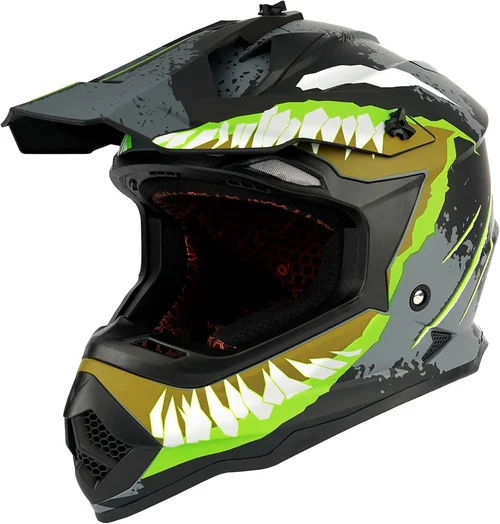
❌ Mistake: Skipping Safety Gear
Why it’s bad: Even low-speed e-dirt bikes can cause serious injury. Riders often underestimate the risk because electric bikes are quiet and feel “gentle.”
What to do instead: Always wear a DOT-approved helmet, gloves, boots, and protective clothing. For kids, add knee and elbow pads. Safety gear is non-negotiable.
❌ Mistake: Not Considering Resale Value
Why it’s bad: Some e-dirt bikes depreciate rapidly due to poor reliability or lack of brand support. You could lose half your investment in a year.
What to do instead: Stick with reputable brands known for holding value. Keep records, maintain the bike well, and avoid excessive modifications.
❌ Mistake: Assuming All “Electric” Bikes Are Equal
Why it’s bad: The term “e-dirt bike” covers everything from toy-grade scooters to race machines. Confusing categories leads to mismatched expectations.
What to do instead: Clearly define your use case (kids, trails, racing, commuting) and shop within that category. Don’t compare a $600 Razor to a $10,000 Zero.
Budget Guidelines: How Much Should You Spend?
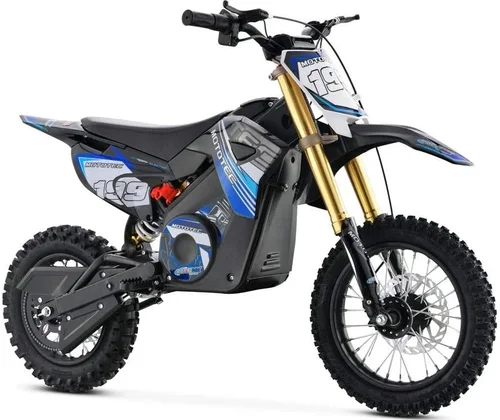
Entry-Level ($300 – $1,200): This tier is dominated by youth bikes and basic adult models. Expect plastic frames, small motors (500W–1,500W), limited range (20–40 minutes), and minimal suspension. Best for kids, beginners, or casual backyard use. Brands: Razor, MotoTec, Coolster.
Mid-Range ($2,000 – $6,000): The sweet spot for most riders. These bikes offer aluminum frames, 2,000W–4,000W motors, 45–90 minutes of runtime, and decent suspension. Great for trail riding, family adventures, and weekend warriors. Brands: Sur Ron, Talaria, Cake, Segway.
Premium ($7,000 – $12,000): For serious enthusiasts and competitive riders. Features include high-capacity batteries (1,500Wh+), advanced suspension, lightweight frames, and race-ready tuning. Expect 1.5–3 hours of ride time and professional-grade durability. Brands: Zero, KTM, Husqvarna, Stark Future.
Luxury ($12,000+): Top-tier machines with cutting-edge tech, custom builds, and elite performance. These are for professionals, collectors, or those who want the absolute best. Examples include the Zero FXE or custom Talaria builds with upgraded batteries and suspension.
Expert Tips for Getting the Best Deal
- Buy in the off-season: Prices often drop in late fall and winter when demand is low. Many dealers offer discounts to clear inventory before new models arrive in spring.
- Shop directly from manufacturers: Brands like Sur Ron, Talaria, and Cake often sell direct-to-consumer with better pricing and bundles (free shipping, spare parts, etc.) than third-party retailers.
- Look for demo or used models: Many shops sell lightly used demo bikes at 10–20% off retail. These are often well-maintained and come with remaining warranty.
- Bundle accessories: Some sellers offer free helmets, gloves, or chargers with purchase. Compare total value, not just bike price.
- Check return policies: Ensure you can return or exchange the bike within 14–30 days if it doesn’t meet expectations. Avoid sellers with “all sales final” policies.
- Test ride when possible: Local dealers or events often offer demo days. Riding the bike is the best way to judge fit, comfort, and performance.
- Negotiate: Even online, many sellers will match competitor prices or throw in extras. Don’t hesitate to ask.
- Join owner groups: Facebook groups and forums often share exclusive discount codes or flash sales.

Frequently Asked Questions
Q: Are e-dirt bikes street-legal?
A: Most e-dirt bikes are not street-legal due to lack of lights, mirrors, turn signals, and DOT certification. However, some models like the Zero FXS or Cake Kalk&OFFROAD can be registered for street use with proper equipment and paperwork, depending on your state or country.
Q: How long do e-dirt bike batteries last?
A: Lithium-ion batteries typically last 500–1,000 charge cycles before capacity drops to 80%. With proper care (avoiding full discharges and extreme temperatures), this translates to 2–5 years of regular use. Replacement costs vary from $500 to $1,500.
Q: Can I ride an e-dirt bike in the rain?
A: Most e-dirt bikes are water-resistant but not waterproof. Light rain is generally fine, but avoid deep puddles, submersion, or high-pressure washing. Always dry the bike thoroughly after wet rides.
Q: Do e-dirt bikes require less maintenance than gas bikes?
A: Yes—no oil changes, air filters, or carburetors. However, you still need to maintain suspension, brakes, tires, and drivetrain. Battery care and firmware updates are also important.
Q: Are e-dirt bikes good for beginners?
A: Absolutely. Electric motors provide smooth, controllable power, making them easier to learn on than gas bikes with clutch and gear shifting. Many models also include beginner modes and speed limiters.
Q: How fast do e-dirt bikes go?
A: Top speeds range from 20 mph (kids’ bikes) to 70+ mph (race models). Most trail bikes cap out around 40–50 mph for safety and range efficiency.
Q: Can I upgrade the battery on my e-dirt bike?
A: Some brands allow battery upgrades (e.g., Sur Ron, Talaria), while others use proprietary sealed packs. Check compatibility before buying. Upgrading can extend range but may void warranty.
Q: Are e-dirt bikes environmentally friendly?
A: Yes—they produce zero emissions during operation and are quieter than gas bikes, reducing noise pollution. However, battery production and disposal have environmental impacts, so responsible recycling is key.
Q: What’s the difference between hub motors and mid-drive motors?
A: Hub motors are built into the wheel (usually rear) and are simpler, cheaper, and easier to maintain. Mid-drive motors sit near the pedals (rare in dirt bikes) and offer better weight distribution and efficiency—but are more complex and expensive.
Q: Do I need a license to ride an e-dirt bike?
A: For off-road use on private land, no license is typically required. On public trails or streets, regulations vary by location. Always check local laws before riding.
Our Final Recommendations
Best for Budget-Conscious Buyers: Sur Ron LBX – At around $4,000, it delivers exceptional value with a 6 kW motor, 75-minute runtime, and rugged build. Perfect for trail riders who want performance without premium pricing.
Best Overall Value: Talaria Sting – Priced at $5,500–$6,500, it offers race-level power (8 kW), swappable batteries, and lightweight design. Ideal for serious off-roaders seeking top-tier performance.
Best Premium Option: Zero FXE – At $12,000, it’s a street-legal powerhouse with 46 hp, 3+ hours of range, and Zero’s legendary reliability. Best for riders who want versatility and cutting-edge tech.
Best for Beginners: Razor MX650 – For under $600, this youth/adult hybrid offers 17 mph top speed, adjustable suspension, and a sturdy frame. Great for learning the basics safely.
Best for Advanced Users: KTM Freeride E-XC – A true motocross machine with 22 hp, WP suspension, and race-ready geometry. Built for experienced riders tackling technical terrain and jumps.
Conclusion: Making the Right Choice
Choosing the best e-dirt bike isn’t just about specs or price—it’s about finding the right match for your lifestyle, skill level, and riding goals. Whether you’re buying your first electric trail bike or upgrading to a race-ready beast, the key is to prioritize what matters most: battery life for long rides, durability for rough terrain, or lightweight agility for technical trails.
Remember, the most expensive bike isn’t always the best. A mid-range model from a reputable brand often delivers the best balance of performance, reliability, and value. Take your time, do your research, and don’t rush into a decision. Test rides, user reviews, and expert advice are your allies.
Electric dirt biking is more than a trend—it’s the future of off-road adventure. With zero emissions, near-silent operation, and thrilling performance, e-dirt bikes open up new possibilities for riders of all ages. So gear up, charge up, and hit the trails with confidence. Your perfect ride is out there—this guide just helped you find it.