
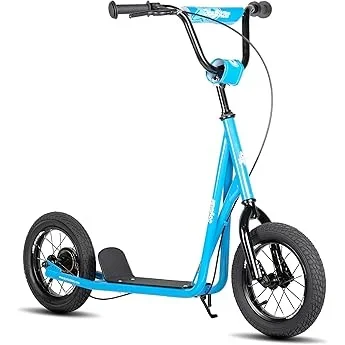
Electric scooters have evolved from niche urban curiosities to serious transportation contenders, especially for daily commuters. Whether you’re dodging traffic in a bustling city, navigating campus grounds, or simply looking for a greener way to get around, the right electric scooter can transform your daily routine. But with hundreds of models flooding the market—each boasting different speeds, ranges, weights, and features—choosing the best one for your specific needs can feel overwhelming. That’s exactly why this comprehensive buying guide exists: to cut through the noise, clarify what truly matters, and help you make a smart, informed decision that aligns with your lifestyle, budget, and commute.
In this guide, you’ll learn how to evaluate electric scooters like a pro. We’ll break down the most critical factors—from motor power and battery life to portability and safety features—so you understand not just what to look for, but why it matters. You’ll discover the key differences between budget-friendly models and high-performance machines, learn how to avoid common purchasing pitfalls, and get expert-backed recommendations tailored to real-world commuting scenarios. Whether you’re a first-time buyer or upgrading from an older model, this guide equips you with everything needed to find the perfect electric scooter for your daily journey.
The electric scooter market has matured significantly over the past few years. What once was dominated by flimsy, short-range toys is now a competitive landscape filled with reliable, feature-rich vehicles designed for practical use. Major brands like Gotrax, Segway-Ninebot, Xiaomi, and Apollo have raised the bar with improved build quality, longer battery life, and smarter technology. At the same time, new entrants continue to push innovation—offering everything from foldable designs to app connectivity and regenerative braking. With prices ranging from under $300 to well over $2,000, there’s truly an option for every budget and use case. But with such variety comes complexity. This guide simplifies that complexity, giving you a clear roadmap to navigate the options and choose a scooter that won’t just look good in the store—but will reliably serve you mile after mile.

What to Look for When Buying Gotrax
1. Budget & Price Range
Your budget is the foundation of your decision. Electric scooters vary wildly in price, and while it’s tempting to go for the cheapest option, doing so often leads to disappointment—especially if you rely on your scooter for daily commuting. A low-cost model might save you money upfront, but if it breaks down after a few months or can’t handle your route, you’ll end up spending more in repairs or replacements. Conversely, overspending on features you don’t need is equally wasteful.
For most commuters, a mid-range scooter ($500–$1,200) offers the best balance of performance, durability, and value. These models typically include reliable motors, decent battery life, and solid build quality without the premium price tag. Entry-level scooters (under $400) can work for short, flat commutes or occasional use, but they often lack the power, range, or ruggedness needed for daily reliability. Premium models ($1,200+) are ideal for long distances, hilly terrain, or riders who prioritize speed and advanced features like suspension or smart connectivity.
2. Performance Specifications
Performance is where many buyers get tripped up by marketing hype. Terms like “top speed” and “max range” are often exaggerated under ideal conditions—flat roads, no wind, light riders, and full batteries. To make an informed choice, dig deeper into the real-world specs.
Start with motor power, measured in watts (W). A 250W motor is sufficient for flat city streets and light riders, but if you live in a hilly area or weigh over 160 lbs, aim for at least 350W–500W. Dual-motor scooters (1,000W+) offer exceptional hill-climbing ability and acceleration but come at a higher cost and weight.
Battery capacity, measured in watt-hours (Wh), determines how far you can go on a single charge. A 250Wh battery might give you 10–15 miles, while a 500Wh+ battery can deliver 20–30 miles or more. Always check the battery type—lithium-ion (Li-ion) is standard and reliable, but avoid older lead-acid batteries, which are heavy and short-lived.
Top speed matters too, but not as much as you think. Most city commuters travel at 15–20 mph, which is fast enough to keep up with traffic while remaining safe. Scooters claiming 30+ mph speeds are fun but often unnecessary and may violate local regulations.
3. Build Quality & Durability
A scooter is only as good as its construction. Daily commuting exposes your ride to rain, potholes, curbs, and constant folding/unfolding—so durability isn’t optional; it’s essential. Look for scooters with aluminum alloy frames, which offer a great balance of strength and lightweight design. Avoid plastic-heavy models, especially in critical areas like the deck or stem.
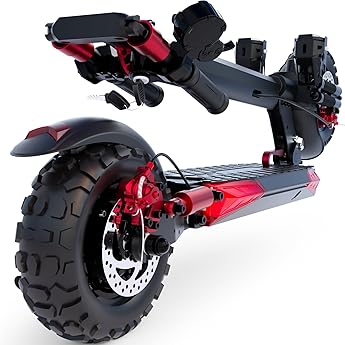
Check the IP rating for water and dust resistance. An IP54 rating means the scooter can handle light rain and splashes, which is adequate for most urban commuters. If you ride in wet climates, consider IP65 or higher. Also inspect the tires: air-filled (pneumatic) tires provide a smoother ride and better grip but are prone to punctures. Solid or honeycomb tires are puncture-proof but offer a harsher ride—ideal for rough roads but less comfortable on long commutes.
Weld quality, bolt tightness, and hinge mechanisms should feel solid, not wobbly. A well-built scooter should feel stable at speed and not rattle or creak when folded.
4. Features & Functionality
Modern electric scooters come packed with features, but not all are worth the extra cost. Focus on what enhances your commute, not just what sounds impressive.
Essential features include:
– LED headlight and taillight: Crucial for visibility at night or in low-light conditions.
– Brake system: Disc brakes or regenerative + electronic brakes offer the best stopping power. Avoid scooters with only foot brakes.
– Display: A clear, backlit LCD shows speed, battery level, and mode—helpful for monitoring your ride.
– App connectivity: Some models sync with smartphones to track rides, lock the scooter, or adjust settings. Useful but not essential.
– Suspension: Front or dual suspension absorbs shocks on bumpy roads, improving comfort on longer rides.
– Cruise control: Lets you maintain a steady speed without holding the throttle—great for long, straight paths.
Avoid gimmicks like built-in speakers or RGB lighting unless they genuinely add value to your experience. Prioritize safety and usability over flashy extras.
5. Brand Reputation
Not all brands are created equal. Established companies like Gotrax, Segway-Ninebot, and Xiaomi have proven track records for reliability, customer service, and parts availability. They invest in R&D, rigorous testing, and global support networks—meaning if something goes wrong, you’re more likely to get help.
Newer or lesser-known brands may offer tempting deals, but they often cut corners on quality control or lack售后 support. Read independent reviews, check forums like Reddit’s r/ElectricScooters, and look for brands with active communities. A strong reputation isn’t just about marketing—it’s about consistency, transparency, and standing behind their products.
6. Warranty & Support
A good warranty is a sign of confidence in a product. Most reputable brands offer at least a 12-month warranty covering defects in materials and workmanship. Some premium models come with 18–24 months. Pay attention to what’s included: battery warranties are often shorter (6–12 months), and wear items like tires or brakes may be excluded.
Customer support matters too. Can you easily reach someone by phone or email? Are replacement parts readily available? Brands with US-based support centers (like Gotrax) typically resolve issues faster than those relying on overseas distributors. Check return policies—some retailers offer 30-day trials, which let you test the scooter risk-free.
7. Size & Portability
If you need to carry your scooter onto public transit, store it under a desk, or take it upstairs, portability is non-negotiable. Weight and foldability are the two biggest factors here.
Most commuter scooters weigh between 25–40 lbs. Anything over 35 lbs becomes cumbersome to carry for long periods. Look for models with ergonomic handles or carrying straps. Folding mechanisms should be quick and secure—ideally one-step folding that locks in place.
Deck size also affects comfort. A wider deck (at least 6–7 inches) gives your feet more room, improving balance and reducing fatigue. However, wider decks can make the scooter bulkier when folded. Find a balance that suits your storage space and carrying needs.
8. User Reviews & Ratings
Specs tell one story; real-world experience tells another. Always read user reviews from multiple sources—Amazon, Best Buy, specialized forums, and YouTube. Look for patterns: if multiple users report the same issue (e.g., “battery drains fast after 3 months” or “stem wobbles at high speed”), it’s likely a genuine flaw.
Pay attention to reviews from riders with similar needs—weight, commute distance, terrain—as yours. A scooter that works great for a 120-lb student on flat campus paths may struggle for a 200-lb commuter tackling hills. Also check recent reviews; manufacturers often update models to fix earlier issues.
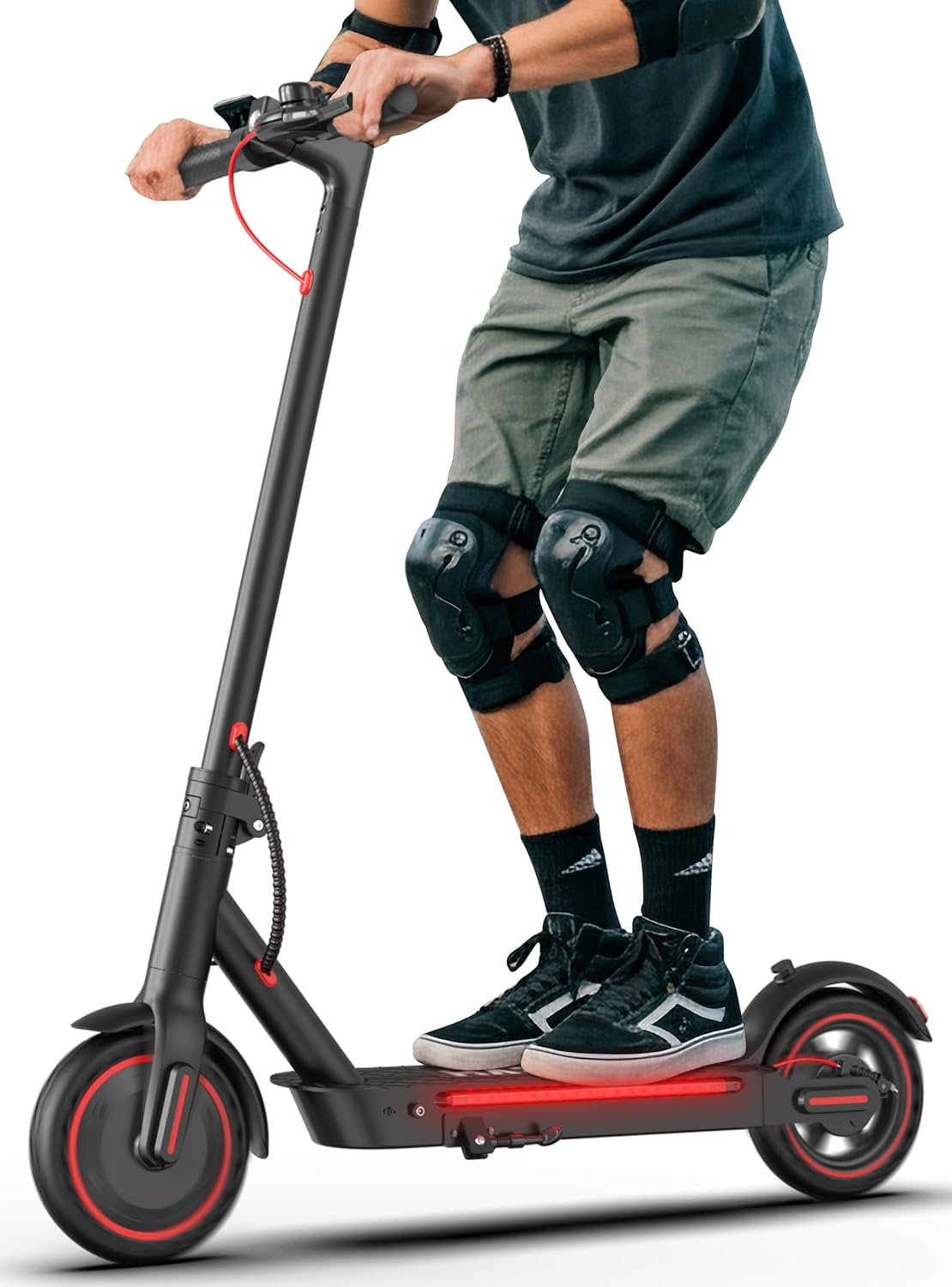
Different Types of Gotrax
Common Buying Mistakes to Avoid
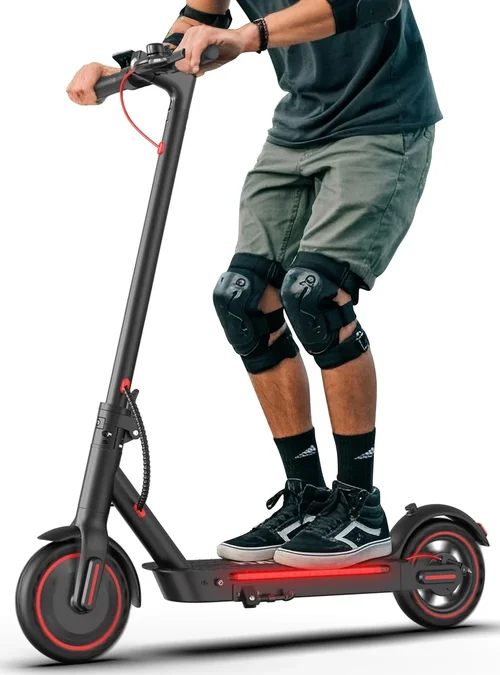
❌ Mistake: Prioritizing Top Speed Over Real-World Range
Why it’s bad: Many buyers fixate on high top speeds (e.g., “30 mph!”), but speed means little if the battery dies halfway through your commute. A scooter that hits 25 mph but only lasts 8 miles isn’t practical for a 12-mile round trip.
What to do instead: Focus on real-world range estimates from user reviews. Calculate your daily distance and add 20–30% buffer for hills, wind, or colder weather. Choose a scooter with at least 1.5x your needed range.
❌ Mistake: Ignoring Weight and Portability
Why it’s bad: A powerful 45-lb scooter might seem great—until you have to carry it up three flights of stairs or onto a crowded bus. Heavy scooters become burdens, not tools.
What to do instead: Weigh your actual carrying needs. If you’ll be lifting it frequently, aim for under 35 lbs. Test the fold mechanism in-store or via video reviews to ensure it’s truly convenient.
❌ Mistake: Overlooking Tire Type
Why it’s bad: Solid tires promise “no flats,” but they transmit every bump directly to your body, making long rides uncomfortable. Pneumatic tires offer comfort but require maintenance.
What to do instead: Match tire type to your terrain. Use solid tires for smooth city pavements; choose pneumatic for rough roads or longer commutes. Some models offer hybrid honeycomb tires as a middle ground.
❌ Mistake: Skipping Safety Features
Why it’s bad: Riding at night without lights or relying on weak brakes increases accident risk. Many budget scooters skimp on essential safety components.
What to do instead: Ensure your scooter has a bright headlight, responsive brakes (preferably disc or regenerative), and reflective elements. Always wear a helmet—even if not legally required.
❌ Mistake: Buying Based Solely on Price
Why it’s bad: The cheapest scooter often costs more in the long run due to repairs, short lifespan, or poor performance. Conversely, overspending on unused features wastes money.
What to do instead: Define your must-have features first, then find the best value within your budget. Mid-range models often offer the sweet spot.
❌ Mistake: Not Checking Local Laws
Why it’s bad: Some cities restrict scooter speeds, require licenses, or ban them from sidewalks. Buying a 25 mph scooter only to find it’s illegal where you live is frustrating.
What to do instead: Research your local regulations before purchasing. Many apps and city websites list e-scooter rules. Choose a model that complies with speed and usage limits.
❌ Mistake: Ignoring After-Sales Support
Why it’s bad: If your scooter breaks and the brand offers no support, you’re stuck with a $600 paperweight. Overseas brands may take weeks to ship parts.
What to do instead: Buy from brands with local service centers or strong warranty policies. Gotrax, for example, offers US-based support and readily available parts.
Budget Guidelines: How Much Should You Spend?
Entry-Level ($250–$400): These scooters are best for very short, flat commutes or occasional use. Expect basic specs: 250W motor, 10–15 mile range, lightweight frame, and minimal features. Build quality may be questionable, and warranties are often limited. Ideal for students or backup rides, but not recommended for daily reliability.
Mid-Range ($500–$900): This is the sweet spot for most commuters. You’ll get a 350W–500W motor, 15–25 mile range, better brakes, lights, and a sturdier frame. Brands like Gotrax, Xiaomi, and Segway dominate this space with reliable, well-reviewed models. These scooters handle moderate hills, offer decent comfort, and come with solid warranties.
Premium ($900–$1,500): For longer commutes, hilly areas, or heavier riders, premium scooters deliver. Look for 500W–1000W motors, 25–35 mile ranges, dual suspension, app connectivity, and high-quality components. These are built to last years with daily use and often include advanced safety features.
Luxury ($1,500+): Reserved for enthusiasts and professionals, these scooters offer top-tier performance, premium materials, and cutting-edge tech. Think dual motors, 30+ mile ranges, carbon fiber elements, and smart diagnostics. While overkill for most, they’re worth it if you demand the absolute best.
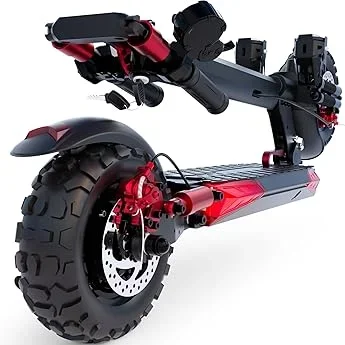
Expert Tips for Getting the Best Deal
– Buy during off-peak seasons: Scooter sales peak in spring and summer. Shop in late fall or winter for discounts—many retailers clear inventory before new models arrive.
– Check multiple retailers: Compare prices on Amazon, Best Buy, Walmart, and brand websites. Sometimes direct-from-manufacturer offers include free shipping or extended warranties.
– Look for bundle deals: Some sellers offer helmets, locks, or phone mounts at a discount when purchased together.
– Read the fine print on returns: Ensure the retailer allows returns within 14–30 days. Test the scooter immediately to check for defects.
– Join loyalty programs: Brands like Gotrax often reward repeat customers with exclusive discounts or early access to sales.
– Consider refurbished models: Certified refurbished scooters from reputable sellers can save 20–30% and often come with the same warranty as new units.
– Test ride when possible: If buying in-store, ask to test the scooter. Pay attention to throttle response, braking, and overall feel.
– Monitor price tracking tools: Use sites like Honey or CamelCamelCamel to track price history and get alerts for drops.
Frequently Asked Questions
Q: How far can an electric scooter really go on one charge?
A: Real-world range depends on rider weight, terrain, speed, and weather. A scooter rated for 20 miles might only deliver 12–15 miles for a 180-lb rider going uphill. Always plan for 20–30% less than the advertised range.
Q: Are electric scooters safe for daily commuting?
A: Yes, when used responsibly. Wear a helmet, follow traffic laws, avoid busy roads when possible, and maintain your scooter regularly. Choose models with good brakes and lights for added safety.
Q: Can I ride an electric scooter in the rain?
A: Only if it has an IP54 rating or higher. Light rain is usually fine, but avoid deep puddles or heavy storms. Water can damage the motor or battery.
Q: How long does it take to charge an electric scooter?
A: Most take 4–8 hours to fully charge. Fast-charging models (with dual chargers) can cut this to 2–3 hours, but frequent fast charging may reduce battery lifespan.
Q: What’s the average lifespan of an electric scooter?
A: With proper care, a quality scooter can last 3–5 years. The battery typically needs replacement after 500–800 charge cycles (about 2–3 years of daily use).
Q: Do I need a license or insurance to ride an electric scooter?
A: It depends on your location. Many cities allow scooters under 20 mph without a license, but some require registration or restrict where you can ride. Check local laws.
Q: Can I take my electric scooter on public transportation?
A: Most buses and trains allow folded scooters, but policies vary. Check with your transit authority. Ultra-portable models under 30 lbs are easiest to bring aboard.
Q: What should I do if my scooter breaks down?
A: Contact the manufacturer’s support team first. If under warranty, they may repair or replace it. Keep receipts and document the issue with photos or videos.
Q: Are electric scooters eco-friendly?
A: Yes, compared to cars. They produce zero emissions during use and have a much lower carbon footprint over their lifetime, especially when charged with renewable energy.
Q: Can I upgrade my scooter’s battery for more range?
A: Some models allow battery upgrades, but it’s often complex and may void the warranty. Check with the manufacturer before attempting modifications.
Our Final Recommendations
Best for Budget-Conscious Buyers: Gotrax GXL V2 – At around $350, this scooter offers surprising value with a 250W motor, 15-mile range, and solid build quality. Perfect for short, flat commutes and first-time riders.
Best Overall Value: Gotrax G4 – Priced near $600, the G4 delivers a 350W motor, 20-mile range, front suspension, and a bright display. It’s reliable, comfortable, and built to handle daily urban use.
Best Premium Option: Apollo City Pro 2024 – At $1,499, this beast features dual motors, 38-mile range, full suspension, and app connectivity. Ideal for long commutes and demanding riders.
Best for Beginners: Xiaomi Mi Electric Scooter 3 – Simple, intuitive, and well-built, this scooter is easy to learn on. With a 18.6-mile range and lightweight design, it’s perfect for new commuters.
Best for Advanced Users: Dualtron Thunder 3 – A high-performance powerhouse with 50 mph top speed, 70-mile range, and dual hydraulic brakes. For those who want speed, range, and cutting-edge tech.
Conclusion: Making the Right Choice
Choosing the best electric scooter for commuting isn’t about finding the flashiest model or the cheapest deal—it’s about matching the right tool to your specific needs. Consider your daily distance, terrain, storage options, and budget. Prioritize reliability, safety, and real-world performance over marketing claims. Read reviews, test when possible, and don’t overlook after-sales support.
Remember, the perfect scooter is one that you’ll actually use—day after day, rain or shine. It should make your commute easier, safer, and more enjoyable. With the insights from this guide, you’re now equipped to cut through the hype, avoid costly mistakes, and invest in a scooter that truly serves your lifestyle.
So take the next step: define your priorities, compare your options, and ride confidently into the future of urban mobility. Your ideal electric scooter is out there—now you know exactly how to find it.