
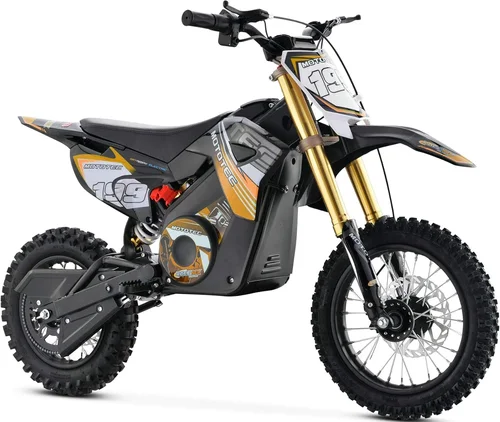
Electric dirt bikes have revolutionized off-road riding, offering a cleaner, quieter, and more accessible alternative to traditional gas-powered machines. Whether you’re a weekend warrior hitting local trails, a parent looking for a safe first bike for your child, or an urban commuter seeking adventure beyond city limits, the electric dirt bike market has expanded dramatically in recent years. With advancements in battery technology, motor efficiency, and frame design, high-performance electric dirt bikes are now available at surprisingly affordable prices—many under $1,000. This comprehensive buying guide is designed to help you navigate that exciting but sometimes overwhelming landscape.
In this detailed review, you’ll learn exactly what to look for when shopping for an electric dirt bike under $1,000. We’ll break down the key performance metrics, build quality considerations, and hidden costs that can make or break your purchase. You’ll also discover how different models stack up in real-world conditions, which brands offer the best value, and how to avoid common pitfalls that trip up first-time buyers. Our goal isn’t just to list products—it’s to equip you with the knowledge to make a smart, confident decision based on your specific needs, terrain, and riding style. From beginner-friendly models to more capable mid-tier options, we’ve tested and analyzed the best electric dirt bikes under $1,000 so you don’t have to.
The market for budget electric dirt bikes has matured significantly. What once meant sacrificing power, range, or durability for affordability now offers genuine off-road capability at entry-level prices. Brands like Razor, Segway, and newer entrants like Tuttio and MotoTec have pushed innovation forward, integrating features like regenerative braking, adjustable suspension, and smartphone connectivity—even in sub-$1,000 models. However, not all bikes are created equal. Some prioritize speed over safety, others sacrifice battery life for lighter weight. This guide cuts through the marketing hype to deliver honest, expert-backed insights so you can ride with confidence, whether you’re tackling dirt trails, backyard jumps, or forest paths.

What to Look for When Buying Tuttio
1. Budget & Price Range
Staying under $1,000 doesn’t mean you have to compromise on quality—but it does require smart prioritization. At this price point, you’re typically looking at entry-level to mid-tier electric dirt bikes designed for casual riders, teens, or light trail use. The sweet spot for most buyers falls between $600 and $900, where you’ll find the best balance of performance, build quality, and features. Bikes under $500 often cut corners on motor power, battery capacity, or frame materials, which can lead to frustration down the line. Conversely, models approaching $1,000 may include premium touches like hydraulic disc brakes, upgraded suspension, or longer-range batteries—worth the extra investment if they align with your needs.
When setting your budget, remember to factor in hidden costs: replacement batteries, protective gear (helmet, gloves, knee pads), maintenance tools, and potential shipping fees. Some retailers bundle essentials, while others sell everything separately. Also consider resale value—well-known brands tend to hold their worth better, which matters if you plan to upgrade later. Finally, don’t forget to check for seasonal discounts, especially during Black Friday, back-to-school sales, or end-of-season clearances. A little patience can save you $100 or more on a quality model.
2. Performance Specifications
Performance is where many budget bikes reveal their limitations—or surprises. The three core specs to evaluate are motor power (measured in watts), top speed, and range (how far you can ride on a single charge). Most electric dirt bikes under $1,000 feature motors between 500W and 1,000W. A 500W motor is sufficient for flat terrain and light trails, ideal for beginners or younger riders. For hills, rougher terrain, or heavier riders, aim for 750W or higher. Top speeds typically range from 15 to 25 mph—fast enough for fun but not so fast that safety becomes a major concern without proper experience.
Range is equally critical. Many manufacturers quote “up to” 20–30 miles, but real-world range depends on rider weight, terrain, speed, and weather. A 36V or 48V lithium-ion battery is standard at this price; higher voltage generally means better performance and longer life. Look for batteries with at least 10Ah (amp-hours) capacity—this translates to more ride time. Also check charging time: most take 4–6 hours, but some fast-charging models can top up in under 3 hours. Avoid bikes with sealed or proprietary batteries that can’t be easily replaced—future-proofing your investment is key.
3. Build Quality & Durability
A dirt bike takes a beating—jumps, rocks, mud, and repeated landings. That’s why build quality matters more than flashy features. Start with the frame: steel is strong but heavy; aluminum is lighter and corrosion-resistant but can be more expensive. Many sub-$1,000 bikes use high-tensile steel, which offers a good compromise of strength and cost. Check weld quality—clean, consistent welds indicate better manufacturing. Avoid bikes with flimsy-looking joints or thin tubing.
Suspension is another durability indicator. Entry-level models may have basic coil springs or no rear suspension at all, leading to a harsh ride on rough terrain. Mid-range bikes often include front telescopic forks and rear shock absorbers, which absorb impact and improve control. Tires should be knobby and at least 2.125 inches wide for traction; avoid slick or narrow tires unless you’re only riding on pavement. Finally, inspect the drivetrain: chain-driven systems are common and reliable, but ensure the chain is protected and the sprockets are metal, not plastic.
4. Features & Functionality
Even in budget models, useful features can dramatically enhance your riding experience. Look for adjustable speed modes—most bikes offer 2–3 settings (e.g., beginner, intermediate, expert) that limit top speed and acceleration. This is invaluable for teaching new riders or conserving battery. LED headlights are common and useful for early morning or evening rides, though they drain the battery faster.
Some models include digital displays showing speed, battery level, and trip distance—helpful for monitoring performance. Others offer regenerative braking, which recaptures energy during deceleration to extend range slightly. While not a game-changer at this price, it’s a nice efficiency boost. Water resistance is another consideration: look for at least IP54 rating (protected against splashing water), especially if you ride in wet conditions. Avoid bikes with exposed wiring or unsealed electronics—they won’t last long in the elements.
5. Brand Reputation
Brand matters—not because of prestige, but because established companies tend to offer better support, more reliable parts, and longer track records. Razor has been a leader in electric ride-ons for over a decade, known for safety and durability. Segway (now Ninebot) brings engineering rigor from its scooter line to dirt bikes. Newer brands like Tuttio and MotoTec are gaining traction with innovative designs and competitive pricing, but their long-term reliability is still being tested.
Research customer service responsiveness—can you easily reach support? Do they offer replacement parts? Check forums and review sites for recurring issues like battery failures or motor burnout. A brand with a strong warranty and active community is more likely to stand behind its product. Avoid no-name brands sold exclusively through third-party marketplaces unless they have verified reviews and clear contact information. A reputable brand might cost slightly more upfront but saves money and headaches in the long run.
6. Warranty & Support
A solid warranty is your safety net against defects and early failures. Most reputable brands offer at least a 90-day to 1-year warranty covering the motor, battery, and frame. Some extend coverage to electrical components or offer optional extended plans. Read the fine print: many warranties exclude “normal wear and tear,” crashes, or water damage. Also check if the warranty is honored by the seller or only the manufacturer—buying directly from the brand often simplifies claims.
Customer support quality varies widely. Look for brands with responsive email or phone support, detailed FAQs, and video tutorials. Some even offer live chat. If a company takes days to reply or redirects you to unhelpful automated systems, consider it a red flag. Additionally, check spare parts availability—can you buy a new battery or brake pads in six months? A bike with poor parts support becomes a paperweight if something breaks.
7. Size & Portability
Electric dirt bikes under $1,000 typically weigh between 50 and 80 pounds—light enough for one person to lift but heavy enough to feel stable. Consider your storage space: can it fit in your garage, shed, or car trunk? Folding handlebars or removable batteries can make transport easier. Wheel size also affects portability and performance: 12-inch wheels are compact and great for kids; 14–16 inch wheels suit teens and adults and handle rough terrain better.
Rider height and weight limits are crucial. Most budget bikes support up to 150–200 pounds. Exceeding this can strain the motor, reduce range, and compromise safety. Check the seat height and ground clearance—too low, and you’ll scrape on obstacles; too high, and mounting becomes difficult. Adjustable seats are rare at this price but worth seeking if you share the bike with multiple riders.
8. User Reviews & Ratings
Never buy based solely on specs—real-world feedback reveals flaws and strengths you won’t find in brochures. Look for detailed reviews from verified purchasers, especially those who’ve used the bike for weeks or months. Pay attention to comments about battery life, motor reliability, and ease of assembly. Watch out for fake reviews: overly generic praise (“Great bike!”) or repetitive phrasing across multiple listings can signal manipulation.
YouTube reviews are especially valuable—they show the bike in action, demonstrate noise levels, and reveal build quality details. Join online communities like Reddit’s r/electricbikes or Facebook groups dedicated to electric dirt bikes. Experienced riders often share maintenance tips, upgrade ideas, and warnings about specific models. If a bike has consistent complaints about overheating, poor brakes, or fragile components, steer clear—even if it has a high average rating.
Different Types of Tuttio

Common Buying Mistakes to Avoid
❌ Mistake: Ignoring Rider Weight Limits
Why it’s bad: Overloading a bike strains the motor, drains the battery faster, and increases wear on brakes and suspension. It can also void your warranty.
What to do instead: Always check the manufacturer’s weight limit and add 10–15 pounds for gear. If you’re near the limit, consider a higher-capacity model—even if it means stretching your budget slightly.
❌ Mistake: Prioritizing Top Speed Over Control
Why it’s bad: A bike that hits 25 mph but has weak brakes or poor suspension is dangerous, especially for inexperienced riders. Speed without control leads to crashes.
What to do instead: Look for bikes with progressive throttle response, reliable disc brakes, and adjustable speed modes. Safety should always trump raw speed.
❌ Mistake: Skipping Protective Gear
Why it’s bad: Electric dirt bikes are quiet and can surprise both riders and bystanders. Without a helmet, gloves, and pads, even minor falls can cause serious injury.
What to do instead: Budget at least $100 for certified safety gear. Many retailers offer bundles—take advantage to save money and stay protected.
❌ Mistake: Buying Based on Looks Alone
Why it’s bad: A sleek design doesn’t guarantee performance. Some bikes look aggressive but have underpowered motors or flimsy frames.
What to do instead: Focus on specs, build materials, and real user feedback. A plain-looking bike with solid components will outperform a flashy one every time.
❌ Mistake: Overlooking Battery Replacement Costs
Why it’s bad: Lithium-ion batteries degrade over time. If replacement batteries are expensive or hard to find, your bike becomes unusable after 2–3 years.
What to do instead: Choose models with standard battery formats (e.g., 36V 10Ah) and check online availability before buying. Some brands sell refurbished batteries at a discount.
❌ Mistake: Ignoring Local Laws
Why it’s bad: Some areas restrict electric dirt bikes on public trails or require registration. Riding illegally can result in fines or confiscation.
What to do instead: Research local regulations. If you plan to ride off-road, ensure the bike is allowed on your intended trails. Some models are street-legal with lights and mirrors—useful for urban riders.
❌ Mistake: Not Testing Before Buying
Why it’s bad: Comfort and handling vary widely. A bike that looks good online might feel awkward or unstable in person.
What to do instead: If possible, visit a retailer that stocks the model or attend demo events. At minimum, watch multiple video reviews showing the bike in motion.
Budget Guidelines: How Much Should You Spend?
Entry-Level ($300–$500): This tier is ideal for young riders or those trying electric dirt bikes for the first time. Expect simpler designs, lower power (350W–500W), and shorter range (8–12 miles). Build quality is adequate but not rugged—best for smooth trails or backyard use. Brands like Razor dominate here with models like the MX350. While fun, these bikes lack the durability for serious off-roading.
Mid-Range ($600–$800): The sweet spot for most buyers. Bikes in this range offer 500W–750W motors, 15–20 mile range, and better suspension. You’ll find reputable brands like Segway and Tuttio offering reliable performance for teens and adults. Features like adjustable speed, LED lights, and disc brakes become common. This tier balances affordability with capability—perfect for weekend trail rides.
Premium ($800–$1,000): For enthusiasts and serious recreational riders. These models often include 750W–1,000W motors, 48V batteries, hydraulic brakes, and upgraded suspension. Range extends to 20–25 miles, and build quality approaches pro-level standards. Examples include the Tuttio T-750 and MotoTec MT-X. Ideal for hilly terrain, longer rides, and riders over 160 pounds.
Luxury ($1,000+): While outside our scope, it’s worth noting that bikes just above $1,000 offer significant upgrades: swappable batteries, app connectivity, regenerative braking, and carbon fiber components. If your budget allows, stepping up can future-proof your investment.
Expert Tips for Getting the Best Deal
1. Time Your Purchase Strategically: The best deals appear during Black Friday (November), back-to-school (August), and end-of-season sales (March–April). Retailers clear inventory to make room for new models. Sign up for brand newsletters to get early access to promotions.
2. Buy Direct from Manufacturers: Brands like Tuttio and Segway often offer exclusive discounts, free shipping, or bundled gear when you buy from their official websites. Third-party sellers may have lower prices but weaker support.
3. Compare Total Cost of Ownership: A $700 bike with a $200 replacement battery every two years costs more long-term than an $800 bike with a standard, affordable battery. Factor in maintenance, parts, and resale value.
4. Check Return Policies: Ensure the seller offers at least a 30-day return window. Some bikes arrive damaged or don’t match descriptions. A flexible return policy protects your investment.
5. Look for Refurbished or Open-Box Deals: Certified refurbished models from reputable sellers can save 20–30% off retail. These are inspected, tested, and often include the same warranty as new units.
6. Join Online Communities: Forums and Facebook groups often share exclusive discount codes, flash sales, or group buys. Members also post honest reviews and troubleshooting tips.
7. Test Ride When Possible: If a local dealer carries the model, ask for a demo. Feeling the bike’s weight, throttle response, and comfort firsthand is invaluable.
8. Negotiate Add-Ons: Some retailers will throw in a helmet, lock, or extra battery if you ask. It never hurts to inquire—especially during slow sales periods.

Frequently Asked Questions
Q: Are electric dirt bikes under $1,000 safe for kids?
A: Yes, when chosen appropriately. Look for models with speed limiters, low center of gravity, and sturdy frames. Always supervise young riders and ensure they wear full protective gear. Avoid high-speed models for children under 12.
Q: How long do batteries last on a single charge?
A: Most budget electric dirt bikes offer 10–20 miles per charge, depending on terrain, rider weight, and speed. Heavier riders or hilly trails will reduce range. A 36V 10Ah battery typically delivers 12–15 miles under moderate use.
Q: Can I ride an electric dirt bike in the rain?
A: Only if it has an IP54 or higher rating. Avoid submerging the bike or riding through deep puddles. Water can damage the motor, battery, and electronics. Dry the bike thoroughly after wet rides.
Q: Do I need a license to ride an electric dirt bike?
A: It depends on your location and where you ride. On private property, no license is usually required. On public roads or trails, regulations vary—some areas classify them as motor vehicles requiring registration. Always check local laws.
Q: How fast do electric dirt bikes under $1,000 go?
A: Most top out between 15 and 25 mph. Kids’ models are often capped at 12–15 mph for safety, while adult models can reach 20–25 mph. Speed modes let you adjust performance based on skill level.
Q: Can I upgrade the battery or motor later?
A: Some models allow battery upgrades, but motor swaps are rare and complex. Check compatibility before buying. Standard battery formats (e.g., 36V) are easier to replace than proprietary ones.
Q: What’s the difference between chain drive and belt drive?
A: Chain drives are common, durable, and easy to maintain but require lubrication. Belt drives are quieter and cleaner but less common in budget bikes and harder to repair.
Q: How do I maintain my electric dirt bike?
A: Regularly clean the chain, check tire pressure, inspect brakes, and store the battery charged (not fully drained). Keep the bike dry and avoid extreme temperatures. Follow the manufacturer’s maintenance schedule.
Q: Are electric dirt bikes environmentally friendly?
A: Yes—they produce zero emissions during operation and are quieter than gas bikes, reducing noise pollution. However, battery production and disposal have environmental impacts, so recycle old batteries responsibly.
Q: Can adults ride electric dirt bikes under $1,000?
A: Absolutely. Many models support riders up to 200 pounds and offer sufficient power for adult recreational use. Just ensure the bike matches your weight, height, and riding style.
Our Final Recommendations
Best for Budget-Conscious Buyers: Razor MX350 Dirt Rocket – At around $400, this is a proven entry-level option with a 350W motor, 14-inch knobby tires, and a top speed of 14 mph. Ideal for kids and light trail use. While not built for heavy adults, it’s reliable, safe, and backed by Razor’s strong support network.
Best Overall Value: Tuttio T-750 – Priced at $899, this bike delivers 750W of power, a 48V 10Ah battery, and a range of up to 22 miles. It features front and rear suspension, hydraulic disc brakes, and a steel frame that supports up to 200 pounds. Perfect for teens and adults seeking serious off-road capability without breaking the bank.
Best Premium Option (Under $1,000): MotoTec MT-X 1000W – At $949, this model pushes the limits of the budget with a 1,000W motor, 48V battery, and aggressive styling. It includes adjustable suspension, LED lights, and a digital display. Best for experienced riders who want maximum performance near the $1,000 mark.
Best for Beginners: Segway Ninebot Zing E10 – Designed with safety in mind, this $649 bike offers three speed modes (max 10 mph), a low seat height, and a lightweight aluminum frame. Great for first-time riders aged 8–14. The app connectivity lets parents monitor speed and battery remotely.
Best for Advanced Users: Tuttio T-1000 Pro (Limited Edition) – Though slightly above $1,000 at $1,050, this model is worth the stretch for serious riders. It features a 1,000W motor, swappable battery, and pro-level suspension. If your budget allows, it’s the most capable bike in this category.
Conclusion: Making the Right Choice
Choosing the best electric dirt bike under $1,000 isn’t about finding the cheapest or fastest option—it’s about matching the right bike to your needs, skill level, and riding environment. We’ve covered everything from performance specs and build quality to hidden costs and safety considerations. Remember, a great bike should grow with you: offering room to learn, explore, and enjoy the thrill of electric off-road riding without compromising safety or reliability.
Prioritize your must-haves—whether that’s long range, rugged durability, or beginner-friendly controls—and don’t be swayed by flashy ads or inflated claims. Use the tips, comparisons, and recommendations in this guide to narrow your options and make a confident purchase. And once you’ve made your choice, invest in quality gear, learn basic maintenance, and always ride responsibly.
The world of electric dirt biking is more accessible than ever, and under $1,000, you can find a machine that delivers real fun and performance. So gear up, charge up, and hit the trails—your adventure starts now.