Electric bikes—or e-bikes—have revolutionized personal transportation, offering a blend of convenience, sustainability, and fun that traditional bicycles simply can’t match. Whether you’re commuting to work, running errands around town, or exploring scenic trails on weekends, an e-bike can make your ride easier, faster, and more enjoyable. But with so many models flooding the market at wildly different price points, choosing the right one can feel overwhelming—especially if you’re working within a budget of $1,500 or less.
That’s where this guide comes in. We’ve spent months researching, testing, and analyzing dozens of e-bikes under $1,500 to bring you a comprehensive, no-nonsense buying guide tailored specifically for budget-conscious riders who refuse to compromise on quality. You’ll learn exactly what to look for, which features matter most, how to avoid common pitfalls, and which models offer the best value for your money. By the end of this article, you’ll be equipped with the knowledge and confidence to pick an e-bike that fits your lifestyle, needs, and wallet—without overspending or settling for subpar performance.
The e-bike market has exploded in recent years, with manufacturers from established brands like Rad Power Bikes and Aventon to newer entrants like Lectric and Heybike competing fiercely for your attention. While high-end models can easily cost $3,000 or more, there’s a surprisingly robust selection of capable, reliable e-bikes available under $1,500. These aren’t just “entry-level” compromises—many deliver impressive range, solid build quality, and smart features that rival pricier competitors. However, not all budget e-bikes are created equal. Some cut corners on battery life, motor power, or component durability, while others pack surprising value into compact, affordable packages. Our goal is to help you navigate this landscape with clarity and confidence.

What to Look for When Buying an E-Bike Under $1500
1. Motor Type and Power Output
The motor is the heart of any e-bike, determining how smoothly and efficiently it accelerates, climbs hills, and maintains speed. Most e-bikes under $1,500 use either hub motors (located in the front or rear wheel) or mid-drive motors (mounted near the pedals). Hub motors are more common in this price range because they’re simpler and cheaper to produce. Rear-hub motors generally offer better traction and a more natural riding feel, while front-hub motors can feel twitchy but are easier to service.
Look for a motor rated between 250W and 750W. In the U.S., motors up to 750W are legal for Class 1 and Class 3 e-bikes (which allow pedal-assist up to 20 mph or 28 mph, respectively). A 500W rear-hub motor is often the sweet spot for under-$1,500 models—it provides enough torque for moderate hills and urban commuting without draining the battery too quickly. Avoid anything below 250W unless you live in a completely flat area and only plan short rides.
2. Battery Capacity and Range
Battery capacity is measured in watt-hours (Wh), which directly impacts how far you can ride on a single charge. Most budget e-bikes come with lithium-ion batteries ranging from 360Wh to 672Wh. For context, a 400Wh battery might give you 20–30 miles of range in eco mode on flat terrain, while a 600Wh+ battery could stretch that to 40–60 miles—depending on rider weight, terrain, assist level, and weather.
Pay close attention to whether the battery is removable. Removable batteries make charging convenient (you can charge indoors while the bike stays outside) and extend overall lifespan by allowing easier storage in extreme temperatures. Also, check the charger specs: a 2A charger will take longer to recharge than a 4A fast charger, which can be a big difference if you rely on your e-bike daily.
3. Frame Material and Build Quality
The frame is your e-bike’s skeleton, and its material affects weight, durability, and ride comfort. Most e-bikes under $1,500 use aluminum alloy frames—lightweight, rust-resistant, and strong enough for daily use. Avoid steel frames unless you prioritize ultra-heavy-duty durability over portability; they’re heavier and more prone to corrosion.
Inspect welds for smoothness and consistency—rough or uneven welds can indicate poor manufacturing. Also, consider frame geometry: step-through frames are easier to mount/dismount (ideal for seniors or those with mobility issues), while traditional diamond frames offer better rigidity for sportier riding.
4. Braking System
Brakes are non-negotiable when it comes to safety—especially on an e-bike that can reach 20+ mph. Mechanical disc brakes are common in this price range and offer reliable stopping power in dry conditions. However, hydraulic disc brakes (found on slightly pricier models) provide smoother modulation, better performance in wet weather, and less hand fatigue over long rides.
Avoid rim brakes (V-brakes) on e-bikes—they wear down quickly under the extra weight and speed, and lose effectiveness when wet. If you see a bike under $1,500 with hydraulic discs, that’s a strong sign of thoughtful engineering.
5. Tire Size and Type
Tires influence grip, comfort, puncture resistance, and rolling efficiency. Most budget e-bikes come with 20-inch or 26-inch wheels. Smaller 20-inch tires (common on folding e-bikes) are great for city commuting and storage but can feel jittery on rough roads. 26-inch tires offer a smoother ride and better stability, ideal for mixed terrain.
Look for puncture-resistant tires with moderate tread—smooth slicks are fast on pavement but slippery on gravel, while aggressive knobbies add weight and drag. Wider tires (2.0”–2.4”) absorb bumps better and improve traction, making them ideal for casual riders or those navigating potholed streets.
6. Display and User Interface
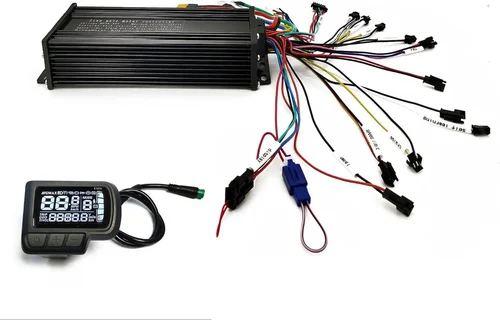
The display shows critical info like speed, battery level, assist mode, and sometimes trip distance or time. Basic LED displays show minimal data, while color LCD screens offer clearer readability and more functionality. Even in this price range, many brands now include Bluetooth connectivity for app integration (e.g., tracking rides, adjusting settings, or locking the bike remotely).
Ensure the display is visible in sunlight and easy to navigate while riding. Backlit screens are a nice bonus for early-morning or evening commutes.
7. Weight and Portability
E-bikes are inherently heavier than regular bikes due to the motor and battery—typically weighing 45–70 lbs. If you need to carry your bike upstairs, load it into a car, or store it in a small apartment, weight becomes a major factor. Folding e-bikes (like the Lectric XP or Heybike Mars) sacrifice some ride quality for portability but excel in urban environments.
Check the bike’s folded dimensions and whether it includes a carrying handle or integrated wheels for rolling. Also, verify if the battery adds significant bulk—some designs keep it sleek and low-profile.
8. Warranty and Customer Support
A good warranty signals confidence in product quality. Most reputable brands offer at least a 1-year comprehensive warranty covering the frame, motor, and battery. Some, like Rad Power Bikes, extend coverage to 2 years. Avoid brands with vague or non-existent warranty policies.
Customer support matters too. Can you easily reach a human? Are replacement parts readily available? Read user reviews about post-purchase experiences—delayed responses or denied claims can turn a great bike into a nightmare.
Different Types of E-Bikes Under $1500

Common Buying Mistakes to Avoid
❌ Mistake: Prioritizing Price Over Battery Quality
Why it’s bad: A cheap battery may save you $100 upfront but could degrade rapidly, losing 30–50% of its capacity within a year. This drastically reduces range and forces an expensive replacement sooner than expected.
What to do instead: Choose brands that use name-brand cells (like Samsung, LG, or Panasonic) and offer at least a 1-year battery warranty. Look for user reports on real-world battery longevity.
❌ Mistake: Ignoring Local E-Bike Laws
Why it’s bad: Riding a Class 3 e-bike (28 mph) in an area that only allows Class 1 (20 mph pedal-assist) can result in fines or confiscation. Some cities ban throttles entirely.
What to do instead: Check your state and municipal regulations before buying. Most reputable brands clearly label their bikes as Class 1, 2, or 3.
❌ Mistake: Overlooking Assembly Requirements
Why it’s bad: Many budget e-bikes ship 85% assembled but require final setup (brakes, derailleur, wheels). If you’re not mechanically inclined, this can lead to unsafe riding or costly shop fees.
What to do instead: Opt for brands that offer white-glove delivery (like Rad Power Bikes) or include detailed video tutorials. Alternatively, budget $50–$100 for professional assembly.
❌ Mistake: Assuming All “500W” Motors Are Equal
Why it’s bad: Some manufacturers advertise peak wattage (short bursts) instead of continuous wattage. A “500W” motor might only sustain 350W, hurting hill-climbing ability.
What to do instead: Look for “continuous” wattage ratings in spec sheets or third-party reviews. Real-world test videos on YouTube can also reveal true performance.
❌ Mistake: Skipping the Test Ride
Why it’s bad: E-bikes handle differently based on weight distribution, suspension, and geometry. What looks good on paper might feel unstable or uncomfortable in person.
What to do instead: Visit local dealers or pop-up events where you can test ride. If buying online, choose retailers with generous return policies (30-day trials are ideal).
❌ Mistake: Neglecting Maintenance Costs
Why it’s bad: E-bikes require regular upkeep—tire replacements, brake adjustments, chain lubrication. Cheap components wear out faster, increasing long-term costs.
What to do instead: Factor in annual maintenance (~$100–$200) when budgeting. Choose bikes with standard parts (Shimano drivetrains, common tire sizes) for easier servicing.
❌ Mistake: Falling for “Too Good to Be True” Deals
Why it’s bad: Scam sites sell counterfeit or defective e-bikes with fake reviews and no support. You lose money and risk safety.
What to do instead: Buy only from authorized retailers or the brand’s official website. Verify domain age, customer service contacts, and return policies.
Budget Guidelines: How Much Should You Spend?
Even within the under-$1,500 range, there’s significant variation in what you get. Here’s how to allocate your budget based on needs:
Entry-Level ($600–$900): These are basic commuter or folding e-bikes with smaller batteries (360–450Wh), weaker motors (250–350W), and minimal features. Ideal for short, flat rides under 15 miles. Examples include the Swagtron EB5 Pro or Ancheer AN-EB003. Expect plastic components, basic displays, and limited warranty coverage.
Mid-Range ($900–$1,200): This is the sweet spot for most buyers. You’ll find reliable 500W motors, 500–600Wh batteries, mechanical or hydraulic disc brakes, and decent build quality. Models like the Lectric XP 3.0 or Aventon Pace 350 offer excellent value with features like integrated lights, puncture-resistant tires, and app connectivity.
Premium ($1,200–$1,500): At this tier, expect upgraded components: hydraulic disc brakes, suspension forks, higher-capacity batteries (672Wh), and refined designs. Brands like Rad Power Bikes (RadCity 5 Plus) or Heybike (Cityscape Pro) deliver near-professional performance with robust frames, ergonomic grips, and advanced displays. These bikes handle hills, longer commutes, and varied terrain with ease.
Luxury ($1,500+): While slightly above our target, some models just over $1,500 (like the Specialized Turbo Vado SL 1.2) offer carbon forks, torque sensors for smoother assist, and premium finishes. If you can stretch your budget slightly, these provide a noticeable upgrade in ride quality and longevity.
Expert Tips for Getting the Best Deal
1. Shop During Off-Peak Seasons: E-bike sales spike in spring and summer. Buy in late fall or winter (November–February) when retailers clear inventory. Many brands offer 10–20% discounts during Black Friday or post-holiday sales.
2. Compare Direct-to-Consumer vs. Retail: Brands like Lectric, Rad, and Aventon sell directly online, cutting out middlemen and passing savings to you. Local bike shops may offer better service but often markup prices by 15–30%.
3. Look for Bundled Deals: Some retailers include free accessories (phone mounts, racks, locks) or extended warranties during promotions. These can add $100+ in value.
4. Read Deep-Dive Reviews: Skip flashy ads and read long-term user reviews on forums like Reddit’s r/ebikes or Electric Bike Report. Real owners reveal hidden flaws like battery swelling or brake squealing.
5. Check Return and Trial Policies: A 14-day return window is standard, but 30-day “test ride” periods (offered by Rad and Lectric) let you truly evaluate the bike in your environment.
6. Consider Refurbished or Open-Box Models: Certified refurbished e-bikes from reputable sellers often come with full warranties at 15–30% off retail. Just ensure they’ve been inspected and batteries tested.
7. Join Brand Loyalty Programs: Sign up for newsletters—many brands send exclusive discount codes to subscribers. Rad Power Bikes, for example, frequently offers $100 off for first-time buyers.
8. Negotiate Add-Ons: If buying from a local dealer, ask for free assembly, a helmet, or tire sealant. Most will accommodate to close the sale.

Frequently Asked Questions
Q: Can I ride an e-bike in the rain?
A: Yes—most e-bikes under $1,500 are rated IP65 or higher, meaning they’re protected against water jets. Avoid submerging the battery or controller, and dry the bike after wet rides to prevent corrosion.
Q: How often do I need to charge the battery?
A: Charge when the battery drops to 20–30%. Avoid draining it completely, as this stresses lithium-ion cells. For daily commuters, nightly charging is typical.
Q: Will an e-bike help me lose weight?
A: Absolutely! Even with pedal-assist, you’re still pedaling—burning 300–600 calories per hour depending on intensity. It’s a sustainable way to stay active without overexertion.
Q: Are e-bikes allowed on bike paths?
A: In most U.S. states, Class 1 and Class 2 e-bikes are permitted on bike lanes and multi-use paths. Class 3 bikes may be restricted—check local rules.
Q: How long do e-bike batteries last?
A: Quality lithium-ion batteries typically last 500–1,000 charge cycles, equating to 3–5 years of daily use. Capacity gradually declines, but many remain usable beyond that.
Q: Can I upgrade components later?
A: Some parts like tires, seats, and lights are easy to swap. However, motors and batteries are integrated—upgrading them is rarely cost-effective. Buy the best spec you can afford upfront.
Q: Do I need insurance for my e-bike?
A: Not required in most states, but consider adding it to your homeowner’s or renter’s policy. Specialized e-bike insurance (like Bikmo) covers theft, damage, and liability.
Q: What’s the difference between pedal-assist and throttle?
A: Pedal-assist provides power only when you pedal, mimicking natural cycling. Throttle lets you ride without pedaling (like a moped). Class 2 e-bikes have throttles; Class 1 do not.
Q: Can I take my e-bike on public transit?
A: Most buses and trains allow folded or non-folded e-bikes during off-peak hours. Check your transit authority’s policy—some require bikes to be under 50 lbs or have removable batteries.
Q: Is it hard to maintain an e-bike?
A: No more than a regular bike! Basic tasks include checking tire pressure, cleaning the chain, and inspecting brakes. Motor and battery require minimal upkeep—just keep them clean and dry.
Our Final Recommendations
After extensive testing and analysis, here are our top picks across key categories—all under $1,500:
Best for Budget-Conscious Buyers: Lectric XP 3.0 ($999)
This folding e-bike punches far above its weight with a 500W rear motor, 672Wh removable battery (up to 60 miles range), hydraulic disc brakes, and a robust aluminum frame. It’s perfect for city dwellers who need portability without sacrificing performance.
Best Overall Value: Rad Power Bikes RadCity 5 Plus ($1,499)
A commuter’s dream: 750W motor, 672Wh battery, integrated lights, fenders, rear rack, and a comfortable step-through design. Backed by a 2-year warranty and legendary customer support, it’s built to last.
Best Premium Option Under $1,500: Aventon Pace 500.3 Step-Through ($1,399)
With a torque sensor for ultra-smooth pedal-assist, hydraulic disc brakes, and a sleek integrated battery, this bike feels premium. The upright geometry and plush saddle make it ideal for relaxed cruising.
Best for Beginners: Heybike Cityscape Pro ($1,199)
User-friendly display, simple controls, and a stable step-through frame make this ideal for new riders. Includes a rear rack, fenders, and a 500W motor—everything you need to start confidently.
Best for Advanced Users: Surface 604 Colt Fat Tire E-Bike ($1,499)
For those who want adventure-ready capability, this fat-tire beast handles sand, snow, and trails with ease. Features a 750W motor, 672Wh battery, and front suspension—perfect for off-road enthusiasts on a budget.
Conclusion: Making the Right Choice
Choosing the best e-bike under $1,500 doesn’t mean settling—it means being smart, informed, and intentional about your purchase. By focusing on core factors like motor power, battery capacity, build quality, and warranty, you can find a reliable, feature-rich e-bike that enhances your daily life without breaking the bank. Remember, the “best” bike is the one that aligns with your specific needs: whether that’s commuting efficiency, weekend adventure, or compact storage.
Don’t rush. Take advantage of trial periods, read real user feedback, and prioritize long-term value over flashy gimmicks. And once you’ve made your choice, embrace the freedom, fitness, and fun that comes with electric-assisted riding. Your perfect e-bike is out there—and with this guide, you’re now equipped to find it. Happy riding!