
Fat tire electric bikes have exploded in popularity over the past few years—and for good reason. These rugged, versatile machines combine the power of electric assist with the stability and traction of oversized tires, making them ideal for everything from sandy beaches and snowy trails to urban commutes and off-grid adventures. As we move into 2026, the market is more crowded than ever, with new models boasting improved batteries, smarter electronics, and sleeker designs. But with so many options flooding the market, how do you separate the hype from the real deal?
This comprehensive buying guide is designed to cut through the noise and help you make an informed decision. Whether you’re a seasoned e-biker looking to upgrade or a complete beginner curious about fat tire e-bikes, this guide will walk you through every critical factor—from motor power and battery life to build quality, safety features, and long-term value. We’ll also highlight common pitfalls, break down budget tiers, and share expert tips to ensure you get the best possible ride for your needs and wallet. By the end, you’ll know exactly what to look for and feel confident choosing the right fat tire e-bike for your lifestyle.
The fat tire e-bike market in 2026 is more advanced and competitive than ever. Major brands like Rad Power Bikes, Aventon, Juiced Bikes, and Lectric have refined their offerings, while emerging players like Heybike, Ancheer, and Mokwheel are pushing innovation with aggressive pricing and feature-rich designs. At the same time, premium manufacturers such as Riese & Müller, Benno, and Trek are redefining what’s possible with high-end components, integrated tech, and sustainable materials. With options ranging from under $1,000 to well over $5,000, there’s truly something for every rider—but only if you know how to evaluate them properly. This guide will equip you with that knowledge.

What to Look for When Buying a Fat Tire E-Bike
1. Motor Power and Type
The motor is the heart of any electric bike, and on a fat tire e-bike, it needs to deliver consistent torque to handle rough terrain and heavy loads. Most fat tire e-bikes use either hub motors (mounted in the wheel) or mid-drive motors (located near the pedals). Hub motors are common in budget and mid-range models because they’re simpler and cheaper to produce. They provide direct power to the rear or front wheel and typically range from 500W to 1,000W. Mid-drive motors, found mostly in premium models, offer better weight distribution, improved hill-climbing ability, and more efficient use of the drivetrain—but they come at a higher price.
For most riders, a 750W rear hub motor is the sweet spot: powerful enough for steep inclines, sand, or snow, yet compliant with U.S. federal regulations (which cap Class 3 e-bikes at 750W). If you plan to ride in hilly areas or carry heavy cargo, consider stepping up to a 1,000W motor—just be aware that some states have restrictions on higher-wattage motors. Also, pay attention to torque ratings (measured in Newton-meters, or Nm). A motor with 80+ Nm of torque will feel noticeably stronger when accelerating from a stop or climbing hills.
2. Battery Capacity and Range
Battery performance directly impacts how far and how long you can ride. Fat tire e-bikes typically use lithium-ion batteries with capacities measured in watt-hours (Wh). A higher Wh rating means more energy storage and longer range. For example, a 48V 14Ah battery equals 672Wh, while a 52V 17.5Ah pack delivers 910Wh. Real-world range depends on many factors—terrain, rider weight, assist level, tire pressure, and weather—but as a general rule, expect 25–40 miles on a 672Wh battery and 40–70 miles on a 910Wh pack.
Look for removable batteries if you want the flexibility to charge indoors or swap in a spare for extended trips. Also, check the charger specs: a fast charger (3A or higher) can top up a depleted battery in 3–4 hours, while slower 2A chargers may take 6–8 hours. Battery chemistry matters too—most use NMC (nickel-manganese-cobalt), which offers a good balance of energy density and lifespan. Avoid older LiFePO4 packs unless you prioritize extreme longevity over weight and capacity.
3. Tire Size and Tread Pattern
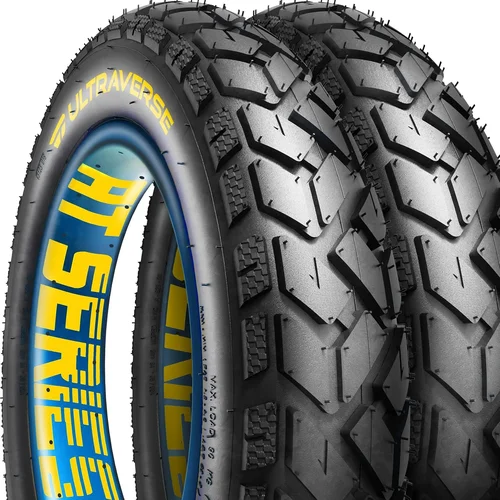
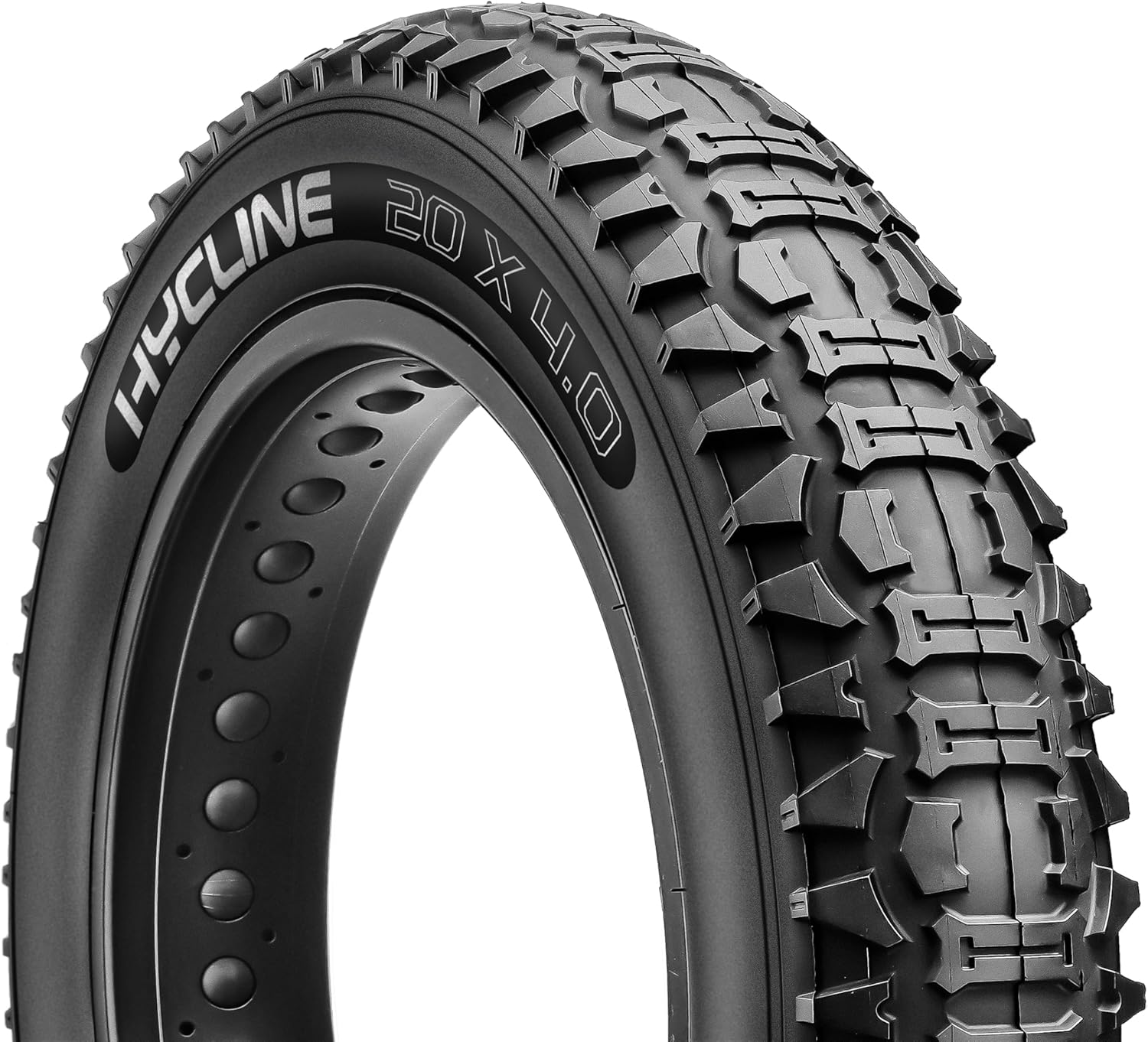
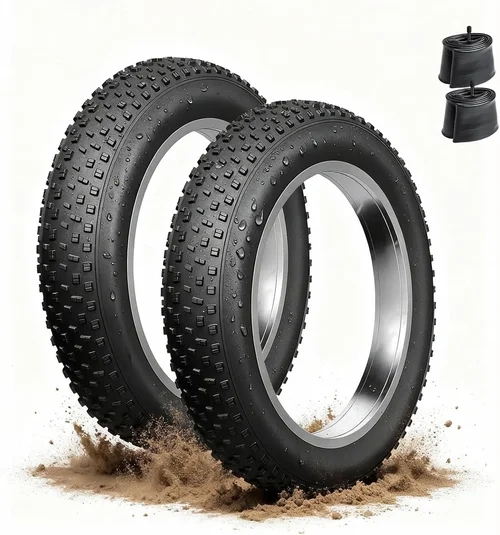
Fat tires aren’t just for show—they’re engineered for traction, comfort, and stability. Standard fat tire widths range from 3.8″ to 5″, with 4″ being the most common. Wider tires (4.5″–5″) excel in deep snow, sand, or mud but add rolling resistance on pavement. Narrower 3.8″–4″ tires offer a better compromise for mixed-use riding. Tread pattern is equally important: knobby, aggressive treads are great for off-road conditions but noisy and slower on roads. Semi-slick or hybrid treads provide quieter, faster pavement performance while still offering grip on light trails.
Check the tire brand and model—some e-bikes come with generic or low-quality tires that wear quickly or puncture easily. Brands like Maxxis, Vee Tire, and CST offer durable, high-performance fat tires worth the upgrade. Also, ensure the bike has adjustable tire pressure valves; running lower PSI (8–15 psi) increases floatation on soft surfaces, while higher PSI (20–30 psi) improves efficiency on hardpack.
4. Frame Material and Build Quality
The frame is your bike’s skeleton, and on a fat tire e-bike, it must handle extra stress from heavy components and rough terrain. Aluminum alloy (usually 6061 or 7005) is the most common material—it’s lightweight, corrosion-resistant, and affordable. Steel frames are heavier but offer superior shock absorption and durability, making them ideal for rugged use. Carbon fiber is rare in fat tire e-bikes due to cost and complexity but appears in ultra-premium models for its strength-to-weight ratio.
Inspect weld quality, cable routing, and component integration. Poorly welded joints or exposed wiring can lead to premature failure. Look for internal cable routing to protect against dirt and moisture. Also, check the weight capacity: most fat tire e-bikes support 250–300 lbs, but some heavy-duty models (like the RadRover 6 Plus) go up to 350 lbs. If you’re carrying gear or passengers, verify the rack and accessory compatibility.
5. Suspension System
Fat tires naturally absorb bumps better than skinny road tires, but adding suspension enhances comfort and control—especially on technical trails. Most fat tire e-bikes feature front suspension forks with 80–120mm of travel. Air-sprung forks (like RockShox or Suntour XCM) are lighter and more tunable than coil springs, but coil forks are more durable and require less maintenance.
Full-suspension fat tire e-bikes exist but are rare and expensive due to the added complexity and weight. For most riders, a quality front fork paired with wide tires provides sufficient cushioning. However, if you plan to ride aggressively on rocky or root-filled trails, consider models with upgraded suspension and lockout features to improve pedaling efficiency on smooth sections.
6. Braking Performance
Stopping power is non-negotiable—especially on a heavy e-bike moving at 20+ mph. Mechanical disc brakes are common on entry-level models but require frequent adjustment and lose effectiveness when wet or muddy. Hydraulic disc brakes (like Shimano MT200 or Tektro HD-M285) offer superior modulation, consistent performance, and less hand fatigue. They’re worth the upgrade if your budget allows.
Check rotor size: 180mm rotors are standard, but 203mm rotors provide extra stopping power for heavier riders or steep descents. Also, ensure the brake levers are ergonomic and compatible with your hand size. Some budget bikes cut corners with undersized calipers or low-quality pads—avoid these if safety is a priority.
7. Display and Smart Features
The display is your command center, showing speed, battery level, assist mode, and sometimes navigation or ride stats. Basic LCD screens show essential info, while color TFT displays (like those on Aventon or Juiced models) offer smartphone integration, GPS tracking, and customizable ride modes. Look for backlit screens for night riding and waterproof ratings (IP65 or higher).
Smart features are becoming more common: Bluetooth connectivity lets you sync with apps for firmware updates, ride logging, and anti-theft alerts. Some bikes even include built-in lights, USB charging ports, and regenerative braking (though the latter is minimal on most e-bikes). While not essential, these extras enhance convenience and safety.
8. Warranty and Customer Support
A fat tire e-bike is a significant investment, so protect it with a solid warranty. Most reputable brands offer 1–2 years on the frame and motor, and 6–12 months on the battery and electronics. Premium brands like Rad Power Bikes and Trek provide 2-year comprehensive coverage, including free shipping for repairs. Avoid brands with vague or limited warranties—especially those sold through third-party marketplaces without direct support.
Customer service matters too. Read reviews about response times, repair turnaround, and part availability. Brands with U.S.-based service centers (like Lectric or Heybike) tend to resolve issues faster than those relying on overseas support. Also, check if the company offers extended warranty plans or battery replacement programs—these can save hundreds down the line.
Different Types of Fat Tire E-Bikes
Common Buying Mistakes to Avoid
❌ Mistake: Prioritizing Price Over Quality
Why it’s bad: Ultra-cheap fat tire e-bikes (under $800) often use weak motors, low-capacity batteries, and flimsy frames that fail within months. You’ll end up spending more on repairs or replacements than if you’d bought a reliable mid-range model upfront.
What to do instead: Set a realistic budget of at least $1,200–$1,500 for a dependable entry-level bike. Focus on value, not just the lowest sticker price.
❌ Mistake: Ignoring Local E-Bike Laws
Why it’s bad: Riding a 1,000W e-bike in a state that limits motors to 750W could result in fines or confiscation. Some areas also restrict where e-bikes can ride (e.g., bike paths vs. trails).
What to do instead: Check your state and local regulations before buying. Stick to Class 1, 2, or 3 e-bikes unless you have private land access.
❌ Mistake: Overlooking Test Rides
Why it’s bad: Fat tire e-bikes handle differently than regular bikes—wider tires, heavier weight, and motor assist change the feel. Buying sight unseen increases the risk of discomfort or poor fit.
What to do instead: Visit local dealers or attend e-bike demo events. If buying online, choose retailers with generous return policies (30+ days) and free shipping both ways.
❌ Mistake: Neglecting Maintenance Needs
Why it’s bad: Fat tires wear faster, batteries degrade over time, and complex electronics require care. Assuming your e-bike is “maintenance-free” leads to unexpected breakdowns.
What to do instead: Learn basic upkeep: tire pressure checks, chain lubrication, brake adjustments, and battery storage tips. Factor in annual service costs ($100–$200).
❌ Mistake: Choosing the Wrong Size
Why it’s bad: A bike that’s too small or large causes discomfort, reduces control, and increases injury risk—especially important on unstable terrain.
What to do instead: Use the manufacturer’s size chart based on your height and inseam. Step-through frames suit shorter riders or those with mobility issues; high-step frames offer more rigidity.
❌ Mistake: Skipping Safety Gear
Why it’s bad: Fat tire e-bikes can reach 20–28 mph—faster than many riders expect. Without proper gear, accidents lead to serious injury.
What to do instead: Always wear a helmet (preferably MIPS-rated), use front/rear lights, wear reflective clothing, and consider gloves and knee pads for off-road use.
❌ Mistake: Falling for “Too Good to Be True” Deals
Why it’s bad: Scam websites and counterfeit brands flood online marketplaces with fake specs and stolen images. You receive a defective or non-functional bike—or nothing at all.
What to do instead: Buy only from authorized retailers or the brand’s official website. Verify customer reviews on independent platforms (not just the product page).
Budget Guidelines: How Much Should You Spend?
Entry-Level ($800–$1,500): These bikes are great for casual riders or those testing the waters. Expect 500W–750W hub motors, 48V 10–14Ah batteries (30–50 mile range), mechanical disc brakes, and basic LCD displays. Brands like Ancheer, Ecotric, and Swagtron dominate this tier. While functional, they may lack durability, warranty support, or upgrade potential. Ideal for flat urban commutes or weekend trail rides—but not heavy daily use.
Mid-Range ($1,500–$3,000): This is the sweet spot for most buyers. You’ll find 750W motors with 80+ Nm torque, 48V 14–17.5Ah batteries (40–70 mile range), hydraulic disc brakes, front suspension, and color displays with app connectivity. Models like the RadRover 6 Plus, Aventon Aventure.2, and Lectric XP 3.0 Fat offer excellent balance of performance, reliability, and features. Perfect for mixed terrain, longer commutes, and light cargo hauling.
Premium ($3,000–$5,000): Designed for enthusiasts and serious adventurers. These bikes boast 750W–1,000W motors (some mid-drive), 52V 17.5–20Ah batteries, full hydraulic brakes, high-end suspension, and smart integration. Examples include the Juiced Ripcurrent X, Benno Boost E 10D, and Mokwheel Basalt. Expect premium components, robust frames, and extended warranties. Ideal for mountain trails, snow riding, or multi-day tours.
Luxury ($5,000+): For those who want the absolute best. Think carbon frames, Bosch or Shimano mid-drives, integrated GPS, regenerative braking, and bespoke designs. Brands like Riese & Müller, Trek, and Specialized offer these ultra-refined machines. They’re overkill for casual riders but deliver unmatched performance, comfort, and status. Best suited for collectors, long-distance tourers, or tech-forward commuters.
Expert Tips for Getting the Best Deal
- Shop During Off-Season: Retailers discount fat tire e-bikes in late winter (February–March) to clear inventory before spring. You can save 10–20% during these sales.
- Compare Direct vs. Retail: Buying directly from the manufacturer (e.g., RadPower.com) often includes free shipping, better warranties, and exclusive bundles. Third-party sellers may offer lower prices but limited support.
- Look for Refurbished or Open-Box Deals: Certified pre-owned bikes from reputable brands come with warranties and can save you 15–30%. Avoid unknown refurbishers.
- Check for Bundle Offers: Many brands include free accessories (lights, racks, locks) during promotions. These can be worth $100–$300 in value.
- Read the Fine Print on Returns: Ensure the return window is at least 14–30 days and covers shipping costs. Some companies charge restocking fees or exclude batteries.
- Join Loyalty Programs: Brands like Aventon and Juiced offer member discounts, early access to sales, and referral bonuses.
- Consider Financing: If cash is tight, 0% APR financing (available from Rad Power, Lectric, etc.) lets you spread payments over 6–24 months without extra cost.
- Verify Battery Replacement Costs: Batteries degrade after 500–1,000 cycles. Know the replacement price upfront—it can be $500–$900.

Frequently Asked Questions
Q: Are fat tire e-bikes good for city commuting?
A: Yes—but with caveats. Their wide tires provide stability on potholes and wet roads, and the electric assist makes hills easy. However, they’re heavier and slower on pavement than road e-bikes. Choose a model with semi-slick tires and integrated lights for urban use.
Q: Can I ride a fat tire e-bike in the rain or snow?
A: Absolutely. Fat tires excel in snow and mud due to their large contact patch and low pressure. Just ensure the bike has IP65-rated electronics and avoid submerging the battery. Dry and lubricate the chain after wet rides.
Q: How long do fat tire e-bike batteries last?
A: Most lithium-ion batteries retain 80% capacity after 500–800 full charge cycles (roughly 2–4 years of daily use). Proper care—avoiding extreme temps and storing at 50% charge—extends lifespan.
Q: Do I need a special license to ride a fat tire e-bike?
A: In most U.S. states, no—Class 1, 2, and 3 e-bikes are treated like regular bicycles. However, some states require helmets for riders under 18 or restrict e-bike use on certain trails. Always check local laws.
Q: Can I convert my regular bike to a fat tire e-bike?
A: Technically yes, but it’s rarely practical. Conversion kits don’t accommodate wide tires, and most standard frames lack the clearance. It’s better to buy a purpose-built fat tire e-bike.
Q: Are fat tire e-bikes hard to pedal without power?
A: They’re heavier (50–70 lbs vs. 30–40 lbs for standard e-bikes), so pedaling unassisted requires more effort. However, most have efficient gearing and low-resistance modes to help.
Q: What’s the difference between Class 1, 2, and 3 e-bikes?
A: Class 1: pedal-assist only, up to 20 mph. Class 2: throttle-assisted, up to 20 mph. Class 3: pedal-assist only, up to 28 mph. Fat tire e-bikes are commonly Class 2 or 3.
Q: Can I take my fat tire e-bike on a plane?
A: Generally no—lithium batteries over 160Wh are prohibited in checked luggage and restricted in carry-ons. Some airlines allow removal and special packaging, but it’s complex and risky.
Q: How do I store my fat tire e-bike in winter?
A: Keep it indoors if possible. If stored outside, remove the battery and store it in a climate-controlled space (40–70°F). Cover the bike to protect from moisture and UV damage.
Q: Are fat tire e-bikes worth the extra cost?
A: If you ride on sand, snow, trails, or uneven surfaces—yes. The added traction, comfort, and versatility justify the price. For smooth pavement only, a standard e-bike may be more efficient.
Our Final Recommendations
Best for Budget-Conscious Buyers: Lectric XP 3.0 Fat ($1,199) – Offers 750W motor, 48V 14Ah battery, hydraulic brakes, and foldable design at an unbeatable price. Great for urban and light off-road use.
Best Overall Value: Rad Power Bikes RadRover 6 Plus ($1,999) – Reliable 750W motor, 48V 14Ah battery, hydraulic brakes, integrated lights, and a 2-year warranty. Perfect blend of performance and durability.
Best Premium Option: Juiced Ripcurrent X ($3,299) – 1,000W motor, 52V 19.5Ah battery (70+ mile range), full hydraulic brakes, and aggressive trail-ready design. Ideal for serious adventurers.
Best for Beginners: Aventon Aventure.2 ($1,799) – User-friendly color display, smooth ride, excellent customer support, and step-through option. Low learning curve with high reliability.
Best for Advanced Users: Benno Boost E 10D ($4,499) – Mid-drive motor, Bosch performance, premium components, and cargo-ready design. Built for long-distance touring and heavy loads.
Conclusion: Making the Right Choice
Choosing the right fat tire electric bike in 2026 doesn’t have to be overwhelming. By focusing on your specific needs—whether that’s commuting, off-roading, cargo hauling, or pure adventure—you can narrow down the field and avoid costly mistakes. Remember: prioritize motor power and battery capacity for performance, invest in quality brakes and suspension for safety, and never skip the test ride. A great fat tire e-bike should feel like an extension of yourself—stable, responsive, and ready for anything.
Don’t let flashy ads or rock-bottom prices distract you from what truly matters: reliability, support, and long-term value. Use this guide as your roadmap, compare models side-by-side, and take advantage of seasonal deals and warranty protections. Whether you’re gliding through city streets, carving up mountain trails, or exploring remote beaches, the perfect fat tire e-bike is out there—waiting to transform the way you ride. So gear up, stay safe, and enjoy the journey. Your next great adventure starts with the right bike.