
Electric bikes have revolutionized personal transportation, offering a sustainable, efficient, and fun alternative to traditional commuting. Whether you’re navigating city streets, tackling hilly terrain, or simply looking for a low-impact way to stay active, e-bikes provide a versatile solution that blends human power with electric assistance. In recent years, the market has exploded with options—ranging from budget-friendly commuter models to high-performance off-road machines—making it both exciting and overwhelming for buyers. With Amazon becoming one of the most popular platforms for purchasing electric bikes, the convenience of doorstep delivery and customer reviews adds another layer of appeal. However, not all e-bikes are created equal, and choosing the right one requires careful consideration of your needs, riding style, and long-term expectations.
This comprehensive buying guide is designed to cut through the noise and help you make an informed decision. Whether you’re a first-time buyer or upgrading from an older model, you’ll learn how to evaluate key factors like motor power, battery life, build quality, and value for money. We’ll walk you through the different types of electric bikes available on Amazon, highlight common pitfalls to avoid, and provide expert tips to ensure you get the best deal. By the end of this guide, you’ll have a clear understanding of what to look for, how much to spend, and which models offer the best balance of performance, reliability, and affordability. Our goal isn’t to push a specific brand—but to empower you with the knowledge to choose the electric bike that truly fits your lifestyle.
The electric bike market in 2025 is more dynamic than ever, with innovations in battery technology, motor efficiency, and smart integration. From sleek urban commuters to rugged fat-tire trail blazers, Amazon hosts hundreds of models across dozens of brands. While this variety is a boon for consumers, it also means that misinformation and exaggerated claims are rampant. Some sellers advertise “50-mile range” without clarifying real-world conditions, while others highlight top speeds that are only achievable under ideal circumstances. This guide will help you decode marketing jargon, interpret technical specs, and prioritize features that matter most. Whether you’re commuting 10 miles daily, exploring weekend trails, or using your e-bike for errands and recreation, we’ve got you covered with practical, expert-backed advice.
What to Look for When Buying an Electric Bike
1. Budget & Price Range
Your budget is the foundation of your e-bike purchase. Electric bikes on Amazon range from under $500 to over $3,000, and while it’s tempting to go for the cheapest option, doing so can lead to disappointment. A low-cost e-bike may save you money upfront but could lack durability, have a weak motor, or come with a battery that degrades quickly. Conversely, spending top dollar doesn’t always guarantee the best value—some premium models are over-engineered for casual riders.
To set a realistic budget, consider how often you’ll ride, the terrain you’ll cover, and whether you need features like suspension, cargo capacity, or app connectivity. Most buyers find the sweet spot between $1,000 and $2,000, where you get reliable components, decent range, and solid build quality. Always factor in long-term costs like battery replacement (typically every 3–5 years) and maintenance. A good rule of thumb: spend at least 10–15% of the bike’s price annually on upkeep.
2. Performance Specifications
Performance specs determine how your e-bike behaves on the road. The two most critical components are the motor and battery. Motors are rated in watts (W), with common ranges from 250W to 750W. In the U.S., Class 1 and Class 2 e-bikes are limited to 750W, while Class 3 can reach up to 28 mph. A 500W motor is sufficient for flat city riding, but if you live in a hilly area or plan to carry heavy loads, opt for 750W or higher.
Battery capacity is measured in watt-hours (Wh). A higher Wh rating means longer range. For example, a 48V 10Ah battery delivers 480Wh. Most e-bikes offer 20–50 miles per charge, but real-world range depends on terrain, rider weight, assist level, and weather. Look for lithium-ion batteries from reputable manufacturers like Samsung or LG cells, as they offer better longevity and safety. Avoid bikes with vague battery descriptions—always check the voltage and amp-hour rating.
Other performance factors include top speed, pedal assist levels (usually 3–5), and throttle type (thumb, twist, or pedal-activated). Test rides—if possible—are invaluable for assessing how the bike feels under power.
3. Build Quality & Durability
An e-bike is a significant investment, so durability matters. Frame material is a key indicator: aluminum alloy is lightweight, rust-resistant, and common in mid-to-high-end models. Steel frames are heavier but more durable and often found in budget bikes. Avoid plastic or low-grade aluminum frames, which can crack under stress.
Check the quality of components like brakes, drivetrain, and suspension. Mechanical disc brakes are standard, but hydraulic disc brakes offer superior stopping power—especially important when riding at higher speeds or in wet conditions. A 7-speed Shimano drivetrain is reliable for most riders, while single-speed models are best for flat, urban environments.
Suspension systems vary: front suspension (hardtail) absorbs bumps on rough roads, while full suspension offers maximum comfort but adds weight and cost. For city commuting, a rigid fork may suffice. Always inspect welds, joints, and cable routing for signs of poor craftsmanship. A well-built e-bike should feel solid and balanced, even when standing still.
4. Features & Functionality
Modern e-bikes come packed with features that enhance convenience and safety. Integrated LED lights are essential for night riding and often powered by the main battery. A backlit LCD display shows speed, battery level, assist mode, and sometimes GPS or trip data. Some models include USB charging ports to power your phone or lights.
Smart features are increasingly common. Bluetooth connectivity allows you to sync with apps for ride tracking, anti-theft alerts, or firmware updates. GPS tracking can help recover a stolen bike, though it’s more common in premium models. Fenders and rear racks are practical for commuters, protecting you from mud and enabling cargo transport.
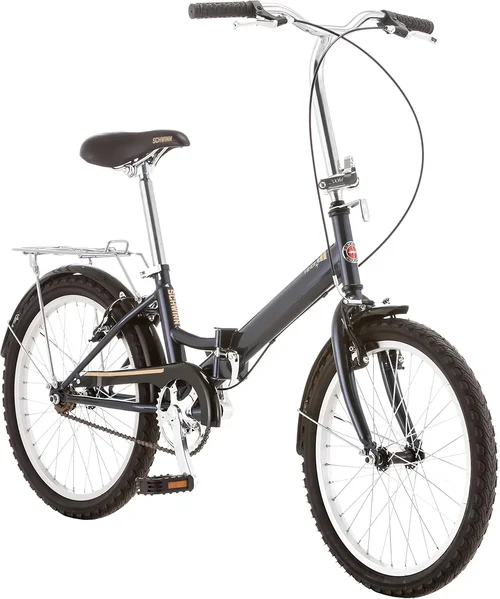
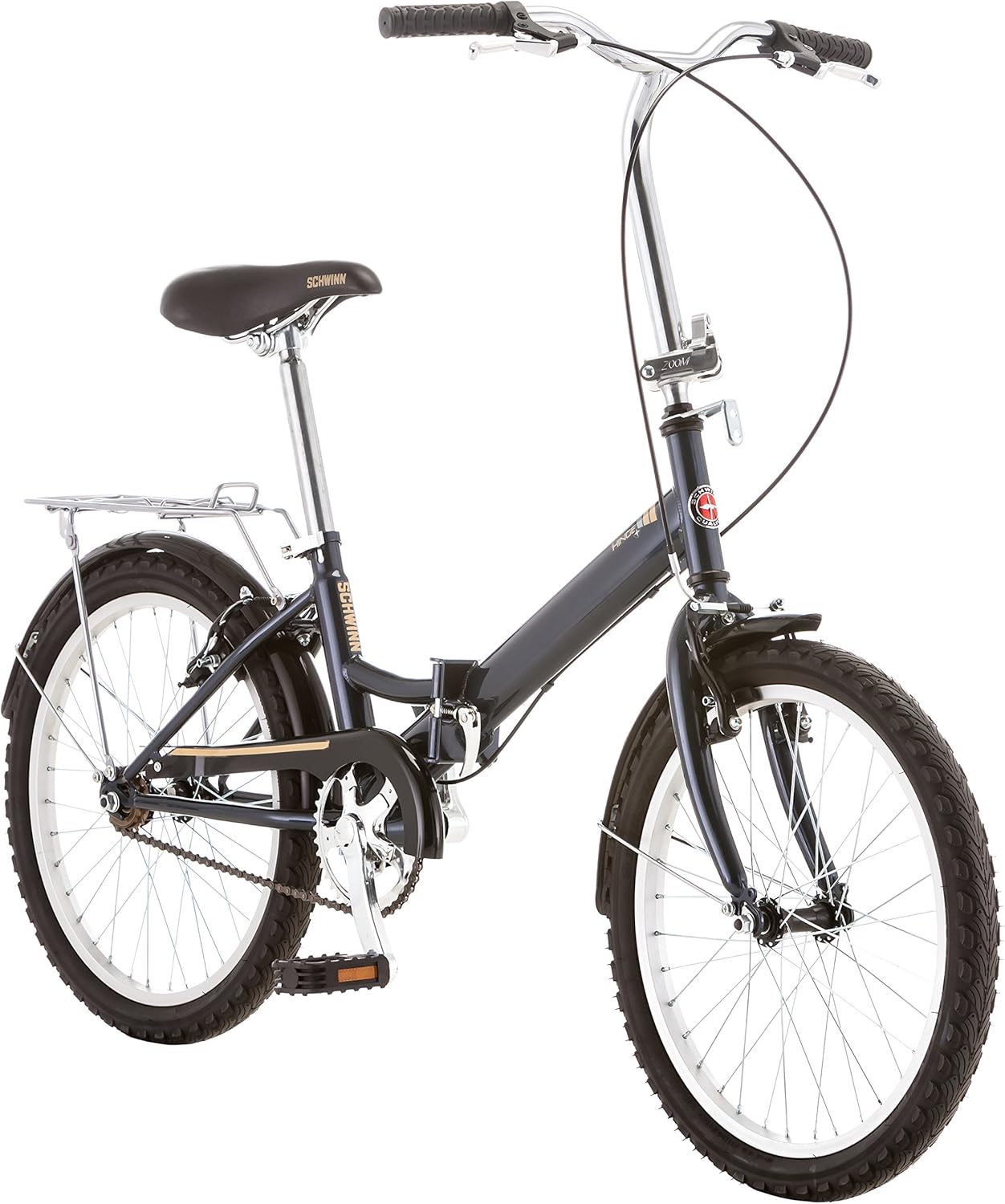
Consider ergonomics: adjustable handlebars, ergonomic grips, and a comfortable saddle make long rides more enjoyable. Step-through frames are ideal for riders with mobility issues or those who prefer easy mounting. Foldable e-bikes save space but often sacrifice performance and durability—ideal for apartment dwellers or multi-modal commuters.
5. Brand Reputation
Not all e-bike brands are equal. Established names like Rad Power Bikes, Aventon, and Lectric have built reputations for quality, customer service, and innovation. These brands often offer better warranties, readily available replacement parts, and responsive support teams. On Amazon, look for brands with a history of positive reviews and consistent product updates.
Beware of unknown or “no-name” brands that pop up with flashy ads and unrealistically low prices. These bikes may use counterfeit components, lack safety certifications, or disappear from the market after a few months—leaving you with no support. Check if the brand has a physical presence, customer service contact, and a clear return policy.
Reading verified purchase reviews is crucial. Look for patterns: if multiple users report the same issue (e.g., battery failure after 6 months), it’s a red flag. Brands with active community forums or social media engagement often provide better post-purchase support.
6. Warranty & Support
A strong warranty is a sign of a manufacturer’s confidence in their product. Most reputable e-bike brands offer at least a 1-year warranty on the frame and motor, with 6–12 months on the battery. Some premium brands extend coverage to 2–3 years. Always read the fine print: some warranties exclude normal wear and tear, water damage, or improper use.
Customer support matters just as much. Can you reach someone by phone or email? Is there a service center nearby? Brands like Rad Power Bikes offer extensive online resources, video tutorials, and even in-person service in select cities. On Amazon, check if the seller provides direct support or if you must go through the manufacturer.
Return policies are also important. Amazon’s 30-day return window is standard, but some third-party sellers may have stricter terms. Ensure the bike can be returned if it doesn’t meet expectations—especially since e-bikes are large and expensive to ship back.
7. Size & Portability
E-bikes come in various frame sizes and styles. Most brands offer small, medium, and large options based on rider height. A properly sized bike ensures comfort, control, and efficient pedaling. Check the manufacturer’s size chart and consider your inseam and arm length.
Weight is another factor. E-bikes typically weigh 40–70 pounds due to the motor and battery. Heavier models are harder to carry upstairs or load into a car. If portability is a concern, consider a foldable e-bike like the Lectric XP or Swagtron EB7. These models can collapse to fit in trunks or under desks but often have smaller wheels and reduced range.
Wheel size affects ride quality. 26-inch wheels are common and offer a balance of stability and agility. 20-inch wheels are found on foldables and provide better maneuverability in tight spaces. Fat tires (4+ inches wide) improve traction on sand, snow, or gravel but add rolling resistance.
8. User Reviews & Ratings
User reviews on Amazon are one of your most valuable resources. Look for detailed, verified purchase reviews that include photos, videos, and real-world usage. Pay attention to comments about battery life, motor performance, and durability over time. A 4.5-star average with hundreds of reviews is more trustworthy than a 5-star rating with only a few comments.
Watch out for fake reviews. These often use generic language, lack specifics, or appear in clusters. Amazon’s “Vine” program can help identify authentic feedback. Also, check the Q&A section—other buyers often ask practical questions about assembly, compatibility, or performance.
Use reviews to identify common issues. If multiple users mention poor assembly instructions, difficult battery removal, or weak brakes, take note. Conversely, consistent praise for comfort, range, or customer service is a good sign.
Different Types of Electric Bikes
Common Buying Mistakes to Avoid
❌ Mistake: Ignoring Real-World Range Claims
Why it’s bad: Many e-bikes advertise “up to 50 miles” of range, but this is often based on ideal conditions: flat terrain, minimal assist, and a light rider. In reality, range can drop to 20–30 miles with hills, headwinds, or higher assist levels.
What to do instead: Look for range estimates that specify conditions (e.g., “30 miles with moderate assist on hilly terrain”). Use online range calculators or check user reviews for real-world feedback. Always plan for 20–30% less range than advertised.
❌ Mistake: Overlooking Assembly Requirements
Why it’s bad: Most e-bikes arrive 80% assembled, but final setup—like attaching wheels, adjusting brakes, and tuning the drivetrain—can be complex. Improper assembly can lead to safety issues or poor performance.
What to do instead: Check if the seller offers professional assembly (some Amazon sellers provide this for a fee). If not, watch video tutorials or consider hiring a local bike shop. Never skip brake or gear adjustments.
❌ Mistake: Choosing Based on Price Alone
Why it’s bad: The cheapest e-bike may save money upfront but could cost more in repairs, replacements, or early upgrades. Low-cost models often use inferior batteries and motors that degrade quickly.
What to do instead: Focus on value, not just price. A $1,200 bike with a reliable motor, good battery, and solid warranty may be a better long-term investment than a $600 model that fails after a year.
❌ Mistake: Not Considering Local Laws
Why it’s bad: E-bike regulations vary by state and city. Some areas restrict speed, require helmets, or ban certain classes on bike paths. Riding an illegal e-bike can result in fines or confiscation.
What to do instead: Research local laws before buying. In the U.S., Class 1 (pedal-assist up to 20 mph) and Class 2 (throttle up to 20 mph) are widely allowed. Class 3 (up to 28 mph) may have restrictions.
❌ Mistake: Skipping the Test Ride
Why it’s bad: E-bikes feel different from regular bikes. Motor engagement, weight distribution, and handling can vary significantly between models. Buying without testing may lead to discomfort or dissatisfaction.
What to do instead: If possible, visit a local dealer for a test ride. If buying online, choose a seller with a generous return policy. Some brands offer 14–30 day trial periods.
❌ Mistake: Ignoring Battery Maintenance
Why it’s bad: Lithium-ion batteries degrade over time, especially if stored improperly. Leaving a battery fully charged or fully drained for long periods reduces its lifespan.
What to do instead: Store batteries at 40–60% charge if not used for weeks. Avoid extreme temperatures. Charge regularly but don’t leave plugged in overnight unless the charger has auto-cutoff.
❌ Mistake: Overestimating Your Needs
Why it’s bad: Buying a high-end mountain e-bike for casual city riding is overkill and wastes money. Conversely, a basic commuter may struggle on hills or long distances.
What to do instead: Match the bike to your typical use case. Ask yourself: How far do I ride? What terrain? Do I carry cargo? Choose a model that fits your actual needs, not your dreams.
Budget Guidelines: How Much Should You Spend?
Entry-Level ($500–$900): These bikes are best for light, occasional use on flat terrain. Expect basic components, limited range (15–25 miles), and minimal features. Brands like Ancheer or ECOTRIC offer affordable options, but build quality and support may be lacking. Ideal for teens, students, or short errands.
Mid-Range ($1,000–$1,800): This is the sweet spot for most buyers. You’ll find reliable motors (500W–750W), decent batteries (400–600Wh), and better components. Models from Rad Power Bikes, Aventon, and Lectric offer excellent value with features like integrated lights, racks, and app connectivity. Range typically hits 30–45 miles.
Premium ($1,800–$3,000): For enthusiasts and frequent riders, premium e-bikes deliver top-tier performance. Expect high-capacity batteries (600Wh+), hydraulic brakes, advanced suspension, and smart features. Brands like Trek, Specialized, and Juiced Bikes dominate this space. Range can exceed 50 miles, and build quality is exceptional.
Luxury ($3,000+): These are the Ferraris of e-bikes—engineered for performance, comfort, and innovation. Full-suspension mountain e-bikes, high-speed commuters, and cargo models with dual batteries fall here. Ideal for serious riders, long-distance touring, or those who want the best technology available.
Expert Tips for Getting the Best Deal
- Buy During Sales Events: Amazon Prime Day, Black Friday, and end-of-season sales (August–September) offer the best discounts. Many brands discount older models to clear inventory.
- Check Third-Party Sellers: Sometimes, authorized dealers on Amazon list bikes at lower prices than the manufacturer. Verify they’re reputable and offer the same warranty.
- Use Price Tracking Tools: Tools like Honey or CamelCamelCamel track price history and alert you to drops. Some e-bikes fluctuate by $200–$300 throughout the year.
- Look for Bundles: Some sellers include free accessories (helmet, lock, phone mount) or extended warranties. These can add significant value.
- Read the Return Policy Carefully: Ensure the bike can be returned if it doesn’t meet expectations. Some sellers charge restocking fees or require you to pay return shipping.
- Consider Refurbished Models: Certified refurbished e-bikes from reputable brands often come with warranties and sell for 20–30% less. Check seller ratings and return terms.
- Join Brand Newsletters: Many e-bike companies offer exclusive discounts to subscribers. Sign up for updates from Rad Power, Aventon, or Lectric for early access to deals.
- Test Before Committing: If you’re unsure, rent an e-bike locally or attend a demo event. Many cities have e-bike rental programs or pop-up test rides.
Frequently Asked Questions
Q: How far can an electric bike really go on a single charge?
A: Range depends on battery capacity, motor power, terrain, rider weight, and assist level. Most mid-range e-bikes offer 25–45 miles. For longer trips, consider a model with a removable battery or dual-battery option.
Q: Are electric bikes legal everywhere?
A: In the U.S., e-bikes are legal in all 50 states, but regulations vary. Class 1 and 2 are generally allowed on bike paths; Class 3 may be restricted. Check local laws for speed limits, helmet requirements, and where you can ride.
Q: Do I need a license or insurance to ride an e-bike?
A: In most states, no license or insurance is required for Class 1 and 2 e-bikes. Class 3 may require a helmet or have age restrictions. Commercial use (e.g., delivery) may have different rules.
Q: How long does an e-bike battery last?
A: A lithium-ion battery typically lasts 500–1,000 charge cycles, equating to 3–5 years with regular use. Proper maintenance (avoiding extreme temps, not overcharging) can extend lifespan.
Q: Can I ride an e-bike in the rain?
A: Most e-bikes are water-resistant but not fully waterproof. Avoid submerging the battery or motor. Dry the bike after wet rides and store it indoors.
Q: How much does an e-bike weigh?
A: Most e-bikes weigh 40–70 pounds. Folding models are lighter (30–50 lbs), while cargo and mountain bikes can exceed 70 lbs. Consider weight if you need to carry or store the bike.
Q: Can I pedal an e-bike without power?
A: Yes! E-bikes function like regular bikes when the battery is dead. However, the added weight makes pedaling harder, especially on hills.
Q: Are e-bikes worth the investment?
A: If you ride regularly, an e-bike can save money on gas, parking, and public transit. It also promotes fitness and reduces environmental impact. For most riders, the long-term value outweighs the upfront cost.
Q: How do I maintain my e-bike?
A: Regular maintenance includes cleaning the chain, checking tire pressure, inspecting brakes, and charging the battery properly. Annual tune-ups at a bike shop are recommended.
Q: What’s the difference between pedal assist and throttle?
A: Pedal assist provides power only when you pedal, while throttle lets you ride without pedaling (like a scooter). Class 2 e-bikes have throttles; Class 1 and 3 use pedal assist only.
Our Final Recommendations
Best for Budget-Conscious Buyers: Lectric XP 3.0 – At under $1,000, this folding e-bike offers 45+ miles of range, 750W motor, and a sturdy frame. It’s perfect for city commuters who need portability and value.
Best Overall Value: Rad Power Bikes RadCity 5 Plus – Priced around $1,600, this commuter e-bike features a 750W motor, 617Wh battery, integrated lights, and a comfortable step-through design. Excellent customer support and a 1-year warranty make it a top choice.
Best Premium Option: Aventon Aventure.2 – For $2,300, this fat-tire e-bike delivers 80+ miles of range, hydraulic brakes, and a powerful 750W motor. Ideal for off-road adventures and long-distance touring.
Best for Beginners: Swagtron EB7 Plus – This affordable folding e-bike ($700) is easy to ride, lightweight, and great for short commutes. Simple controls and a low step-through frame make it beginner-friendly.
Best for Advanced Users: Juiced CrossCurrent X – With a 1,000W motor, 960Wh battery, and 50+ mile range, this high-performance commuter is built for speed and endurance. Features include a color display, torque sensor, and app integration.
Conclusion: Making the Right Choice
Choosing the best electric bike on Amazon doesn’t have to be overwhelming. By focusing on your needs—whether it’s commuting, recreation, or cargo transport—and evaluating key factors like budget, performance, and build quality, you can find a model that delivers lasting value. Remember, the cheapest option isn’t always the best, and the most expensive isn’t always necessary. Prioritize reliability, safety, and comfort, and don’t hesitate to invest in a reputable brand with strong customer support.
Take the time to read reviews, compare specs, and consider real-world usage. Use the tips in this guide to avoid common pitfalls and secure the best deal. Whether you’re riding to work, exploring trails, or simply enjoying the freedom of two wheels, the right e-bike can transform your daily routine. Start your search with confidence, and enjoy the ride!