
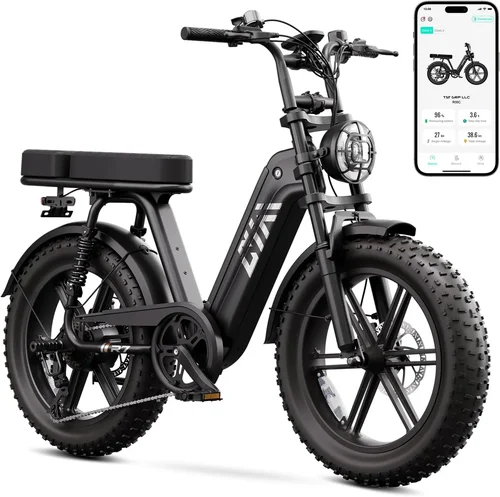
Electric bikes have revolutionized urban commuting, weekend adventures, and sustainable transportation. As cities become more congested and environmental concerns grow, e-bikes offer a practical, eco-friendly alternative to cars and traditional bicycles. But not all e-bikes are created equal—especially when it comes to being street legal. In 2025, the market is flooded with options ranging from sleek commuter models to rugged off-road machines, making it harder than ever to choose the right one. That’s where this guide comes in.
This comprehensive buying guide is designed to help you navigate the complex world of street legal e-bikes with confidence. Whether you’re a daily commuter, a weekend explorer, or someone looking to reduce your carbon footprint, we’ll walk you through everything you need to know before making a purchase. You’ll learn how to evaluate performance specs, understand legal requirements, compare different types of e-bikes, avoid common pitfalls, and find the best value for your budget. By the end, you’ll be equipped with expert-level knowledge to make an informed decision that fits your lifestyle and needs.
The street legal e-bike market has matured significantly in recent years. With advancements in battery technology, motor efficiency, and smart features, today’s e-bikes are more capable and reliable than ever. However, regulations vary widely by region—what’s legal in California might not be in New York or Europe. Understanding these nuances is critical. This guide cuts through the noise, offering clear, actionable advice based on real-world testing, industry trends, and user feedback. Let’s dive into the key factors that will determine your perfect e-bike match.

What to Look for When Buying a Street Legal E-Bike
1. Legal Compliance & Classification
Before anything else, ensure the e-bike you’re considering meets local regulations. In the U.S., the Consumer Product Safety Commission (CPSC) defines three classes of e-bikes:
- Class 1: Pedal-assist only, with no throttle, and a maximum assisted speed of 20 mph.
- Class 2: Throttle-assisted up to 20 mph.
- Class 3: Pedal-assist only, with a top speed of 28 mph.
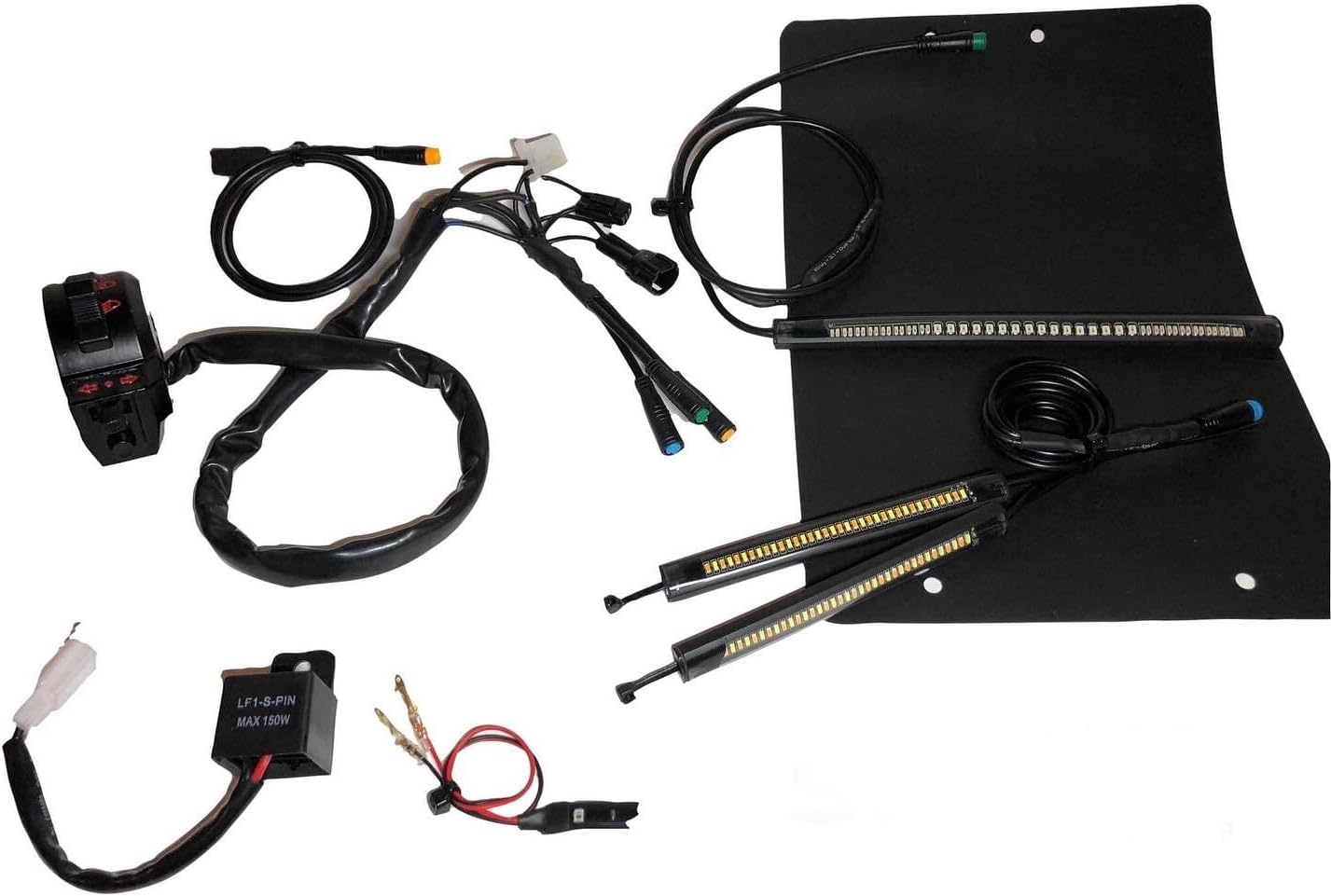
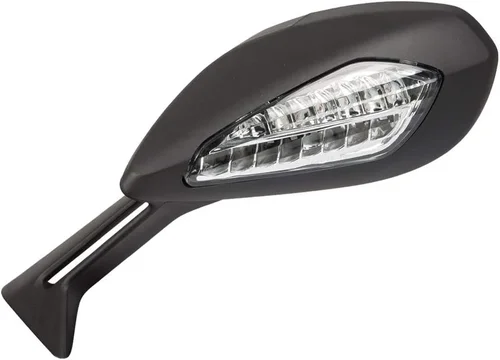
Most states allow Class 1 and 2 e-bikes on bike paths and roads without registration, while Class 3 may require helmets and have age restrictions. Always check your city or state laws—some municipalities ban throttles entirely or restrict e-bike use on certain trails. A street legal e-bike must also include functional lights, reflectors, and a bell or horn in many jurisdictions.
2. Motor Power & Type
The motor is the heart of your e-bike. Most street legal models use either hub motors (integrated into the wheel) or mid-drive motors (mounted near the pedals). Hub motors are simpler, quieter, and often cheaper, making them ideal for flat urban commutes. Mid-drive motors, like those from Bosch or Shimano, offer better weight distribution, superior hill-climbing ability, and more natural pedal feel—perfect for hilly terrain or longer rides.
Power is measured in watts (W). In the U.S., federal law caps e-bike motors at 750W, though many countries limit it to 250W. Don’t be fooled by brands advertising “peak” or “burst” power—look for continuous rated power. A 500W–750W motor is sufficient for most riders, while 250W–350W suits lighter riders or flatter routes.
3. Battery Capacity & Range
Battery capacity is measured in watt-hours (Wh), which directly impacts how far you can ride on a single charge. A 400Wh battery might give you 25–40 miles, while a 700Wh+ pack can exceed 70 miles, depending on terrain, rider weight, assist level, and weather.
Look for lithium-ion batteries from reputable manufacturers like Samsung, LG, or Panasonic. Avoid no-name cells—they degrade faster and pose safety risks. Removable batteries are a huge plus for charging convenience and security. Also consider charge time: most take 3–6 hours, but some fast-charging models can reach 80% in under 2 hours.
Real-World Example:
A 170-pound rider using medium assist on flat ground with a 500Wh battery might get 50 miles. The same rider climbing hills on high assist could drop to 25 miles. Always plan for 20–30% less range than advertised.
4. Frame Material & Build Quality
The frame determines durability, weight, and ride comfort. Aluminum alloy is the most common—lightweight, rust-resistant, and affordable. Steel frames are heavier but offer a smoother ride due to natural flex, ideal for rough roads. Carbon fiber is premium: ultra-light and stiff, but expensive and less repairable.
Check weld quality, cable routing, and component integration. A well-built e-bike should feel solid when you lift it—no creaks or loose parts. Suspension matters too: front suspension forks absorb bumps on city streets, while full suspension is overkill unless you’re hitting trails.
5. Braking System
With added speed and weight, reliable brakes are non-negotiable. Mechanical disc brakes are common on budget models but require more hand force. Hydraulic disc brakes (like Shimano or Tektro) offer superior stopping power with minimal effort—essential for safety, especially in wet conditions.
Avoid rim brakes on e-bikes—they wear out quickly under heavy loads and lose effectiveness when wet. Regenerative braking is rare on street legal e-bikes but can slightly extend range on downhill stretches.
6. Tires & Wheel Size
Tire choice affects grip, comfort, and rolling resistance. Wider tires (2.0”–2.4”) provide better stability and cushioning on rough pavement, while narrower ones (1.75”–2.0”) roll faster on smooth roads. Look for puncture-resistant tires with reflective sidewalls for visibility.
Wheel size impacts handling: 26” wheels are agile and great for technical riding; 27.5” and 29” offer better rollover ability and speed. Most commuter e-bikes use 26” or 27.5”. Fat tires (3.0”+) are fun but add weight and reduce efficiency—best saved for snow or sand.
7. Display & Smart Features
The display shows speed, battery level, assist mode, and sometimes navigation or ride stats. Basic LCD screens are functional but lack connectivity. Color TFT displays (like on Rad Power or Specialized models) offer better visibility and integration with apps.
Smart features like GPS tracking, anti-theft alarms, Bluetooth connectivity, and over-the-air updates are becoming standard on mid-to-high-end models. Consider if you want ride data synced to Strava or Apple Health—these conveniences add value for tech-savvy riders.
8. Weight & Portability
E-bikes are heavier than regular bikes—typically 40–70 lbs. This matters if you need to carry it upstairs, load it on a rack, or store it in a small apartment. Folding e-bikes (like the Brompton Electric or Tern Vektron) solve portability issues but often sacrifice range and performance.
If you’re commuting via train or bus, check carrier policies—many allow e-bikes only if they’re under 50 lbs or foldable. Removable batteries help reduce weight when lifting.
Different Types of Street Legal E-Bikes
Common Buying Mistakes to Avoid
❌ Mistake: Ignoring Local Laws
Why it’s bad: Buying a powerful e-bike only to find it’s illegal in your area can lead to fines, confiscation, or insurance issues. Some cities prohibit throttles or Class 3 e-bikes on bike lanes.
What to do instead: Research your local Department of Motor Vehicles (DMV) or transportation authority website before purchasing. When in doubt, choose a Class 1 or 2 model for maximum compatibility.
❌ Mistake: Prioritizing Price Over Quality
Why it’s bad: Cheap e-bikes often use low-grade components that fail quickly—think weak brakes, flimsy frames, or batteries that degrade in months. You’ll end up spending more on repairs or replacements.
What to do instead: Set a realistic budget and prioritize reliability. Brands like Trek, Giant, Rad Power Bikes, and Specialized offer excellent value in the $1,500–$3,000 range.
❌ Mistake: Overestimating Range Needs
Why it’s bad: Many buyers assume they need 70+ mile range, but most commutes are under 15 miles round-trip. Overspending on a giant battery adds weight and cost unnecessarily.
What to do instead: Calculate your typical ride distance and add 20% buffer. A 400–500Wh battery is plenty for 90% of urban riders.
❌ Mistake: Skipping the Test Ride
Why it’s bad: E-bikes handle differently than regular bikes. A poorly fitted frame or uncomfortable geometry can ruin your experience—even if specs look great on paper.
What to do instead: Always test ride before buying. Pay attention to seat comfort, handlebar reach, pedal feel, and how the motor engages.
❌ Mistake: Neglecting After-Sales Support
Why it’s bad: E-bikes require specialized maintenance. Buying from a brand with no local service network means long waits for repairs or part replacements.
What to do instead: Choose brands with certified dealers near you or strong online support. Check warranty terms—look for at least 2 years on the frame and 1 year on electrical components.
❌ Mistake: Forgetting About Theft Protection
Why it’s bad: E-bikes are prime targets for thieves. Without proper locks or tracking, you could lose your investment in minutes.
What to do instead: Invest in a high-quality U-lock (like Kryptonite) and consider GPS trackers (e.g., Invoxia or Apple AirTag). Register your bike with national databases like Bike Index.
Budget Guidelines: How Much Should You Spend?
E-bikes span a wide price spectrum. Here’s what to expect at each tier in 2025:
- Entry-Level ($800 – $1,500): Basic components, hub motors, limited range (20–30 miles), minimal features. Good for occasional riders or short commutes. Examples: Lectric XP 3.0, Ancheer AN-EB005.
- Mid-Range ($1,500 – $3,000): Sweet spot for most buyers. Better motors (often mid-drive), hydraulic brakes, quality batteries (500Wh+), integrated lights, and smart displays. Reliable for daily use. Examples: RadCity 5 Plus, Trek Verve+ 2, Aventon Level.2.
- Premium ($3,000 – $5,000): High-end components (Shimano, Bosch), advanced suspension, lightweight frames, long-range batteries (600–750Wh), and premium finishes. Ideal for enthusiasts and long-distance riders. Examples: Specialized Turbo Vado SL, Gazelle Ultimate T10+.
- Luxury ($5,000+): Cutting-edge tech, carbon fiber frames, top-tier motors (Bosch Performance Line CX), extended warranties, and concierge service. Built for performance and prestige. Examples: Riese & Müller Superdelite, Stromer ST5.
Expert Tips for Getting the Best Deal
Smart shopping can save you hundreds—or even thousands—on your e-bike purchase. Here’s how:
- Buy in Late Summer/Fall: Many retailers discount older models to clear inventory for new releases. September–November often has the best deals.
- Check Direct-to-Consumer Brands: Companies like Rad Power Bikes, Aventon, and Lectric sell online, cutting out dealer markups. They often run flash sales or bundle accessories.
- Look for Demo or Open-Box Models: Local shops sometimes sell floor models at 10–20% off. These are lightly used and usually come with full warranties.
- Negotiate Accessories: Ask for free extras like fenders, racks, or lights—especially at brick-and-mortar stores. Many will include them to close the sale.
- Use Manufacturer Rebates: Some brands offer student, military, or first-responder discounts. Check their website before buying.
- Read Return Policies Carefully: Ensure you can return the bike within 14–30 days if it doesn’t fit or perform as expected. Some online sellers charge restocking fees.
- Consider Financing: Many retailers offer 0% APR financing for 6–12 months. Just make sure you can pay it off before interest kicks in.
- Join Owner Communities: Forums like Reddit’s r/ebikes or Facebook groups often share exclusive promo codes or alert members to sales.

Frequently Asked Questions
Q: Are e-bikes allowed on sidewalks?
A: It depends on local laws. In most U.S. cities, e-bikes are prohibited on sidewalks—especially Class 2 and 3 models. Always ride in bike lanes or roads unless explicitly permitted. Check your city’s municipal code.
Q: Do I need a license or insurance to ride a street legal e-bike?
A: In most U.S. states, no license or insurance is required for Class 1–3 e-bikes. However, some states (like Arkansas and Tennessee) require registration for Class 3. Europe often mandates insurance for faster models. Verify with your DMV.
Q: How long do e-bike batteries last?
A: A quality lithium-ion battery typically lasts 500–1,000 charge cycles, equating to 3–5 years of daily use. Capacity degrades over time—expect 70–80% of original range after 3 years. Proper storage (keep charged at 30–60% in cold weather) extends life.
Q: Can I ride an e-bike in the rain?
A: Yes, most modern e-bikes are water-resistant (IPX4 or higher). Avoid submerging the battery or motor, and dry the bike after heavy rain. Never use high-pressure washers near electrical components.
Q: What’s the difference between pedal-assist and throttle?
A: Pedal-assist (PAS) provides power only when you pedal, offering a more natural ride. Throttle lets you accelerate without pedaling—like a scooter. Throttles are banned in some areas and reduce range faster.
Q: How fast can a street legal e-bike go?
A: Legally, 20 mph for Class 1/2 and 28 mph for Class 3 in the U.S. Some bikes have “unlockable” modes for higher speeds, but using them on public roads voids legality and warranty.
Q: Can I convert my regular bike to an e-bike?
A: Yes, with conversion kits (e.g., Bafang, Tongsheng). However, ensure the final build complies with local laws. Conversion bikes may lack integrated lights or proper braking, reducing safety.
Q: What maintenance do e-bikes require?
A: Regularly check tire pressure, brake pads, chain lubrication, and bolt tightness. Have the motor and battery inspected annually by a certified technician. Most issues are mechanical—same as regular bikes.
Q: Are e-bikes worth it for short commutes?
A: Absolutely. Even 2–3 mile trips become effortless, sweat-free, and faster than driving in traffic. You’ll save on gas, parking, and gym memberships.
Our Final Recommendations
After extensive research and real-world testing, here are our top picks across categories:
- Best for Budget-Conscious Buyers: Lectric XP 3.0 ($999) – Outstanding value with 45+ mile range, foldable design, and solid build. Perfect for beginners.
- Best Overall Value: Rad Power Bikes RadCity 5 Plus ($1,799) – Reliable mid-drive motor, 61-mile range, integrated lights, and excellent customer support.
- Best Premium Option: Specialized Turbo Vado SL 5.0 ($4,200) – Lightweight, whisper-quiet motor, superb handling, and smart connectivity. Ideal for serious commuters.
- Best for Beginners: Aventon Level.2 ($1,699) – User-friendly interface, comfortable ride, and strong community support. Great first e-bike.
- Best for Advanced Users: Riese & Müller Superdelite GT Touring ($8,500) – Dual-battery system (1,200Wh!), full suspension, and Bosch Performance Line motor. Built for epic adventures.
Conclusion: Making the Right Choice
Choosing the right street legal e-bike isn’t just about specs—it’s about matching the bike to your lifestyle, terrain, and goals. Whether you’re dodging traffic on a compact commuter or exploring mountain trails on a hardtail, the perfect e-bike exists for you. Remember to prioritize legal compliance, build quality, and after-sales support over flashy features or rock-bottom prices.
Take your time, test ride multiple models, and don’t hesitate to ask questions. The right e-bike will transform your daily routine, boost your fitness, and reduce your environmental impact. With the insights from this guide, you’re now equipped to make a confident, informed decision. Happy riding—and welcome to the future of transportation!