
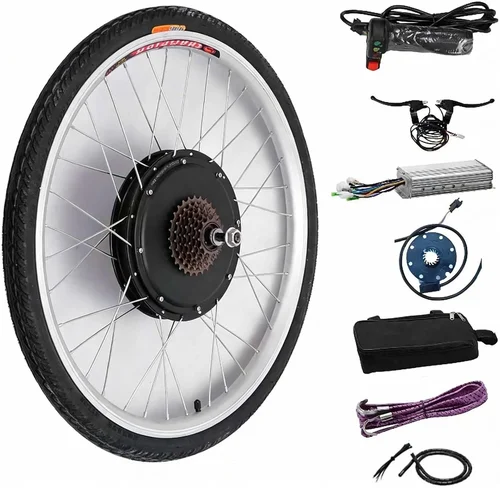
Electric bikes have evolved from niche curiosities into mainstream transportation solutions, and the e-bike conversion kit market is riding that same wave of innovation and accessibility. Whether you’re looking to breathe new life into an old bicycle, reduce your carbon footprint, or simply enjoy the thrill of assisted riding without buying a brand-new e-bike, a high-quality conversion kit can be a game-changer. But with dozens of brands, varying motor types, battery technologies, and compatibility concerns, choosing the right kit can feel overwhelming—even for seasoned cyclists.
This comprehensive buying guide is designed to cut through the noise and help you make a smart, informed decision. We’ll walk you through every critical factor—from motor power and battery range to installation complexity and long-term reliability—so you can confidently select a kit that matches your riding style, budget, and technical comfort level. Whether you’re a weekend cruiser, a daily commuter, or an off-road adventurer, this guide will equip you with the knowledge to transform your standard bike into a powerful, efficient electric machine.
The e-bike kit market has exploded in recent years, driven by advances in lithium-ion battery tech, brushless motor efficiency, and user-friendly control systems. Today’s kits are more powerful, lighter, and easier to install than ever before. However, not all kits are created equal. Some promise high performance but fall short on durability; others are affordable but lack essential safety features. Our goal is to help you navigate this rapidly evolving landscape with clarity and confidence, ensuring you invest in a solution that delivers real value, safety, and enjoyment for years to come.

What to Look for When Buying E-Bike Kits
1. Motor Type and Power Output
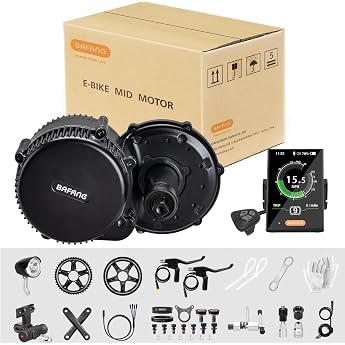
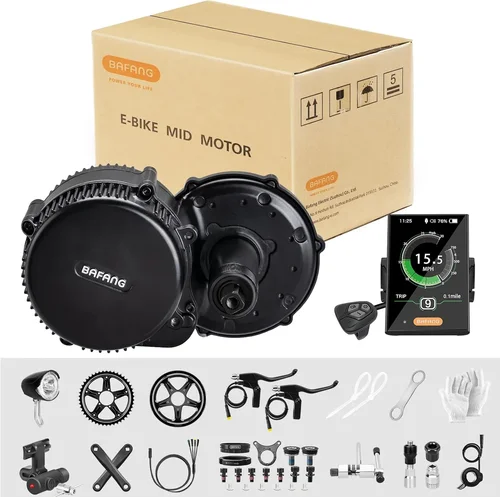
The motor is the heart of any e-bike conversion kit, and understanding the differences between motor types is crucial. The three main options are hub motors (front or rear wheel) and mid-drive motors. Hub motors are the most common in conversion kits due to their simplicity and ease of installation. A front hub motor mounts in the front wheel and provides direct drive, while a rear hub motor offers better weight distribution and traction, especially on hills or loose terrain. Mid-drive motors, though less common in DIY kits, mount near the bike’s crankset and leverage the bike’s existing gears, resulting in more efficient power delivery and better hill-climbing ability.
Motor power is measured in watts (W), and this directly affects speed, torque, and climbing capability. In the U.S., most street-legal e-bikes are limited to 750W, though some kits offer higher outputs for off-road use. A 250W motor is ideal for flat urban commuting and light assistance, while 500W provides a strong balance of speed and efficiency for mixed terrain. For steep hills or heavy loads, 750W or higher is recommended. However, higher wattage doesn’t always mean better performance—efficiency, controller quality, and battery compatibility matter just as much.
2. Battery Capacity and Range
The battery determines how far you can ride on a single charge, making it one of the most important components. Battery capacity is measured in watt-hours (Wh), which is calculated by multiplying voltage (V) by amp-hours (Ah). For example, a 36V 10Ah battery delivers 360Wh of energy. Higher Wh ratings generally mean longer range, but real-world performance depends on terrain, rider weight, assist level, and weather conditions.
Most quality kits include lithium-ion (Li-ion) batteries, which offer high energy density, long cycle life, and low self-discharge. Look for batteries with at least 10Ah capacity for decent range—expect 20–40 miles on a single charge with a 360–500Wh battery under normal conditions. Removable batteries are a major plus, allowing you to charge indoors and swap in a spare for extended rides. Water resistance (IP65 or higher) is also essential for riding in rain or wet conditions.
3. Compatibility with Your Bike
Not every e-bike kit fits every bicycle. Before purchasing, verify that the kit is compatible with your bike’s frame, wheel size, brake type, and dropout spacing. Most kits are designed for standard 26”, 27.5”, or 700c wheels, but fat tire bikes (20” or 24” with wide rims) require specialized kits. Rear hub motors often need 135mm dropout spacing, while front hubs typically fit 100mm. If your bike has disc brakes, ensure the motor hub supports rotor mounting.
Frame material also matters. Carbon fiber frames can be damaged by the torque of a rear hub motor, so consult your manufacturer before installation. Additionally, bikes with internal gear hubs (like Shimano Alfine) or belt drives may not be compatible with certain kits. Always double-check the manufacturer’s compatibility list and consider consulting a local bike shop if you’re unsure.
4. Installation Difficulty and Tools Required
E-bike kits vary widely in installation complexity. Some are designed for beginners with plug-and-play components and detailed instructions, while others require mechanical skills, wiring knowledge, and specialized tools. Hub motor kits are generally easier to install than mid-drive systems, which often involve removing the bottom bracket and modifying the drivetrain.
Look for kits that include all necessary hardware, torque arms (for rear hubs), and clear, step-by-step manuals with diagrams or video support. Kits with pre-spoked wheels save time compared to those requiring you to rebuild a wheel. If you’re not confident in your mechanical abilities, consider a kit with professional installation support or opt for a front hub motor, which is simpler to mount.
5. Display and Control System
The display and controller are your interface with the e-bike’s power system. A good display shows speed, battery level, assist mode, trip distance, and sometimes even GPS or Bluetooth connectivity. Basic kits may include a simple LED indicator, while premium models feature full-color LCD screens with backlighting, USB charging ports, and smartphone integration.
Pedal assist levels (usually 3–5 modes) allow you to customize how much motor support you receive. Throttle control (thumb or twist grip) provides instant power without pedaling—ideal for starting from a stop or climbing steep hills. Ensure the controller is waterproof and securely mounted to avoid damage from rain or vibration. Some advanced systems also include regenerative braking or smart features like automatic power adjustment based on terrain.
6. Build Quality and Durability
Since e-bike kits are exposed to the elements and mechanical stress, build quality is paramount. Look for motors with sealed bearings, corrosion-resistant casings, and high-quality windings. Batteries should have robust BMS (Battery Management Systems) to prevent overcharging, overheating, and short circuits. Wiring should be thick-gauge, properly insulated, and routed to avoid chafing.
Check for certifications like CE, UL, or IP ratings for water and dust resistance. Kits from reputable brands often undergo rigorous testing for vibration, temperature extremes, and long-term reliability. Avoid ultra-cheap kits from unknown sellers—they may use substandard components that fail prematurely or pose safety risks.
7. Warranty and Customer Support
A solid warranty is a strong indicator of a manufacturer’s confidence in their product. Most reputable brands offer 1–2 years of coverage on motors and batteries, with some extending to 3 years for premium models. Read the fine print: some warranties only cover defects, not wear and tear or improper installation.
Customer support matters too. Can you reach a real person by phone or email? Are replacement parts readily available? Do they offer troubleshooting guides or video tutorials? Brands with active online communities or forums often provide better long-term support. Avoid kits sold by third-party resellers with no direct manufacturer backing—you may be left stranded if something goes wrong.
8. Legal Compliance and Safety Features
Safety should never be an afterthought. Ensure the kit complies with local e-bike laws, including speed limits (typically 20 mph for Class 1 and 2 e-bikes in the U.S.) and motor power restrictions. Kits with speed sensors (rather than just cadence sensors) provide smoother, more responsive assist and are often required for legal compliance.
Look for safety features like automatic cut-off when braking, low-battery warnings, and overcurrent protection. Some advanced kits include anti-theft alarms, GPS tracking, or smartphone alerts. Always use proper safety gear—helmets, lights, and reflective clothing—especially when riding at higher speeds.
Different Types of E-Bike Kits
Common Buying Mistakes to Avoid
❌ Mistake: Ignoring Local E-Bike Laws
Why it’s bad: Installing a 1000W motor on a bike in a region where the legal limit is 750W can result in fines, confiscation, or even legal liability in an accident. Some areas also restrict throttle use or require helmets and lights.
What to do instead: Research your local regulations before buying. In the U.S., Class 1 (pedal-assist only, 20 mph max) and Class 2 (throttle-assisted, 20 mph max) are widely accepted. Class 3 (28 mph max) may require additional safety features. When in doubt, choose a kit that’s clearly labeled as street-legal.
❌ Mistake: Choosing the Cheapest Kit Available
Why it’s bad: Ultra-low-cost kits often use counterfeit batteries, weak motors, and flimsy wiring. These can overheat, fail prematurely, or even catch fire. Poor-quality controllers may deliver erratic power, making the bike unsafe to ride.
What to do instead: Set a realistic budget and prioritize quality over price. A $500 kit from a reputable brand will outperform and outlast a $200 no-name kit. Look for reviews, certifications, and warranty coverage as indicators of reliability.
❌ Mistake: Overlooking Battery Compatibility
Why it’s bad: Mixing batteries and motors from different brands or voltage systems can damage components or reduce performance. A 48V battery paired with a 36V motor may burn out the controller.
What to do instead: Always use the battery and motor specified by the kit manufacturer. If you want to upgrade later, ensure the new battery matches the voltage and connector type. Some brands offer modular systems that allow safe upgrades.
❌ Mistake: Assuming All Bikes Are Compatible
Why it’s bad: Installing a rear hub motor on a bike with a carbon frame or internal gear hub can cause frame damage or drivetrain failure. Fat tire bikes require specific hubs and rims.
What to do instead: Verify compatibility before purchasing. Check dropout spacing, brake type, wheel size, and frame material. When in doubt, consult the manufacturer or a professional mechanic.
❌ Mistake: Skipping the Test Ride
Why it’s bad: Even the best kit can feel awkward or unbalanced on your specific bike. Weight distribution, handlebar ergonomics, and pedal assist responsiveness vary widely.
What to do instead: If possible, test ride a similar setup or buy from a retailer with a good return policy. Some shops offer demo days or rental programs. Pay attention to how the bike handles at low and high speeds.
❌ Mistake: Neglecting Maintenance and Upgrades
Why it’s bad: E-bikes place extra stress on brakes, tires, and drivetrain components. Worn brake pads or underinflated tires can lead to accidents, especially at higher speeds.
What to do instead: Upgrade to hydraulic disc brakes if your bike has rim brakes. Use puncture-resistant tires and check pressure regularly. Keep the chain lubricated and inspect wiring for wear. Schedule regular tune-ups at a bike shop.
❌ Mistake: Forgetting About Theft Prevention
Why it’s bad: E-bike components, especially batteries and displays, are attractive targets for thieves. A stolen battery can cost hundreds to replace.
What to do instead: Use a high-quality U-lock and secure both the frame and wheels. Remove the battery when parking in public. Consider a GPS tracker or anti-theft alarm. Register your kit with the manufacturer for warranty and recovery purposes.
Budget Guidelines: How Much Should You Spend?
Entry-Level ($300–$500): These kits are ideal for casual riders or those on a tight budget. Expect a 250W–500W front hub motor, basic LED display, and a 36V 8–10Ah battery. Range is typically 15–25 miles. Brands like Bafang (basic models) and Voilamart offer decent entry-level options. Installation is straightforward, but build quality may be lower, and warranties are often limited to 6–12 months.
Mid-Range ($500–$900): This is the sweet spot for most buyers. Kits in this range feature 500W–750W rear hub motors, removable 36V or 48V batteries (10–14Ah), and full-color LCD displays with multiple assist levels. Expect 25–40 miles of range and better water resistance. Brands like Tongsheng, AW, and PEXMOTOR offer reliable mid-tier kits with 1–2 year warranties. Installation may require some mechanical skill, but instructions are usually clear.
Premium ($900–$1,500): Designed for enthusiasts and serious commuters, these kits include high-torque mid-drive motors (like the Tongsheng TSDZ2), advanced battery management systems, and smart features like Bluetooth connectivity and regenerative braking. Batteries are often 48V 13–17Ah, delivering 40–60 miles of range. Build quality is excellent, with robust components and comprehensive support. Expect professional-grade performance and durability.
Luxury ($1,500+): These are top-tier kits for performance riders, long-distance tourers, or those seeking the ultimate e-bike experience. Features include carbon fiber components, integrated lighting, GPS tracking, and custom tuning via smartphone apps. Motors may exceed 750W (for off-road use), and batteries can reach 20Ah or more. Brands like Bosch (via third-party adapters) and high-end Bafang Ultra kits fall into this category. These kits often require professional installation and ongoing maintenance.
Expert Tips for Getting the Best Deal
1. Buy During Off-Season Sales: E-bike kits are often discounted in late fall and winter when demand is low. Look for Black Friday, Cyber Monday, or end-of-year clearance events. Some brands also offer student or military discounts.
2. Shop Direct from Manufacturers: Brands like Bafang, Tongsheng, and PEXMOTOR often sell directly through their websites or authorized dealers, cutting out the middleman and offering better prices and support.
3. Check for Bundle Deals: Some kits include extras like a second battery, upgraded display, or installation tools at a discounted rate. These bundles can save you $100 or more compared to buying components separately.
4. Read Real User Reviews: Don’t rely solely on manufacturer specs. Check forums like Endless Sphere, Reddit’s r/ebikes, or YouTube reviews from actual users. Look for feedback on reliability, customer service, and real-world performance.
5. Consider Refurbished or Open-Box Kits: Some retailers sell returned or demo kits at significant discounts. These are often tested and come with the same warranty as new units. Just ensure they’re from a reputable seller.
6. Test Before You Commit: If possible, attend an e-bike expo or visit a local shop that offers test rides. Feeling the motor’s responsiveness and the bike’s balance can help you avoid buyer’s remorse.
7. Negotiate Installation Services: Some bike shops offer discounted or free installation if you buy the kit through them. This can save you time and ensure a professional setup.
8. Register for Warranty and Updates: Always register your kit with the manufacturer to activate the warranty and receive firmware updates or safety alerts.

Frequently Asked Questions
Q: Can I convert any bike into an e-bike?
A: Most standard bikes with a rigid frame, rim or disc brakes, and standard wheel sizes can be converted. However, bikes with carbon frames, internal gear hubs, or belt drives may not be suitable. Always check compatibility before purchasing.
Q: How long does it take to install an e-bike kit?
A: A front hub kit can take 1–2 hours for a beginner, while a rear hub or mid-drive kit may take 3–5 hours. Complex installations or first-time users should allow extra time.
Q: Will an e-bike kit damage my bike?
A: If installed correctly, most kits won’t damage your bike. However, rear hub motors can stress rear dropouts, so torque arms are recommended. Avoid high-torque motors on lightweight or carbon frames.
Q: How far can I ride on a single charge?
A: Range depends on battery capacity, terrain, rider weight, and assist level. A 400Wh battery typically provides 20–40 miles. Use the lower end of the estimate for hilly areas or heavy loads.
Q: Can I use my e-bike in the rain?
A: Most quality kits are water-resistant (IP65 or higher), but avoid submerging the battery or motor. Dry components after wet rides and store the battery indoors.
Q: Do I need to register my e-bike?
A: In most U.S. states, e-bikes under 750W and 20 mph are classified as bicycles and don’t require registration. Check local laws—some cities or parks have specific rules.
Q: Can I upgrade my kit later?
A: Some components like batteries and displays can be upgraded, but ensure compatibility with voltage and connectors. Mid-drive systems are harder to modify than hub motors.
Q: What’s the difference between cadence and torque sensors?
A: Cadence sensors detect if you’re pedaling and provide basic assist. Torque sensors measure how hard you’re pedaling and adjust power accordingly, offering a smoother, more natural ride. Torque-sensing kits are more expensive but highly recommended.
Q: How do I maintain my e-bike kit?
A: Regularly check tire pressure, brake function, and chain lubrication. Inspect wiring for wear and keep the battery charged between 20–80% for longevity. Store in a dry, cool place.
Q: What should I do if my kit stops working?
A: Check connections, battery charge, and fuse first. Consult the manual or contact customer support. Most issues are fixable with basic troubleshooting.
Our Final Recommendations
Best for Budget-Conscious Buyers: AW Front Wheel Electric Bike Conversion Kit (500W)
This reliable front hub kit offers solid performance, easy installation, and a removable 36V 10Ah battery for under $500. Ideal for flat commutes and beginners.
Best Overall Value: Tongsheng TSDZ2 Mid-Drive Kit (750W)
With torque sensing, efficient power delivery, and compatibility with most bikes, this mid-drive kit delivers premium performance at a mid-range price. Great for hills and long rides.
Best Premium Option: Bafang M600 Mid-Drive Kit (750W)
A high-torque, feature-rich system with Bluetooth tuning, advanced display, and robust build quality. Perfect for serious riders and off-road adventures.
Best for Beginners: PEXMOTOR 48V 1000W Rear Hub Kit
Includes a pre-spoked wheel, color display, and throttle. Easy to install and powerful enough for most needs, with good customer support.
Best for Advanced Users: Bafang Ultra Mid-Drive Kit (1000W)
A top-tier system with 160Nm of torque, smart connectivity, and professional-grade components. Requires mechanical skill but delivers unmatched performance.
Conclusion: Making the Right Choice
Choosing the right e-bike conversion kit is about more than just power and price—it’s about finding a system that fits your lifestyle, riding goals, and technical comfort level. By understanding motor types, battery capacity, compatibility, and safety features, you can avoid common pitfalls and invest in a solution that delivers years of reliable, enjoyable riding.
Remember, the best kit isn’t always the most powerful or the cheapest—it’s the one that aligns with your needs. Whether you’re converting a city bike for daily commutes or building a mountain-ready beast, take the time to research, compare, and plan. With the right kit, your ordinary bicycle can become an extraordinary electric machine.
So don’t wait—start your e-bike journey today. Transform your ride, reduce your carbon footprint, and rediscover the joy of cycling with the power of electric assistance. Your future self will thank you.