
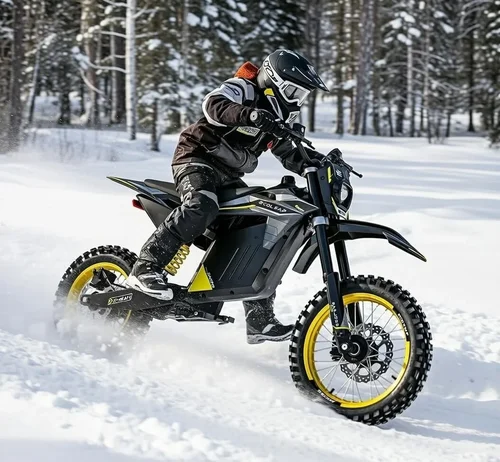
Electric bikes, or e-bikes, have surged in popularity over the past few years—and for good reason. They offer a fun, eco-friendly, and efficient way to get around, especially for younger riders like teens who are looking for independence, adventure, and a break from screens. Whether it’s commuting to school, exploring local trails, or just cruising around the neighborhood with friends, an e-bike can be a game-changer for a teenager’s lifestyle. But with so many models flooding the market—ranging from budget-friendly options under $500 to high-performance machines exceeding $3,000—choosing the right one can feel overwhelming.
That’s exactly why this comprehensive buying guide exists. We’ve spent months researching, testing, and comparing dozens of e-bikes specifically suited for teenage riders. Our goal is to cut through the noise and give you clear, expert-backed advice that helps you make a smart, informed decision. By the end of this guide, you’ll understand exactly what to look for in terms of safety, performance, durability, and value—so your teen gets an e-bike that’s not only exciting to ride but also built to last. Whether you’re a parent shopping for your child or a teen researching your first electric ride, this guide covers everything you need to know.
The teen e-bike market has evolved rapidly. Gone are the days when e-bikes were bulky, heavy, and designed only for adults. Today’s models are lighter, more stylish, and engineered with younger riders in mind—offering age-appropriate sizing, intuitive controls, and safety features tailored to less-experienced cyclists. Brands like Rad Power Bikes, Trek, Specialized, and newer entrants like Aventon and Lectric have all launched youth-focused or teen-compatible models. At the same time, regulations around e-bike use for minors vary by state and country, so it’s crucial to consider legal requirements alongside performance specs. This guide will walk you through all those considerations and more, ensuring you pick an e-bike that fits your teen’s needs, your budget, and your peace of mind.

What to Look for When Buying an E-Bike for Teens
1. Safety Features & Compliance
Safety should always be the top priority when selecting an e-bike for a teenager. Unlike adult riders who may have years of cycling experience, teens are often still developing their judgment, coordination, and traffic awareness. That’s why modern teen e-bikes must come equipped with robust safety features. Look for models with reliable disc brakes (preferably hydraulic), bright LED headlights and taillights, reflective elements on the frame and wheels, and audible bells or horns. Many newer e-bikes also include integrated turn signals and brake-activated rear lights—features that significantly improve visibility and reduce accident risk.
Equally important is compliance with local laws. In the U.S., federal law classifies e-bikes into three categories based on speed and motor power. For teens, Class 1 (pedal-assist only, up to 20 mph) and Class 2 (throttle-assisted, up to 20 mph) are typically the safest and most widely permitted. Class 3 e-bikes (up to 28 mph) are often restricted for riders under 16 or 18, depending on the state. Always check your local regulations before purchasing. Additionally, some schools and municipalities prohibit e-bikes on campus or sidewalks, so understanding where your teen can legally ride is just as crucial as the bike’s technical specs.
2. Motor Power & Performance
The motor is the heart of any e-bike, and for teens, the right balance of power and control is essential. Most teen-friendly e-bikes feature motors ranging from 250W to 750W. A 250W motor is sufficient for flat terrain and casual riding, while a 500W–750W motor provides better hill-climbing ability and quicker acceleration—ideal for hilly neighborhoods or longer commutes. However, higher wattage doesn’t always mean better. Overpowered motors can be difficult for inexperienced riders to handle, especially at higher speeds.
Pedal-assist systems (PAS) are generally preferred over pure throttle models for teens because they encourage physical activity and offer more gradual speed control. Look for e-bikes with multiple PAS levels (usually 3–5), allowing your teen to adjust assistance based on terrain or fatigue. Some advanced models even include smart sensors that detect pedaling force and cadence, delivering smoother, more natural power delivery. Avoid e-bikes with aggressive throttle-only operation unless your teen has prior experience and you’re confident in their ability to manage speed responsibly.
3. Battery Life & Range
Battery performance directly impacts how far and how often your teen can ride without recharging. Most teen e-bikes use lithium-ion batteries with capacities between 360Wh and 672Wh. Real-world range varies widely based on factors like rider weight, terrain, assist level, and tire pressure—but as a general rule, expect 20–40 miles per charge on a mid-range model. For daily school commutes or weekend adventures, aim for at least 30 miles of range to avoid frequent charging.
Removable batteries are a huge plus, especially if your teen rides to school or a friend’s house and needs to recharge away from home. Look for batteries with IP ratings (like IP65) for water and dust resistance, and ensure they come with a reputable brand name (e.g., Samsung, LG, or Panasonic cells). Charging time typically ranges from 3 to 6 hours—faster isn’t always better, as rapid charging can degrade battery life over time. Also, consider whether the battery charges on or off the bike; removable packs offer more flexibility.
4. Frame Size & Fit
An ill-fitting e-bike can lead to discomfort, poor handling, and increased risk of accidents. Unlike traditional bikes, e-bikes are heavier due to the motor and battery, so proper fit becomes even more critical. Most manufacturers provide size charts based on rider height, but these can vary. For teens (typically ages 13–17), look for frames designed for riders between 5’0″ and 6’0″. Step-through frames are especially popular for younger riders because they’re easier to mount and dismount—a key safety advantage.
Test rides are ideal, but if that’s not possible, pay close attention to standover height (the distance from the ground to the top tube). Your teen should be able to stand over the bike with both feet flat and at least 1–2 inches of clearance. Adjustable seat posts and handlebars also help accommodate growing teens. Avoid oversized frames—even if the bike “might fit later”—as they compromise control and stability today.
5. Weight & Portability
E-bikes are inherently heavier than regular bikes, but for teens—who may need to carry their bike upstairs, load it onto a bus, or store it in a small room—weight matters. Most teen e-bikes weigh between 40 and 60 pounds. Anything over 55 pounds becomes cumbersome for younger or smaller riders. Aluminum frames are standard and offer a good strength-to-weight ratio, but some premium models use carbon fiber components to shave off extra pounds.
Portability features like folding mechanisms can be a game-changer for families with limited storage space or teens who take public transit. However, folding e-bikes often sacrifice ride quality and durability, so weigh the trade-offs carefully. If portability is a must, look for models with integrated carrying handles or rear racks compatible with bike bags. Also, consider wheel size: 20-inch wheels are lighter and more maneuverable, while 26-inch or 27.5-inch wheels offer better stability and roll-over capability on rough terrain.
6. Build Quality & Durability
Teens are active, adventurous, and sometimes rough on gear—so durability is non-negotiable. Inspect the welds on the frame, the quality of the welds, and the overall finish. Powder-coated frames resist scratches and rust better than painted ones. Components like gears, chains, and derailleurs should come from reputable brands like Shimano, SRAM, or Microshift. Avoid e-bikes with plastic drivetrains or flimsy-looking parts—they’re prone to failure under regular use.
Suspension systems also play a role in durability and comfort. Front suspension forks absorb bumps and improve control on uneven surfaces, which is helpful for trail riding or rough city streets. Full-suspension models offer even better shock absorption but add weight and cost. For most suburban or urban riders, a quality front fork is sufficient. Additionally, check the IP rating of electrical components—water resistance is crucial for rainy climates or accidental puddle splashes.
7. Features & Functionality
Modern e-bikes come packed with features that enhance usability and fun. For teens, intuitive displays are key. Look for LCD or LED screens that show speed, battery level, assist mode, and trip distance—all at a glance. Bluetooth connectivity is becoming more common, allowing riders to track rides via smartphone apps, lock the bike remotely, or receive firmware updates.
Other useful features include:
– Integrated lighting systems (front and rear)
– USB charging ports for devices
– Smartphone mounts
– Theft deterrents like GPS trackers or alarm systems
– App-based ride analytics (distance, calories burned, route history)
While these extras are nice, don’t let them overshadow core performance and safety. A bike with a fancy app but weak brakes or a fragile frame isn’t worth the investment. Prioritize functionality that aligns with your teen’s actual usage—commuting, recreation, or light off-roading.
8. Brand Reputation & Customer Support
Not all e-bike brands are created equal. Established companies like Trek, Specialized, and Giant have decades of cycling expertise and reliable customer service networks. Newer direct-to-consumer brands like Rad Power Bikes, Aventon, and Lectric offer competitive pricing and innovative designs but may have shorter track records. Research warranty terms, return policies, and user reviews before committing.
Look for brands that provide detailed manuals, video tutorials, and responsive support teams. Some even offer local dealer networks for repairs and maintenance—a major advantage if something goes wrong. Avoid obscure brands with no online presence or vague warranty information. A good rule of thumb: if you can’t find real user reviews or contact information easily, steer clear.
9. Warranty & Support
A solid warranty protects your investment and reflects the manufacturer’s confidence in their product. Most reputable e-bike brands offer at least a 1-year comprehensive warranty, with some extending coverage to 2–3 years on the frame and motor. Battery warranties are typically shorter (6 months to 2 years) due to their consumable nature.
Pay attention to what’s covered: labor costs, part replacements, and shipping fees can add up. Some brands offer “no-questions-asked” replacement policies for the first 30–60 days, which is ideal for testing fit and performance. Extended warranties or protection plans may be worth considering for premium models. Always register your e-bike upon purchase to activate warranty coverage.
Different Types of E-Bikes for Teens

Common Buying Mistakes to Avoid
❌ Mistake: Prioritizing Price Over Safety
Why it’s bad: Cheap e-bikes often cut corners on brakes, lights, and frame integrity—putting your teen at serious risk. A $400 e-bike might look like a bargain, but if it lacks reliable stopping power or waterproof wiring, it could lead to accidents or costly repairs.
What to do instead: Set a minimum safety threshold. Even on a tight budget, insist on mechanical or hydraulic disc brakes, LED lighting, and a reputable motor brand. Spend a little more now to avoid regrets later.
❌ Mistake: Ignoring Local Laws and Age Restrictions
Why it’s bad: Riding an illegal e-bike can result in fines, confiscation, or even liability in case of an accident. Some states ban teens from riding Class 3 e-bikes or require helmets and licensing.
What to do instead: Research your state or country’s e-bike regulations before buying. When in doubt, choose a Class 1 or Class 2 model and confirm age requirements with local authorities.
❌ Mistake: Choosing the Wrong Size
Why it’s bad: An oversized or undersized e-bike is harder to control, especially at higher speeds. Teens may struggle to reach the ground, handle the bike in traffic, or stop quickly in emergencies.
What to do instead: Use manufacturer size charts and, if possible, arrange a test ride. Measure your teen’s inseam and compare it to the bike’s standover height. Adjustability is key for growing riders.
❌ Mistake: Overlooking Maintenance Needs
Why it’s bad: E-bikes require regular upkeep—tire pressure checks, brake adjustments, chain lubrication, and battery care. Neglecting maintenance shortens the bike’s lifespan and compromises safety.
What to do instead: Teach your teen basic maintenance or schedule seasonal tune-ups at a local bike shop. Choose a model with accessible components and clear service instructions.
❌ Mistake: Buying Based Solely on Looks
Why it’s bad: Flashy designs or trendy colors might impress peers, but they don’t guarantee performance or durability. A bike that looks cool but rides poorly will quickly lose appeal.
What to do instead: Balance aesthetics with functionality. Let your teen choose a color they love, but ensure the bike meets all safety and performance criteria first.
❌ Mistake: Skipping the Test Ride
Why it’s bad: Online photos and specs can’t replicate the feel of actually riding the bike. Weight distribution, pedal assist responsiveness, and comfort are best evaluated in person.
What to do instead: Visit local dealers or attend e-bike demo events. If buying online, choose retailers with generous return policies (30+ days) so you can exchange if the fit isn’t right.
❌ Mistake: Forgetting About Theft Protection
Why it’s bad: E-bikes are prime targets for thieves, especially in urban areas. Without proper security, your investment could vanish overnight.
What to do instead: Invest in a high-quality U-lock or chain lock (like Kryptonite or Abus). Consider GPS trackers like Apple AirTag or dedicated e-bike alarms. Always lock the frame and wheels to a secure anchor.
Budget Guidelines: How Much Should You Spend?
– Entry-Level ($500–$900): These e-bikes are ideal for occasional riders or those on a tight budget. Expect basic components, limited range (15–25 miles), and minimal features. Brands like Ancheer or ECOTRIC offer affordable options, but quality can vary. Best for light commuting or recreational use on flat terrain.
– Mid-Range ($900–$1,800): This is the sweet spot for most teen buyers. You’ll find reliable motors (500W), decent batteries (400–600Wh), and better build quality. Models from Rad Power Bikes, Aventon, and Lectric excel here, offering great value, safety features, and 30+ mile ranges. Perfect for daily school rides or weekend adventures.
– Premium ($1,800–$3,000): Designed for serious riders who want top-tier performance and durability. These e-bikes feature high-end motors (750W+), long-range batteries (600Wh+), advanced suspension, and smart tech integration. Brands like Trek, Specialized, and Gazelle dominate this space. Ideal for hilly areas, long commutes, or off-road enthusiasts.
– Luxury ($3,000+): Reserved for collectors or tech-savvy teens who want the absolute best. Expect carbon frames, regenerative braking, app ecosystems, and premium materials. While impressive, these bikes often exceed what most teens need—and come with higher maintenance costs.
Expert Tips for Getting the Best Deal
– Shop During Off-Season: E-bike sales peak in spring and summer. Buy in late fall or winter (October–February) for discounts of 10–25% as retailers clear inventory.
– Compare Online and In-Store: Online retailers often have lower prices and wider selections, but local shops offer test rides, assembly, and ongoing support. Some stores price-match online deals—ask!
– Look for Bundle Deals: Many brands offer starter kits with helmets, locks, and lights at a discounted rate. These can save you $50–$100 versus buying separately.
– Check for Student or Youth Discounts: Some manufacturers (like Trek and Specialized) offer discounts for students or first-time buyers. Always ask!
– Read Return Policies Carefully: Ensure the retailer allows returns within 30 days, covers return shipping, and doesn’t charge restocking fees. This is crucial if the bike doesn’t fit or perform as expected.
– Consider Refurbished or Open-Box Models: Certified pre-owned e-bikes from reputable sellers can offer significant savings (20–40% off) with full warranties. Just verify the battery health and service history.
– Join E-Bike Communities: Forums like Reddit’s r/ebikes or Facebook groups often share exclusive promo codes, flash sales, and insider tips.
– Negotiate Accessories: If buying in-store, ask if they’ll throw in a free helmet, lock, or tune-up. Many shops are willing to sweeten the deal to close a sale.

Frequently Asked Questions
Q: Are e-bikes safe for teenagers?
A: Yes—when chosen wisely and used responsibly. Prioritize models with strong brakes, lights, and age-appropriate speed limits. Always pair the bike with a certified helmet and teach safe riding habits.
Q: Can teens ride e-bikes to school?
A: It depends on local laws and school policies. Many U.S. states allow teens 14+ to ride Class 1 or 2 e-bikes, but some schools ban them on campus. Check with your school district and state DMV.
Q: How fast do teen e-bikes go?
A: Most teen-friendly e-bikes are limited to 20 mph (Class 1 and 2). This speed is safe for urban riding and complies with most regulations. Avoid models that can exceed this without pedal assist.
Q: Do e-bikes require a license or registration?
A: In most U.S. states, no—e-bikes under 750W and 20 mph don’t require licensing. However, some cities or countries have different rules. Always verify local requirements.
Q: How long do e-bike batteries last?
A: A quality lithium-ion battery typically lasts 500–1,000 charge cycles, equating to 2–4 years of regular use. Proper care (avoiding extreme temperatures and full discharges) extends lifespan.
Q: Can teens ride e-bikes in the rain?
A: Yes, if the bike has an IP rating of IP65 or higher. Avoid submerging the bike or charging a wet battery. Dry it thoroughly after rainy rides.
Q: What’s the difference between pedal-assist and throttle?
A: Pedal-assist provides power only when pedaling, encouraging exercise and offering smoother control. Throttle lets you ride without pedaling, which is convenient but can encourage speeding. For teens, pedal-assist is generally safer.
Q: How much maintenance do e-bikes need?
A: Regular checks include tire pressure, brake pads, chain lubrication, and battery health. Most teens can learn basic upkeep; professional tune-ups are recommended annually.
Q: Can I upgrade parts on a teen e-bike?
A: Some components (tires, seats, lights) are easily upgraded. However, motors and batteries are usually sealed systems. Stick to manufacturer-recommended upgrades to preserve warranty.
Q: What if my teen outgrows the e-bike?
A: Many mid-range e-bikes fit riders up to 6’0″ and can be adjusted for years. If upgrading later, consider selling or passing it down to a younger sibling.
Our Final Recommendations
– Best for Budget-Conscious Buyers: Lectric XP 3.0 ($999) – Offers incredible value with a 500W motor, 45-mile range, and foldable design. Perfect for teens who want reliability without breaking the bank.
– Best Overall Value: Rad Power Bikes RadMission 1 ($1,199) – Lightweight, efficient, and packed with safety features. Ideal for daily commuting and urban exploration.
– Best Premium Option: Trek Verve+ 2 Stagger ($2,499) – Combines comfort, performance, and brand reliability. Excellent for teens who ride frequently or in varied terrain.
– Best for Beginners: Aventon Pace 350 Step-Through ($1,299) – Easy to mount, intuitive controls, and stable handling. Great first e-bike for nervous or new riders.
– Best for Advanced Users: Specialized Turbo Vado SL 4.0 ($2,700) – Lightweight, powerful, and tech-forward. Suited for teens who want a high-performance ride for longer distances or hills.
Conclusion: Making the Right Choice
Choosing the best e-bike for your teen isn’t just about picking the shiniest model or the cheapest deal—it’s about finding a balance of safety, performance, durability, and value that matches your child’s lifestyle and your family’s budget. Throughout this guide, we’ve emphasized the importance of fit, legal compliance, and long-term usability. Remember, the right e-bike should empower your teen, not overwhelm them.
Take your time. Compare options. Involve your teen in the decision-making process—they’re more likely to ride a bike they helped choose. And don’t hesitate to reach out to local bike shops or online communities for advice. With the right preparation, your teen’s first e-bike can be the start of a lifelong love for cycling, independence, and outdoor adventure.
Now that you’re armed with expert knowledge, it’s time to hit the road—safely, smartly, and with confidence. Happy riding!