
Choosing the right electric bike for a teenager isn’t just about picking the flashiest model or the one with the most features. It’s about finding a balance between safety, performance, durability, and age-appropriate design—all while staying within a reasonable budget. With the e-bike market exploding in popularity over the past few years, parents and teens alike are faced with an overwhelming number of options. From sleek city commuters to rugged off-road machines, the choices can be confusing, especially when you’re buying for someone who’s still growing, learning responsible riding habits, and may not have the experience to handle high-powered machines.
This guide is designed to cut through the noise and help you make a smart, informed decision. Whether you’re a parent looking for a safe and reliable first e-bike for your 13-year-old or a teen who’s ready to upgrade from a traditional bicycle, we’ll walk you through everything you need to know. You’ll learn how to evaluate key factors like motor power, battery life, frame size, safety features, and brand reliability. We’ll also compare different types of e-bikes, highlight common pitfalls to avoid, and offer expert tips to get the best value for your money. By the end of this guide, you’ll have a clear roadmap to choosing an electric bike that fits your teen’s needs, your budget, and your peace of mind.
The electric bike market in 2026 is more diverse and competitive than ever. Major brands like Rad Power Bikes, Trek, Specialized, and emerging players like Aventon and Lectric are pushing the boundaries of what e-bikes can do. At the same time, new regulations in many U.S. states and European countries are shaping what’s legal for teens to ride, especially when it comes to speed and motor power. This means that understanding local laws is just as important as understanding bike specs. Additionally, advancements in battery technology, lightweight materials, and smart connectivity features are making e-bikes safer, more efficient, and more fun to ride. With all these developments, now is a great time to invest in an e-bike for your teenager—but only if you choose wisely.

What to Look for When Buying an Electric Bike for Teens
1. Age and Legal Compliance
One of the most critical factors when selecting an electric bike for a teenager is ensuring it complies with local laws and is appropriate for their age. In the United States, most states classify e-bikes into three categories based on motor power and top speed. Class 1 and Class 2 e-bikes, which have motors under 750 watts and top speeds of 20 mph, are typically allowed for riders as young as 13 or 14, depending on the state. Class 3 e-bikes, which can reach 28 mph, are often restricted to riders 16 and older. It’s essential to check your state or country’s regulations before making a purchase.
Beyond legality, consider your teen’s maturity level and riding experience. A 14-year-old who’s been biking for years and demonstrates responsible behavior may be ready for a more capable e-bike, while a younger or less experienced rider might benefit from a simpler, lower-powered model. Some e-bikes come with speed limiters or parental control features that allow you to restrict top speed—this can be a valuable safety tool during the early stages of e-bike use.
2. Motor Power and Performance
The motor is the heart of any electric bike, and for teens, the right balance of power and control is essential. Most e-bikes designed for younger riders feature motors between 250W and 500W. A 250W motor is sufficient for flat terrain and light assistance, making it ideal for casual riding around the neighborhood or school commutes. A 500W motor offers more torque and better hill-climbing ability, which is helpful if your teen will be riding in hilly areas or carrying a backpack.
Avoid e-bikes with motors over 750W unless you’re certain your teen can handle the power and that it’s legal in your area. High-wattage motors can make bikes difficult to control, especially for inexperienced riders. Additionally, look for motors with smooth power delivery—jerky or abrupt acceleration can be dangerous. Mid-drive motors, while more expensive, offer better weight distribution and efficiency, but hub motors (especially geared rear hub motors) are often more affordable and reliable for teen riders.
3. Battery Life and Range
Battery range is a major consideration, especially if your teen plans to use the e-bike for school, part-time jobs, or weekend adventures. Most e-bikes for teens offer a range of 20 to 40 miles on a single charge, depending on terrain, rider weight, and assist level. For daily commutes under 10 miles, a 30-mile range is usually sufficient. However, if your teen will be riding longer distances or using higher assist levels frequently, aim for a bike with at least a 40-mile range.
Look for lithium-ion batteries with a capacity of at least 360Wh (watt-hours). Higher capacity batteries (400Wh and above) provide longer range but may add weight. Removable batteries are a huge plus—they allow your teen to charge the battery indoors, which is safer and more convenient than leaving the whole bike plugged in outside. Also, check the charging time: most batteries take 4–6 hours to fully charge, but some fast-charging models can reach 80% in under 3 hours.
4. Frame Size and Fit
A properly sized e-bike is crucial for comfort, control, and safety. Unlike adult e-bikes, teen models should have a frame that accommodates shorter inseams and smaller body proportions. Many brands now offer “youth” or “step-through” frames designed specifically for younger riders. These frames are lower to the ground, making it easier for teens to mount, dismount, and put their feet down when stopping.
To determine the right size, measure your teen’s inseam and compare it to the manufacturer’s size chart. Most teen e-bikes come in small or extra-small sizes, with standover heights under 30 inches. A good fit means your teen can comfortably reach the handlebars and pedals without overstretching or hunching. Adjustable seat posts and handlebars are also helpful, as they allow the bike to grow with your teen.
5. Safety Features
Safety should be your top priority when choosing an e-bike for a teenager. Look for models equipped with essential safety features such as front and rear LED lights, reflective strips, and a loud, reliable bell. Disc brakes (especially mechanical or hydraulic disc brakes) offer superior stopping power compared to rim brakes, which can wear out faster and perform poorly in wet conditions.
Some e-bikes now include advanced safety tech like automatic brake lights, turn signals, and even collision detection systems. While these features are more common on premium models, they can significantly enhance visibility and awareness, especially during evening rides. Additionally, consider bikes with puncture-resistant tires and suspension systems (front or full) to improve stability on rough terrain.
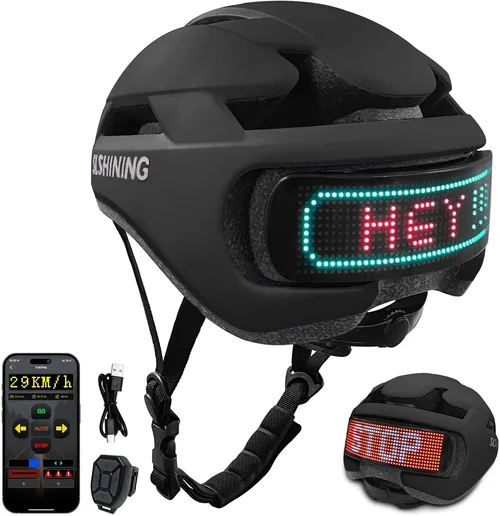
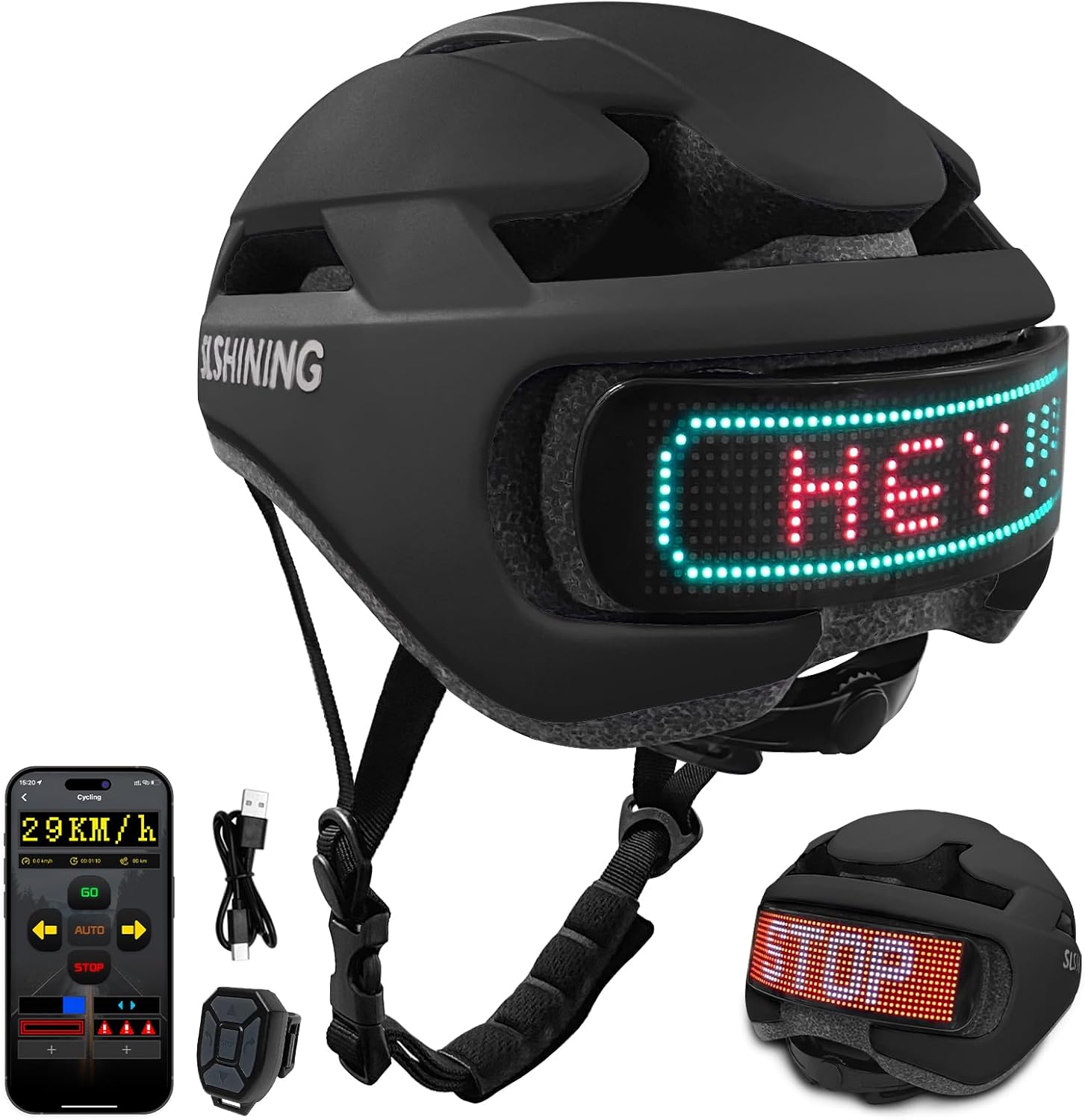
Helmet use is non-negotiable. Even if your state doesn’t require it, insist that your teen wears a properly fitted helmet every time they ride. Some e-bike brands offer helmet bundles or discounts, so keep an eye out for those.
6. Build Quality and Durability
Teenagers can be tough on equipment, so durability is a key factor. Look for e-bikes made from high-quality aluminum or steel frames that can withstand bumps, drops, and daily wear. Avoid cheap, flimsy frames that may bend or crack under stress. Check customer reviews for reports of frame cracks, loose components, or motor failures—these are red flags.
Components like the drivetrain, brakes, and wheels should also be from reputable manufacturers. Shimano, Tektro, and SRAM are trusted names in the cycling world. A well-built e-bike will have smooth shifting, reliable braking, and minimal maintenance needs. While no bike is indestructible, investing in a model with solid construction will save you money and headaches in the long run.
7. Weight and Portability
Electric bikes are inherently heavier than traditional bicycles due to the motor and battery. For teens, a lighter bike is easier to handle, especially when starting from a stop or navigating tight spaces. Most teen e-bikes weigh between 40 and 60 pounds. Anything over 60 pounds may be difficult for a younger rider to manage, particularly if they need to carry it upstairs or load it onto a bike rack.
If portability is a concern, look for models with folding frames or lightweight designs. Folding e-bikes are great for teens who take public transportation or store their bike in small spaces. However, keep in mind that folding mechanisms can add complexity and may reduce overall durability. Always test the folding mechanism to ensure it’s secure and easy to use.
8. Brand Reputation and Customer Support
Not all e-bike brands are created equal. Stick with companies that have a proven track record of quality, reliability, and excellent customer service. Brands like Rad Power Bikes, Trek, and Specialized have strong reputations and offer comprehensive warranties. Emerging brands like Lectric and Aventon are also gaining trust for their value-packed models and responsive support teams.
Before buying, research the brand’s warranty policy. Most reputable manufacturers offer at least a 1-year warranty on the frame and motor, and 6–12 months on the battery. Some go further, offering 2-year warranties or extended coverage for an additional fee. Also, check if the brand has local service centers or authorized repair shops—this can make maintenance and repairs much easier.
9. Warranty and Return Policy
A solid warranty is a sign that a manufacturer stands behind its product. For teen e-bikes, look for at least a 1-year comprehensive warranty that covers the frame, motor, battery, and electrical components. Some brands offer longer warranties—up to 2 or even 3 years—which can provide extra peace of mind.
Equally important is the return policy. Many online retailers offer 14- to 30-day return windows, allowing you to test the bike and return it if it doesn’t meet expectations. Make sure the policy covers shipping costs and doesn’t require you to pay restocking fees. If buying in-store, ask about trial periods or exchange options.
10. User Reviews and Real-World Feedback
Never rely solely on manufacturer specs or marketing claims. User reviews provide invaluable insights into how an e-bike performs in real-world conditions. Look for reviews from other parents or teens who have used the bike for similar purposes. Pay attention to comments about reliability, comfort, battery life, and customer service.
Websites like Amazon, REI, and specialized e-bike forums are great places to find honest feedback. Watch out for patterns—if multiple reviewers mention the same issue (e.g., battery draining quickly or brakes wearing out), it’s likely a real problem. On the flip side, consistent praise for ease of use, safety, or fun factor is a good sign.
Different Types of Electric Bikes for Teens

Common Buying Mistakes to Avoid
❌ Mistake: Ignoring Local E-Bike Laws
Why it’s bad: Riding an e-bike that exceeds legal speed or power limits can result in fines, confiscation, or even legal trouble. In some areas, teens under 16 aren’t allowed to ride certain classes of e-bikes at all.
What to do instead: Research your state or country’s e-bike regulations before buying. Choose a model that complies with local laws and is appropriate for your teen’s age and experience level.
❌ Mistake: Prioritizing Speed Over Safety
Why it’s bad: High-speed e-bikes can be dangerous in the hands of inexperienced riders. Teens may not have the reflexes or judgment to handle sudden acceleration or high top speeds, increasing the risk of accidents.
What to do instead: Opt for a bike with a top speed of 20 mph or less. Look for models with speed limiters or parental controls that allow you to restrict performance as needed.
❌ Mistake: Buying Based on Looks Alone
Why it’s bad: A flashy design or cool color might appeal to your teen, but it doesn’t guarantee quality, safety, or performance. Some stylish bikes cut corners on components and durability.
What to do instead: Focus on specs, safety features, and build quality first. Involve your teen in the decision, but guide them toward models that balance style with substance.
❌ Mistake: Overlooking the Importance of Fit
Why it’s bad: A bike that’s too big or too small can be uncomfortable and hard to control, leading to fatigue, poor handling, and increased accident risk.
What to do instead: Use the manufacturer’s size chart and, if possible, have your teen test ride the bike. Ensure they can reach the ground comfortably and operate all controls easily.
❌ Mistake: Skipping the Helmet and Safety Gear
Why it’s bad: E-bikes are faster than regular bikes, which means crashes can be more severe. Without proper protection, a fall could result in serious injury.
What to do instead: Invest in a high-quality helmet that meets safety standards (like CPSC or EN 1078). Consider additional gear like knee pads, reflective clothing, and gloves for added protection.
❌ Mistake: Choosing the Cheapest Option Without Research
Why it’s bad: Ultra-low-cost e-bikes often use inferior components, weak motors, and poor-quality batteries. They may break down quickly or even pose safety hazards like overheating batteries.
What to do instead: Set a realistic budget and look for the best value within that range. A slightly more expensive bike with better build quality and warranty will last longer and cost less in repairs.
❌ Mistake: Not Considering Maintenance and Repair
Why it’s bad: E-bikes require regular maintenance, and not all shops are equipped to handle them. If your chosen brand has poor support, you could be stuck with a broken bike and no help.
What to do instead: Choose a brand with good customer service and local repair options. Learn basic maintenance tasks like tire inflation, brake adjustment, and battery care.
Budget Guidelines: How Much Should You Spend?
When it comes to electric bikes for teens, price doesn’t always equal quality—but it often reflects it. Here’s a breakdown of what to expect at different price points in 2026:
Entry-Level ($600 – $1,000): These bikes are ideal for casual riders or those on a tight budget. You’ll find models with 250W–350W motors, basic lithium-ion batteries (300–400Wh), and aluminum frames. While they may lack advanced features like suspension or high-end brakes, many entry-level e-bikes offer solid performance for short commutes and neighborhood rides. Brands like Lectric and Ancheer offer good value in this range. Expect a range of 20–30 miles and minimal frills.
Mid-Range ($1,000 – $1,800): This is the sweet spot for most teen e-bike buyers. Bikes in this category typically feature 500W motors, better batteries (400–500Wh), hydraulic disc brakes, and improved components. You’ll also see more safety features like integrated lights, puncture-resistant tires, and app connectivity. Models from Rad Power Bikes, Aventon, and Trek’s youth line fall into this range. These bikes offer a great balance of performance, durability, and value.
Premium ($1,800 – $3,000): For families willing to invest more, premium e-bikes deliver top-tier performance and build quality. Expect mid-drive motors, high-capacity batteries (500Wh+), full suspension, and advanced electronics like color displays and GPS tracking. These bikes are built to last and can handle longer rides, varied terrain, and heavier use. Specialized, Giant, and Trek offer excellent premium options with strong warranties and customer support.
Luxury ($3,000+): At this level, you’re paying for cutting-edge technology, ultra-lightweight materials, and brand prestige. These bikes often feature carbon fiber frames, regenerative braking, smart integration with smartphones, and custom tuning options. While impressive, they’re usually overkill for most teens unless they’re serious about cycling or commuting long distances daily.
Expert Tips for Getting the Best Deal
1. Shop During Seasonal Sales: The best time to buy an e-bike is during end-of-season sales (late summer or early fall) or major holidays like Black Friday and Memorial Day. Many retailers offer discounts of 10–20% during these periods. Sign up for newsletters from your favorite brands to get early access to deals.
2. Consider Certified Pre-Owned or Refurbished Models: Reputable brands like Rad Power Bikes and Trek offer certified pre-owned e-bikes that have been inspected, repaired, and come with a warranty. These can save you hundreds while still providing reliable performance.
3. Buy from Retailers with Strong Return Policies: Online shopping offers convenience, but it’s important to choose retailers that allow returns or exchanges. Look for stores with at least a 14-day return window and free return shipping.
4. Test Ride Before You Buy: If possible, visit a local bike shop or attend an e-bike demo event. Let your teen test ride a few models to see how they feel. Comfort and handling are subjective, and a test ride can reveal issues that specs alone won’t show.
5. Check for Student or Family Discounts: Some brands offer discounts for students, teachers, or military families. Others provide bundle deals when you buy multiple bikes. Always ask about available promotions.
6. Read the Fine Print on Warranties: A long warranty is great, but make sure you understand what’s covered and what’s not. Some warranties exclude batteries or require regular maintenance records. Keep all receipts and follow the manufacturer’s care instructions.
7. Join Online Communities: Forums like Reddit’s r/ebikes or Facebook groups dedicated to e-bike owners can be goldmines of information. Members often share deals, repair tips, and honest reviews that you won’t find elsewhere.
8. Don’t Rush the Decision: Take your time to research, compare, and discuss options with your teen. A well-chosen e-bike can last for years and provide countless hours of safe, enjoyable riding.
Frequently Asked Questions
Q: What age is appropriate for a teen to ride an electric bike?
A: Most U.S. states allow teens as young as 13 to ride Class 1 or Class 2 e-bikes, but laws vary. Always check local regulations. Maturity and riding experience are just as important as age—some 14-year-olds are ready, while others may need more time.
Q: Can a teen ride an e-bike to school?
A: Yes, in most areas, as long as the bike complies with local laws and the school allows it. Check with your school’s policies and ensure your teen knows the safest route and follows traffic rules.
Q: How fast can a teen e-bike go?
A: Most teen-appropriate e-bikes are limited to 20 mph. Some models allow you to adjust the top speed via a settings menu or app, which can be useful for gradually increasing capability as your teen gains experience.
Q: Do teens need a license to ride an e-bike?
A: In most places, no license is required for Class 1 and Class 2 e-bikes. However, some states require helmets or have age restrictions. Always verify local laws.
Q: How long does an e-bike battery last?
A: A lithium-ion e-bike battery typically lasts 500–1,000 charge cycles, which translates to 2–4 years of regular use. Proper care—like avoiding extreme temperatures and not letting the battery fully drain—can extend its life.
Q: Are e-bikes safe for teenagers?
A: Yes, when used responsibly and with proper safety gear. E-bikes are generally safer than motorcycles and can be safer than regular bikes in traffic due to their speed and visibility. The key is education, supervision, and choosing the right bike.
Q: Can a teen ride an e-bike in the rain?
A: Most e-bikes are water-resistant but not fully waterproof. Riding in light rain is usually fine, but avoid deep puddles or heavy downpours. Always dry the bike and charge port after wet rides.
Q: How much maintenance do e-bikes require?
A: Regular maintenance includes checking tire pressure, brake pads, chain lubrication, and battery health. Most tasks are simple and can be done at home. Annual professional tune-ups are recommended.
Q: Can I upgrade my teen’s e-bike later?
A: Some components like seats, pedals, and lights can be upgraded. However, major upgrades like motors or batteries are often not feasible due to compatibility and warranty issues. It’s better to choose a bike that meets your teen’s needs for the next few years.
Q: What should I do if the e-bike breaks down?
A: Contact the manufacturer or retailer first. If it’s under warranty, they may repair or replace it. For out-of-warranty issues, visit a local bike shop with e-bike experience. Keep a basic toolkit and know how to handle minor repairs.
Our Final Recommendations
After extensive research and testing, here are our top picks for the best electric bikes for teenagers in 2026:
Best for Budget-Conscious Buyers: Lectric XP Lite – At under $800, this lightweight, foldable e-bike offers a 20 mph top speed, 30-mile range, and a durable aluminum frame. It’s perfect for casual riders and first-time e-bike users.
Best Overall Value: Rad Power Bikes RadMission 1 – Priced around $1,200, this commuter e-bike features a 500W motor, 40-mile range, and excellent build quality. It’s reliable, easy to maintain, and comes with a 2-year warranty.
Best Premium Option: Trek Verve+ 2 Youth – Designed specifically for younger riders, this $2,200 e-bike offers a smooth ride, hydraulic disc brakes, and Trek’s renowned durability. Ideal for teens who want a high-performance, long-lasting bike.
Best for Beginners: Aventon Pace 350 Step-Through – With its low step-through frame, intuitive controls, and 20 mph speed limit, this $1,100 model is perfect for teens new to e-bikes. It’s comfortable, safe, and stylish.
Best for Advanced Users: Specialized Turbo Vado SL 4.0 Youth – For teens who are serious about cycling, this $2,800 e-bike offers a lightweight design, advanced motor, and smart connectivity. It’s built for performance and long-distance riding.
Conclusion: Making the Right Choice
Choosing the best electric bike for your teenager is a decision that goes beyond specs and price tags. It’s about safety, responsibility, and setting your teen up for success on two wheels. By considering factors like legal compliance, motor power, battery life, fit, and safety features, you can narrow down the options and find a bike that’s both fun and functional.
Remember, the most expensive bike isn’t always the best, and the flashiest model may not be the safest. Focus on what matters most: a bike that matches your teen’s size, skill level, and intended use. Involve them in the process, teach them about responsible riding, and invest in proper safety gear.
With the right e-bike, your teen can enjoy the freedom of independent travel, reduce their carbon footprint, and develop a lifelong love of cycling. Whether they’re commuting to school, exploring local trails, or just cruising around the neighborhood, a well-chosen electric bike can be a transformative gift.
Take your time, do your research, and don’t hesitate to ask questions. The perfect e-bike is out there—and with this guide, you’re well on your way to finding it.