
Electric bikes—or e-bikes—have revolutionized personal transportation in recent years. Whether you’re commuting to work, exploring scenic trails, or simply looking for a more sustainable way to get around town, e-bikes offer an efficient, eco-friendly, and fun alternative to traditional bicycles and gas-powered vehicles. With advancements in battery technology, motor efficiency, and smart features, today’s e-bikes are more capable and accessible than ever before. And with Amazon emerging as one of the top online marketplaces for e-bike purchases, consumers now have unprecedented access to a wide range of models at various price points.
This comprehensive buying guide is designed to help you navigate the crowded e-bike landscape on Amazon with confidence. We’ll walk you through everything you need to know—from understanding key performance specs to comparing different types of e-bikes, avoiding common pitfalls, and finding the best deals. Whether you’re a first-time buyer or upgrading from an older model, this guide will equip you with the knowledge to make a smart, informed decision. By the end, you’ll know exactly what to look for, how much to spend, and which models offer the best value for your lifestyle and budget.
What to Look for When Buying E-Bikes
1. Budget & Price Range
Your budget is the foundation of your e-bike purchase. E-bikes on Amazon range from under $500 to over $3,000, and while it’s tempting to go for the cheapest option, doing so can lead to disappointment in performance, durability, and safety. A good rule of thumb is to set a realistic budget based on how often you plan to ride and what you’ll use the bike for. For casual weekend rides, a mid-tier model may suffice, but daily commuters or off-road enthusiasts should invest more for reliability and longevity.
Keep in mind that price often correlates with quality components—such as better motors, higher-capacity batteries, and premium frames. However, don’t assume that the most expensive model is always the best fit. Many mid-range e-bikes offer excellent value by balancing cost and capability. Always compare features within your price range and prioritize what matters most to you—whether that’s range, speed, comfort, or portability.
2. Performance Specifications
Performance is where e-bikes truly differentiate themselves. The two most critical specs to evaluate are motor power and battery capacity. Motor power is measured in watts (W), with most consumer e-bikes ranging from 250W to 750W. In the U.S., Class 1 and Class 2 e-bikes are limited to 750W, which is sufficient for most urban and light trail riding. Higher wattage generally means better hill-climbing ability and faster acceleration, but it also drains the battery faster.
Battery capacity is measured in watt-hours (Wh), which determines how far you can ride on a single charge. A 400Wh battery might give you 25–40 miles of range, while a 700Wh+ battery can extend that to 60+ miles, depending on terrain, rider weight, and assist level. Look for lithium-ion batteries from reputable manufacturers like Samsung, LG, or Panasonic, as they offer better longevity and safety. Also, check if the battery is removable—this makes charging more convenient and allows for easy replacement down the line.
3. Build Quality & Durability
An e-bike is a significant investment, so build quality matters. Start by examining the frame material—aluminum alloy is the most common due to its lightweight and corrosion-resistant properties. Steel frames are heavier but more durable and absorb vibrations better, making them ideal for rough terrain. Carbon fiber is rare in budget e-bikes but offers the best strength-to-weight ratio for high-end models.
Pay attention to welds, joints, and overall construction. A well-built e-bike should feel solid when you lift it and show no signs of flex or rattling. Check the suspension system if you plan to ride on uneven surfaces—front suspension forks are common, while full-suspension models offer superior comfort but add weight and cost. Also, inspect the wheels, tires, and braking system. Hydraulic disc brakes are superior to mechanical ones, especially in wet conditions, and puncture-resistant tires can save you from frequent flats.
4. Features & Functionality
Modern e-bikes come packed with features that enhance convenience, safety, and ride experience. Look for integrated LED lights (front and rear), which improve visibility and are often required by law in many areas. A digital display is essential—it should show speed, battery level, distance, and assist mode. Some models include Bluetooth connectivity, GPS tracking, or smartphone app integration for ride analytics and anti-theft alerts.
Pedal assist levels (usually 3–5 modes) allow you to control how much motor support you receive. Throttle modes (found on Class 2 and some Class 3 e-bikes) let you ride without pedaling, which is great for quick starts or steep hills. Consider additional features like fenders, rear racks, kickstands, and phone mounts—these add practicality for daily use. However, avoid overpaying for gimmicks. Focus on features that align with your actual needs.
5. Brand Reputation
Not all e-bike brands are created equal. Established brands like Rad Power Bikes, Aventon, Lectric, and Himiway have built strong reputations for quality, customer service, and innovation. These companies often provide better warranties, more reliable components, and easier access to replacement parts. On Amazon, you’ll also find lesser-known or generic brands offering ultra-low prices—but these often cut corners on safety and durability.
Research the brand before buying. Check their website, read customer reviews across multiple platforms, and see if they offer direct support. A reputable brand will have a clear return policy, responsive customer service, and a history of standing behind their products. Avoid brands with no online presence or those that only sell through third-party Amazon sellers with limited feedback.
6. Warranty & Support
A solid warranty is a strong indicator of a manufacturer’s confidence in their product. Most reputable e-bike brands offer at least a 1-year warranty on the frame and motor, with 6–12 months on the battery. Some premium brands extend coverage to 2 years or more. Pay close attention to what’s covered—some warranties exclude wear-and-tear items like tires and brake pads, while others cover labor costs for repairs.
Support matters just as much as the warranty. Can you easily contact customer service? Is there a service center near you, or will you need to ship the bike back for repairs? Brands with U.S.-based support teams typically resolve issues faster. Also, check if the seller on Amazon is authorized—buying from unauthorized dealers can void your warranty. Always keep your receipt and register your bike if required.
7. Size & Portability
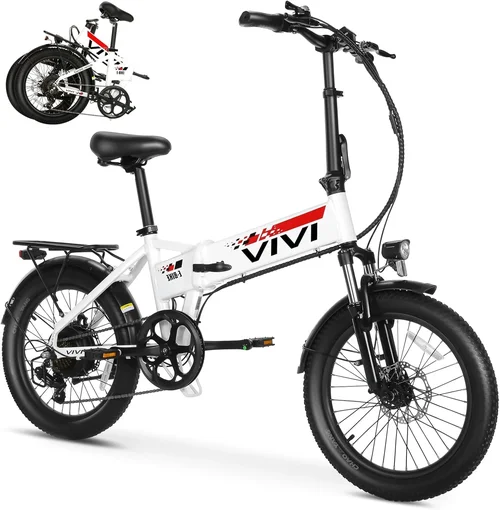
E-bikes are heavier than traditional bikes—typically 40–70 pounds—so size and portability are important considerations. If you plan to store your e-bike in an apartment, take it on public transit, or carry it upstairs, look for a foldable model. Brands like Swagtron, ANCHEER, and Lectric offer compact, foldable e-bikes that are easy to transport and store.
Frame size also affects ride comfort. Most e-bikes come in small, medium, and large sizes, so choose one that matches your height and inseam. A properly sized bike ensures better control, reduces strain, and improves safety. Test ride if possible, or refer to the manufacturer’s sizing chart. For taller or heavier riders, look for models with extended weight capacities (up to 300+ lbs) and reinforced frames.
8. User Reviews & Ratings
Never underestimate the power of customer feedback. Amazon reviews provide real-world insights into how an e-bike performs over time. Look for reviews with photos or videos, as they’re more likely to be genuine. Pay attention to recurring themes—if multiple users mention poor battery life, weak brakes, or flimsy construction, it’s a red flag.
However, be cautious of fake reviews. Look for verified purchase tags and avoid products with overwhelmingly positive reviews posted in a short time frame. Also, read both 5-star and 1-star reviews to get a balanced perspective. A product with a 4.2-star average and detailed, thoughtful reviews is often more trustworthy than one with a 4.8-star rating but only a few generic comments.
Different Types of E-Bikes
Common Buying Mistakes to Avoid
❌ Mistake: Ignoring Local E-Bike Laws
Why it’s bad: E-bike regulations vary by state and city. In the U.S., e-bikes are classified into three categories based on speed and throttle use. Riding a Class 3 e-bike (which can reach 28 mph) on bike paths where they’re prohibited can result in fines or confiscation.
What to do instead: Research your local laws before buying. Most states follow the three-class system, but some have additional restrictions. Choose a bike that complies with your area’s rules, and always wear a helmet for safety.
❌ Mistake: Overlooking Battery Range Claims
Why it’s bad: Manufacturers often advertise maximum range under ideal conditions—flat terrain, light rider, lowest assist level. In real-world use, range can be 30–50% lower due to hills, wind, and higher assist usage.
What to do instead: Take range claims with a grain of salt. Look for independent reviews that test real-world range. If you need to travel 20 miles daily, choose a bike with a rated range of at least 35–40 miles to account for variables.
❌ Mistake: Buying Based on Price Alone
Why it’s bad: The cheapest e-bikes often use low-quality motors, weak batteries, and flimsy frames. They may break down quickly, lack safety features, and be difficult to repair.
What to do instead: Focus on value, not just cost. A $1,200 e-bike with a reliable motor, good battery, and solid warranty is often a better long-term investment than a $600 model that fails within a year.
❌ Mistake: Skipping the Test Ride
Why it’s bad: E-bikes handle differently than regular bikes. A model that looks great online might feel uncomfortable, too heavy, or poorly balanced in person.
What to do instead: If possible, visit a local dealer to test ride similar models. If buying online, choose retailers with generous return policies (like Amazon’s 30-day window) so you can return the bike if it doesn’t fit your needs.
❌ Mistake: Neglecting Maintenance Requirements
Why it’s bad: E-bikes require regular maintenance—brake adjustments, tire checks, chain lubrication, and battery care. Ignoring these can lead to unsafe riding conditions and costly repairs.
What to do instead: Learn basic maintenance or find a local bike shop that services e-bikes. Keep a maintenance schedule and store your battery properly (not in extreme temperatures).
❌ Mistake: Assuming All Amazon Sellers Are Equal
Why it’s bad: Some third-party sellers on Amazon are unauthorized dealers or resellers with poor customer service. Buying from them can void warranties or make returns difficult.
What to do instead: Always check the seller’s name and ratings. Prefer “Sold by Amazon” or authorized dealers. Read the return policy carefully before purchasing.
❌ Mistake: Forgetting About Insurance
Why it’s bad: E-bikes can cost thousands of dollars and are attractive targets for theft. Without insurance, you could lose your investment overnight.
What to do instead: Consider adding your e-bike to your homeowner’s or renter’s insurance policy, or purchase specialized e-bike insurance. Use a high-quality lock and register your bike with a tracking service if available.
Budget Guidelines: How Much Should You Spend?
- Entry-Level ($500 – $900): These e-bikes are best for occasional riders or those on a tight budget. Expect basic components, limited range (15–25 miles), and minimal features. Brands like ANCHEER and Swagtron offer models in this range, but build quality and longevity may be compromised. Ideal for short commutes or recreational use.
- Mid-Range ($900 – $1,800): This is the sweet spot for most buyers. You’ll find reliable motors (500W–750W), decent batteries (400–600Wh), and better build quality. Brands like Rad Power Bikes, Aventon, and Lectric dominate this category with models that balance performance, comfort, and value. These bikes are suitable for daily commuting, light trails, and longer rides.
- Premium ($1,800 – $3,000): For enthusiasts and serious riders, premium e-bikes offer top-tier components, advanced features, and superior durability. Expect hydraulic disc brakes, full suspension, high-capacity batteries (600Wh+), and smart connectivity. Models from Himiway, QuietKat, and Specialized fall here. These are ideal for off-road adventures, long-distance touring, or heavy daily use.
- Luxury ($3,000+): At this level, you’re paying for cutting-edge technology, premium materials, and brand prestige. These bikes often feature carbon frames, integrated lighting systems, GPS, and app-based ride tracking. While impressive, they may be overkill for casual users. Best for tech-savvy riders or those who want the absolute best.
Expert Tips for Getting the Best Deal
- Shop During Sales Events: Amazon Prime Day, Black Friday, and end-of-season sales often feature significant discounts on e-bikes. Sign up for deal alerts or follow your favorite brands on social media to stay informed.
- Compare Prices Across Platforms: Just because a bike is on Amazon doesn’t mean it’s the best price. Check the manufacturer’s website, local bike shops, and other online retailers. Sometimes, buying direct includes free shipping or bonus accessories.
- Look for Bundles and Promotions: Some sellers offer package deals—bike + helmet + lock + lights—at a discounted rate. These can save you money compared to buying items separately.
- Check Return and Exchange Policies: Make sure the seller offers at least a 30-day return window. This gives you time to test the bike and return it if it doesn’t meet your expectations.
- Read the Fine Print on Warranties: Understand what’s covered and for how long. Some warranties require registration within 30 days of purchase—don’t miss the deadline.
- Consider Refurbished or Open-Box Models: Amazon Renewed offers certified refurbished e-bikes at lower prices, often with the same warranty as new models. These can be a great way to save money without sacrificing quality.
- Use Amazon’s “Save for Later” Feature: If you’re not ready to buy, add the bike to your wishlist and monitor price drops. Amazon sometimes sends discount alerts for saved items.
- Leave a Review After Purchase: Not only does this help other buyers, but some brands offer discounts or free accessories in exchange for honest feedback.

Frequently Asked Questions
Q: Are e-bikes legal on bike paths?
A: In most U.S. states, Class 1 and Class 2 e-bikes are allowed on bike paths, but Class 3 (28 mph) may be restricted. Always check local regulations, as rules vary by city and trail type.
Q: How long do e-bike batteries last?
A: Most lithium-ion e-bike batteries last 500–1,000 charge cycles, which translates to 3–5 years of regular use. Proper care—avoiding extreme temperatures and not draining to 0%—can extend lifespan.
Q: Can I ride an e-bike in the rain?
A: Yes, most e-bikes are water-resistant and can handle light rain. However, avoid submerging the battery or motor, and dry the bike after wet rides to prevent corrosion.
Q: Do I need a license to ride an e-bike?
A: In most states, no license is required for Class 1 and Class 2 e-bikes. Class 3 may require a helmet and have age restrictions. Check your local DMV for specifics.
Q: How fast can e-bikes go?
A: Class 1 and Class 2 e-bikes are limited to 20 mph, while Class 3 can reach 28 mph. Some off-road or modified models can go faster, but this may violate local laws.
Q: Can I pedal an e-bike without battery power?
A: Yes, e-bikes function like regular bikes when the battery is dead or turned off. However, they are heavier, so pedaling requires more effort.
Q: Are e-bikes worth the investment?
A: For many people, yes. E-bikes reduce transportation costs, improve fitness, and offer a fun, eco-friendly way to travel. If you ride regularly, the savings on gas, parking, and public transit can justify the upfront cost.
Q: How do I charge an e-bike battery?
A: Most e-bikes come with a charger that plugs into a standard wall outlet. Charging typically takes 4–6 hours. Remove the battery for charging if possible, and avoid overcharging.
Q: What’s the difference between pedal assist and throttle?
A: Pedal assist provides motor power only when you’re pedaling, while throttle lets you ride without pedaling (like a scooter). Class 1 has pedal assist only; Class 2 has both.
Q: Can I upgrade my e-bike’s battery?
A: Some models allow battery upgrades, but compatibility varies. Check with the manufacturer before purchasing a higher-capacity battery, as it may affect warranty or performance.
Our Final Recommendations
- Best for Budget-Conscious Buyers: Lectric XP 3.0 – At under $1,000, this folding e-bike offers impressive value with a 750W motor, 45+ mile range, and solid build quality. Perfect for city commuting and easy storage.
- Best Overall Value: Rad Power Bikes RadCity 5 Plus – A top-rated commuter e-bike with a powerful motor, long-range battery, integrated lights, and a comfortable ride. Priced around $1,600, it’s a reliable workhorse for daily use.
- Best Premium Option: Himiway Cobra Pro – This fat-tire e-bike features a 1,000W motor, 84V battery, and full suspension, making it ideal for off-road adventures. At $2,500, it’s built for power and durability.
- Best for Beginners: Aventon Pace 350 – With a step-through frame, intuitive controls, and a smooth ride, this e-bike is perfect for new riders. It’s lightweight, affordable (~$1,200), and easy to handle.
- Best for Advanced Users: Specialized Turbo Vado SL 5.0 – A high-performance e-bike with a lightweight carbon frame, smart connectivity, and exceptional range. At $3,500+, it’s designed for serious cyclists who demand the best.
Conclusion: Making the Right Choice
Choosing the right e-bike is about more than just specs and price—it’s about finding a bike that fits your lifestyle, needs, and budget. Whether you’re commuting through the city, exploring mountain trails, or simply enjoying weekend rides, the perfect e-bike is out there. By considering factors like performance, build quality, features, and brand reputation, you can avoid common pitfalls and make a confident purchase.
Remember, the best e-bike is the one you’ll actually ride. Don’t get caught up in chasing the highest specs or the lowest price. Instead, focus on what matters most to you—comfort, range, portability, or power—and choose accordingly. Take advantage of Amazon’s vast selection, but always do your research, read reviews, and understand the return policy.
With the right e-bike, you’ll not only save money and reduce your carbon footprint, but you’ll also rediscover the joy of riding. So gear up, charge up, and hit the road—your next adventure awaits.