
Dirt biking is more than just a thrilling outdoor activity—it’s a rite of passage for many teens, offering a unique blend of adventure, skill development, and confidence-building. For a 14-year-old, choosing the right dirt bike isn’t just about picking the coolest-looking machine; it’s about finding a safe, reliable, and appropriately sized ride that matches their experience level, physical build, and riding goals. Whether your teen is a complete beginner eager to hit the trails or has some experience and is ready to level up, this comprehensive buying guide will help you navigate the complex world of youth dirt bikes with confidence.
In this guide, we’ll walk you through every critical factor to consider when selecting the best dirt bike for a 14-year-old in 2026. From understanding engine sizes and frame geometry to evaluating safety features and brand reliability, we’ve done the research so you don’t have to. You’ll learn how to balance performance with safety, how much to realistically budget, and what common pitfalls to avoid—like buying a bike that’s too powerful or too big. We’ll also break down the different types of dirt bikes available, compare top models across price ranges, and share expert tips to help you get the best value for your investment. By the end, you’ll have all the knowledge needed to make an informed, smart decision that keeps your teen safe, excited, and riding for years to come.
The dirt bike market in 2026 is more diverse and competitive than ever, with manufacturers offering everything from lightweight electric starters to high-performance two-strokes designed specifically for young riders. Brands like Honda, Yamaha, Kawasaki, KTM, and Husqvarna continue to dominate the youth segment, but newer entrants like Beta and GasGas are gaining traction with innovative designs and eco-friendly options. Electric dirt bikes are also surging in popularity, offering quiet operation, low maintenance, and instant torque—perfect for beginners and environmentally conscious families. With so many choices, it’s easy to feel overwhelmed. That’s why this guide focuses not just on listing models, but on teaching you how to evaluate what truly matters for a 14-year-old rider. Whether you’re shopping online, visiting a dealership, or considering a used bike, you’ll be equipped with the tools to choose wisely.
What to Look for When Buying a Dirt Bike for a 14-Year-Old
1. Engine Size and Power Output
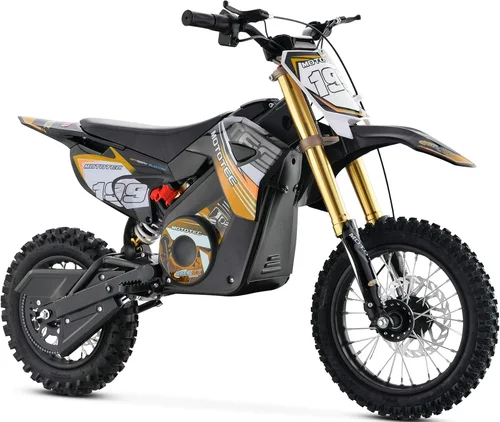
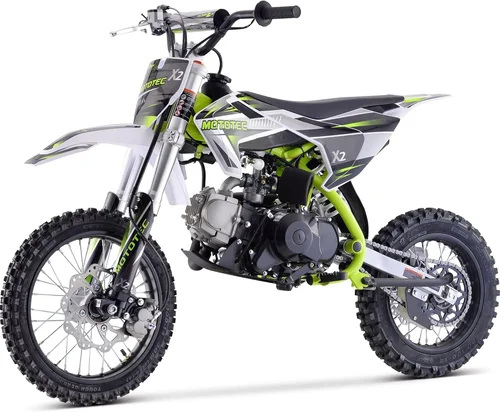
One of the most critical factors when selecting a dirt bike for a 14-year-old is engine displacement, typically measured in cubic centimeters (cc). For this age group, the ideal range is between 85cc and 150cc. Bikes in the 85cc to 110cc range are perfect for beginners or smaller teens who are still building confidence and control. These engines provide enough power to learn proper technique without overwhelming the rider. As teens gain experience and physical strength, they can transition to 125cc or 150cc models, which offer more torque and top speed while still remaining manageable for younger riders.
It’s important to avoid oversized engines—especially 250cc or higher—as they can be dangerous for inexperienced teens. High horsepower and aggressive throttle response increase the risk of loss of control, especially on loose terrain or during sudden maneuvers. Instead, look for bikes with smooth power delivery and progressive throttle response. Many modern youth bikes come with adjustable power valves or power modes that allow parents to limit output as needed. For example, some 125cc models offer a “beginner mode” that reduces peak horsepower by up to 30%, giving new riders time to adapt.
2. Seat Height and Frame Geometry
Proper fit is essential for safety and control. A bike that’s too tall can make it difficult for a teen to touch the ground when stopped, increasing the risk of tipping over. Conversely, a bike that’s too small may feel unstable at higher speeds. For most 14-year-olds, a seat height between 30 and 34 inches is ideal. This range allows riders to plant both feet flat on the ground while seated, which boosts confidence and improves balance.
Frame geometry also plays a role in how a bike handles. Look for models with a lower center of gravity and a balanced wheelbase—typically around 50 to 54 inches. These features enhance stability, especially on uneven terrain. Many youth-specific bikes feature narrower frames and shorter reach distances, making them easier to control for smaller riders. When possible, have your teen sit on the bike before purchasing. They should be able to reach the handlebars comfortably without leaning forward excessively, and their knees should have a slight bend when standing on the footpegs.
3. Suspension and Handling
Suspension quality directly affects ride comfort, traction, and safety. For a 14-year-old, a bike with adjustable front forks and a rear shock absorber is ideal. Entry-level models often come with basic coil spring suspensions, while mid-range and premium bikes feature inverted forks and linkage-type rear suspensions for better damping and responsiveness.
Look for suspension travel in the range of 8 to 10 inches front and rear. This provides enough cushioning for jumps, ruts, and rocky trails without being too stiff or too soft. Adjustable preload and rebound damping are bonuses that allow you to fine-tune the suspension based on your teen’s weight and riding style. For example, a lighter rider may need less preload to prevent the bike from sitting too high, while a heavier rider might require more support to avoid bottoming out.
Handling is also influenced by wheel size. Most youth bikes use 17-inch front and 14-inch rear wheels, which offer a good balance of agility and stability. Some models come with 19-inch front wheels for better obstacle clearance, but these may be harder for shorter riders to manage. Always consider the type of terrain your teen will ride on—trail bikes prioritize comfort and control, while motocross bikes are built for speed and jumps.
4. Weight and Portability
A lighter bike is easier to control, especially for younger or less physically strong riders. For a 14-year-old, aim for a dry weight between 140 and 180 pounds. Bikes under 150 pounds are ideal for beginners, as they’re easier to pick up after a fall and less intimidating to maneuver. Heavier bikes (180+ pounds) may offer more stability at speed but can be challenging to handle in tight corners or when navigating technical sections.
Portability matters too—especially if you plan to transport the bike frequently. Look for models with a low center of gravity and ergonomic grab handles. Some bikes come with built-in tie-down points or optional transport kits. If you’re loading the bike into a truck or trailer, consider the ease of access and whether you’ll need a ramp. Electric dirt bikes often have an advantage here, as many are designed with removable batteries and compact frames for easier storage and transport.
5. Safety Features and Build Quality
Safety should never be compromised. Look for bikes with reliable braking systems—dual disc brakes (front and rear) are standard on most modern youth models. Hydraulic brakes offer better modulation and stopping power than mechanical ones, especially in wet or muddy conditions. Some bikes also feature brake levers with adjustable reach, allowing smaller hands to operate them comfortably.
Build quality is equally important. Check for sturdy welds, reinforced subframes, and high-quality plastics that resist cracking. Avoid no-name brands or ultra-cheap imports that may use substandard materials. Reputable manufacturers like Honda, Yamaha, and KTM undergo rigorous testing and adhere to strict safety standards. Additionally, many new models come with safety enhancements such as kill switches, tether cords, and LED lighting for better visibility.
Always ensure the bike meets current safety certifications, such as EPA compliance for emissions and CPSC guidelines for youth vehicles. If buying used, inspect the frame for cracks, check the condition of the chain and sprockets, and verify that all safety components are functional.
6. Brand Reputation and Dealer Support
Choosing a well-known brand isn’t just about prestige—it’s about reliability, parts availability, and customer support. Established manufacturers like Honda, Yamaha, Kawasaki, and KTM have decades of experience building youth dirt bikes and offer extensive dealer networks. This means easier access to service, genuine parts, and technical support.
Newer brands like Beta and GasGas are gaining popularity for their innovative designs and competitive pricing, but they may have fewer service centers. Electric bike brands like Sur Ron, Cake, and Zero are excellent for tech-savvy families but require specialized knowledge for maintenance. Before buying, research local dealerships and read customer reviews about their service quality. A bike is only as good as the support behind it—especially when something goes wrong.
Also consider the brand’s commitment to youth riding. Some companies offer training programs, safety gear bundles, or rider development camps. These extras can add significant value and help your teen build skills in a safe environment.
7. Warranty and Maintenance Requirements
A solid warranty can save you hundreds in repair costs. Most reputable brands offer a 6- to 12-month limited warranty covering parts and labor. Some premium models include extended coverage or roadside assistance. Always read the fine print—warranties often exclude wear items like tires, chains, and brake pads.
Maintenance is another key consideration. Two-stroke engines require more frequent top-end rebuilds and oil mixing, while four-strokes need regular oil changes and valve adjustments. Electric bikes have minimal maintenance—no oil, no spark plugs, no exhaust—but battery health and motor servicing are critical. For a 14-year-old, a four-stroke or electric bike is often the better choice due to lower upkeep and greater reliability.
Check the owner’s manual for service intervals and required tools. Some bikes are designed for easy access to filters and spark plugs, while others require disassembly. If you’re not mechanically inclined, choose a model with simple maintenance procedures or plan to use a professional service center.
8. User Reviews and Real-World Feedback
Never rely solely on manufacturer specs. User reviews from parents, teens, and riding communities provide invaluable insights into real-world performance, reliability, and common issues. Look for patterns in feedback—if multiple owners report the same problem (e.g., hard starting, weak suspension), it’s likely a design flaw.
Websites like ThumperTalk, Dirt Bike Magazine forums, and YouTube review channels are excellent resources. Pay attention to long-term reviews (6+ months of use) rather than first-impression videos. Also consider joining local riding groups or Facebook communities where you can ask questions and get firsthand advice.
When reading reviews, focus on aspects that matter most to your situation: ease of use, durability, resale value, and how well the bike grows with the rider. A bike that’s too advanced may frustrate a beginner, while one that’s too basic may become obsolete quickly.
Different Types of Dirt Bikes for 14-Year-Olds

Common Buying Mistakes to Avoid
❌ Mistake: Buying a Bike That’s Too Powerful
Why it’s bad: A high-powered bike can overwhelm a young rider, leading to loss of control, crashes, and serious injury. Teens may also develop bad habits like excessive throttle use or poor braking technique when the bike does too much of the work.
What to do instead: Start with a bike in the 85cc to 125cc range and upgrade as skills improve. Look for models with adjustable power settings or progressive throttle response.
❌ Mistake: Ignoring Proper Fit and Size
Why it’s bad: A bike that doesn’t fit can make it hard to reach the ground, handlebars, or controls, increasing the risk of falls and reducing confidence.
What to do instead: Have your teen sit on the bike before buying. Ensure they can touch both feet flat, reach the handlebars comfortably, and operate the controls without strain.
❌ Mistake: Choosing Based on Looks Alone
Why it’s bad: Flashy graphics and aggressive styling don’t guarantee performance or safety. Some budget bikes mimic the look of premium models but use inferior components.
What to do instead: Prioritize build quality, suspension, brakes, and brand reputation over aesthetics. A well-built bike will last longer and perform better.
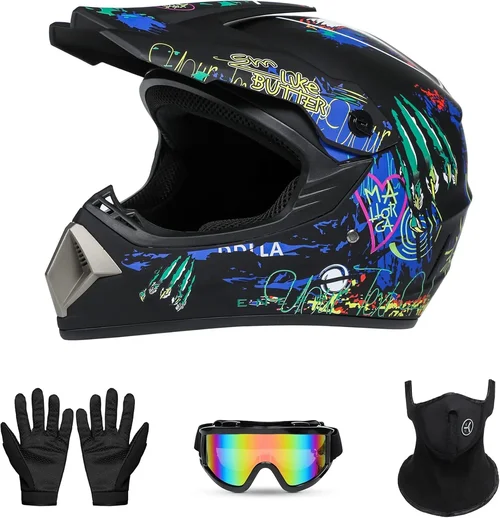
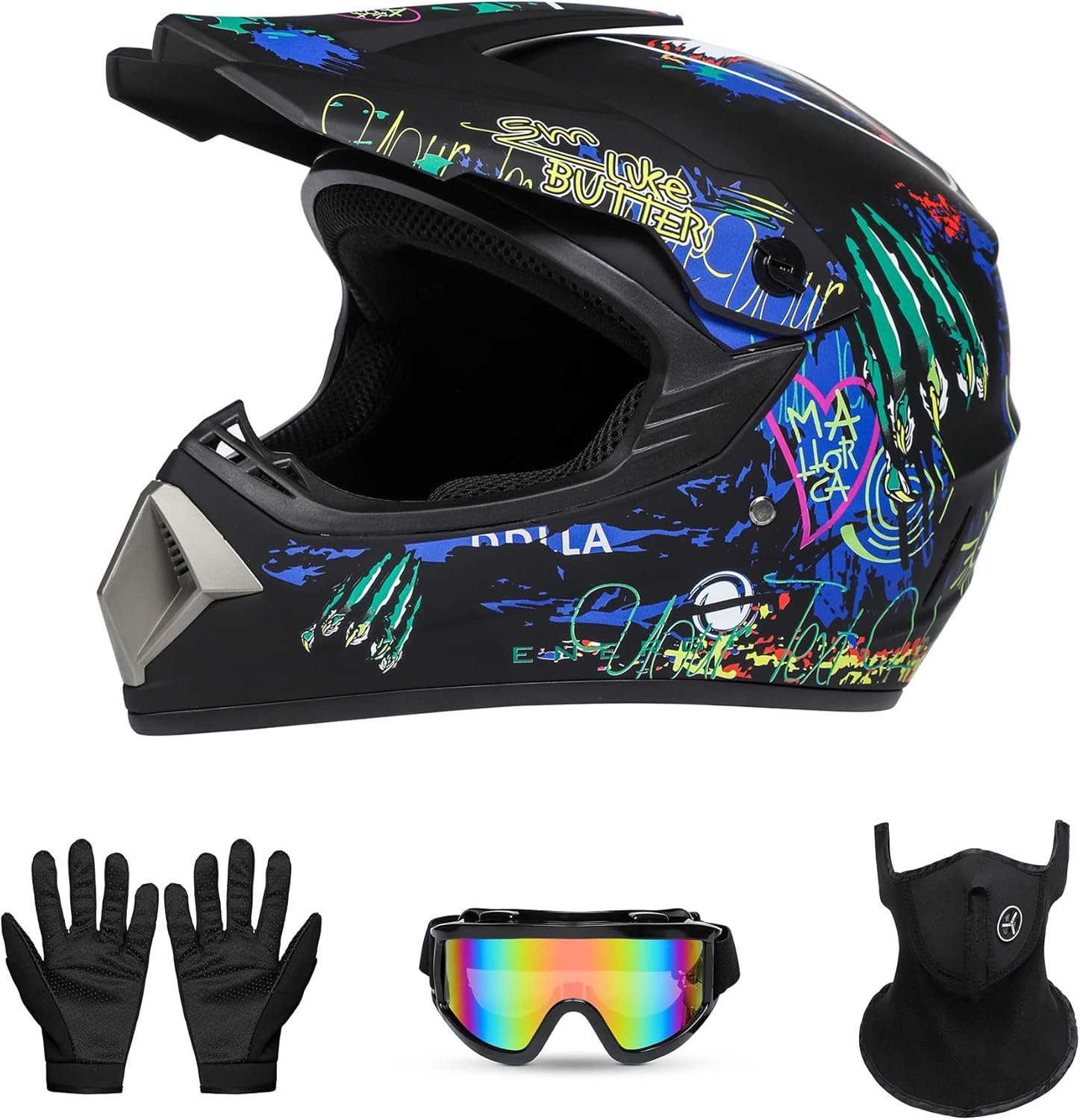
❌ Mistake: Skipping Safety Gear
Why it’s bad: Even the best bike can’t protect against injury without proper gear. Helmets, gloves, boots, and body armor are essential for safe riding.
What to do instead: Budget for a full safety kit—helmet, goggles, chest protector, knee braces, and riding boots. Look for gear with CE or DOT certification.
❌ Mistake: Buying Used Without Inspection
Why it’s bad: Used bikes may have hidden damage, worn parts, or improper maintenance history, leading to breakdowns or safety issues.
What to do instead: Always inspect a used bike thoroughly or have a mechanic do it. Check the frame, suspension, engine, and documentation. Avoid bikes with salvage titles.
❌ Mistake: Overlooking Maintenance Needs
Why it’s bad: Neglecting oil changes, air filter cleaning, or chain adjustments can lead to engine damage and costly repairs.
What to do instead: Learn basic maintenance or find a reliable service center. Choose a bike with simple upkeep requirements, especially for younger riders.
❌ Mistake: Not Considering Resale Value
Why it’s bad: Some bikes depreciate quickly or are hard to sell, making it difficult to upgrade later.
What to do instead: Stick with popular brands and models known for strong resale value, such as Honda CRF125F or Yamaha TT-R125.
Budget Guidelines: How Much Should You Spend?
When buying a dirt bike for a 14-year-old, it’s important to set a realistic budget that balances quality, safety, and long-term value. Here’s a breakdown of what to expect at different price points in 2026:
Entry-Level ($1,500 – $3,000): This range includes basic trail bikes and mini bikes from brands like Honda, Yamaha, and Kawasaki. Expect simple four-stroke engines (85cc–110cc), basic suspension, and minimal features. These bikes are ideal for beginners and casual riders. While they may lack advanced tech, they’re reliable and easy to maintain. Examples include the Honda CRF110F and Yamaha TT-R110E.
Mid-Range ($3,000 – $5,000): This is the sweet spot for most families. Bikes in this tier offer better suspension, more power (125cc), and improved build quality. Many include electric start, adjustable suspensions, and modern ergonomics. Models like the Kawasaki KLX140R and Honda CRF125F Big Ruckus fall here. These bikes grow with the rider and offer excellent resale value.
Premium ($5,000 – $7,000): Designed for serious young riders, these bikes feature high-performance engines (125cc–150cc), race-inspired suspension, and lightweight frames. Motocross models like the KTM 125 SX and Husqvarna TC 125 are common here. They’re built for competition and require more maintenance but deliver top-tier performance.
Luxury ($7,000+): At this level, you’re looking at top-of-the-line motocross bikes, high-end electric models, or custom builds. These bikes offer cutting-edge technology, premium materials, and professional-grade components. While impressive, they’re often overkill for most teens and come with steep maintenance costs.
Expert Tips for Getting the Best Deal
Finding the right dirt bike at the right price takes strategy. Here are proven tips to help you save money and avoid regrets:
- Buy at the Right Time: Late summer and early fall are the best times to buy. Dealers often discount current-year models to make room for new inventory. You can save $500–$1,000 during seasonal sales.
- Shop Online and In-Store: Compare prices across dealerships, online retailers, and classifieds. Some dealers offer price matching, so use online quotes as leverage.
- Consider Certified Pre-Owned: Many dealerships offer certified used bikes with warranties and inspections. These can be 20–30% cheaper than new models with minimal risk.
- Negotiate Extras: Ask for free gear, service packages, or extended warranties. Dealers often include these to close a sale.
- Check for Rebates and Incentives: Manufacturers occasionally offer cash rebates, low-interest financing, or trade-in bonuses. Visit brand websites for current promotions.
- Test Ride Before Buying: Always test ride if possible. Pay attention to comfort, throttle response, and braking. A short ride can reveal issues not visible in photos.
- Read the Fine Print: Understand warranty terms, return policies, and financing conditions. Avoid high-interest loans or contracts with hidden fees.
- Join a Riding Community: Local clubs often share deals, trade bikes, or organize group buys for discounts.

Frequently Asked Questions
Q: What size dirt bike is best for a 14-year-old?
A: Most 14-year-olds do well on 85cc to 125cc bikes. Choose based on height, weight, and experience—not age. A seat height of 30–34 inches is ideal for proper control.
Q: Should I buy a two-stroke or four-stroke?
A: Four-strokes are better for beginners due to smoother power delivery and lower maintenance. Two-strokes are lighter and more powerful but require more skill and upkeep.
Q: Are electric dirt bikes safe for teens?
A: Yes, electric bikes are excellent for teens. They’re quiet, easy to control, and have instant torque. Models like the Sur Ron LBX and Cake Kalk are popular choices.
Q: Can a 14-year-old ride on public trails?
A: It depends on local laws. Many states require helmets, registration, and age restrictions. Check with your state’s DMV or parks department for regulations.
Q: How often should a dirt bike be serviced?
A: Basic maintenance (oil, air filter, chain) should be done every 5–10 hours of riding. Major services (valve adjustments, top-end rebuilds) vary by engine type.
Q: Is it better to buy new or used?
A: New bikes come with warranties and peace of mind. Used bikes save money but require careful inspection. Certified pre-owned is a great middle ground.
Q: What safety gear is essential?
A: A DOT-approved helmet, goggles, gloves, boots, chest protector, and knee braces are must-haves. Avoid cheap gear—invest in quality protection.
Q: How long will a youth dirt bike last?
A: With proper maintenance, a good bike can last 5–10 years. Four-strokes and electric models tend to have longer lifespans than two-strokes.
Q: Can a 14-year-old ride a full-size bike?
A: Generally no. Full-size bikes (250cc+) are too heavy and powerful. Stick to youth-specific models designed for smaller riders.
Q: What’s the best brand for a first dirt bike?
A: Honda, Yamaha, and Kawasaki are top choices for reliability and support. Their youth models are proven performers with strong resale value.
Our Final Recommendations
Best for Budget-Conscious Buyers: Honda CRF110F – Reliable, easy to ride, and affordable. Perfect for beginners with its automatic clutch and low maintenance.
Best Overall Value: Yamaha TT-R125LE – Great suspension, electric start, and street-legal options. A versatile bike that grows with the rider.
Best Premium Option: KTM 125 SX – Lightweight, race-ready, and packed with performance features. Ideal for competitive teens.
Best for Beginners: Kawasaki KLX110R – Simple, durable, and fun. Excellent for learning the basics without overwhelming power.
Best for Advanced Users: Husqvarna TC 125 – High-performance two-stroke with top-tier suspension and handling. Built for serious riders.
Conclusion: Making the Right Choice
Choosing the best dirt bike for a 14-year-old is a decision that balances safety, performance, and long-term value. By focusing on proper fit, engine size, build quality, and brand reputation, you can find a bike that keeps your teen safe while fueling their passion for riding. Avoid common pitfalls like overspending on power or neglecting safety gear, and always prioritize real-world feedback over marketing claims.
Remember, the right bike isn’t just about today—it’s about building skills, confidence, and a lifelong love for the sport. Whether your teen is hitting the trails for the first time or aiming for the podium, the perfect dirt bike is out there. Use this guide to make an informed choice, and enjoy the journey together.
Ready to ride? Start by test riding a few models, talking to local dealers, and joining a riding community. The adventure begins now.