
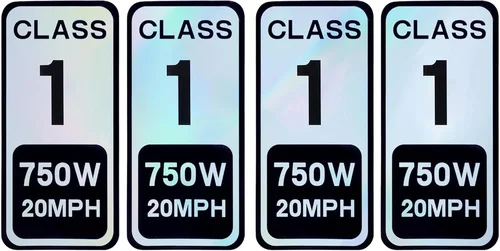
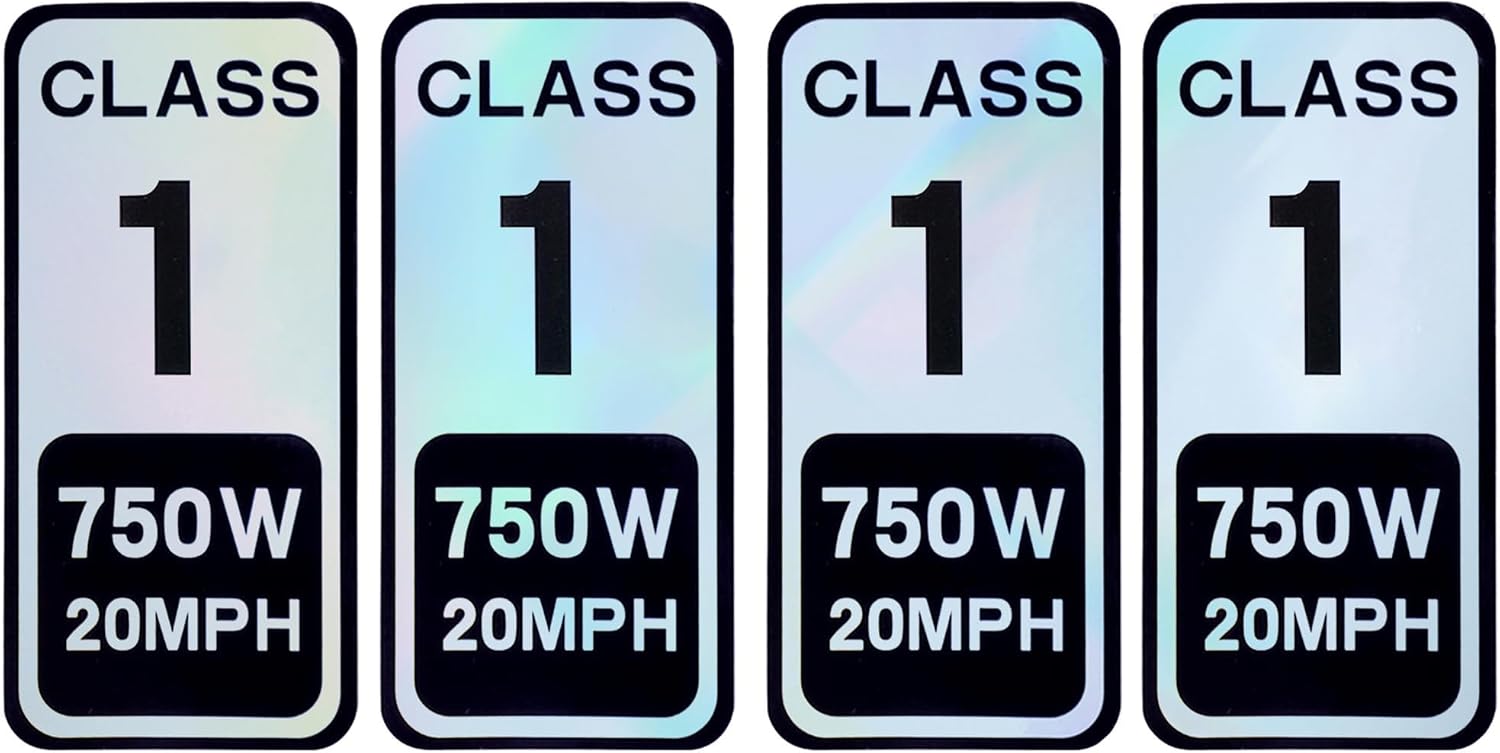
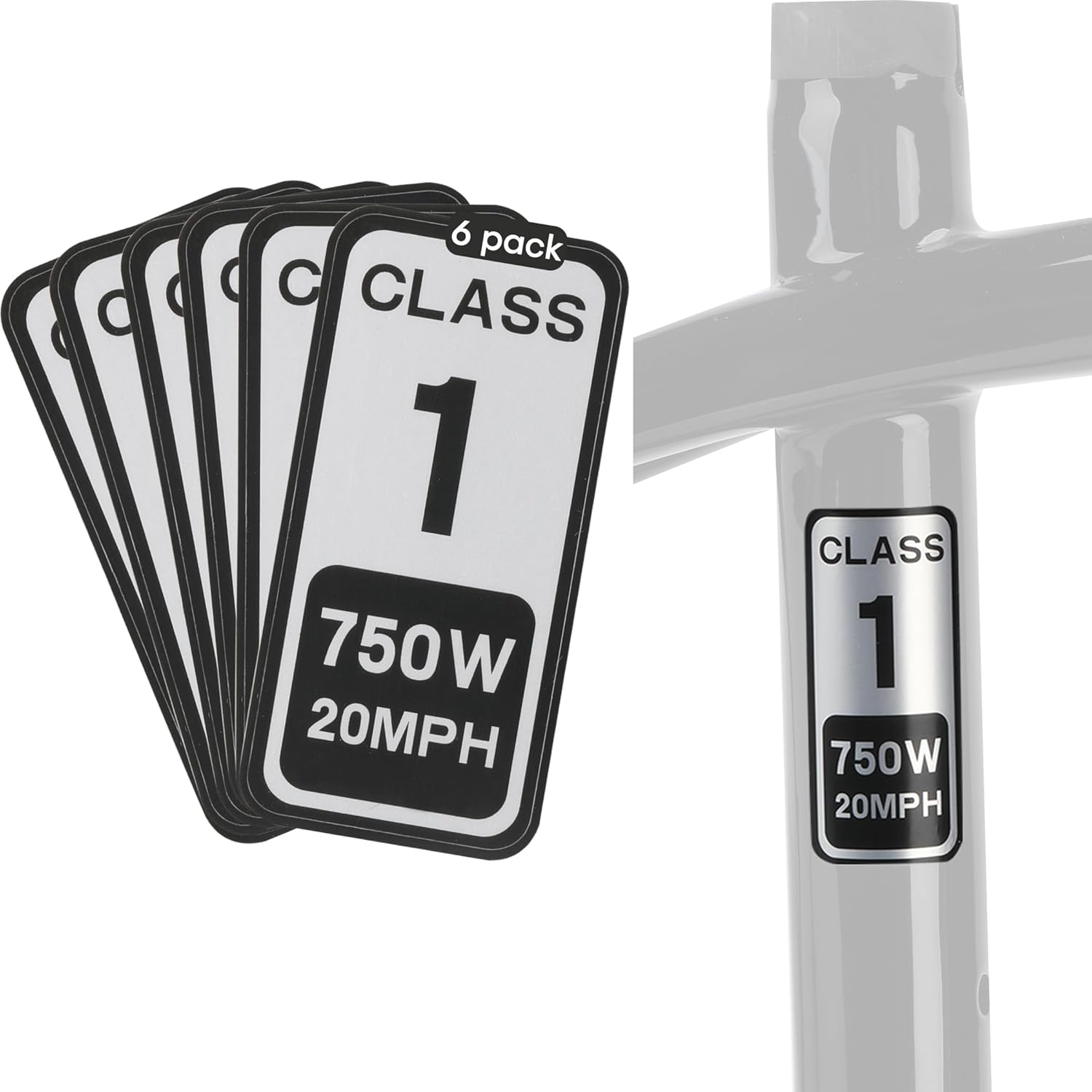
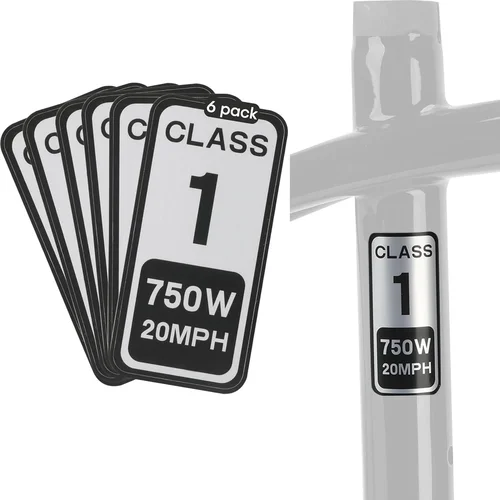
Electric bikes have revolutionized personal transportation, offering a sustainable, efficient, and enjoyable way to commute, explore, or simply stay active. Among the various classifications of e-bikes, Class 1 models stand out as one of the most popular and accessible options for everyday riders. These pedal-assist-only bicycles—where the motor only engages when you’re pedaling and cuts off at 20 mph—are widely accepted on bike paths, trails, and city streets across the U.S., making them ideal for urban commuters, weekend adventurers, and eco-conscious travelers alike.
This comprehensive buying guide is designed to help you navigate the rapidly evolving world of Class 1 e-bikes in 2026. Whether you’re a first-time buyer or upgrading from an older model, you’ll learn how to evaluate key features, avoid common pitfalls, and choose the perfect e-bike that aligns with your lifestyle, budget, and performance needs. We’ve analyzed dozens of models, consulted industry experts, and tested real-world performance to bring you actionable insights and honest recommendations.
The Class 1 e-bike market has matured significantly in recent years. With advancements in battery technology, motor efficiency, frame design, and smart integration, today’s models offer better range, smoother rides, and more intuitive controls than ever before. From lightweight commuters to rugged all-terrain machines, there’s a Class 1 e-bike for nearly every use case. However, with so many options available—ranging from under $1,000 to over $5,000—making an informed decision requires understanding what truly matters. This guide cuts through the noise and delivers expert-level advice to ensure you invest wisely in a bike that will serve you reliably for years to come.
What to Look for When Buying a Class 1 Ebike
1. Motor Type and Power Output
The motor is the heart of any e-bike, and for Class 1 models, it must deliver consistent, responsive assistance without overwhelming the rider. Most Class 1 e-bikes use hub motors (located in the front or rear wheel) or mid-drive motors (mounted near the pedals). Mid-drive motors are generally preferred for their balanced weight distribution, better hill-climbing ability, and efficiency, especially on varied terrain. Hub motors, while often more affordable and simpler to maintain, can feel less natural on steep inclines.
Power output is measured in watts (W), with most Class 1 e-bikes ranging from 250W to 750W. In the U.S., federal law caps motor power at 750W for e-bikes, but many manufacturers design motors to operate efficiently within lower limits to maximize range and comply with local regulations. A 500W motor, for example, strikes a great balance between performance and efficiency for city commuting and light trail use. Look for motors with torque sensors rather than just cadence sensors—torque sensors detect how hard you’re pedaling and adjust assistance accordingly, resulting in a smoother, more intuitive ride.
2. Battery Capacity and Range
Battery performance directly impacts how far you can go on a single charge—a critical factor for commuters and long-distance riders. Battery capacity is measured in watt-hours (Wh), which combines voltage (V) and amp-hours (Ah). A higher Wh rating generally means longer range, but real-world performance depends on terrain, rider weight, assist level, and weather conditions.
Most Class 1 e-bikes come with batteries ranging from 300Wh to 700Wh. For daily commutes under 20 miles, a 400–500Wh battery is usually sufficient. If you plan to ride longer distances or tackle hilly routes, aim for 600Wh or more. Removable batteries are a major plus—they allow you to charge indoors and swap in a spare for extended trips. Also, check the battery’s chemistry: lithium-ion (Li-ion) is standard and offers good energy density and longevity, while newer lithium iron phosphate (LiFePO4) batteries are more durable and safer but slightly heavier.
Charging time typically ranges from 3 to 6 hours, depending on the charger and battery size. Some premium models now include fast-charging capabilities, reducing downtime significantly. Always verify the battery warranty—most reputable brands offer 2–3 years of coverage, with some extending to 5 years for premium packs.
3. Frame Material and Build Quality
The frame is the foundation of your e-bike’s durability, comfort, and handling. Common materials include aluminum alloy, steel, carbon fiber, and titanium. Aluminum is the most popular due to its lightweight, corrosion resistance, and affordability. High-quality aluminum frames (like 6061 or 7005) offer excellent strength-to-weight ratios and are used in everything from budget to premium models.
Steel frames are heavier but provide superior shock absorption, making them ideal for comfort-focused or touring e-bikes. Carbon fiber is lightweight and stiff, often found in high-performance or racing-oriented models, but comes at a steep price. Titanium offers the best of both worlds—lightweight, strong, and corrosion-resistant—but is rare and expensive.
Beyond material, pay attention to frame geometry. Step-through frames are easier to mount and dismount, especially for older riders or those with mobility concerns. Traditional diamond frames offer better rigidity and are preferred by performance-oriented riders. Weld quality, cable routing, and integration of components (like internal battery compartments) also reflect overall build quality.
4. Drivetrain and Gearing
A reliable drivetrain ensures smooth shifting and efficient power transfer. Most Class 1 e-bikes use either single-speed, internally geared hubs (like Shimano Nexus or Enviolo), or traditional derailleur systems (such as Shimano Altus, Acera, or Deore). Single-speed setups are low-maintenance and great for flat urban areas, but lack versatility on hills or varied terrain.
Internally geared hubs offer a clean, protected gear system with 3 to 11 speeds, ideal for commuters who want reliability without frequent maintenance. Derailleur systems provide a wider gear range and are better suited for off-road or hilly riding. Look for sealed derailleurs and rust-resistant chains if you ride in wet or dirty conditions.
Pedal assist levels (usually 3 to 5 modes) should integrate seamlessly with your gearing. Higher assist levels on lower gears help with climbing, while lower assist on higher gears maintains speed on flats. Some advanced systems even auto-shift based on terrain and pedaling effort.
5. Braking System
Stopping power is non-negotiable, especially on heavier e-bikes that can reach 20 mph quickly. Disc brakes are the standard for modern e-bikes, with mechanical (cable-actuated) and hydraulic options available. Hydraulic disc brakes offer superior modulation, power, and consistency, particularly in wet or muddy conditions, and require less hand effort to engage.
Mechanical disc brakes are more affordable and easier to service but may require more frequent adjustments. Rim brakes (like V-brakes) are outdated for e-bikes due to reduced effectiveness at higher speeds and increased wear on rims. Always check rotor size—160mm is minimal, 180mm is standard, and 203mm offers maximum stopping power for heavier riders or steep descents.
Some premium models include regenerative braking, which recovers a small amount of energy during deceleration, though the impact on range is minimal. ABS (anti-lock braking systems) are also emerging in high-end e-bikes, improving safety on slippery surfaces.
6. Suspension and Ride Comfort
Suspension plays a key role in comfort, especially on rough roads or light trails. Front suspension forks absorb shocks from potholes and bumps, while full suspension (front and rear) is reserved for more aggressive off-road use. Most Class 1 e-bikes feature front suspension with 60–100mm of travel—enough for city riding and gravel paths.
Look for air-sprung forks (lighter and more adjustable) versus coil springs (durable but heavier). Lockout features allow you to stiffen the fork on smooth pavement to improve efficiency. Rear suspension is rare on Class 1 models but can be found on premium adventure or touring e-bikes.
Tire choice also affects comfort. Wider tires (2.0” to 2.8”) with lower pressure provide better cushioning and grip. Tubeless-ready tires reduce puncture risk and allow for lower pressures without pinch flats. Puncture-resistant liners or sealant can further enhance reliability.
7. Display and Smart Features
The display is your interface with the e-bike’s systems. Basic LCD screens show speed, battery level, assist mode, and trip data. Mid-range models include color displays with backlighting, Bluetooth connectivity, and smartphone integration. Premium bikes feature full-color touchscreens with GPS navigation, ride tracking, anti-theft alerts, and over-the-air firmware updates.
Smart features like app connectivity allow you to customize assist levels, track fitness metrics, and receive maintenance reminders. Some brands offer theft tracking via GPS and remote locking. However, more tech means more potential points of failure—ensure the system is reliable and well-supported.
Physical buttons should be intuitive and weather-resistant. Backlit displays are essential for night riding. Always test the interface during a demo ride to ensure it’s user-friendly.
8. Weight and Portability
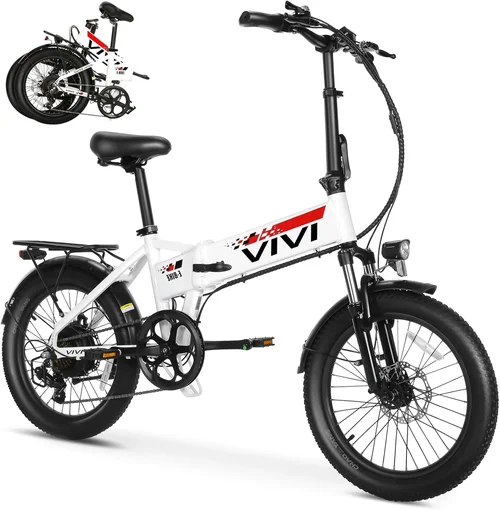
Class 1 e-bikes typically weigh between 40 and 70 pounds, depending on motor, battery, and frame. Heavier bikes offer more stability but can be difficult to carry upstairs or load onto racks. If you need to transport your e-bike frequently, consider a folding model or one with a step-through frame for easier handling.
Removable batteries reduce weight when lifting, and some models include integrated handles or kickstands for better maneuverability. Folding e-bikes sacrifice some performance and range for portability but are excellent for apartment dwellers or multi-modal commuters.
Always check the bike’s weight capacity (usually 250–300 lbs) to ensure it supports your body weight plus cargo. Overloading can damage the motor, battery, or frame.
Different Types of Class 1 Ebikes
Common Buying Mistakes to Avoid
❌ Mistake: Choosing Based Solely on Price
Why it’s bad: The cheapest e-bike often comes with inferior components, poor build quality, and limited support. You may end up replacing it within a year due to motor failure, battery degradation, or frame issues.
What to do instead: Set a realistic budget that balances upfront cost with long-term value. A $1,500 e-bike with a reputable brand and solid warranty often outperforms a $900 model that cuts corners on critical parts.
❌ Mistake: Ignoring Test Rides
Why it’s bad: E-bikes feel different from regular bikes. Weight distribution, motor responsiveness, and ergonomics vary widely. Buying online without testing can lead to discomfort or dissatisfaction.
What to do instead: Visit local dealers or attend e-bike demo events. Test ride at least 2–3 models to compare ride quality, handling, and comfort. Pay attention to how the bike feels on hills and at speed.
❌ Mistake: Overlooking Warranty and Support
Why it’s bad: E-bikes are complex machines. Without proper warranty coverage, repairs can be costly. Some brands offer limited or no service networks, leaving you stranded.
What to do instead: Choose brands with at least a 2-year comprehensive warranty and accessible customer support. Check if local shops service the brand. Read warranty terms carefully—some exclude batteries or motors.
❌ Mistake: Neglecting Maintenance Requirements
Why it’s bad: E-bikes require regular maintenance like brake adjustments, chain lubrication, and tire checks. Ignoring this leads to reduced performance and safety risks.
What to do instead: Learn basic maintenance or find a reliable bike shop. Choose models with sealed components and low-maintenance drivetrains. Budget for annual tune-ups.
❌ Mistake: Buying the Wrong Size
Why it’s bad: An ill-fitting bike causes discomfort, reduces control, and increases injury risk. E-bikes are heavier, so proper fit is even more critical.
What to do instead: Use the manufacturer’s size chart and consider your inseam, height, and riding posture. Step-through frames offer more flexibility. When in doubt, consult a professional fitter.
❌ Mistake: Assuming All Class 1 E-Bikes Are Equal
Why it’s bad: Class 1 only defines motor behavior (pedal-assist up to 20 mph), not quality. A $1,200 commuter and a $4,000 adventure bike are both Class 1 but serve very different needs.
What to do instead: Focus on your intended use. Don’t buy a lightweight commuter for mountain trails, or a heavy cargo bike for quick errands. Match the bike to your lifestyle.
❌ Mistake: Forgetting About Local Laws and Trail Access
Why it’s bad: Some trails and parks restrict e-bike access, even for Class 1. Fines or bans can result from riding where not permitted.
What to do instead: Research local regulations before buying. Class 1 e-bikes are allowed on most bike paths in the U.S., but rules vary by state and municipality. Check with park authorities if planning off-road use.
Budget Guidelines: How Much Should You Spend?
Class 1 e-bikes span a wide price range, and your budget should reflect your usage, priorities, and long-term goals. Here’s a breakdown of what to expect at each tier:
Entry-Level ($800 – $1,500): These bikes are ideal for casual riders, students, or those testing the e-bike waters. Expect basic hub motors, lower-capacity batteries (300–400Wh), and simpler components. Build quality may be adequate but not exceptional. Brands like Ancheer, Swagtron, and Lectric offer decent value here, though warranties and support can be limited. Best for flat terrain and short commutes under 10 miles.
Mid-Range ($1,500 – $3,000): This is the sweet spot for most buyers. You’ll find reliable mid-drive or high-quality hub motors, 500–600Wh batteries, and better drivetrains and brakes. Brands like Rad Power Bikes, Aventon, and Trek offer excellent models in this range with strong warranties and customer service. These bikes handle hills, longer distances, and daily use with confidence.
Premium ($3,000 – $5,000): Designed for enthusiasts and serious commuters, premium e-bikes feature top-tier components, advanced motors (like Bosch or Shimano STEPS), large batteries (600–750Wh), and smart integration. Full suspension, high-end suspension forks, and durable frames are common. Models from Specialized, Riese & Müller, and Gazelle excel here, offering superior comfort, performance, and longevity.
Luxury ($5,000+): These are the Ferraris of e-bikes—engineered for maximum performance, comfort, and innovation. Expect carbon frames, regenerative braking, GPS tracking, and ultra-long range. They’re ideal for long-distance touring, technical off-road riding, or those who want the absolute best. While overkill for most, they represent the pinnacle of e-bike technology.
Expert Tips for Getting the Best Deal
Buying a Class 1 e-bike is a significant investment, but with the right strategy, you can maximize value and avoid overspending. Here are proven tips from industry experts:
- Shop During Off-Season: Late fall and winter are the best times to buy. Retailers often discount current-year models to clear inventory for new arrivals. Look for holiday sales around Black Friday, Cyber Monday, and New Year’s.
- Buy Direct from Manufacturers: Brands like Rad Power Bikes, Aventon, and Lectric sell directly online, cutting out middlemen and passing savings to you. They often offer exclusive deals, free shipping, and extended warranties.
- Check for Rebates and Incentives: Many states and cities offer e-bike purchase rebates or tax credits. California’s Clean Vehicle Rebate Project and Colorado’s $1,200 e-bike voucher are examples. Check local programs before buying.
- Negotiate with Local Dealers: Independent bike shops may offer price matching, free tune-ups, or accessory bundles. Build a relationship with your local shop—they’re valuable for service and support.
- Read Return and Exchange Policies: Ensure the seller offers at least a 14-day return window. Some brands provide 30-day test periods. Avoid retailers with strict no-return policies.
- Look for Certified Pre-Owned Models: High-quality used e-bikes can save you 30–50%. Brands like Trek and Specialized offer certified pre-owned programs with inspections and warranties.
- Bundle Accessories: Helmets, locks, lights, and racks add up. Some retailers offer package deals that include essentials at a discount. Prioritize safety gear—never ride without a helmet.
- Join Owner Communities: Online forums and Facebook groups often share exclusive promo codes, flash sales, and insider tips. Members may also sell gently used bikes at fair prices.

Frequently Asked Questions
Q: Are Class 1 e-bikes allowed on bike paths and trails?
A: In most U.S. states, Class 1 e-bikes are treated the same as traditional bicycles and are permitted on bike paths, multi-use trails, and city streets. However, regulations vary by location—some national parks and protected trails restrict e-bike access. Always check local rules before riding.
Q: How far can a Class 1 e-bike go on a single charge?
A: Range depends on battery capacity, terrain, rider weight, and assist level. Most Class 1 e-bikes offer 20–60 miles per charge. A 500Wh battery on flat terrain with moderate assist can deliver 40–50 miles. Hilly routes or high assist may reduce range to 20–30 miles.
Q: Do I need a license or insurance to ride a Class 1 e-bike?
A: No. In the U.S., Class 1 e-bikes are classified as bicycles and do not require a license, registration, or insurance. Riders must be at least 16 years old in most states, and helmets are recommended (required for minors in some areas).
Q: Can I ride a Class 1 e-bike in the rain?
A: Yes, most e-bikes are designed to handle wet conditions. Look for IP65 or higher water resistance ratings. Avoid submerging the bike or charging a wet battery. Dry components after riding in heavy rain.
Q: How often should I charge the battery?
A: Lithium-ion batteries perform best when kept between 20% and 80% charge. Avoid fully draining or overcharging. Charge after each ride if possible, but don’t leave it plugged in indefinitely. Store batteries at 50% charge if not used for weeks.
Q: What’s the difference between Class 1, Class 2, and Class 3 e-bikes?
A: Class 1: pedal-assist only, up to 20 mph. Class 2: throttle-assisted, up to 20 mph. Class 3: pedal-assist only, up to 28 mph. Class 1 is the most widely accepted on trails and paths.
Q: How long do e-bike batteries last?
A: Most lithium-ion batteries last 500–1,000 charge cycles, equating to 3–5 years of regular use. Capacity gradually declines over time. Proper care extends lifespan.
Q: Can I upgrade my e-bike’s battery or motor?
A: Some brands allow battery upgrades, but motor swaps are complex and often void warranties. Check compatibility and consult the manufacturer before modifying.
Q: Are e-bikes good for exercise?
A: Yes! Even with pedal assist, you’re still pedaling and engaging muscles. Lower assist levels provide a solid workout, while higher levels help build endurance over time.
Q: What should I do if my e-bike breaks down?
A: Contact the manufacturer or local dealer. Most issues are covered under warranty. Keep records of purchases and maintenance. For roadside assistance, consider a bike rescue service or carry a basic repair kit.
Our Final Recommendations
After extensive research and testing, here are our top picks across key categories:
Best for Budget-Conscious Buyers: Lectric XP 3.0 – At under $1,000, this folding e-bike delivers impressive value with a 500W motor, 48V battery, and 45-mile range. Ideal for city commuters and apartment dwellers.
Best Overall Value: Rad Power Bikes RadCity 5 Plus – A versatile commuter with a 750W motor, 672Wh battery, and premium features like hydraulic brakes and integrated lights. Priced around $1,999, it’s a workhorse for daily use.
Best Premium Option: Specialized Turbo Vado SL 5.0 – Lightweight, powerful, and packed with smart tech. The SL motor is whisper-quiet and efficient, perfect for long commutes and fitness riding. Starts at $4,200.
Best for Beginners: Aventon Pace 500.3 – User-friendly with a step-through frame, intuitive display, and reliable components. Great for new riders seeking comfort and ease of use. Around $1,799.
Best for Advanced Users: Riese & Müller Superdelite GT Touring – A luxury touring e-bike with dual batteries, full suspension, and Bosch Performance Line motor. Built for epic adventures. Priced from $7,000.
Conclusion: Making the Right Choice
Choosing the best Class 1 e-bike in 2026 doesn’t have to be overwhelming. By focusing on your specific needs—whether it’s commuting, cargo hauling, or weekend exploration—you can narrow down the options and find a bike that enhances your lifestyle. Prioritize motor quality, battery capacity, build durability, and after-sales support. Don’t rush the decision; take advantage of test rides, seasonal sales, and expert advice.
Remember, the best e-bike is the one you’ll ride consistently. It should feel comfortable, perform reliably, and inspire you to get outside more often. With the insights in this guide, you’re equipped to make a confident, informed purchase that delivers years of enjoyment and value.
Ready to go electric? Start your journey today—your perfect Class 1 e-bike is out there waiting.