
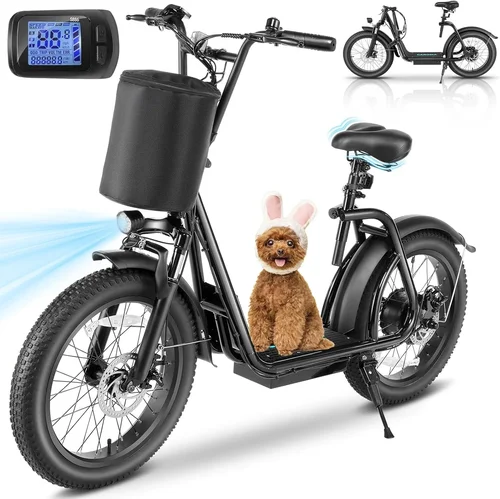
Electric bikes, or e-bikes, have revolutionized personal transportation, blending the simplicity of cycling with the power of electric assistance. Whether you’re commuting to work, exploring scenic trails, or simply looking for a more sustainable way to get around town, e-bikes offer an efficient, eco-friendly, and increasingly affordable solution. With advancements in battery technology, motor efficiency, and smart features, the e-bike market has exploded in recent years—offering more options than ever before. However, this abundance of choice can also make shopping overwhelming, especially when browsing platforms like Amazon, where hundreds of models compete for your attention.
That’s where this comprehensive guide comes in. We’ve done the research, tested the trends, and analyzed real-world user feedback to help you cut through the noise and find the best e-bike for your needs. Whether you’re a first-time buyer or upgrading from an older model, this guide will walk you through everything you need to know—from understanding key performance specs to avoiding common pitfalls. You’ll learn how to evaluate build quality, compare different e-bike types, assess value for money, and ultimately make a confident, informed decision. Our goal isn’t just to list top products—it’s to empower you with the knowledge to choose wisely, save money, and enjoy years of reliable, fun, and efficient riding.
The e-bike market in 2026 is more dynamic and competitive than ever. Major brands like Rad Power Bikes, Aventon, Lectric, and Himiway continue to innovate, while newer entrants bring fresh designs and aggressive pricing. Amazon has become a central hub for e-bike sales, offering convenience, customer reviews, and fast shipping—but also a flood of low-quality imitations and misleading listings. With prices ranging from under $500 to well over $5,000, and features spanning from basic pedal assist to full-suspension off-road capabilities, the landscape is vast. This guide will help you navigate it all, ensuring you invest in a bike that matches your lifestyle, budget, and riding goals—not just a flashy ad or a five-star rating from a suspiciously generic review.

What to Look for When Buying E-Bikes
1. Budget & Price Range
Your budget is the foundation of your e-bike purchase. It determines not only what you can afford upfront but also what kind of performance, durability, and features you’ll get in return. E-bikes on Amazon range from budget models under $600 to premium machines exceeding $4,000. While it’s tempting to go for the cheapest option, remember that e-bikes are complex machines involving motors, batteries, frames, and electronics—cutting corners often leads to poor reliability and safety risks.
A realistic budget should account for not just the bike itself but also essential accessories like helmets, locks, lights, and maintenance tools. For most riders, spending between $1,200 and $2,500 offers the best balance of quality, performance, and value. This mid-range tier typically includes reliable motors (500W–750W), decent battery life (30–60 miles per charge), and solid build materials like aluminum frames. If you’re on a tight budget, aim for at least $800–$1,000 to avoid dangerously underpowered or poorly constructed models. Conversely, if you’re planning long commutes, off-road adventures, or heavy daily use, investing $2,500+ can future-proof your purchase with higher-end components and longer warranties.
2. Performance Specifications
Performance specs are the heart of any e-bike. They determine how fast, how far, and how smoothly your bike will ride. The three most critical performance metrics are motor power, battery capacity, and range.
Motor Power: Measured in watts (W), motor power affects acceleration, hill-climbing ability, and top speed. Most e-bikes on Amazon fall into the 250W–750W range. In the U.S., Class 1 and Class 2 e-bikes are limited to 750W (1 hp) and a top assisted speed of 20 mph. A 500W motor is sufficient for flat city riding, while 750W is ideal for hilly terrain or heavier riders. Avoid anything below 250W unless you’re only using it for light assistance on flat paths.
Battery Capacity: Measured in watt-hours (Wh), battery capacity determines how long you can ride before recharging. A 48V 10Ah battery, for example, delivers 480Wh. Higher Wh means longer range. Look for lithium-ion batteries (Li-ion or LiPo) as they’re lighter, longer-lasting, and more efficient than older lead-acid types. A good rule of thumb: 400–600Wh for city commuting, 600–800Wh for longer rides or mixed terrain.
Range: This is how far you can go on a single charge. Range varies based on terrain, rider weight, assist level, and weather. Manufacturers often quote optimistic numbers—real-world range is typically 20–70% lower. A bike claiming “80 miles” might realistically deliver 40–50 miles. Always check user reviews for real range reports.
3. Build Quality & Durability
An e-bike is a significant investment, and build quality directly impacts how long it will last and how safe it will be to ride. A poorly built bike can suffer from frame cracks, loose components, or electrical failures—especially under stress from motor power and frequent use.
Start with the frame material. Aluminum alloy is the gold standard for most e-bikes—it’s lightweight, rust-resistant, and strong. Avoid steel frames unless you need extreme durability (they’re heavier). Check weld quality: smooth, consistent welds indicate better craftsmanship. Look for reinforced joints, especially around the motor mount and battery housing.
Next, examine the components: brakes, gears, suspension, and wheels. Mechanical disc brakes are acceptable for light use, but hydraulic disc brakes offer superior stopping power and control—especially important on heavier e-bikes. For gears, Shimano or SRAM drivetrains are reliable; avoid no-name or “generic” gear systems. If you plan to ride on rough terrain, a front suspension fork (or full suspension) is essential for comfort and control. Finally, check tire quality: puncture-resistant, wide tires (2.0” or more) provide better grip and cushioning.
4. Features & Functionality
Modern e-bikes come packed with features that enhance comfort, safety, and usability. While not all are essential, some can significantly improve your riding experience.
Display & Controls: A clear, backlit LCD or LED display shows speed, battery level, assist mode, and sometimes GPS or trip data. Look for intuitive controls—thumb throttles, handlebar-mounted buttons, or touchscreens. Some high-end models offer Bluetooth connectivity to smartphone apps for route tracking and diagnostics.
Pedal Assist Levels: Most e-bikes offer 3–5 levels of pedal assist (PAS), from eco (minimal boost) to turbo (maximum power). More levels give you finer control over energy use and speed. Ensure the PAS is smooth and responsive—jerky or delayed assistance can be dangerous.
Throttle: A throttle (usually a twist-grip or thumb lever) lets you ride without pedaling. Class 2 e-bikes include throttles; Class 1 do not. Throttles are great for starting from stops or climbing steep hills, but they drain the battery faster.
Lighting: Integrated front and rear lights improve visibility and safety, especially for night riding. LED lights are standard; look for models with automatic activation or brake-light features.
Fenders & Racks: These practical add-ons protect you from mud and water and allow you to carry bags or groceries. Many Amazon e-bikes include them, but check the listing carefully—some are sold separately.
5. Brand Reputation
Brand reputation matters—especially on Amazon, where third-party sellers and private-label brands can obscure the true manufacturer. Established brands like Rad Power Bikes, Aventon, Lectric, and Himiway have proven track records, better customer support, and more reliable warranties. They also tend to use higher-quality components and undergo rigorous testing.
Avoid no-name brands or models with vague descriptions like “Generic Electric Bike” or “BestEbike2026.” These are often rebranded imports with minimal quality control. Check the seller’s name: is it the brand itself or a third-party reseller? Buying directly from the brand (even on Amazon) ensures authenticity and warranty coverage. Also, look for brands that offer firmware updates, service centers, or local dealer networks—these indicate long-term support.
Read customer reviews, but be critical. Look for patterns: multiple reports of battery failure, motor overheating, or frame cracks are red flags. Verified purchase reviews are more trustworthy than unverified ones. Pay attention to how the company responds to complaints—do they offer refunds, replacements, or just generic apologies?
6. Warranty & Support
A strong warranty is a sign of confidence in a product’s durability. Most reputable e-bike brands offer at least a 1-year warranty on the frame and motor, and 6–12 months on the battery. Premium brands may extend this to 2–3 years.
Check what the warranty covers: does it include labor, parts, or shipping? Is it valid only if you register the bike? Some warranties are voided if the bike is modified or used commercially. Battery warranties are especially important—lithium-ion batteries degrade over time, and a good warranty should cover significant capacity loss (e.g., below 70% after 2 years).
Customer support is equally crucial. Can you reach someone by phone, email, or chat? Do they respond quickly? Are there service centers nearby, or do you have to ship the bike back? Brands with U.S.-based support (like Rad or Aventon) typically offer faster, more reliable service than overseas manufacturers. Avoid brands that only offer email support with 5–7 day response times.
7. Size & Portability
E-bikes are heavier than traditional bikes—typically 40–70 lbs—so size and portability matter, especially if you need to store or transport your bike.
Frame size should match your height. Most brands provide size charts: small (5’0″–5’5″), medium (5’5″–5’10”), large (5’10″–6’3″). A poorly sized bike leads to discomfort and reduced control. Test ride if possible, or check return policies.
For portability, consider foldable e-bikes. Models like the Lectric XP or Swagtron EB7 fold down for easy storage in apartments, cars, or public transport. However, folding bikes often sacrifice stability and battery capacity. If you don’t need to fold, a standard step-through or step-over frame is usually more comfortable and durable.
Weight distribution is also key. A well-balanced bike feels stable and easy to handle. Avoid models where the battery is mounted high on the frame—this can make the bike top-heavy and prone to tipping.
8. User Reviews & Ratings
User reviews on Amazon are invaluable—but they must be read critically. A 4.8-star rating with 1,000 reviews is more trustworthy than a 5.0 with 10. Look for detailed reviews that mention real-world performance, not just “great bike!” or “fast shipping.”
Pay attention to recurring themes: “battery died after 3 months,” “motor overheats on hills,” or “great for commuting.” These insights often reveal flaws not mentioned in the product description. Also, check the 1- and 2-star reviews—they highlight common problems.
Be wary of fake reviews. Signs include repetitive language, overly enthusiastic tone, or reviews posted in clusters. Amazon’s “Verified Purchase” badge helps, but it’s not foolproof. Cross-reference with independent review sites like Electric Bike Report or Wirecutter for unbiased opinions.
Different Types of E-Bikes
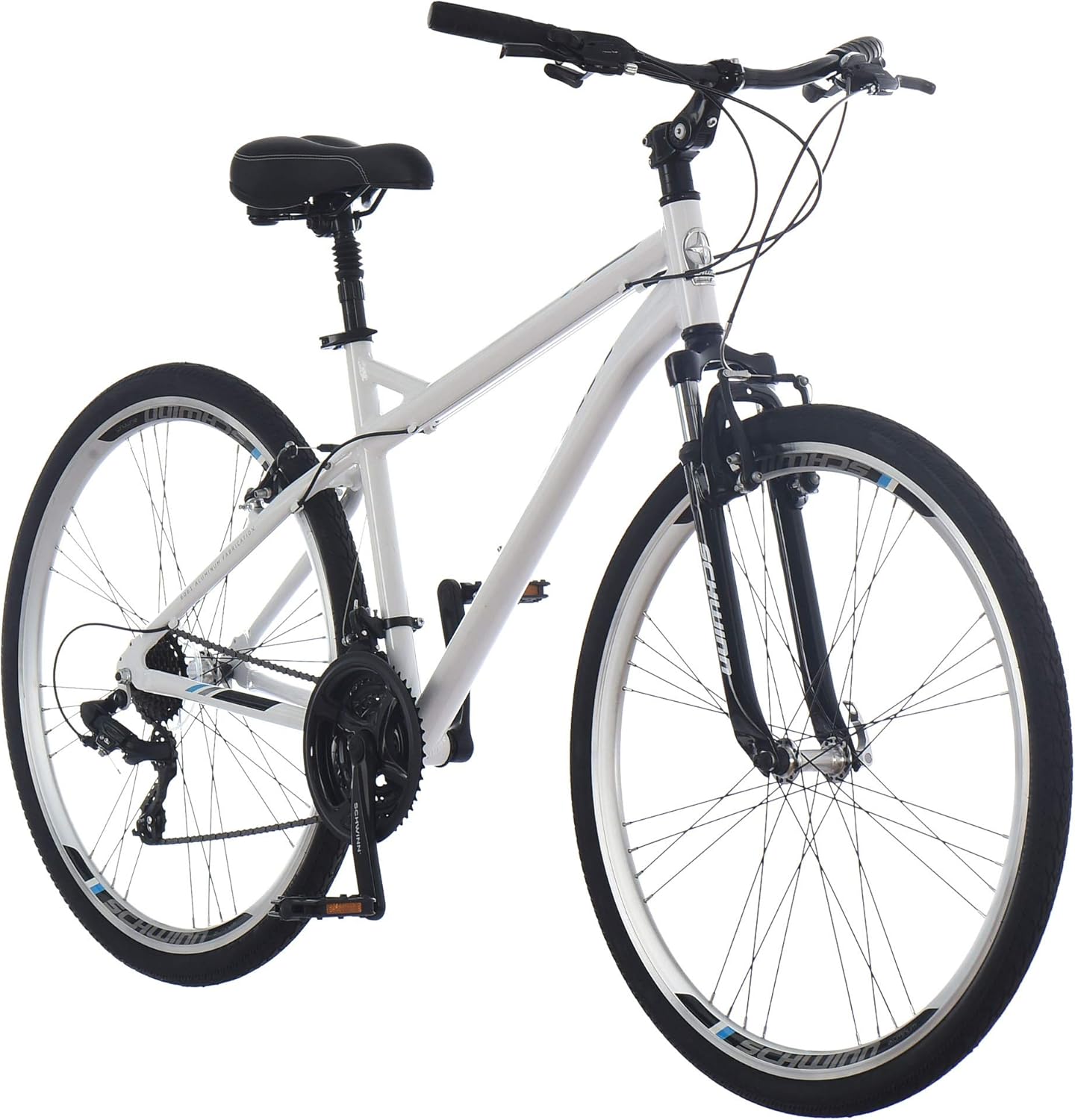
Common Buying Mistakes to Avoid

❌ Mistake: Choosing Based Solely on Price
Why it’s bad: The cheapest e-bikes often use low-quality motors, weak batteries, and flimsy frames. They may overheat, fail prematurely, or even pose safety risks like electrical fires. A $400 e-bike might seem like a bargain, but if it breaks after six months, you’ve wasted money and time.
What to do instead: Set a realistic budget based on your needs. Aim for at least $800 for a reliable entry-level model. Prioritize value over price—look for bikes with good reviews, solid warranties, and reputable brands.
❌ Mistake: Ignoring Real-World Range Claims
Why it’s bad: Manufacturers often quote maximum range under ideal conditions (flat terrain, low assist, light rider). In reality, range can be 30–50% lower. Relying on inflated numbers can leave you stranded.
What to do instead: Check user reviews for real range reports. Look for bikes with removable batteries so you can carry a spare. Choose a battery with at least 500Wh for daily commuting.
❌ Mistake: Overlooking Warranty and Support
Why it’s bad: E-bikes have complex electronics. Without a good warranty, repairs can be expensive. Some brands offer no support or require you to ship the bike overseas.
What to do instead: Choose brands with at least a 1-year warranty on motor and battery, and U.S.-based customer support. Read the fine print to understand coverage.
❌ Mistake: Buying the Wrong Size
Why it’s bad: A bike that’s too big or small causes discomfort, reduces control, and increases injury risk. Many buyers skip sizing charts and regret it later.
What to do instead: Use the manufacturer’s size guide. If unsure, choose a step-through frame for easier mounting. Test ride if possible, or ensure the seller offers a generous return policy.
❌ Mistake: Skipping Safety Features
Why it’s bad: E-bikes are faster and heavier than regular bikes. Without proper brakes, lights, and reflectors, you’re at higher risk in traffic or low-light conditions.
What to do instead: Ensure the bike has hydraulic disc brakes, front and rear lights, and reflective elements. Consider adding a helmet, mirror, and bell.
❌ Mistake: Not Testing Before Buying
Why it’s bad: E-bikes feel different from regular bikes. Motor engagement, weight distribution, and handling vary widely. Buying without testing can lead to disappointment.
What to do instead: If possible, test ride at a local dealer. If buying online, choose retailers with 30-day return policies and free return shipping.
❌ Mistake: Falling for Fake Reviews
Why it’s bad: Fake reviews can mislead you into buying a poor-quality bike. They often use generic praise and lack detail.
What to do instead: Focus on verified purchase reviews with photos and detailed experiences. Cross-check with independent review sites.
Budget Guidelines: How Much Should You Spend?
- Entry-Level ($500–$900): These bikes are best for light, occasional use on flat terrain. Expect basic motors (250W–500W), limited range (15–30 miles), and minimal features. Build quality varies—some are decent, but many are fragile. Ideal for casual riders or those on a tight budget.
- Mid-Range ($900–$2,000): This is the sweet spot for most buyers. You’ll find reliable 500W–750W motors, 400–600Wh batteries, and solid aluminum frames. Features like hydraulic brakes, integrated lights, and multiple assist levels are common. Great for commuting, weekend rides, and moderate off-road use.
- Premium ($2,000–$3,500): For enthusiasts and frequent riders. These bikes offer high-capacity batteries (600–800Wh), advanced motors, full suspension, and smart features like app connectivity. Ideal for long commutes, trail riding, or carrying heavy loads.
- Luxury ($3,500+): Top-tier performance with cutting-edge tech, premium materials, and exceptional build quality. Think carbon fiber frames, Bosch or Shimano motors, and 2–3 year warranties. Best for serious cyclists, professionals, or those who want the ultimate riding experience.
Expert Tips for Getting the Best Deal
- Buy During Sales: Major discounts occur during Black Friday, Prime Day, and end-of-season clearances. Sign up for brand newsletters to get early access.
- Compare Retailers: While Amazon offers convenience, check the brand’s official website. They often have exclusive deals, bundles, or better warranties.
- Look for Bundles: Some sellers include free accessories like helmets, locks, or phone mounts. These can save $100+.
- Check Return Policies: Ensure you can return the bike within 30 days if it doesn’t meet expectations. Free return shipping is a big plus.
- Register for Warranty: Always register your bike online to activate the warranty. Keep receipts and photos of the unboxed bike.
- Test Ride When Possible: Visit local dealers or pop-up events. Even if you buy online later, a test ride helps you understand fit and feel.
- Monitor Battery Health: Avoid fully draining the battery. Charge it to 80–90% for daily use to extend lifespan.
- Join Owner Communities: Online forums and Facebook groups offer tips, troubleshooting, and deals from fellow riders.

Frequently Asked Questions
Q: Are e-bikes legal in my area?
A: In the U.S., e-bikes are classified into three categories based on speed and throttle use. Most states allow Class 1 and 2 e-bikes on bike paths, but regulations vary. Check your local DMV or transportation authority for specific rules.
Q: How long do e-bike batteries last?
A: A lithium-ion battery typically lasts 500–1,000 charge cycles, or 2–4 years with regular use. Capacity gradually declines—after 2 years, it may hold 70–80% of its original charge.
Q: Can I ride an e-bike in the rain?
A: Most e-bikes are water-resistant (IP54 or higher), but not fully waterproof. Avoid submerging the battery or motor. Dry the bike after wet rides and store it indoors.
Q: Do I need a license or insurance?
A: In most U.S. states, no license or insurance is required for Class 1 and 2 e-bikes. However, some cities or rental services may have different rules.
Q: How fast can e-bikes go?
A: Class 1 and 2 e-bikes are limited to 20 mph with motor assistance. Class 3 can go up to 28 mph but may require a helmet and have road restrictions.
Q: Can I pedal without the motor?
A: Yes! E-bikes are regular bikes when the motor is off. You can pedal manually at any time.
Q: How often should I maintain my e-bike?
A: Basic maintenance every 3–6 months: check tire pressure, brake pads, chain lubrication, and bolt tightness. Have a professional service it annually.
Q: Are e-bikes worth the investment?
A: For most people, yes. They reduce car dependency, save on fuel, and improve fitness. Over 3–5 years, the cost often offsets car expenses.
Q: Can I upgrade my e-bike later?
A: Some components like tires, seats, and lights can be upgraded. However, motors and batteries are usually not user-replaceable—check compatibility before buying.
Q: What’s the difference between hub and mid-drive motors?
A: Hub motors are in the wheel—simpler and cheaper. Mid-drive motors are near the pedals—more efficient, better for hills, but costlier. Most Amazon e-bikes use hub motors.
Our Final Recommendations
- Best for Budget-Conscious Buyers: Lectric XP 3.0 – At under $1,000, it offers 750W power, 45-mile range, and a foldable design. Great value with solid reviews.
- Best Overall Value: Rad Power Bikes RadCity 5 Plus – Priced around $1,800, it features a 750W motor, 61-mile range, hydraulic brakes, and excellent customer support.
- Best Premium Option: Aventon Aventure.2 – A fat-tire adventure bike with 750W motor, 80-mile range, and full suspension. Ideal for off-road enthusiasts.
- Best for Beginners: Himiway Cruiser – Easy step-through frame, 750W motor, and 60-mile range. User-friendly with great stability.
- Best for Advanced Users: Specialized Turbo Vado SL – Lightweight, high-performance, with smart features and a 120-mile range. For serious riders who want top-tier tech.
Conclusion: Making the Right Choice
Choosing the right e-bike is about more than just specs or price—it’s about finding a machine that fits your lifestyle, enhances your mobility, and brings you joy. With so many options on Amazon, it’s easy to get overwhelmed, but by focusing on key factors like performance, build quality, and brand reputation, you can make a smart, confident decision. Remember to set a realistic budget, read real user reviews, and prioritize safety and support. Whether you’re commuting, exploring, or just having fun, the right e-bike can transform how you move through the world.
Don’t rush. Take your time, compare models, and consider your long-term needs. A great e-bike is an investment in your health, your wallet, and the planet. When you find the one that feels right—when it matches your pace, your terrain, and your dreams—you’ll wonder how you ever got along without it. So gear up, charge up, and ride forward with confidence. Your perfect e-bike is out there—now you know how to find it.