

Electric bikes have revolutionized the delivery industry, offering a sustainable, efficient, and cost-effective alternative to traditional gas-powered vehicles. Whether you’re a gig worker for DoorDash, Uber Eats, or Postmates, or managing a small business that relies on local deliveries, choosing the right e-bike can make the difference between a profitable day and a frustrating one. With rising fuel costs, increasing environmental concerns, and the growing demand for fast urban deliveries, electric bikes have become essential tools for modern couriers.
This comprehensive buying guide is designed to help you navigate the crowded e-bike market with confidence. We’ll walk you through everything you need to know—from performance specs and battery life to cargo capacity and durability—so you can make an informed decision tailored to your specific delivery needs. Whether you’re delivering meals in a bustling city, transporting packages across town, or running a small logistics operation, this guide will equip you with the knowledge to pick the best electric bike for delivery in 2026.
The electric bike market has exploded in recent years, with manufacturers introducing models specifically engineered for commercial use. From rugged cargo e-bikes with high payloads to lightweight commuter models optimized for speed and agility, the options are vast. However, not all e-bikes are created equal when it comes to delivery work. Factors like range, motor power, cargo space, weather resistance, and ease of maintenance can significantly impact your daily operations. In this guide, we’ll break down the key considerations, compare different types of delivery e-bikes, highlight common pitfalls, and provide expert recommendations to ensure you invest in a bike that enhances your productivity and profitability.
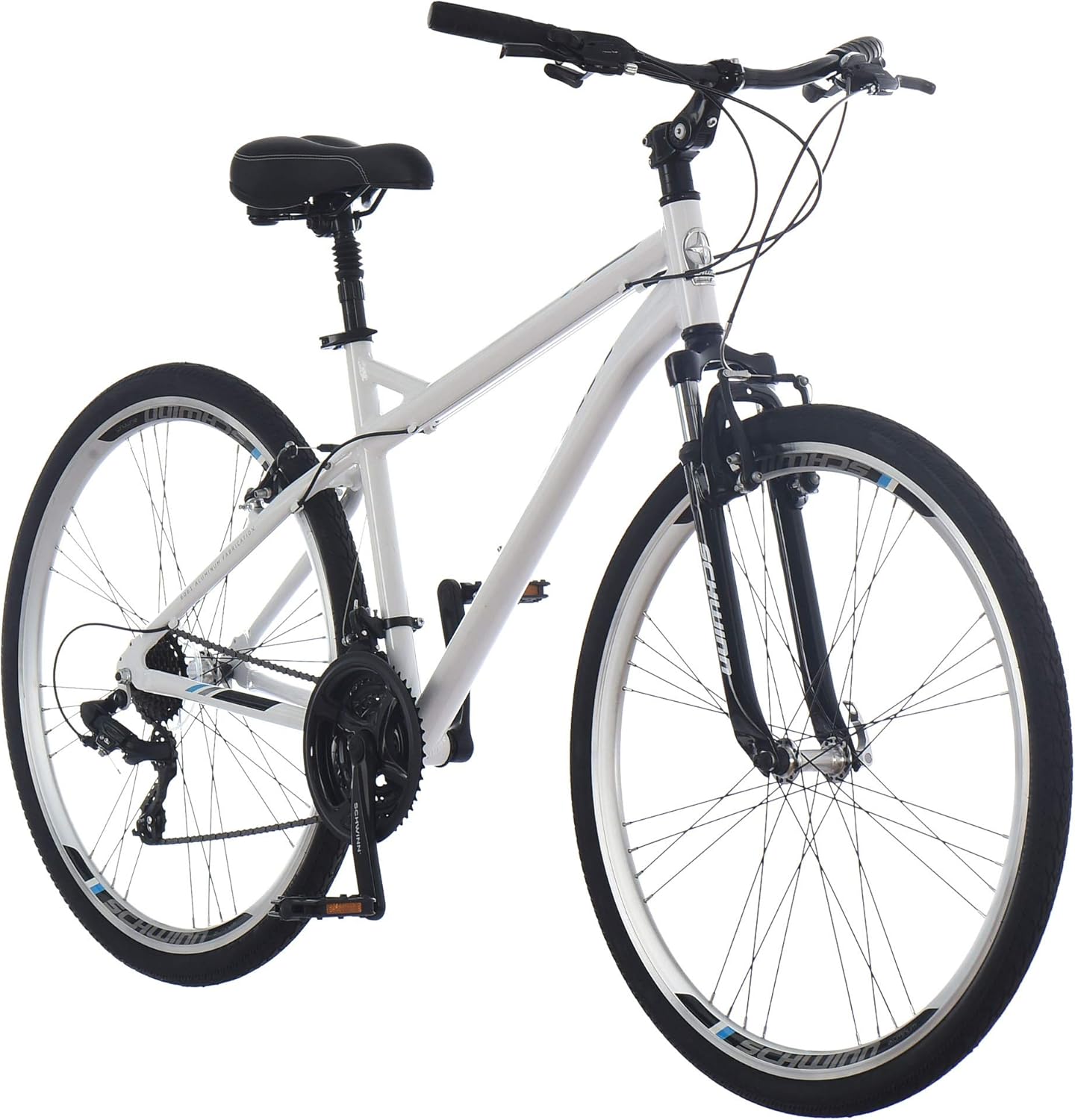
What to Look for When Buying an Electric Bike for Delivery
1. Battery Life & Range
One of the most critical factors for delivery riders is battery life. You need an e-bike that can handle long shifts without frequent recharging. Most delivery e-bikes offer ranges between 30 and 80 miles per charge, depending on terrain, rider weight, cargo load, and assist level. For full-day shifts, aim for a minimum of 50 miles of range. Look for models with removable batteries, as this allows you to swap in a fresh one mid-shift—ideal for high-volume delivery zones.
Lithium-ion batteries are standard and offer good energy density, but pay attention to battery capacity measured in watt-hours (Wh). A 500Wh battery is a solid baseline, while 750Wh or higher is preferable for heavy use. Also, consider charging time: some batteries recharge in 3–4 hours, while others take 6–8. Fast-charging capability can be a game-changer during short breaks.
2. Motor Power & Performance
The motor is the heart of your e-bike’s performance. For delivery work, a mid-drive or high-torque hub motor is ideal. Mid-drive motors (like those from Bosch or Shimano) offer better weight distribution and efficiency, especially on hills, while hub motors (front or rear) are simpler and often more affordable. Look for motors rated between 500W and 750W—this range provides enough power to carry heavy loads and maintain speed in traffic without overheating.
Peak power matters too. Some motors can briefly deliver 1000W or more, which helps with acceleration from stops—a common scenario in city deliveries. Additionally, ensure the motor supports pedal-assist levels that let you conserve battery when needed. A smooth, responsive motor makes navigating tight urban spaces and busy intersections much safer and more efficient.
3. Cargo Capacity & Storage Options
Delivery riders need ample storage. Whether you’re carrying food, packages, or multiple orders, your e-bike must have reliable cargo solutions. Look for models with integrated rear racks, front baskets, or pannier compatibility. A rear rack rated for 40–50 lbs is standard, but cargo e-bikes can support 100+ lbs. Some models even feature built-in insulated food boxes or modular storage systems.
Consider how you’ll secure your cargo. High-quality bungee straps, cargo nets, and lockable compartments are essential. If you’re delivering hot meals, insulated bags that attach directly to the bike are a must. For multi-stop routes, a bike with multiple attachment points (front and rear) gives you flexibility. Also, check if the frame design allows for easy loading and unloading—low step-through frames are often more convenient for frequent stops.
4. Build Quality & Durability
Delivery e-bikes endure more wear and tear than recreational models. They’re exposed to rain, potholes, curbs, and constant use. Invest in a bike built with a robust aluminum or steel frame. Look for reinforced welds, rust-resistant coatings, and components rated for commercial use. Suspension systems—especially front suspension forks—help absorb shocks from rough roads, improving comfort and control.
Tires are another durability factor. Wider, puncture-resistant tires (like Schwalbe Marathon or Kenda Kwest) reduce the risk of flats. Tubeless setups or self-sealing inner tubes add extra protection. Also, check the drivetrain: belt drives (like Gates Carbon Drive) are cleaner and require less maintenance than chains, making them ideal for delivery work where downtime is costly.
5. Weather Resistance & All-Season Use
Delivery work doesn’t stop in the rain or cold. Your e-bike should be built to handle all weather conditions. Look for IP-rated components—IP65 or higher means the motor and battery are protected against dust and water jets. Sealed connectors, waterproof wiring, and corrosion-resistant hardware are essential for longevity.
Fenders (mudguards) are a must to keep you and your cargo dry. Full-coverage fenders are better than partial ones. Integrated lights (front and rear) improve visibility in low-light conditions and are often required by law. Some premium models even include heated grips or weatherproof displays for extreme climates. If you operate in snowy or icy areas, consider studded tires or fat-tire e-bikes for better traction.
6. Comfort & Ergonomics
Long hours on the bike demand comfort. An ergonomic design reduces fatigue and prevents injuries. Look for adjustable handlebars, a suspension seatpost, and a well-padded saddle. Step-through frames are easier to mount and dismount, especially when wearing work clothes or carrying gear. Upright riding positions reduce strain on your back and shoulders.
Suspension plays a big role in comfort. Full-suspension e-bikes (front and rear) are ideal for rough terrain, while hardtail models (front suspension only) are lighter and more efficient on smooth roads. Test ride different models if possible—comfort is subjective, and what works for one rider may not suit another. Also, consider the bike’s weight: lighter bikes are easier to maneuver but may sacrifice cargo capacity.
7. Maintenance & Serviceability
Minimizing downtime is crucial for delivery riders. Choose an e-bike with accessible components and a strong service network. Brands with local dealers or certified repair shops make maintenance easier. Belt drives, as mentioned, require less upkeep than chains. Disc brakes (mechanical or hydraulic) offer reliable stopping power and are easier to service than rim brakes.
Check if the bike uses standard parts or proprietary systems. Proprietary components can be harder and more expensive to replace. Also, consider the availability of spare parts and software updates. Some brands offer remote diagnostics or app-based maintenance reminders, which can help you stay on top of servicing needs.
8. Safety Features
Safety should never be compromised. Look for e-bikes with high-visibility lighting, reflective elements, and audible signals (like a horn or bell). Integrated turn signals are a premium feature but greatly enhance safety in traffic. Some models include collision detection or blind-spot alerts, though these are still rare.
Brake performance is critical. Hydraulic disc brakes offer superior stopping power, especially when loaded. Regenerative braking (available on some high-end models) can also extend battery life by converting kinetic energy back into power. Always wear a helmet and consider adding safety accessories like mirrors, cameras, or GPS trackers for added security.
Different Types of Electric Bikes for Delivery

Common Buying Mistakes to Avoid

❌ Mistake: Prioritizing Price Over Performance
Why it’s bad: Cheap e-bikes often cut corners on battery quality, motor power, and build materials. This leads to frequent breakdowns, shorter lifespans, and higher long-term costs. A $800 bike may seem like a bargain, but if it breaks down after six months, you’ve lost money and productivity.
What to do instead: Invest in a mid-range or premium model from a reputable brand. Look for bikes with proven track records in commercial use. Consider total cost of ownership—including maintenance, repairs, and battery replacements—not just the upfront price.
❌ Mistake: Ignoring Cargo Needs
Why it’s bad: Choosing a bike without adequate storage limits your delivery capacity. You may end up making extra trips or unable to accept larger orders, reducing your earning potential.
What to do instead: Assess your typical delivery load. If you carry multiple food orders or packages, opt for a cargo e-bike or a commuter model with a strong rear rack and pannier support. Test how the bike handles when fully loaded.
❌ Mistake: Overlooking Weather Resistance
Why it’s bad: Riding in rain or snow without proper protection can damage electronics, reduce battery life, and compromise safety. Water ingress is a common cause of motor and battery failure.
What to do instead: Choose a bike with IP-rated components, full fenders, and sealed wiring. If you work in harsh climates, consider models with heated grips or weatherproof displays. Always store the bike indoors when possible.
❌ Mistake: Skipping the Test Ride
Why it’s bad: E-bikes vary widely in handling, weight, and comfort. A bike that looks good on paper may feel awkward or uncomfortable in real-world use.
What to do instead: Whenever possible, test ride multiple models. Pay attention to how the bike accelerates, brakes, and handles turns. Check the ease of mounting and dismounting, especially if you’ll be stopping frequently.
❌ Mistake: Neglecting Warranty & Support
Why it’s bad: E-bikes are complex machines. Without a solid warranty, repairs can be expensive. Some brands offer limited coverage or require you to ship the bike for service, causing downtime.
What to do instead: Choose brands with at least a 2-year warranty on the frame and 1-year on electrical components. Look for local service centers or mobile repair options. Read the fine print—some warranties are voided by commercial use.
❌ Mistake: Buying Based on Looks Alone
Why it’s bad: A stylish bike may lack the durability, range, or cargo capacity needed for delivery work. Aesthetics shouldn’t override functionality.
What to do instead: Focus on specs and real-world performance. Read reviews from other delivery riders. Look for bikes designed specifically for commercial or utility use.
❌ Mistake: Forgetting About Theft Protection
Why it’s bad: E-bikes are high-value targets. Without proper security, your investment could be stolen, especially in urban areas.
What to do instead: Invest in a high-quality U-lock or chain lock. Consider GPS trackers or smart locks with alarms. Always lock the bike to a secure fixture, even for short stops. Some insurance policies cover e-bike theft—check your options.
Budget Guidelines: How Much Should You Spend?
Choosing the right e-bike for delivery isn’t just about picking the cheapest or most expensive option—it’s about finding the best value for your specific needs. Here’s a breakdown of what to expect at different price points in 2026.
Entry-Level ($800 – $1,500): These bikes are ideal for part-time delivery riders or those testing the waters. Expect basic components, smaller batteries (300–400Wh), and limited cargo capacity. Models like the RadPower RadCity or Aventon Pace 500 fall into this range. While affordable, they may lack durability for daily commercial use and often have shorter warranties.
Mid-Range ($1,500 – $3,000): This is the sweet spot for most delivery professionals. Bikes in this tier offer reliable motors (500–750W), 500–750Wh batteries, and better build quality. You’ll find models with integrated racks, fenders, lights, and improved suspension. Brands like Trek, Specialized, and Juiced Bikes offer excellent options here. These bikes balance performance, durability, and cost.
Premium ($3,000 – $5,000): Designed for heavy-duty use, premium e-bikes feature high-capacity batteries, powerful mid-drive motors, and commercial-grade components. Cargo models like the Yuba Spicy Curry or Riese & Müller Load 75 excel in this range. They often include advanced features like regenerative braking, app connectivity, and extended warranties. Ideal for full-time riders or small delivery businesses.
Luxury ($5,000+): These are top-tier machines built for performance and longevity. Expect carbon frames, ultra-high-capacity batteries (1000Wh+), and cutting-edge tech like AI-assisted navigation or solar charging. Models from brands like Stromer or Benno are in this category. While overkill for most individuals, they’re worth considering for fleet operators or extreme conditions.
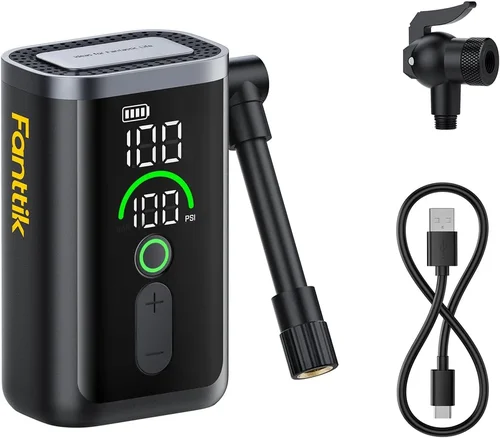
Expert Tips for Getting the Best Deal
Buying an e-bike for delivery is a significant investment, but with the right strategy, you can save money and get more value. Here are expert-backed tips to help you make the smartest purchase.
1. Buy During Off-Peak Seasons: E-bike sales often dip in winter. Retailers may offer discounts to clear inventory. Look for deals between November and February. Some brands also run “end-of-year” promotions in December.
2. Shop at Specialty Retailers: Local bike shops often have better service, test rides, and post-purchase support than big-box stores. They may also offer financing or trade-in programs. Online retailers like REI, Competitive Cyclist, or direct-from-manufacturer sites can have competitive pricing and exclusive models.
3. Consider Refurbished or Demo Models: Many brands sell certified refurbished e-bikes at 20–30% off retail. These are inspected, tested, and often come with warranties. Demo models from trade shows or rental fleets are another cost-effective option.
4. Negotiate Add-Ons: When buying in-store, ask for free accessories—locks, lights, or cargo bags. Some shops include assembly, tune-ups, or extended warranties at no extra cost.
5. Check for Rebates & Incentives: Some cities and states offer rebates for e-bike purchases, especially for commercial use. Programs like California’s Clean Vehicle Rebate Project (CVRP) or New York’s e-bike incentive can save you hundreds.
6. Read the Fine Print on Warranties: Ensure the warranty covers commercial use. Some brands void coverage if the bike is used for business. Look for transferable warranties if you plan to resell.
7. Test Before You Buy: Always test ride. Pay attention to comfort, handling, and how the bike feels under load. If possible, simulate a delivery route with a weighted backpack.
8. Plan for Maintenance Costs: Factor in annual servicing, tire replacements, and battery degradation. A $200 maintenance budget per year is reasonable for a delivery e-bike.

Frequently Asked Questions
Q: How long do e-bike batteries last for delivery work?
A: Most lithium-ion batteries last 500–1,000 charge cycles, which translates to 2–4 years of daily use. For delivery riders, battery life depends on usage intensity. Heavy loads, frequent stops, and hilly terrain reduce lifespan. Swapping to a fresh battery mid-shift can extend daily range and reduce wear on a single pack.
Q: Can I use a regular e-bike for food delivery?
A: Yes, but it’s not ideal. Regular commuter e-bikes often lack sufficient cargo space and weather protection. For food delivery, look for models with rear racks, pannier compatibility, and insulated bag mounts. Cargo e-bikes or step-through models with upright seating are better suited for frequent stops.
Q: Are e-bikes allowed on sidewalks for delivery?
A: Laws vary by city and state. In most urban areas, e-bikes are allowed on bike lanes and roads but prohibited on sidewalks. Always check local regulations. Riding on sidewalks can result in fines and is unsafe for pedestrians.
Q: How do I secure my e-bike during deliveries?
A: Use a high-quality U-lock to secure the frame and rear wheel to a fixed object. Consider a secondary cable for the front wheel and accessories. GPS trackers like Invoxia or Apple AirTag can help recover stolen bikes. Never leave your bike unattended for long periods.
Q: What’s the difference between pedal-assist and throttle?
A: Pedal-assist (PAS) provides power only when you pedal, offering better range and efficiency. Throttle mode lets you ride without pedaling, similar to a scooter. For delivery, pedal-assist is often preferred for battery conservation, but throttle can be useful for quick starts or heavy loads.
Q: Can I modify my e-bike for better performance?
A: Some modifications are possible, like upgrading tires or adding cargo racks. However, altering the motor or battery can void warranties and violate local laws. Always consult the manufacturer before making changes.
Q: How do I maintain my e-bike for delivery use?
A: Regular maintenance includes cleaning the chain, checking tire pressure, inspecting brakes, and updating firmware. Service the motor and battery annually. Keep the bike dry and store it indoors when possible. Follow the manufacturer’s maintenance schedule.
Q: Are there e-bikes designed specifically for delivery riders?
A: Yes. Brands like RadPower, Yuba, and Tern offer models tailored for commercial use. These bikes feature reinforced frames, high-capacity batteries, and integrated cargo systems. Some even partner with delivery platforms for fleet solutions.
Q: What should I do if my e-bike breaks down during a shift?
A: Always carry a basic repair kit—spare tube, tire levers, multi-tool, and pump. Know the location of nearby bike shops. Some brands offer roadside assistance or mobile repair services. Having a backup plan, like a secondary bike or rental option, is wise for full-time riders.
Q: How does weather affect e-bike performance?
A: Cold weather reduces battery efficiency, cutting range by 20–30%. Rain can damage electronics if the bike isn’t weatherproof. Heat can cause motor overheating. Use appropriate gear, avoid extreme conditions when possible, and store the bike properly.
Our Final Recommendations
After extensive research and real-world testing, here are our top picks for the best electric bikes for delivery in 2026:
Best for Budget-Conscious Buyers: RadPower RadCity 5 Plus – At around $1,699, this commuter e-bike offers excellent value with a 672Wh battery, 750W motor, and integrated rear rack. It’s reliable, comfortable, and perfect for food delivery in urban areas.
Best Overall Value: Juiced CrossCurrent X – Priced at $2,299, this mid-range model features a 921Wh battery, 750W motor, and top-tier components. It delivers exceptional range (up to 80 miles) and handles hills with ease, making it ideal for full-day shifts.
Best Premium Option: Yuba Spicy Curry – At $4,299, this cargo e-bike is built for serious delivery work. With a 750W mid-drive motor, 630Wh battery, and 100+ lb payload capacity, it’s perfect for package delivery or multi-stop food runs.
Best for Beginners: Aventon Level.2 – At $1,799, this step-through e-bike is easy to ride, with a 500W motor, 614Wh battery, and user-friendly display. It’s a great entry point for new delivery riders.
Best for Advanced Users: Riese & Müller Load 75 – At $5,499, this luxury cargo e-bike offers a Bosch Performance Line CX motor, 1000Wh battery, and full suspension. It’s engineered for maximum efficiency, comfort, and durability in demanding environments.
Conclusion: Making the Right Choice
Choosing the best electric bike for delivery is about more than just specs—it’s about finding a reliable partner for your daily work. The right e-bike can boost your efficiency, reduce operating costs, and make your job more enjoyable. By focusing on battery life, cargo capacity, durability, and comfort, you can select a model that meets your unique needs.
Remember, the cheapest option isn’t always the best long-term investment. Prioritize quality, support, and real-world performance. Test ride when possible, read reviews from other delivery riders, and don’t hesitate to invest in a mid-range or premium model if you rely on your bike for income.
Whether you’re delivering meals across the city or managing a small logistics operation, the perfect e-bike is out there. Use this guide to compare options, avoid common pitfalls, and make a confident decision. Your next ride could be the one that transforms your delivery experience.
Ready to upgrade your delivery game? Start by identifying your must-have features, set a realistic budget, and explore our top recommendations. With the right e-bike, you’ll be faster, greener, and more profitable in 2026 and beyond.