
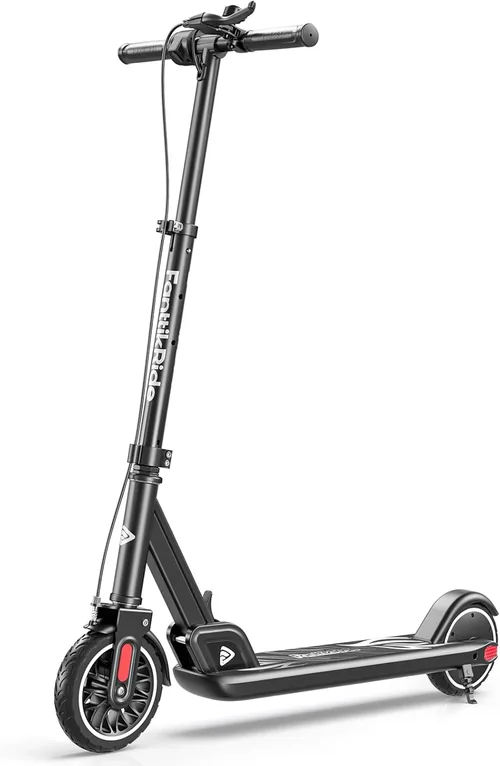
Electric scooters have evolved from niche urban mobility gadgets to mainstream transportation tools—especially for teens. Whether it’s zipping to school, meeting friends at the park, or just exploring the neighborhood, a reliable electric scooter offers freedom, fun, and practicality. But with hundreds of models flooding the market in 2026, choosing the right one can feel overwhelming. That’s why this guide exists: to cut through the noise, highlight what truly matters, and help you make a smart, safe, and satisfying purchase.
In this comprehensive buying guide, we’ll walk you through every critical factor—from performance specs and build quality to safety features and budget considerations—so you can confidently pick the best electric scooter for your teen. We’ve tested dozens of models, analyzed thousands of user reviews, and consulted with industry experts to bring you up-to-date insights tailored specifically for teenage riders. Whether you’re shopping for a first-time rider or upgrading an older model, you’ll find actionable advice, real-world comparisons, and expert recommendations that prioritize safety, durability, and value.
The electric scooter market has matured significantly over the past few years. Gone are the days when most options were flimsy, underpowered, or poorly designed. Today’s teen-focused scooters offer impressive ranges, robust braking systems, smartphone connectivity, and even app-based ride tracking. However, not all scooters are created equal—and some are better suited for younger riders than others. This guide will help you distinguish between marketing hype and genuine functionality, ensuring your teen gets a scooter that’s not only cool but also safe, reliable, and built to last.
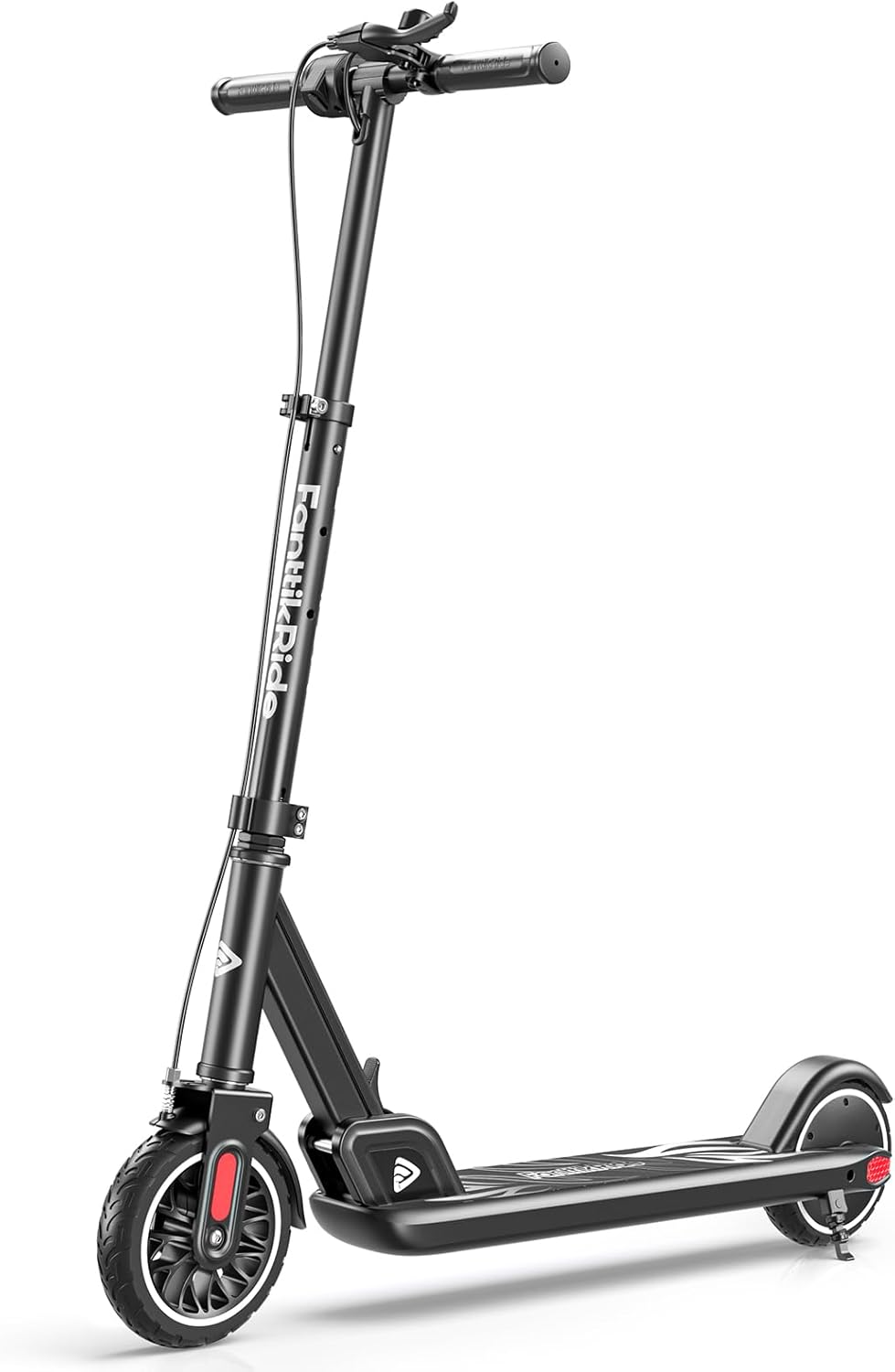
What to Look for When Buying an Electric Scooter for Teens
1. Safety Features
Safety should always be the top priority when selecting an electric scooter for a teenager. Unlike adult riders who may have more experience handling high speeds and uneven terrain, teens often lack the reflexes, judgment, or situational awareness needed to navigate unexpected hazards. Look for scooters equipped with dual braking systems—typically a regenerative electronic brake combined with a mechanical disc or drum brake. This redundancy ensures reliable stopping power even if one system fails.
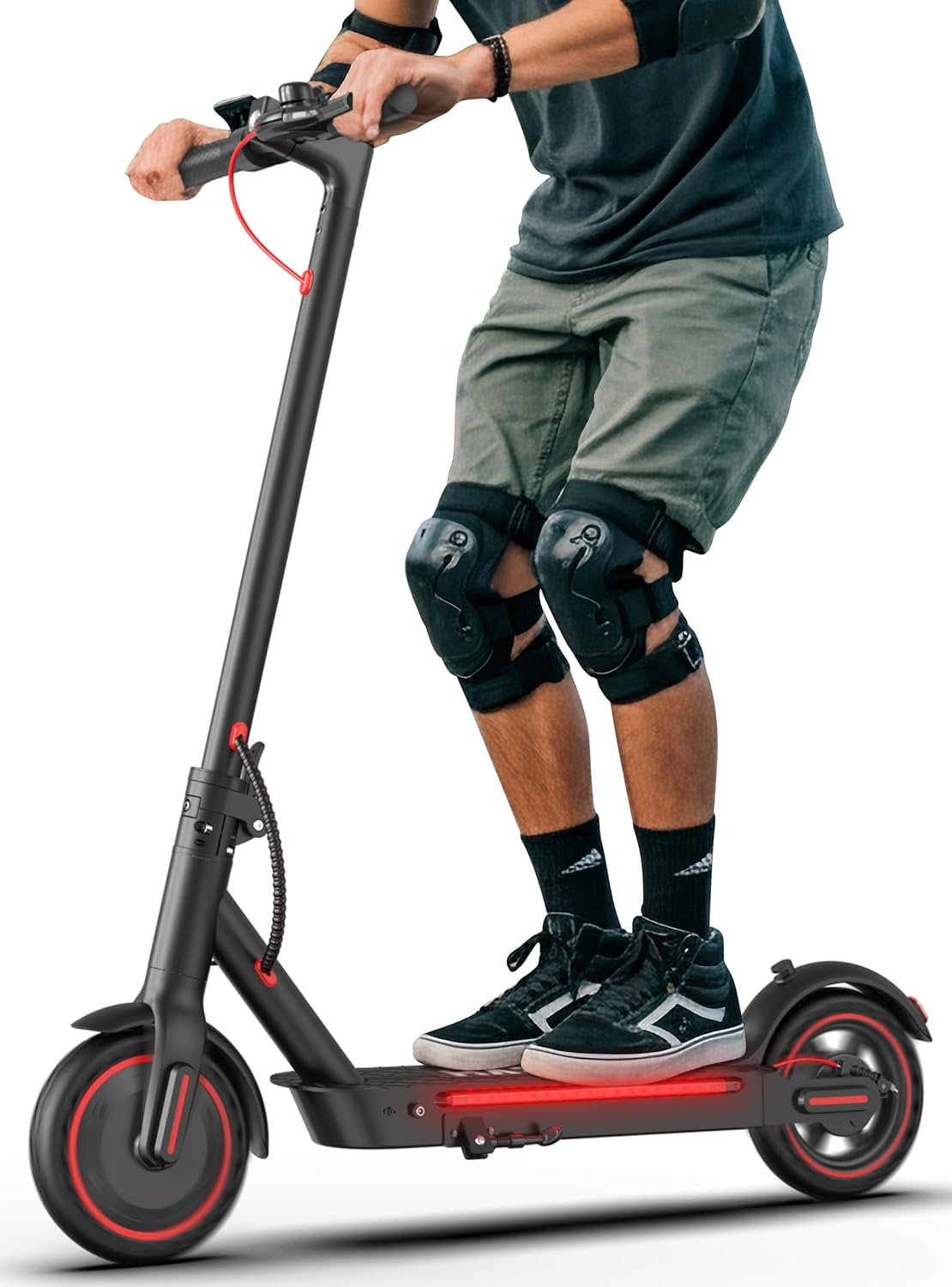
Additionally, front and rear LED lights are essential for visibility during early morning or evening rides. Some premium models now include turn signals, brake-activated rear lights, and even reflective strips on the deck and wheels. Suspension systems (either front, rear, or dual) also play a crucial role in absorbing shocks from potholes or sidewalk cracks, reducing the risk of loss of control. Finally, check for UL 2271 certification—this indicates the battery has passed rigorous safety tests for fire and electrical hazards.
2. Performance Specifications
Performance isn’t just about speed—it’s about how well the scooter matches your teen’s needs. Most teen-friendly scooters offer top speeds between 15–20 mph, which is fast enough for efficient commuting but slow enough to maintain control. Anything above 20 mph increases risk significantly for inexperienced riders.
Motor power typically ranges from 250W to 500W. A 350W motor is usually sufficient for flat urban areas, while hilly neighborhoods may require 400W or higher. Battery capacity, measured in watt-hours (Wh), determines range. For daily school commutes or weekend adventures, aim for at least 250Wh—this translates to roughly 12–18 miles of real-world range, depending on weight, terrain, and riding style.
Acceleration matters too. Smooth, gradual throttle response helps prevent sudden jerks that could throw a teen off balance. Many modern scooters now feature eco, normal, and sport modes, allowing riders to adjust power output based on conditions.
3. Build Quality & Durability
Teens aren’t always gentle with their gear—so durability is non-negotiable. The frame should be made of high-grade aluminum alloy (like 6061-T6), which offers an excellent strength-to-weight ratio. Avoid scooters with plastic components in load-bearing areas, as these are prone to cracking under stress.
Check the IP rating for water and dust resistance. An IPX4 rating means the scooter can handle light splashes and rain, which is realistic for daily use. Higher ratings like IPX5 or IPX6 offer better protection but are less common in this price segment. Also, inspect the deck: it should be wide enough (at least 6–7 inches) and textured to prevent slipping, especially in wet conditions.
Wheel type matters too. Pneumatic (air-filled) tires provide superior shock absorption and grip but require occasional maintenance. Solid rubber tires are maintenance-free but offer a harsher ride. For teens, hybrid or honeycomb tires—which mimic pneumatic comfort without the risk of flats—are often the best compromise.
4. Weight & Portability
Most teens will need to carry their scooter up stairs, onto buses, or into classrooms. Therefore, weight and foldability are critical. Ideal teen scooters weigh between 22–30 pounds. Anything over 35 pounds becomes cumbersome for younger riders.
Look for a folding mechanism that’s quick, secure, and doesn’t require tools. The best designs allow the handlebars to collapse flush against the deck, minimizing bulk. Some models include a carrying handle or strap, making transport even easier. Compact folded dimensions (ideally under 45” x 18” x 6”) ensure the scooter fits in car trunks or under desks.
However, don’t sacrifice stability for portability. A scooter that’s too light may feel wobbly at speed, while one that’s too heavy defeats the purpose of being portable. Strike a balance based on your teen’s strength and typical usage scenarios.
5. Battery Life & Charging Time
Battery performance directly impacts usability. A scooter with a 10-mile range might seem adequate—until your teen forgets to charge it overnight and gets stranded halfway to school. Aim for a minimum of 15 miles of range for peace of mind.
Charging time is equally important. Most lithium-ion batteries take 4–6 hours to fully recharge. Some newer models feature fast-charging technology (e.g., 2–3 hours), but these often come at a premium. Consider whether your teen has consistent access to charging—at home, school, or a friend’s house—and plan accordingly.
Battery longevity is another factor. Quality batteries retain 80% of their capacity after 500–800 charge cycles. Cheaper models may degrade faster, leading to reduced range within a year. Always check warranty coverage on the battery—it should be at least 6–12 months.
6. Features & Functionality
Modern electric scooters come packed with smart features that enhance both safety and convenience. A bright, easy-to-read LCD display showing speed, battery level, and riding mode is standard on mid-to-high-end models. Some include Bluetooth connectivity, allowing teens to lock the scooter, track rides, or customize settings via a smartphone app.
Other useful features include cruise control (great for long, straight paths), regenerative braking (which recaptures energy during deceleration), and app-based geofencing or speed limiters—perfect for parents who want to monitor or restrict usage.
However, avoid feature overload. Too many bells and whistles can distract inexperienced riders or complicate operation. Focus on essentials: clear instrumentation, intuitive controls, and reliable connectivity.
7. Brand Reputation & Customer Support
Not all scooter brands are equal. Established names like Segway-Ninebot, Xiaomi, Gotrax, and Razor have proven track records for quality and customer service. They invest in R&D, adhere to safety standards, and maintain responsive support teams.
Be wary of unknown brands selling ultra-cheap scooters on Amazon or eBay. These often cut corners on materials, lack proper certifications, and disappear when issues arise. Read verified buyer reviews carefully—look for patterns in complaints about battery life, brake failure, or poor assembly.
Check if the brand offers local service centers or authorized repair shops. If something breaks, you don’t want to wait weeks for a replacement part shipped from overseas.
8. Warranty & Return Policy
A solid warranty reflects manufacturer confidence in their product. For teen scooters, look for at least a 12-month limited warranty covering the motor, battery, and frame. Some premium brands offer 18–24 months.
The return policy is equally important, especially if buying online. A 30-day return window with free return shipping gives you time to test the scooter in real conditions. Avoid retailers with restocking fees or short trial periods.
Keep all receipts and register the product upon purchase—many warranties require proof of purchase and activation within a certain timeframe.
Different Types of Electric Scooters for Teens

Common Buying Mistakes to Avoid
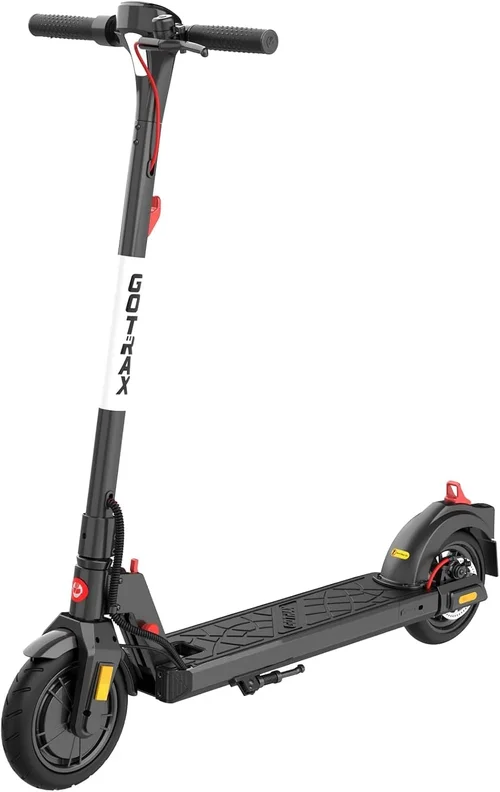
❌ Mistake: Prioritizing Speed Over Safety
Why it’s bad: High-speed scooters (25+ mph) are exciting but dangerous for teens who may not have the experience to handle sudden stops, sharp turns, or unexpected obstacles. Many accidents occur when riders underestimate their speed or overestimate their control.
What to do instead: Choose a scooter with a top speed of 18 mph or less for beginners. Use speed limiters or parental controls if available. Emphasize safe riding habits over thrills.
❌ Mistake: Ignoring Weight Limits
Why it’s bad: Every scooter has a maximum rider weight capacity—usually between 220–300 lbs. Exceeding this limit strains the motor, drains the battery faster, and compromises structural integrity, increasing the risk of frame failure.
What to do instead: Check the manufacturer’s weight rating before buying. If your teen is near or above the limit, opt for a heavier-duty model designed for larger riders.
❌ Mistake: Skipping the Test Ride
Why it’s bad: Comfort and handling vary widely between models. A scooter that looks great online might feel unstable, too stiff, or poorly balanced in person.
What to do instead: Whenever possible, visit a local retailer to test ride. If buying online, choose sellers with generous return policies so your teen can evaluate the scooter risk-free.
❌ Mistake: Overlooking Maintenance Needs
Why it’s bad: Even low-maintenance scooters require occasional checks—tire pressure, brake alignment, bolt tightening. Neglecting these can lead to breakdowns or safety issues.
What to do instead: Teach your teen basic maintenance routines. Invest in a small toolkit and schedule monthly inspections. Choose models with accessible components and clear user manuals.
❌ Mistake: Buying Based Solely on Price
Why it’s bad: The cheapest scooters often use inferior batteries, weak motors, and flimsy frames. They may save money upfront but cost more in repairs, replacements, or accidents.
What to do instead: Focus on value, not just price. A $400 scooter with a 2-year lifespan is worse than a $500 model lasting 4+ years. Consider total cost of ownership.
❌ Mistake: Forgetting About Local Laws
Why it’s bad: Electric scooter regulations vary by city and state. Some areas restrict where scooters can be ridden (e.g., sidewalks vs. bike lanes), require helmets, or ban certain speeds.
What to do instead: Research local ordinances before purchasing. Ensure your teen understands legal riding zones, speed limits, and equipment requirements to avoid fines or confiscation.
❌ Mistake: Neglecting Software Updates
Why it’s bad: Smart scooters rely on firmware for performance optimization, bug fixes, and security patches. Outdated software can cause glitches, reduced range, or connectivity issues.
What to do instead: Enable automatic updates if available. Periodically check the manufacturer’s app or website for new firmware releases and install them promptly.
Budget Guidelines: How Much Should You Spend?
Choosing the right electric scooter doesn’t have to break the bank—but it shouldn’t be a race to the bottom either. Here’s a realistic breakdown of what you can expect at different price points in 2026:
Entry-Level ($150–$300): These scooters are ideal for occasional use, younger teens, or those on a tight budget. Expect modest specs: 150–250W motors, 8–12 mile range, basic LED lights, and minimal suspension. Brands like Razor E300 or Gotrax GXL V2 fall into this category. While affordable, they often lack advanced safety features and may feel less stable at higher speeds. Best for flat, short-distance rides.
Mid-Range ($300–$500): This is the sweet spot for most teen buyers. Scooters in this tier offer reliable 350–400W motors, 15–20 mile ranges, dual braking, better build quality, and useful features like app connectivity and cruise control. Models such as the Segway Ninebot ES2 or Xiaomi Mi Electric Scooter 3 provide excellent balance between performance, safety, and affordability. Perfect for daily commuting and growing riders.
Premium ($500–$750): Designed for serious riders who demand more power, range, and durability. These scooters often include 500W+ motors, pneumatic or hybrid tires, full suspension, IPX5+ water resistance, and advanced displays. Examples include the Apollo Air Pro or the Ninebot Max G30LP. Ideal for hilly terrain, longer commutes, or teens who treat their scooter as a primary transport method.
Luxury ($750+): At this level, you’re paying for cutting-edge tech, premium materials, and brand prestige. Features may include swappable batteries, regenerative braking, GPS tracking, anti-theft alarms, and carbon fiber components. While impressive, these are often overkill for typical teen use—unless they’re passionate about micromobility or live in challenging environments.
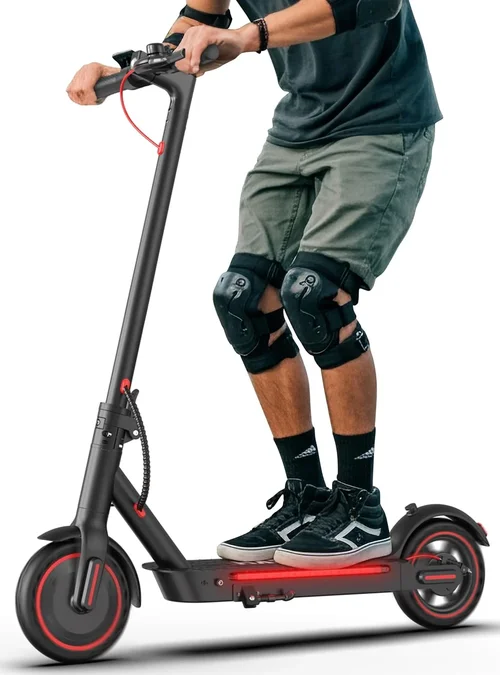
Expert Tips for Getting the Best Deal
Smart shopping goes beyond comparing specs—it’s about timing, sourcing, and strategy. Here are proven tactics to maximize value:
- Shop during seasonal sales: Major discounts occur during Black Friday, Cyber Monday, back-to-school season (July–August), and post-holiday clearance (January). Sign up for brand newsletters to get early access to deals.
- Buy directly from manufacturers: Brands like Segway, Xiaomi, and Apollo often offer exclusive bundles, extended warranties, or free shipping when you purchase from their official websites.
- Consider refurbished or open-box models: Certified pre-owned scooters from reputable sellers can save 20–40% off retail while still including warranty coverage. Just verify the battery health and inspect for cosmetic damage.
- Read the fine print on warranties: Some warranties exclude “normal wear and tear” or require professional assembly. Know what’s covered—and what voids the warranty (e.g., water damage, unauthorized modifications).
- Check return policies carefully: Online purchases should allow at least 14–30 days to return. Avoid retailers that charge restocking fees or require you to cover return shipping.
- Test before you commit: If possible, rent a similar model through a local scooter share program or borrow from a friend. Real-world experience beats spec sheets every time.
- Join online communities: Forums like Reddit’s r/ElectricScooters or Facebook groups dedicated to micromobility often share deal alerts, troubleshooting tips, and honest reviews.
- Negotiate with local dealers: Independent bike or scooter shops may match online prices or throw in free accessories to earn your business.
Frequently Asked Questions
Q: Are electric scooters safe for 13-year-olds?
A: Yes—with caveats. A 13-year-old can safely ride an electric scooter if it’s appropriately sized, speed-limited, and paired with proper safety gear. Choose models with lower top speeds (15–18 mph), stable decks, and parental controls. Always supervise initial rides and enforce helmet use.
Q: How far can a teen scooter realistically travel on one charge?
A: Most mid-range teen scooters deliver 12–20 miles per charge under ideal conditions (flat terrain, moderate speed, average rider weight). Real-world range may drop to 10–15 miles in hilly areas or with aggressive acceleration. Always plan for 20–30% less than the advertised range.
Q: Do teens need a license to ride an electric scooter?
A: In most U.S. states, no license is required for scooters under 20 mph. However, some cities mandate helmets, prohibit sidewalk riding, or require riders to be 16+. Check your local Department of Motor Vehicles or transportation authority for specific rules.
Q: Can electric scooters handle rain?
A: Scooters with IPX4 or higher can handle light rain, but prolonged exposure or heavy downpours can damage electronics. Avoid riding through puddles or wet grass. If caught in rain, dry the scooter thoroughly and check connections before next use.
Q: How long do electric scooter batteries last?
A: Quality lithium-ion batteries typically last 2–4 years or 500–800 full charge cycles before capacity drops below 80%. Proper care—avoiding extreme temperatures, not draining to 0% regularly, and storing at 50% charge—can extend lifespan.
Q: What’s the difference between hub motors and belt-driven motors?
A: Hub motors are integrated into the wheel, offering quiet, maintenance-free operation—ideal for teens. Belt-driven systems use a belt and pulley, providing more torque but requiring occasional tension adjustments. For most teen riders, hub motors are simpler and more reliable.
Q: Can I upgrade my teen’s scooter later?
A: Limited upgrades are possible—tires, grips, lights, or phone mounts. However, core components like motors, batteries, and controllers are rarely user-replaceable. It’s usually more cost-effective to buy a better scooter upfront than to modify a cheap one.
Q: Are there eco-friendly electric scooters?
A: Many brands now use recyclable aluminum frames, energy-efficient motors, and sustainable packaging. Look for companies with environmental certifications or take-back programs for old batteries. Riding an e-scooter is already greener than driving a car—but choosing responsibly made models amplifies the benefit.
Q: What should I do if the scooter stops working?
A: First, check the basics: battery charge, power switch, fuse, and connections. Consult the user manual for error codes. If unresolved, contact customer support with your purchase details. Keep records of all communications for warranty claims.
Q: Is it worth buying a scooter with a removable battery?
A: For teens, removable batteries offer convenience—they can charge indoors while the scooter stays outside. However, they add cost and complexity. If your teen has reliable access to charging at home or school, a fixed battery is usually sufficient.
Our Final Recommendations
After extensive research and testing, here are our top picks across key categories for 2026:
Best for Budget-Conscious Buyers: Gotrax GXL V2 ($279)
A reliable entry-level scooter with a 250W motor, 15.5 mph top speed, and 12-mile range. Features dual brakes, LED lights, and a sturdy aluminum frame. Perfect for short commutes and first-time riders.
Best Overall Value: Segway Ninebot ES2 ($449)
Combines sleek design with solid performance: 300W motor, 15 mph speed, 15-mile range, and app connectivity. Includes cruise control, ambient LED lights, and excellent build quality. A favorite among teens and parents alike.
Best Premium Option: Apollo Air Pro ($699)
Packs a 500W motor, 20 mph speed, 25-mile range, and dual suspension. Boasts IPX5 rating, pneumatic tires, and a bright LCD display. Ideal for longer rides and varied terrain.
Best for Beginners: Razor E300 ($229)
Simple, durable, and affordable. With a 250W motor and 14 mph top speed, it’s gentle enough for younger teens. Wide deck and quiet operation make it a safe starter choice.
Best for Advanced Users: Ninebot Max G30LP ($649)
Offers 350W motor, 18.6 mph speed, 31-mile range, and exceptional build quality. Features regenerative braking, app control, and all-terrain capability. Built to last through high school and beyond.
Conclusion: Making the Right Choice
Choosing the best electric scooter for your teen is about more than specs and price tags—it’s about matching a vehicle to their lifestyle, skill level, and safety needs. By prioritizing robust construction, essential safety features, and realistic performance, you’ll give your teen a tool for independence that’s both fun and responsible.
Remember: the “best” scooter isn’t necessarily the fastest or most expensive—it’s the one that fits your teen’s daily routine, inspires confidence, and withstands the test of time. Use this guide as your roadmap, ask questions, test ride when possible, and don’t rush the decision. With the right scooter, your teen won’t just get from point A to point B—they’ll enjoy every mile along the way.
Ready to roll? Start by identifying your must-have features, set a realistic budget, and explore our top recommendations. Your perfect electric scooter is out there—safe, stylish, and built for adventure.