
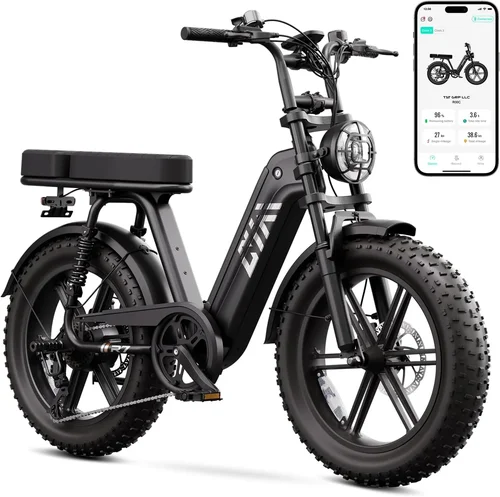
Electric motorcycles—commonly known as e-moto bikes—are transforming the way we think about urban mobility, weekend adventure riding, and even professional racing. With rapid advancements in battery technology, motor efficiency, and smart connectivity, these silent yet powerful machines are no longer niche novelties. They’re becoming serious contenders in the two-wheeled transportation space, appealing to commuters seeking eco-friendly alternatives, thrill-seekers craving instant torque, and environmentally conscious riders looking to reduce their carbon footprint without sacrificing performance.
This comprehensive buying guide is designed to help you navigate the fast-evolving world of e-moto bikes with confidence. Whether you’re a first-time buyer or an experienced rider considering your first electric upgrade, we’ll walk you through every critical decision point—from budgeting and performance specs to brand reliability and long-term ownership costs. By the end of this guide, you’ll have a clear understanding of what makes an e-moto bike truly great, how to match a model to your specific needs, and how to avoid costly mistakes that could leave you stranded—or out of pocket.
The market for electric motorcycles has exploded over the past five years. Once dominated by startups with limited production runs, it now features established players like Harley-Davidson (with its LiveWire line), Zero Motorcycles, and emerging innovators such as Damon Motorcycles and Cake. Meanwhile, Chinese manufacturers like NIU and Super Soco are bringing affordable, stylish options to urban riders worldwide. This diversity means more choice than ever—but also more complexity. With prices ranging from under $3,000 to well over $30,000, and capabilities varying from city scooters to highway-capable sport bikes, choosing the right e-moto requires careful research. That’s where this guide comes in.

What to Look for When Buying an E-Moto Bike
1. Budget & Price Range
Your budget is the single most important factor in narrowing down your options. E-moto bikes span a wide spectrum—from lightweight commuter models under $4,000 to high-performance machines rivaling traditional sport bikes at $25,000+. However, price doesn’t always correlate directly with value. A $6,000 bike might offer better real-world range and build quality than a $10,000 model with flashy features but poor reliability.
When setting your budget, consider not just the upfront cost but also long-term expenses: battery replacement (typically every 5–8 years), maintenance, insurance, and potential charging infrastructure upgrades at home. Many buyers underestimate these hidden costs. For example, a $3,500 entry-level e-scooter may seem like a bargain, but if it requires a new battery after three years at a cost of $1,200, your total cost of ownership rises significantly.
2. Performance Specifications
Performance in e-moto bikes boils down to three core metrics: range, top speed, and acceleration. Unlike gasoline bikes, where “power” is often measured in horsepower, electric motorcycles deliver instant torque—meaning they feel incredibly responsive from a standstill.
Range is arguably the most critical spec for daily riders. Look for real-world range estimates, not just manufacturer claims. Many brands quote “ideal condition” ranges that assume flat terrain, no wind, and minimal rider weight. In practice, expect 15–25% less. For city commuting (under 30 miles round-trip), a 40–60 mile range is sufficient. For longer commutes or weekend trips, aim for 80+ miles.
Top speed matters less for urban riders but becomes crucial if you plan to use highways. Most commuter e-motos cap out at 50–70 mph, while performance models like the Zero SR/S or LiveWire One can exceed 100 mph. Acceleration is where e-motos shine: many can go 0–60 mph in under 4 seconds—faster than most gas-powered bikes in their class.
3. Build Quality & Durability
An e-moto bike is a significant investment, so you want it to last. Pay close attention to frame materials (aluminum vs. steel), suspension quality, brake systems (disc brakes with ABS are ideal), and weather resistance ratings (IP67 is excellent for water and dust protection).
Cheaper models often cut corners with plastic body panels, weak welds, or low-grade components that wear out quickly. Premium bikes use aircraft-grade aluminum frames, fully adjustable suspension, and sealed electronics. Test rides are invaluable here—feel how the bike handles bumps, whether the brakes engage smoothly, and if the controls feel solid.
Also consider weight distribution. Electric motors are heavy, and poor placement can make a bike feel unwieldy at low speeds. Well-designed e-motos balance the battery low in the chassis for better stability.
4. Battery Technology & Charging
The battery is the heart of any e-moto. Most use lithium-ion cells, but chemistry varies—NMC (nickel-manganese-cobalt) offers high energy density, while LFP (lithium iron phosphate) provides longer cycle life and better thermal stability.
Key questions to ask:
– What’s the battery capacity (measured in kWh)?
– How long does a full charge take on standard (Level 1) and fast (Level 2) chargers?
– Is fast charging supported?
– Can you swap batteries or carry a spare?
For example, the Zero SR/F supports optional Charge Tank fast-charging accessories that cut charge times by 75%. Meanwhile, brands like Gogoro offer battery-swapping networks in select cities—ideal for riders without home charging.
5. Features & Functionality
Modern e-moto bikes come packed with tech features that enhance safety, convenience, and ride experience. Look for:
– Regenerative braking (recovers energy during deceleration)
– Multiple ride modes (Eco, Sport, Rain, etc.)
– Smartphone connectivity via Bluetooth or dedicated apps
– GPS tracking and anti-theft alerts
– LED lighting and adaptive headlights
– Digital dashboards with real-time diagnostics
Some high-end models even include traction control, cornering ABS, and over-the-air software updates. While these aren’t essential for casual riders, they add significant value for those prioritizing safety and future-proofing.
6. Brand Reputation & Reliability
Not all e-moto brands are created equal. Established names like Zero Motorcycles and Harley-Davidson have proven track records, extensive dealer networks, and robust customer support. Startups may offer cutting-edge designs but can struggle with parts availability or sudden shutdowns.
Research online forums, owner reviews, and third-party reliability reports. Brands with strong service networks (like Zero’s nationwide service centers) make maintenance far easier. Avoid obscure brands with no U.S. or EU presence unless you’re comfortable being a beta tester.
7. Warranty & Support
A comprehensive warranty is a strong indicator of a manufacturer’s confidence in their product. Most reputable brands offer:
– 2–3 years on the entire bike
– 3–8 years on the battery (often prorated)
– Roadside assistance programs
Read the fine print: some warranties void if you modify the bike or use non-OEM chargers. Also check if labor costs are covered during repairs—some only cover parts.
8. Size, Weight & Ergonomics
E-moto bikes vary widely in size and rider positioning. Sport bikes have aggressive, leaned-forward stances; cruisers offer relaxed seating; and adventure models provide upright comfort for long rides.
Consider your height, inseam, and riding style. A bike that’s too tall or heavy can be dangerous for beginners. Test rides are essential—sit on multiple models to assess seat height, handlebar reach, and overall comfort. Also note curb weight: many e-motos exceed 400 lbs due to battery mass, making them harder to maneuver at parking speeds.
Different Types of E-Moto Bikes

Common Buying Mistakes to Avoid
❌ Mistake: Prioritizing Price Over Real-World Range
Why it’s bad: A cheap e-moto with a 30-mile claimed range might only deliver 20 miles in cold weather or with a heavier rider—leaving you stranded.
What to do instead: Always check independent range tests and factor in your typical load, terrain, and climate. Add a 20% buffer to manufacturer claims.
❌ Mistake: Ignoring Charging Infrastructure
Why it’s bad: If you can’t charge at home or work, daily use becomes impractical. Public charging for motorcycles is still limited.
What to do instead: Confirm you have access to a 120V outlet near where you park. Consider portable chargers or battery-swapping options if available in your area.
❌ Mistake: Overlooking Insurance and Registration Costs
Why it’s bad: Some e-motos are classified as motorcycles (requiring a motorcycle license and higher insurance), while others are mopeds or scooters with lower requirements.
What to do instead: Verify your local regulations before buying. In many states, bikes under 49cc equivalent or 20 mph top speed have different rules.
❌ Mistake: Skipping the Test Ride
Why it’s bad: E-motos feel radically different from gas bikes—instant torque, quiet operation, and unique weight distribution can be disorienting.
What to do instead: Demand a test ride. If the dealer refuses, consider it a red flag. Many brands offer demo days or rental programs.
❌ Mistake: Buying Based Solely on Looks
Why it’s bad: A stylish bike with poor suspension, weak brakes, or unreliable electronics will frustrate you quickly.
What to do instead: Balance aesthetics with functional reviews. Look at professional tester feedback on handling, braking, and comfort.
❌ Mistake: Neglecting After-Sales Support
Why it’s bad: If your bike breaks down and there’s no local service center, repairs can take weeks—or cost a fortune in shipping.
What to do instead: Choose brands with established dealer/service networks in your region. Check online for user reports on warranty claims.
❌ Mistake: Assuming All “Electric” Means Eco-Friendly
Why it’s bad: Manufacturing batteries has a significant environmental cost. A short-lived bike creates more waste than a durable one.
What to do instead: Prioritize longevity and repairability. Brands offering battery recycling programs (like Zero) are preferable.
Budget Guidelines: How Much Should You Spend?
Entry-Level ($2,500 – $6,000):
These are ideal for students, urban commuters, and casual riders. Expect modest range (30–60 miles), top speeds under 60 mph, and basic features. Models like the NIU NQi GT or Super Soco CPX fall here. Build quality is adequate but not exceptional—perfect for short trips and learning the e-moto ropes.
Mid-Range ($6,000 – $12,000):
This is the sweet spot for most buyers. You get reliable performance (70–100 mile range), better suspension, ABS brakes, and smartphone integration. The Zero FXE and Harley-Davidson LiveWire One (refurbished) often appear in this tier. These bikes balance cost, capability, and daily usability.
Premium ($12,000 – $20,000):
For enthusiasts and serious commuters, premium e-motos offer highway capability, fast charging, advanced electronics, and premium materials. Think Zero SR/S, Energica Ego, or Cake Kalk OR. Expect 100+ mile range, 0–60 mph in under 4 seconds, and robust service support.
Luxury ($20,000+):
At this level, you’re paying for cutting-edge tech, bespoke design, and race-derived performance. The Damon Hypersport Premier ($39,995) or Lightning LS-218 ($38,888) deliver supercar-level acceleration and futuristic features like predictive AI and adaptive suspension. These are for collectors and tech-forward riders who want the absolute best.
Expert Tips for Getting the Best Deal
1. Time Your Purchase Strategically:
Many dealers offer end-of-year clearance sales (October–December) to make room for new models. Spring launches (March–May) also bring promotions. Avoid buying right after a new model announcement—prices on outgoing versions drop significantly.
2. Buy Direct vs. Through Dealers:
Some brands (like Zero and Cake) sell directly online with fixed pricing, eliminating dealer markups. Others require dealer purchases, where negotiation is possible. Compare both options—sometimes direct includes perks like free shipping or accessories.
3. Leverage Incentives and Rebates:
Check federal, state, and local EV incentives. The U.S. federal tax credit (up to $1,500 for e-motos under 50cc equivalent) and state rebates (e.g., California’s Clean Vehicle Rebate Project) can save you thousands. Some utilities even offer charging equipment rebates.
4. Insist on a Comprehensive Test Ride:
Don’t settle for a parking lot spin. Ask to ride on varied terrain—hills, highways, stop-and-go traffic. This reveals real-world handling, brake feel, and comfort.
5. Negotiate Beyond the Sticker Price:
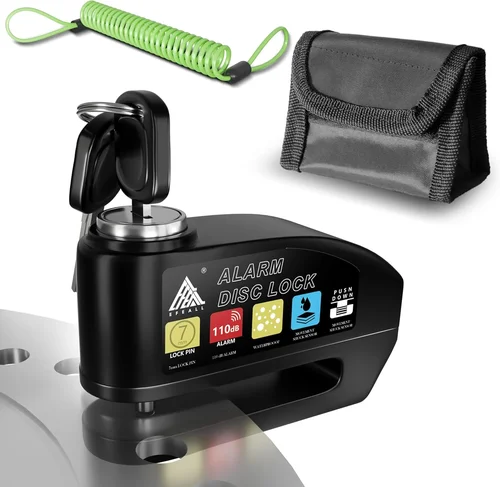
Even with fixed online pricing, you can often negotiate free accessories (helmets, locks, chargers), extended warranties, or service packages. Dealers want to close the sale—use that to your advantage.
6. Read the Return Policy Carefully:
Most e-motos are final sale due to regulations. However, some dealers offer 7–14 day “satisfaction guarantees” or demo programs. Know your rights before signing.
7. Join Owner Communities:
Forums like Electric Motorcycle Forum or Reddit’s r/electricmotorcycles provide insider tips, deal alerts, and honest reviews. Owners often share discount codes or group-buy opportunities.
8. Consider Total Cost of Ownership:
Use online calculators to compare fuel, maintenance, insurance, and depreciation against gas bikes. While e-motos have higher upfront costs, they often win long-term due to lower operating expenses.

Frequently Asked Questions
Q: How far can an e-moto bike really go on a single charge?
A: Real-world range depends on speed, terrain, rider weight, and weather. Most commuter models deliver 40–80 miles; performance bikes 80–120 miles. Always subtract 20% from manufacturer claims for realistic expectations.
Q: Do I need a special license to ride an e-moto?
A: It varies by region. In the U.S., bikes under 30 mph may qualify as mopeds (no motorcycle license needed). Faster models require a standard motorcycle endorsement. Check your DMV rules.
Q: Are e-moto bikes reliable?
A: Yes—especially from established brands. Electric drivetrains have fewer moving parts than engines, reducing mechanical failure. However, batteries degrade over time, and software glitches can occur.
Q: Can I ride an e-moto in the rain?
A: Absolutely. Most are rated IP65 or higher, meaning they’re protected against water jets. Avoid submerging them, but normal rain is fine.
Q: How long does it take to charge an e-moto?
A: Level 1 (standard outlet): 6–12 hours. Level 2 (240V charger): 1–4 hours. Fast DC charging (if supported): 30–60 minutes for 80% charge.
Q: What happens if the battery dies mid-ride?
A: Unlike gas bikes, you can’t “coast” far. Most e-motos have low-battery warnings and reserve modes. Always plan routes with charging options or carry a portable charger.
Q: Are e-moto bikes safe?
A: When equipped with ABS, traction control, and proper lighting, they’re as safe—or safer—than gas bikes. Their quiet operation is a downside in traffic, so use horns and lights proactively.
Q: Can I modify or upgrade my e-moto?
A: Some brands allow firmware updates or accessory additions, but major modifications (e.g., battery swaps) may void warranties. Check your manual first.
Q: Will e-moto bikes replace gas motorcycles?
A: Not entirely—but they’re rapidly gaining share, especially in urban and recreational segments. Charging infrastructure and battery tech will determine long-term adoption.
Q: Where can I find charging stations for e-motos?
A: Use apps like PlugShare, ChargePoint, or A Better Routeplanner. Many Level 2 stations accommodate motorcycles, though dedicated e-moto networks are still limited.
Our Final Recommendations
Best for Budget-Conscious Buyers: NIU NQi GT – At around $4,500, it offers solid 60-mile range, smartphone integration, and sleek design perfect for city commuting.
Best Overall Value: Zero SR/F – Priced at ~$18,000, it delivers 125-mile city range, 100+ mph top speed, fast charging, and premium build quality—making it the benchmark for mid-tier performance.
Best Premium Option: Damon Hypersport Premier – With AI-assisted safety, 200-mile range, and 200+ mph top speed, it’s the Tesla of motorcycles—ideal for tech enthusiasts and early adopters.
Best for Beginners: Super Soco TC Max – Lightweight, approachable, and stylish, this $5,500 café racer-style e-moto is perfect for new riders wanting style without complexity.
Best for Advanced Users: Lightning LS-218 – Holding the title of world’s fastest production motorcycle, this $38,888 beast is for track-day warriors and speed junkies who demand absolute performance.
Conclusion: Making the Right Choice
Choosing the right e-moto bike isn’t just about specs or price—it’s about aligning your ride with your lifestyle, values, and riding goals. Whether you’re cutting commute costs, reducing emissions, or simply embracing the thrill of silent acceleration, there’s an electric motorcycle designed for you.
Remember: prioritize real-world range over marketing claims, invest in quality over flash, and never skip the test ride. The best e-moto isn’t necessarily the most expensive or fastest—it’s the one that fits seamlessly into your daily life and brings you joy every time you twist the throttle.
As battery technology continues to improve and charging networks expand, the future of motorcycling is undeniably electric. By arming yourself with the knowledge in this guide, you’re not just buying a bike—you’re joining a movement toward cleaner, smarter, and more exhilarating transportation. So charge up, gear up, and ride forward with confidence.