

Electric bikes have revolutionized personal transportation, offering a sustainable, efficient, and fun way to commute, explore, or stay active. Among the various classifications of e-bikes, Class 2 models stand out for their unique blend of pedal-assist and throttle-powered riding—delivering convenience without sacrificing control. Whether you’re navigating city streets, cruising through parks, or tackling light off-road trails, a Class 2 e-bike gives you the flexibility to ride your way. With more people than ever looking to reduce their carbon footprint, avoid traffic congestion, or simply enjoy the outdoors, the demand for reliable, high-performing electric bicycles has surged.
This comprehensive buyer’s guide is designed to help you cut through the noise and make an informed decision when choosing the best Class 2 e-bike for your lifestyle. We’ll walk you through everything from performance specs and build quality to budget considerations and common pitfalls. By the end of this guide, you’ll understand exactly what to look for, how to compare different models, and how to avoid costly mistakes. Whether you’re a first-time buyer or upgrading from an older model, our expert insights will empower you to find the perfect e-bike that fits your needs, budget, and riding goals.
The Class 2 e-bike market in 2026 is more diverse and competitive than ever. From sleek urban commuters to rugged adventure-ready machines, manufacturers are pushing the boundaries of battery life, motor power, and smart features. Brands like Rad Power Bikes, Aventon, Lectric, and Himiway continue to innovate, while newer entrants bring fresh designs and aggressive pricing. With options ranging from under $1,000 to well over $3,000, there’s a Class 2 e-bike for nearly every rider. But with so many choices, it’s easy to feel overwhelmed. That’s why this guide focuses on clarity, practicality, and real-world usability—so you can ride away confident in your purchase.

What to Look for When Buying a Class 2 E-Bike
1. Motor Power and Performance
The motor is the heart of any electric bike, and for Class 2 models, it plays a dual role: assisting your pedaling and providing full throttle power when needed. Most Class 2 e-bikes feature hub motors ranging from 500W to 750W, with some high-end models pushing up to 1,000W. A 500W motor is typically sufficient for flat terrain and casual riding, while 750W or higher is ideal for hills, heavier loads, or faster acceleration.
Look for motors that offer smooth, responsive power delivery. A high-torque motor (measured in Newton-meters) will help you climb steep inclines without straining. Additionally, consider whether the motor is front-hub, rear-hub, or mid-drive. Rear-hub motors generally provide better traction and a more natural riding feel, while mid-drive motors (less common in Class 2 bikes) offer superior balance and efficiency. Always check the motor’s continuous power rating—not just peak—since sustained performance matters more for long rides.
2. Battery Capacity and Range
Battery life is one of the most critical factors for e-bike buyers. Class 2 e-bikes typically use lithium-ion batteries with capacities between 400Wh and 800Wh. The higher the watt-hour (Wh) rating, the longer the bike can run on a single charge. However, actual range depends on several variables: rider weight, terrain, assist level, wind, and tire pressure.
For example, a 500Wh battery might give you 30–50 miles on eco mode, but only 15–25 miles on high assist or throttle-only mode. Look for batteries with removable designs for easy charging and replacement. Some premium models offer dual-battery options or fast-charging capabilities (0–80% in under 2 hours). Also, check the battery’s cycle life—most quality batteries last 500–1,000 charge cycles before capacity drops below 80%.
3. Frame Material and Build Quality
The frame is the foundation of your e-bike’s durability and ride quality. Most Class 2 e-bikes use either aluminum alloy or steel frames. Aluminum is lightweight, corrosion-resistant, and ideal for urban commuting, while steel offers superior shock absorption and is often found on heavier-duty or cargo-oriented models.
Pay attention to welding quality, weight distribution, and overall rigidity. A well-built frame should feel stable at speed and absorb road vibrations without flexing. Look for reinforced joints, internal cable routing (for a cleaner look and reduced maintenance), and compatibility with racks and fenders. Avoid bikes with flimsy welds or overly flexible frames—these can compromise safety and longevity.
4. Braking System
Safety starts with reliable brakes. Class 2 e-bikes should be equipped with hydraulic or mechanical disc brakes—never rim brakes, which struggle with the added weight and speed of electric bikes. Hydraulic disc brakes offer superior stopping power, better modulation, and require less hand force, making them ideal for longer rides or hilly terrain.
Check the rotor size: 160mm is standard, but 180mm or 203mm rotors provide extra stopping power for heavier riders or steep descents. Also, ensure the brake levers are ergonomic and easy to reach. Some models include regenerative braking (which recharges the battery slightly during deceleration), though this feature is still rare in Class 2 bikes.
5. Tires and Suspension
Tires significantly impact comfort, traction, and rolling resistance. Class 2 e-bikes typically come with 20″ to 27.5″ wheels and tires ranging from 2.0″ to 4.0″ in width. Wider tires (2.8″–4.0″) offer better cushioning and grip, ideal for gravel paths or uneven pavement, while narrower tires (2.0″–2.5″) are faster and more efficient on smooth roads.
Consider puncture-resistant tires with reflective sidewalls for added safety. For suspension, many Class 2 bikes feature front suspension forks to absorb bumps. Full suspension is rare but available on premium models. If you ride on rough terrain, a quality suspension fork with 80–120mm of travel can make a big difference in comfort.
6. Display and Smart Features
The display is your command center. Most Class 2 e-bikes include an LCD or LED screen showing speed, battery level, assist mode, and distance. Higher-end models offer color displays with Bluetooth connectivity, GPS navigation, ride tracking, and smartphone integration via apps.
Look for intuitive controls—buttons or a thumb throttle should be easy to use while riding. Some bikes allow you to customize assist levels, set speed limits, or even lock the bike remotely. While smart features aren’t essential, they enhance usability and security. Just ensure the display is readable in sunlight and protected from the elements.
7. Weight and Portability
Class 2 e-bikes are heavier than traditional bikes due to the motor and battery, typically weighing between 45 and 70 pounds. If you need to carry your bike upstairs, load it into a car, or store it in a small apartment, weight becomes a major factor.
Look for models with step-through frames for easier mounting and dismounting. Some bikes include integrated rear racks or folding mechanisms (like the Lectric XP series), which improve portability. Always check the bike’s dimensions and weight before buying—especially if you plan to transport it frequently.
8. Warranty and Customer Support
A good warranty reflects a manufacturer’s confidence in their product. Most reputable brands offer at least a 1-year comprehensive warranty, with some extending coverage to 2–3 years on the frame and motor. Battery warranties are often shorter (6–12 months), so check the terms carefully.
Customer support is equally important. Read reviews about response times, repair services, and availability of replacement parts. Brands with U.S.-based service centers (like Rad Power Bikes or Aventon) tend to offer faster support than those relying on overseas distributors. Avoid brands with vague warranty terms or no clear support channels.
Different Types of Class 2 E-Bikes
Common Buying Mistakes to Avoid

❌ Mistake: Ignoring Local Laws and Regulations
Why it’s bad: Class 2 e-bikes are legal in most U.S. states, but regulations vary. Some cities restrict throttle use, require helmets, or limit where e-bikes can be ridden. Riding illegally could result in fines or confiscation.
What to do instead: Check your state and local laws before buying. Ensure the bike complies with speed limits (20 mph max for Class 2) and any required safety features like lights or reflectors.
❌ Mistake: Choosing Based on Price Alone
Why it’s bad: The cheapest e-bike often cuts corners on motor quality, battery life, and safety features. You may end up replacing it within a year.
What to do instead: Balance budget with value. A mid-range bike ($1,500–$2,500) often offers the best combination of performance, durability, and warranty.
❌ Mistake: Overlooking Test Rides
Why it’s bad: E-bikes feel different from regular bikes. A model that looks great online might be uncomfortable, too heavy, or have poor handling in real life.
What to do instead: Visit local dealers or attend e-bike expos to test ride multiple models. Pay attention to seat comfort, handlebar position, and throttle response.
❌ Mistake: Neglecting Maintenance Needs
Why it’s bad: E-bikes require regular upkeep—brake adjustments, tire checks, battery care. Ignoring maintenance can lead to breakdowns or safety issues.
What to do instead: Learn basic maintenance or choose a brand with strong service support. Keep tires inflated, clean the chain, and store the battery properly.
❌ Mistake: Buying Without Considering Storage
Why it’s bad: E-bikes are bulky and heavy. Storing one in a small apartment or on a balcony can be challenging without proper planning.
What to do instead: Measure your storage space and consider a folding model or wall mount. Ensure the bike fits through doors and elevators.
❌ Mistake: Skipping the Warranty Check
Why it’s bad: A short or unclear warranty can leave you stranded if the motor or battery fails.
What to do instead: Read the fine print. Look for at least 1 year on the motor and battery, and 2–3 years on the frame. Choose brands with accessible customer service.
❌ Mistake: Assuming All Throttles Are Equal
Why it’s bad: Some throttles are jerky or slow to respond, making starts and stops unsafe.
What to do instead: Test the throttle during a ride. A smooth, progressive throttle (like a twist-grip or thumb lever) is safer and more enjoyable.
Budget Guidelines: How Much Should You Spend?
Entry-Level ($800 – $1,400): These bikes are ideal for casual riders or those on a tight budget. Expect basic components, lower-capacity batteries (400–500Wh), and limited range (20–35 miles). Brands like Gotrax, Ancheer, and Ecotric offer affordable options, but build quality and support may be inconsistent. Best for flat terrain and short commutes.
Mid-Range ($1,400 – $2,500): This is the sweet spot for most buyers. You’ll get reliable motors (500W–750W), better batteries (500–700Wh), and improved components like hydraulic disc brakes and suspension forks. Brands like Rad Power Bikes, Aventon, and Lectric dominate this range with strong warranties and customer support. Expect 30–60 miles of range and solid build quality.
Premium ($2,500 – $3,500): For enthusiasts and daily commuters who demand performance and durability. These bikes feature high-capacity batteries (700–800Wh), powerful motors (750W+), premium frames, and advanced features like color displays, app integration, and regenerative braking. Models from Himiway, Juiced Bikes, and Specialized offer excellent value here.
Luxury ($3,500+): Top-tier e-bikes with cutting-edge technology, lightweight carbon frames, dual batteries, and professional-grade components. These are built for long-distance touring, heavy cargo, or extreme terrain. While overkill for most, they offer unmatched performance and longevity.
Expert Tips for Getting the Best Deal
1. Buy During Off-Season Sales: E-bike prices often drop in late fall and winter (October–February) as retailers clear inventory. Look for Black Friday, Cyber Monday, and end-of-year promotions.
2. Compare Online and In-Store Options: Online retailers (like RadPower.com or Aventon.com) often offer better prices and exclusive deals. However, local bike shops provide test rides, assembly, and service. Some offer price matching.
3. Check for Bundles and Accessories: Many brands include free accessories (helmets, locks, lights) with purchase. These can save $100–$200 compared to buying separately.
4. Read Real User Reviews: Look beyond star ratings. Sites like Electric Bike Review, YouTube, and Reddit offer detailed feedback on reliability, comfort, and customer service.
5. Consider Refurbished or Open-Box Models: Certified refurbished e-bikes from reputable brands can save 20–30% and often come with the same warranty as new models.
6. Understand Return Policies: Ensure the seller offers at least a 14-day return window. Some brands (like Lectric) provide 30-day test rides with free returns.
7. Factor in Total Cost of Ownership: Include maintenance, insurance, and potential upgrades (better tires, upgraded seat) in your budget. A cheaper bike may cost more long-term.
8. Join E-Bike Communities: Forums and Facebook groups often share exclusive discount codes, flash sales, and insider tips.
Frequently Asked Questions
Q: What is a Class 2 e-bike?
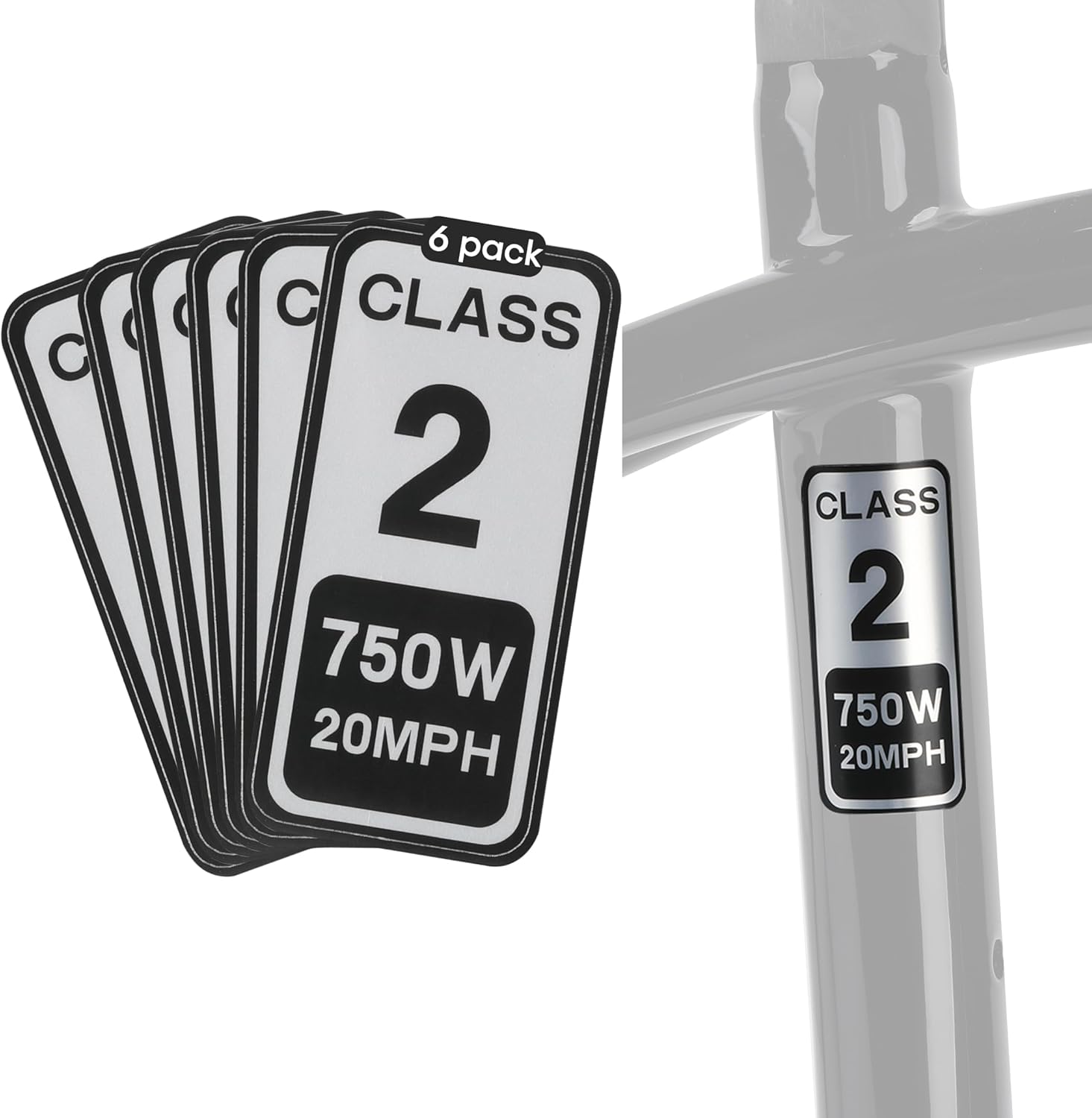
A: A Class 2 e-bike is an electric bicycle equipped with both pedal-assist and a throttle that can propel the bike without pedaling. It is limited to a maximum speed of 20 mph (32 km/h) when using the throttle. This classification is recognized in most U.S. states and allows use on bike paths and roads where traditional bicycles are permitted.
Q: Can I ride a Class 2 e-bike on bike trails?
A: It depends on local regulations. Many multi-use trails allow Class 2 e-bikes, but some natural or protected areas restrict throttle use. Always check trail rules before riding.
Q: How far can a Class 2 e-bike go on a single charge?
A: Range varies based on battery capacity, terrain, rider weight, and assist level. Most Class 2 e-bikes offer 25–60 miles per charge. Eco mode extends range, while throttle-only use reduces it significantly.
Q: Do I need a license or insurance to ride a Class 2 e-bike?
A: In most U.S. states, no license or insurance is required for Class 2 e-bikes. However, some cities or rental programs may have specific rules. Always verify local laws.
Q: How long does it take to charge the battery?
A: Standard charging takes 4–6 hours for a full charge. Fast-charging models can reach 80% in 2–3 hours. Avoid overcharging—most modern batteries have built-in protection.
Q: Can I ride a Class 2 e-bike in the rain?
A: Yes, most e-bikes are water-resistant (IP65 or higher), but avoid submerging the battery or motor. Dry the bike after wet rides and store it indoors when possible.
Q: What’s the difference between Class 1, Class 2, and Class 3 e-bikes?
A: Class 1: Pedal-assist only, up to 20 mph. Class 2: Pedal-assist + throttle, up to 20 mph. Class 3: Pedal-assist only, up to 28 mph. Class 2 offers the most flexibility for casual riders.
Q: How often should I service my e-bike?
A: Basic maintenance (tire pressure, chain lubrication) should be done monthly. Full service (brakes, drivetrain, motor check) is recommended every 6–12 months or after 500–1,000 miles.
Q: Can I upgrade the battery on my e-bike?
A: Some brands offer higher-capacity batteries as upgrades. Check compatibility with your model. Avoid third-party batteries—they may void the warranty or pose safety risks.
Q: Are Class 2 e-bikes safe for beginners?
A: Yes, especially with throttle control for easy starts. However, beginners should practice in safe areas, wear a helmet, and learn how to use assist levels effectively.
Our Final Recommendations
Best for Budget-Conscious Buyers: Lectric XP 3.0 – At under $1,000, this folding Class 2 e-bike delivers surprising performance with a 500W motor, 48V battery, and 40+ mile range. Ideal for urban commuters and apartment dwellers.
Best Overall Value: Rad Power Bikes RadCity 5 Plus – A top-rated commuter e-bike with a 750W motor, 672Wh battery, hydraulic brakes, and integrated lights. Priced around $1,999, it offers premium features at a mid-range cost.
Best Premium Option: Himiway Cruiser – A fat-tire beast with a 750W motor, 840Wh battery, and 60+ mile range. Perfect for off-road adventures and long-distance riding. Priced at $2,299, it’s built to last.
Best for Beginners: Aventon Pace 500.3 – Smooth ride, intuitive controls, and a step-through frame make this an excellent first e-bike. Includes a color display, app connectivity, and a 1-year warranty.
Best for Advanced Users: Juiced CrossCurrent X – A high-performance hybrid with a 750W motor, 960Wh battery, and 70+ mile range. Features a carbon belt drive, hydraulic suspension, and fast charging. Ideal for serious riders.
Conclusion: Making the Right Choice
Choosing the best Class 2 e-bike isn’t just about specs or price—it’s about finding the right match for your lifestyle, terrain, and riding goals. Whether you’re commuting to work, exploring trails, or simply enjoying weekend rides, the right e-bike can transform your daily routine. By focusing on motor performance, battery life, build quality, and safety features, you’ll avoid common pitfalls and invest in a bike that lasts.
Remember to test ride when possible, read real user reviews, and prioritize brands with strong warranties and support. Don’t rush the decision—take your time to compare options and consider your long-term needs. And most importantly, enjoy the ride. With the right Class 2 e-bike, every journey becomes an adventure.
Now that you’re equipped with expert knowledge, it’s time to find your perfect match. Use this guide as your roadmap, and ride confidently into the future of sustainable transportation.