

The hoverboard market has evolved dramatically since its explosive debut in the mid-2010s. What began as a novelty gadget with questionable safety standards has matured into a legitimate personal mobility category—offering everything from budget-friendly commuter tools to high-performance machines capable of tackling off-road terrain. With hundreds of models flooding the market, choosing the right hoverboard can feel overwhelming. That’s why this comprehensive 2026 buying guide exists: to cut through the noise, decode marketing hype, and help you make an informed decision based on real-world performance, safety, and value.
In this guide, you’ll learn exactly what separates a great hoverboard from a dud. We’ll break down the critical factors that matter most—from battery life and motor power to build quality and safety certifications—and show you how to match those specs to your lifestyle. Whether you’re a parent buying your first kid-friendly model, a college student looking for campus transportation, or an enthusiast seeking a rugged all-terrain beast, we’ve got you covered. You’ll also discover common pitfalls to avoid, smart budgeting strategies, and insider tips to get the best deal without compromising on safety or performance.
The current hoverboard landscape is more diverse than ever. Major brands like Gotrax, Segway-Ninebot, Swagtron, and Razor now dominate the space, each offering distinct product lines tailored to different users. Meanwhile, Chinese manufacturers continue to push innovation with features like app connectivity, LED light shows, and even Bluetooth speakers. But with great variety comes great confusion—especially when counterfeit or uncertified models slip through online marketplaces. Our goal is to equip you with the knowledge to navigate this complex ecosystem confidently, so you end up with a reliable, fun, and safe ride that lasts for years.

What to Look for When Buying Gotrax
1. Safety Certifications & Compliance
Never compromise on safety—this is non-negotiable. In 2016, the U.S. Consumer Product Safety Commission (CPSC) issued a mandatory recall of over 500,000 hoverboards due to fire risks from substandard lithium-ion batteries. Since then, reputable manufacturers have adopted strict compliance standards. Always look for UL 2272 certification, which ensures the electrical system and battery pack meet rigorous safety tests for fire, electrical shock, and explosion resistance. Additionally, check for FCC, CE, and RoHS markings, which indicate electromagnetic compatibility and environmental safety.
Gotrax, as a U.S.-based brand, consistently adheres to these standards across its entire lineup. Their hoverboards undergo third-party testing by Underwriters Laboratories (UL), and every unit ships with a certification label clearly visible on the underside or packaging. Avoid any seller that cannot provide proof of UL 2272 certification—especially on Amazon, eBay, or AliExpress, where counterfeit listings still slip through. A certified hoverboard may cost slightly more, but it’s a small price to pay for peace of mind and protection against potential hazards.
2. Battery Life & Range
Battery performance directly impacts how far and how long you can ride. Most Gotrax hoverboards use lithium-ion (Li-ion) batteries, which offer a good balance of energy density, weight, and lifespan. However, not all Li-ion cells are created equal. Look for models that specify the battery capacity in watt-hours (Wh) or ampere-hours (Ah)—not just vague claims like “up to 12 miles.” Real-world range depends on rider weight, terrain, speed, and riding style. For example, a 150-pound rider on flat pavement will achieve significantly more range than a 200-pound rider climbing hills.
Gotrax typically offers batteries ranging from 25.2V/4.4Ah (110Wh) in entry-level models to 36V/6.0Ah (216Wh) in premium versions. The Gotrax Elite, for instance, delivers up to 12 miles on a single charge under ideal conditions. Always factor in a 20–30% buffer when comparing advertised ranges—manufacturers often test under unrealistic lab conditions. If you plan to use your hoverboard for daily commuting, aim for at least 8–10 miles of real-world range to avoid midday recharging.
3. Motor Power & Performance
The motor is the heart of your hoverboard. Gotrax models generally feature dual hub motors—one in each wheel—with power ratings between 250W and 500W per motor. Total system power ranges from 500W (entry-level) to 1000W (high-performance). Higher wattage translates to better hill-climbing ability, faster acceleration, and improved stability at speed. For casual riders on flat surfaces, 500W total power is sufficient. But if you live in a hilly area or carry heavy backpacks, opt for 750W or higher.
Pay attention to torque as well. While not always listed, torque determines how quickly the hoverboard responds to leans and maintains balance. Gotrax’s mid-tier and premium models use brushless motors, which are more efficient, quieter, and longer-lasting than brushed alternatives. Also consider top speed: most Gotrax hoverboards cap out between 6–10 mph. Beginners may prefer slower speeds (6–7 mph), while experienced riders might appreciate the extra zip of a 10 mph model.
4. Build Quality & Durability
A hoverboard is only as good as its construction. Gotrax uses a combination of high-impact ABS plastic and reinforced aluminum frames in its chassis. The foot pads should be textured and slip-resistant, with responsive gyroscopic sensors underneath. Check for water resistance ratings—many Gotrax models carry an IP54 rating, meaning they can handle light splashes and dust but shouldn’t be ridden in heavy rain or puddles.
Wheel material matters too. Gotrax typically uses solid rubber tires (non-pneumatic), which eliminate the risk of flats but offer less cushioning than air-filled alternatives. For urban commuting on smooth pavement, solid tires are fine. But if you’re riding over cracks, gravel, or uneven sidewalks, consider models with larger wheels (8.5” or 10”) for better shock absorption. Inspect the deck thickness and weight capacity: most Gotrax hoverboards support up to 220–265 lbs. Overloading can strain motors and reduce battery life.
5. Features & Functionality
Modern hoverboards come packed with extras that enhance usability and fun. Gotrax integrates features like Bluetooth connectivity (for pairing with smartphones), built-in LED headlights and taillights, customizable light patterns, and companion apps that track speed, battery level, and riding stats. Some models even include cruise control, which maintains a steady speed without constant leaning—ideal for long, straight paths.
Consider your priorities. If you ride at night, bright front and rear LEDs are essential for visibility. If you’re tech-savvy, an app with firmware updates and ride diagnostics adds long-term value. However, don’t get swayed by gimmicks like “360-degree spins” or “dance modes” unless they align with your actual needs. Focus on practical features that improve safety, convenience, or performance. Gotrax strikes a solid balance here—offering useful tech without overcomplicating the user experience.
6. Brand Reputation & Reliability
Gotrax has established itself as one of the most trusted names in the hoverboard space. Founded in 2015 and headquartered in California, the company focuses exclusively on electric personal transporters, including hoverboards, scooters, and e-bikes. Their commitment to safety, consistent customer service, and transparent product information sets them apart from fly-by-night brands.
Look at long-term user feedback: Gotrax hoverboards consistently earn 4+ star ratings on Amazon and Best Buy, with praise for reliability and responsive support. They also offer detailed product manuals, video tutorials, and firmware update guides—signs of a brand invested in customer success. Avoid unknown brands with no verifiable history, vague specifications, or customer service that’s impossible to reach.
7. Warranty & Customer Support
A solid warranty is a strong indicator of a manufacturer’s confidence in its product. Gotrax offers a standard 1-year limited warranty covering defects in materials and workmanship. This includes free repairs or replacements for faulty motors, batteries, or control boards—provided the issue isn’t due to misuse, water damage, or unauthorized modifications.
Check the fine print: some retailers extend the warranty period, while others sell refurbished units with shorter coverage. Gotrax’s support team is accessible via email and phone, with average response times under 24 hours. They also maintain an active FAQ section and troubleshooting portal. When comparing brands, prioritize those with clear warranty terms and responsive support—because even the best hoverboards can develop issues over time.
8. Size, Weight & Portability
Hoverboards aren’t meant to be lugged around all day, but portability still matters—especially if you’ll be carrying it upstairs, onto public transit, or into classrooms. Most Gotrax models weigh between 22 and 28 pounds. The lighter end (22–24 lbs) suits younger riders or those with limited strength, while heavier units often pack more powerful batteries and motors.
Dimensions vary slightly, but standard hoverboards measure roughly 23” x 7” x 6.5”. Consider foldable designs if storage space is tight, though Gotrax doesn’t currently offer folding hoverboards. Instead, look for models with ergonomic handles or carrying straps (sold separately). If you plan to travel with your hoverboard, verify airline policies—most prohibit lithium batteries in checked luggage, so you’ll need to carry it onboard.
Different Types of Gotrax

Common Buying Mistakes to Avoid

❌ Mistake: Ignoring Safety Certifications
Why it’s bad: Uncertified hoverboards pose serious fire and electrical hazards. Many cheap imports use counterfeit UL labels or bypass testing entirely.
What to do instead: Always verify UL 2272 certification by checking the product label or asking the seller for documentation. Stick to reputable retailers like Gotrax.com, Amazon (sold by Gotrax), or Best Buy.
❌ Mistake: Choosing Based Solely on Price
Why it’s bad: The cheapest hoverboards often cut corners on battery quality, motor durability, and safety features—leading to premature failure or safety risks.
What to do instead: Set a realistic budget based on your usage needs. A $200 model may suffice for occasional fun, but daily commuters should invest $350+ for reliability.
❌ Mistake: Overlooking Weight Capacity
Why it’s bad: Exceeding the rated weight limit strains motors, drains batteries faster, and can cause sudden shutdowns or loss of balance.
What to do instead: Check the specs carefully. If you’re near the upper limit, choose a model with a higher capacity (e.g., 265 lbs instead of 220 lbs).
❌ Mistake: Assuming All “Waterproof” Claims Are Equal
Why it’s bad: Many brands claim “waterproof” but only offer minimal splash resistance. Riding in rain or puddles can fry electronics.
What to do instead: Look for specific IP ratings. IP54 means splash-resistant; IP65 or higher is needed for wet conditions. Gotrax models are typically IP54—fine for dry weather only.
❌ Mistake: Buying Without Reading Real User Reviews
Why it’s bad: Marketing photos and specs don’t reveal real-world issues like poor Bluetooth connectivity, short battery life, or unresponsive foot pads.
What to do instead: Read verified purchase reviews on multiple platforms. Pay attention to recurring complaints—especially about battery degradation after a few months.
❌ Mistake: Skipping the Test Ride
Why it’s bad: Hoverboards vary in responsiveness and balance. What feels intuitive to one person may feel jerky or sluggish to another.
What to do instead: If possible, test ride at a local electronics store or borrow from a friend. Gotrax offers a 30-day return policy on direct purchases—use it!
Budget Guidelines: How Much Should You Spend?
Entry-Level ($150–$250): This tier includes basic models like the Gotrax Hoverfly ECO. Expect UL 2272 certification, 6–8 mile range, 6–7 mph top speed, and minimal features (maybe just LED lights). Ideal for kids, casual riders, or first-time users. Build quality is decent but not built for daily abuse.
Mid-Range ($250–$400): The sweet spot for most buyers. Models like the Gotrax Nova and Elite offer 8–12 mile ranges, 8–10 mph speeds, Bluetooth apps, better motors, and improved durability. Perfect for students, urban commuters, and families wanting reliable performance without premium pricing.
Premium ($400–$600): Designed for enthusiasts and frequent riders. The Gotrax Titan falls here, with all-terrain tires, 1000W motors, extended range, and rugged construction. These handle hills, gravel, and longer distances with ease. Worth the investment if you ride daily or in challenging conditions.
Luxury ($600+): While Gotrax doesn’t currently offer models above $550, this tier includes high-end competitors with advanced suspension, app-based ride customization, and premium materials. Only necessary for professional use or extreme performance demands.
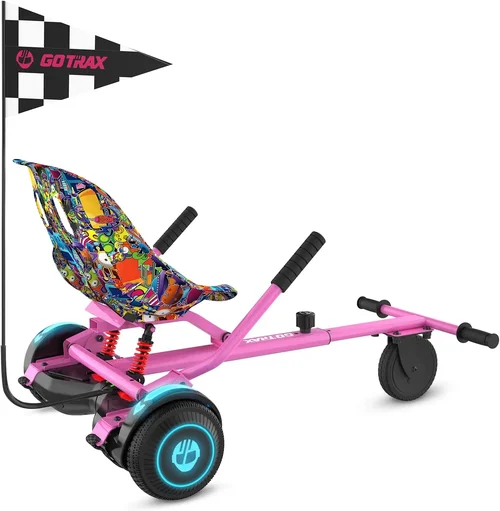
Expert Tips for Getting the Best Deal
1. Buy Direct from Gotrax.com: You’ll get the full warranty, access to firmware updates, and exclusive bundles (like free carrying bags). Plus, their 30-day return policy beats most third-party retailers.
2. Check for Refurbished Units: Gotrax sells certified refurbished hoverboards at 20–30% off. These are thoroughly tested, come with the same warranty, and are a great way to save without sacrificing quality.
3. Bundle Accessories: Instead of buying a helmet or phone mount separately, look for starter kits. Gotrax occasionally offers packages that include safety gear for a discounted total.
4. Use Price Tracking Tools: Set alerts on Honey, CamelCamelCamel, or Keepa to monitor price drops on Amazon or Best Buy. Prices fluctuate frequently, especially around holidays.
5. Verify Seller Authenticity: On marketplaces like Amazon, only buy from sellers labeled “Ships from and sold by Amazon.com” or “Gotrax Official Store.” Third-party sellers may ship counterfeit or used units.
6. Read the Return Policy Carefully: Some retailers charge restocking fees or won’t accept returns if the hoverboard shows signs of use. Gotrax allows returns within 30 days as long as the item is in resellable condition.
7. Test Before Committing: If you’re unsure, start with a lower-cost model. Once you’re comfortable with hoverboard dynamics, you can upgrade later with confidence.
8. Consider Long-Term Costs: Factor in replacement parts (like foot pads or chargers) and potential battery replacements after 2–3 years. Gotrax sells genuine parts directly, which is a plus.

Frequently Asked Questions
Q: Are Gotrax hoverboards safe for kids?
A: Yes—when used properly. All Gotrax models are UL 2272 certified, making them among the safest on the market. The Hoverfly ECO is specifically designed for ages 8+, with lower speed limits and lightweight construction. Always supervise young riders and ensure they wear helmets and pads.
Q: How long does it take to charge a Gotrax hoverboard?
A: Most models take 2–4 hours to fully charge from empty. The Elite and Titan may take closer to 4 hours due to larger batteries. Avoid overnight charging; use the included charger only and unplug once full.
Q: Can I ride my Gotrax hoverboard in the rain?
A: Not recommended. While Gotrax hoverboards have IP54 ratings (splash-resistant), they are not waterproof. Water ingress can damage the battery, motors, or control board, voiding the warranty.
Q: What’s the lifespan of a Gotrax hoverboard?
A: With proper care, 2–4 years is typical. Battery degradation is the main limiting factor—after ~500 charge cycles, capacity drops noticeably. Regular maintenance (cleaning sensors, avoiding extreme temps) extends longevity.
Q: Do I need to calibrate my hoverboard?
A: Yes, occasionally. If the hoverboard drifts or feels unbalanced, place it on a flat surface, power it on, and let it sit undisturbed for 10–15 seconds. Most Gotrax models auto-calibrate, but some require a manual reset via the app.
Q: Can I replace the battery myself?
A: Technically yes, but it voids the warranty and risks safety if done incorrectly. Gotrax recommends professional servicing. Contact their support team for authorized repair centers.
Q: Is there a mobile app for Gotrax hoverboards?
A: Yes—the Gotrax app (iOS/Android) works with Bluetooth-enabled models like the Elite and Titan. It shows battery level, speed, ride time, and lets you customize LED colors and enable cruise control.
Q: What’s the difference between solid and pneumatic tires?
A: Gotrax uses solid rubber tires, which never go flat but offer less cushioning. Pneumatic (air-filled) tires provide a smoother ride but require maintenance and can puncture. For most urban riders, solid tires are more practical.
Q: Can I take my hoverboard on a plane?
A: Only in carry-on luggage. FAA regulations prohibit lithium batteries over 100Wh in checked bags. Most Gotrax hoverboards are under this limit, but confirm your model’s Wh rating before flying.
Q: Why does my hoverboard shut off unexpectedly?
A: Common causes include low battery, overheating, or exceeding weight limits. Also check for loose connections or debris in the wheel wells. If issues persist, contact Gotrax support.
Our Final Recommendations
Best for Budget-Conscious Buyers: Gotrax Hoverfly ECO – At under $250, it delivers certified safety, decent range, and kid-friendly features without breaking the bank. Perfect for casual use and first-time riders.
Best Overall Value: Gotrax Elite – With 12-mile range, 10 mph speed, Bluetooth app, and robust build, it strikes the ideal balance between performance, features, and price. Ideal for daily commuting and versatile riding.
Best Premium Option: Gotrax Titan – For those who demand power and durability, the Titan’s 1000W motors, all-terrain tires, and rugged design handle hills, gravel, and rough pavement with ease. A top choice for off-road adventures.
Best for Beginners: Gotrax Hoverfly ECO – Lightweight, simple controls, and a lower top speed make it the safest entry point. Parents will appreciate the UL certification and responsive support.
Best for Advanced Users: Gotrax Titan – Experienced riders will love the responsive handling, high torque, and ability to tackle varied terrain. The app integration and cruise control add polish for tech-savvy users.
Conclusion: Making the Right Choice
Choosing the best hoverboard isn’t about finding the flashiest model or the lowest price—it’s about matching the right combination of safety, performance, and features to your specific needs. Gotrax has built a reputation for delivering reliable, certified hoverboards that cater to a wide range of users, from kids to commuters to off-road adventurers. By prioritizing UL 2272 certification, realistic battery expectations, and honest user reviews, you’ll avoid the pitfalls that trap so many first-time buyers.
Remember: a hoverboard is both a toy and a tool. Treat it with respect, maintain it properly, and always ride safely. Whether you’re gliding across campus, exploring neighborhood trails, or just having fun in the driveway, the right Gotrax model will deliver years of smooth, enjoyable rides. Use this guide as your roadmap—and when you’re ready, take the leap with confidence. Your perfect hoverboard is out there. Now go find it.