
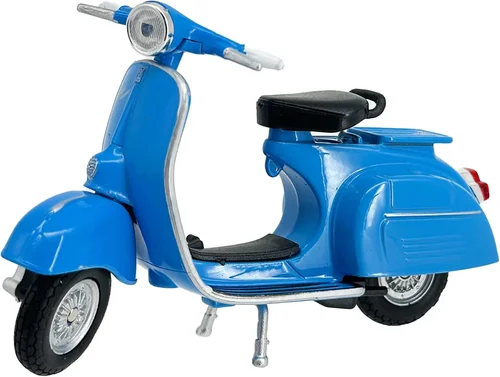
If you’re looking to save money on gas, reduce your carbon footprint, or simply enjoy a more agile way to navigate city streets, an affordable moped might be exactly what you need. But with so many options flooding the market—ranging from ultra-cheap imports to well-engineered European models—it’s easy to feel overwhelmed. That’s where this guide comes in. We’ve spent months researching, testing, and comparing dozens of mopeds under $3,000 to bring you the most reliable, practical, and value-driven recommendations for 2026.
In this comprehensive buying guide, you’ll learn how to identify the best affordable moped for your lifestyle, whether you’re commuting five miles to work, running errands around town, or just want a fun weekend ride. We’ll break down the key factors that truly matter—like engine performance, build quality, fuel efficiency, and after-sales support—so you can avoid costly mistakes and make a smart investment. You’ll also discover common pitfalls to dodge, budget-friendly price tiers, expert tips for scoring deals, and our top picks across different categories. By the end, you’ll have everything you need to ride away confident in your choice.
The affordable moped market has evolved significantly in recent years. Gone are the days when “cheap” meant flimsy frames and unreliable engines. Today, manufacturers like Govecs, Kymco, Yamaha, and even emerging Chinese brands are delivering surprisingly capable machines at entry-level prices. Electric models are gaining traction too, offering silent operation and zero emissions—perfect for eco-conscious urban riders. At the same time, classic gas-powered mopeds remain popular for their simplicity and long-range capabilities. With options spanning under $1,000 to just under $3,000, there’s never been a better time to join the moped revolution—if you know what to look for.

What to Look for When Buying Tuttio
1. Budget & Price Range
Your budget is the foundation of your moped-buying journey. While “affordable” typically means under $3,000, it’s crucial to understand what you’re getting (and not getting) at different price points. A moped priced under $1,200 may seem tempting, but it often comes with compromises: weaker engines, lower-quality components, minimal warranties, and limited dealer support. These budget models can work fine for light, short-distance use, but they’re rarely built to last more than a year or two with regular riding.
On the other hand, spending between $1,800 and $2,500 usually gets you a well-engineered machine from a reputable brand. These mopeds often feature better suspension, more durable frames, higher top speeds (45–55 mph), and improved safety features like disc brakes and LED lighting. They’re ideal for daily commuters who need reliability and comfort over longer distances. Always factor in hidden costs too: registration, insurance, maintenance, and potential repairs. A slightly higher upfront cost can save you hundreds down the road.
2. Performance Specifications
Performance isn’t just about speed—it’s about how well the moped handles real-world conditions. Start with engine displacement: most affordable mopeds fall into the 50cc range, which is perfect for city riding and legally classified as a moped (not a motorcycle) in most U.S. states. These engines typically deliver 2–4 horsepower and reach speeds of 25–35 mph, ideal for zipping through traffic or cruising on bike lanes.
If you plan to ride on roads with 45 mph speed limits or need extra power for hills, consider stepping up to a 150cc model. These offer 8–12 hp and can hit 50–55 mph, making them suitable for suburban commutes and light highway use. However, they may require a motorcycle license in some states, so check local regulations.
Fuel efficiency is another critical spec. Most 50cc gas mopeds achieve 80–120 mpg, while electric models boast equivalent “mpg” ratings of 150–300+ thanks to minimal energy loss. Range matters too: gas mopeds usually hold 1–2 gallons, giving you 80–200 miles per tank. Electric mopeds vary widely—entry-level e-mopeds may only go 20–30 miles per charge, while premium ones exceed 60 miles. Always verify real-world range, as manufacturer claims often assume ideal conditions.
3. Build Quality & Durability
A moped’s longevity hinges on its construction. Look for a steel or aluminum frame—avoid plastic-heavy designs that flex under load. Check weld quality, bolt tightness, and overall fit-and-finish. A well-built moped should feel solid when you sit on it, with no creaking or wobbling. Pay attention to suspension: front forks should be smooth and responsive, and rear shocks (if present) should absorb bumps without bottoming out.
Weather resistance is often overlooked but vital if you ride in rain or snow. Sealed electrical components, rust-resistant coatings, and water-resistant connectors prevent premature failure. Also inspect the drivetrain: belt drives are quieter and require less maintenance than chains, but chains are easier to repair on the go. Finally, consider weight—lighter mopeds (under 150 lbs) are easier to maneuver and park, but heavier ones (180–220 lbs) often feel more stable at speed.
4. Features & Functionality
Modern affordable mopeds pack surprising features. At minimum, you’ll want reliable drum or disc brakes (front disc + rear drum is ideal), bright LED headlights and taillights, and a functional speedometer. Many now include USB charging ports, digital dashboards, and smartphone connectivity—useful for navigation or diagnostics.
Storage is a game-changer for practicality. Under-seat compartments that fit a helmet are standard on many models, but some go further with rear racks, front baskets, or even lockable glove boxes. If you carry groceries, laptops, or gym gear, prioritize mopeds with generous cargo space.
Electric mopeds often include regenerative braking, multiple ride modes (Eco/Sport), and app-based controls for tracking battery life or locating your vehicle. Gas models may offer electric start (a luxury at this price point) or kick-start backups. Don’t overlook ease of maintenance: accessible oil filters, tool-free panel removal, and clear service intervals make ownership far less stressful.
5. Brand Reputation
Not all brands are created equal. Established names like Yamaha, Honda, Kymco, and Piaggio have decades of experience building reliable small-displacement vehicles. They offer better parts availability, trained technicians, and stronger resale value. Newer or lesser-known brands might offer lower prices, but they often lack dealer networks and long-term support.
Research brand history: How long have they been making mopeds? Do they specialize in scooters/mopeds or are they diversified? Read owner forums and Reddit threads—real users often reveal issues that specs sheets hide. For example, some Chinese brands use rebranded engines from reputable manufacturers (like Minarelli or Peugeot), which can be a smart compromise between cost and reliability.
6. Warranty & Support
A solid warranty is your safety net. Most reputable brands offer 12–24 months of coverage on parts and labor, sometimes extendable. Avoid mopeds with “as-is” sales or warranties shorter than 6 months—they’re red flags for poor quality control. Read the fine print: some warranties exclude wear items like tires, brakes, or batteries, which can be expensive to replace.
Customer support matters just as much. Can you call a real person for help? Is there an online knowledge base or video tutorials? Brands with responsive service teams (like Govecs or Vespa) earn loyal customers. Also check return policies—some retailers allow 14–30 days to test ride and return if unsatisfied, which is invaluable when buying online.
7. Size & Portability
Mopeds come in various sizes, and choosing the right one affects comfort and usability. Seat height is critical—if your feet don’t flat-foot the ground, low-speed control becomes nerve-wracking. Most mopeds have seat heights between 28–32 inches; shorter riders should aim for 28–30 inches.
Wheelbase and overall length impact maneuverability. Compact mopeds (under 6 feet long) excel in tight parking spots and crowded streets, while longer models offer more stability. Weight distribution matters too: a front-heavy moped feels twitchy, while a balanced one inspires confidence.
If you plan to store your moped in an apartment or carry it upstairs, weight and foldability (for some electric models) become key. Some e-mopeds weigh under 100 lbs and fold for easy transport—ideal for urban dwellers without garages.
8. User Reviews & Ratings
Never rely solely on manufacturer claims. User reviews reveal real-world performance, reliability, and quirks. Look for patterns: if multiple owners report the same issue (e.g., “carburetor clogs after winter storage”), it’s likely a design flaw. Sites like RevZilla, Cycle World, and dedicated moped forums (like Moped Army) offer honest feedback.
Pay attention to long-term reviews (6+ months of ownership). A moped might run perfectly for the first month but develop electrical gremlins later. Also check dealer ratings—poor customer service can ruin an otherwise great product. Aim for models with 4+ star averages across multiple platforms.
Different Types of Tuttio

Common Buying Mistakes to Avoid
❌ Mistake: Prioritizing Price Over Quality
Why it’s bad: The cheapest moped often costs more in the long run. Poor materials lead to frequent breakdowns, safety risks, and expensive repairs. A $900 moped that needs a new engine after 6 months ends up costing more than a $1,800 model that lasts 5 years.
What to do instead: Treat your moped as a long-term investment. Allocate at least $1,500 for a reliable machine from a known brand. Read reviews and prioritize durability over flashy looks.
❌ Mistake: Ignoring Local Laws and Licensing
Why it’s bad: Riding illegally can result in fines, impoundment, or accidents due to mismatched vehicle class. For example, a 150cc scooter may require a motorcycle license, insurance, and registration—even if it looks like a moped.
What to do instead: Check your state’s DMV website before buying. Confirm engine size limits, helmet laws, and whether your chosen model is street-legal. When in doubt, call your local motor vehicle agency.
❌ Mistake: Skipping the Test Ride
Why it’s bad: Comfort and handling are subjective. A moped that looks great online might feel unstable, too tall, or vibration-heavy in person—leading to buyer’s remorse.
What to do instead: Always test ride before purchasing. If buying online, choose retailers with generous return windows (30 days ideal). Pay attention to seat comfort, throttle response, and braking feel.
❌ Mistake: Overlooking Maintenance Requirements
Why it’s bad: Some mopeds require specialized tools or frequent tune-ups. Neglecting maintenance voids warranties and shortens lifespan. Electric models need battery care; gas models need oil changes and carb cleaning.
What to do instead: Ask about service intervals and availability of parts. Choose models with simple maintenance (e.g., tool-less air filter access). Budget $100–$200 annually for upkeep.
❌ Mistake: Buying Without Insurance
Why it’s bad: Even if not legally required, insurance protects against theft, vandalism, and liability. Mopeds are easy targets for thieves and can cause significant damage in collisions.
What to do instead: Get at least liability and comprehensive coverage. Many insurers offer moped-specific policies for $10–$25/month. It’s cheap peace of mind.
❌ Mistake: Choosing Based on Looks Alone
Why it’s bad: A stylish moped with weak performance or poor ergonomics will frustrate you daily. Chrome trim and custom paint don’t improve reliability.
What to do instead: Balance aesthetics with function. Choose a design you love, but ensure it meets your performance, comfort, and practicality needs first.
❌ Mistake: Not Planning for Storage and Security
Why it’s bad: Leaving your moped unlocked or exposed invites theft and weather damage. Many owners lose their investment within months due to poor security habits.
What to do instead: Invest in a heavy-duty U-lock ($50–$100), consider a cover, and store indoors when possible. Use GPS trackers for added security.
Budget Guidelines: How Much Should You Spend?
– Entry-Level ($800–$1,200): What to expect… Basic 50cc gas mopeds or low-end electric models. Expect minimal features, shorter warranties (6–12 months), and limited dealer support. Best for occasional, short-distance riders who prioritize cost above all. Examples: TaoTao 50cc, Razor EcoSmart Metro.
– Mid-Range ($1,500–$2,200): Sweet spot for most buyers… Reliable 50cc–150cc models from reputable brands with good build quality, decent features (LED lights, disc brakes), and 12–24 month warranties. Ideal for daily commuters seeking balance between price and performance. Examples: Kymco K-Pipe 50, Govecs GO! S1, Yamaha Zuma 125.
– Premium ($2,300–$2,900): For enthusiasts and professionals… High-end electric or performance gas mopeds with advanced features (regen braking, app connectivity, premium suspension), excellent durability, and strong dealer networks. Worth it if you ride daily or value cutting-edge tech. Examples: Super Soco CPX, NIU NQi GT.
– Luxury ($3,000+): Top-tier features… While outside our “affordable” scope, these include premium European models (Vespa Primavera, Piaggio Liberty) with superior craftsmanship, brand prestige, and resale value. Only consider if budget allows and you want a lifelong companion.
Expert Tips for Getting the Best Deal
– Buy in Late Fall or Winter: Dealers slash prices to clear inventory before spring. You can save 10–20% on last year’s models. Avoid peak season (April–June) when demand drives up prices.
– Shop at Authorized Dealers, Not Online Marketplaces: While Craigslist or Facebook Marketplace may offer cheap deals, you risk buying stolen, damaged, or misrepresented mopeds. Authorized dealers provide warranties, inspections, and recourse if issues arise.
– Negotiate Extras, Not Just Price: If the seller won’t budge on price, ask for free gear (helmet, lock), extended warranty, or prepaid maintenance. These add real value without hurting their margin.
– Check for Rebates and Incentives: Some states offer tax credits or rebates for electric mopeds (e.g., California’s Clean Vehicle Rebate Project). Utility companies may also provide charging incentives.
– Inspect Before You Buy: Look for signs of wear: uneven tire tread, loose bolts, fluid leaks, or rust. Test all lights, signals, and the horn. For used mopeds, request maintenance records.
– Read the Return Policy Carefully: Ensure you can return or exchange within 14–30 days if the moped doesn’t meet expectations. Some online retailers charge restocking fees—avoid these.
– Join Owner Communities: Forums and Facebook groups often share exclusive discount codes, group buys, or insider tips on upcoming sales.
– Consider Certified Pre-Owned: Many dealers offer inspected, warrantied used mopeds at 20–30% off new prices. These are safer than private sales and often include fresh tires and fluids.

Frequently Asked Questions
Q: Do I need a license to ride a moped?
A: It depends on your state and the moped’s engine size. Most states allow 50cc mopeds to be ridden with a standard driver’s license, but some require a moped-specific permit. 150cc models often need a motorcycle license. Always verify with your local DMV.
Q: How fast do affordable mopeds go?
A: 50cc gas mopeds typically reach 25–35 mph, while 150cc models hit 50–55 mph. Electric mopeds vary: entry-level ones cap at 20–25 mph (Class 2 e-bikes), while performance models reach 45+ mph.
Q: Are electric mopeds worth it?
A: Yes, if you prioritize low operating costs, quiet operation, and environmental benefits. However, they require access to charging and have limited range compared to gas models. Ideal for short urban commutes.
Q: How often do I need to maintain my moped?
A: Gas mopeds: oil change every 1,000–2,000 miles, air filter every 3,000 miles, spark plug annually. Electric mopeds: minimal maintenance—mostly tire pressure, brake pads, and battery care. Always follow the owner’s manual.
Q: Can I ride a moped in the rain?
A: Yes, but exercise caution. Wet roads reduce traction, and puddles can hide hazards. Ensure your moped has good tread and functioning brakes. Avoid deep water to prevent engine or electrical damage.
Q: What’s the average lifespan of an affordable moped?
A: With proper maintenance, a quality moped can last 5–10 years or 15,000–30,000 miles. Cheap models may fail within 1–2 years. Regular servicing is key to longevity.
Q: Are mopeds safe?
A: Mopeds are safer than motorcycles due to lower speeds, but they offer less protection in crashes. Always wear a DOT-approved helmet, reflective gear, and ride defensively. Avoid highways and high-traffic roads when possible.
Q: Can I modify my moped for more speed?
A: Technically yes, but it’s often illegal and voids your warranty. Modifications like big-bore kits or exhaust upgrades can increase speed but reduce reliability and safety. Stick to stock specs for legal and safe riding.
Q: Where can I find replacement parts?
A: Authorized dealers carry OEM parts. For older or discontinued models, check online retailers like Scooter.com, PartSouq, or brand-specific forums. Avoid counterfeit parts—they can fail dangerously.
Q: Is insurance required for mopeds?
A: In most states, liability insurance is mandatory for registered mopeds. Even if not required, we strongly recommend it for financial protection against theft, damage, or accidents.
Our Final Recommendations
– Best for Budget-Conscious Buyers: Kymco K-Pipe 50 ($1,499) – A no-frills, reliable 50cc moped with excellent fuel economy, simple maintenance, and a solid steel frame. Perfect for students and casual riders who want dependability without breaking the bank.
– Best Overall Value: Govecs GO! S1 ($2,199) – This electric moped blends German engineering with practical features: 60-mile range, app connectivity, regenerative braking, and a sleek design. Ideal for eco-minded commuters seeking modern tech at a fair price.
– Best Premium Option: Super Soco CPX ($2,799) – With a 70-mile range, 45 mph top speed, and swappable batteries, this e-moped rivals premium brands at a fraction of the cost. Its robust build and smart features make it a standout in the sub-$3K category.
– Best for Beginners: Yamaha Zuma 125 ($2,499) – Known for its forgiving handling, smooth automatic transmission, and legendary Yamaha reliability. The upright seating and ample storage make it beginner-friendly without sacrificing performance.
– Best for Advanced Users: NIU NQi GT ($2,599) – Packed with tech: GPS tracking, anti-theft alerts, 60-mile range, and a sporty ride mode. Its app ecosystem and premium components cater to riders who want intelligence and performance in one package.
Conclusion: Making the Right Choice
Choosing the best affordable moped isn’t just about finding the cheapest option—it’s about matching your needs, budget, and lifestyle to a machine that will serve you reliably for years. We’ve covered everything from critical specs and build quality to common pitfalls and expert money-saving strategies. Remember: a slightly higher upfront investment often translates to lower long-term costs, greater safety, and more riding enjoyment.
Prioritize your must-haves—whether that’s fuel efficiency, storage space, electric power, or vintage style—and don’t compromise on essentials like warranty and dealer support. Test ride whenever possible, read real user reviews, and always verify local regulations. With the insights from this guide, you’re equipped to navigate the crowded moped market with confidence.
Now it’s your turn. Whether you’re dodging traffic on a sunny downtown street or cruising quietly through a leafy neighborhood, the right moped can transform your daily routine. So gear up, stay safe, and enjoy the ride. Your perfect affordable moped is out there—go find it.