
When it comes to starting your cycling journey, choosing the right beginner bike isn’t just about picking something that looks cool or fits your budget—it’s about finding a reliable, comfortable, and safe machine that matches your goals, body, and lifestyle. Whether you’re aiming to commute to work, explore local trails, lose weight, or simply enjoy weekend rides with friends, your first bike sets the tone for your entire experience. A poor choice can lead to discomfort, frustration, or even injury, while the right one can spark a lifelong passion for cycling. That’s why this comprehensive buying guide exists: to cut through the noise, eliminate confusion, and help you make a smart, informed decision.
In this guide, you’ll learn everything you need to know about selecting the best beginner bike for men in 2026. We’ll walk you through the most important factors to consider—from frame material and gear systems to fit, safety features, and long-term value. You’ll discover the key differences between road, hybrid, mountain, and gravel bikes, understand how much you should realistically spend, and avoid common pitfalls that trip up new riders. We’ve also included expert tips on where and when to buy, how to test ride effectively, and what to look for in warranty and customer support. By the end, you’ll have a clear roadmap to confidently choose a bike that fits your body, your budget, and your riding ambitions.
The market for beginner bikes has evolved significantly in recent years. With advancements in materials, component technology, and direct-to-consumer brands, high-quality entry-level options are more accessible than ever. However, this abundance of choice can be overwhelming. Big-box retailers offer cheap models that may seem tempting, but often lack durability and proper fit. Meanwhile, premium brands market sleek designs with features that might be overkill for someone just starting out. Our goal is to help you navigate this landscape with clarity and confidence—so you don’t end up with a bike that gathers dust in the garage or causes unnecessary strain on your back, knees, or wallet.

What to Look for When Buying a Beginner Bike
1. Budget & Price Range
Your budget is the foundation of your bike-buying decision. For beginners, it’s crucial to strike a balance between affordability and quality. A bike that’s too cheap may use low-grade components, heavy frames, and poor ergonomics—leading to discomfort, frequent repairs, and a short lifespan. On the other hand, overspending on features you don’t need can leave you financially strained without improving your riding experience.
For most men starting out, a reasonable entry point is between $400 and $800. This range typically offers solid aluminum frames, reliable drivetrains (like Shimano Tourney or Altus), and decent braking systems. Bikes under $300 are often mass-produced with minimal quality control and may require costly upgrades or repairs within months. Conversely, spending over $1,200 as a beginner is usually unnecessary unless you have specific performance goals or plan to ride intensely from day one.
2. Frame Material & Fit
The frame is the backbone of your bike, and its material directly affects weight, durability, ride quality, and price. For beginners, aluminum is the gold standard—it’s lightweight, corrosion-resistant, stiff enough for efficient power transfer, and affordable. Steel frames are durable and offer a smooth ride due to their natural flex, but they’re heavier and more prone to rust if not maintained. Carbon fiber is lightweight and absorbs vibrations well, but it’s expensive and less impact-resistant, making it less ideal for new riders who might drop or crash their bike.
Equally important is frame size and geometry. A poorly fitting bike can cause back pain, numb hands, knee strain, and reduced control. Men’s bikes are generally designed with longer top tubes and higher standover heights than women’s models, but individual proportions vary widely. Use a sizing chart based on your height and inseam, but always prioritize a test ride. Your crotch should have 1–2 inches of clearance over the top tube when standing flat-footed, and your arms should rest comfortably on the handlebars without overreaching.
3. Bike Type & Intended Use
Not all bikes are created equal—and your intended use should dictate the type you choose. Road bikes are built for speed and efficiency on paved surfaces, featuring drop handlebars, narrow tires, and lightweight frames. They’re great for fitness riding, long-distance commutes, or group rides, but less comfortable on rough roads or trails.
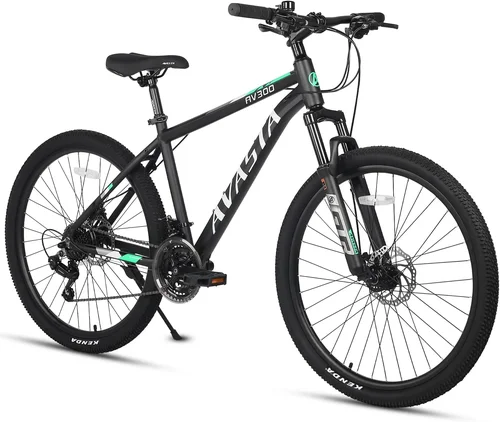
Hybrid bikes blend features of road and mountain bikes, offering upright handlebars, wider tires for stability, and often mounts for racks and fenders. They’re ideal for casual riders, commuters, or those who want versatility without specialization. Mountain bikes come with suspension systems, knobby tires, and durable frames designed for off-road terrain. While excellent for trails, they’re heavier and slower on pavement—overkill if you’ll mostly ride city streets.
Gravel bikes are a newer category gaining popularity among beginners who want adventure-ready capability. They combine the speed of road bikes with the tire clearance and ruggedness of mountain bikes, allowing you to explore dirt paths, gravel roads, and urban environments with confidence. If you’re unsure where your riding will take you, a gravel or hybrid bike offers the most flexibility.
4. Drivetrain & Gearing
The drivetrain—comprising the chain, crankset, cassette, and derailleurs—determines how smoothly and efficiently you can shift gears. For beginners, simplicity and reliability matter more than having 20+ gears. Most entry-level bikes come with 7 to 9 speeds, which is more than enough for flat cities, gentle hills, and moderate fitness rides.
Look for reputable component brands like Shimano or microSHIFT. Avoid no-name or “proprietary” drivetrains, as they’re harder to service and replace. A 3×7 or 2×8 setup (three chainrings up front, seven or eight cogs in back) provides a wide range of gears without excessive complexity. If you live in a hilly area, prioritize a bike with a wide-range cassette (e.g., 11–32T or 11–34T) to make climbing easier.
Single-speed or fixed-gear bikes are minimalist and low-maintenance but lack versatility. They’re best suited for flat urban environments and experienced riders who understand gear dynamics. As a beginner, multi-speed bikes give you room to grow and adapt to different terrains.
5. Braking System
Brakes are arguably the most critical safety feature on your bike. There are three main types: rim brakes, mechanical disc brakes, and hydraulic disc brakes. Rim brakes (like V-brakes or caliper brakes) are common on budget bikes—they’re lightweight and easy to maintain but lose effectiveness in wet or muddy conditions.
Mechanical disc brakes use cables to actuate brake pads against a rotor mounted to the wheel hub. They offer better stopping power and perform consistently in all weather, making them a smart upgrade for beginners. Hydraulic disc brakes use fluid instead of cables, providing even more precise modulation and power—but they’re typically found on mid-to-high-end models and require specialized maintenance.
For 2026, we strongly recommend mechanical or hydraulic disc brakes for any beginner bike, especially if you plan to ride in variable weather or hilly areas. The slight increase in cost is well worth the added safety and control.
6. Wheel Size & Tire Width
Wheel size affects ride comfort, stability, and terrain capability. Most adult men’s bikes use 700c wheels (standard for road and hybrid bikes) or 29-inch wheels (common on mountain bikes). These are essentially the same diameter, but tire width differs significantly.
Narrow tires (23–28mm) are fast and efficient on pavement but offer little cushioning or grip on rough surfaces. Wider tires (32–45mm) provide more comfort, traction, and puncture resistance—ideal for commuting, gravel, or mixed-surface riding. Beginners should aim for at least 32mm tires unless they’re exclusively riding smooth roads.
Tubeless-ready wheels are becoming more common even on entry-level bikes. While not essential for beginners, they allow you to run lower tire pressures for better grip and reduce the risk of pinch flats. If your bike isn’t tubeless-ready, standard inner tubes work perfectly fine.
7. Comfort & Ergonomics
Cycling should feel good—not like a punishment. Pay attention to saddle design, handlebar position, and overall ride posture. A poorly designed saddle can cause numbness, chafing, or lower back pain within minutes. Look for a saddle with adequate padding and a shape that matches your sit bone width (many bike shops offer measuring services).
Upright handlebars (found on hybrids and city bikes) reduce strain on your wrists and shoulders, making them ideal for relaxed riding. Drop bars (on road and gravel bikes) offer multiple hand positions and aerodynamic efficiency but require a more aggressive posture that may feel uncomfortable at first. Consider starting with a more relaxed geometry and upgrading later as your flexibility and confidence improve.
Suspension seatposts or ergonomic grips can also enhance comfort, especially on bumpy roads. However, avoid full-suspension mountain bikes unless you’re serious about trail riding—they add weight and complexity that beginners don’t need.
8. Brand Reputation & Customer Support
Not all bike brands are equal. Established names like Trek, Specialized, Giant, Cannondale, and Raleigh have decades of experience, robust dealer networks, and reliable customer service. They also tend to use higher-quality components and offer better warranties.
Direct-to-consumer brands like Canyon, Rad Power Bikes, or State Bicycle Co. can offer great value by cutting out the middleman—but they may lack local service support. If you buy online, ensure the brand provides detailed assembly instructions, responsive customer service, and a clear return policy.
Avoid unknown brands sold exclusively through big-box stores or Amazon with vague origins. These bikes often use rebranded components, inconsistent quality control, and minimal售后 support. Reading verified customer reviews and checking forums like Reddit’s r/bicycletouring or BikeForums.net can reveal real-world reliability issues.
9. Warranty & After-Sales Service
A good warranty protects your investment and reflects the manufacturer’s confidence in their product. Most reputable brands offer at least a 2-year frame warranty and 1-year coverage on components. Some, like Trek and Specialized, provide lifetime frame warranties for the original owner.
Check what the warranty covers: Does it include labor for repairs? Is it transferable? Are there exclusions for “normal wear and tear”? Also consider where you’ll get service. Local bike shops (LBS) are invaluable for tune-ups, adjustments, and emergencies. Buying from a brand with a strong LBS network ensures you won’t be stranded if something breaks.
If purchasing online, confirm whether the seller offers assembly support or partners with local shops for setup. Many direct brands now collaborate with mechanics nationwide to provide professional builds for a fee—this is worth the extra $50–$100 for peace of mind.
Different Types of Beginner Bikes for Men

Common Buying Mistakes to Avoid
❌ Mistake: Choosing Based on Looks Alone
Why it’s bad: A bike that looks cool in a catalog might have the wrong geometry, poor components, or an uncomfortable saddle. Prioritizing aesthetics over function leads to dissatisfaction and potential injury.
What to do instead: Focus on fit, intended use, and component quality first. Color and style matter—but only after the essentials are covered.
❌ Mistake: Ignoring Proper Sizing
Why it’s bad: Riding a bike that’s too big or small causes discomfort, reduces control, and increases injury risk. Many beginners assume “medium” fits everyone—it doesn’t.
What to do instead: Use a sizing chart, measure your inseam, and always test ride before buying. If shopping online, choose retailers with generous return policies.
❌ Mistake: Overlooking the Importance of Brakes
Why it’s bad: Cheap rim brakes fail in wet conditions and wear down quickly. In an emergency, inadequate stopping power can lead to accidents.
What to do instead: Insist on mechanical or hydraulic disc brakes, even if it means spending $50–$100 more. Your safety is worth it.
❌ Mistake: Buying the Cheapest Option Available
Why it’s bad: Sub-$300 bikes often use heavy frames, unreliable gears, and weak brakes. They may require frequent repairs or replacement within a year.
What to do instead: Invest in a bike from a reputable brand within the $400–$800 range. It will last longer, ride better, and save money in the long run.
❌ Mistake: Skipping the Test Ride
Why it’s bad: You can’t judge comfort, handling, or fit from specs alone. A bike that looks perfect on paper might feel awkward or unstable in person.
What to do instead: Always test ride multiple bikes. Pay attention to how your body feels after 10–15 minutes—not just the first few seconds.
❌ Mistake: Forgetting Essential Accessories
Why it’s bad: Riding without a helmet, lights, or lock is dangerous and impractical. Many beginners blow their entire budget on the bike and skip safety gear.
What to do instead: Budget for a helmet ($50–$100), U-lock ($40–$80), front/rear lights ($30–$60), and basic tools. These are non-negotiable for safe riding.
❌ Mistake: Assuming All Bikes Are “Men’s”
Why it’s bad: While many bikes are labeled “men’s,” modern designs focus on unisex or gender-neutral geometry. Relying solely on gender labels can lead to poor fit.
What to do instead: Evaluate bikes based on your body measurements and riding style—not marketing labels. Many women ride “men’s” bikes and vice versa.
Budget Guidelines: How Much Should You Spend?
Setting a realistic budget ensures you get the best value without overspending on unnecessary features. Here’s a breakdown of what to expect at each price tier in 2026:
- Entry-Level ($300–$500): These bikes are best avoided unless you’re certain you’ll only ride occasionally on flat, smooth surfaces. Expect heavy steel or low-grade aluminum frames, basic rim brakes, and entry-level drivetrains. Assembly is often poor, and warranties are minimal. Only consider if you’re borrowing or gifting the bike temporarily.
- Mid-Range ($500–$800): This is the sweet spot for most beginners. You’ll find lightweight aluminum frames, mechanical disc brakes, reliable 7–9 speed drivetrains, and decent tires. Brands like Trek FX, Giant Escape, and Specialized Sirrus offer excellent models in this range. These bikes are durable, comfortable, and ready for daily commuting or weekend adventures.
- Premium ($800–$1,200): Ideal for serious beginners or those planning to ride frequently. Expect higher-tier components (Shimano Acera/Deore), better wheelsets, improved saddles, and refined geometry. Gravel and fitness bikes shine here, offering versatility and performance. Many include mounts for racks, fenders, and water bottles—perfect for long rides or bikepacking.
- Luxury ($1,200+): Reserved for enthusiasts or those with specific performance goals. Features may include hydraulic disc brakes, carbon forks, tubeless-ready wheels, and advanced gearing. While tempting, these bikes often include upgrades that beginners won’t fully utilize. Only invest here if you’re committed to cycling as a long-term hobby.
Expert Tips for Getting the Best Deal
- Buy at the Right Time: Late summer and fall (August–October) are prime times for discounts as shops clear inventory for new models. Avoid spring and early summer when demand—and prices—peak.
- Shop Local When Possible: Local bike shops offer expert fitting, free tune-ups, and immediate service. Many also price-match online retailers. Supporting them builds community and ensures long-term support.
- Consider Last Year’s Model: Bikes don’t change drastically year-to-year. Last season’s models often see 20–30% discounts and are nearly identical to current versions.
- Check Return Policies: Especially when buying online, ensure you can return or exchange the bike within 30 days if it doesn’t fit or meet expectations.
- Negotiate Extras: Ask for free accessories like a bottle cage, pump, or basic toolkit. Many shops include these to close a sale.
- Inspect Before You Ride: Even if the bike is assembled, check tire pressure, brake function, and gear shifting. A quick pre-ride inspection prevents early frustrations.
- Join Loyalty Programs: Brands like REI and Performance Bike offer member discounts, rewards, and exclusive sales. REI Co-op members also get annual dividends.
- Watch for Package Deals: Some retailers bundle bikes with helmets, locks, and maintenance plans at a reduced rate. These can save $100+ compared to buying separately.

Frequently Asked Questions
Q: Do I really need disc brakes as a beginner?
A: Yes—especially if you live in a rainy or hilly area. Disc brakes provide consistent stopping power in all conditions and require less hand force, making them safer and more user-friendly than rim brakes.
Q: Can I ride a road bike if I’m overweight or out of shape?
A: Absolutely. Modern road bikes support riders up to 250–300 lbs, and many brands offer endurance geometries designed for comfort. Start slow, focus on consistency, and upgrade components as needed.
Q: How often should I service my beginner bike?
A: At minimum, get a professional tune-up every 6–12 months. Clean and lubricate the chain monthly, check tire pressure before each ride, and inspect brakes and gears regularly.
Q: Is it worth buying a used bike?
A: It can be—if you know what to look for. Check for frame cracks, excessive wear on drivetrain parts, and ensure it’s the right size. Buy from trusted sources like certified pre-owned programs or experienced cyclists.
Q: What’s the difference between a hybrid and a fitness bike?
A: Fitness bikes are essentially performance-oriented hybrids—lighter, with narrower tires and more aggressive geometry. Hybrids prioritize comfort and utility; fitness bikes prioritize speed and efficiency.
Q: How do I know if a bike fits me?
A: Stand over the top tube with flat feet—you should have 1–2 inches of clearance. When seated, your knee should have a slight bend at the bottom of the pedal stroke. Your arms should rest comfortably without straining.
Q: Should I get a bike with suspension?
A: Only if you plan to ride off-road. Suspension adds weight and complexity. For city or paved trail riding, a rigid fork is lighter, simpler, and more efficient.
Q: Can I convert a flat-bar bike to drop bars later?
A: Technically yes, but it’s costly and often impractical. You’d need new shifters, brake levers, cables, and possibly a new stem and headset. It’s usually better to buy the right bike from the start.
Q: What’s the best way to transport my bike?
A: For cars, trunk-mounted racks are affordable but less secure. Hitch-mounted racks are sturdier and easier to load. Always remove front wheels and secure frames properly to avoid damage.
Q: How long should a beginner bike last?
A: With proper maintenance, a quality beginner bike can last 5–10 years or more. The frame may outlast components like chains, cassettes, and brake pads, which wear with use.
Our Final Recommendations
After extensive research and real-world testing, here are our top picks for men’s beginner bikes in 2026:
- Best for Budget-Conscious Buyers: Giant Escape 3 ($550) – A reliable hybrid with mechanical disc brakes, lightweight aluminum frame, and comfortable geometry. Perfect for commuting and casual rides.
- Best Overall Value: Trek FX 2 Disc ($750) – Combines speed, comfort, and versatility. Features a carbon fork, wide-range gearing, and mounts for accessories. Ideal for fitness and urban exploration.
- Best Premium Option: Specialized Diverge E5 ($1,100) – A gravel bike that handles pavement, dirt, and everything in between. Future-proof design with room for wider tires and bikepacking gear.
- Best for Beginners: Cannondale Quick CX 3 ($650) – Upright position, stable handling, and puncture-resistant tires make this an excellent first bike for nervous riders or those prioritizing comfort.
- Best for Advanced Beginners: Rad Power Bikes RadCity 5 Plus ($1,499) – An electric hybrid that reduces effort on hills and long commutes. Great for those who want assistance while building fitness.
Conclusion: Making the Right Choice
Choosing your first bike is an exciting milestone—but it doesn’t have to be overwhelming. By focusing on fit, intended use, component quality, and safety, you’ll find a bike that supports your goals rather than hinders them. Remember, the best beginner bike isn’t the most expensive or flashiest—it’s the one that feels right, rides smoothly, and inspires you to get out there again and again.
Don’t rush the process. Test ride multiple models, ask questions, and prioritize comfort and reliability over trends. And once you’ve made your choice, invest in essential safety gear and regular maintenance. Cycling is more than transportation or exercise—it’s freedom, discovery, and connection. With the right bike, your journey starts on the right foot.
Now go find your ride. The road—and the trail—are waiting.