
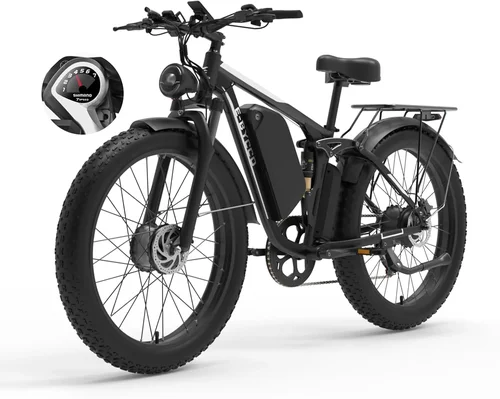
Hunting has evolved dramatically over the past decade, and one of the most transformative tools to enter the field is the electric hunting bike—commonly known as a hunting e-bike. These rugged, off-road capable machines are revolutionizing how hunters access remote terrain, carry heavy gear, and minimize their environmental footprint. Whether you’re trekking through dense forests, climbing steep hills, or silently approaching game in the early morning hours, a well-chosen hunting e-bike can make all the difference. But with so many models flooding the market—especially under the $2,000 price point—it’s easy to feel overwhelmed by choices, marketing claims, and technical jargon.
That’s exactly why this comprehensive buying guide exists. Whether you’re a seasoned outdoorsman looking to upgrade your gear or a beginner considering your first electric hunting bike, this guide will walk you through everything you need to know to make a smart, informed decision. We’ll break down the most critical factors to consider, compare different types of hunting e-bikes, highlight common pitfalls to avoid, and deliver expert-backed recommendations based on real-world performance, durability, and value. Our goal isn’t just to help you find a bike—it’s to help you find the right bike for your specific hunting style, terrain, and budget.
The market for hunting e-bikes under $2,000 has exploded in recent years, with brands like Rad Power Bikes, QuietKat, Lectric, and Aventon introducing models that balance power, range, and affordability. However, not all e-bikes are created equal—especially when it comes to off-road durability, cargo capacity, and stealth features. Some bikes prioritize speed and range, while others focus on quiet operation and rugged suspension. Understanding these trade-offs is essential. In this guide, we’ll cut through the noise and give you the tools to evaluate what truly matters when selecting a hunting e-bike that won’t break the bank.

What to Look for When Buying a Hunting E-Bike
1. Budget & Price Range
Sticking to a $2,000 budget doesn’t mean you have to compromise on quality—but it does mean you need to be strategic. At this price point, you’re looking at entry-level to mid-tier hunting e-bikes that offer solid performance without premium features like carbon frames or top-shelf components. The key is to prioritize value over flashy specs. Many reputable brands now offer models between $1,200 and $1,900 that include powerful motors, decent battery life, and durable builds suitable for light to moderate off-road use.
When evaluating price, consider the total cost of ownership. Some bikes may appear cheaper upfront but lack essential accessories like racks, fenders, or lights—items you’ll likely need for hunting. Others might come with a higher initial price but include a comprehensive warranty or customer support, which can save money in the long run. Always factor in potential add-ons such as panniers, cargo boxes, or upgraded tires, as these can significantly impact your final investment.
2. Performance Specifications
Performance is where many budget e-bikes fall short—or surprise you. For hunting, you need a bike that can handle rough terrain, steep inclines, and heavy loads without overheating or losing power. The two most critical performance specs are motor power and battery capacity.
Look for a motor rated between 500W and 750W. While 750W is the legal limit for Class 3 e-bikes in most U.S. states, a 500W motor can still deliver excellent torque for climbing hills, especially if it’s a geared hub or mid-drive system. Mid-drive motors, though rarer under $2,000, offer better weight distribution and efficiency, making them ideal for long treks with gear.
Battery capacity is measured in watt-hours (Wh). A 48V 14Ah battery, for example, equals 672Wh. For hunting, aim for at least 500Wh to ensure 20–40 miles of range, depending on terrain, rider weight, and assist level. Removable batteries are a huge plus—they allow you to swap in a fresh pack mid-hunt or charge at camp without hauling the entire bike inside.
Also consider pedal assist levels and throttle type. Most hunting e-bikes come with both, but a thumb throttle is quieter than a twist throttle, which matters when stealth is key. Regenerative braking is rare in this price range, but not necessary for most hunters.
3. Build Quality & Durability
A hunting e-bike isn’t just a commuter—it’s a workhorse. It needs to withstand mud, rain, snow, rocks, and repeated abuse from off-road trails. Frame material is the foundation of durability. Aluminum alloy frames are standard in this price range and offer a great balance of strength, weight, and corrosion resistance. Avoid steel frames unless they’re specifically designed for heavy-duty use—they’re heavier and more prone to rust.
Check the suspension system. A front suspension fork with at least 100mm of travel is essential for absorbing shocks on uneven terrain. Some models include rear suspension, but that’s rare under $2,000. Even a basic coil or air fork can make a huge difference in comfort and control.
Tires matter too. Look for fat tires (at least 4 inches wide) with aggressive tread patterns. These provide better traction on soft ground like mud, sand, or snow. Puncture-resistant tires or tubeless setups are a bonus, especially if you’re riding through thorny brush or rocky trails.
Weld quality, cable routing, and component finishes (like powder coating) are subtle but important indicators of overall build quality. A well-sealed drivetrain and water-resistant connectors can extend the life of your bike in harsh conditions.
4. Features & Functionality
Hunting-specific features can make or break your experience. While many e-bikes are designed for city riding, hunting models need specialized functionality. Start with cargo capacity. Look for reinforced rear racks that can support at least 100 lbs—some can handle up to 200 lbs. Front racks are less common but useful for balancing weight.
Integrated lighting is a must. LED headlights and taillights improve visibility during early morning or late evening hunts and are often required by law. Some bikes include brake-actuated taillights, which enhance safety.
Fenders and chain guards help protect you and your gear from mud and debris. While not always included, they’re worth adding if you hunt in wet or muddy conditions.
Display quality matters too. A backlit LCD screen with clear readouts for speed, battery level, distance, and assist mode is essential. Some displays are waterproof and glove-friendly, which is a big plus in cold weather.
Additional features like USB charging ports, phone mounts, and Bluetooth connectivity are nice-to-haves but not critical. However, a quiet motor and stealth mode (reduced power output for silent operation) can be game-changers when stalking game.
5. Brand Reputation
Not all e-bike brands are created equal—especially when it comes to customer service and long-term reliability. Established brands like Rad Power Bikes, Lectric, and Aventon have built strong reputations for delivering consistent quality and responsive support. These companies often have large user communities, detailed FAQs, and active customer service teams.
Emerging brands or no-name manufacturers may offer lower prices, but they often lack the infrastructure for repairs, part replacements, or software updates. If something breaks in the middle of hunting season, you don’t want to be stuck waiting weeks for a replacement motor or battery.
Research brand history. How long have they been in business? Do they specialize in off-road or hunting e-bikes? Brands like QuietKat were founded specifically for outdoor enthusiasts, so their designs often reflect real-world hunting needs. Even if their base models are slightly above $2,000, they may offer older versions or refurbished units within your budget.
Check third-party reviews on platforms like Trustpilot, Reddit, or hunting forums. Real user feedback can reveal issues that don’t show up in marketing materials—like battery degradation after a few months or poor waterproofing.
6. Warranty & Support
A solid warranty is your safety net. Most reputable brands offer at least a 1-year warranty on the frame and motor, with 6–12 months on the battery. Some go further—Rad Power Bikes, for example, provides a 2-year comprehensive warranty on many models.
Pay attention to what’s covered. Does the warranty include labor costs? Are batteries covered for capacity loss (e.g., below 70% after a year)? Can you get service locally, or do you have to ship the bike back?
Customer support responsiveness is just as important. Look for brands that offer live chat, phone support, or detailed online troubleshooting guides. A brand that stands behind its product will make ownership far less stressful.
If you’re buying from a third-party retailer (like Amazon or REI), check their return and exchange policies. Some retailers offer extended warranties or easier return processes, which can be valuable if the bike doesn’t meet your expectations.
7. Size & Portability
Hunting e-bikes are generally heavier than standard e-bikes due to fat tires, reinforced frames, and larger batteries. Most weigh between 60 and 80 pounds—too heavy to lift easily. This affects portability, especially if you need to load the bike into a truck bed or trailer.
Consider foldable models if storage space is limited. Brands like Lectric offer folding hunting e-bikes that can fit in smaller vehicles or cabins. However, folding mechanisms can add complexity and reduce durability, so weigh the trade-offs.
Frame size is also important. Most hunting e-bikes come in one or two sizes (e.g., S/M and L/XL). Make sure the standover height and reach are comfortable for your body type. A poorly fitting bike can lead to fatigue and reduced control on long rides.
If you plan to transport the bike frequently, look for models with integrated handles, rear rack compatibility for bike racks, or compatibility with hitch-mounted carriers. Some hunters even use cargo trailers to haul their e-bikes deeper into the wilderness.
8. User Reviews & Ratings
Never buy a hunting e-bike without reading real user reviews. Manufacturer specs can be misleading—especially battery range, which often assumes ideal conditions. Real-world feedback reveals how the bike performs under load, in cold weather, or on steep trails.
Look for patterns in reviews. If multiple users report the same issue—like a weak rear rack or poor waterproofing—it’s likely a design flaw. Conversely, consistent praise for durability or quiet operation is a strong indicator of quality.
Check hunting-specific forums like Bowsite, Hunter Safety System, or Reddit’s r/hunting. These communities often have detailed discussions about e-bike performance in actual hunting scenarios. You might find insights about how well a bike handles in snow, how loud the motor is at low speeds, or whether the battery lasts through a full day in the field.
Video reviews on YouTube can also be invaluable. Seeing a bike in action—climbing hills, carrying gear, or navigating trails—gives you a much clearer picture than photos or specs alone.
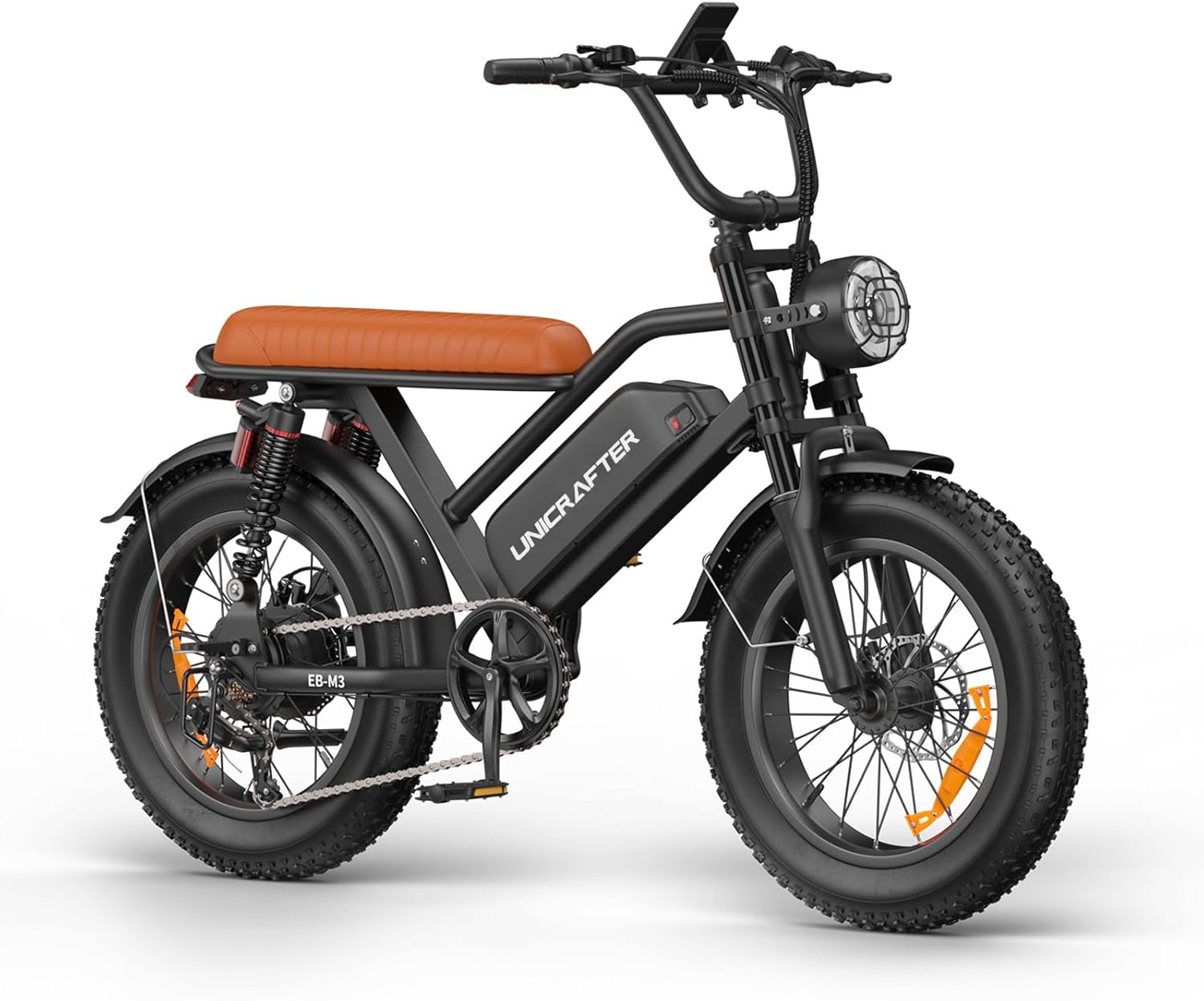
Different Types of Hunting E-Bikes
Common Buying Mistakes to Avoid
❌ Mistake: Prioritizing Top Speed Over Torque
Why it’s bad: Many budget e-bikes advertise high top speeds (20–28 mph), but speed means little if the bike struggles to climb hills or carry heavy loads. Hunting often involves steep, uneven terrain where low-end torque is far more valuable than peak velocity.
What to do instead: Focus on motor torque (measured in Newton-meters) and gear ratios. A 500W motor with high torque will outperform a 750W motor with poor gearing on steep trails. Look for bikes with multiple pedal assist levels and a responsive throttle.
❌ Mistake: Ignoring Battery Real-World Range
Why it’s bad: Manufacturers often quote range based on ideal conditions—flat terrain, light rider, low assist. In reality, carrying 50 lbs of gear up hills in cold weather can cut range by 40–50%.
What to do instead: Take advertised range with a grain of salt. Look for user reports of real-world range under load. Consider buying a spare battery or choosing a model with a removable, swappable pack.
❌ Mistake: Overlooking Weight and Portability
Why it’s bad: A 75-pound bike is difficult to load, unload, and maneuver—especially if you’re hunting solo or have physical limitations. Heavy bikes also strain suspension and drivetrain components.
What to do instead: Test the bike’s weight before buying. If possible, lift it or load it into a vehicle. Consider lighter aluminum frames or folding models if portability is a concern.
❌ Mistake: Skipping the Test Ride
Why it’s bad: E-bikes handle differently than traditional bikes. Poor weight distribution, stiff suspension, or awkward geometry can make a bike uncomfortable or unsafe on trails.
What to do instead: Always test ride if possible. Many retailers offer demo days or in-store trials. Pay attention to comfort, balance, and how the bike responds to throttle and braking.
❌ Mistake: Buying Based on Looks Alone
Why it’s bad: A sleek design or flashy color doesn’t guarantee performance. Some visually appealing bikes cut corners on components like brakes, drivetrain, or battery quality.
What to do instead: Focus on function over form. A matte black or camo finish may not matter as much as reliable disc brakes, a sturdy rack, or waterproof wiring.
❌ Mistake: Neglecting Maintenance Requirements
Why it’s bad: E-bikes require regular maintenance—chain lubrication, brake adjustments, tire pressure checks. Neglecting this can lead to premature wear or failure in the field.
What to do instead: Choose a bike with accessible components and clear maintenance instructions. Learn basic upkeep or find a local shop that services e-bikes.
❌ Mistake: Forgetting About Local Laws
Why it’s bad: E-bike regulations vary by state and land type. Some public lands prohibit motorized vehicles, including e-bikes. Riding where not allowed can result in fines or bans.
What to do instead: Research local laws before purchasing. Check with state parks, national forests, or wildlife agencies. Some areas allow e-bikes only on designated trails or during certain seasons.
Budget Guidelines: How Much Should You Spend?
Entry-Level ($1,000–$1,400): At this price, expect basic components, limited range (15–25 miles), and minimal off-road capability. These bikes are best for light trail use, short hunts, or as a backup. Look for models like the Lectric XP 3.0 or Aventon Aventure. While not built for heavy-duty use, they offer solid value for beginners.
Mid-Range ($1,400–$1,700): This is the sweet spot for most hunters. Bikes in this range typically include 500W–750W motors, 500Wh+ batteries, fat tires, and decent suspension. Examples include the Rad Power RadRover 6 Plus and the QuietKat Ranger. They balance performance, durability, and price, making them ideal for regular use in varied terrain.
Premium ($1,700–$2,000): These models push the limits of what’s possible under $2,000. Expect higher-quality components, better waterproofing, longer warranties, and hunting-specific features like integrated racks or quiet motors. The Rad Power RadWagon 4 and Lectric XPedition fall here, offering cargo capacity and reliability for serious hunters.
Luxury ($2,000+): While outside your budget, it’s worth noting that bikes above $2,000 often include mid-drive motors, full suspension, and advanced battery management. If you can stretch your budget slightly, consider refurbished or previous-year models from premium brands.
Expert Tips for Getting the Best Deal
- Buy During Off-Season: Late winter and early spring are ideal times to purchase. Demand is lower, and retailers often offer discounts to clear inventory before hunting season ramps up.
- Check Manufacturer Websites: Brands like Rad Power and Lectric frequently run direct-to-consumer promotions, including free accessories, extended warranties, or bundle deals not available on third-party sites.
- Consider Refurbished Models: Certified refurbished e-bikes from reputable brands can save you $200–$400 and often come with the same warranty as new units. These are typically returned bikes that have been inspected and repaired.
- Join Loyalty Programs: Sign up for newsletters or loyalty programs to receive early access to sales, exclusive coupons, or member-only discounts.
- Negotiate Accessories: If buying in-store, ask if the retailer will throw in free fenders, lights, or a helmet. Many are willing to add small items to close a sale.
- Read the Fine Print on Returns: Ensure the return window is at least 14–30 days and covers trial use. Some retailers charge restocking fees or won’t accept returns on assembled bikes.
- Test Before You Buy: If possible, attend a demo event or visit a local dealer. A 10-minute ride can reveal issues with comfort, noise, or handling that specs alone won’t show.
- Factor in Shipping Costs: Some online retailers offer free shipping, while others charge $100–$200. Always compare total delivered price, not just the sticker price.

Frequently Asked Questions
Q: Can I use a regular e-bike for hunting?
A: Technically yes, but regular e-bikes lack the durability, cargo capacity, and off-road capability needed for serious hunting. They often have narrow tires, weak racks, and less suspension, making them unsuitable for rough terrain or heavy loads.
Q: How far can a hunting e-bike go on a single charge?
A: Most budget hunting e-bikes offer 20–40 miles of range, depending on terrain, rider weight, cargo, and assist level. Cold weather and hills can reduce range by up to 50%. Carrying a spare battery is recommended for long hunts.
Q: Are hunting e-bikes legal on public lands?
A: It depends. Many state and national parks allow e-bikes on roads and designated trails, but some wilderness areas ban motorized vehicles entirely. Always check local regulations before riding.
Q: How much weight can a hunting e-bike carry?
A: Most models support 250–350 lbs total (rider + cargo). Rear racks typically handle 100–200 lbs. Always check the manufacturer’s rated capacity and avoid overloading.
Q: Do I need a license or registration?
A: In most U.S. states, e-bikes under 750W and 20 mph (Class 1 or 2) do not require a license or registration. However, rules vary by location, so verify with your DMV or local authorities.
Q: Can I ride a hunting e-bike in the rain or snow?
A: Most are water-resistant but not fully waterproof. Avoid submerging the battery or motor. Fat tires and low tire pressure improve traction in snow, but icy conditions can still be hazardous.
Q: How long do e-bike batteries last?
A: A quality lithium-ion battery should last 500–1,000 charge cycles, or 3–5 years with regular use. Capacity gradually declines over time, so expect reduced range as the battery ages.
Q: What’s the difference between hub and mid-drive motors?
A: Hub motors are in the wheel and simpler/cheaper but less efficient on hills. Mid-drive motors are near the pedals, offering better balance and torque—ideal for hunting—but are rare under $2,000.
Q: Can I upgrade components later?
A: Yes, many parts like tires, racks, lights, and batteries can be upgraded. However, major components like the motor or frame are not easily replaceable.
Q: Are hunting e-bikes noisy?
A: Most are relatively quiet, especially at low speeds. Hub motors are quieter than mid-drive, and some models include “stealth mode” to reduce noise further.
Our Final Recommendations
Best for Budget-Conscious Buyers: Lectric XP 3.0 – At around $1,200, this folding fat-tire e-bike offers surprising value with a 500W motor, 45+ mile range, and rugged build. Ideal for light trail use and easy transport.
Best Overall Value: Rad Power RadRover 6 Plus – Priced under $1,800, it delivers a 750W motor, 672Wh battery, full suspension, and a 300-lb payload. A proven performer for serious hunters.
Best Premium Option: QuietKat Ranger – Slightly above $2,000 new, but often available refurbished under budget. Features a quiet 750W motor, camo finish, and hunting-specific design.
Best for Beginners: Aventon Aventure – User-friendly with intuitive controls, excellent display, and solid build quality. Great for those new to e-bikes or off-road riding.
Best for Advanced Users: Lectric XPedition – A cargo-ready beast with dual battery support, 1,000W peak power, and a 450-lb capacity. Perfect for long expeditions with heavy gear.
Conclusion: Making the Right Choice
Choosing the best hunting e-bike under $2,000 is about balancing performance, durability, and value. It’s not just about the lowest price or the most powerful motor—it’s about finding a bike that fits your hunting style, terrain, and physical needs. By focusing on key factors like motor torque, battery range, build quality, and brand support, you can avoid common pitfalls and invest in a machine that will serve you reliably for years.
Remember, the right bike won’t just get you to your hunting spot—it will enhance your entire experience. It’ll let you cover more ground, carry more gear, and do it all with less fatigue and greater stealth. Whether you’re chasing deer in the Appalachians or waterfowl in the Midwest, a well-chosen e-bike can be one of the most valuable tools in your arsenal.
So take your time. Read reviews. Test ride when possible. And don’t rush into a decision. The perfect hunting e-bike is out there—within your budget, built for your adventures, and ready to take you deeper into the wild than ever before.