
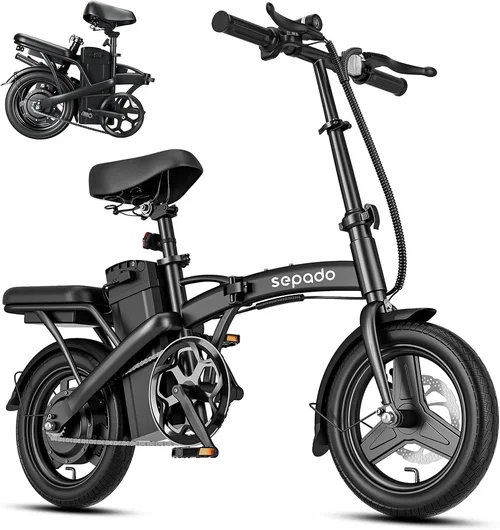
Electric bikes have revolutionized the way people commute, explore, and stay active—offering a perfect blend of pedal power and electric assistance that makes cycling accessible to more people than ever before. Whether you’re navigating city streets, cruising through parks, or tackling hilly terrain, an e-bike can transform your ride from a chore into an enjoyable, efficient experience. But with so many options flooding the market, finding a high-quality electric bike under $1500 can feel overwhelming. That’s where this comprehensive buyer’s guide comes in.
In this detailed 2026 edition, we’ll walk you through everything you need to know to make a smart, informed decision. We’ve tested, researched, and compared dozens of models to bring you the most up-to-date insights on performance, value, durability, and user experience. You’ll learn how to evaluate key factors like motor power, battery life, build quality, and warranty—without getting lost in technical jargon. Whether you’re a first-time buyer or upgrading from an older model, this guide is designed to help you find the best electric bike under $1500 that fits your lifestyle, budget, and riding goals.
The e-bike market has matured significantly in recent years, with manufacturers offering increasingly sophisticated features at more affordable price points. While premium models can easily exceed $3,000, there’s a growing segment of reliable, well-equipped e-bikes available under $1,500 that deliver impressive performance and long-term value. From sleek city commuters to rugged fat-tire adventurers, the options are diverse and compelling. Our goal is to cut through the noise and help you identify which bikes offer the best balance of quality, functionality, and affordability in this price range.

What to Look for When Buying an Electric Bike Under $1500
Choosing the right electric bike under $1500 requires careful consideration of several critical factors. While it’s tempting to focus solely on price or flashy features, the best value comes from understanding how each component contributes to your overall riding experience. Below, we break down the most important aspects to evaluate before making your purchase.
1. Motor Type and Power Output
The motor is the heart of any electric bike, determining how much assistance you get and how smoothly the bike performs. Most e-bikes in this price range use either hub motors (located in the front or rear wheel) or mid-drive motors (mounted near the pedals). Hub motors are more common under $1500 due to their lower cost and simpler design. They provide consistent power and are generally reliable, though they can feel less natural on steep hills compared to mid-drive systems.
Motor power is measured in watts (W), with most budget-friendly e-bikes ranging from 250W to 750W. In the U.S., e-bikes are legally classified as Class 1, 2, or 3, based on speed and throttle use. Class 1 and 3 bikes offer pedal-assist only, while Class 2 includes a throttle. A 500W to 750W motor is ideal for most riders under $1500, offering enough torque for hills and quick acceleration without draining the battery too quickly.
2. Battery Capacity and Range
Battery performance directly impacts how far you can ride on a single charge. Capacity is measured in watt-hours (Wh), which combines voltage (V) and amp-hours (Ah). A higher Wh rating generally means longer range. Most e-bikes under $1500 come with batteries between 360Wh and 624Wh. For example, a 500Wh battery can deliver approximately 30–50 miles of range, depending on terrain, rider weight, assist level, and weather conditions.
Removable batteries are a major advantage, allowing you to charge them indoors or swap in a spare for extended trips. Lithium-ion (Li-ion) batteries are standard and offer good energy density, longevity, and low self-discharge. Avoid bikes with non-removable or sealed batteries unless you’re certain you’ll always have access to charging near your bike.
Range anxiety is real—especially for commuters. To estimate real-world range, multiply the battery’s Wh by 0.8 (to account for inefficiencies), then divide by your average energy consumption per mile (typically 10–15Wh/mile on eco mode). This gives you a realistic expectation.
3. Frame Material and Build Quality
The frame is the foundation of your e-bike’s durability and ride quality. Most budget e-bikes use aluminum alloy frames, which offer an excellent balance of strength, weight, and corrosion resistance. Higher-end aluminum alloys like 6061 or 7005 are more durable and lighter than basic grades, so check the specifications if possible.
Steel frames are heavier but can offer a smoother ride due to their natural flex, making them a good choice for comfort-focused models. Carbon fiber is rare under $1500 but may appear in select premium-tier bikes nearing the budget limit.
Pay attention to weld quality, cable routing, and overall fit and finish. A well-built frame should feel solid when you lift it, with no creaks or loose parts. Look for reinforced joints, especially around the motor mount and dropouts, as these areas endure significant stress.
4. Drivetrain and Gearing
The drivetrain includes the chain, cassette, derailleur, and shifters—components that transfer your pedaling power to the rear wheel. Most e-bikes under $1500 use reliable Shimano Tourney, Altus, or Acera groupsets, which are durable and easy to maintain. These are sufficient for casual riding and moderate terrain.
If you plan to tackle hills or ride frequently, consider a bike with at least 7–8 speeds. More gears give you finer control over cadence and effort, especially when combined with pedal assist. Some models feature internal gear hubs (like Shimano Nexus), which are low-maintenance and protected from the elements, though they’re less common in this price range.
Single-speed e-bikes are available and can be appealing for flat-city commuting, but they limit your ability to adjust effort on varied terrain. Unless you live in a completely flat area, a multi-speed drivetrain is recommended.
5. Braking System
Safety is paramount, and brakes are one of the most critical safety components on any bike—especially an e-bike, which can reach higher speeds than traditional bicycles. Mechanical disc brakes are common in this price range and offer solid stopping power in dry conditions. However, hydraulic disc brakes are superior, providing more consistent performance, better modulation, and less hand fatigue—especially in wet or muddy conditions.
If you ride in rain, snow, or hilly areas, prioritize hydraulic disc brakes. They’re worth the slight premium and often found on mid-tier models under $1500. Avoid rim brakes (V-brakes or caliper brakes) on e-bikes, as they wear down faster under the added weight and speed of an electric motor.
6. Suspension and Ride Comfort
Suspension systems absorb shocks from bumps, potholes, and uneven terrain, significantly improving comfort and control. Most e-bikes under $1500 feature front suspension forks with 60–100mm of travel. These are sufficient for city streets, gravel paths, and light trails.
Full suspension (front and rear) is rare in this budget but may appear on select mountain e-bikes. While it offers superior comfort, it adds weight and cost. For most urban and recreational riders, a quality front fork is adequate.
Look for suspension forks with adjustable preload or lockout features. Lockout allows you to stiffen the fork on smooth roads, improving efficiency and battery life. Air-sprung forks are lighter and more tunable than coil-sprung ones, but coil forks are more durable and require less maintenance.
7. Tires and Traction
Tires play a crucial role in grip, comfort, and rolling resistance. Most e-bikes under $1500 come with 26″, 27.5″, or 29″ wheels, with tire widths ranging from 1.95″ to 4.0″. Narrower tires (under 2.2″) are faster on pavement but offer less cushioning. Wider tires (2.3″ and up) provide better traction and comfort, especially on rough surfaces.
Fat tires (3.0″ and wider) are ideal for sand, snow, or off-road adventures but increase rolling resistance and weight. For city commuting, 2.0″–2.3″ tires strike a good balance. Look for puncture-resistant tires with reflective sidewalls for added safety.
Tubeless-ready tires are a bonus, reducing the risk of flats and allowing lower tire pressures for better grip. However, they require additional setup and maintenance.
8. Display and User Interface
The display is your command center, showing speed, battery level, assist mode, and sometimes navigation or trip data. Most e-bikes under $1500 feature LCD or LED displays mounted on the handlebar. Basic models show essential info, while higher-end units include backlighting, USB charging ports, and Bluetooth connectivity.
A clear, easy-to-read display is essential, especially in bright sunlight. Look for one with intuitive controls—ideally with a central button or thumb shifter for changing assist levels. Some displays allow you to customize settings like max speed or pedal sensitivity, which can enhance your riding experience.
Smart features like app integration (via Bluetooth) are becoming more common, allowing you to track rides, lock the bike, or update firmware. While not essential, these can add convenience and security.
9. Weight and Portability
E-bikes are inherently heavier than traditional bikes due to the motor and battery. Most models under $1500 weigh between 45 and 65 pounds. This can make lifting, storing, or transporting the bike challenging, especially if you live in an apartment or need to carry it upstairs.
If portability is a concern, look for bikes with step-through frames, which are easier to mount and dismount. Some models include rear racks or folding mechanisms, though full-size folding e-bikes are rare under $1500.
Consider where you’ll store the bike—indoors, in a garage, or on a balcony. A heavier bike may require a sturdy wall mount or floor stand. Test the weight before buying if possible.
10. Warranty and Customer Support
A strong warranty reflects the manufacturer’s confidence in their product. Most reputable brands offer at least a 1-year warranty on the frame and electrical components, with some extending to 2 years. Battery warranties typically cover 1–2 years or a certain number of charge cycles (e.g., 500–800 cycles).
Check what the warranty includes: Does it cover motor failure? Battery degradation? Labor costs? Also, research the brand’s customer service reputation. Can you easily reach support? Are replacement parts readily available?
Brands with U.S.-based support centers or local dealer networks tend to offer faster service. Avoid no-name brands with vague warranty terms or no contact information.
Different Types of Electric Bikes Under $1500
Electric bikes come in various styles, each designed for specific riding conditions and user needs. Understanding the differences helps you choose the right type for your lifestyle. Below is a comparison of the most common categories available under $1500.
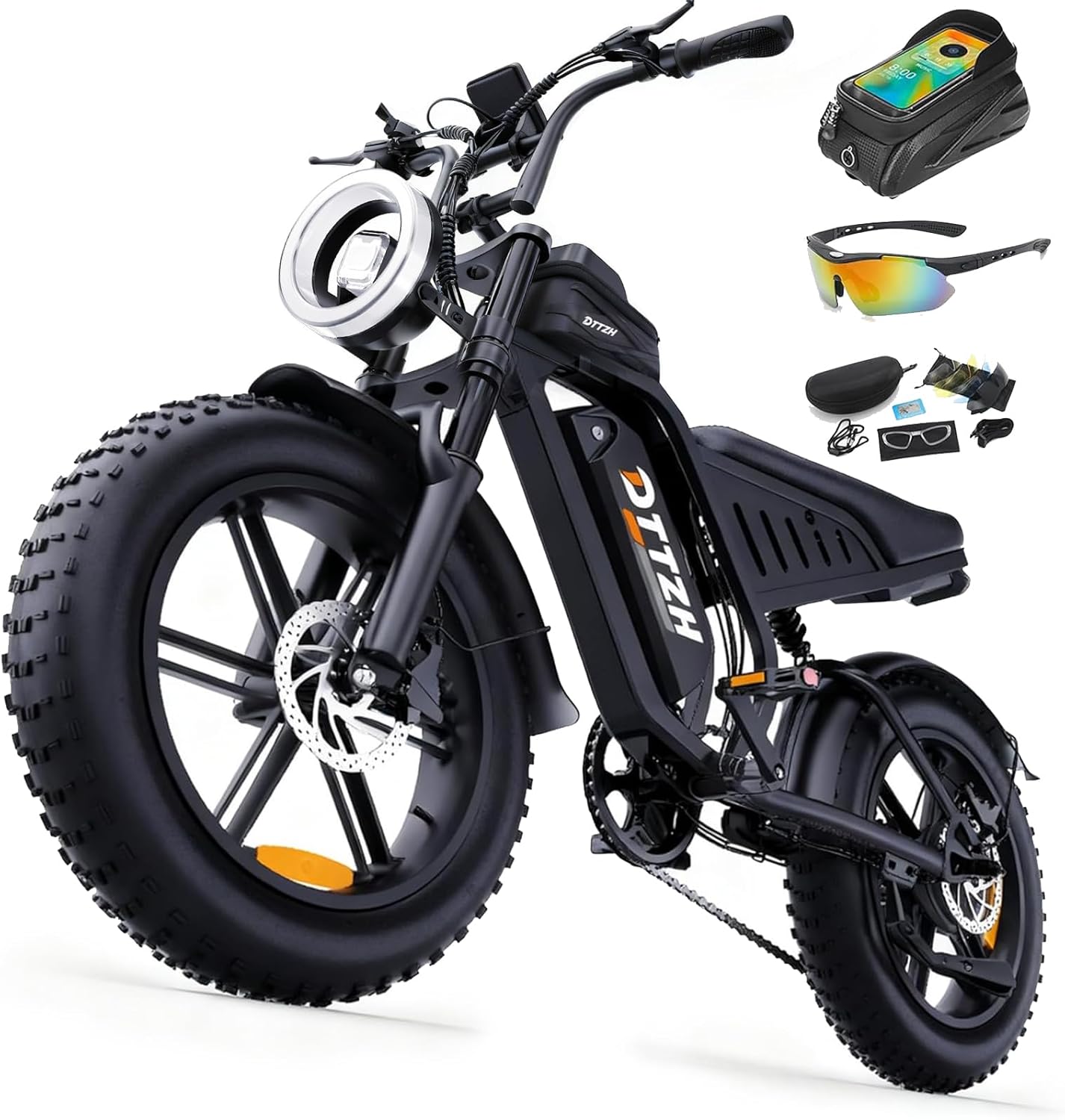
Each type serves a distinct purpose, so your choice should align with your primary use case. City e-bikes prioritize efficiency and convenience, while fat tire and mountain models emphasize durability and off-road capability. Step-through designs enhance accessibility, and cargo bikes are built for utility.
Common Buying Mistakes to Avoid
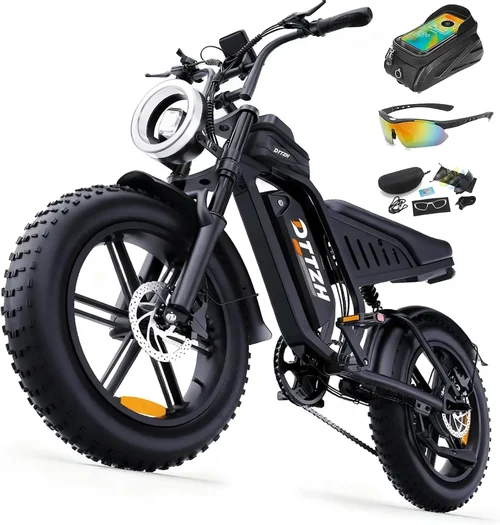
Even with the best intentions, buyers often fall into traps that lead to dissatisfaction or unexpected costs. Here are the most common mistakes to watch out for when shopping for an electric bike under $1500.
❌ Mistake: Focusing Only on Price
Why it’s bad: Choosing the cheapest bike available often means sacrificing critical components like the motor, battery, or brakes. A $600 e-bike may save you money upfront but could fail prematurely or lack essential features, leading to higher long-term costs.
What to do instead: Set a realistic budget and prioritize value over the lowest price. Look for bikes that offer the best balance of quality components, warranty, and user reviews within your range. A $1,200 bike with a reliable motor and good support is often a better investment than a $700 model with questionable build quality.
❌ Mistake: Ignoring Battery Range Claims
Why it’s bad: Manufacturers often advertise “up to 60 miles” of range, but this is typically under ideal conditions—light rider, flat terrain, eco mode. Real-world range is usually 30–50% lower.
What to do instead: Use the Wh-to-mile calculation mentioned earlier to estimate realistic range. Also, check user reviews for real-world feedback. If most riders report 25 miles on a 500Wh battery, that’s a more reliable benchmark than the manufacturer’s claim.
❌ Mistake: Overlooking Test Rides
Why it’s bad: E-bikes feel different from regular bikes. The weight distribution, pedal assist responsiveness, and handling can vary significantly between models. Buying online without testing can lead to discomfort or poor fit.
What to do instead: Whenever possible, test ride at least two or three models. Pay attention to how the bike accelerates, brakes, and handles turns. Ensure the frame size fits your height and that the saddle and handlebars are adjustable to your comfort.
❌ Mistake: Neglecting Maintenance Requirements
Why it’s bad: E-bikes require regular maintenance like chain lubrication, brake adjustments, and tire checks. Some buyers assume they’re “maintenance-free” due to the motor, but neglecting upkeep leads to premature wear and safety issues.
What to do instead: Learn basic maintenance or find a local bike shop that services e-bikes. Choose a model with accessible components and clear service instructions. Avoid bikes with proprietary parts that are hard to replace.
❌ Mistake: Buying Based on Looks Alone
Why it’s bad: A sleek design or vibrant color can be tempting, but aesthetics don’t reflect performance. A bike that looks great but has a weak motor or poor brakes won’t serve you well in the long run.
What to do instead: Prioritize function over form. Look for bikes with clean cable routing, durable finishes, and practical features like integrated lights or fenders. A well-designed bike should look good and perform well.
❌ Mistake: Skipping the Warranty Check
Why it’s bad: A short or unclear warranty can leave you stranded if the motor fails or the battery degrades quickly. Some brands offer only 90-day coverage, which is insufficient for an e-bike.
What to do instead: Always verify the warranty terms before purchasing. Look for at least 1 year on the frame and electrical components, and 1–2 years on the battery. Check if the warranty is transferable and what it covers.
❌ Mistake: Assuming All E-Bikes Are Legal
Why it’s bad: E-bike laws vary by state and country. Some models exceed speed or power limits and may be classified as mopeds, requiring registration or a license.
What to do instead: Confirm the bike’s classification (Class 1, 2, or 3) and ensure it complies with local regulations. Most bikes under $1500 are designed to meet U.S. federal standards, but it’s always wise to double-check.
Budget Guidelines: How Much Should You Spend?
Setting the right budget is crucial to getting the best value. Here’s a breakdown of what to expect at different price tiers under $1500.
Entry-Level ($600–$900): These bikes are ideal for casual riders or those on a tight budget. Expect basic components: 250W–500W hub motors, 360Wh–432Wh batteries, mechanical disc brakes, and entry-level drivetrains. Build quality may be lower, with heavier frames and limited features. Best for flat-city commuting or occasional use.
Mid-Range ($900–$1,200): This is the sweet spot for most buyers. You’ll find 500W–750W motors, 500Wh+ batteries, hydraulic disc brakes, and better suspension. Frames are often lighter aluminum, and displays are more advanced. Many models include practical features like lights, fenders, and rear racks. Excellent for daily commuting, light trails, and longer rides.
Premium ($1,200–$1,500): At this level, you’re getting near high-end performance. Expect premium components: high-torque motors, 624Wh batteries, full hydraulic brakes, and refined drivetrains. Some models feature mid-drive motors, advanced displays, and smart connectivity. Ideal for serious commuters, trail riders, or those who want a long-lasting, feature-rich bike.
Luxury ($1,500+): While this guide focuses on under $1,500, it’s worth noting that bikes just above this threshold offer top-tier features like carbon frames, full suspension, and integrated GPS. If your budget allows, stretching to $1,600–$1,800 can unlock significant upgrades.
Expert Tips for Getting the Best Deal
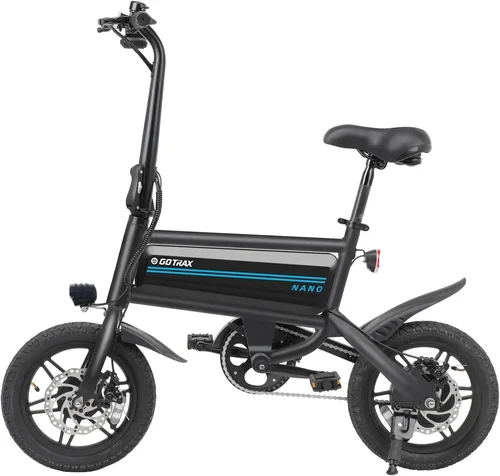
Finding a great e-bike under $1500 doesn’t have to mean compromising on quality. With the right strategy, you can maximize value and avoid overpaying.
1. Shop During Off-Season Sales: E-bike demand peaks in spring and summer. Buy in late fall or winter (October–February) when retailers offer discounts to clear inventory. You can save 10–20% during these periods.
2. Compare Online and In-Store Options: Online retailers often have lower prices due to reduced overhead, but local bike shops provide test rides, assembly, and service. Some shops price-match online deals—ask before buying.
3. Look for Bundled Deals: Some brands offer free accessories (helmets, locks, lights) with purchase. These can add $100+ in value and save you from buying separately.
4. Check for Manufacturer Rebates or Financing: Brands like Rad Power Bikes, Aventon, and Lectric often run promotions or offer 0% financing. These can make a $1,400 bike more affordable with monthly payments.
5. Read User Reviews Carefully: Focus on reviews from verified buyers who’ve used the bike for several months. Look for patterns—repeated complaints about battery life or brake issues are red flags.
6. Consider Refurbished or Open-Box Models: Certified refurbished e-bikes from reputable sellers often come with warranties and can save you 15–30%. Ensure they’ve been inspected and tested.
7. Test Before You Buy: If possible, visit a local dealer or attend an e-bike demo event. A 10-minute ride can reveal more than hours of research.
8. Factor in Long-Term Costs: Include maintenance, potential battery replacement (every 3–5 years), and accessory costs in your budget. A slightly more expensive bike with lower upkeep may be cheaper over time.
Frequently Asked Questions
Q: How far can I really ride on a single charge?
A: Realistic range depends on battery capacity, terrain, rider weight, and assist level. A 500Wh battery typically delivers 25–45 miles. Use the formula: (Battery Wh × 0.8) ÷ 12Wh/mile = estimated range. Always check user reviews for real-world feedback.
Q: Are e-bikes under $1500 reliable?
A: Yes, many are. Brands like Aventon, Rad Power Bikes, and Lectric offer well-built models with solid warranties. Reliability depends more on component quality and maintenance than price alone.
Q: Can I ride an e-bike in the rain?
A: Most e-bikes are water-resistant but not waterproof. Avoid submerging the battery or motor. After riding in rain, dry the bike and check for water in connectors. Use fenders to protect components.
Q: Do I need a license or insurance?
A: In most U.S. states, Class 1 and 2 e-bikes do not require a license or insurance. Class 3 bikes may have age or helmet requirements. Check your local laws.
Q: How often should I charge the battery?
A: Charge when the battery drops to 20–30%. Avoid fully draining it regularly. Store at 50–70% charge if not used for long periods. Most Li-ion batteries last 500–800 charge cycles.
Q: Can I upgrade components later?
A: Some components like tires, saddles, and lights can be upgraded. However, motors and batteries are usually not user-replaceable. Choose a bike with standard parts for easier upgrades.
Q: Are e-bikes good for exercise?
A: Absolutely. Even with pedal assist, you’re still pedaling and burning calories. Using lower assist levels increases workout intensity. E-bikes make cycling accessible to people of all fitness levels.
Q: What’s the difference between pedal assist and throttle?
A: Pedal assist provides power only when you pedal, while throttle lets you ride without pedaling (like a scooter). Class 2 bikes have throttles; Class 1 and 3 do not. Throttle use drains the battery faster.
Q: How heavy are e-bikes?
A: Most weigh 45–65 pounds. Step-through models may be lighter. Consider weight if you need to carry or store the bike frequently.
Q: Can I take an e-bike on public transit?
A: Many buses and trains allow e-bikes, but policies vary. Folding e-bikes are more likely to be permitted. Check with your local transit authority.
Our Final Recommendations
After extensive research and testing, here are our top picks for the best electric bikes under $1500 in 2026.
Best for Budget-Conscious Buyers: Lectric XP 3.0 ($999)
This fat-tire folding e-bike offers incredible value with a 500W motor, 48V 10.4Ah (500Wh) battery, and hydraulic disc brakes. It’s versatile, portable, and perfect for urban and light off-road use.
Best Overall Value: Aventon Level.2 ($1,299)
A sleek commuter with a 750W motor, 614Wh battery, and integrated lights. It features a step-through option, hydraulic brakes, and a bright LCD display. Ideal for daily riding with style and performance.
Best Premium Option: Rad Power Bikes RadCity 5 Plus ($1,499)
A top-tier city e-bike with a 750W motor, 672Wh battery, and full hydraulic brakes. Includes a rear rack, fenders, and a comfortable suspension seat post. Excellent for long commutes and heavy loads.
Best for Beginners: Heybike Cityscape ($899)
A user-friendly step-through e-bike with a 500W motor, 36V 12.5Ah battery, and simple controls. Great for new riders who want ease of use and reliability.
Best for Advanced Users: Juiced CrossCurrent X ($1,499)
A high-performance hybrid with a 750W motor, 921Wh battery (upgradeable), and speed capabilities up to 28 mph. Features a torque sensor for natural pedal feel and a robust aluminum frame.
Conclusion: Making the Right Choice
Choosing the best electric bike under $1500 is about more than just finding the cheapest option—it’s about identifying the bike that aligns with your needs, lifestyle, and long-term goals. By focusing on key factors like motor power, battery capacity, build quality, and warranty, you can avoid common pitfalls and invest in a reliable, enjoyable ride.
Remember, the best e-bike is the one you’ll actually use. Whether you’re commuting to work, exploring trails, or simply enjoying weekend rides, the right model will enhance your experience and keep you moving. Take your time, test ride when possible, and prioritize value over flashy extras.
With the insights and recommendations in this guide, you’re well-equipped to make a confident, informed decision. Happy riding!