
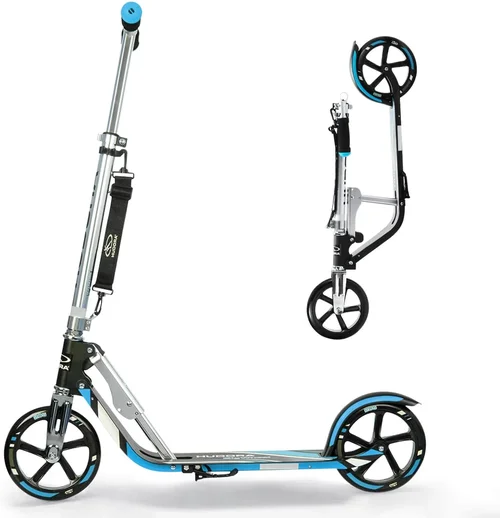
Electric scooters have exploded in popularity over the past decade, and for good reason. They’re fun, eco-friendly, and offer kids a sense of independence and adventure—especially for 10-year-old boys who are eager to explore their neighborhoods, ride with friends, or simply enjoy some outdoor time away from screens. As a parent or guardian, choosing the right electric scooter for a child this age isn’t just about picking the flashiest model or the one with the most features. It’s about balancing safety, durability, performance, and age-appropriate design in a way that gives your child confidence while giving you peace of mind.
This comprehensive buying guide is designed to help you navigate the crowded electric scooter market with clarity and confidence. Whether you’re shopping for your first e-scooter or upgrading from a basic kick scooter, we’ll walk you through every critical factor—from motor power and battery life to build quality, safety features, and brand reliability. You’ll learn how to avoid common pitfalls, understand what different price ranges deliver, and ultimately select a scooter that matches your child’s skill level, interests, and your family’s budget. By the end of this guide, you’ll have all the knowledge you need to make a smart, informed decision that ensures years of safe, enjoyable riding.
The electric scooter market has evolved dramatically since its early days. What once consisted of heavy, industrial-grade models meant for adults has now branched into a vibrant segment tailored specifically for kids and teens. Today, manufacturers like Razor, Segway-Ninebot, Gotrax, and Hiboy offer scooters designed with younger riders in mind—featuring lower weight limits, intuitive controls, enhanced safety mechanisms, and vibrant designs that appeal to children. However, with so many options available, it’s easy to feel overwhelmed. Some scooters prioritize speed over stability, others sacrifice durability for affordability, and a few claim “kid-friendly” status without meeting basic safety standards. That’s why this guide matters: it cuts through the marketing noise and focuses on what truly matters when selecting an electric scooter for a 10-year-old boy.

What to Look for When Buying an Electric Scooter for a 10-Year-Old Boy
1. Safety Features and Certifications
Safety should always be your top priority when choosing an electric scooter for a child. At age 10, most boys are energetic, curious, and still developing their judgment and coordination—which means they need extra protection built into their ride. Look for scooters that meet recognized safety standards such as UL 2272 (which certifies electrical systems for fire and electrical shock hazards) or ASTM F963 (a U.S. toy safety standard). These certifications aren’t just checkboxes—they indicate that the scooter has undergone rigorous testing for electrical safety, battery integrity, and overall structural reliability.
Beyond certifications, examine the physical safety features. A reliable braking system is non-negotiable. Most kid-friendly e-scooters use either foot brakes (activated by pressing down on the rear fender) or electronic hand brakes. While foot brakes are simple and require no learning curve, hand brakes offer more precise control—especially useful if your child plans to ride on hills or at higher speeds. Dual braking systems (combining both types) are ideal for added security.
Traction and stability matter just as much. Wider, air-filled (pneumatic) tires provide better shock absorption and grip on uneven surfaces like gravel, grass, or wet pavement—compared to solid rubber tires, which can feel jarring and slippery. Additionally, check for a low center of gravity and a sturdy deck. A non-slip footplate helps prevent slips during sudden stops or turns, while a well-balanced frame reduces the risk of tipping.
Finally, consider visibility. Built-in LED headlights and taillights aren’t just for nighttime riding—they make your child more visible to drivers and pedestrians during dusk or overcast days. Some models even include reflective strips or turn signals, which are excellent extras for safety-conscious parents.
2. Age and Weight Appropriateness
Not all electric scooters labeled “for kids” are suitable for a 10-year-old. Manufacturers often specify recommended age ranges and maximum weight capacities, and ignoring these can lead to poor performance or even safety risks. Most scooters designed for children aged 8–14 support riders up to 120–160 pounds. Since the average 10-year-old boy weighs between 60 and 90 pounds, you’ll want a model that comfortably accommodates his current weight while allowing room for growth over the next few years.
Pay close attention to the scooter’s minimum rider height and deck size. A deck that’s too small can make it hard for your child to balance, while one that’s too large may be awkward to control. Ideally, the handlebars should be adjustable to match your child’s height—typically between 30 and 40 inches from the ground. This ensures proper posture and reduces strain on the arms and back during longer rides.
Also consider the scooter’s overall weight. A lighter scooter (under 25 pounds) is easier for a child to carry upstairs, load into a car, or maneuver when the battery dies. However, don’t sacrifice structural integrity for lightness—some ultra-light models use thin aluminum frames that may bend or crack under regular use.
3. Performance Specifications: Speed, Range, and Motor Power
Performance specs directly impact how enjoyable and practical the scooter will be for your child. For a 10-year-old, you don’t need a high-speed racing machine—but you also don’t want something so slow it feels boring or impractical for neighborhood travel.
Most kid-friendly electric scooters offer top speeds between 10 and 15 mph. This range strikes a balance between fun and safety. Speeds above 15 mph can be risky for younger riders who may not have the reflexes or experience to handle sudden obstacles or steep inclines. Look for models with variable speed control or beginner modes that limit initial acceleration, allowing your child to build confidence gradually.
Battery range is another key metric. A scooter with a 6–10 mile range is usually sufficient for casual rides around the block, trips to a friend’s house, or short commutes to school (if permitted). Keep in mind that real-world range depends on factors like rider weight, terrain, temperature, and riding style. Cold weather, for example, can reduce battery efficiency by up to 30%. Lithium-ion batteries are standard in modern scooters and offer better longevity and recharge times than older lead-acid types.
Motor power typically ranges from 150W to 350W for youth models. A 200W–250W motor is ideal for flat terrain and light hills. If you live in a hilly area, consider a 300W+ motor for smoother climbs. However, higher wattage often means faster acceleration and greater top speed—so ensure the scooter includes speed-limiting features if you’re concerned about safety.
4. Build Quality and Durability
Kids are tough on equipment. Dropped scooters, rough landings, and accidental bumps are inevitable—so your chosen model must be built to withstand daily wear and tear. Start by examining the frame material. High-quality aluminum alloys (like 6061-T6) are lightweight yet strong, resisting rust and corrosion better than cheaper steels. Avoid scooters with plastic frames or joints, as these are prone to cracking.
Check the folding mechanism if portability is important. A secure latch or locking system prevents accidental collapses during rides. Test how smoothly the scooter folds and unfolds—some models jam or require excessive force, which can frustrate a child.
Deck construction matters too. Look for reinforced decks with anti-slip surfaces and ample foot space. Some premium models include shock-absorbing systems or suspension (usually in the front wheel), which greatly improve comfort on bumpy roads.
Wheel quality is equally vital. As mentioned earlier, pneumatic tires outperform solid rubber in almost every way—but they do require occasional inflation. If you prefer low maintenance, high-quality solid tires with good tread patterns are a reasonable compromise.
Finally, inspect the wiring and connectors. Exposed or poorly insulated wires are a red flag. Quality scooters route cables internally or use protective sleeves to prevent damage from moisture or impact.
5. Ease of Use and Controls
An electric scooter should feel intuitive, not intimidating. For a 10-year-old, simplicity is key. The throttle mechanism—usually a thumb lever or twist grip—should respond smoothly without jerky acceleration. Some scooters feature “cruise control” or gradual ramp-up modes that prevent sudden bursts of speed, which can cause loss of balance.
The display or control panel should be easy to read and understand. Basic LED indicators for battery level, speed mode, and power status are sufficient for most kids. Avoid overly complex interfaces with multiple buttons or settings that could confuse a young rider.
Steering responsiveness is another consideration. The handlebars should turn easily but not feel loose or wobbly. A well-tuned steering column with minimal play ensures better control, especially at higher speeds or during sharp turns.
If the scooter includes a kick-to-start feature (where you push off with your foot before engaging the motor), make sure it’s easy to activate. This helps conserve battery and gives your child a natural feel for momentum before going electric.
6. Portability and Storage
Even if your child won’t be carrying the scooter long distances, portability matters for storage, transportation, and convenience. Most youth e-scooters fold down for compact storage, but the quality of the folding mechanism varies widely. Look for a scooter that folds quickly and securely with one hand—ideally in under 10 seconds.
Weight plays a big role here. Scooters under 22 pounds are manageable for most 10-year-olds to carry short distances (like from the garage to the sidewalk). Anything over 28 pounds may feel burdensome, especially if they need to lift it upstairs or into a car trunk.
Consider the folded dimensions. A scooter that’s too long or wide when folded won’t fit neatly in a closet, under a bed, or in a car’s backseat. Some models include carrying handles or shoulder straps, which make transport easier.
If your family travels frequently or uses public transit, portability becomes even more important. A lightweight, compact scooter can be a game-changer for weekend trips or vacations.
7. Brand Reputation and Customer Support
With so many new brands entering the market—especially from overseas—it’s wise to stick with manufacturers known for quality and reliability. Established brands like Razor, Segway-Ninebot, Gotrax, and Hiboy have years of experience designing scooters for kids and offer better customer service, clearer warranties, and more accessible replacement parts.
Research online reviews, but don’t rely solely on star ratings. Read detailed customer feedback to spot recurring issues—like battery failures after six months, broken throttles, or poor售后 support. Forums like Reddit’s r/scooters or parenting blogs often provide honest, real-world insights.
Check if the brand offers local service centers or authorized repair shops. If something breaks, you don’t want to wait weeks for a replacement part shipped from another country. U.S.-based brands typically have faster turnaround times and better communication.
Also, verify that the company provides clear user manuals, video tutorials, and responsive customer support via phone, email, or live chat. A good brand stands behind its products—even after the sale.
8. Warranty and Return Policy
A solid warranty is a strong indicator of a manufacturer’s confidence in their product. For electric scooters aimed at kids, look for at least a 6-month to 1-year warranty covering defects in materials and workmanship. Premium brands often offer 18–24 months of coverage.
Pay attention to what’s included. Does the warranty cover the battery? Motors? Electronics? Some companies exclude batteries due to their limited lifespan, but reputable brands will offer at least partial coverage or discounted replacements.
Return policies are equally important. Ideally, you should have 30 days to return the scooter if it doesn’t meet expectations—especially since fit and comfort are subjective. Make sure the retailer (whether online or in-store) allows returns on opened items, as you’ll likely need to test the scooter before deciding.
Avoid sellers with “final sale” policies or restocking fees, as these can trap you with a product that doesn’t suit your child.
Different Types of Electric Scooters for Kids

Common Buying Mistakes to Avoid
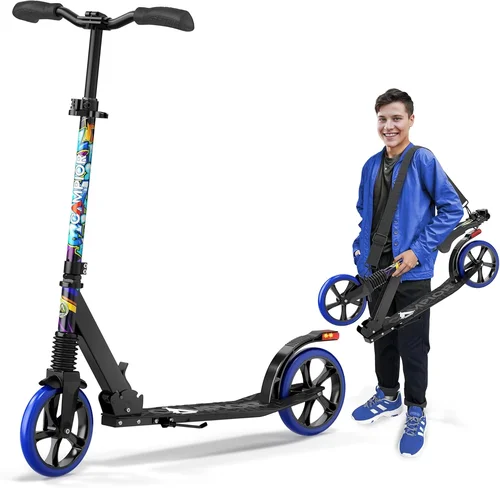
❌ Mistake: Prioritizing Speed Over Safety
Why it’s bad: High-speed scooters may seem exciting, but they increase the risk of accidents, especially for inexperienced riders. A 10-year-old may not have the reflexes to handle sudden obstacles or emergency braking at 20+ mph.
What to do instead: Choose a scooter with a top speed of 12–15 mph and look for models with speed-limiting modes or parental controls. Let your child master basic handling before considering faster options.
❌ Mistake: Ignoring Weight Limits and Age Recommendations
Why it’s bad: Using a scooter designed for younger kids (e.g., ages 5–8) can result in poor stability, inadequate deck space, and reduced braking efficiency. Conversely, adult scooters are often too heavy and powerful.
What to do instead: Always check the manufacturer’s recommended age and weight range. Ensure the scooter fits your child’s current size and allows room for growth.
❌ Mistake: Skipping Safety Gear
Why it’s bad: Even the safest scooter can’t prevent head injuries in a fall. Helmets reduce the risk of traumatic brain injury by up to 85%.
What to do instead: Invest in a CPSC-certified helmet and protective pads. Make wearing gear non-negotiable—just like seatbelts in a car.
❌ Mistake: Buying Based Solely on Price
Why it’s bad: The cheapest scooters often cut corners on safety, battery quality, and build materials. You may end up replacing it within months.
What to do instead: Treat the scooter as a long-term investment. Spend a little more for better durability, safety certifications, and reliable customer support.
❌ Mistake: Overlooking Battery and Charging Details
Why it’s bad: Some scooters use low-quality batteries that degrade quickly or take hours to recharge. Others lack overcharge protection, posing fire risks.
What to do instead: Choose models with UL-certified lithium-ion batteries and smart charging systems. Avoid leaving the scooter plugged in overnight.
❌ Mistake: Not Testing Before Buying
Why it’s bad: Comfort and control are subjective. A scooter that looks great online might feel awkward or unbalanced in person.
What to do instead: If possible, visit a store to test ride. If buying online, choose retailers with generous return policies.
❌ Mistake: Assuming All “Kid-Friendly” Labels Are Equal
Why it’s bad: Some brands market scooters as “for kids” but use adult components or lack essential safety features.
What to do instead: Read detailed specs and reviews. Look for age-specific design elements like lower decks, smaller wheels, and simplified controls.
Budget Guidelines: How Much Should You Spend?
Entry-Level ($100–$180): These scooters are ideal for occasional use and beginners. Expect basic features: 150W motors, 6–8 mile range, solid rubber tires, and minimal safety tech. Brands like Razor E100 or Gotrax GKS fall here. Great for short neighborhood rides but may lack durability for daily use.
Mid-Range ($180–$300): This is the sweet spot for most families. Scooters in this tier offer 200W–250W motors, 8–12 mile range, pneumatic or high-quality solid tires, and better braking systems. Models like the Segway Ninebot Zing E8 or Hiboy S2 Lite provide excellent value with improved build quality and safety features.
Premium ($300–$450): Designed for frequent riders and safety-conscious parents. Expect app connectivity, LED displays, dual braking, suspension, and robust frames. The Razor E300S or Segway Ninebot Gokid are standout options. These scooters often include warranties of 12–24 months.
Luxury ($450+): Top-tier models with advanced features like regenerative braking, GPS tracking, customizable speed modes, and all-terrain capabilities. Best for tech enthusiasts or families living in hilly areas. Examples include the Apollo Air Pro or Unagi Model One. Only necessary if your child rides daily or demands cutting-edge performance.
Expert Tips for Getting the Best Deal
– Shop during seasonal sales: Black Friday, Cyber Monday, and back-to-school periods (July–August) often feature significant discounts on kids’ scooters.
– Compare retailers: Check Amazon, Walmart, Target, and specialty stores like REI or Decathlon. Sometimes local bike shops carry scooters with in-person support.
– Sign up for newsletters: Many brands offer 10–15% off your first purchase when you subscribe.
– Consider refurbished models: Certified pre-owned scooters from reputable sellers can save you 20–30% while offering full warranties.
– Read the fine print on warranties: Ensure battery and motor are covered—not just the frame.
– Check return windows: Aim for at least 30 days to test the scooter thoroughly.
– Look for bundle deals: Some retailers include helmets, locks, or lights at no extra cost.
– Join parent forums: Communities like Facebook’s “Electric Scooter Parents” share real-time deals and honest reviews.
Frequently Asked Questions
Q: Is an electric scooter safe for a 10-year-old?
A: Yes—when chosen wisely and used with proper safety gear. Look for UL 2272 certification, age-appropriate speed limits, and reliable brakes. Always supervise new riders until they gain confidence.
Q: How fast do kids’ electric scooters go?
A: Most are capped at 10–15 mph, which is fast enough for fun but slow enough to minimize injury risk. Avoid models exceeding 15 mph unless your child is highly experienced.
Q: How long does the battery last?
A: Expect 6–12 miles per charge, depending on weight, terrain, and speed. Batteries typically last 2–3 years with proper care (avoid deep discharges and extreme temperatures).
Q: Can my child ride in the rain?
A: Most kid scooters are water-resistant (IPX4), meaning they can handle light splashes—but not submersion or heavy rain. Wet surfaces also reduce tire grip, increasing fall risk.
Q: Do I need to register the scooter?
A: In most U.S. states, electric scooters under 20 mph don’t require registration. However, local laws vary—check your city or county regulations, especially for sidewalk riding.
Q: What’s the difference between solid and pneumatic tires?
A: Solid tires are puncture-proof and maintenance-free but offer a rougher ride. Pneumatic (air-filled) tires provide better shock absorption and grip but need occasional inflation.
Q: How do I maintain the scooter?
A: Clean it regularly, check tire pressure (if applicable), tighten bolts, and store it indoors. Charge the battery monthly even if unused to prevent degradation.
Q: Can adults ride these scooters?
A: Most kids’ scooters have weight limits under 160 lbs, so they’re not suitable for most adults. Attempting to ride one could damage the motor or frame.
Q: What if the scooter breaks?
A: Contact the manufacturer first. If under warranty, they’ll often send replacement parts or offer repair services. Keep your receipt and photos of the issue.
Q: Are there eco-friendly options?
A: Yes! Many brands now use recyclable packaging and energy-efficient batteries. Look for companies with sustainability initiatives or carbon-neutral shipping.
Our Final Recommendations
Best for Budget-Conscious Buyers: Razor E100 – At under $150, it’s affordable, reliable, and perfect for beginners. Simple kick-to-start design, 10 mph top speed, and durable steel frame make it a classic choice.
Best Overall Value: Segway Ninebot Zing E8 – Priced around $250, it offers pneumatic tires, 12 mph speed, 8-mile range, and excellent build quality. Great for daily use and growing kids.
Best Premium Option: Hiboy S2 Lite – With app control, dual braking, and a 19 mph top speed (with parental lock), it’s ideal for tech-loving families who want advanced features without adult-level power.
Best for Beginners: Gotrax GKS – Lightweight (18.5 lbs), easy to fold, and equipped with a foot brake and LED lights. Perfect for first-time riders learning balance and control.
Best for Advanced Young Riders: Razor E300S – A step up in power (250W motor, 15 mph), larger deck, and pneumatic tires. Ideal for kids ready for longer, more adventurous rides.
Conclusion: Making the Right Choice
Choosing the best electric scooter for your 10-year-old boy doesn’t have to be overwhelming. By focusing on safety, age-appropriateness, build quality, and real-world performance—not just flashy specs or low prices—you’ll find a scooter that brings joy, independence, and years of reliable use. Remember, the right scooter grows with your child, supports their development, and gives you confidence as a parent.
Take your time, involve your child in the decision (when appropriate), and prioritize features that align with your family’s lifestyle and values. Whether you’re shopping for a birthday gift, a holiday surprise, or just a way to encourage more outdoor activity, the perfect electric scooter is out there—waiting to unlock new adventures.
Now that you’re equipped with expert knowledge, it’s time to make your move. Happy riding!