
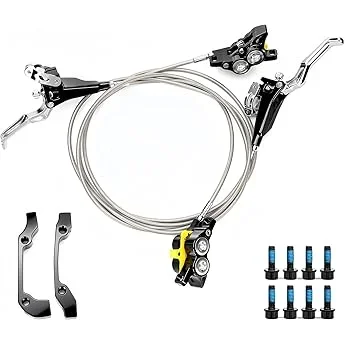
When it comes to electric off-road motorcycles, few brands have captured the imagination of riders quite like Surron. Known for their lightweight yet powerful e-bikes—especially the iconic Surron Light Bee—Surron has built a reputation for delivering high-performance machines that blur the line between trail bike and motocross machine. But while the motor, battery, and suspension get much of the spotlight, one component quietly plays a critical role in every ride: the brakes. Whether you’re carving through tight singletrack, descending steep hills, or navigating technical rock gardens, reliable stopping power isn’t just a convenience—it’s a necessity. That’s why choosing the best Surron brakes isn’t just about upgrading a part; it’s about enhancing safety, control, and overall riding confidence.
This comprehensive buying guide is designed to help you navigate the often-overlooked world of Surron brake systems with clarity and confidence. Whether you’re a first-time Surron owner looking to replace worn pads, an experienced rider seeking performance upgrades, or someone considering a full brake system overhaul, this guide will equip you with the knowledge you need to make an informed decision. We’ll break down the key factors to consider—from budget and compatibility to performance specs and brand reputation—and compare different types of brake systems available for Surron bikes. You’ll also learn how to avoid common pitfalls, understand pricing tiers, and get expert tips for maximizing value. By the end, you’ll know exactly what to look for and which brake setup will best suit your riding style, terrain, and goals.
The market for Surron-compatible brakes has grown significantly in recent years, driven by the bike’s popularity and the community’s demand for better performance. While Surron ships its bikes with decent OEM brakes (typically Nutt or Zoom hydraulic disc brakes), many riders quickly realize that these stock systems can struggle under aggressive riding conditions—especially when carrying extra weight, riding in wet or muddy environments, or pushing the bike to its limits on long descents. As a result, a thriving aftermarket has emerged, offering everything from upgraded brake pads and rotors to complete brake conversions using high-end brands like Magura, Brembo, and Galfer. With so many options available, it’s easy to feel overwhelmed. But with the right information, you can cut through the noise and choose a brake system that delivers consistent, powerful, and reliable stopping power—ride after ride.

What to Look for When Buying Surron Brakes
1. Brake Type: Mechanical vs. Hydraulic
The first and most fundamental decision you’ll make is whether to stick with mechanical (cable-actuated) brakes or upgrade to hydraulic systems. Surron’s stock brakes are typically hydraulic, but understanding the difference is crucial. Mechanical brakes use a cable to pull the brake caliper closed, which is simple and affordable but lacks the precision and power of hydraulic systems. They’re easier to maintain and repair on the trail, but they require more hand effort and are less responsive, especially when wet or muddy.
Hydraulic brakes, on the other hand, use fluid to transfer force from the lever to the caliper. This results in smoother, more consistent braking with less effort. They offer better modulation—meaning you can finely control how much braking force is applied—which is essential for technical riding. Hydraulic systems also self-adjust as pads wear down, reducing maintenance. For Surron riders who tackle challenging terrain or ride frequently, hydraulic brakes are almost always the better choice. However, they are more complex to bleed and service, so consider your mechanical aptitude and access to tools.
2. Compatibility with Your Surron Model
Not all brakes are created equal—and not all are compatible with every Surron model. The Surron Light Bee (LBX) and the newer Surron Storm Bee have different frame geometries, swingarm designs, and mounting points, which can affect brake compatibility. For example, some aftermarket calipers may not fit the LBX’s rear brake mount without modification, while others may require custom brake lines or adapters.
Always check the manufacturer’s specifications before purchasing. Look for brakes explicitly listed as compatible with your model (e.g., “Surron Light Bee compatible”). If you’re upgrading to a different rotor size (like moving from 180mm to 203mm), ensure your fork and swingarm have the necessary mounting points and clearance. Some riders opt for adapter brackets, but these can introduce flex or failure points if not high-quality. When in doubt, consult Surron forums or reach out to the brake manufacturer directly.
3. Rotor Size and Material
The brake rotor—the disc that the pads clamp onto—plays a major role in stopping power and heat dissipation. Surron bikes typically come with 180mm front and rear rotors, which are adequate for casual riding but can overheat or fade during aggressive use. Upgrading to larger rotors (203mm or 220mm) increases the braking torque and improves heat management, especially on long descents.
Rotor material also matters. Most rotors are made from stainless steel, which offers a good balance of durability, corrosion resistance, and performance. However, some high-end options use floating rotors (with aluminum centers and steel braking surfaces) to reduce weight and improve heat dissipation. These are common in motocross and enduro applications and can be a worthwhile upgrade for serious riders. Just ensure that any new rotor matches your caliper’s mounting pattern (6-bolt or centerlock) and that your wheel hub can accommodate it.
4. Brake Pad Compound and Performance
Brake pads are the unsung heroes of any braking system. The compound they’re made from determines how well they grip the rotor under different conditions. There are three main types: organic (resin), sintered (metallic), and semi-metallic.
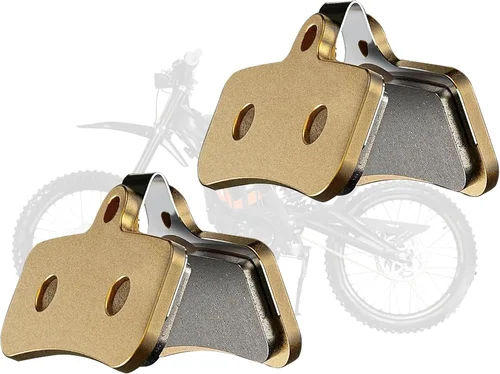
Organic pads are quiet, gentle on rotors, and offer good initial bite, making them ideal for dry, light-duty riding. However, they wear faster and can fade when hot. Sintered pads, made from metal particles fused under heat and pressure, are more durable and perform better in wet, muddy, or high-heat conditions. They’re the go-to choice for aggressive off-road riders. Semi-metallic pads offer a middle ground, blending the quietness of organic with the durability of sintered.
For Surron riders, sintered pads are generally recommended—especially if you ride in varied weather or push your bike hard. They may be slightly noisier and harder on rotors, but the performance gain is worth it. Always replace both front and rear pads at the same time to maintain balanced braking.
5. Lever Feel and Ergonomics
The brake lever is your direct connection to the braking system, so its feel and adjustability are critical. A good lever should offer smooth, progressive engagement—meaning the braking force increases gradually as you squeeze, rather than kicking in abruptly. Look for levers with reach adjustment, so you can customize the distance to fit your hand size and riding style.
Some high-end systems, like Magura MT5 or MT7, feature ergonomic lever shapes and adjustable bite points, allowing you to fine-tune when the pads contact the rotor. This is especially useful for trail riding, where you might want a quicker initial response. Also consider lever material: aluminum levers are lighter and more durable than plastic, and they resist flex under hard braking.
6. Brand Reputation and Reliability
When it comes to brakes, brand matters. Established brands like Magura, Brembo, Galfer, and Hayes have decades of experience in motorcycle and bicycle braking systems. Their products are rigorously tested and widely trusted by professional riders. While they come at a higher price point, the reliability and performance gains are often worth the investment.
On the other hand, cheaper no-name or generic brands may save you money upfront but can fail prematurely or deliver inconsistent performance. Look for brands with strong reviews in the Surron and electric motorcycle communities. Forums like Surron Riders, Reddit’s r/Surron, and Facebook groups are great resources for real-world feedback. A brake system that works well on a mountain bike may not hold up under the torque and weight of an electric motor, so prioritize brands with experience in e-moto applications.
7. Ease of Installation and Maintenance
Even the best brakes aren’t helpful if they’re a pain to install or maintain. Consider how much time and skill you’re willing to invest. Stock Surron brakes are relatively easy to service, but upgrading to a full hydraulic system may require bleeding the lines, aligning calipers, and adjusting levers.
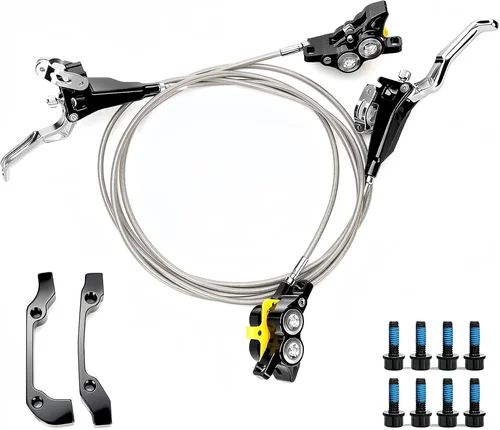
If you’re not mechanically inclined, look for bolt-on kits designed specifically for Surron bikes. Some companies offer complete brake conversion kits that include everything you need—calipers, rotors, lines, levers, and adapters—pre-bled and ready to install. These can save hours of frustration and ensure proper setup.
Maintenance is another factor. Hydraulic systems need periodic bleeding to remove air bubbles, and pads wear out over time. Choose a system with accessible bleed ports and widely available replacement parts. Avoid proprietary designs that lock you into a single supplier for pads or fluid.
8. Weight and Aesthetics
While not as critical as performance or safety, weight and appearance can influence your decision—especially if you’re building a custom Surron. High-end brake systems often use lightweight materials like aluminum and carbon fiber to reduce unsprung weight, which improves suspension response and handling.
Aesthetics matter too. A sleek, modern brake setup can enhance the overall look of your bike. Some riders prefer the aggressive appearance of a large 203mm rotor with a dual-piston caliper, while others like the minimalist look of a compact system. Just remember: never sacrifice performance for style. A lighter brake that can’t stop your bike safely is a liability, not an upgrade.
Different Types of Surron Brakes

Common Buying Mistakes to Avoid
❌ Mistake: Ignoring Compatibility
Why it’s bad: Buying a high-end brake system only to discover it doesn’t fit your Surron model is frustrating and costly. Mismatched calipers, rotors, or mounting points can lead to poor performance or even safety hazards.
What to do instead: Always verify compatibility before purchasing. Check your bike’s year, model, and existing brake setup. Use manufacturer specs or consult Surron-specific forums for confirmation.
❌ Mistake: Prioritizing Price Over Performance
Why it’s bad: Cheap brakes may save money upfront but often fail under stress, wear quickly, or lack the modulation needed for safe riding. On an electric bike with instant torque, inadequate brakes can be dangerous.
What to do instead: Invest in quality. Even a mid-range upgrade like Galfer pads and rotors can dramatically improve safety and performance without breaking the bank.
❌ Mistake: Overlooking Brake Balance
Why it’s bad: Upgrading only the front brake (or only the rear) can create an imbalance, leading to skidding, loss of control, or reduced stopping power. Both wheels need consistent braking force.
What to do instead: Always upgrade both front and rear brakes together. Match pad compounds, rotor sizes, and caliper types to maintain balanced performance.
❌ Mistake: Neglecting Maintenance
Why it’s bad: Even the best brakes degrade over time. Worn pads, contaminated fluid, or misaligned calipers reduce effectiveness and increase stopping distance.
What to do instead: Inspect brakes regularly. Replace pads when they’re below 2mm thick, bleed hydraulic systems annually, and clean rotors with isopropyl alcohol.
❌ Mistake: Choosing the Wrong Pad Compound
Why it’s bad: Organic pads may seem appealing for their quiet operation, but they can fade quickly under the heat generated by an electric motor. This leads to “brake fade” and reduced control.
What to do instead: Choose sintered pads for most Surron applications. They handle heat better and last longer, especially in wet or muddy conditions.
❌ Mistake: Skipping the Bleed After Installation
Why it’s bad: Air in the hydraulic lines causes a spongy lever feel and reduces braking power. Many riders assume pre-bled kits are ready to go, but vibrations during shipping can introduce air.
What to do instead: Always bleed your brakes after installation, even if the kit claims to be pre-bled. Use a proper bleed kit and follow the manufacturer’s instructions.
❌ Mistake: Not Testing Before Riding Hard
Why it’s bad: New brakes need a “burn-in” period to bed the pads to the rotor. Skipping this step can lead to glazed pads, reduced performance, and longer stopping distances.
What to do instead: After installation, perform 10–15 moderate stops from 15–20 mph to bed the pads. Avoid hard braking until the pads are properly seated.
Budget Guidelines: How Much Should You Spend?
Entry-Level ($0–$100): This tier includes the stock brakes that come with your Surron or basic replacements like generic hydraulic calipers and rotors. While functional for casual riding, they lack the power and durability needed for aggressive use. Ideal for beginners or riders on a tight budget, but expect to upgrade sooner rather than later.
Mid-Range ($100–$250): This is the sweet spot for most Surron owners. Upgrades like Galfer wave rotors, EBC sintered pads, or Hayes Dominion brakes offer significant improvements in performance, heat management, and longevity. These components bolt on easily and provide a noticeable upgrade over stock without requiring a full system overhaul.
Premium ($250–$500): For serious riders and enthusiasts, premium systems from brands like Magura, Brembo, or custom Surron brake kits deliver professional-grade performance. These setups often include larger rotors, dual-piston calipers, and advanced lever designs. They’re built to handle long descents, heavy loads, and extreme conditions with consistent reliability.
Luxury ($500+): At this level, you’re investing in cutting-edge technology and custom engineering. Options include full brake-by-wire systems that integrate regenerative braking with hydraulic control, or bespoke builds using aerospace materials and precision-machined components. These are for riders who demand the absolute best and are willing to pay for innovation, weight savings, and peak performance.
Expert Tips for Getting the Best Deal
– Buy During Off-Season Sales: Many retailers offer discounts on motorcycle and e-bike parts during winter months (December–February) when riding activity is lower. Sign up for newsletters from brands like Magura, Galfer, or RevZilla to catch flash sales.
– Shop from Specialized Retailers: While Amazon and eBay have convenience, specialized shops like Rocky Mountain ATV/MC, RevZilla, or Electric Bike Report often have better expertise, return policies, and Surron-specific bundles.
– Look for Complete Kits: Instead of buying individual components, opt for brake upgrade kits designed for Surron. These often include pads, rotors, calipers, and adapters at a discounted rate compared to piecemeal purchases.
– Check Return Policies: Brakes are a safety-critical component, so ensure the seller offers a fair return window (at least 30 days) in case of compatibility issues or defects.
– Test Before Committing: If possible, test ride a friend’s Surron with upgraded brakes or visit a local demo event. Feeling the difference in lever feel and stopping power can help you choose the right system.
– Join the Community: Surron forums and Facebook groups often have members selling used but high-quality brake components at a fraction of the new price. Just verify condition and compatibility before buying.
– Consider Long-Term Value: A $300 brake system that lasts three years is better value than a $150 system that needs replacement every year. Factor in durability, warranty, and availability of parts.
– Don’t Over-Upgrade: Unless you’re riding competitively or carrying heavy loads, you likely don’t need a $600 brake system. Match your upgrade to your actual riding needs to avoid overspending.

Frequently Asked Questions
Q: Can I upgrade just the brake pads on my Surron?
A: Yes, and it’s one of the easiest and most cost-effective upgrades. Replacing stock pads with high-quality sintered pads (like EBC or Galfer) can improve bite, reduce fade, and extend rotor life. Just ensure the new pads are compatible with your existing calipers.
Q: Do I need to bleed the brakes after replacing pads?
A: Not always. If you’re only replacing pads and didn’t open the hydraulic system, bleeding isn’t necessary. However, if you removed the caliper or noticed air in the lines, a bleed is recommended to restore proper lever feel.
Q: Are larger rotors always better?
A: Not necessarily. Larger rotors (203mm+) provide more stopping power and better heat dissipation, which is great for aggressive riding. But they also add weight and can increase stress on fork legs and swingarms. For most riders, 203mm front and 180mm rear is a balanced setup.
Q: Can I use mountain bike brakes on my Surron?
A: Technically yes, but it’s not recommended. Mountain bike brakes are designed for lower speeds and lighter loads. Surron’s electric motor generates high torque, and the bike can reach speeds over 50 mph. Motorcycle-specific brakes are built to handle these demands safely.
Q: How often should I replace brake pads?
A: It depends on riding style and conditions, but inspect pads every 500–1,000 miles. Replace them when the friction material is less than 2mm thick or if you notice reduced performance, squealing, or vibration.
Q: What’s the difference between 6-bolt and centerlock rotors?
A: 6-bolt rotors use six bolts to attach to the hub, while centerlock uses a single splined interface with a lockring. They’re not interchangeable—make sure your hub matches the rotor type.
Q: Do I need special tools to install new brakes?
A: Basic tools like Allen keys, torque wrenches, and pliers are usually sufficient. For hydraulic systems, a bleed kit is recommended. Some upgrades may require specific adapters or spacers, so check the product details.
Q: Can I mix and match brake brands?
A: It’s possible, but not ideal. Mixing calipers, levers, and hoses from different brands can lead to compatibility issues, poor performance, or safety risks. Stick to matched systems whenever possible.
Q: Will upgraded brakes improve my bike’s range?
A: Indirectly, yes. Better brakes allow for more efficient riding—fewer panic stops, smoother deceleration, and better use of regenerative braking (if equipped). This can help conserve battery life over long rides.
Q: Are there brake upgrades that work with regenerative braking?
A: Yes, some advanced systems integrate hydraulic braking with the motor’s regenerative function. These “brake-by-wire” setups can maximize energy recovery and improve control, but they’re complex and typically require custom installation.
Our Final Recommendations
Best for Budget-Conscious Buyers: Galfer Wave Rotors + EBC Sintered Pads ($120–$150)
A simple, effective upgrade that dramatically improves stopping power and heat management without breaking the bank. Bolt-on compatible and widely available.
Best Overall Value: Hayes Dominion A4 Brake System ($280–$320)
Offers excellent modulation, power, and durability. Easy to install, reliable in all conditions, and a favorite among Surron riders for its balance of performance and price.
Best Premium Option: Magura MT7 Pro with 203mm Rotors ($450–$500)
Top-tier performance with adjustable levers, dual-piston calipers, and exceptional heat resistance. Ideal for aggressive riders and long descents.
Best for Beginners: Keep Stock Brakes + Upgrade to Sintered Pads ($80–$100)
If you’re new to riding or on a tight budget, start with high-quality pads. It’s an affordable way to improve safety without complex installation.
Best for Advanced Users: Custom Surron Brake Conversion Kit (e.g., from SurronParts.com) ($500–$700)
A complete, pre-bled system designed specifically for Surron bikes. Includes larger rotors, high-performance calipers, and all necessary adapters for a seamless upgrade.
Conclusion: Making the Right Choice
Choosing the best Surron brakes isn’t just about picking the most expensive or flashy option—it’s about finding the right balance of performance, compatibility, and value for your specific needs. Whether you’re a weekend trail rider or a daily commuter pushing your Light Bee to its limits, your brakes are one of the most critical safety systems on your bike. By understanding the key factors—from brake type and rotor size to pad compound and brand reputation—you can make a confident, informed decision that enhances both your safety and your riding experience.
Remember, the best brake system is the one that gives you consistent, reliable stopping power when you need it most. Don’t let cost-cutting or compatibility oversights compromise your safety. Invest wisely, maintain regularly, and always prioritize performance over aesthetics. With the right brakes, your Surron will not only stop better—it’ll ride better, too.
Now that you’re equipped with expert knowledge, it’s time to take action. Assess your current setup, define your riding goals, and choose the brake upgrade that aligns with your needs. Whether it’s a simple pad swap or a full hydraulic conversion, the right choice will give you peace of mind and more control on every ride. Happy braking—and happy riding!