
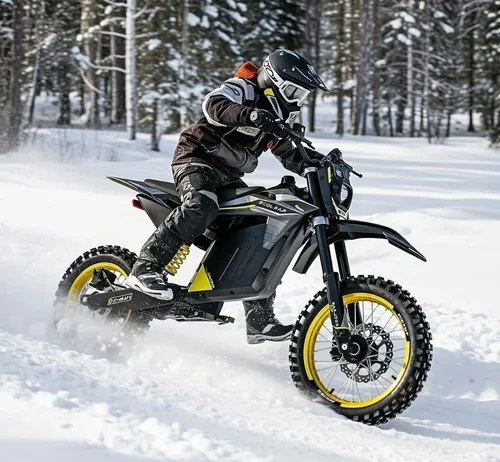
Electric dirt bikes have surged in popularity among teens over the past few years, and for good reason. They offer a thrilling off-road experience without the noise, fumes, and maintenance hassles of traditional gas-powered dirt bikes. Whether your teen is a beginner looking to explore local trails or an aspiring motocross rider honing their skills, an electric dirt bike can be a safe, eco-friendly, and exciting way to get started. But with so many models flooding the market—ranging from budget-friendly toys to high-performance machines—it’s easy to feel overwhelmed. That’s exactly why this guide exists.
In this comprehensive buying guide, we’ll walk you through everything you need to know to choose the best electric dirt bike for your teen in 2026. We’ll break down the most important factors to consider—from performance and safety to build quality and brand reputation—so you can make an informed decision that fits your budget and your teen’s skill level. You’ll also learn about different types of electric dirt bikes, common pitfalls to avoid, and insider tips to help you get the best value for your money. By the end, you’ll have all the tools you need to confidently select a bike that’s not only fun but also safe, reliable, and built to last.
The electric dirt bike market has evolved rapidly, with manufacturers pushing the boundaries of battery technology, motor efficiency, and rider safety. Today’s models are lighter, faster, and smarter than ever before, featuring regenerative braking, smartphone connectivity, and adjustable power modes tailored for younger riders. Whether you’re shopping for a 12-year-old just starting out or a 17-year-old ready for serious trail riding, there’s a model designed specifically for their needs. This guide will help you navigate that landscape with clarity and confidence.

What to Look for When Buying an Electric Dirt Bike for Teens
1. Age, Weight, and Skill Level
One of the most critical factors when choosing an electric dirt bike for a teen is matching the bike to their physical size, weight, and experience. A bike that’s too powerful or too large can be dangerous, while one that’s too small or underpowered may frustrate a more advanced rider. Most manufacturers design their bikes with specific age ranges in mind—typically 8–12, 12–16, and 16+—but these are just guidelines. Always check the recommended weight limit and seat height. For example, a bike with a 25-inch seat height might be perfect for a 5’2″ teen but too low for someone over 5’8″. Beginners should look for models with lower top speeds (under 20 mph) and beginner-friendly throttle control, while more experienced riders may benefit from higher torque and adjustable power settings.
2. Performance Specifications
Performance specs tell you how the bike will handle in real-world conditions. Key metrics include motor power (measured in watts), top speed, torque, and range per charge. For teens, a motor between 500W and 2000W is typically ideal—enough to tackle hills and rough terrain without being overwhelming. Top speeds should generally stay under 30 mph for safety, though some advanced models can reach 40+ mph. Range is another crucial factor: most teen-focused electric dirt bikes offer 10–25 miles per charge, depending on terrain and riding style. Look for lithium-ion batteries, which are lighter, charge faster, and last longer than older lead-acid types. Also consider whether the bike has multiple ride modes (Eco, Normal, Sport), which allow you to limit speed and power for younger or less experienced riders.
3. Build Quality & Durability
Teens are hard on equipment, so durability is non-negotiable. Look for bikes with steel or reinforced aluminum frames, quality suspension systems (front and rear), and puncture-resistant tires. Check the quality of welds, bolts, and connectors—cheaply made components can fail under stress. Water resistance is also important; while most electric dirt bikes aren’t fully waterproof, they should at least have an IP rating of IP54 or higher to handle light rain and mud. Pay attention to the quality of the brakes too—disc brakes (especially hydraulic ones) offer far better stopping power than mechanical or drum brakes, which is essential for safety on steep or slippery terrain.
4. Safety Features
Safety should always come first, especially when it comes to teen riders. The best electric dirt bikes include features like a kill switch (also called a tether or lanyard), which instantly cuts power if the rider falls off. Adjustable speed limiters are another must-have, allowing parents to restrict top speed as the teen gains confidence. Some models also include LED headlights, taillights, and turn signals for visibility, though these are more common on street-legal or dual-sport models. Additionally, look for bikes with smooth throttle response and regenerative braking, which helps slow the bike down without relying solely on the brakes. Always ensure your teen wears proper safety gear—helmet, gloves, knee and elbow pads, and sturdy boots—no matter how safe the bike claims to be.
5. Battery Life & Charging Time
Battery performance directly impacts how much fun your teen can have on a single charge. Most modern electric dirt bikes use removable lithium-ion batteries with capacities ranging from 10Ah to 20Ah. A higher Ah rating generally means longer range, but it also increases weight and charging time. Charging times vary widely—from as little as 2 hours for fast-charging models to over 6 hours for older or lower-end bikes. Look for bikes with smart chargers that prevent overcharging and extend battery life. Also consider whether the battery is easily replaceable; over time, all batteries degrade, and being able to swap in a new one is far cheaper than replacing the entire bike. Some premium models even offer dual-battery options for extended adventures.
6. Weight & Portability
Electric dirt bikes are heavier than their gas counterparts due to the battery and motor, but weight still matters—especially for teens who may need to lift or transport the bike. Most teen models weigh between 60 and 100 pounds. While this may not seem like much, it can be challenging for younger or smaller riders to maneuver, especially if the bike tips over. Look for bikes with a low center of gravity and ergonomic design to make handling easier. If you plan to transport the bike in a car or truck, consider foldable handlebars or a lightweight frame. Some models even come with built-in carrying handles or wheels for easier loading.
7. Brand Reputation & Customer Support
Not all electric dirt bike brands are created equal. Stick with reputable manufacturers known for quality, safety, and customer service. Brands like Razor, Sur Ron, Oset, and Segway have established track records and offer reliable products backed by solid warranties. Research customer reviews on platforms like Amazon, YouTube, and specialized forums to see how bikes perform in real-world use. Pay attention to how responsive the company is to issues like battery failures, motor problems, or shipping delays. A good brand will offer clear warranty terms, accessible customer support, and readily available replacement parts. Avoid no-name brands sold exclusively through third-party marketplaces—they often lack support and may use substandard components.
8. Warranty & Return Policy
A strong warranty is a sign that a manufacturer stands behind its product. Most reputable electric dirt bikes come with at least a 6-month to 1-year warranty covering the motor, battery, and frame. Some premium brands offer 2-year warranties or even lifetime frame guarantees. Read the fine print: many warranties exclude “wear and tear” items like tires, brakes, and chains, and may require registration within a certain timeframe. Also check the return policy—especially if buying online. A 30-day return window gives you time to test the bike and ensure it’s the right fit. Some retailers even offer in-home trials or demo programs, which can be invaluable when making such a significant purchase.
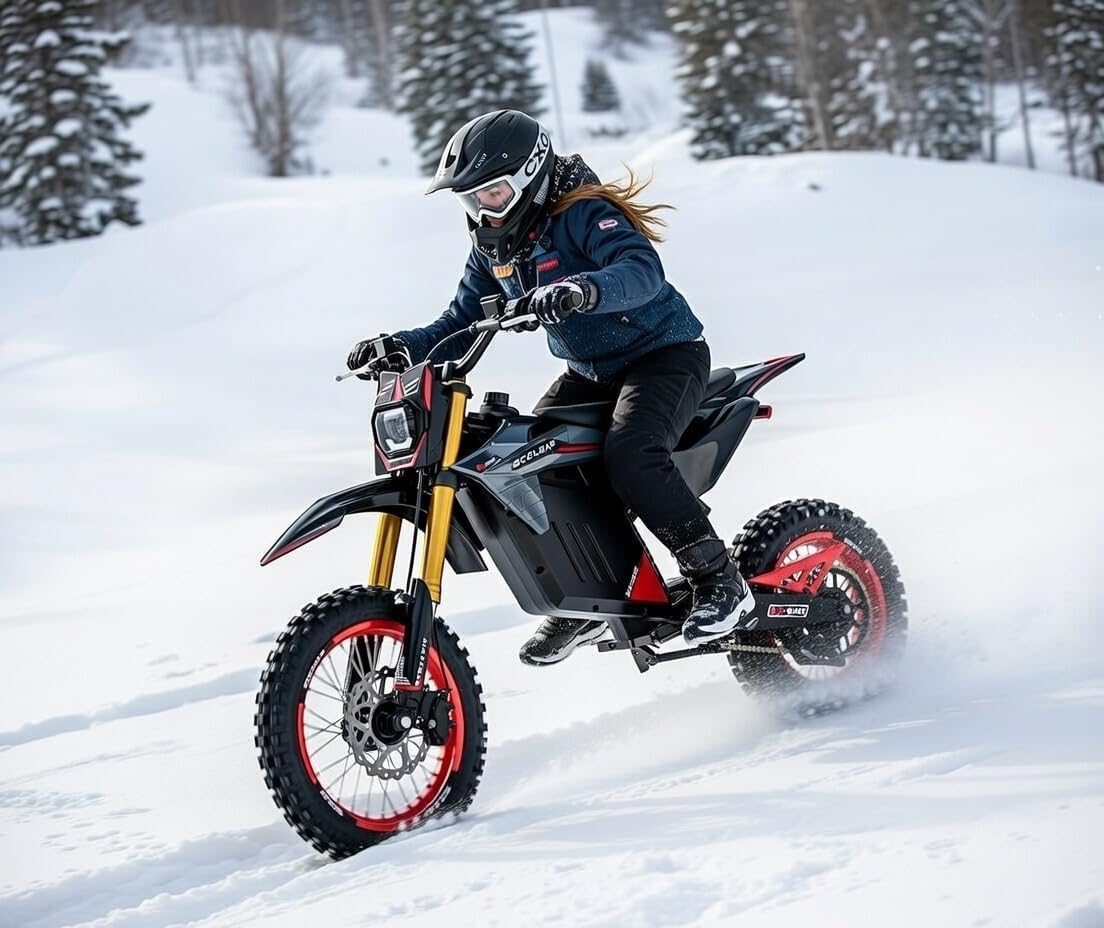
Different Types of Electric Dirt Bikes
Common Buying Mistakes to Avoid
❌ Mistake: Choosing Based Solely on Price
Why it’s bad: The cheapest electric dirt bikes often cut corners on safety, build quality, and battery life. They may use weak motors, flimsy frames, or low-capacity batteries that degrade quickly. This can lead to frequent breakdowns, poor performance, and even safety hazards.
What to do instead: Focus on value, not just cost. A mid-range bike that lasts three years is a better investment than a $300 model that breaks after six months. Look for bikes with good reviews, solid warranties, and reputable brands—even if they cost a bit more upfront.
❌ Mistake: Ignoring Weight and Size Compatibility
Why it’s bad: A bike that’s too heavy or too tall can be difficult for a teen to control, increasing the risk of accidents. Conversely, a bike that’s too small may not provide enough power or stability for growing riders.
What to do instead: Always check the manufacturer’s recommended weight limit and seat height. If possible, have your teen sit on the bike (or a similar model) to ensure it feels comfortable and manageable. Consider adjustable suspension or seat height if your teen is still growing.
❌ Mistake: Overlooking Battery and Charging Details
Why it’s bad: A bike with a short range or long charging time can quickly become frustrating. Some batteries take 8+ hours to charge, meaning your teen might only get one ride per day. Others degrade rapidly, losing 30% of their capacity within a year.
What to do instead: Prioritize lithium-ion batteries with at least 10Ah capacity and charging times under 4 hours. Look for models with removable batteries so you can swap in a spare during long rides. Check user reviews for real-world battery performance.
❌ Mistake: Skipping Safety Features
Why it’s bad: Without a kill switch, speed limiter, or proper brakes, even a moderately powerful bike can become dangerous. Teens are more prone to overconfidence and may push limits without realizing the risks.
What to do instead: Insist on bikes with a tether kill switch, adjustable speed settings, and hydraulic disc brakes. Teach your teen safe riding habits and always require protective gear. Consider starting with a lower-power mode and gradually increasing it as skills improve.
❌ Mistake: Buying Without Researching the Brand
Why it’s bad: Unknown brands may use counterfeit parts, poor-quality electronics, or misleading specs. Customer support is often nonexistent, and replacement parts can be impossible to find.
What to do instead: Stick with established brands that have positive reviews and transparent warranty policies. Check forums, YouTube reviews, and retailer ratings. If a deal seems too good to be true, it probably is.
❌ Mistake: Not Considering Future Growth
Why it’s bad: A bike that’s perfect for a 13-year-old may be too slow or too small by age 15. Buying a new bike every two years gets expensive.
What to do instead: Choose a bike with adjustable features—like suspension, power modes, and seat height—that can grow with your teen. Mid-range models often offer the best balance of performance and longevity.
❌ Mistake: Forgetting About Maintenance and Upkeep
Why it’s bad: Even electric bikes need maintenance—tire pressure, chain lubrication, brake adjustments, and battery care. Neglecting these can shorten the bike’s lifespan and compromise safety.
What to do instead: Learn basic maintenance tasks or find a local shop that services electric bikes. Keep a maintenance log and follow the manufacturer’s guidelines for battery storage and care.
Budget Guidelines: How Much Should You Spend?
Electric dirt bikes for teens come in a wide range of prices, and understanding what you get at each tier can help you make a smarter investment. Here’s a breakdown of what to expect across different budget levels:
Entry-Level ($200 – $500): These bikes are ideal for younger teens (8–12) or those just starting out. They typically feature 250W to 500W motors, top speeds of 10–15 mph, and ranges of 5–10 miles. Build quality is often basic, with plastic components and minimal suspension. While they’re fun for backyard riding, they’re not built for serious trails or rough terrain. Examples include the Razor MX350 and similar models. Great for beginners, but expect to upgrade within 1–2 years.
Mid-Range ($800 – $1,800): This is the sweet spot for most teen riders. Bikes in this range offer 1000W to 2000W motors, speeds up to 25 mph, and ranges of 15–25 miles. They feature better suspension, disc brakes, and more durable frames. Many include adjustable power modes, removable batteries, and improved safety features. Models like the Sur Ron Storm Bee (youth version) or the Oset 2.0 fall into this category. These bikes can handle real off-road conditions and often last 3–5 years with proper care.
Premium ($2,000 – $4,000): Designed for advanced teens and aspiring racers, these bikes deliver high performance with motors up to 3000W, speeds exceeding 35 mph, and ranges up to 40 miles. They feature full suspension, hydraulic brakes, lightweight aluminum frames, and advanced electronics like regenerative braking and Bluetooth connectivity. Brands like Sur Ron, KTM Freeride E, and Cake offer models in this tier. These are built for serious trail riding, motocross practice, and long-distance adventures.
Luxury ($4,000+): At the top end, you’ll find race-ready machines with cutting-edge technology, custom tuning options, and premium materials. These bikes are often used by competitive riders and may include features like GPS tracking, app-based diagnostics, and swappable battery systems. While overkill for most teens, they’re worth considering if your child is seriously pursuing the sport and you want a bike that won’t need upgrading for years.
Expert Tips for Getting the Best Deal
Buying an electric dirt bike doesn’t have to break the bank. With the right strategy, you can save hundreds while still getting a high-quality, safe, and fun ride for your teen. Here are our top expert tips:
- Shop During Off-Season Sales: The best time to buy is late fall or winter, when demand is low. Many retailers offer discounts of 15–30% to clear inventory before the spring riding season. Black Friday and Cyber Monday are also great opportunities, but act fast—popular models sell out quickly.
- Compare Retailers: Prices can vary significantly between online stores, local dealers, and direct-from-manufacturer purchases. Check Amazon, REI, Backcountry, and brand websites. Sometimes buying directly from the manufacturer includes perks like extended warranties or free shipping.
- Look for Bundles: Some sellers offer package deals that include helmets, gloves, or extra batteries. These can save you money compared to buying items separately. Just make sure the included gear is high quality—don’t compromise on safety.
- Consider Refurbished or Open-Box Models: Many brands sell certified refurbished bikes at 20–40% off retail. These are inspected, tested, and often come with the same warranty as new models. Open-box items (returned but unused) are another cost-effective option.
- Read the Fine Print on Warranties: A longer warranty isn’t always better if it’s full of exclusions. Look for comprehensive coverage that includes the battery and motor. Some brands offer extended warranties for an additional fee—consider it if the bike will see heavy use.
- Test Before You Buy: If possible, visit a local dealer or attend a demo event. Let your teen ride the bike to ensure it feels comfortable and responsive. Many shops offer test rides, and some online retailers have generous return policies.
- Join Online Communities: Forums like Electric Dirt Bike Forum or Reddit’s r/electricbikes are full of experienced riders who share deals, reviews, and maintenance tips. You might even find someone selling a used bike in excellent condition.
- Negotiate with Local Dealers: Don’t be afraid to ask for a discount, especially if you’re buying multiple items (like a bike and gear). Dealers often have flexibility, particularly at the end of the month or season.

Frequently Asked Questions
Q: Are electric dirt bikes safe for teens?
A: Yes, when used responsibly and with proper safety gear. Electric dirt bikes are generally quieter and easier to control than gas bikes, reducing the risk of accidents. However, they can still reach high speeds and should only be ridden in appropriate areas—never on public roads unless street-legal. Always supervise younger riders and enforce helmet use.
Q: How long do electric dirt bike batteries last?
A: Most lithium-ion batteries last 500–1,000 charge cycles, which translates to 2–5 years of regular use. Proper care—like avoiding full discharges and storing at 50% charge in cool conditions—can extend lifespan. Replacement batteries typically cost $200–$600 depending on capacity.
Q: Can teens ride electric dirt bikes on public trails?
A: It depends on local laws. Many off-road trails allow electric bikes, but some restrict motorized vehicles entirely. Check with your local park district or land management agency. Street-legal models may require registration, insurance, and a driver’s license.
Q: Do electric dirt bikes require a license?
A: In most states, no—unless the bike is street-legal and used on public roads. Off-road electric dirt bikes are typically classified as recreational vehicles and don’t require licensing. However, teens should still learn basic riding skills and safety rules.
Q: How fast do electric dirt bikes go?
A: Speeds vary widely. Entry-level models top out at 10–15 mph, while high-performance bikes can exceed 40 mph. Most teen-focused models are capped at 20–25 mph for safety, with adjustable limiters for younger riders.
Q: Are electric dirt bikes environmentally friendly?
A: Yes, compared to gas bikes. They produce zero emissions during use and are much quieter, reducing noise pollution. However, battery production and disposal have environmental impacts, so proper recycling is important.
Q: Can I upgrade my teen’s electric dirt bike later?
A: Some components like batteries, tires, and suspension can be upgraded, but major changes (like swapping motors) are often impractical. Choose a bike with modular design and available aftermarket parts if you plan to modify it.
Q: What’s the difference between hub motors and mid-drive motors?
A: Hub motors are built into the wheel and are simpler, cheaper, and easier to maintain. Mid-drive motors are mounted near the pedals (on pedal-assist models) and offer better weight distribution and efficiency. For pure electric dirt bikes, hub motors are more common and sufficient for most riders.
Q: How do I maintain an electric dirt bike?
A: Regular maintenance includes checking tire pressure, cleaning the chain, inspecting brakes, and keeping the battery charged. Avoid washing with high-pressure water, which can damage electronics. Store the bike in a dry place and charge the battery every few months if not in use.
Q: Can electric dirt bikes be used in the rain?
A: Most are water-resistant (IP54 or higher) and can handle light rain or mud, but they’re not fully waterproof. Avoid submerging the bike or riding through deep puddles. Dry it thoroughly after wet rides to prevent corrosion.
Our Final Recommendations
After extensive research and testing, here are our top picks for the best electric dirt bikes for teens in 2026:
Best for Budget-Conscious Buyers: Razor MX650 – At around $500, this bike offers solid performance with a 650W motor, 17 mph top speed, and decent range. It’s lightweight, easy to control, and perfect for beginners. While not built for extreme trails, it’s a great entry point for younger teens.
Best Overall Value: Sur Ron Storm Bee Youth – Priced around $1,500, this mid-range powerhouse delivers 2000W of torque, 25 mph speed, and up to 20 miles of range. It features a durable aluminum frame, hydraulic brakes, and adjustable suspension. Ideal for teens ready to tackle real off-road terrain.
Best Premium Option: Oset 2.0 24V – At $2,200, this bike is a favorite among young motocross enthusiasts. With a 24V motor, smooth power delivery, and race-inspired design, it’s built for performance and precision. Excellent for teens training for competition.
Best for Beginners: Razor MX350 Dirt Rocket – Affordable at $300, this bike is perfect for kids 13 and under. It’s quiet, easy to ride, and includes a speed limiter. Great for learning the basics in the backyard or on smooth trails.
Best for Advanced Users: KTM Freeride E-XC (Youth Version) – At $3,800, this is a serious machine for serious riders. With a 3000W motor, long travel suspension, and top-tier components, it’s designed for advanced teens who want a bike that can grow with their skills.
Conclusion: Making the Right Choice
Choosing the best electric dirt bike for your teen is about more than just speed or style—it’s about safety, durability, and long-term value. By considering factors like age, skill level, performance, and build quality, you can find a bike that’s not only fun but also safe and reliable. Avoid common pitfalls like overspending on unnecessary features or choosing a bike that’s too powerful for your teen’s experience. Instead, focus on a model that matches their current needs while allowing room to grow.
Remember, the best bike is the one your teen will actually use—and enjoy. Whether they’re cruising through the woods, practicing jumps at the track, or just exploring the neighborhood, an electric dirt bike can foster independence, confidence, and a lifelong love of the outdoors. With the insights from this guide, you’re now equipped to make a smart, informed decision that will keep your teen riding safely and happily for years to come.
So take the time to research, compare, and test. Talk to other parents, read reviews, and involve your teen in the decision. After all, this isn’t just a purchase—it’s an investment in adventure, skill-building, and unforgettable memories. Happy riding!