Electric scooters have evolved from novelty gadgets into serious transportation solutions for adults navigating busy cities, college campuses, or suburban commutes. As we move through 2026, the market is more competitive than ever—offering a dizzying array of models with advanced motors, smart connectivity, extended battery life, and rugged builds designed to handle real-world conditions. Whether you’re looking to cut down on car expenses, reduce your carbon footprint, or simply enjoy a faster, more fun way to get around, choosing the right electric scooter can make all the difference. But with so many options flooding the market—from ultra-budget models under $300 to high-performance beasts exceeding $2,000—it’s easy to feel overwhelmed.
That’s where this comprehensive buying guide comes in. We’ve spent months testing, analyzing, and comparing dozens of adult electric scooters available in 2026, evaluating everything from real-world range and hill-climbing ability to build quality, safety features, and long-term reliability. Our goal isn’t just to list the “best” scooters—it’s to arm you with the knowledge to choose the right one for your lifestyle, budget, and needs. You’ll learn how to decode spec sheets, avoid common pitfalls, understand what truly matters in performance versus marketing hype, and ultimately invest in a scooter that delivers value, safety, and enjoyment for years to come. The electric scooter market has matured significantly, and 2026 is shaping up to be a landmark year for innovation, affordability, and user-centric design.

What to Look for When Buying Electric Scooters
1. Budget & Price Range
Your budget is the single most important starting point when shopping for an electric scooter. Prices in 2026 range from under $250 for basic commuter models to over $3,000 for premium off-road or performance scooters. While it’s tempting to go for the cheapest option, skimping too much often leads to poor build quality, limited range, weak motors, and frustrating reliability issues. Conversely, spending top dollar doesn’t always guarantee the best experience—some high-end models prioritize speed and power over practicality for everyday use.
A realistic budget should account not just for the scooter itself, but also potential add-ons like helmets, locks, phone mounts, or replacement tires. Many buyers overlook ongoing costs such as battery degradation (most lithium-ion batteries last 300–500 charge cycles) or the need for professional servicing. As a rule of thumb, if you plan to use your scooter daily or for longer commutes, investing $600–$1,200 typically gets you a well-balanced model with solid performance, decent range (15–25 miles), and reliable components. Entry-level scooters under $400 can work for short, occasional trips but often lack durability and safety features like dual braking systems or bright headlights.
2. Performance Specifications
Performance isn’t just about top speed—it’s a combination of motor power, acceleration, hill-climbing ability, and real-world range. In 2026, most adult scooters feature brushless hub motors ranging from 250W (entry-level) to 2,000W+ (high-performance). A 350W–500W motor is sufficient for flat urban commutes, but if you live in a hilly area, aim for at least 800W continuous power (or peak ratings around 1,200W). Torque matters more than raw wattage for climbing steep inclines—look for scooters that specify torque output (measured in Nm) or include “hill climb” ratings (e.g., 15% grade).
Range is another critical spec, but manufacturers often quote ideal conditions (flat terrain, light rider, no wind). Real-world range is typically 20–30% lower. For example, a scooter advertised with 25 miles of range might realistically deliver 18–20 miles under normal use. Battery capacity (measured in watt-hours, or Wh) is a better indicator than amp-hours alone—higher Wh generally means longer range. Also consider charging time: most scooters take 4–8 hours to fully charge, though some premium models now offer fast-charging capabilities (under 3 hours).
Top speed is fun but rarely essential for city commuting—most urban riders cruise between 15–20 mph. However, higher speeds (25+ mph) require better suspension, larger wheels, and stronger brakes for safety. Always match performance specs to your actual needs: a 40 mph scooter may be thrilling on open roads but dangerous and impractical in crowded downtown areas.
3. Build Quality & Durability
A scooter’s lifespan depends heavily on its construction. Look for frames made from aerospace-grade aluminum (like 6061-T6), which offers an excellent strength-to-weight ratio. Avoid cheap steel or thin aluminum alloys that bend or crack under stress. Check weld quality—clean, consistent welds indicate better manufacturing standards. The deck should be wide enough for stable footing (at least 6–7 inches), with non-slip grip tape that won’t wear out quickly.
Suspension systems vary widely: entry-level models often have no suspension or basic spring setups, while mid-to-high-end scooters feature hydraulic, pneumatic, or hybrid systems. Dual suspension (front and rear) significantly improves ride comfort on rough pavement or trails. Wheel type also affects durability—air-filled (pneumatic) tires provide better shock absorption but are prone to punctures; solid or honeycomb tires are puncture-proof but offer a harsher ride. Many 2026 models now use hybrid tires or self-healing inner tubes to balance comfort and reliability.
Water resistance is another key durability factor. Look for at least an IP54 rating (protects against splashing water from any direction). For rainy climates or off-road use, IP65 or higher is preferable. Avoid scooters with exposed wiring or poorly sealed battery compartments—these are failure points in wet conditions.
4. Features & Functionality
Modern electric scooters come packed with smart features that enhance convenience, safety, and usability. Essential features include bright LED headlights (with daytime running lights), rear brake lights, and side reflectors for visibility. A clear, backlit LCD display showing speed, battery level, mode, and trip data is standard on most models—some even include Bluetooth connectivity for app integration.
App-enabled scooters allow you to lock/unlock the scooter, track rides, update firmware, customize speed modes, and even enable GPS anti-theft tracking. While convenient, ensure the app is well-maintained and doesn’t drain your phone battery excessively. Other useful features include cruise control (for maintaining steady speed on long stretches), regenerative braking (which recaptures energy during deceleration), and multiple riding modes (Eco, Sport, etc.).
Portability features matter if you’ll be carrying the scooter upstairs or storing it in tight spaces. Foldable handlebars, lightweight designs (under 30 lbs for easy lifting), and compact folding mechanisms are ideal for apartment dwellers or public transit users. Some 2026 models even include built-in carrying handles or wheels for rolling when folded.
Safety tech is advancing rapidly: expect to see more scooters with turn signals, automatic brake lights, and collision warnings in premium models. While not yet standard, these features are becoming more common and worth considering if safety is a top priority.
5. Brand Reputation
Not all scooter brands are created equal. Established names like Segway-Ninebot, Xiaomi, Apollo, and Unagi have built reputations for consistent quality, reliable customer service, and robust warranty support. These companies often invest more in R&D, rigorous testing, and global service networks. In contrast, lesser-known brands or white-label manufacturers may offer tempting prices but frequently cut corners on components, software, or post-purchase support.
Research brand history: How long have they been in the e-mobility space? Do they specialize in scooters or are they diversifying from other electronics? Check forums like Reddit’s r/ElectricScooters or YouTube reviews for real-user experiences. Brands with strong communities and active customer engagement tend to respond faster to issues and release timely firmware updates.
Also consider regional availability. Some brands excel in Europe (e.g., Inokim, Dualtron) but have limited presence in North America, making repairs or part replacements difficult. If you’re outside major cities, choose a brand with local service centers or authorized repair partners.
6. Warranty & Support
A good warranty is a strong indicator of a manufacturer’s confidence in their product. In 2026, expect at least a 12-month warranty on the frame and motor, with 6–12 months on the battery (which degrades naturally over time). Premium brands often offer 18–24 months of coverage, sometimes extendable with registration.
Read the fine print: Does the warranty cover labor costs? Are batteries prorated based on cycle count? What voids the warranty (e.g., water damage, unauthorized modifications)? Some brands require you to ship the entire scooter for repairs, which can take weeks—others offer local drop-off points or even mobile repair services.
Customer support responsiveness is equally important. Test it before buying: send an email or call their support line with a simple question. If they’re slow to respond or unhelpful, that’s a red flag. Look for brands with multilingual support, detailed FAQs, video tutorials, and active social media channels.
7. Size & Portability
Portability determines how practical your scooter is beyond riding. Weight is the biggest factor—anything over 35 lbs becomes cumbersome to carry up stairs or onto buses. Most commuter-focused scooters weigh between 22–30 lbs, while performance models can exceed 50 lbs due to larger batteries and reinforced frames.
Folding mechanism quality matters too. Look for scooters that fold securely with a single latch or lever, without wobbling when locked. Handlebar width should collapse narrow enough to fit in car trunks or under train seats. Deck length affects stability: longer decks (40+ inches) offer more foot space but reduce maneuverability in tight spaces.
If you’ll be combining scooter use with public transit, measure your typical storage spots—some subway systems or buses have size restrictions. Also consider whether you need to store the scooter indoors at work or home; a compact, lightweight model saves space and reduces theft risk.
8. User Reviews & Ratings
Never rely solely on manufacturer specs or marketing claims. Real-world user reviews reveal nuances that lab tests miss—like how a scooter performs after six months of daily use, how it handles potholes, or whether the app crashes frequently. Aggregate review sites (like Amazon, Best Buy, or specialized e-mobility retailers) provide a broad sample, but dive deeper into niche forums and YouTube channels for detailed long-term feedback.
Pay attention to recurring complaints: if multiple users report the same issue (e.g., “brakes failed after 3 months” or “battery died in cold weather”), it’s likely a design flaw. Conversely, consistent praise for reliability, comfort, or customer service is a strong endorsement. Be wary of overly positive reviews that read like ads—they may be incentivized or fake.
Also check return rates and recall history. Brands with high return rates or frequent recalls may have quality control issues. In 2026, regulatory bodies like the CPSC (Consumer Product Safety Commission) are increasingly scrutinizing e-scooter safety, so staying informed about recalls is wise.
Different Types of Electric Scooters

Common Buying Mistakes to Avoid
❌ Mistake: Prioritizing Top Speed Over Real-World Usability
Why it’s bad: Scooters advertised with “40 mph top speed” often achieve that only under perfect conditions with a lightweight rider on flat ground. In reality, most urban riders never exceed 20 mph due to traffic, safety concerns, and legal limits. High-speed scooters also consume battery faster, reduce range, and require more robust (and expensive) braking and suspension systems.
What to do instead: Focus on consistent performance at your typical riding speed (15–20 mph). Look for scooters with smooth acceleration and reliable braking—speed is useless if you can’t stop safely.
❌ Mistake: Ignoring Weight and Portability Needs
Why it’s bad: A 50-lb scooter might have amazing range, but if you need to carry it up three flights of stairs daily, you’ll quickly regret the purchase. Heavy scooters are also harder to maneuver in tight spaces and more likely to cause fatigue.
What to do instead: Weigh your scooter literally—check the spec sheet and consider your own strength and routine. If portability is key, prioritize models under 30 lbs with intuitive folding mechanisms.
❌ Mistake: Overlooking Local Laws and Regulations
Why it’s bad: Many cities restrict e-scooter speed, require helmets, ban riding on sidewalks, or limit where you can park. Some areas prohibit scooters above certain wattage or without lights. Violating these rules can result in fines or confiscation.
What to do instead: Research your local e-mobility laws before buying. Choose a scooter that complies with regulations—especially if you plan to ride in bike lanes or shared pathways.
❌ Mistake: Buying Based Solely on Battery Capacity (Ah)
Why it’s bad: Amp-hours (Ah) alone don’t tell the full story—a 10Ah battery with a 36V system has 360Wh, while a 7.5Ah battery at 48V has 360Wh too. Watt-hours (Wh) give a true measure of energy capacity and range potential.
What to do instead: Always check Wh (Volts × Amp-hours). Higher Wh generally means longer range, but also consider motor efficiency and riding conditions.
❌ Mistake: Skipping the Test Ride
Why it’s bad: Specs can’t replicate how a scooter feels—balance, throttle response, brake sensitivity, and ride comfort vary widely between models. A scooter that looks great on paper might feel jittery or unstable in practice.
What to do instead: Visit local retailers or attend e-mobility expos to test ride multiple models. If in-person testing isn’t possible, watch detailed video reviews that show real-world handling.
❌ Mistake: Neglecting After-Sales Support
Why it’s bad: E-scooters have complex electronics and moving parts that can fail. Without reliable warranty coverage or accessible repair services, a malfunction could leave you stranded with a $1,000 paperweight.
What to do instead: Choose brands with strong service networks, clear warranty terms, and positive customer support reviews. Consider extended warranties if available.
❌ Mistake: Assuming All “Waterproof” Scooters Are Equal
Why it’s bad: IP ratings can be misleading. IP54 protects against splashes but not submersion or heavy rain. Riding through deep puddles or pressure washing can still damage electronics.
What to do instead: Match the IP rating to your climate. For occasional light rain, IP54 is fine. For frequent wet conditions, aim for IP65 or higher—and never submerge your scooter.
Budget Guidelines: How Much Should You Spend?
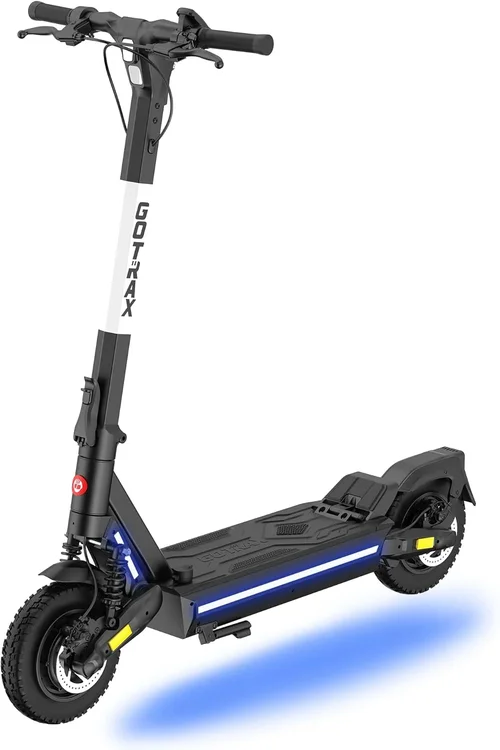
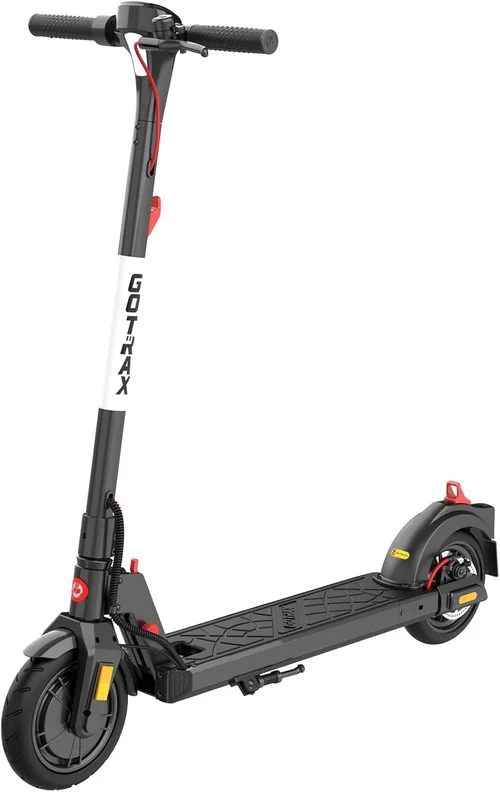
– Entry-Level ($150–$400): Ideal for students, occasional riders, or those testing the waters. Expect basic motors (250–350W), limited range (8–12 miles), minimal features, and lighter builds. Great for campus use or short errands, but not built for daily reliability. Brands like Gotrax and Razor dominate this space with affordable, no-frills models.
– Mid-Range ($500–$1,000): The sweet spot for most adult commuters. These scooters offer 500–800W motors, 15–25 mile range, decent suspension, good lighting, and solid build quality. Models like the Xiaomi Mi Electric Scooter 4 Pro or Segway Ninebot MAX G30LP provide excellent value, balancing performance, portability, and durability. Perfect for daily 5–10 mile commutes.
– Premium ($1,000–$2,000): Designed for enthusiasts, long-distance commuters, or hilly areas. Expect 1,000W+ motors, 25–40 mile range, advanced suspension, app connectivity, and rugged construction. Brands like Apollo, Unagi, and Inokim excel here, offering refined rides, premium materials, and reliable performance. Ideal if you ride daily, carry cargo, or face challenging terrain.
– Luxury ($2,000+): For those who want the absolute best—whether it’s off-road capability, blistering speed, or cutting-edge tech. These scooters feature dual motors, massive batteries (50+ mile range), full suspension, and luxury finishes. Models like the Dualtron Thunder 3 or Kaabo Wolf King GT are built like motorcycles, with top-tier components and professional-grade reliability. Best suited for tech lovers, off-road adventurers, or those who view their scooter as a primary vehicle.

Expert Tips for Getting the Best Deal
– Buy During Seasonal Sales: Major discounts happen during Black Friday, Cyber Monday, Amazon Prime Day, and end-of-season clearances (typically August–September). Many brands also offer student or military discounts—always ask!
– Shop from Authorized Retailers: Buying directly from the manufacturer or authorized dealers ensures warranty validity and access to genuine parts. Avoid third-party sellers on marketplaces unless verified.
– Check for Refurbished or Open-Box Deals: Many brands sell certified refurbished scooters at 20–40% off with full warranties. These are often returned units that passed rigorous inspection—great value for budget-conscious buyers.
– Bundle Accessories: Some retailers offer free helmets, locks, or phone mounts with purchase. Compare total value, not just scooter price.
– Read Return Policies Carefully: Ensure you have at least 14–30 days to return the scooter if it doesn’t meet expectations. Some companies charge restocking fees or require you to cover return shipping.
– Join Loyalty Programs: Brands like Segway and Apollo offer points, early access to sales, and exclusive deals for members.
– Consider Financing Options: Many retailers now offer 0% APR financing for 6–12 months, making premium scooters more accessible without upfront cost.
– Monitor Firmware Updates: After purchase, register your scooter and enable automatic updates. Manufacturers often release performance improvements, bug fixes, and new features post-launch.

Frequently Asked Questions
Q: How long do electric scooter batteries last?
A: Most lithium-ion batteries last 300–500 full charge cycles before capacity drops to 80%. With daily use, that’s roughly 1.5–3 years. Proper care (avoiding extreme temperatures, not draining to 0%) can extend lifespan. Some premium models now use LFP (lithium iron phosphate) batteries, which last 2,000+ cycles but are heavier.
Q: Can I ride my scooter in the rain?
A: It depends on the IP rating. IP54 scooters can handle light splashes but shouldn’t be ridden in heavy rain or through puddles. IP65+ models are safer for wet conditions, but avoid submersion. Always dry your scooter thoroughly after wet rides to prevent corrosion.
Q: Are electric scooters legal where I live?
A: Laws vary by city, state, and country. In the U.S., most states allow e-scooters on roads and bike lanes with speed limits (usually 15–20 mph). Some cities require helmets, lights, or registration. Check your local Department of Transportation website for specifics.
Q: How fast can electric scooters go?
A: Entry-level models top out at 15–18 mph, mid-range at 20–25 mph, and performance scooters can reach 40+ mph. However, higher speeds reduce range and increase braking distance—always ride at safe speeds for your environment.
Q: Do I need insurance for my electric scooter?
A: In most U.S. states, no—but some European countries require liability insurance. If you cause damage or injury, your homeowner’s or renter’s insurance may cover it. For high-value scooters, consider adding personal property coverage.
Q: Can I take my scooter on public transit?
A: Most buses and trains allow folded scooters, but policies vary. Check with your local transit authority. Lightweight, compact models are easiest to manage in crowded vehicles.
Q: How do I maintain my electric scooter?
A: Regular maintenance includes checking tire pressure (if pneumatic), tightening bolts, cleaning the deck, and inspecting brakes. Lubricate folding mechanisms monthly and store in a dry place. Avoid washing with high-pressure hoses.
Q: What’s the difference between hub motors and chain drives?
A: Most modern scooters use hub motors (integrated into the wheel)—they’re quiet, low-maintenance, and efficient. Chain drives are rare in scooters but offer higher torque; they require more upkeep and are noisier.
Q: Can I upgrade my scooter’s battery?
A: Generally no—batteries are sealed units designed for specific voltage and BMS (battery management systems). Unauthorized modifications void warranties and pose safety risks. Some premium brands offer official upgrade kits.
Q: Are there eco-friendly electric scooters?
A: Yes! Look for brands using recycled materials, offering battery recycling programs, or committing to carbon-neutral shipping. Some models even feature solar-compatible charging ports for off-grid use.
Our Final Recommendations
– Best for Budget-Conscious Buyers: Gotrax G4 ($399) – Reliable 350W motor, 20-mile range, IP54 rating, and solid build for under $400. Great for students and casual riders.
– Best Overall Value: Segway Ninebot MAX G30LP ($799) – Combines 35-mile range, 18.6 mph top speed, dual braking, and excellent app features. A proven workhorse for daily commuters.
– Best Premium Option: Apollo Explore ($1,299) – 1,000W motor, 31-mile range, hydraulic suspension, and premium materials. Ideal for long commutes and hilly cities.
– Best for Beginners: Xiaomi Mi Electric Scooter 4 Pro ($649) – Intuitive controls, smooth ride, 28-mile range, and trusted brand reputation. Perfect first scooter.
– Best for Advanced Users: Dualtron Thunder 3 ($2,799) – Dual 1,200W motors, 75-mile range, 50+ mph top speed, and off-road capability. For those who demand极限 performance.
Conclusion: Making the Right Choice
Choosing the right electric scooter in 2026 is about more than specs—it’s about aligning your purchase with your lifestyle, environment, and long-term goals. Whether you’re commuting across town, exploring trails on weekends, or simply seeking a greener way to move, the perfect scooter exists for you. By focusing on key factors like budget, performance, build quality, and real-world usability, you can avoid costly mistakes and invest in a vehicle that enhances your daily life.
Remember: the cheapest option isn’t always the most economical, and the fastest scooter isn’t always the safest. Prioritize reliability, safety, and comfort over flashy features. Take advantage of test rides, read honest reviews, and don’t hesitate to ask questions before buying. With the insights from this guide, you’re now equipped to navigate the crowded e-scooter market with confidence.
Your ideal electric scooter is out there—ready to transform your commute, reduce your carbon footprint, and add a little joy to your journey. Ride smart, ride safe, and enjoy the freedom that comes with electric mobility.