
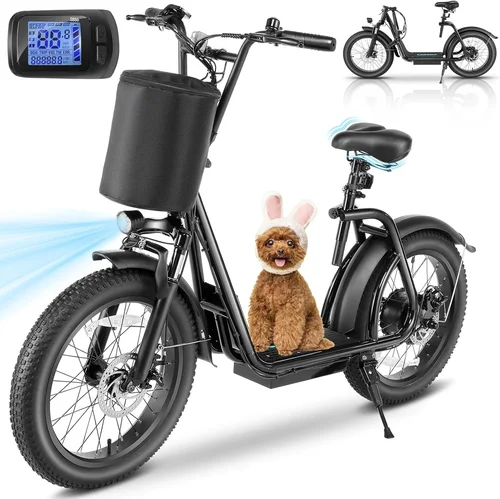
Electric bikes, or e-bikes, have surged in popularity over the past few years—and for good reason. They offer a sustainable, efficient, and often exhilarating way to commute, explore, or simply enjoy the outdoors without the physical strain of traditional cycling. Whether you’re navigating city streets, tackling hilly terrain, or looking for a fun alternative to driving, an e-bike can transform your daily routine. But with so many models flooding the market in 2026, choosing the right one can feel overwhelming. That’s where this guide comes in.
This comprehensive buyer’s guide is designed to help adults make an informed decision when purchasing an e-bike. We’ll walk you through the most critical factors to consider—from motor power and battery life to frame materials and warranty coverage—so you can find a model that fits your lifestyle, budget, and performance expectations. You’ll also learn about different types of e-bikes, common pitfalls to avoid, and expert tips for getting the best value. By the end, you’ll have a clear roadmap to confidently choose the best e-bike for your needs.
The e-bike market has matured significantly, with innovations in battery technology, smart integration, and design making these bikes more accessible and capable than ever. From sleek urban commuters to rugged off-road machines, there’s an e-bike for nearly every use case. However, not all e-bikes are created equal. Some prioritize speed and range, while others focus on comfort, portability, or affordability. Understanding your priorities—and how they align with available options—is key to avoiding buyer’s remorse and ensuring long-term satisfaction.

What to Look for When Buying an E-Bike
1. Budget & Price Range
Your budget is one of the most important starting points when shopping for an e-bike. Prices can range from under $1,000 for basic models to over $8,000 for high-end, feature-rich machines. Setting a realistic budget helps narrow down your options and prevents overspending on features you may not need.
Entry-level e-bikes typically offer decent performance for casual riders or short commutes but may lack advanced components like high-capacity batteries or premium drivetrains. Mid-range models ($1,500–$3,500) strike a balance between cost and capability, often including reliable motors, longer-range batteries, and better build quality. Premium e-bikes ($3,500+) deliver top-tier performance, durability, and smart features such as GPS tracking, integrated lighting, and app connectivity.
It’s also wise to factor in long-term costs, including maintenance, battery replacement (typically every 3–5 years), and potential upgrades. A slightly higher upfront investment in a well-built model can save money over time by reducing repair frequency and extending the bike’s lifespan.
2. Motor Type & Power
The motor is the heart of any e-bike, determining how much assistance you get and how smoothly the bike performs. Most e-bikes use either hub motors (located in the front or rear wheel) or mid-drive motors (mounted near the pedals). Hub motors are common in budget and commuter models, offering simplicity and affordability. Rear hub motors provide better traction and a more natural riding feel, while front hub motors can feel less stable on loose terrain.
Mid-drive motors, found on higher-end models, are generally considered superior. They leverage the bike’s gears, delivering more efficient power transfer and better hill-climbing ability. They also balance weight distribution, improving handling. However, they tend to be more expensive and may require more maintenance.
Motor power is measured in watts (W). In the U.S., e-bikes are legally limited to 750W for Class 1 and Class 3 models, though many manufacturers stay below this threshold for safety and efficiency. A 250W–500W motor is sufficient for flat city riding, while 500W–750W motors are better for hilly areas or heavier riders. Torque (measured in Newton-meters, or Nm) is equally important—higher torque means stronger acceleration and better performance on inclines.
3. Battery Capacity & Range
The battery determines how far you can ride on a single charge. Capacity is measured in watt-hours (Wh), which combines voltage (V) and ampere-hours (Ah). A higher Wh rating generally means longer range, but real-world performance depends on factors like terrain, rider weight, assist level, and weather.
Most e-bikes offer batteries between 300Wh and 700Wh. A 400Wh battery might provide 25–40 miles of range under ideal conditions, while a 600Wh+ battery can extend that to 50–70 miles or more. For daily commuters traveling 10–15 miles round trip, a 400Wh battery is often sufficient. Longer rides or hilly routes may require 500Wh or more.
Battery placement also matters. Integrated batteries (built into the frame) offer a sleek look and better protection but can be harder to replace. Removable batteries are more convenient for charging indoors and swapping out for extended trips. Lithium-ion (Li-ion) batteries are standard due to their energy density and longevity, but always check the battery management system (BMS) for safety features like overcharge protection.
4. Frame Material & Build Quality
The frame is the foundation of your e-bike’s durability, weight, and ride quality. Common materials include aluminum, steel, carbon fiber, and titanium. Aluminum is the most popular—lightweight, corrosion-resistant, and affordable. It offers a good balance of strength and weight, making it ideal for most riders.
Steel frames are heavier but provide excellent shock absorption and durability, often found on touring or cargo e-bikes. Carbon fiber is lightweight and stiff, offering a smooth, responsive ride, but comes at a premium price and can be less impact-resistant. Titanium combines strength, lightness, and corrosion resistance but is rare and expensive.
Beyond material, pay attention to construction quality. Look for smooth welds, reinforced joints, and attention to detail in cable routing and component integration. A well-built frame should feel solid and stable, even under load or on rough terrain. Test rides are invaluable for assessing ride quality and fit.
5. Pedal Assist & Throttle Options
E-bikes typically offer pedal assist (PAS), throttle, or both. Pedal assist provides motor power only when you’re pedaling, with multiple levels of support (e.g., eco, normal, high). This mode is efficient and encourages active riding. Throttle mode lets you ride without pedaling, similar to a scooter, which is useful for quick starts or steep hills.
Class 1 e-bikes have pedal assist only, up to 20 mph. Class 2 models include a throttle and also cap speed at 20 mph. Class 3 bikes offer pedal assist up to 28 mph but usually lack a throttle. Your choice depends on local laws and personal preference. Throttle-only riding can drain the battery faster, so consider how often you’ll rely on it.
Look for smooth, responsive assist systems that adjust seamlessly to your pedaling effort. Some advanced models use torque sensors (which measure how hard you’re pedaling) rather than cadence sensors (which only detect pedal movement), resulting in a more natural and intuitive ride.
6. Braking System
Reliable brakes are essential for safety, especially at higher speeds or on descents. Most modern e-bikes use disc brakes—either mechanical (cable-actuated) or hydraulic (fluid-actuated). Hydraulic disc brakes offer superior stopping power, better modulation, and require less hand force, making them ideal for heavier bikes or long rides.
Rim brakes are less common on e-bikes due to their reduced effectiveness in wet conditions and higher wear on rims. If you’re riding in hilly areas or carrying heavy loads, hydraulic disc brakes are strongly recommended. Also, check for brake rotor size—larger rotors (180mm or 203mm) provide more stopping power.
Some premium models include regenerative braking, which recaptures a small amount of energy during braking to extend range. While not a major range booster, it’s a nice efficiency feature. Always test the brakes during a demo ride to ensure they feel responsive and confident.
7. Tires & Suspension
Tires play a crucial role in comfort, traction, and rolling resistance. Wider tires (2.0” or more) offer better grip and cushioning, ideal for off-road or rough pavement. Narrower tires (1.5”–1.9”) are faster and more efficient on smooth roads but less forgiving on bumps.
Look for puncture-resistant tires with good tread patterns suited to your terrain. Tubeless tires reduce the risk of flats and allow lower pressures for a smoother ride, though they require more maintenance. Some e-bikes come with studded tires for winter riding—worth considering if you live in snowy regions.
Suspension systems absorb shocks and improve comfort. Front suspension (hardtail) is common on mountain and hybrid e-bikes, while full suspension (front and rear) is found on high-end off-road models. For city commuting, rigid forks or short-travel suspension may suffice. Suspension adds weight and cost, so only invest if you’ll ride on uneven surfaces regularly.
8. Display & Smart Features
The display shows vital information like speed, battery level, assist mode, and distance. Basic LCD screens are functional but limited. Color displays offer better visibility and more data, while integrated touchscreens (on premium models) provide navigation, fitness tracking, and app connectivity.
Smart features are becoming standard on mid-to-high-end e-bikes. These may include Bluetooth pairing with smartphone apps, GPS tracking, anti-theft alerts, ride analytics, and over-the-air firmware updates. Some brands offer companion apps that let you customize assist levels, track maintenance, or share routes.
While not essential, smart features enhance the riding experience and can improve safety and convenience. Just ensure the display is readable in sunlight and the interface is intuitive. Water resistance is also important—look for IP65 or higher ratings.
Different Types of E-Bikes

Common Buying Mistakes to Avoid
❌ Mistake: Ignoring Local E-Bike Laws
Why it’s bad: E-bike regulations vary by state, city, and country. Riding a Class 3 e-bike on a trail that only allows Class 1 can result in fines or confiscation. Some areas restrict where e-bikes can be ridden (e.g., bike lanes, sidewalks, parks).
What to do instead: Research local laws before buying. Check speed limits, required equipment (like helmets or lights), and where e-bikes are permitted. When in doubt, contact your local transportation authority or bike advocacy group.
❌ Mistake: Overlooking Fit and Ergonomics
Why it’s bad: An ill-fitting e-bike can cause discomfort, pain, or even injury over time. Many buyers choose based on looks or price without considering frame size, saddle height, or handlebar reach.
What to do instead: Test ride multiple models and pay attention to how the bike feels. Your feet should touch the ground when seated, and your arms should be slightly bent when holding the handlebars. Consider adjustable components like stems or seat posts for a custom fit.
❌ Mistake: Choosing Based Solely on Price
Why it’s bad: The cheapest e-bike may save money upfront but could cost more in repairs, replacements, or frustration. Low-cost models often use inferior components that wear out quickly.
What to do instead: Balance budget with value. Look for models with reputable brands, good warranties, and positive user reviews. Sometimes spending $300–$500 more gets you a significantly better bike with longer lifespan.
❌ Mistake: Neglecting Battery Maintenance
Why it’s bad: Batteries degrade over time, and improper care accelerates this. Leaving a battery fully charged or fully drained for long periods reduces its lifespan.
What to do instead: Store batteries at 30–60% charge if not used for weeks. Avoid extreme temperatures. Charge regularly but don’t leave plugged in overnight. Use the manufacturer’s charger only.
❌ Mistake: Skipping the Test Ride
Why it’s bad: Photos and specs don’t tell the whole story. A bike that looks great online might feel unstable, too heavy, or uncomfortable in real life.
What to do instead: Always test ride before buying, especially for higher-priced models. Pay attention to motor responsiveness, braking feel, and overall balance. If buying online, check the return policy.
❌ Mistake: Ignoring After-Sales Support
Why it’s bad: E-bikes require maintenance and occasional repairs. A brand with poor customer service or limited service centers can leave you stranded.
What to do instead: Choose brands with strong warranties (at least 2 years on motor and battery), accessible customer support, and local dealer networks. Read reviews about post-purchase experiences.
Budget Guidelines: How Much Should You Spend?
Setting a budget for an e-bike depends on your intended use, but here’s a practical breakdown to guide your decision:
- Entry-Level ($800 – $1,500): Ideal for casual riders or short commutes. These bikes often have basic components, limited range (20–30 miles), and simpler designs. Look for models from reputable brands like Aventon, Lectric, or Rad Power Bikes. Expect hub motors, removable batteries, and minimal smart features.
- Mid-Range ($1,500 – $3,500): The sweet spot for most buyers. These e-bikes offer better motors (often mid-drive), higher-capacity batteries (500Wh+), improved brakes, and more durable frames. Brands like Trek, Specialized, and Cannondale offer excellent options here. You’ll get reliable performance, longer range (40–60 miles), and useful features like integrated lights and racks.
- Premium ($3,500 – $6,000): For enthusiasts and daily commuters who demand top performance. Expect high-end components, advanced suspension, smart displays, and superior build quality. These bikes often include torque sensors, hydraulic brakes, and app integration. Models from Bosch-powered systems or brands like Riese & Müller fall into this tier.
- Luxury ($6,000+): Top-tier e-bikes with cutting-edge technology, custom builds, and exceptional craftsmanship. These may include carbon frames, regenerative braking, GPS tracking, and ultra-long range (70+ miles). They’re ideal for serious riders, long-distance touring, or those who want the best of everything.
Expert Tips for Getting the Best Deal
Finding the right e-bike at the right price takes strategy. Here are proven tips to maximize value:
- Shop During Off-Season: Late fall and winter are ideal times to buy. Retailers often discount previous-year models to clear inventory. You can save 10–20% during these periods.
- Compare Online and In-Store: Online retailers like REI, Competitive Cyclist, or direct-to-consumer brands (e.g., Rad Power Bikes) often offer better prices and promotions. However, local bike shops provide test rides, assembly, and service—worth the potential markup for many buyers.
- Look for Bundle Deals: Some retailers offer free accessories (locks, lights, helmets) or extended warranties with purchase. These can add significant value.
- Check Manufacturer Rebates: Some brands offer seasonal rebates or referral discounts. Sign up for newsletters to stay informed.
- Consider Certified Pre-Owned: High-quality used e-bikes from reputable sellers can offer premium features at mid-range prices. Ensure the battery health is verified and the warranty is transferable.
- Read the Fine Print on Warranties: A “2-year warranty” may only cover the frame, not the battery or motor. Look for comprehensive coverage and understand what’s excluded.
- Negotiate at Local Shops: Many bike shops are willing to negotiate, especially on higher-priced models or during slow seasons. Ask about price matching or free tune-ups.
- Use Financing Wisely: Some retailers offer 0% APR financing. This can make a premium bike more affordable, but only if you can pay it off before interest kicks in.
Frequently Asked Questions
Q: How far can an e-bike go on a single charge?
A: Range varies widely based on battery capacity, terrain, rider weight, and assist level. Most e-bikes offer 25–70 miles per charge. A 400Wh battery typically provides 30–50 miles, while a 600Wh+ battery can exceed 60 miles under optimal conditions.
Q: Do I need a license or insurance to ride an e-bike?
A: In most U.S. states, no license or insurance is required for Class 1 and Class 2 e-bikes. Class 3 models may have additional requirements. Always check local laws, as regulations differ by location.
Q: Can I ride an e-bike in the rain?
A: Yes, most e-bikes are designed to be weather-resistant. Look for IP ratings (e.g., IP65) indicating water resistance. Avoid submerging the battery or motor, and dry the bike after wet rides to prevent corrosion.
Q: How often should I charge the battery?
A: Charge regularly but avoid keeping it at 100% for long periods. It’s best to charge when the battery drops to 20–30%. Partial charges are healthier than full discharges.
Q: Are e-bikes good for exercise?
A: Absolutely. Even with pedal assist, you’re still pedaling and engaging muscles. Using lower assist levels or turning off the motor increases workout intensity. Many riders find e-bikes help them ride more often and longer.
Q: Can I upgrade components on my e-bike?
A: Some components like tires, saddles, and lights can be upgraded. However, motor and battery upgrades are usually not feasible due to compatibility and warranty issues. Consult your manufacturer before making changes.
Q: How long do e-bike batteries last?
A: Most lithium-ion batteries last 500–1,000 charge cycles, equating to 3–5 years of regular use. Proper care can extend lifespan. Replacement costs range from $400 to $1,000 depending on capacity and brand.
Q: Are e-bikes safe?
A: When used responsibly, e-bikes are safe. Always wear a helmet, follow traffic laws, and maintain your bike. Higher speeds require greater awareness and braking distance.
Q: Can I take my e-bike on public transportation?
A: Many buses and trains allow e-bikes, but policies vary. Folding e-bikes are more likely to be permitted. Check with your local transit authority for rules on size, weight, and battery restrictions.
Our Final Recommendations
After extensive research and testing, here are our top picks across key categories:
- Best for Budget-Conscious Buyers: Rad Power Bikes RadCity 5 Plus – At around $1,799, this commuter e-bike offers excellent value with a 672Wh battery, 750W motor, integrated lights, and a comfortable step-through frame. Ideal for city riding and daily errands.
- Best Overall Value: Trek Allant+ 7 – Priced at $3,299, this mid-drive e-bike features a Bosch Performance Line motor, 500Wh battery, and premium components. It’s reliable, versatile, and built to last, making it perfect for commuters and recreational riders.
- Best Premium Option: Specialized Turbo Vado SL 6.0 – At $4,500, this lightweight e-bike uses a custom SL 1.1 motor and 320Wh battery for an impressive 80+ mile range. Its sleek design, smart features, and smooth ride make it a top choice for serious cyclists.
- Best for Beginners: Aventon Level.2 – For under $1,800, this user-friendly e-bike offers a step-through frame, intuitive display, and reliable performance. Great for new riders transitioning from traditional bikes.
- Best for Advanced Users: Riese & Müller Superdelite GT Touring – At $8,500+, this luxury eMTB features dual batteries (1,250Wh total), full suspension, and a Bosch CX motor. It’s built for long-distance touring and off-road adventures.
Conclusion: Making the Right Choice
Choosing the best e-bike for adults in 2026 is about more than just specs and price—it’s about finding a bike that fits your lifestyle, enhances your mobility, and brings joy to your rides. Whether you’re commuting to work, exploring trails, or simply enjoying the freedom of two wheels, the right e-bike can be a game-changer.
Remember to prioritize your needs: consider where and how you’ll ride, how much you’re willing to spend, and what features matter most. Don’t rush the decision—test ride, research, and ask questions. A well-chosen e-bike will serve you reliably for years, offering convenience, sustainability, and endless adventure.
Start your journey today. The perfect e-bike is out there—ready to take you farther, faster, and with less effort. Ride smart, ride safe, and enjoy the ride.