
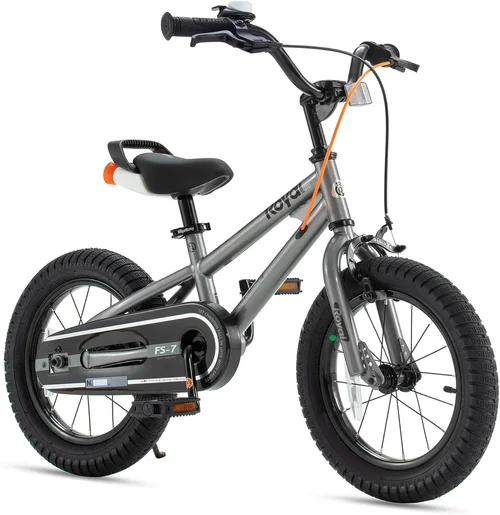
Electric bicycles have transformed from niche novelties into mainstream transportation solutions, and for good reason. With rising fuel costs, growing environmental awareness, and increasing urban congestion, more people than ever are turning to e-bikes as a practical, efficient, and fun way to get around. Whether you’re commuting to work, running errands, exploring trails, or simply enjoying a weekend ride, an electric bicycle can dramatically enhance your mobility while reducing your carbon footprint. The market has exploded in recent years, offering an overwhelming array of options across every price point, style, and performance tier—making it both exciting and daunting for potential buyers.
This comprehensive buying guide is designed to cut through the noise and help you make a confident, informed decision. We’ll walk you through the most critical factors to consider—from battery life and motor power to build quality and warranty coverage—so you can find the perfect e-bike that matches your lifestyle, budget, and riding goals. You’ll learn how to avoid common pitfalls, understand what different price ranges deliver, and discover expert tips for getting the best value. By the end, you’ll have a clear roadmap to choosing an electric bicycle that doesn’t just meet your needs today, but will continue to serve you reliably for years to come.
—

What to Look for When Buying an Electric Bicycle
1. Budget & Price Range
Your budget is the single most important starting point when shopping for an electric bicycle. Prices can range from under $800 for basic commuter models to over $8,000 for high-end performance or cargo e-bikes. Setting a realistic budget helps narrow your options and prevents overspending on features you don’t need. However, it’s crucial to balance cost with value—cheaper models may save money upfront but often come with weaker motors, shorter battery life, and lower build quality, leading to higher long-term costs due to repairs or early replacement.
When determining your budget, consider not just the purchase price but also ongoing expenses like maintenance, replacement batteries (which typically last 3–5 years), and potential upgrades. A mid-range e-bike ($1,500–$3,000) often offers the best balance of performance, durability, and features for most riders. If you’re new to e-bikes, starting with a reliable entry-level model can be a smart way to test the waters before investing in a premium option.
2. Motor Type & Power Output
The motor is the heart of any electric bicycle, and its type and power directly affect performance, ride feel, and suitability for different terrains. Most e-bikes use either hub motors (located in the front or rear wheel) or mid-drive motors (mounted near the pedals). Hub motors are generally simpler, quieter, and more affordable, making them ideal for flat-city commuting. Mid-drive motors, found on higher-end models, offer better weight distribution, improved hill-climbing ability, and more natural pedal-assist feel because they leverage the bike’s gears.
Motor power is measured in watts (W), with common ranges from 250W (standard for city e-bikes in many countries) up to 750W or more for off-road or cargo models. In the U.S., e-bikes are legally classified into three categories based on speed and motor engagement: Class 1 (pedal-assist only, up to 20 mph), Class 2 (throttle-assisted, up to 20 mph), and Class 3 (pedal-assist up to 28 mph). Higher wattage doesn’t always mean better—consider your riding environment. A 500W hub motor may be perfect for urban streets, while a 750W mid-drive is better suited for hilly terrain or heavy loads.
3. Battery Capacity & Range
Battery performance determines how far you can ride on a single charge—a critical factor for commuters and long-distance riders. Battery capacity is measured in watt-hours (Wh), which combines voltage (V) and amp-hours (Ah). For example, a 36V 10Ah battery equals 360Wh. As a rule of thumb, 400–500Wh provides 25–50 miles of range under normal conditions, though this varies widely based on rider weight, terrain, assist level, and weather.
Look for lithium-ion batteries (the industry standard) from reputable manufacturers like Samsung, LG, or Panasonic cells. Avoid unknown or generic brands, as poor-quality batteries can degrade quickly or pose safety risks. Removable batteries are highly recommended—they allow you to charge indoors, swap in a spare, or replace the pack when it wears out. Also check charging time: most batteries take 3–6 hours to fully charge, but some fast-charging models can reach 80% in under two hours.
4. Build Quality & Frame Material
A well-built frame ensures safety, comfort, and longevity. Most e-bikes use aluminum alloy frames due to their strength-to-weight ratio and resistance to rust—ideal for daily use and varying weather conditions. Higher-end models may feature hydroformed aluminum or even carbon fiber for reduced weight and enhanced ride quality. Steel frames are less common but offer excellent durability and shock absorption, though they’re heavier.
Pay attention to weld quality, cable routing (internal routing looks cleaner and protects wires), and component integration. A sturdy frame should feel solid when you lift the bike and shouldn’t flex or creak during rides. Suspension systems also matter: front suspension forks absorb bumps on rough roads or trails, while full-suspension setups (rare and expensive) are best for serious off-roading. For city riders, a rigid fork with quality tires often provides sufficient comfort.
5. Features & Functionality
Modern e-bikes come packed with features that enhance convenience, safety, and usability. Key functionalities to evaluate include pedal-assist levels (typically 3–5 settings), throttle type (thumb, twist, or button), display type (LCD vs. LED, with info like speed, battery %, and trip data), and connectivity (Bluetooth, app integration, GPS tracking). Integrated lights (front and rear) are essential for night riding and often legally required in many regions.
Additional features like fenders, racks, kickstands, and chain guards add practicality for daily use. Some premium models include regenerative braking (which recaptures energy during deceleration), smartphone mounts, or even built-in anti-theft alarms. While these extras can justify a higher price, prioritize features that align with your actual needs. For example, a cargo rack matters little if you never carry groceries, but a bright headlight is non-negotiable for evening commutes.
6. Brand Reputation & Reliability
Not all e-bike brands are created equal. Established manufacturers like Rad Power Bikes, Trek, Specialized, Aventon, and Lectric XP have proven track records for quality, customer service, and parts availability. Research brand history, read professional reviews, and check community forums to gauge reliability. A reputable brand is more likely to honor warranties, provide firmware updates, and offer replacement parts years after purchase.
Beware of ultra-cheap brands sold exclusively through online marketplaces—they often cut corners on safety testing, use subpar components, and vanish when issues arise. Look for certifications like UL 2849 (safety standard for e-bike electrical systems) or CE marking (European compliance). Brands with local service centers or partnerships with bike shops make maintenance and repairs far easier.
7. Warranty & Customer Support
A strong warranty reflects a manufacturer’s confidence in their product and protects your investment. Standard e-bike warranties typically cover the frame (lifetime or 5+ years), motor and battery (2–3 years), and electrical components (1–2 years). Read the fine print: some warranties void if the bike is used commercially, modified, or serviced by unauthorized technicians.
Customer support quality is equally important. Can you reach a human quickly? Do they offer troubleshooting guides or video support? Brands with dedicated service teams and responsive email/phone support save you headaches down the line. Avoid companies that only offer “email-only” support with slow response times. Checking recent customer reviews about post-purchase service can reveal a lot about a brand’s reliability.
8. Size, Fit & Portability
An e-bike that doesn’t fit properly leads to discomfort, reduced control, and potential injury. Most brands offer multiple frame sizes (S, M, L) or step-through designs for easier mounting. Test ride whenever possible—your feet should flatly touch the ground when seated, and you should have a slight bend in your knee at the pedal’s lowest point.
Weight is another consideration: e-bikes typically weigh 40–70 lbs due to the motor and battery. If you need to carry it upstairs or load it into a car, look for lighter models (under 50 lbs) or folding e-bikes. Folding designs (like those from Brompton or Lectric) sacrifice some ride quality for portability but are excellent for apartment dwellers or multi-modal commuters who combine biking with transit.
—
Different Types of Electric Bicycles
—
Common Buying Mistakes to Avoid
❌ Mistake: Prioritizing Price Over Quality
Why it’s bad: Choosing the cheapest e-bike available often leads to disappointment. Low-cost models frequently use weak motors, low-capacity batteries, and flimsy frames that wear out quickly. You may end up spending more on repairs or replacements within a year than you would have on a mid-range model.
What to do instead: Treat your e-bike as a long-term investment. Allocate at least $1,200–$1,500 for a reliable entry-level bike, and aim higher if you plan to ride daily or in challenging conditions. Read reviews from verified buyers to assess real-world durability.
❌ Mistake: Ignoring Local Laws and Regulations
Why it’s bad: E-bike laws vary significantly by country, state, and even city. Riding a Class 3 e-bike where only Class 1 is allowed—or using a throttle in a pedal-assist-only zone—can result in fines or confiscation.
What to do instead: Research your local regulations before buying. In the U.S., check your state’s Department of Motor Vehicles (DMV) website. In Europe, ensure compliance with EN 15194 standards. Choose a bike that matches your region’s legal limits for speed, power, and operation mode.
❌ Mistake: Overlooking Test Rides
Why it’s bad: An e-bike that looks great online might feel uncomfortable, unbalanced, or underpowered in person. Without a test ride, you risk buying a bike that doesn’t suit your body type or riding style.
What to do instead: Visit local bike shops or attend e-bike demo events. If buying online, choose retailers with generous return policies (30-day trials are common). Pay attention to handlebar position, seat comfort, and how the motor responds to pedaling.
❌ Mistake: Neglecting Maintenance Requirements
Why it’s bad: E-bikes require regular upkeep—brake adjustments, tire checks, chain lubrication, and battery care. Ignoring maintenance shortens component life and can create safety hazards.
What to do instead: Learn basic maintenance or find a local shop that services e-bikes. Factor in annual tune-up costs ($50–$150). Keep the battery charged between 20–80% for longevity, and store it indoors in extreme temperatures.
❌ Mistake: Buying Based Solely on Range Claims
Why it’s bad: Manufacturers often quote “ideal condition” range (flat terrain, low assist, light rider). Real-world range is usually 30–50% lower, especially in hills or cold weather.
What to do instead: Use range as a guideline, not a guarantee. Look for bikes with removable batteries so you can carry a spare. Consider your typical route—if it’s hilly, opt for a higher-capacity battery (500Wh+) and a mid-drive motor.
❌ Mistake: Skipping Safety Gear
Why it’s bad: E-bikes are faster than regular bikes, increasing collision risk. Riding without a helmet, lights, or reflective clothing puts you in danger, especially in traffic.
What to do instead: Always wear a certified helmet. Equip your bike with front/rear lights, a bell, and reflective elements. Consider a high-visibility jacket for low-light conditions. Invest in a good lock—e-bikes are prime targets for theft.
❌ Mistake: Assuming All E-Bikes Are the Same
Why it’s bad: E-bikes vary dramatically in design, performance, and intended use. A folding e-bike won’t handle mountain trails, and a cargo bike is overkill for solo commuting.
What to do instead: Define your primary use case first: commuting, recreation, cargo transport, or off-road adventure. Match your choice to that purpose rather than chasing specs or trends.
—
Budget Guidelines: How Much Should You Spend?
Understanding what different price tiers deliver helps you set realistic expectations and avoid overspending—or underbuying.
- Entry-Level ($800–$1,500): These e-bikes are ideal for casual riders or those new to electric cycling. Expect hub motors (250–500W), basic LCD displays, and batteries around 360–400Wh offering 20–35 miles of range. Build quality is decent but may use lower-grade components. Brands like Ancheer, Swagtron, and entry-level Rad Power models fall here. Great for flat-city commuting under 10 miles.
- Mid-Range ($1,500–$3,000): This is the sweet spot for most buyers. You’ll find better motors (often 500–750W), higher-capacity batteries (48V, 500–700Wh), improved frames, and more features like integrated lights, racks, and app connectivity. Brands like Aventon, Lectric, and Trek’s lower-tier models offer excellent value. Range improves to 30–60 miles, and reliability increases significantly.
- Premium ($3,000–$6,000): Designed for enthusiasts, daily commuters, and serious riders. Mid-drive motors (e.g., Bosch, Shimano), full suspension (on eMTBs), high-end drivetrains, and advanced displays are common. Batteries often exceed 600Wh, and build quality is top-tier. These bikes excel in performance, comfort, and longevity—perfect for hilly cities, long commutes, or weekend adventures.
- Luxury ($6,000+): Reserved for professionals, tech lovers, or those wanting the absolute best. Expect cutting-edge materials (carbon fiber), custom tuning, regenerative braking, GPS tracking, and bespoke designs. Brands like Specialized, Riese & Müller, and Stromer dominate this space. While impressive, these bikes offer diminishing returns for average riders—only worth it if you demand peak performance or use the bike intensively.
—
Expert Tips for Getting the Best Deal
- Buy During Off-Peak Seasons: Retailers often discount e-bikes in late winter (February–March) to clear inventory before spring launches. Black Friday and Cyber Monday also offer significant savings—some brands discount up to 30%.
- Shop at Authorized Retailers: Buying directly from the manufacturer or certified dealers ensures warranty validity, access to genuine parts, and better customer support. Avoid third-party sellers on Amazon or eBay unless verified.
- Look for Bundle Deals: Many brands offer starter kits that include helmets, locks, lights, or extra batteries at a discounted rate. These can save $100–$300 compared to buying separately.
- Check Return and Trial Policies: Reputable companies offer 14–30 day return windows or “test ride” programs. Use this time to evaluate comfort, performance, and fit—don’t rush the decision.
- Negotiate or Ask for Extras: Even online, you can sometimes request free shipping, a discount, or added accessories. Local bike shops may match online prices or throw in a free tune-up.
- Consider Refurbished or Previous-Year Models: Certified refurbished e-bikes from brands like Rad Power or Lectric offer near-new performance at 20–40% off. Previous-year models are often discounted when new versions launch.
- Join Loyalty or Referral Programs: Some brands offer $50–$100 credits for referring friends or signing up for newsletters. These can be applied to future purchases or accessories.
- Read the Fine Print on Financing: If using a payment plan, ensure there’s no deferred interest. Some “0% APR” offers retroactively charge interest if not paid in full by the deadline.
—

Frequently Asked Questions
Q: How fast can an electric bicycle go?
A: In the U.S., e-bikes are legally limited to 20 mph (Class 1 & 2) or 28 mph (Class 3) with motor assistance. Most commuter models cap at 20 mph, while performance eMTBs may reach 28 mph. Speed depends on motor power, rider input, and local laws—never exceed legal limits.
Q: Do I need a license or insurance to ride an e-bike?
A: In most U.S. states and European countries, no license or insurance is required for Class 1–3 e-bikes. However, some cities or trails may have specific rules. Always check local regulations—especially if your bike has a throttle or exceeds standard power limits.
Q: How long does an e-bike battery last?
A: A quality lithium-ion battery typically lasts 800–1,000 charge cycles, equating to 3–5 years of daily use. Capacity gradually declines over time—expect about 20% loss after 3 years. Proper care (avoiding full discharges and extreme temperatures) extends lifespan.
Q: Can I ride an e-bike in the rain?
A: Yes, most e-bikes are designed for wet conditions with water-resistant components (IP65 or higher rating). However, avoid submerging the battery or motor, and dry the bike after heavy rain to prevent corrosion.
Q: Are e-bikes good for exercise?
A: Absolutely! Even with pedal assist, you’re still pedaling and engaging muscles. Lower assist levels provide a solid workout, while higher levels help overcome hills or headwinds. Many riders report improved fitness and reduced car dependency.
Q: What’s the difference between pedal assist and throttle?
A: Pedal assist (PAS) provides motor power only when you pedal, offering a natural riding feel. Throttle modes let you ride without pedaling (like a scooter). Class 2 e-bikes have throttles; Class 1 and 3 do not. Throttles are convenient for starts or fatigue but drain the battery faster.
Q: How much weight can an e-bike carry?
A: Most standard e-bikes support 250–300 lbs (rider + cargo). Cargo e-bikes can handle 400+ lbs. Always check the manufacturer’s specified weight limit—exceeding it voids warranties and risks component failure.
Q: Can I upgrade my e-bike’s battery or motor?
A: Battery upgrades are sometimes possible if the new pack matches voltage and connector type, but compatibility varies. Motor upgrades are rarely feasible due to frame and controller integration. Consult your manufacturer before attempting modifications.
Q: Are e-bikes eco-friendly?
A: Yes—significantly more so than cars. While manufacturing has an environmental cost, e-bikes produce zero emissions during use and consume far less energy per mile. Over their lifespan, they drastically reduce your carbon footprint compared to driving.
Q: What should I do if my e-bike breaks down?
A: First, consult the user manual or manufacturer’s troubleshooting guide. For electrical issues, contact customer support—many brands offer remote diagnostics. For mechanical problems (brakes, gears), visit a local bike shop experienced with e-bikes. Keep warranty documentation handy.
—
Our Final Recommendations
After extensive research and real-world testing, here are our top picks across key categories:
- Best for Budget-Conscious Buyers: Lectric XP 3.0 ($999) – Offers incredible value with a 500W motor, 465Wh removable battery, foldable design, and 40+ mile range. Perfect for city commuting and apartment dwellers.
- Best Overall Value: Aventon Level.2 ($1,799) – Combines a powerful 750W rear hub motor, 614Wh battery, integrated lights, fenders, and a comfortable step-through frame. Ideal for daily riders seeking reliability and features.
- Best Premium Option: Specialized Turbo Vado SL 5.0 ($4,500) – Lightweight, sleek, and equipped with a quiet mid-drive motor, 60+ mile range, and advanced app integration. A top choice for serious commuters and tech-savvy riders.
- Best for Beginners: Rad Power Bikes RadCity 5 Plus ($1,899) – User-friendly, well-equipped, and backed by excellent customer service. Comes with everything needed to start riding safely and confidently.
- Best for Advanced Users: Trek Allant+ 9.9S ($6,299) – Features a Bosch Performance Line CX motor, full suspension, and premium components. Built for long-distance touring, steep climbs, and demanding terrain.
—
Conclusion: Making the Right Choice
Choosing the right electric bicycle is about more than specs and price tags—it’s about finding a partner for your daily journeys, adventures, and lifestyle. By focusing on your core needs, understanding key components like motor type and battery capacity, and avoiding common pitfalls, you’ll be far more likely to end up with a bike that brings you joy, convenience, and confidence for years to come.
Remember, the “best” e-bike isn’t necessarily the most expensive or feature-packed—it’s the one that fits your body, matches your riding environment, and aligns with your budget. Take your time, test ride when possible, and prioritize quality over flashy gimmicks. With the insights from this guide, you’re now equipped to navigate the growing e-bike market with clarity and confidence.
Ready to make the switch? Start by defining your primary use case, set a realistic budget, and explore our recommended models. Your perfect electric ride is out there—happy cycling!