
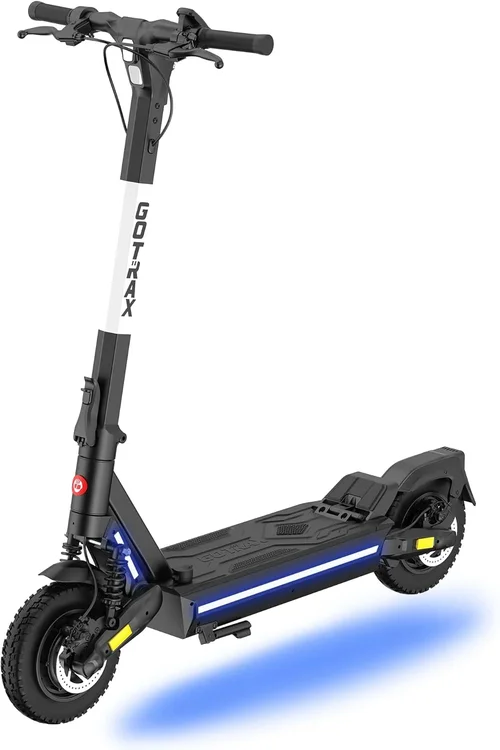
The compact electric scooter market has exploded in recent years, transforming from a niche urban mobility solution into a mainstream transportation staple. Whether you’re commuting to work, running errands around town, or simply exploring your city on two wheels, these sleek, foldable machines offer an eco-friendly, cost-effective, and surprisingly fun way to get around. But with dozens of models flooding the market—each boasting different specs, features, and price points—choosing the right one can feel overwhelming. That’s where this guide comes in.
In this comprehensive buying guide, we’ll cut through the noise and help you make an informed decision tailored to your lifestyle, budget, and needs. You’ll learn how to evaluate key performance metrics like range, speed, and motor power; understand why build quality matters more than flashy marketing; and discover which features actually enhance your daily ride versus those that are just gimmicks. We’ll also break down common pitfalls to avoid, compare different categories of compact scooters, and provide expert-backed recommendations based on real-world testing and user feedback. By the end, you’ll have the confidence to choose a scooter that doesn’t just look good—but performs reliably, lasts long, and fits seamlessly into your life.
The compact electric scooter segment is no longer dominated by just a handful of brands. Today, you’ll find offerings from established names like Xiaomi, Segway-Ninebot, and Unagi, alongside innovative newcomers such as Apollo, Inokim, and Gotrax. Prices range from under $300 for basic entry-level models to over $2,000 for high-performance, feature-rich machines. What unites them all is their focus on portability: lightweight frames, foldable designs, and compact footprints that make them easy to carry onto public transit, store under a desk, or toss in a car trunk. However, not all compact scooters are created equal—and understanding the nuances between them is critical to avoiding buyer’s remorse.

What to Look for When Buying a Compact Electric Scooter
1. Budget & Price Range
Your budget is the foundation of your purchase decision—but it shouldn’t be the only factor. Compact electric scooters span a wide price spectrum, and while it’s tempting to go for the cheapest option, doing so often means compromising on safety, durability, or essential features. A scooter priced under $400 may get you from point A to B, but it likely won’t handle hills well, offer reliable braking, or last more than a few months with regular use. On the other end, premium models ($1,200+) deliver superior components, advanced suspension, and robust warranties—but they may include features you don’t actually need.
Instead of fixating on the lowest price, think in terms of value: what do you get for your money? Consider the total cost of ownership, including potential repairs, battery replacements, and accessories like helmets or locks. For most urban commuters, the sweet spot lies between $500 and $900, where you’ll find well-built scooters with solid range (15–25 miles), decent speed (15–20 mph), and reliable customer support. Always ask: “Will this scooter still serve me well in six months or a year?” If the answer is uncertain, it’s probably not worth the savings upfront.
2. Performance Specifications
Performance isn’t just about top speed—it’s a combination of motor power, range, acceleration, and hill-climbing ability. The motor, measured in watts (W), determines how quickly your scooter can accelerate and how well it handles inclines. For flat city streets, a 250W–350W motor is usually sufficient. But if you live in a hilly area or carry heavy loads (like a backpack or groceries), aim for at least 500W—ideally with dual motors for added torque.
Range is another critical spec, but don’t take manufacturer claims at face value. Most brands advertise “ideal conditions” range, which assumes no wind, flat terrain, and a light rider. In reality, expect 60–80% of the stated range. A scooter claiming 25 miles might only deliver 15–20 under normal use. Always check independent reviews or real-user reports to gauge realistic range. Battery type also matters: lithium-ion (Li-ion) batteries are standard and offer good energy density, but look for higher-capacity cells (e.g., 10.4Ah or above) for longer rides.
Top speed is less important than consistent performance. Most compact scooters cap out between 15–20 mph, which is plenty for city riding and complies with many local e-scooter laws. However, ensure the scooter can maintain that speed without overheating or draining the battery too quickly. Acceleration matters too—especially when merging into traffic or avoiding obstacles. Test rides (if possible) or video reviews can give you a sense of how responsive the throttle feels.
3. Build Quality & Durability
A compact scooter may be small, but it needs to withstand daily abuse: curbs, potholes, rain, and constant folding/unfolding. Cheap aluminum frames can bend or crack under stress, while poorly welded joints become failure points over time. Look for scooters made from aircraft-grade aluminum (often labeled 6061-T6), which balances strength and weight. Check hinge mechanisms—these are wear points that often fail first. A well-designed folding system should lock securely without wobbling and unfold smoothly with one hand.
Tires are another durability factor. Solid rubber tires are puncture-proof and low-maintenance but offer a harsher ride on rough pavement. Pneumatic (air-filled) tires provide better shock absorption and grip but require occasional inflation and are vulnerable to flats. Some premium models now feature honeycomb or tubeless tires, which blend the best of both worlds. Suspension systems—even basic spring or rubber dampeners—can significantly improve comfort on uneven roads.
Water resistance is often overlooked but crucial for all-weather riders. Look for an IP rating (Ingress Protection) of at least IPX4, which means the scooter can handle splashes from any direction. IPX5 or higher offers better protection against rain, though never submerge your scooter. Finally, inspect the deck: a non-slip surface with adequate foot space prevents slips, especially in wet conditions.
4. Features & Functionality
Modern compact scooters come packed with features, but not all are equally useful. Start with the essentials: a bright LED headlight for night visibility, a rear brake light that activates when you slow down, and side reflectors for side-on visibility. These aren’t luxuries—they’re safety necessities, especially if you ride after dark.
A clear, backlit LCD display is helpful for monitoring speed, battery level, and riding mode—but avoid overly complex interfaces that distract you while riding. Cruise control is a nice-to-have for long, straight stretches, allowing you to maintain speed without holding the throttle. Regenerative braking, which recaptures energy during deceleration to extend range, is increasingly common in mid-to-high-end models and adds real value.
Connectivity features like Bluetooth apps (for firmware updates, ride tracking, or anti-theft alerts) are convenient but not essential. Similarly, built-in horns or speakers can be fun but add weight and drain the battery. Focus on features that enhance safety, usability, or longevity. For example, a kickstand that stays deployed when folded makes parking easier, and quick-release wheels simplify maintenance.
One often-overlooked feature is the charging port design. USB-C is becoming standard and allows for faster, more universal charging. Avoid proprietary chargers if possible—they’re a hassle if lost or damaged. Also, consider charge time: most scooters take 4–6 hours to fully charge, but some support fast charging (2–3 hours), which is useful for multi-stop days.
5. Brand Reputation & Reliability
Not all brands are created equal. Established manufacturers like Xiaomi, Segway-Ninebot, and Unagi have proven track records, extensive service networks, and transparent customer support. They also tend to use higher-quality components and rigorous testing protocols. In contrast, lesser-known brands or generic OEM models may cut corners on materials, software, or safety certifications.
Research brand reputation by reading long-term user reviews (not just Amazon star ratings). Look for patterns: do multiple users report the same issues (e.g., battery degradation after 6 months, loose handlebars)? Are firmware updates regular, or does the scooter become obsolete quickly? Brands that invest in software improvements show commitment to their products beyond the sale.
Also consider regional availability. If you’re in the U.S., ensure the brand has local service centers or authorized repair shops. European buyers should verify CE compliance, while Australian riders need to check local e-scooter regulations—some brands aren’t certified for certain regions. A reputable brand won’t just sell you a scooter; they’ll stand behind it with documentation, spare parts, and responsive support.
6. Warranty & Support
A warranty is your safety net against manufacturing defects and premature failures. Most reputable brands offer at least a 12-month limited warranty, covering the motor, battery, and frame. Some premium models extend this to 18 or even 24 months. Read the fine print: many warranties exclude wear items like tires, brakes, or the folding mechanism—and void coverage if you modify the scooter or use it commercially.
Customer support quality varies widely. Test responsiveness by emailing a pre-sales question before buying. Do they reply within 24 hours? Are their answers detailed and helpful? Check if they offer phone, chat, or ticket-based support—and whether service is available in your language. Brands with dedicated forums or community pages often provide faster peer-to-peer help.
Return policies matter too, especially for online purchases. A 14- or 30-day return window gives you time to test the scooter in real conditions. Beware of “restocking fees” or return shipping costs—these can negate the benefit of a trial period. Some retailers (like REI or Best Buy) offer in-store returns for online orders, which is a huge plus.
7. Size & Portability
The whole point of a compact scooter is, well, compactness—but “compact” means different things to different people. Weight is the biggest factor: anything over 30 lbs becomes awkward to carry up stairs or onto buses. Most quality compact models weigh between 22–28 lbs. If you’re petite or have mobility concerns, aim for the lighter end of that range.
Folded dimensions matter too. Measure your storage space—under a desk, in a closet, or in a car trunk—and compare it to the scooter’s folded size. Some scooters fold down to under 40 inches in length, while others remain bulky. Handlebar folding mechanisms vary: some tuck inward, others collapse downward. Test how easy it is to fold and unfold with one hand—you’ll be doing this dozens of times a week.
Wheel size affects both portability and ride quality. Smaller wheels (6–8 inches) make the scooter more compact and lighter but struggle with cracks and bumps. Larger wheels (8–10 inches) roll smoother and handle obstacles better but add bulk. For urban commuting, 8-inch wheels are a good compromise. Finally, consider carry options: built-in handles, shoulder straps, or trolley wheels can make a big difference when lifting or rolling your scooter.
8. User Reviews & Real-World Testing
Spec sheets tell one story; real users tell another. Always cross-reference manufacturer claims with independent reviews and user testimonials. Look for detailed reviews from trusted sources like Electric Scooter Insider, ScooterGuide, or YouTube channels that conduct long-term testing. Pay attention to comments about reliability, customer service experiences, and unexpected issues (e.g., “the app stopped working after 3 months”).
User forums like Reddit’s r/ElectricScooters or specialized Facebook groups are goldmines of honest feedback. Search for your model name plus keywords like “problems,” “repair,” or “battery life.” Patterns emerge quickly: if five people mention the same brake failure, it’s likely a design flaw, not a fluke.
Also consider your own use case. A scooter praised by weekend joyriders might not hold up to daily 10-mile commutes. Match reviewer profiles to your own: weight, terrain, climate, and riding frequency. And don’t ignore negative reviews—they often reveal hidden costs or frustrations that specs alone won’t show.
Different Types of Compact Electric Scooters

Common Buying Mistakes to Avoid
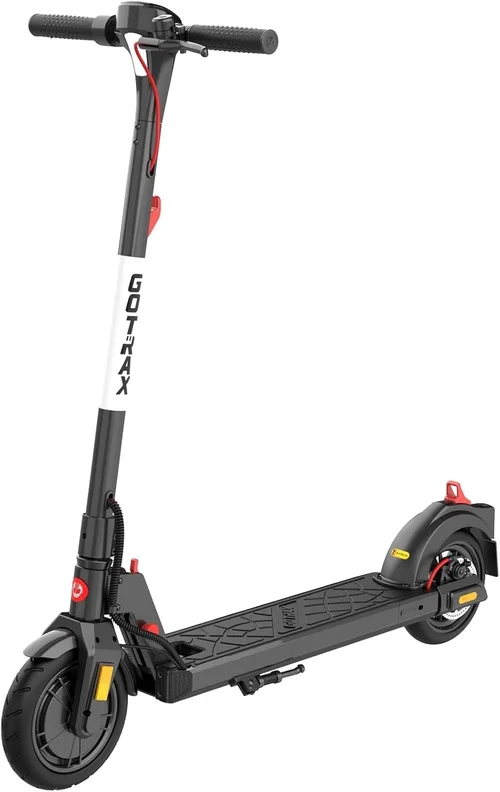
❌ Mistake: Prioritizing Price Over Build Quality
Why it’s bad: Scooters under $300 often use thin aluminum, weak motors, and low-capacity batteries that degrade quickly. You might save $100 upfront but end up replacing the scooter within a year—costing more in the long run.
What to do instead: Invest in a mid-range model ($500–$800) from a reputable brand. The extra cost buys you better materials, safer electronics, and longer lifespan.
❌ Mistake: Ignoring Real-World Range
Why it’s bad: Manufacturers often quote range under ideal conditions (flat road, 150-lb rider, no wind). In reality, hills, headwinds, and heavier loads cut range by 30–40%.
What to do instead: Divide the advertised range by 1.5 to estimate real-world performance. If you need 15 miles, buy a scooter rated for at least 22–25 miles.
❌ Mistake: Overlooking Braking System
Why it’s bad: Many budget scooters rely solely on electronic or foot brakes, which are less reliable in emergencies. Disc or drum brakes offer superior stopping power.
What to do instead: Choose a scooter with at least one mechanical brake (disc or drum) combined with regenerative braking for redundancy.
❌ Mistake: Skipping the Test Ride
Why it’s bad: Specs don’t reveal how a scooter feels—throttle responsiveness, balance, and comfort are subjective and crucial for daily use.
What to do instead: Visit a local retailer or attend demo events. If buying online, choose retailers with generous return policies.
❌ Mistake: Neglecting Local Laws
Why it’s bad: Some cities restrict e-scooter speed, require helmets, or ban riding on sidewalks. Buying a 25 mph scooter might be illegal where you live.
What to do instead: Check your city’s micromobility regulations before purchasing. Opt for models with speed limiters or geo-fencing if needed.
❌ Mistake: Forgetting About Maintenance
Why it’s bad: Tires wear out, brakes need adjustment, and batteries degrade. Ignoring upkeep leads to unsafe rides and premature failure.
What to do instead: Learn basic maintenance (tire pressure, brake checks) and budget for annual servicing or part replacements.
❌ Mistake: Choosing Based on Looks Alone
Why it’s bad: A sleek design doesn’t guarantee performance. Some stylish scooters sacrifice structural integrity for aesthetics.
What to do instead: Prioritize function over form. A slightly uglier scooter with better suspension and brakes is far more valuable.
Budget Guidelines: How Much Should You Spend?
Entry-Level ($250–$450): These scooters are best for occasional use, short distances (under 5 miles), and light riders. Expect basic motors (250W–350W), solid tires, minimal suspension, and limited features. Brands like Gotrax, Razor, and Segway’s budget lines dominate this tier. While affordable, they often lack durability and customer support. Ideal for teens, students, or as a backup scooter—but not for daily commuting.
Mid-Range ($500–$900): This is the sweet spot for most buyers. You’ll find scooters with 350W–500W motors, pneumatic or hybrid tires, decent suspension, and useful features like lights, displays, and app connectivity. Models like the Xiaomi Mi Electric Scooter 4 Pro, Unagi Model One, and Apollo Air offer excellent balance of price, performance, and reliability. Range typically hits 15–25 miles, and build quality is significantly better than entry-level options.
Premium ($1,000–$1,600): Designed for enthusiasts and serious commuters, these scooters boast dual motors (800W+ total), advanced suspension (front and rear), high-capacity batteries (30+ mile range), and smart features like GPS tracking, customizable ride modes, and premium materials. Brands like Inokim, Apollo, and Dualtron deliver top-tier performance, but the price reflects it. Only worth it if you ride daily, tackle hills, or demand cutting-edge tech.
Luxury ($1,600+): At this level, you’re paying for craftsmanship, exclusivity, and marginal performance gains. Scooters like the Dualtron Thunder or Nanrobot D6+ offer insane speeds (40+ mph) and ranges (50+ miles), but they’re heavy, complex, and overkill for most urban needs. Best reserved for collectors, tech lovers, or those with very specific high-performance requirements.
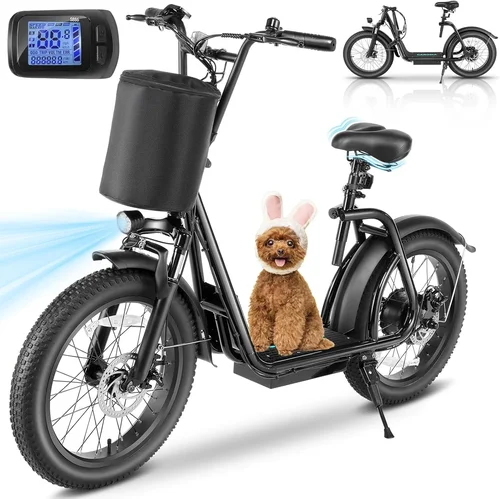
Expert Tips for Getting the Best Deal
1. Time Your Purchase Around Sales Cycles: Major discounts happen during Black Friday, Cyber Monday, Amazon Prime Day, and end-of-season clearances (late summer). Sign up for brand newsletters to get early access to deals.
2. Buy Direct vs. Retail: Purchasing directly from the manufacturer often includes perks like extended warranties, free shipping, or bundled accessories. However, big retailers (Best Buy, REI, Walmart) may offer price matching, in-store support, and easier returns.
3. Check Refurbished or Open-Box Options: Certified refurbished scooters from reputable sellers come with warranties and can save you 20–30%. Open-box items (returned but unused) are another budget-friendly avenue.
4. Compare Total Cost of Ownership: Factor in battery replacement (every 2–3 years, $100–$300), tire changes, and potential repair costs. A cheaper scooter with expensive parts may cost more long-term.
5. Leverage Student or Military Discounts: Brands like Unagi and Apollo offer 10–15% off for students, teachers, or military personnel. Always ask!
6. Test Before You Commit: If possible, rent a similar model through services like Lime or Bird to see how it handles your route. Some shops also offer demo days.
7. Read the Warranty Fine Print: Ensure it covers battery degradation (not just defects) and is valid internationally if you travel. Avoid brands with “lifetime” warranties that exclude everything.
8. Join Owner Communities: Forums and Facebook groups often share exclusive discount codes, group buys, or early access to new models.

Frequently Asked Questions
Q: How far can a compact electric scooter really go on one charge?
A: Real-world range depends on rider weight, terrain, speed, and weather. As a rule of thumb, expect 60–80% of the advertised range. A scooter claiming 20 miles might give you 12–16 miles under normal conditions. Always buy for 1.5x your needed distance.
Q: Are compact electric scooters safe for beginners?
A: Yes, with proper precautions. Start in low-speed mode, wear a helmet, and practice in empty parking lots. Avoid busy streets until you’re confident. Scooters with wider decks and lower centers of gravity (like the Unagi Model One) are more stable for new riders.
Q: Can I take my scooter on public transportation?
A: Most compact, foldable scooters are allowed on buses, trains, and subways—but policies vary by city. Check local transit rules. Airlines generally permit scooters in checked baggage if the battery is under 100Wh (most are).
Q: How long do electric scooter batteries last?
A: Lithium-ion batteries typically last 300–500 full charge cycles, equating to 1.5–3 years of daily use. Avoid fully draining the battery; keep it between 20–80% for longevity.
Q: Do I need insurance for my electric scooter?
A: In most U.S. states, no—but some European countries require third-party liability insurance. Check local laws. Homeowner’s or renter’s insurance may cover theft or damage.
Q: What’s the difference between hub motors and belt drives?
A: Hub motors (most common in compact scooters) are integrated into the wheel—simple, quiet, and low-maintenance. Belt drives offer better torque and efficiency but require periodic tension adjustments and are noisier. For city commuting, hub motors are usually sufficient.
Q: Can I ride my scooter in the rain?
A: Only if it has an IPX4 rating or higher. Even then, avoid deep puddles and heavy downpours. Wet conditions reduce tire grip and increase stopping distance—ride slowly and brake early.
Q: How do I maintain my scooter?
A: Monthly: check tire pressure (if pneumatic), inspect brakes, clean the deck, and update firmware. Annually: service bearings, lubricate moving parts, and test battery health. Keep it dry and store indoors.
Q: Are there age or weight limits?
A: Most scooters support riders up to 220–300 lbs. Check the manual. For kids, choose models with speed limiters (under 15 mph) and lightweight frames. Always supervise minors.
Q: What if my scooter breaks down?
A: Contact the manufacturer first. If under warranty, they’ll guide repairs or replacements. For out-of-warranty issues, seek authorized service centers. DIY repairs are possible but may void warranties.
Our Final Recommendations
Best for Budget-Conscious Buyers: Xiaomi Mi Electric Scooter 3 ($449) – Reliable, lightweight (26.9 lbs), and packed with features like app connectivity and a bright headlight. Offers 18.6-mile range and solid build quality for the price.
Best Overall Value: Unagi Model One ($890) – Dual motors, sleek design, and exceptional ride quality. Handles hills effortlessly, folds compactly, and comes with a 12-month warranty. Perfect for daily urban commuters.
Best Premium Option: Apollo Air Pro ($1,199) – 600W motor, 28-mile range, front and rear suspension, and IPX6 water resistance. Ideal for those who want performance without the bulk of a full-size scooter.
Best for Beginners: Segway Ninebot ES2 ($399) – Simple controls, stable ride, and built-in LED lights. Lightweight (27.6 lbs) and easy to fold—great for first-time riders.
Best for Advanced Users: Inokim Quick 4 ($1,399) – 800W motor, 31-mile range, premium suspension, and customizable app settings. Built for speed, comfort, and long-distance commuting.
Conclusion: Making the Right Choice
Choosing the best compact electric scooter isn’t about finding the flashiest model or the cheapest deal—it’s about matching a scooter’s capabilities to your real-world needs. Whether you’re a student zipping across campus, a professional navigating downtown traffic, or a weekend explorer seeking adventure, the right scooter should feel like an extension of your lifestyle: reliable, comfortable, and empowering.
We’ve covered everything from performance specs and build quality to budget planning and expert tips—but the final decision rests with you. Prioritize safety, think long-term, and don’t let marketing hype cloud your judgment. Remember: a great scooter doesn’t just get you from A to B; it makes the journey enjoyable, sustainable, and stress-free.
Take your time, do your research, and when you find the one that fits—ride with confidence. The future of urban mobility is compact, electric, and within your reach.