
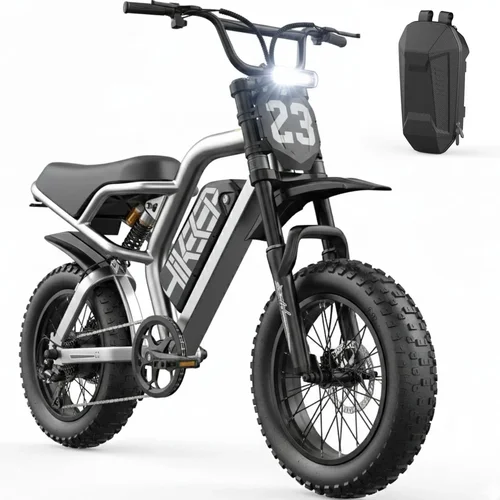
Electric off-road bicycles—commonly known as e-MTBs or electric mountain bikes—have revolutionized the way adventurers, commuters, and outdoor enthusiasts explore rugged terrain. Once considered a niche segment, the electric off-road bike market has exploded in popularity over the past decade, driven by advances in battery technology, motor efficiency, and frame design. Whether you’re tackling steep mountain trails, navigating rocky forest paths, or simply seeking a more sustainable and exhilarating way to commute through uneven urban landscapes, an electric off-road bike can be a game-changer. But with so many models, brands, and technical specifications flooding the market, choosing the right one can feel overwhelming.
This comprehensive buying guide is designed to cut through the noise and help you make a smart, informed decision. Whether you’re a seasoned mountain biker looking to extend your range or a beginner curious about electric-assisted trail riding, we’ll walk you through every critical factor—from motor power and battery life to suspension systems and build quality. You’ll learn how to evaluate performance specs, understand different bike categories, avoid common pitfalls, and find the best value within your budget. By the end of this guide, you’ll have the confidence and knowledge to choose an electric off-road bicycle that matches your riding style, terrain, and long-term goals.
The electric off-road bike market in 2025 is more dynamic and competitive than ever. Major brands like Specialized, Trek, Bosch, and Rad Power Bikes are pushing the boundaries of innovation, while emerging companies are introducing affordable yet capable models that challenge traditional pricing norms. Advances in mid-drive motors, regenerative braking, smart connectivity, and lightweight materials have made these bikes more efficient, durable, and user-friendly. At the same time, regulatory changes in various countries are shaping where and how you can ride, making it essential to understand local laws and trail access rules. This guide will not only help you pick the right bike but also ensure it fits seamlessly into your lifestyle and riding environment.

What to Look for When Buying an Electric Off-Road Bicycle
1. Motor Type and Power Output
The motor is the heart of any electric off-road bicycle, and its type and power output directly influence performance, efficiency, and ride quality. There are two primary motor configurations: hub motors and mid-drive motors. Hub motors are mounted in the front or rear wheel and are generally simpler and more affordable. They provide direct power to the wheel, which can be useful for flat or moderately hilly terrain. However, they tend to be heavier and less efficient on steep climbs because they don’t leverage the bike’s gears.
Mid-drive motors, on the other hand, are mounted at the bike’s crankset and power the chainring directly. This design allows the motor to work in conjunction with the bike’s gears, delivering more torque and better hill-climbing ability. Mid-drive systems are typically found on higher-end e-MTBs and are preferred by serious off-road riders. When evaluating motor power, look for output measured in watts (W). Most off-road e-bikes range from 250W to 750W, with 500W–750W being ideal for rugged terrain. In the U.S., motors over 750W are often classified as mopeds or motorcycles and may require registration.
2. Battery Capacity and Range
Battery performance is arguably the most critical factor for off-road riding, where charging stations are scarce and terrain demands more energy. Battery capacity is measured in watt-hours (Wh), which indicates how much energy the battery can store. A higher Wh rating generally means longer range, but real-world performance depends on terrain, rider weight, assist level, and weather conditions.
For off-road use, aim for a battery with at least 500Wh. Bikes with 600Wh–750Wh batteries are ideal for long trail rides or multi-day adventures. Some premium models offer dual-battery systems or removable batteries for extended range. Lithium-ion (Li-ion) batteries are standard due to their high energy density, lightweight, and long lifespan. Look for batteries with at least 500–800 charge cycles before significant degradation.
Range varies widely—entry-level bikes may offer 20–30 miles on a single charge, while high-end models with efficient motors and large batteries can exceed 70 miles. Always check manufacturer range estimates under “eco” mode, as “turbo” or “boost” modes can cut range by 50% or more.
3. Frame Material and Build Quality
The frame is the foundation of your electric off-road bike, and its material and construction determine durability, weight, and ride feel. Common frame materials include aluminum, carbon fiber, and steel. Aluminum is the most popular due to its balance of strength, weight, and affordability. It’s resistant to rust and can withstand the rigors of off-road riding.
Carbon fiber frames are lighter and offer superior vibration damping, making them ideal for performance-oriented riders. However, they come at a premium price and can be more susceptible to impact damage. Steel frames are rare in e-MTBs but offer excellent durability and a smooth ride, though they are heavier.
Pay attention to frame geometry—modern e-MTBs feature slack head angles (65–67 degrees), long wheelbases, and low bottom brackets for stability on descents. Internal cable routing, reinforced motor mounts, and dropper post compatibility are signs of a well-engineered frame. Always inspect welds, joints, and stress points for quality craftsmanship.
4. Suspension System
Off-road riding demands a robust suspension system to absorb shocks from rocks, roots, and drops. Most electric off-road bikes feature either hardtail (front suspension only) or full suspension (front and rear). Hardtail bikes are lighter, simpler, and more affordable, making them suitable for beginners or riders on smoother trails. They typically have front forks with 100–140mm of travel.
Full-suspension e-MTBs are the gold standard for serious off-road use. They include both front forks and rear shocks, with travel ranging from 140mm to 180mm or more. This setup provides better traction, control, and comfort on technical terrain. Look for reputable suspension brands like RockShox, Fox, or Marzocchi, and ensure the suspension is tuned for the added weight of the motor and battery.
Adjustable rebound and compression damping allow you to fine-tune the ride based on trail conditions. Some high-end models feature electronically controlled suspension that adapts in real time.
5. Tire Size and Tread
Tires are your bike’s only contact with the ground, making them crucial for grip, stability, and comfort. Electric off-road bikes typically use wide, knobby tires ranging from 2.3” to 2.8” in width. Wider tires provide better traction and cushioning on uneven surfaces. Common wheel sizes are 27.5” (650b) and 29”, with 29ers offering better roll-over ability and 27.5” wheels providing quicker handling.
Look for tires with aggressive tread patterns designed for loose dirt, mud, or rocky terrain. Tubeless-ready tires are a plus, as they reduce the risk of pinch flats and allow lower tire pressures for improved grip. Some bikes come with puncture-resistant casings or reinforced sidewalls for added durability.
6. Drivetrain and Gearing
The drivetrain—comprising the chain, cassette, derailleur, and crankset—plays a vital role in how efficiently your bike transfers power. Most electric off-road bikes use 1x (single chainring) drivetrains, which simplify shifting and reduce weight. A wide-range cassette (e.g., 10–51T) ensures you have low gears for climbing and high gears for speed.
Look for reliable drivetrain components from brands like Shimano (Deore, SLX, XT, or XTR) or SRAM (NX, GX, or X01). Higher-tier groupsets offer smoother shifting, better durability, and lighter weight. Some premium e-MTBs feature electronic shifting systems for precise, effortless gear changes.
Ensure the drivetrain is compatible with the motor’s torque output. Mid-drive motors, in particular, can place significant stress on chains and cassettes, so a robust drivetrain is essential.
7. Braking System
Reliable brakes are non-negotiable for off-road riding, where sudden stops and steep descents are common. Hydraulic disc brakes are the standard for e-MTBs, offering superior stopping power, modulation, and performance in wet or muddy conditions. Look for 4-piston calipers and large rotors (180mm–203mm) for maximum braking force.
Brake brands like Shimano, SRAM, and Magura are trusted for their consistency and durability. Some high-end models feature regenerative braking, which recovers energy during deceleration to extend battery life—though this feature is still rare and not widely effective.
Always test brake feel and responsiveness before purchasing. A bike with weak or spongy brakes can be dangerous on technical trails.
8. Display and Connectivity Features
The display unit provides essential information like speed, battery level, assist mode, and distance. Most e-MTBs come with an LCD or LED display mounted on the handlebar. Higher-end models feature full-color touchscreens with GPS navigation, ride tracking, and smartphone integration via Bluetooth or ANT+.
Look for displays with intuitive controls, backlighting for night riding, and waterproofing. Some systems allow you to customize assist levels, monitor motor temperature, and even lock the bike remotely. Integration with apps like Strava or Komoot can enhance your riding experience by logging routes and analyzing performance.
9. Weight and Portability
Electric off-road bikes are inherently heavier than traditional mountain bikes due to the motor and battery. Average weights range from 45 to 65 pounds, with some full-suspension models exceeding 70 pounds. While weight is less critical on flat terrain, it affects handling, climbing efficiency, and ease of transport.
Consider how you’ll transport the bike—will you need to lift it onto a rack or carry it up stairs? Some models feature removable batteries, making them slightly easier to manage. Folding e-MTBs exist but are rare and often compromise on performance and durability.
10. Brand Reputation and Customer Support
Not all e-bike brands are created equal. Established brands like Specialized, Trek, Giant, and Haibike have decades of experience in bicycle engineering and offer reliable products with strong customer support. Emerging brands like Rad Power Bikes, Juiced Bikes, and Aventon provide excellent value but may have shorter track records.
Research brand reputation by reading user reviews, checking warranty terms, and evaluating customer service responsiveness. A reputable brand will stand behind its products with comprehensive warranties, accessible repair networks, and transparent communication.
11. Warranty and After-Sales Service
A solid warranty is a sign of a manufacturer’s confidence in their product. Most e-bikes come with a 1–2 year warranty on the frame and motor, and 6–12 months on the battery and electronics. Premium brands often offer extended warranties or battery replacement programs.
Check what’s covered—some warranties exclude wear items like tires, chains, and brake pads. Also, verify whether service is available locally or if you’ll need to ship the bike for repairs. A good warranty and responsive support can save you hundreds in unexpected costs.
12. User Reviews and Real-World Feedback
While specs and marketing materials provide useful data, real-world user reviews offer invaluable insights into long-term reliability, comfort, and performance. Look for reviews from riders with similar needs—trail enthusiasts, commuters, or weekend warriors.
Pay attention to recurring complaints about battery life, motor noise, or component failures. Forums like Reddit’s r/ebikes, MTBR, and Electric Bike Review are excellent resources. Video reviews on YouTube can also help you see the bike in action and hear the motor sound.
Different Types of Electric Off-Road Bicycles

Common Buying Mistakes to Avoid
❌ Mistake: Prioritizing Price Over Performance
Why it’s bad: Choosing the cheapest bike available often means compromising on motor quality, battery life, and build durability. A low-cost e-MTB may struggle on hills, have poor range, or require frequent repairs, leading to higher long-term costs and frustration.
What to do instead: Set a realistic budget based on your riding needs and prioritize key components like motor type, battery capacity, and suspension. Investing in a mid-range or premium model often pays off in reliability and enjoyment.
❌ Mistake: Ignoring Local Laws and Trail Regulations
Why it’s bad: Many public trails and parks have restrictions on electric bikes, especially those with motors over 750W or speeds exceeding 20 mph. Riding where e-bikes are prohibited can result in fines or bans.
What to do instead: Research local regulations before buying. In the U.S., Class 1 and Class 3 e-bikes (pedal-assist only, up to 20 mph or 28 mph) are widely allowed on trails. Class 2 (throttle-assisted) may have more restrictions.
❌ Mistake: Overlooking Battery Replacement Costs
Why it’s bad: E-bike batteries degrade over time and typically need replacement every 3–5 years. High-quality batteries can cost $500–$1,000, which is a significant expense not always factored into the initial purchase.
What to do instead: Choose a bike with a reputable battery brand and check warranty coverage. Some manufacturers offer battery buyback or recycling programs. Consider models with removable batteries for easier replacement.
❌ Mistake: Buying Without Test Riding
Why it’s bad: E-bikes handle differently than traditional bikes due to their weight and motor assistance. A bike that looks great on paper may feel awkward or uncomfortable in real-world conditions.
What to do instead: Always test ride before buying, if possible. Visit local dealers, attend demo days, or rent models for a weekend. Pay attention to fit, balance, and motor responsiveness.
❌ Mistake: Neglecting Maintenance Requirements
Why it’s bad: E-MTBs require regular maintenance—more than standard bikes—due to the added complexity of motors, batteries, and electronic systems. Ignoring upkeep can lead to premature wear and safety issues.
What to do instead: Learn basic maintenance tasks like chain lubrication, brake adjustments, and tire pressure checks. Schedule professional servicing annually, especially for suspension and motor systems.
❌ Mistake: Choosing the Wrong Size
Why it’s bad: An ill-fitting bike can cause discomfort, reduce control, and increase the risk of injury. E-MTBs are heavier, so proper fit is even more critical for balance and handling.
What to do instead: Use the manufacturer’s size chart and consider your inseam, torso length, and riding style. If possible, get professionally fitted at a bike shop.
❌ Mistake: Falling for Marketing Hype
Why it’s bad: Some brands exaggerate range, power, or durability claims. Terms like “all-terrain” or “professional-grade” can be misleading without context.
What to do instead: Focus on verified specs and real-user feedback. Compare apples to apples—don’t assume a 750W motor is always better than a 500W one without considering torque and efficiency.
Budget Guidelines: How Much Should You Spend?
Entry-Level ($1,500 – $2,500): These bikes are ideal for beginners or casual riders. Expect aluminum frames, hub motors (or basic mid-drive), 400–500Wh batteries, and hardtail suspension. Brands like Rad Power Bikes, Aventon, and Lectric offer solid value in this range. While they may lack advanced features, they’re great for light trails and commuting.
Mid-Range ($2,500 – $5,000): This is the sweet spot for most buyers. You’ll find full-suspension models, mid-drive motors (e.g., Bosch, Shimano), 600–750Wh batteries, and higher-quality components. Bikes in this tier offer excellent performance, durability, and features like dropper posts and advanced displays. Models from Trek, Giant, and Specialized often fall here.
Premium ($5,000 – $8,000): Designed for serious off-road enthusiasts, these bikes feature top-tier suspension, lightweight carbon frames, high-torque motors, and long-range batteries. Expect electronic shifting, regenerative braking, and smart connectivity. These are built for aggressive trail riding, endurance events, and multi-day adventures.
Luxury ($8,000+): The pinnacle of e-MTB technology, luxury models offer cutting-edge engineering, race-ready performance, and bespoke customization. Think carbon fiber everything, dual batteries, AI-assisted suspension, and carbon wheels. These are for professionals, competitive riders, or those who want the absolute best.
Expert Tips for Getting the Best Deal
- Buy during off-season sales: Late fall and winter are ideal times to find discounts as retailers clear inventory for new models. Black Friday and end-of-year sales often feature significant markdowns.
- Consider certified pre-owned or refurbished models: Many brands and retailers offer refurbished e-bikes with warranties at 20–40% off retail. These are often lightly used demo bikes or returns.
- Shop at local bike shops for service and support: While online retailers may offer lower prices, local shops provide test rides, professional assembly, and ongoing maintenance—valuable for e-MTBs.
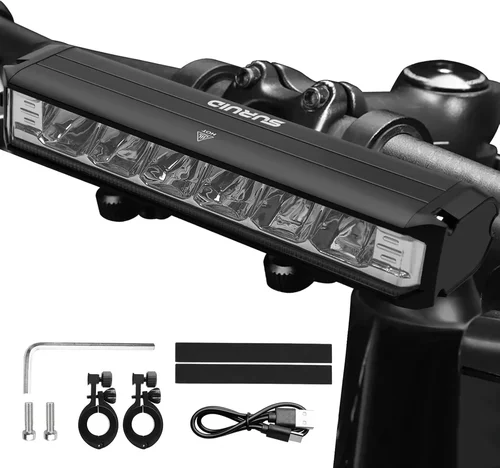
- Look for bundle deals: Some retailers include free accessories like helmets, lights, locks, or racks with purchase. These can add $200–$500 in value.
- Check for manufacturer rebates or incentives: Some brands offer cashback, free battery upgrades, or extended warranties during promotions.
- Read the fine print on warranties: Ensure the warranty covers the motor, battery, and frame. Avoid brands with vague or limited coverage.
- Negotiate: Especially at local shops, don’t hesitate to ask for a discount, especially if you’re buying accessories or committing to service packages.
- Join loyalty programs: Some retailers offer points, early access to sales, or exclusive discounts for members.

Frequently Asked Questions
Q: Can I ride an electric off-road bike on regular bike trails?
A: It depends on local regulations. In many areas, Class 1 and Class 3 e-bikes are allowed on mountain bike trails, but Class 2 (throttle) models may be restricted. Always check with trail authorities or park services before riding.
Q: How long does the battery last on a single charge?
A: Range varies based on terrain, rider weight, assist level, and battery size. Most e-MTBs offer 20–70 miles per charge. Use eco mode for maximum range and turbo mode sparingly.
Q: Are electric off-road bikes hard to maintain?
A: They require more maintenance than traditional bikes due to the motor and battery, but routine tasks like chain cleaning, tire checks, and brake adjustments are similar. Annual professional servicing is recommended.
Q: Can I ride an e-MTB in the rain or mud?
A: Yes, most e-MTBs are designed to handle wet and muddy conditions. Look for IP65 or higher water resistance ratings on motors and batteries. Avoid submerging the bike or using high-pressure washes.
Q: Do I need a special license to ride an e-MTB?
A: In most countries, no license is required for Class 1–3 e-bikes. However, regulations vary by region. In the U.S., e-bikes under 750W and 20 mph are typically treated like regular bicycles.
Q: How often should I charge the battery?
A: Charge regularly but avoid letting the battery drop to 0% frequently. Aim to recharge when it reaches 20–30%. Store the battery at 50–70% charge if not used for extended periods.
Q: Can I upgrade components on my e-MTB?
A: Yes, many components like tires, saddles, and handlebars can be upgraded. However, motor and battery upgrades are usually not possible due to compatibility and warranty issues.
Q: Are e-MTBs safe for beginners?
A: Absolutely. Many e-MTBs have beginner-friendly modes with limited power and speed. Start on easy trails and gradually build confidence. Consider taking a skills clinic or riding with experienced friends.
Q: What’s the difference between a hub motor and a mid-drive motor?
A: Hub motors are simpler and cheaper but less efficient on hills. Mid-drive motors are more powerful, use the bike’s gears, and offer better balance and climbing ability—ideal for off-road use.
Q: How do I transport an electric off-road bike?
A: Use a hitch-mounted bike rack designed for heavy e-bikes. Roof racks are not recommended due to weight and height. Some racks feature ramps or tilting mechanisms for easier loading.
Our Final Recommendations
Best for Budget-Conscious Buyers: Rad Power Bikes RadRover 6 Plus – A reliable fat-tire e-MTB with a 750W hub motor, 672Wh battery, and full suspension. Priced under $2,000, it’s perfect for beginners and light trail use.
Best Overall Value: Trek Powerfly 4 – A mid-range full-suspension e-MTB with a Bosch Performance Line motor, 625Wh battery, and excellent build quality. Ideal for serious trail riders seeking performance without breaking the bank.
Best Premium Option: Specialized Turbo Levo SL Comp – A lightweight, high-performance e-MTB with a Specialized SL 1.1 motor, 320Wh battery, and full suspension. Designed for endurance and efficiency on long rides.
Best for Beginners: Giant Stance E+ 2 – A user-friendly full-suspension e-MTB with a Yamaha motor, 625Wh battery, and intuitive controls. Great for new riders transitioning to electric off-road biking.
Best for Advanced Users: Yeti Cycles SB160-E – A top-tier enduro e-MTB with a Shimano EP8 motor, carbon frame, and 170mm of travel. Built for aggressive descents and technical terrain.
Conclusion: Making the Right Choice
Choosing the best electric off-road bicycle is about more than just specs and price—it’s about finding a bike that aligns with your riding goals, terrain, and lifestyle. Whether you’re exploring remote mountain trails, commuting through rugged city paths, or simply seeking a new way to enjoy the outdoors, the right e-MTB can transform your experience. By focusing on motor performance, battery life, suspension, and build quality, and by avoiding common pitfalls, you’ll be well-equipped to make a smart investment.
Remember, the best bike is the one you’ll actually ride. Don’t get swayed by flashy features or marketing claims. Prioritize fit, comfort, and reliability. Test ride whenever possible, read real user reviews, and consider long-term maintenance and support. With the insights from this guide, you’re ready to navigate the exciting world of electric off-road cycling with confidence.
Now it’s time to hit the trails. Whether you’re climbing steep hills with ease, gliding over rocky terrain, or discovering new paths you never thought possible, your electric off-road bike is more than a vehicle—it’s your gateway to adventure. Choose wisely, ride often, and enjoy every mile.