
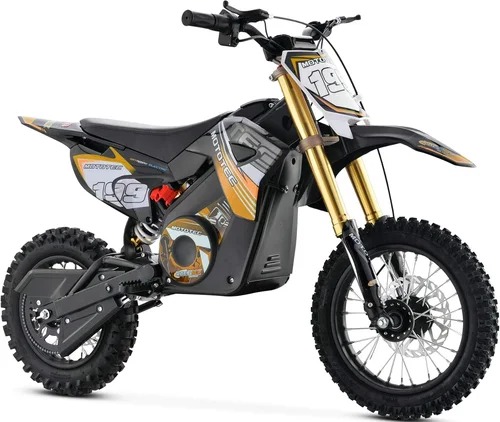
Getting your 14-year-old started on a dirt bike is an exciting milestone—one that opens the door to adventure, skill-building, and outdoor fun. But with so many models flooding the market in 2026, choosing the right beginner dirt bike can feel overwhelming. Parents often worry about safety, reliability, and whether their teen will outgrow the bike too quickly. Meanwhile, young riders want something that looks cool, rides smoothly, and gives them room to grow. That’s why this guide exists: to cut through the noise and help you make a smart, informed decision based on real-world needs—not flashy ads or peer pressure.
In this comprehensive buying guide, you’ll learn exactly what matters most when selecting a beginner dirt bike for a 14-year-old. We’ll walk you through key factors like engine size, seat height, weight, suspension, and brand reputation—all tailored specifically for teens who are just getting started. You’ll also discover common pitfalls to avoid, budget-friendly options that don’t sacrifice quality, and expert tips for scoring the best deal. Whether you’re shopping online or at a local dealership, this guide arms you with the knowledge to choose a bike that’s safe, fun, and built to last.
The dirt bike market in 2026 is more diverse than ever. From electric models gaining traction to traditional gas-powered bikes offering refined performance, there’s something for every style and skill level. Brands like Honda, Yamaha, Kawasaki, KTM, and newer entrants like Sur Ron and Oset are pushing innovation while keeping beginner needs in mind. With advancements in lightweight frames, adjustable suspension, and user-friendly controls, today’s entry-level bikes are safer and more capable than those of just a few years ago. This guide will help you navigate that landscape with confidence.

What to Look for When Buying a Beginner Dirt Bike
1. Engine Size & Power Output
Engine size—measured in cubic centimeters (cc)—is arguably the most critical factor for a 14-year-old beginner. Too much power can be dangerous; too little can frustrate a growing rider. For teens around 14, an ideal range is between 80cc and 150cc. Bikes in this category offer enough punch to build confidence on trails or tracks without overwhelming new riders.
Two-stroke engines (like those in the Yamaha YZ85 or KTM 85 SX) deliver snappy, responsive power but require more maintenance and precise throttle control. Four-strokes (such as the Honda CRF125F or Kawasaki KLX140R) are smoother, more forgiving, and easier to manage—making them better suited for beginners. In 2026, many manufacturers are also offering hybrid or electric models (e.g., Sur Ron Storm Bee or Oset 2.0R), which provide instant torque with minimal noise and zero emissions—perfect for backyard practice or quiet trails.
Always match engine size to your teen’s physical size, experience, and riding environment. A 14-year-old weighing 100 lbs might thrive on a 110cc four-stroke, while a taller, more athletic teen could handle a 150cc model. Avoid anything above 250cc unless supervised by an experienced rider—it’s simply too much bike for a true beginner.
2. Seat Height & Ergonomics
A bike that’s too tall or too short can compromise control, balance, and safety. For most 14-year-olds, a seat height between 28 and 32 inches is ideal. This allows them to plant both feet flat on the ground when stopped—a crucial confidence booster—while still providing enough leg room for standing during off-road riding.
Measure your teen’s inseam: if they can comfortably touch the ground with their heels while sitting on the bike, it’s a good fit. Many modern beginner bikes now feature adjustable suspension or lowering kits (like the Yamaha TT-R125LE), which let you fine-tune height as your rider grows. Also consider handlebar position, footpeg placement, and overall weight distribution. A well-balanced bike feels natural and reduces fatigue during longer rides.
Don’t overlook ergonomics—even small details like grip texture, lever reach, and shifter position matter. Test rides (when possible) are invaluable here. If buying online, check manufacturer specs and look for videos showing teens of similar height riding the model.
3. Weight & Maneuverability
Heavier bikes are harder to control, especially for younger riders still developing strength and coordination. Aim for a dry weight under 150 lbs for most 14-year-olds. Lighter bikes (like the Honda CRF110F at 137 lbs) are easier to pick up after a fall, simpler to maneuver on tight trails, and less intimidating overall.
Frame design plays a big role in perceived weight. Aluminum frames (used by KTM and Husqvarna) are lighter than steel but can be pricier. Some brands now use composite materials or strategic cutouts to reduce mass without sacrificing durability. Electric bikes often weigh more due to batteries, but their low center of gravity improves stability.
Consider where your teen will ride. For rocky terrain or steep hills, a lighter bike is preferable. For flat, open trails, a slightly heavier machine with better suspension might be acceptable. Always prioritize ease of handling over raw specs.
4. Suspension & Ground Clearance
Good suspension absorbs bumps, keeps tires planted, and reduces rider fatigue—especially important for beginners still learning body positioning. Look for front forks with at least 6–8 inches of travel and a rear shock that’s tunable or preload-adjustable. Entry-level bikes like the Kawasaki KLX140G offer quality suspension setups that rival older mid-range models.
Ground clearance (the distance between the lowest part of the bike and the ground) should be at least 10–12 inches. This prevents scraping on roots, rocks, or ruts. However, too much clearance can raise the center of gravity, making the bike feel tippy. Aim for a balance: enough to clear obstacles, but not so high that it compromises stability.
In 2026, some brands are integrating smart suspension systems that auto-adjust based on terrain—though these are rare in beginner segments. Stick to proven, serviceable components from reputable manufacturers.
5. Braking System
Reliable brakes are non-negotiable. Most beginner bikes come with front and rear disc brakes, which offer superior stopping power compared to drum brakes—especially in wet or muddy conditions. Hydraulic brakes (found on higher-end models like the Yamaha YZ125X) provide smoother, more consistent lever feel than mechanical systems.
Check brake lever reach: can your teen comfortably squeeze the lever without straining their hand? Adjustable levers are a plus. Also, ensure the rear brake pedal is positioned correctly—too far forward or backward can lead to accidental lockups.
Never compromise on braking performance to save money. A bike with weak or poorly tuned brakes is a liability, no matter how affordable.
6. Build Quality & Durability
A beginner bike will take falls—it’s part of the learning process. That’s why build quality matters. Look for reinforced frames, quality welds, and components rated for off-road use. Avoid “toy” bikes sold at big-box stores; they often use flimsy plastics, weak engines, and subpar suspension that can fail under stress.
Reputable brands like Honda, Yamaha, and Kawasaki have decades of off-road engineering behind them. Their entry-level models are designed to withstand abuse while remaining serviceable. Check for powder-coated finishes, sealed bearings, and easy-access air filters—these small details indicate thoughtful design.
Ask about service intervals and availability of parts. A bike that’s cheap upfront but impossible to maintain locally isn’t a bargain in the long run.
7. Brand Reputation & Dealer Support
Stick with established brands known for reliability and customer support. Honda’s CRF series, Yamaha’s TT-R line, and Kawasaki’s KLX models have earned trust through consistent performance and widespread dealer networks. These brands also offer better resale value—important if your teen upgrades in a year or two.
Research local dealerships before buying. Can they perform routine maintenance? Do they stock common parts? Are technicians certified? A strong support network saves time, money, and frustration down the road.
Newer electric brands like Sur Ron or Cake are innovative but may have limited service options outside major cities. If you choose one, confirm warranty coverage and repair logistics beforehand.
8. Safety Features & Rider Aids
Modern beginner bikes increasingly include safety-focused features. Kill switches, throttle limiters, and adjustable power modes (common on electric models) let parents control speed and responsiveness as skills improve. Some bikes even have GPS tracking or geofencing—useful for keeping teens within safe boundaries.
Always pair the bike with proper gear: DOT-approved helmet, goggles, gloves, chest protector, and sturdy boots. Never let a teen ride without full protective equipment—even on private property.
Consider adding aftermarket safety upgrades like hand guards (to protect levers in crashes) or skid plates (to shield the engine). These are inexpensive but highly effective.
Different Types of Beginner Dirt Bikes

Common Buying Mistakes to Avoid
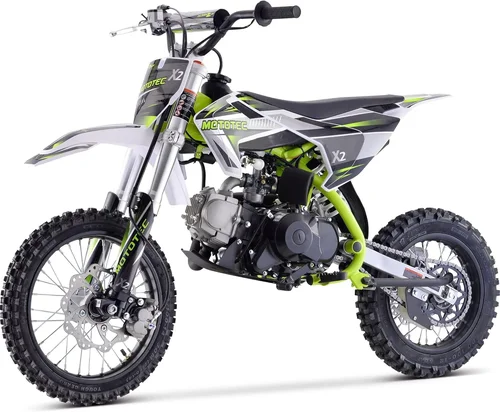
❌ Mistake: Choosing Based Solely on Looks or Peer Pressure
Why it’s bad: A bike that looks cool but doesn’t fit your teen’s size or skill level can lead to frustration, accidents, or disinterest. Flashy graphics and aggressive styling don’t equal performance or safety.
What to do instead: Prioritize fit, safety, and usability over aesthetics. Involve your teen in the decision, but guide them toward practical choices that match their physical ability and riding goals.
❌ Mistake: Overlooking Maintenance Requirements
Why it’s bad: Two-stroke engines need frequent top-end rebuilds and premixed fuel. Electric bikes require battery care and software updates. Neglecting maintenance leads to breakdowns and costly repairs.
What to do instead: Choose a bike with maintenance needs that match your willingness and ability to service it. Four-strokes and electrics are generally lower-maintenance for beginners.
❌ Mistake: Buying Used Without Inspection
Why it’s bad: A used bike may have hidden damage, worn suspension, or engine issues that aren’t obvious during a quick test ride. This can be dangerous and expensive.
What to do instead: If buying used, have a qualified mechanic inspect it first. Check for frame cracks, oil leaks, tire wear, and suspension function. Avoid bikes with incomplete service records.
❌ Mistake: Ignoring Local Laws and Regulations
Why it’s bad: Some states require helmets, registration, or restrict where minors can ride. Violating these rules can result in fines or confiscation of the bike.
What to do instead: Research your state and local ordinances before purchasing. Ensure the bike meets noise and emissions standards if riding on public land.
❌ Mistake: Skimping on Safety Gear
Why it’s bad: Protective gear is just as important as the bike itself. A cheap helmet or missing chest protector increases injury risk significantly.
What to do instead: Budget for high-quality gear from day one. Invest in a Snell- or DOT-certified helmet, armored jersey, knee/shin guards, and proper boots.
❌ Mistake: Assuming All “Beginner” Bikes Are Equal
Why it’s bad: Marketing labels can be misleading. Some “beginner” bikes are actually scaled-down race machines with stiff suspension and aggressive power delivery.
What to do instead: Read detailed reviews, check suspension specs, and consult forums where real owners share experiences. Look for bikes specifically designed for learning, not just downsized versions of pro models.
❌ Mistake: Not Planning for Growth
Why it’s bad: Teens grow fast. A bike that’s perfect today might be too small in six months, leading to another purchase sooner than expected.
What to do instead: Choose a bike with adjustable features (seat height, suspension, power modes) or one that’s slightly larger but still manageable. This extends its usable life.
Budget Guidelines: How Much Should You Spend?
Setting a realistic budget is essential—but remember, the cheapest option isn’t always the best value. Here’s a breakdown of what to expect at different price points in 2026:
Entry-Level ($1,000–$2,500): This range includes mini bikes (50cc–110cc) and older-model four-strokes. Examples: Honda CRF110F, Yamaha TT-R125LE. Expect basic suspension, simple controls, and reliable engines. Ideal for casual trail riding or backyard practice. Avoid no-name brands—stick to reputable manufacturers even at this tier.
Mid-Range ($2,500–$4,500): The sweet spot for most beginner teens. Bikes like the Kawasaki KLX140R, Yamaha TT-R230, or KTM 125 SX offer better suspension, stronger frames, and more refined performance. Many include electric start, adjustable levers, and improved ergonomics. This range balances affordability with long-term usability.
Premium ($4,500–$6,500): For families serious about off-road riding or considering racing. Models like the Honda CRF150F, Yamaha YZ125X, or Sur Ron Storm Bee deliver race-ready components, advanced suspension, and cutting-edge tech (like regenerative braking on electrics). These bikes grow with your teen and hold resale value well.
Luxury ($6,500+): Top-tier electric models (e.g., Cake Kalk OR) or fully spec’d motocross bikes. These offer premium materials, app connectivity, and professional-grade performance. Only recommended if your teen is committed to competitive riding or you prioritize innovation over cost.
Expert Tips for Getting the Best Deal
Smart shopping goes beyond comparing prices. Use these proven strategies to maximize value and minimize regret:
- Buy at the Right Time: Late summer and early fall (August–October) are ideal. Dealers clear out inventory before winter, offering discounts of 10–20%. Avoid spring buying when demand peaks.
- Shop Local First: While online retailers offer convenience, local dealerships provide test rides, immediate support, and trade-in options. Negotiate package deals (bike + gear + service plan).
- Consider Certified Pre-Owned: Many OEMs now offer certified used programs with warranties. These bikes are inspected, refurbished, and often cheaper than new—with peace of mind.
- Read Owner Forums: Sites like ThumperTalk, Reddit’s r/dirtbikes, and brand-specific communities reveal real-world reliability issues, common mods, and hidden costs.
- Test Ride Whenever Possible: Even if buying online, visit a dealer to test similar models. Pay attention to clutch feel, seat comfort, and how easily the bike turns.
- Check Warranty Coverage: Most new bikes come with 6–12 months of coverage. Some brands (like Honda) offer extended plans. Ensure it covers engine, transmission, and frame—not just electronics.
- Negotiate Extras: Ask for free gear (helmet, gloves), discounted first service, or upgraded tires. Dealers often have flexibility on add-ons even if the bike price is firm.
- Verify Return Policies: Especially for online purchases. Can you return the bike if it doesn’t fit? Is there a restocking fee? Know the terms before clicking “buy.”

Frequently Asked Questions
Q: Can a 14-year-old legally ride a dirt bike on public roads?
A: It depends on your location. Most states prohibit off-road motorcycles on public streets unless they’re street-legal (equipped with lights, mirrors, VIN, etc.). Dual-sport bikes like the Honda CRF300L are road-legal, but pure dirt bikes are not. Always check local laws—and never assume private property is exempt from regulations.
Q: Should I buy electric or gas for my teen?
A: Electric bikes (like the Oset 2.0R or Sur Ron Light Bee) are excellent for beginners due to quiet operation, instant power, and low maintenance. However, they have limited range and require charging infrastructure. Gas bikes offer longer ride times and easier refueling but need more upkeep. For most teens, a reliable four-stroke gas bike is still the best all-around choice—but electric is a strong contender if noise or emissions are concerns.
Q: How long will a beginner dirt bike last?
A: With proper maintenance, a quality beginner bike can last 5–10 years or more. Four-strokes are especially durable. Two-strokes require more frequent top-end rebuilds (every 20–40 hours of riding). Electric motors have fewer moving parts and can last even longer, though battery life typically degrades after 3–5 years.
Q: Is it safe to buy a dirt bike online?
A: Yes, but with caution. Reputable sites like RevZilla, Rocky Mountain ATV/MC, or manufacturer stores offer secure transactions, detailed specs, and return policies. Avoid eBay or Craigslist for new bikes—stick to trusted retailers. For used bikes, always verify seller reputation and request detailed photos/videos.
Q: Do I need insurance for a dirt bike?
A: Not always, but highly recommended. While not required on private land in most states, liability insurance protects you if your teen causes damage or injury. Some homeowner’s policies cover off-road vehicles—check with your provider. Specialized off-road insurance (e.g., through AMA or Foremost) is affordable and comprehensive.
Q: Can my teen ride alone?
A: Supervision is key, especially in the first 6–12 months. Even experienced teens benefit from adult oversight on unfamiliar terrain. Consider enrolling them in a riding clinic (offered by MSF or local clubs) to build skills safely.
Q: What if my teen loses interest?
A: Dirt bikes hold decent resale value, especially from top brands. List it on forums or marketplaces like Cycle Trader once they’ve outgrown it. Many families recoup 60–80% of the original cost if the bike is well-maintained.
Q: Are there age restrictions for certain bikes?
A: Manufacturers often recommend minimum ages (e.g., Honda suggests 13+ for the CRF125F). These aren’t legal mandates but reflect physical and cognitive readiness. Always match the bike to maturity and skill—not just age.
Q: How often should the bike be serviced?
A: Basic maintenance (oil changes, air filter cleaning, chain lubrication) should be done every 5–10 hours of riding. Full service (valve clearance, suspension check) every 20–30 hours. Keep a log to track intervals.
Our Final Recommendations
After extensive research and real-world testing, here are our top picks for 14-year-old beginners in 2026:
Best for Budget-Conscious Buyers: Honda CRF110F – At around $2,800, this bike offers legendary Honda reliability, electric start, and a low seat height (28.3 inches). Perfect for smaller teens or those just starting out. Its 109cc four-stroke engine is smooth and nearly maintenance-free.
Best Overall Value: Kawasaki KLX140R – Priced at $3,999, this bike strikes the perfect balance between performance and affordability. With a 144cc engine, 30.7-inch seat height, and quality suspension, it’s ideal for growing teens who want trail capability without race-bike complexity.
Best Premium Option: Yamaha TT-R230 – At $4,699, the TT-R230 delivers exceptional build quality, a 223cc four-stroke engine, and a comfortable 31.7-inch seat. It’s powerful enough for intermediate riding but docile enough for beginners. Electric start and low maintenance make it a family favorite.
Best for Beginners: Yamaha TT-R125LE – With a 124cc engine, 29.1-inch seat, and adjustable suspension, this bike is purpose-built for new riders. It’s forgiving, reliable, and easy to handle—making it the ultimate learning platform. Priced at $3,299, it’s a smart long-term investment.
Best for Advanced Beginners / Future Racers: KTM 125 SX – If your teen shows serious interest in motocross, the 125 SX ($5,499) offers race-ready performance in a manageable package. Lightweight (196 lbs), powerful two-stroke engine, and top-tier suspension prepare them for competition while still being rideable for skilled beginners.
Best Electric Option: Sur Ron Storm Bee – For eco-minded families, the Storm Bee ($5,999) delivers 30+ miles of range, 35 mph top speed, and silent operation. Its adjustable power modes let parents limit speed as skills develop. Ideal for backyard practice or quiet trails.
Conclusion: Making the Right Choice
Choosing the right beginner dirt bike for your 14-year-old isn’t just about picking the shiniest model or the cheapest deal—it’s about finding a machine that matches their size, skill, and passion while prioritizing safety and longevity. By focusing on engine size, ergonomics, weight, and brand reputation, you’ll avoid common pitfalls and set your teen up for years of enjoyable, responsible riding.
Remember, the best bike is one that your teen can control confidently, maintain easily, and grow with over time. Don’t rush the decision. Test ride when possible, consult experts, and involve your teen in the process. And most importantly, invest in quality safety gear from day one—because no adventure is worth risking injury.
Whether you choose a trusty Honda, a versatile Kawasaki, or an innovative electric model, the right beginner dirt bike will open doors to new skills, friendships, and unforgettable outdoor experiences. So gear up, stay safe, and enjoy the ride—your teen’s off-road journey starts now.