
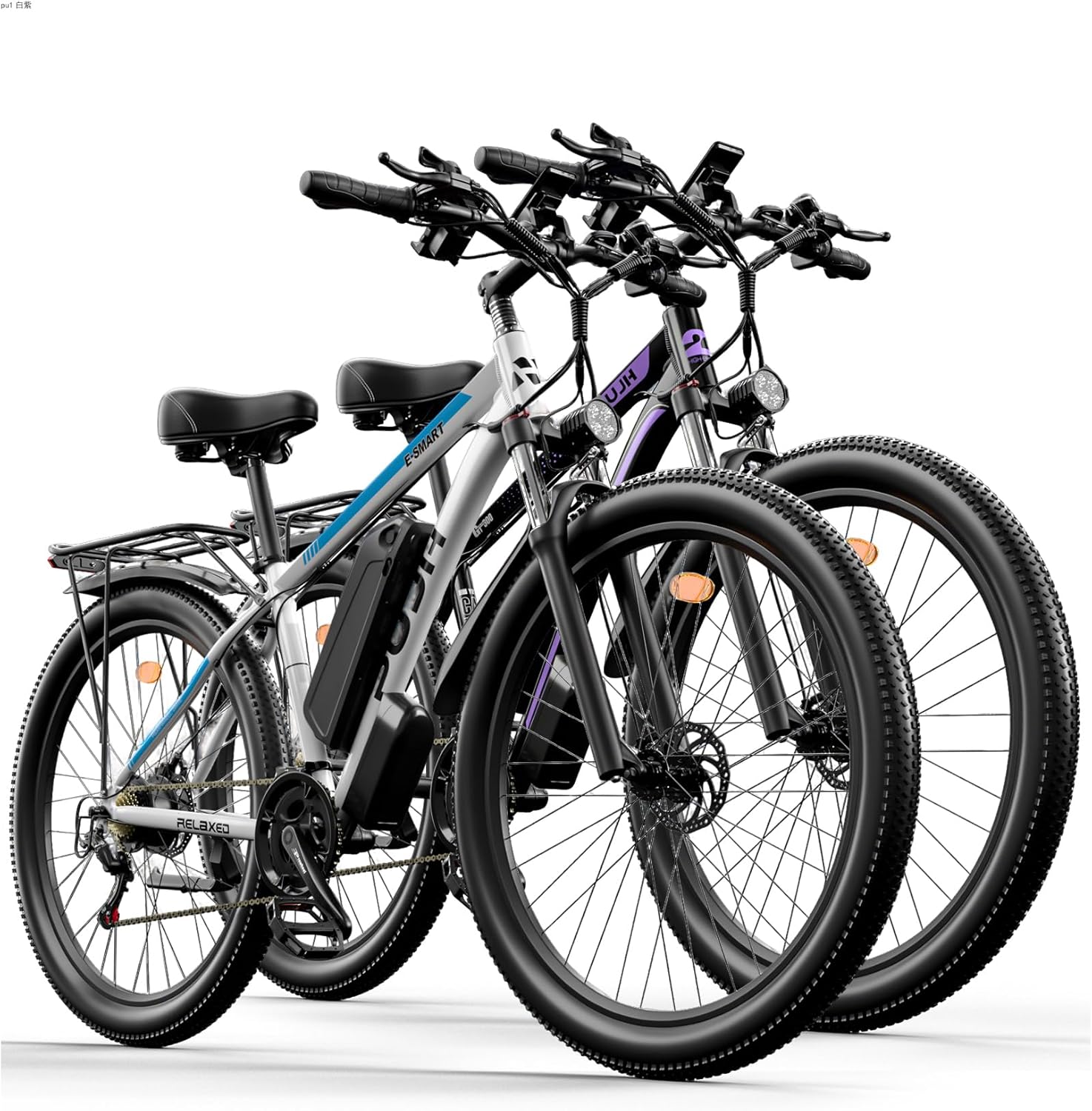
Electric bikes have revolutionized personal transportation, offering a sustainable, efficient, and fun way to commute, explore, or simply stay active. Among the various classifications, Class 2 e-bikes stand out as a versatile and accessible option for riders of all experience levels. Unlike Class 1 models that only provide pedal assist or Class 3 bikes that reach higher speeds, Class 2 e-bikes come equipped with a throttle that allows you to ride without pedaling—making them ideal for short trips, errands, or leisurely rides when you want a break from pedaling. This unique feature, combined with a top assisted speed of 20 mph, positions Class 2 e-bikes as the perfect middle ground between convenience and performance.
Whether you’re a city commuter dodging traffic, a weekend adventurer exploring local trails, or someone looking to reduce their carbon footprint without sacrificing mobility, a Class 2 e-bike can be a game-changer. However, with so many models flooding the market in 2026—from budget-friendly options to high-end machines packed with smart features—choosing the right one can feel overwhelming. That’s where this comprehensive buying guide comes in. We’ve done the research, tested the top contenders, and analyzed real-world performance to help you make an informed decision. By the end of this guide, you’ll know exactly what to look for, how to avoid common pitfalls, and which models deliver the best value for your needs.
The e-bike market has matured significantly over the past few years, with advancements in battery technology, motor efficiency, frame design, and integrated smart features. In 2026, Class 2 e-bikes are more reliable, stylish, and feature-rich than ever before. Brands are competing not just on price, but on innovation—offering longer ranges, lighter frames, better suspension, and even app connectivity. Yet, despite the progress, not all e-bikes are created equal. Some prioritize speed over comfort, others sacrifice durability for affordability. This guide will walk you through every critical factor—from motor power and battery life to build quality and warranty—so you can find a Class 2 e-bike that fits your lifestyle, budget, and expectations. Whether you’re buying your first e-bike or upgrading from an older model, this is your definitive resource.

What to Look for When Buying a Class 2 E-Bike
1. Motor Power and Performance
The motor is the heart of any e-bike, and for Class 2 models, it directly impacts how smoothly and quickly you can accelerate, especially when using the throttle. Most Class 2 e-bikes feature hub motors (located in the front or rear wheel) or mid-drive motors (mounted near the pedals). Hub motors are more common in this class due to their simplicity and lower cost, while mid-drive motors offer better weight distribution and efficiency, especially on hills.
Look for a motor rated between 250W and 750W. A 250W motor is sufficient for flat urban riding, but if you live in a hilly area or plan to carry heavy loads, opt for 500W or higher. Torque is equally important—measured in Newton-meters (Nm)—as it determines how much pulling power the motor delivers. Higher torque (40Nm+) means better hill-climbing ability and quicker acceleration from a stop. For example, a 500W motor with 50Nm of torque will handle steep inclines far better than a 350W motor with only 30Nm.
Also consider motor responsiveness. A good Class 2 e-bike should engage the throttle smoothly without jerking, and pedal assist should feel natural—not laggy or overpowering. Test rides are essential here. If possible, try accelerating from a standstill and climbing a moderate hill to assess real-world performance.
2. Battery Capacity and Range
Battery life is arguably the most critical factor for any e-bike buyer. A Class 2 e-bike’s range depends on several variables: battery capacity (measured in watt-hours, or Wh), terrain, rider weight, assist level, and whether you use the throttle frequently. Most Class 2 models come with lithium-ion batteries ranging from 360Wh to 720Wh.
For daily commuting or short errands, a 400Wh–500Wh battery typically offers 25–40 miles of range on a single charge, assuming moderate pedal assist. If you plan longer rides or rely heavily on the throttle, aim for 600Wh or more. For instance, a 720Wh battery can deliver up to 60 miles under ideal conditions, though real-world usage often reduces this to 35–50 miles.
Pay attention to battery placement and removability. A removable battery makes charging convenient—you can bring it indoors instead of leaving it exposed to weather. Some premium models even offer dual-battery systems for extended range. Also check charging time: most batteries take 4–6 hours to fully charge, but fast-charging options (2–3 hours) are becoming more common in 2026.
3. Frame Material and Build Quality
The frame is the foundation of your e-bike’s durability, weight, and ride quality. Common materials include aluminum alloy, steel, and carbon fiber. Aluminum is the most popular for Class 2 e-bikes—it’s lightweight, rust-resistant, and strong enough for daily use. High-quality aluminum frames (like 6061 or 7005) offer excellent strength-to-weight ratios and are often found in mid-range to premium models.
Steel frames are heavier but provide a smoother, more forgiving ride due to their natural vibration absorption—ideal for rough roads or long rides. However, they’re prone to rust if not properly treated. Carbon fiber is rare in Class 2 e-bikes due to cost, but some high-end models use it for ultra-lightweight builds.
Inspect welds, joints, and overall craftsmanship. A well-built frame should have clean, consistent welds and no visible cracks or deformities. Check the weight capacity too—most Class 2 e-bikes support 220–300 lbs, but if you’re near or above that limit, look for reinforced frames or models specifically rated for heavier riders.
4. Braking System
Safety starts with reliable brakes. Class 2 e-bikes, which can reach 20 mph quickly via throttle, require responsive stopping power. The two main types are mechanical disc brakes and hydraulic disc brakes. Hydraulic brakes are superior—they offer more consistent performance, better modulation (control over braking force), and require less hand effort. They’re also less affected by wet or muddy conditions.
Mechanical disc brakes are more affordable and easier to maintain but may feel grabby or require frequent adjustments. Rim brakes (like V-brakes) are outdated for e-bikes and should be avoided—they wear down quickly under the added weight and speed of an electric bike.
Look for 160mm or 180mm rotors for optimal stopping power. Some premium models include regenerative braking, which recaptures a small amount of energy during deceleration to extend range—though the benefit is minimal on most Class 2 bikes.
5. Suspension and Ride Comfort
Ride comfort is often overlooked but crucial for longer rides or uneven terrain. Class 2 e-bikes may include front suspension (fork), rear suspension, or no suspension at all. Front suspension forks absorb bumps from potholes, curbs, or gravel paths, making your ride smoother and reducing fatigue.
If you’ll be riding mostly on paved roads, a rigid fork (no suspension) is fine and keeps the bike lighter. But for mixed terrain or rough city streets, a suspension fork with 80–100mm of travel is ideal. Some models offer lockout features, allowing you to stiffen the fork for efficient pedaling on smooth surfaces.
Rear suspension is rare on Class 2 e-bikes due to weight and cost, but a few premium models include it for maximum comfort. Alternatively, look for bikes with wider tires (2.0” or more) and ergonomic saddles—these can significantly improve comfort without adding suspension complexity.
6. Display and Smart Features
The display is your interface with the e-bike, showing speed, battery level, assist mode, and sometimes navigation or ride stats. Basic LCD screens are common on budget models, while higher-end bikes feature color TFT displays with Bluetooth connectivity.
Smart features are increasingly popular in 2026. Many Class 2 e-bikes now sync with smartphone apps to track rides, monitor battery health, enable GPS anti-theft tracking, or even adjust motor output remotely. Some models include integrated lights, USB charging ports, or turn signals—small conveniences that enhance safety and usability.
Consider how intuitive the controls are. Buttons should be easy to press while riding, and the display should be readable in direct sunlight. If you plan to use your e-bike at night, ensure it has bright LED headlights and taillights—preferably with automatic activation based on ambient light.
7. Weight and Portability
Class 2 e-bikes are generally heavier than traditional bikes due to the motor and battery—typically ranging from 40 to 70 pounds. This matters if you need to carry the bike upstairs, load it into a car, or store it in a small apartment.
If portability is a priority, look for models with foldable frames. Folding e-bikes are compact and easy to transport, though they often sacrifice some ride quality and range. Non-folding models are usually sturdier and more comfortable for longer rides.
Check the bike’s dimensions when folded (if applicable) and whether it includes a carrying handle or wheels for easier transport. Some brands offer lightweight designs under 50 lbs using advanced materials, but these often come at a premium price.
8. Warranty and Customer Support
A good warranty can save you hundreds in repair costs and reflects the manufacturer’s confidence in their product. Most reputable brands offer at least a 1-year comprehensive warranty, covering the frame, motor, battery, and electronics. Premium brands may extend this to 2–3 years, with some offering lifetime frame warranties.
Pay attention to what’s covered. Battery warranties are especially important—look for at least 1 year, with some brands guaranteeing 70% capacity retention over 2 years. Avoid brands with vague or limited coverage.
Customer support matters too. Check if the company offers phone, email, or live chat support, and whether they have service centers or authorized repair shops in your area. Read user reviews about response times and repair experiences. A brand with excellent support can turn a frustrating issue into a quick fix.
Different Types of Class 2 E-Bikes
Common Buying Mistakes to Avoid
❌ Mistake: Prioritizing Price Over Quality
Why it’s bad: The cheapest e-bikes often cut corners on motor performance, battery life, and build quality. You might save $300 upfront but end up replacing the bike in a year due to motor failure or a degraded battery.
What to do instead: Set a realistic budget and focus on value, not just cost. A $1,200 e-bike with a reliable motor, good warranty, and solid reviews is often a better long-term investment than a $600 model that breaks down frequently.
❌ Mistake: Ignoring Local Laws and Regulations
Why it’s bad: Class 2 e-bikes are legal in most U.S. states, but rules vary. Some cities restrict throttle use on bike paths, while others require helmets or limit where e-bikes can ride. Violating these can result in fines or confiscation.
What to do instead: Check your state and local regulations before buying. The PeopleForBikes website offers a comprehensive state-by-state guide. Choose a bike that complies with your area’s laws to avoid legal headaches.
❌ Mistake: Not Test Riding Before Buying
Why it’s bad: E-bikes feel different from regular bikes. A model that looks great online might have uncomfortable geometry, poor weight distribution, or a jerky throttle.
What to do instead: Always test ride if possible. Visit local dealers or attend e-bike demo events. Pay attention to how the bike handles, how the throttle responds, and whether the saddle and handlebars feel right.
❌ Mistake: Overlooking Battery Replacement Costs
Why it’s bad: E-bike batteries degrade over time and typically need replacement every 3–5 years. A new battery can cost $400–$800—sometimes more than half the bike’s original price.
What to do instead: Factor in long-term ownership costs. Choose a brand with affordable, readily available replacement batteries. Some companies offer battery leasing or trade-in programs.
❌ Mistake: Buying Based on Range Claims Alone
Why it’s bad: Manufacturers often quote “ideal condition” range, which assumes flat terrain, light rider weight, and minimal throttle use. Real-world range is usually 30–50% lower.
What to do instead: Use range claims as a starting point, but read user reviews for real-world feedback. Look for bikes with conservative estimates or those that offer range extenders.
❌ Mistake: Skipping the Warranty Fine Print
Why it’s bad: Some warranties exclude common issues like battery degradation, water damage, or wear-and-tear parts. You could be stuck paying for repairs that seem like they should be covered.
What to do instead: Read the warranty document carefully. Ask the seller or manufacturer for clarification on what’s included. Prefer brands with transparent, comprehensive coverage.
❌ Mistake: Assuming All Throttles Are Equal
Why it’s bad: Throttle types vary—thumb, twist, or pedal-activated. Some are smooth and responsive; others feel abrupt or delayed. A poor throttle can make riding frustrating or unsafe.
What to do instead: Test different throttle styles during your demo ride. Choose one that feels natural and gives you precise control, especially when starting from a stop.
Budget Guidelines: How Much Should You Spend?
Entry-Level ($600–$1,000): This tier includes basic commuter and folding e-bikes from brands like Gotrax, Ancheer, or Swagtron. Expect a 250W–350W motor, 360Wh–480Wh battery, and mechanical disc brakes. Build quality is functional but not premium—frames may feel heavy, and components are entry-level. Ideal for occasional use on flat terrain. Range is typically 20–30 miles.
Mid-Range ($1,000–$1,800): The sweet spot for most buyers. Models like the Rad Power Bikes RadCity or Aventon Level offer 500W motors, 672Wh batteries, hydraulic disc brakes, and better suspension. Frames are lighter and more durable, and many include smart features like app connectivity and integrated lights. Range improves to 35–50 miles, and ride quality is noticeably better.
Premium ($1,800–$3,000): For enthusiasts and daily riders who demand reliability and performance. Brands like Trek, Specialized, and Riese & Müller dominate this space. Expect mid-drive motors, high-capacity batteries (700Wh+), advanced displays, and premium components. These bikes often include suspension, ergonomic designs, and robust warranties. Range can exceed 60 miles, and build quality is top-tier.
Luxury ($3,000+): Top-tier models with cutting-edge technology, custom builds, or ultra-lightweight materials. Examples include the Stromer ST5 or the Benno Boost E+. These bikes feature dual batteries, regenerative braking, full suspension, and luxury finishes. They’re designed for long-distance touring, high performance, and maximum comfort—but come with a steep price tag.
Expert Tips for Getting the Best Deal
1. Buy During Off-Peak Seasons: E-bike sales peak in spring and summer. Shop in late fall or winter (October–February) for discounts, clearance sales, or end-of-year promotions. Many retailers offer 10–20% off to clear inventory.
2. Consider Certified Pre-Owned or Refurbished Models: Reputable brands like Rad Power Bikes and Aventon sell certified refurbished e-bikes with full warranties at 20–40% off retail. These are thoroughly inspected and often indistinguishable from new.
3. Shop Direct from Manufacturers: Buying online from the brand (e.g., RadPowerBikes.com) often saves money compared to third-party retailers. You may also get exclusive deals, free shipping, or bundled accessories.
4. Look for Bundle Deals: Some brands offer packages that include a helmet, lock, and lights for a discounted price. These can save you $50–$150 compared to buying separately.
5. Check for Local Incentives: Several U.S. states and cities offer rebates or tax credits for e-bike purchases. California’s Clean Bike Rebate Program, for example, offers up to $1,000 off. Search “e-bike rebate [your state]” to find programs.
6. Read Return Policies Carefully: E-bikes are large and expensive, so ensure the seller offers a reasonable return window (at least 14–30 days) and covers return shipping. Avoid retailers with restocking fees or short return periods.
7. Test Ride Multiple Models: Don’t settle for the first bike that looks good. Try at least 2–3 different models to compare ride feel, comfort, and performance. A $1,500 bike might feel better than a $2,000 one.
8. Negotiate or Ask for Extras: Even online retailers may offer discounts if you ask. Email customer service and mention you’re comparing models—some will throw in free accessories or a discount to win your business.
Frequently Asked Questions
Q: What exactly is a Class 2 e-bike?
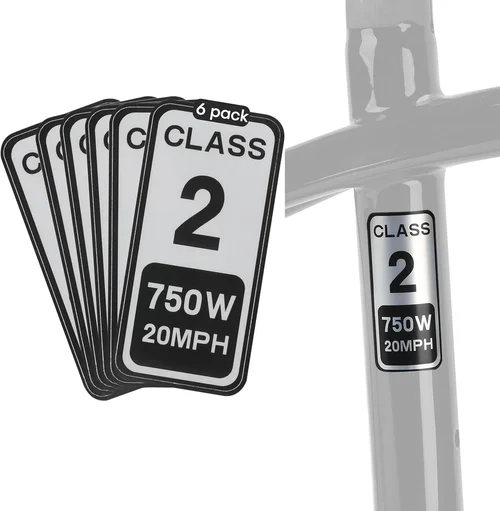
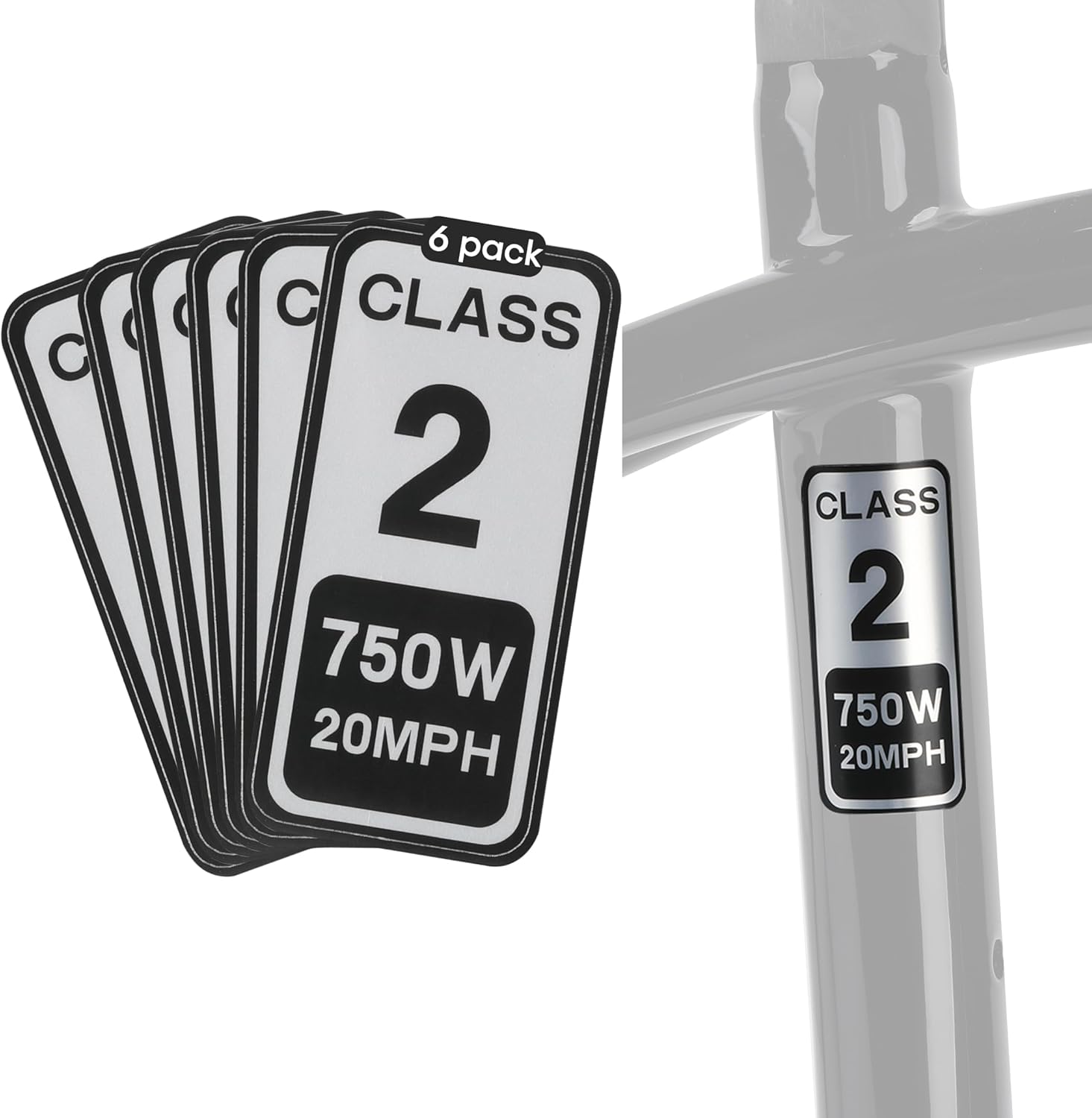
A: A Class 2 e-bike is defined by U.S. regulations as an electric bicycle with a motor that provides assistance only when the rider is pedaling or when the throttle is engaged, and that ceases to provide assistance when the bike reaches 20 mph. This class is popular for its throttle functionality, which allows riding without pedaling—ideal for short trips or when you need a break.
Q: Can I ride a Class 2 e-bike on bike paths?
A: In most states, yes—Class 2 e-bikes are allowed on bike paths and multi-use trails unless specifically prohibited by local rules. However, some cities restrict throttle use on certain paths, so always check local regulations.
Q: How long does the battery last?
A: Most e-bike batteries last 500–1,000 charge cycles before capacity drops to 70–80%. With regular use, this translates to 3–5 years. Proper care—like avoiding extreme temperatures and not draining the battery to 0%—can extend its life.
Q: Do I need a license or insurance?
A: In most U.S. states, no license, registration, or insurance is required for Class 2 e-bikes, as long as they meet federal and state definitions. However, helmet laws vary by location—some states require them for all riders, others only for minors.
Q: Can I ride in the rain?
A: Yes, most Class 2 e-bikes are designed to handle light to moderate rain. Look for IP ratings (like IP65) that indicate water resistance. Avoid submerging the bike or riding through deep puddles, as water can damage electrical components.
Q: How much maintenance do e-bikes require?
A: E-bikes need similar maintenance to regular bikes—tire pressure checks, chain lubrication, brake adjustments—plus occasional battery and motor inspections. Most issues can be handled by a local bike shop. Annual tune-ups are recommended.
Q: Are e-bikes safe?
A: Yes, when used responsibly. Always wear a helmet, follow traffic laws, and use lights at night. Choose a bike with reliable brakes and avoid riding at high speeds in crowded areas. Regular maintenance also plays a key role in safety.
Q: Can I upgrade components later?
A: Some components like tires, saddles, and lights can be upgraded easily. However, motors and batteries are typically not user-replaceable without professional help. Check compatibility before making upgrades.
Q: What’s the difference between pedal assist and throttle?
A: Pedal assist (PAS) provides motor power only when you’re pedaling, and the level of assistance can be adjusted. Throttle allows you to ride without pedaling at all—like a motorcycle. Class 2 e-bikes have both.
Q: How do I charge the battery?
A: Most e-bikes come with a standard wall charger. Simply plug the battery into the charger and then into an outlet. Charging takes 4–6 hours. Always use the manufacturer’s charger to avoid damage.
Our Final Recommendations
Best for Budget-Conscious Buyers: Gotrax EBOSS – At under $800, this Class 2 e-bike offers a 350W motor, 36V 10.4Ah battery (374Wh), and a top speed of 20 mph. It’s lightweight, foldable, and great for short commutes. While it lacks hydraulic brakes and has a basic display, it’s a solid entry point for new riders.
Best Overall Value: Rad Power Bikes RadCity 5 Plus – Priced around $1,699, this commuter e-bike delivers a 750W motor, 672Wh battery, hydraulic disc brakes, and a comfortable step-through frame. With a 45-mile range and excellent customer support, it’s a reliable, feature-packed choice for daily use.
Best Premium Option: Aventon Aventure.2 – At $2,199, this hybrid e-bike combines a 750W motor, 720Wh battery, full suspension, and a sleek design. It excels on both pavement and light trails, with a color display, app connectivity, and premium components. Ideal for riders who want performance and style.
Best for Beginners: Swagtron EB7 Plus – This $899 folding e-bike is easy to handle, with a simple throttle, 350W motor, and 36V 12.5Ah battery. Its compact size and intuitive controls make it perfect for first-time e-bike riders or apartment dwellers.
Best for Advanced Users: Trek Allant+ 7S – At $3,299, this is a high-performance Class 2 e-bike with a Bosch Performance Line motor, 625Wh battery, and advanced geometry. It’s built for long rides, steep hills, and serious commuters who demand reliability and precision.
Conclusion: Making the Right Choice
Choosing the best Class 2 e-bike in 2026 doesn’t have to be overwhelming. By focusing on your specific needs—whether it’s daily commuting, weekend adventures, or simply getting around town with ease—you can narrow down your options and find a model that fits your lifestyle and budget. Remember to prioritize key factors like motor power, battery life, build quality, and safety features, and don’t skip the test ride.
Avoid common pitfalls like buying solely on price or ignoring local laws, and take advantage of seasonal deals and rebates to maximize value. Whether you’re a first-time buyer or upgrading from an older model, the right Class 2 e-bike can transform your mobility, reduce your environmental impact, and bring joy to your daily routine.
Ultimately, the best e-bike is the one you’ll actually ride. So take your time, do your research, and choose wisely. With the insights from this guide, you’re well-equipped to make a confident, informed decision. Happy riding!