
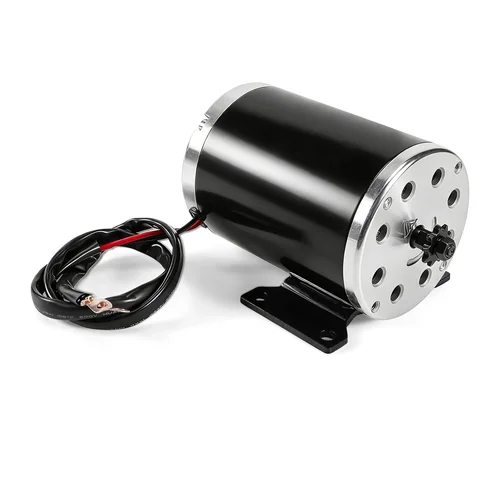
Electric bikes have evolved from niche novelties into mainstream transportation solutions, and at the heart of every great e-bike is a powerful, efficient motor. Whether you’re commuting through city streets, tackling mountain trails, or simply enjoying weekend rides, the motor determines how smoothly, safely, and enjoyably your ride unfolds. With so many options flooding the market in 2026—from budget-friendly hub motors to high-torque mid-drives—it’s easy to feel overwhelmed. That’s why this guide exists: to cut through the noise, clarify the technical jargon, and help you make an informed decision that matches your lifestyle, terrain, and riding goals.
In this comprehensive buying guide, you’ll learn everything you need to know about e-bike motors—what they do, how they differ, and which specs truly matter. We’ll break down key factors like power output, torque, motor placement, efficiency, and durability, so you can compare models with confidence. You’ll also discover the pros and cons of different motor types, avoid common purchasing pitfalls, and get expert-backed recommendations tailored to various budgets and use cases. By the end, you won’t just know which motor to buy—you’ll understand why it’s the right choice for you.
The e-bike motor market in 2026 is more dynamic than ever. Major brands like Bosch, Shimano, Bafang, and Yamaha continue to innovate, while newer players like TQ and Mahle are pushing boundaries in lightweight design and smart integration. Meanwhile, direct-to-consumer brands and DIY kits have made customization more accessible. With regulations evolving globally and battery technology improving in tandem, now is an excellent time to invest in an e-bike—but only if you choose the right motor. This guide will ensure you do exactly that.

What to Look for When Buying E-Bike Motors
1. Motor Power (Watts)
Motor power, measured in watts (W), is one of the most visible—and often misunderstood—specs on an e-bike. In simple terms, wattage indicates how much energy the motor can deliver. Higher wattage generally means more speed and climbing ability, but it’s not the whole story.
In the U.S., federal law caps e-bike motors at 750W for Class 1 and Class 3 bikes (though some states allow higher limits). In Europe, the limit is typically 250W with a speed cap of 25 km/h (15.5 mph). However, many manufacturers design motors that can briefly exceed these limits under load—especially for off-road or performance models.
For casual city commuting on flat terrain, a 250W–500W motor is usually sufficient. If you plan to haul cargo, ride uphill frequently, or want faster acceleration, consider 750W or higher. Keep in mind that higher wattage drains your battery faster and may reduce range. Also, check local regulations—some areas restrict motor power or require registration for bikes over certain thresholds.
2. Torque (Nm)
While wattage tells you about peak power, torque—measured in Newton-meters (Nm)—reveals how much rotational force the motor applies to the wheel or crank. This is crucial for acceleration, hill climbing, and carrying heavy loads.
For example, a motor with 80 Nm of torque will feel significantly stronger when starting from a stop or climbing a steep incline compared to one with 40 Nm, even if both are rated at 750W. Mid-drive motors typically offer higher torque because they leverage the bike’s gears, multiplying force efficiently. Hub motors, especially direct-drive types, often have lower torque unless specifically designed for it (like geared hub motors).
If you live in a hilly area, ride with kids or groceries, or enjoy trail riding, prioritize torque over raw wattage. Look for motors delivering at least 60–80 Nm for robust performance. Commuters on flat roads may get away with 40–50 Nm, but more is always better for responsiveness.
3. Motor Placement: Hub vs. Mid-Drive
This is arguably the most important decision when choosing an e-bike motor. There are two primary types: hub motors (mounted in the front or rear wheel) and mid-drive motors (integrated near the bottom bracket, driving the crankset).
Hub Motors are simpler, cheaper, and require less maintenance. Rear hub motors are most common and provide direct propulsion, making them great for casual riders. Front hubs can improve traction in slippery conditions but may affect steering feel. Hub motors work independently of the drivetrain, so they don’t wear out your chain or cassette as quickly.
Mid-Drive Motors, on the other hand, are considered the gold standard for performance. By powering the crank, they use the bike’s existing gears, allowing for smoother power delivery, better efficiency, and superior hill-climbing ability. They also keep weight centered low and between the wheels, improving balance and handling—especially on trails or during sharp turns.
However, mid-drives are more expensive, complex, and can increase wear on drivetrain components. They’re also less common on entry-level bikes. For serious riders, mountain bikers, or those who value efficiency and control, a mid-drive is worth the investment.
4. Battery Compatibility & Efficiency
Your motor doesn’t operate in isolation—it relies entirely on the battery. A high-performance motor paired with a weak or incompatible battery will underperform and drain quickly. Always check voltage (usually 36V or 48V) and amp-hour (Ah) ratings to ensure synergy.
Most modern e-bikes use lithium-ion batteries, but capacity varies widely. A 48V 13Ah battery (624Wh) will last longer than a 36V 10Ah (360Wh) under the same load. Efficiency also depends on motor design: brushless motors are quieter and more efficient than brushed ones, and regenerative braking (rare on e-bikes but emerging) can slightly extend range.
Look for motors with smart power management systems that adjust output based on pedal input, terrain, and rider preference. Some brands, like Bosch and Shimano, offer integrated systems where the motor, battery, and display communicate seamlessly for optimal performance.
5. Build Quality & Durability
An e-bike motor isn’t just a component—it’s a long-term investment. Cheap motors may save you money upfront but fail prematurely under stress, especially in wet, muddy, or high-load conditions.
Check for IP ratings (Ingress Protection): IP65 or higher means dust-tight and protected against water jets—ideal for all-weather riding. Sealed bearings, corrosion-resistant materials, and robust housings indicate better longevity.
Also consider heat dissipation. Motors that overheat throttle power to protect themselves, reducing performance mid-ride. Premium motors often include thermal sensors and cooling fins to maintain consistent output.
Brand reputation plays a role here too. Established manufacturers like Bosch, Yamaha, and Bafang have rigorous testing protocols and proven track records. Avoid no-name motors from unknown suppliers unless you’re comfortable with potential reliability risks.
6. Pedal Assist vs. Throttle Modes
Most e-bikes offer pedal assist (PAS), where the motor amplifies your pedaling effort. Levels typically range from Eco (minimal assist) to Turbo (maximum boost). Some bikes also include a throttle—a button or twist-grip that powers the motor without pedaling.
Throttles are convenient for quick starts or resting your legs, but they consume more battery and aren’t legal everywhere (e.g., banned in parts of Europe). Pedal assist is more efficient and encourages active riding, which is better for fitness and range.
When evaluating motors, check how responsive the PAS system is. Does it engage smoothly? Is there lag between pedaling and motor response? High-end systems use torque sensors (which measure how hard you’re pedaling) rather than just cadence sensors (which detect pedal rotation), resulting in a more natural, intuitive feel.
7. Noise Level & Ride Feel
Nobody wants a noisy, jerky motor ruining their ride. Brushless motors are inherently quieter than brushed ones, but even among brushless designs, noise varies.
Hub motors tend to be quieter at low speeds but can produce a noticeable whine under load. Mid-drives may emit a low hum but generally feel smoother due to gear integration. Listen to demo rides or watch video reviews to gauge noise levels—some brands advertise “silent” operation, but real-world performance may differ.
Ride feel is subjective but critical. A good motor should feel like a natural extension of your effort—not a sudden jolt or a sluggish drag. Test rides are invaluable here. If possible, try multiple bikes back-to-back to compare how each motor responds to your pedaling style.
8. Brand Reputation & Ecosystem Integration
Not all motors are created equal—even if they share similar specs. Reputable brands invest in R&D, quality control, and customer support. They also often build ecosystems: compatible displays, apps, diagnostics, and service networks.
For instance, Bosch’s Performance Line motors come with intuitive displays, smartphone connectivity, and extensive dealer support. Shimano’s STEPS system integrates seamlessly with their drivetrains. Bafang offers great value but may lack the polish of premium brands.
Consider future-proofing: Will replacement parts be available in 3–5 years? Is there a local service center? Can you upgrade components later? Choosing a well-supported brand reduces long-term headaches.
Different Types of E-Bike Motors

Common Buying Mistakes to Avoid
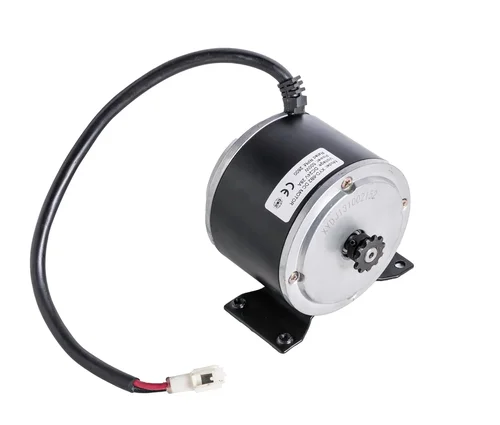
❌ Mistake: Focusing Only on Wattage
Why it’s bad: Wattage alone doesn’t tell you how a motor performs in real-world conditions. A 1000W hub motor might struggle on hills compared to a 750W mid-drive with higher torque. Overemphasizing wattage can lead to poor choices that don’t match your needs.
What to do instead: Look at the full picture: torque, motor type, efficiency, and rider reviews. Prioritize torque and placement over raw power numbers.
❌ Mistake: Ignoring Local Laws and Regulations
Why it’s bad: Riding an e-bike with a 1000W motor in a region where the limit is 750W could result in fines, confiscation, or insurance issues. Some areas also restrict throttle use or require helmets and licenses.
What to do instead: Research your local e-bike laws before buying. Choose a compliant motor that fits within legal limits while still meeting your performance needs.
❌ Mistake: Choosing Based Solely on Price
Why it’s bad: The cheapest motor often means compromised build quality, poor efficiency, and limited support. You may end up replacing it sooner, costing more in the long run.
What to do instead: Set a realistic budget that balances upfront cost with long-term value. Consider total cost of ownership, including maintenance and battery life.
❌ Mistake: Overlooking Battery Compatibility
Why it’s bad: A high-end motor paired with a low-capacity or mismatched battery will underperform and drain quickly. Voltage mismatches can even damage components.
What to do instead: Ensure your motor and battery are designed to work together. Check voltage, connector type, and manufacturer recommendations.
❌ Mistake: Skipping Test Rides
Why it’s bad: Specs on paper don’t reveal how a motor feels during actual riding. Laggy response, excessive noise, or poor ergonomics can ruin the experience.
What to do instead: Always test ride before purchasing. Pay attention to acceleration, hill performance, and how natural the assist feels.
❌ Mistake: Neglecting Warranty and Support
Why it’s bad: Motors can fail, especially under heavy use. Without a solid warranty or accessible service, repairs can be costly and time-consuming.
What to do instead: Choose brands with at least a 2-year motor warranty and local service options. Read the fine print—some warranties exclude certain conditions.
Budget Guidelines: How Much Should You Spend?
Entry-Level ($600–$1,200):
At this price, expect basic rear hub motors (often 250W–500W) with modest torque (30–50 Nm). Bikes may use cadence sensors instead of torque sensors, resulting in less responsive assist. Build quality varies—look for reputable budget brands like Aventon, Rad Power Bikes, or Lectric. Ideal for flat-city commuting under 10 miles round-trip.
Mid-Range ($1,200–$2,500):
This is the sweet spot for most riders. You’ll find better hub motors (500W–750W, 50–70 Nm) or entry-level mid-drives (e.g., Bafang M420, Shimano E6100). Torque sensors become more common, and batteries are larger (48V 13–17Ah). Brands like Trek, Specialized, and Gazelle offer reliable options here.
Premium ($2,500–$5,000):
High-performance mid-drive motors dominate this tier (Bosch Performance Line, Shimano EP8, Yamaha PW-X3). Expect 75–90 Nm torque, smart displays, app integration, and excellent durability. These bikes handle hills, cargo, and long distances with ease. Great for enthusiasts, commuters with challenging routes, or weekend adventurers.
Luxury ($5,000+):
Top-tier motors like Bosch CX Gen 4, TQ HPR 120S, or custom builds offer cutting-edge tech: ultra-lightweight designs, whisper-quiet operation, advanced diagnostics, and seamless integration. Often found on high-end mountain, gravel, or touring e-bikes. Reserved for serious riders who demand the absolute best.
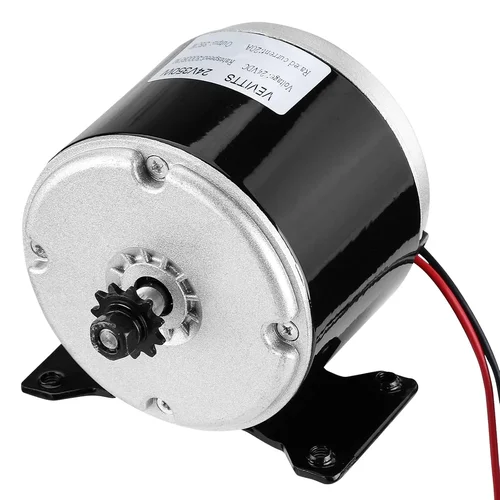
Expert Tips for Getting the Best Deal
– Buy during off-season sales: Late fall and winter often bring discounts as retailers clear inventory for new models. Black Friday and post-holiday sales are prime times.
– Consider certified pre-owned: Many brands offer refurbished e-bikes with warranties at 20–40% off retail. Great way to access premium motors affordably.
– Check manufacturer rebates: Some companies (like Rad Power Bikes) run seasonal promotions or bundle deals with accessories.
– Negotiate with local dealers: Independent bike shops may offer price matching, free tune-ups, or accessory credits if you ask.
– Read return policies carefully: Ensure you can return or exchange if the motor doesn’t meet expectations. Some online retailers charge restocking fees.
– Join rider communities: Forums like Reddit’s r/ebikes or Facebook groups often share exclusive discount codes or flash sales.
– Prioritize serviceability: Choose a motor with widely available parts and local technician support. Avoid obscure brands with no service network.
– Look for bundled warranties: Some retailers extend motor warranties when you buy through them—sometimes up to 3 years.

Frequently Asked Questions
Q: Can I upgrade my e-bike motor later?
A: Generally, no—motors are deeply integrated into the frame and electrical system. Swapping requires matching battery voltage, controller compatibility, and physical mounting. It’s usually more cost-effective to buy the right motor from the start.
Q: Do higher wattage motors drain the battery faster?
A: Yes, especially if used at maximum output. However, efficient motors (like mid-drives) use power more intelligently, so real-world drain depends on riding style, terrain, and assist level.
Q: Are mid-drive motors worth the extra cost?
A: For most serious riders—yes. They offer better efficiency, handling, and hill performance. But if you ride mostly flat terrain and prioritize simplicity, a quality hub motor may suffice.
Q: How long do e-bike motors last?
A: With proper maintenance, most brushless motors last 5,000–10,000+ miles. Mid-drives may require more drivetrain upkeep, but the motor itself is durable. Warranties typically cover 2 years.
Q: Can I ride an e-bike without the motor?
A: Absolutely. E-bikes are regular bikes when the battery dies—though they’re heavier, so pedaling unassisted requires more effort.
Q: Is a front or rear hub motor better?
A: Rear hubs are more common and provide better traction and stability. Front hubs can improve grip in snow or mud but may affect steering. Most riders prefer rear hubs for daily use.
Q: Do I need a special license for a high-wattage motor?
A: In most U.S. states, no—if the bike meets Class 1, 2, or 3 definitions (≤750W, speed-limited). Check local laws; some countries require registration for motors over 250W.
Q: What’s the difference between cadence and torque sensors?
A: Cadence sensors detect pedal rotation and provide assist based on speed. Torque sensors measure how hard you’re pedaling, delivering proportional power for a more natural feel. Torque sensors are preferred for performance riding.
Our Final Recommendations
Best for Budget-Conscious Buyers:
Rad Power Bikes RadCity 5 Plus – Features a 750W rear hub motor with 80 Nm torque, excellent for city commuting. Great value, reliable, and backed by strong customer support.
Best Overall Value:
Trek Allant+ 7S – Equipped with a Shimano EP8 mid-drive (85 Nm), this bike balances performance, comfort, and build quality. Ideal for mixed terrain and daily use.
Best Premium Option:
Specialized Turbo Levo SL Comp – Uses the lightweight TQ HPR 50 motor (50 Nm) for trail-ready agility. Perfect for riders who want high-end performance without the bulk of a full-power eMTB.
Best for Beginners:
Aventon Level.2 – Simple 750W rear hub motor, intuitive controls, and affordable price. Great entry point with room to grow.
Best for Advanced Users:
Bosch Performance Line CX Gen 4 (on Canyon Spectral:ON) – Delivers 85 Nm torque, smart connectivity, and unmatched hill-climbing prowess. Built for demanding trails and long adventures.
Conclusion: Making the Right Choice
Choosing the right e-bike motor isn’t just about specs—it’s about aligning technology with your lifestyle. Whether you’re navigating urban grids, conquering mountain passes, or simply seeking a greener way to get around, the motor defines your ride’s character. By understanding key factors like torque, placement, efficiency, and build quality, you can cut through marketing hype and find a system that truly serves your needs.
Remember: the “best” motor is the one that feels right for you. Test rides, research, and realistic budgeting will guide you there. Don’t rush—invest in quality, prioritize support, and consider long-term value over short-term savings. With the insights from this guide, you’re now equipped to make a confident, informed decision.
Your perfect e-bike awaits. Ride smart, ride safe, and enjoy the journey.