
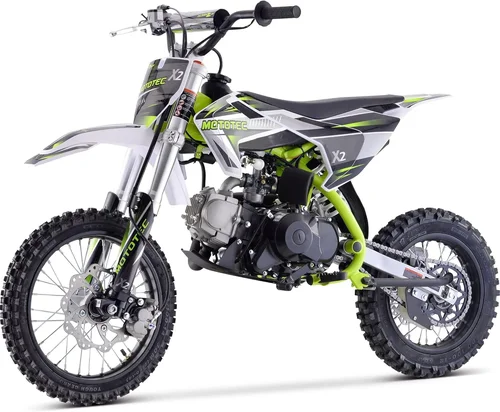
Electric dirt bikes for adults have exploded in popularity over the past few years, and for good reason. They combine the thrill of off-road riding with eco-friendly technology, quiet operation, and lower maintenance costs compared to traditional gas-powered bikes. Whether you’re an adrenaline junkie looking to tear up trails, a weekend warrior exploring backcountry terrain, or someone seeking a sustainable alternative to combustion engines, e-dirt bikes offer a compelling mix of performance, convenience, and innovation.
But with so many models flooding the market—ranging from budget-friendly entry-level options to high-performance machines rivaling professional motocross bikes—choosing the right one can feel overwhelming. That’s where this comprehensive buying guide comes in. We’ve tested, researched, and analyzed dozens of electric dirt bikes to help you make an informed decision. In this guide, you’ll learn exactly what to look for, how to avoid common pitfalls, and which models deliver the best value for your needs and budget. From motor power and battery life to build quality and brand reliability, we’ll break down every critical factor so you can ride confidently into 2025 and beyond.
The electric dirt bike market has matured significantly since its early days. What once consisted of clunky, underpowered prototypes now includes sleek, powerful machines capable of handling everything from casual trail rides to competitive racing. Major brands like Sur Ron, KTM, Zero Motorcycles, and Cake have entered the fray, while innovative startups continue pushing the boundaries of battery efficiency and motor design. With advancements in lithium-ion technology, regenerative braking, and smart connectivity features, today’s e-dirt bikes are more capable than ever. This guide will help you navigate this evolving landscape and find the perfect electric dirt bike that matches your riding style, terrain, and financial goals.

What to Look for When Buying an E Dirt Bike for Adults
1. Motor Power & Performance
The heart of any electric dirt bike is its motor. Unlike gas engines that rely on displacement and RPMs, electric motors deliver instant torque—meaning maximum power is available the moment you twist the throttle. When evaluating motor performance, focus on two key metrics: peak power (measured in kilowatts or horsepower) and continuous power output. For adult riders, a motor with at least 5–10 kW of peak power is ideal for trail riding, while serious off-road enthusiasts or those tackling steep hills may want 15 kW or more.
Also consider motor type: hub motors are simpler and cheaper but can overheat under heavy load, while mid-drive motors (mounted near the crankset) offer better weight distribution and efficiency, especially on technical terrain. Real-world performance matters more than specs alone—look for bikes that maintain consistent power even when climbing or carrying extra weight. For example, the Sur Ron Light Bee X delivers 12 kW peak power and handles rocky trails with ease, making it a favorite among intermediate riders.
2. Battery Capacity & Range
Battery technology is arguably the most critical factor in an e-dirt bike’s usability. Measured in watt-hours (Wh), battery capacity determines how far you can ride on a single charge. A 2,000–3,000 Wh battery typically provides 30–60 miles of range, depending on terrain, rider weight, and riding style. Aggressive off-roading drains batteries faster than smooth trail cruising, so always factor in your intended use.
Look for removable batteries if you plan on long rides or frequent charging away from home—they allow you to swap in a fresh pack instead of waiting hours to recharge. Fast-charging capability (e.g., 0–80% in under 2 hours) is another major plus. Lithium iron phosphate (LiFePO4) batteries are gaining traction due to their longer lifespan and safety, though they’re heavier than standard lithium-ion. Brands like Zero Motorcycles use proprietary battery systems optimized for thermal management and longevity, which can justify a higher price tag.
3. Build Quality & Durability
Off-road riding is inherently tough on equipment. Your e-dirt bike must withstand mud, rocks, jumps, and repeated impacts without failing. Start by examining the frame material—high-tensile steel or aluminum alloy frames offer the best balance of strength and weight. Avoid plastic-heavy builds or flimsy welds, as these are red flags for poor construction.
Suspension quality is equally important. Look for adjustable front forks and rear shocks with at least 8–10 inches of travel for serious trail use. Quality components from brands like Showa, Öhlins, or WP Suspension indicate a bike built to last. Additionally, check IP ratings for water and dust resistance—IP67 means the bike can handle submersion in shallow water, which is crucial for muddy or wet conditions. The KTM Freeride E-XC, for instance, features a robust chromoly steel frame and fully adjustable suspension, making it a top choice for rugged environments.
4. Weight & Portability
Electric dirt bikes are generally heavier than their gas counterparts due to battery packs, but weight distribution plays a huge role in handling. Most adult e-dirt bikes weigh between 110 and 160 pounds. Lighter models (under 130 lbs) are easier to maneuver on tight trails and simpler to load onto trucks or trailers, while heavier bikes may offer better stability at high speeds but can be cumbersome in technical sections.
If you plan to transport your bike frequently, consider foldable handlebars, quick-release wheels, or integrated tie-down points. Some models, like the Cake Kalk&, are designed with minimalism and portability in mind, weighing just 150 lbs despite their rugged build. Always test how the bike feels when lifting or pushing it—ergonomics matter just as much as raw weight.
5. Features & Functionality
Modern e-dirt bikes come packed with tech features that enhance safety, performance, and convenience. Regenerative braking recovers energy during deceleration, extending range—especially useful on downhill sections. Multiple ride modes (Eco, Trail, Sport, Race) let you tailor power delivery to your skill level and terrain. For beginners, Eco mode limits top speed and throttle response, while advanced riders can unlock full performance in Race mode.
Other valuable features include LED lighting for night riding, smartphone connectivity via Bluetooth (for tracking stats or adjusting settings), and digital dashboards with real-time data like speed, battery level, and trip distance. Some premium models even offer GPS navigation and anti-theft tracking. While not essential, these extras can significantly improve your riding experience and justify a higher price point.
6. Brand Reputation & Ecosystem
Not all e-dirt bike brands are created equal. Established manufacturers like KTM, Husqvarna, and Zero Motorcycles have decades of motorcycle engineering experience and global service networks. They often provide better parts availability, software updates, and customer support. Emerging brands like Sur Ron and Talaria have earned strong reputations through performance and value, but their long-term reliability and resale value may be less proven.
Consider the brand’s ecosystem: Do they offer compatible accessories (batteries, chargers, gear)? Is there a community of users for troubleshooting and mods? A strong brand ecosystem adds long-term value and peace of mind. For example, Zero Motorcycles offers nationwide service centers and over-the-air firmware updates, while Sur Ron has a vibrant aftermarket scene with custom parts and tuning options.
7. Warranty & Customer Support
A solid warranty protects your investment and reflects the manufacturer’s confidence in their product. Look for at least a 1–2 year comprehensive warranty covering the motor, battery, and frame. Battery warranties are especially important—many brands offer 2–3 years or 1,000+ charge cycles, whichever comes first. Avoid brands with vague or limited coverage.
Customer support matters too. Can you easily reach a human for help? Are replacement parts readily available? Read user reviews about post-purchase experiences. Brands like Cake and Zero are praised for responsive support, while some budget brands may leave you stranded with slow or nonexistent service. Always check return policies and whether the seller offers in-person demos or trial periods.
8. User Reviews & Real-World Feedback
Specs on a spec sheet don’t always reflect real-world performance. User reviews—especially from verified purchasers—reveal insights about reliability, comfort, and hidden flaws. Pay attention to recurring themes: Do multiple users report battery degradation after six months? Are complaints about poor suspension tuning common? Forums like Reddit’s r/electricbikes or specialized sites like Electric Bike Report offer unfiltered opinions.
Video reviews are also invaluable. Watching someone ride the bike over rocks, logs, and hills gives you a sense of its capabilities that photos and specs can’t match. Look for long-term reviews (6+ months) to assess durability. Remember: a bike that looks great in a studio demo might struggle in muddy conditions or fail under sustained load.
Different Types of E Dirt Bikes for Adults

Common Buying Mistakes to Avoid
❌ Mistake: Prioritizing Price Over Performance
Why it’s bad: Buying the cheapest e-dirt bike often means sacrificing motor power, battery life, and build quality. A $1,500 bike might look tempting, but it could overheat on hills, have a range of only 15 miles, or break after a few rides. You’ll end up spending more on repairs or replacements.
What to do instead: Set a realistic budget based on your usage. If you plan to ride weekly or tackle challenging terrain, invest in a mid-range or premium model. Think of it as a long-term investment—quality bikes last years and hold resale value.
❌ Mistake: Ignoring Battery Realities
Why it’s bad: Manufacturers often advertise “up to” range figures under ideal conditions (flat terrain, light rider, eco mode). In reality, aggressive riding can cut range by 40–50%. Running out of juice in the middle of nowhere is frustrating and potentially dangerous.
What to do instead: Always plan for 30–40% less range than advertised. Carry a spare battery if possible, or choose a model with swappable packs. Check if the bike supports fast charging—this can save hours on long trips.
❌ Mistake: Overlooking Suspension and Handling
Why it’s bad: A powerful motor means nothing if the bike can’t handle bumps, jumps, or uneven ground. Poor suspension leads to loss of control, rider fatigue, and increased risk of injury—especially for heavier adult riders.
What to do instead: Test ride if possible, or watch detailed suspension reviews. Look for adjustable preload, compression, and rebound damping. Heavier riders (over 200 lbs) should prioritize bikes with reinforced suspension and higher spring rates.
❌ Mistake: Assuming All E-Bikes Are Quiet
Why it’s bad: While e-dirt bikes are quieter than gas bikes, some still produce noticeable whine from the motor or drivetrain. In noise-sensitive areas (state parks, residential zones), this can lead to complaints or access restrictions.
What to do instead: Research decibel levels and user reports. Brands like Cake emphasize ultra-quiet operation for stealth riding. If noise is a concern, avoid models with loud gear-driven systems.
❌ Mistake: Skipping the Warranty Check
Why it’s bad: Batteries degrade over time, and motors can fail. Without a solid warranty, you’re stuck paying hundreds—or thousands—for replacements. Some brands exclude batteries from coverage entirely.
What to do instead: Read the fine print. Ensure the battery has at least a 2-year warranty. Prefer brands that cover both parts and labor, and check if warranty is transferable (important for resale).
❌ Mistake: Not Considering Terrain Compatibility
Why it’s bad: A bike optimized for smooth trails will struggle in deep mud, sand, or rocky terrain. Conversely, a race-focused motocross bike may be too stiff and uncomfortable for casual riding.
What to do instead: Match the bike to your primary terrain. Trail bikes need good ground clearance and soft suspension; enduro bikes require long range and durability; motocross bikes demand lightweight and high power.
❌ Mistake: Buying Without Test Riding
Why it’s bad: Specs don’t tell the whole story. How the bike feels under throttle, during braking, or over obstacles is impossible to gauge from a website. A poorly balanced bike can be unsafe or uncomfortable.
What to do instead: Attend demo days, rent before buying, or buy from retailers with generous return policies. If that’s not possible, rely on detailed video reviews from trusted sources.
Budget Guidelines: How Much Should You Spend?
Entry-Level ($2,000 – $4,500):
This tier includes models like the Sur Ron LBX and Talaria Sting. Expect decent performance for light trail use, with 5–8 kW motors and 2–3 kWh batteries. Build quality is generally good, but suspension and components may be basic. Ideal for beginners or casual riders who don’t need extreme range or power. Downsides include limited service networks and shorter battery lifespans.
Mid-Range ($4,500 – $8,000):
The sweet spot for most adult riders. Bikes like the Zero FX and Cake Kalk OR offer 10–15 kW power, 3–5 kWh batteries, and upgraded suspension. You’ll get better durability, more ride modes, and improved range (40–70 miles). These bikes handle technical trails well and often include removable batteries and fast charging. Great balance of performance, features, and value.
Premium ($8,000 – $15,000):
For serious off-road enthusiasts and weekend warriors. Models like the KTM Freeride E-XC and Husqvarna EE 5 feature race-derived components, advanced battery management, and top-tier suspension. Expect 15–20 kW power, 5–7 kWh batteries, and professional-grade build quality. These bikes are built to last and perform in extreme conditions, with excellent dealer support and resale value.
Luxury ($15,000+):
Top-tier machines like the Zero SR/F or custom-built electric motocross bikes. These offer cutting-edge tech, ultra-lightweight frames, and maximum performance. Often used in competition or by professionals, they come with premium materials, bespoke tuning, and extensive connectivity features. Only recommended for experienced riders with high demands and deep pockets.
Expert Tips for Getting the Best Deal
- Buy during off-season sales: Late fall and winter are ideal times to purchase, as dealers clear inventory for new models. Look for discounts of 10–20% on previous-year bikes.
- Shop authorized dealers: While third-party sellers may offer lower prices, authorized dealers provide better warranties, service, and support. They’re also more likely to honor recalls and software updates.
- Negotiate extras: Ask for free gear (helmet, gloves), extended warranties, or discounted spare batteries. Many dealers are willing to bundle items to close a sale.
- Check for rebates and incentives: Some states and utility companies offer rebates for electric vehicles, including e-bikes. California, for example, has clean vehicle rebate programs that can save you hundreds.
- Consider certified pre-owned: High-end e-dirt bikes hold value well. A lightly used Zero or KTM can save you $2,000–$4,000 while still offering years of reliable service.
- Read the return policy carefully: Ensure you can return or exchange the bike within 14–30 days if it doesn’t meet expectations. Some online retailers charge restocking fees or exclude electric bikes from returns.
- Join owner communities: Forums and Facebook groups often share exclusive discount codes, group buys, or early access to sales. Members also provide honest feedback and troubleshooting tips.
- Test ride multiple models: If possible, try at least two or three bikes before deciding. Handling, ergonomics, and throttle response vary widely—even between bikes with similar specs.

Frequently Asked Questions
Q: Are electric dirt bikes street legal?
A: It depends on the model and local laws. Most e-dirt bikes are designed for off-road use only and lack turn signals, mirrors, and license plate mounts required for street legality. However, some models like the Zero FX/S can be made street-legal with aftermarket kits and registration. Always check your state or country’s regulations before riding on public roads.
Q: How long do e-dirt bike batteries last?
A: A well-maintained lithium-ion battery typically lasts 500–1,000 full charge cycles, which translates to 2–5 years of regular use. Capacity gradually declines over time—expect about 20% loss after 3 years. Proper care (avoiding deep discharges, storing at 50% charge, and keeping cool) extends lifespan significantly.
Q: Can I ride an e-dirt bike in the rain?
A: Yes, but with caution. Most quality e-dirt bikes have IP65 or higher ratings, meaning they’re protected against water jets and dust. Avoid submerging the bike or riding through deep puddles. After wet rides, dry the bike thoroughly and check connectors for moisture.
Q: Do e-dirt bikes require less maintenance than gas bikes?
A: Absolutely. No oil changes, air filters, or spark plugs. However, you still need to maintain tires, brakes, suspension, and drivetrain components. Battery health and firmware updates also require attention. Overall, maintenance costs are 50–70% lower than gas bikes.
Q: What’s the difference between hub and mid-drive motors?
A: Hub motors are built into the wheel (usually rear), offering simplicity and low cost but can overheat and reduce handling. Mid-drive motors are mounted near the pedals (or crank), providing better weight balance, efficiency on hills, and compatibility with gears. For serious off-roading, mid-drive is preferred.
Q: Can I upgrade the battery on my e-dirt bike?
A: Some brands allow it—Sur Ron and Talaria offer higher-capacity battery upgrades. Others, like Zero, use proprietary systems that limit upgrades. Check compatibility before purchasing. Upgrading can add range but may void the warranty.
Q: Are e-dirt bikes safe for beginners?
A: Yes, especially with adjustable ride modes. Start in Eco or Trail mode to limit power and speed. Wear full protective gear, take a riding course, and practice in open areas before hitting technical trails. Many beginners find e-bikes easier to control due to instant torque and smooth power delivery.
Q: How fast do e-dirt bikes go?
A: Speeds vary widely. Entry-level models top out at 35–45 mph, while high-performance bikes like the Zero SR/F can exceed 100 mph. Most trail-focused bikes are limited to 50–60 mph for safety and range efficiency.
Q: What happens if the battery dies mid-ride?
A: Unlike gas bikes, you can’t “coast” far on an e-dirt bike. You’ll need to push it or call for help. Always carry a portable charger or spare battery if riding in remote areas. Some apps also show nearby charging stations or allow you to share your location with friends.
Q: Do e-dirt bikes have gears?
A: Most use single-speed transmissions due to the motor’s wide torque range. However, some enduro models (like the Cake Kalk&) offer two-speed gearboxes for better hill climbing and top speed. Gears add complexity but improve versatility.
Our Final Recommendations
Best for Budget-Conscious Buyers: Sur Ron Light Bee X
With 12 kW peak power, a removable 72V battery, and a rugged aluminum frame, the Light Bee X delivers exceptional value under $5,000. It’s perfect for beginners and intermediate riders who want serious performance without breaking the bank.
Best Overall Value: Zero FX
Priced around $11,000, the Zero FX offers 34 hp, 70+ mile range, and street-legal potential. Its refined suspension, reliable battery, and excellent dealer network make it the best all-around choice for most adult riders.
Best Premium Option: KTM Freeride E-XC
At $13,000+, this is a pro-level machine with WP suspension, a 5.2 kWh battery, and race-ready handling. Ideal for experienced riders who demand top-tier performance and durability.
Best for Beginners: Talaria Sting R
Lightweight (128 lbs), intuitive controls, and adjustable power modes make the Sting R an excellent entry point. Priced under $4,500, it’s forgiving yet capable enough to grow with your skills.
Best for Advanced Users: Cake Kalk OR
Designed for extreme off-roading, the Kalk OR features a carbon fiber subframe, 16 kW motor, and minimalist design. At $14,000, it’s a niche but thrilling option for riders who prioritize innovation and agility.
Conclusion: Making the Right Choice
Choosing the best electric dirt bike for adults isn’t just about picking the most powerful or expensive model—it’s about finding the right balance of performance, durability, range, and value that matches your riding goals and lifestyle. Whether you’re exploring forest trails, commuting through the city, or chasing podium finishes, there’s an e-dirt bike built for you.
Remember to prioritize your must-have features: battery life for long adventures, suspension for rough terrain, or portability for easy transport. Don’t rush the decision—take advantage of test rides, read real user reviews, and consider the total cost of ownership, including gear and maintenance. And always ride safely, respecting both the environment and local regulations.
The future of off-road riding is electric, and 2025 is the perfect time to join the revolution. With the insights from this guide, you’re now equipped to make a confident, informed purchase that will deliver years of thrilling, sustainable adventures. So gear up, charge up, and hit the trails—your next great ride is waiting.