
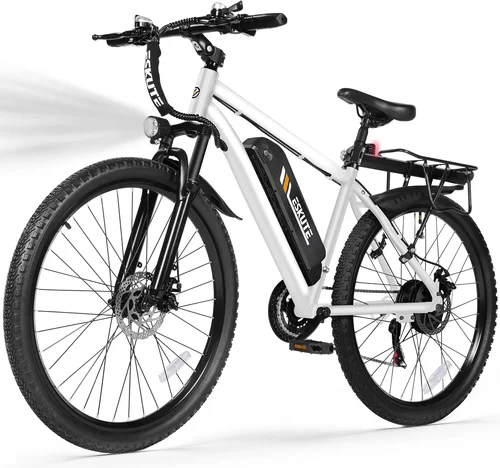
Electric bikes, or ebikes, have revolutionized personal transportation for adults in ways few could have predicted even a decade ago. No longer niche gadgets for tech enthusiasts or last-resort mobility aids, modern ebikes are sleek, powerful, and versatile machines that serve commuters, fitness lovers, weekend adventurers, and even cargo haulers with equal competence. Whether you’re navigating city traffic, conquering mountain trails, or simply enjoying a leisurely ride through the park, there’s an ebike designed to match your lifestyle. This comprehensive buyer’s guide is crafted to help you cut through the noise and make a confident, informed decision—because choosing the right ebike isn’t just about picking a shiny new toy; it’s about investing in a tool that can transform how you move, work, and explore.
In this guide, you’ll learn everything you need to know to select the best ebike for your unique needs. We’ll break down the most important factors to consider—from budget and performance to build quality and brand reliability—and explain why each matters in real-world use. You’ll also discover the different types of ebikes available, common pitfalls to avoid, smart shopping strategies, and expert-backed recommendations across multiple categories. By the end, you won’t just have a list of top models—you’ll have a clear framework for evaluating any ebike on the market in 2026 and beyond. The ebike industry is evolving rapidly, with new technologies, improved batteries, smarter integration, and more accessible pricing than ever before. Our goal is to equip you with the knowledge to ride confidently into this exciting future.

What to Look for When Buying an Ebike
1. Budget & Price Range
Your budget is the single most influential factor in your ebike purchase—but it’s not just about how much you can spend; it’s about how much value you get for that money. Ebikes range dramatically in price, from under $1,000 for basic commuter models to over $10,000 for high-end performance or luxury builds. Setting a realistic budget upfront helps narrow your options and prevents overspending on features you may never use. However, it’s crucial to understand that cheaper isn’t always better—and sometimes spending a little more upfront saves you money in the long run through durability, efficiency, and lower maintenance costs.
When evaluating price, consider the total cost of ownership, not just the sticker price. This includes potential upgrades (like better tires or a more comfortable saddle), replacement parts (especially batteries, which degrade over time), and service costs. A $1,200 ebike might seem like a steal, but if it uses proprietary components that are expensive or hard to replace, you could end up paying more over two or three years than you would have for a slightly pricier model with standard parts and better support. Conversely, splurging on a $5,000 bike with features you don’t need (like extreme off-road suspension for city commuting) is equally wasteful.
2. Performance Specifications
Performance specs determine how your ebike behaves on the road—how fast it goes, how far it goes, how smoothly it accelerates, and how well it handles hills or rough terrain. The three core performance metrics to focus on are motor power, battery capacity, and range.
Motor Power: Measured in watts (W), motor power typically ranges from 250W (common in Europe due to legal limits) to 750W or more in the U.S. A 250W–500W motor is sufficient for flat city riding with light loads, while 500W–750W motors offer better hill-climbing ability and faster acceleration—ideal for hilly areas or heavier riders. Some high-performance models feature 1,000W+ motors for off-road or cargo use, but these may require special licensing or have restrictions in certain regions.
Battery Capacity: Measured in watt-hours (Wh), battery capacity determines how long your ebike can run on a single charge. A 400Wh battery might give you 20–30 miles of range, while a 700Wh+ battery can deliver 50–80 miles or more, depending on terrain, rider weight, assist level, and weather. Lithium-ion batteries are standard and offer good energy density and lifespan (typically 500–1,000 charge cycles). Look for removable batteries if you want the convenience of charging indoors or swapping in a spare.
Range: Manufacturers often quote “up to” ranges, but real-world performance varies. A bike advertised with “up to 60 miles” might only achieve 35–40 miles under typical conditions. Always check independent reviews for realistic range estimates. Also consider whether the bike supports regenerative braking (rare but emerging in some models) or has eco modes to extend range.
Other performance factors include torque (measured in Newton-meters, or Nm), which affects how quickly the bike responds when starting from a stop or climbing; top speed (usually 20 mph for Class 2/3 bikes in the U.S.); and pedal-assist levels (typically 3–5 levels, plus throttle if applicable).
3. Build Quality & Durability
An ebike is a mechanical device subjected to constant stress—vibrations, weather, impacts, and repeated use. Poor build quality can lead to premature wear, safety issues, or costly repairs. When assessing durability, examine the frame material, component brands, and overall construction.
Frame Material: Most ebikes use aluminum alloy frames due to their strength-to-weight ratio and corrosion resistance. Higher-end models may use hydroformed aluminum for better shaping and stiffness, while premium options might feature carbon fiber for reduced weight (common in performance or folding ebikes). Steel frames are heavier but offer excellent durability and shock absorption—ideal for cargo bikes. Avoid cheap, thin-gauge aluminum or unknown alloys, which can crack or bend under load.
Component Quality: Look for reputable brands in key areas: Shimano or SRAM for drivetrains, Tektro, Magura, or SRAM for brakes, and Schwalbe or Continental for tires. Mid-tier components (like Shimano Altus or Acera) offer good reliability for daily use, while entry-level parts (like no-name derailleurs or basic mechanical disc brakes) may wear out quickly or perform poorly in wet conditions.
Suspension: Full-suspension ebikes (with front and rear shocks) are great for off-road riding but add weight and cost. Hardtail models (front suspension only) strike a balance for mixed terrain. Rigid frames (no suspension) are lighter and cheaper but less comfortable on rough roads—fine for smooth urban paths but fatiguing on gravel or potholes.
Also inspect welds, cable routing, and finish quality. A well-built bike will have clean welds, internal cable routing (to protect wires), and a powder-coated or anodized finish that resists scratches and rust.
4. Features & Functionality
Modern ebikes come packed with features that enhance comfort, safety, and usability. While not all are essential, some can significantly improve your riding experience—especially if you use your ebike daily or for long distances.
Display & Controls: A clear, backlit LCD or LED display shows speed, battery level, assist mode, and sometimes navigation or trip data. Touchscreen displays (found on premium models) offer more interactivity but may be harder to read in sunlight. Ensure buttons or controls are intuitive and accessible while riding.
Lighting: Integrated front and rear lights are a major safety advantage, especially for commuting. Look for bright LEDs (300+ lumens for front lights) with daytime running modes. Some bikes include brake lights or turn signals—rare but increasingly common in 2026 models.
Connectivity: Bluetooth or app integration allows you to track rides, lock/unlock the bike, update firmware, or monitor battery health. GPS tracking (via SIM card or phone pairing) can deter theft. However, connectivity features may drain the battery faster and add complexity.
Throttle vs. Pedal Assist: Class 2 ebikes include a throttle (usually a twist-grip or button), letting you ride without pedaling—great for starting on hills or taking a break. Class 3 bikes are pedal-assist only, with higher top speeds (up to 28 mph). Throttles are convenient but consume more battery and may be restricted in some areas.
Accessories & Mounts: Check for pre-installed racks, fenders, kickstands, and bottle cage mounts. These save money and installation hassle. Some bikes support panniers, child seats, or cargo boxes—important if you plan to carry groceries, gear, or passengers.
Folding & Portability: Folding ebikes are ideal for apartment dwellers, commuters using public transit, or travelers. However, they often sacrifice ride quality, battery size, or motor power for compactness. If portability is key, prioritize models with lightweight frames and quick-fold mechanisms.
5. Brand Reputation
Not all ebike brands are created equal. Established brands with a history of quality, innovation, and customer service tend to deliver more reliable products and better long-term support. While new startups may offer attractive designs or lower prices, they often lack the track record or infrastructure to handle repairs, recalls, or warranty claims effectively.
Research brands by reading professional reviews, checking forums (like Reddit’s r/ebikes or Electric Bike Report), and looking at customer feedback on retail sites. Brands like Rad Power Bikes, Trek, Specialized, Giant, Aventon, and Lectric have built strong reputations for consistency and support. European brands like Riese & Müller or Gazelle excel in premium builds and ergonomics. Chinese direct-to-consumer brands (like Engwe or Fiido) can offer great value but may have inconsistent quality control or limited service networks.
Also consider where the bike is assembled and supported. Bikes sold through local dealers often come with assembly, fitting, and service included—worth the extra cost for many riders. Direct-to-consumer models require self-assembly and may have longer shipping times or limited return options.
6. Warranty & Support
A strong warranty is a sign of a manufacturer’s confidence in their product—and your protection against defects or failures. Most reputable brands offer at least a 1-year comprehensive warranty, with longer coverage on the frame (often 2–5 years) and battery (typically 2 years). Some premium brands extend battery warranties to 3–5 years, reflecting higher-quality cells and better thermal management.
Read the fine print: What’s covered? Labor costs? Shipping? Are there exclusions for “normal wear” or improper use? A warranty that covers only parts but not labor can still leave you with expensive repair bills. Also check if the brand offers extended warranties or service plans for purchase.
Customer support matters too. Can you reach a human quickly? Is there a local service center? Do they stock replacement parts? Brands with U.S.-based support teams (like Rad Power Bikes or Aventon) often resolve issues faster than those relying on overseas distributors. Look for brands that provide detailed manuals, video tutorials, and responsive email or chat support.
7. Size & Fit
An ill-fitting ebike can cause discomfort, reduce control, and even lead to injury—especially on longer rides. Unlike traditional bikes, ebikes are heavier (often 40–70 lbs), so proper fit is even more critical for stability and handling.
Most manufacturers provide size charts based on rider height and inseam. Test ride if possible—many local shops now carry ebike demo fleets. Pay attention to standover height (can you stand flat-footed over the top tube?), reach (is the handlebar too far or too close?), and saddle position (can you adjust it for optimal leg extension?).
Step-through frames are popular for their ease of mounting and dismounting—ideal for older riders, those with mobility issues, or anyone wearing skirts or dresses. High-step frames offer more rigidity and are preferred by performance riders. Some brands offer multiple frame sizes or adjustable stems to fine-tune fit.
Also consider weight distribution. A well-balanced ebike feels stable and responsive. If the battery is mounted low and centered (rather than high on the downtube), it lowers the center of gravity and improves handling—especially important for heavier bikes or off-road use.
8. User Reviews & Ratings
While specs and marketing materials give you the basics, real-world user reviews reveal how an ebike performs over time. Look beyond star ratings and read detailed reviews that discuss reliability, comfort, customer service, and unexpected issues.
Pay attention to patterns: If multiple users report the same problem (e.g., “battery died after 6 months” or “brakes squeak in rain”), it’s likely a design flaw or quality issue. Conversely, consistent praise for durability, range, or comfort is a strong endorsement.
Use multiple sources: Amazon, Best Buy, manufacturer websites, and independent review sites (like Electric Bike Review or BikeRadar) all offer different perspectives. Video reviews on YouTube can show the bike in action—how it handles, how loud the motor is, how easy it is to fold or carry.
Be wary of fake reviews. Look for verified purchases, detailed descriptions, and photos. If a review seems overly generic (“Great bike! Love it!”), it may not be trustworthy. Genuine reviews often include both pros and cons.
Different Types of Ebikes
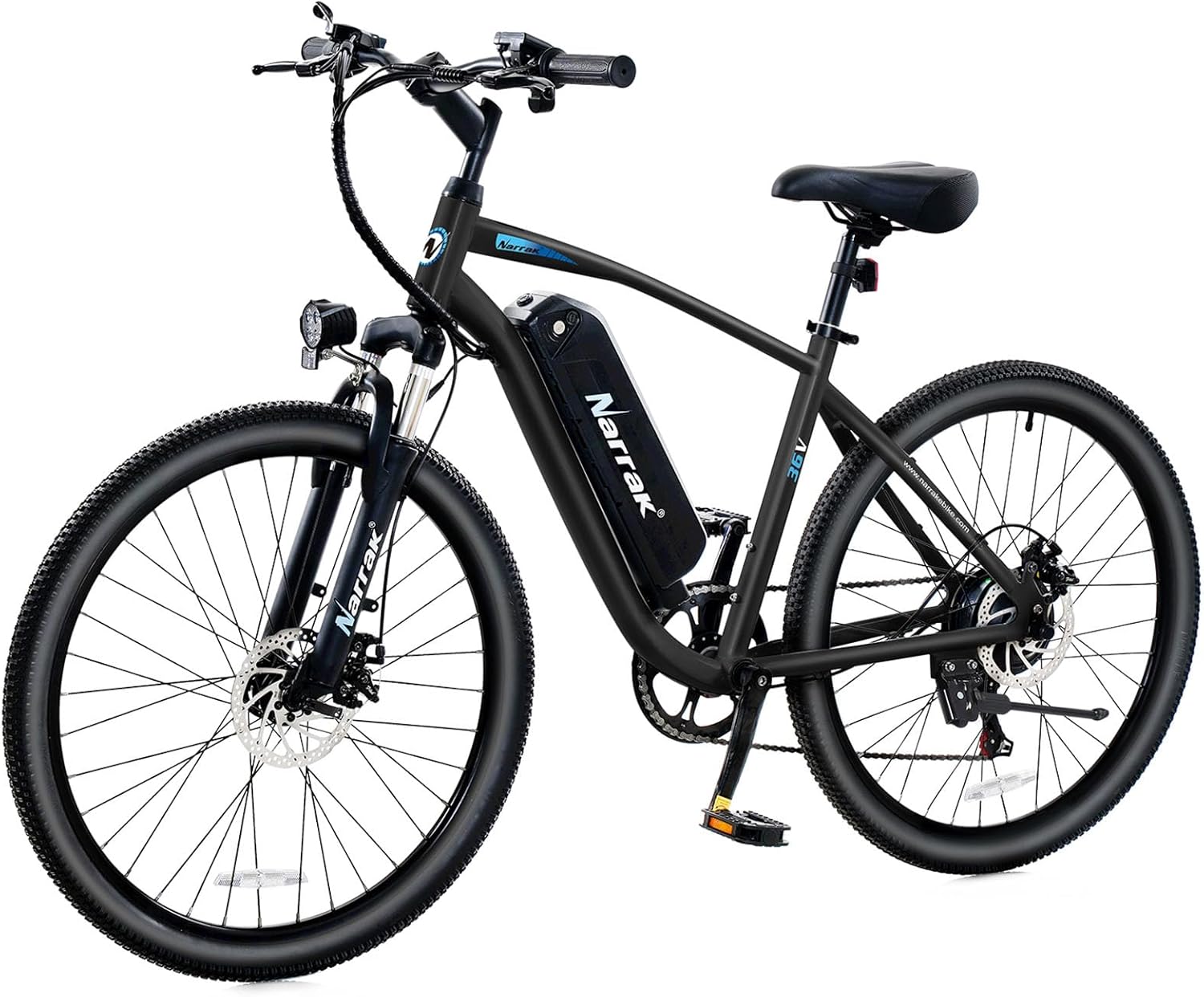
Common Buying Mistakes to Avoid
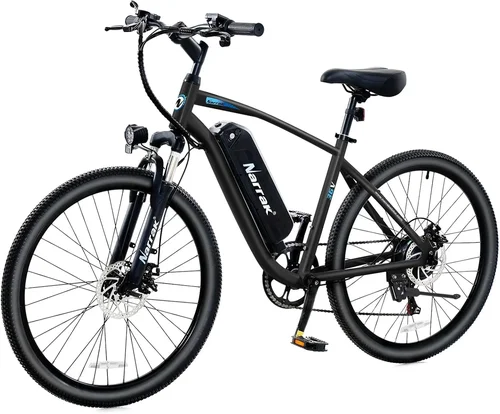
❌ Mistake: Prioritizing Price Over Quality
Why it’s bad: The cheapest ebikes often use low-grade motors, weak batteries, and flimsy frames that fail within months. You may save $300 upfront but spend more on repairs or replacements—and risk safety issues like brake failure or electrical faults.
What to do instead: Set a minimum budget of $1,500 and focus on value, not just cost. Look for bikes with reputable components, good warranties, and positive long-term reviews.
❌ Mistake: Ignoring Local Laws and Regulations
Why it’s bad: Ebike laws vary by region. In the U.S., Class 1, 2, and 3 bikes have different speed and throttle rules. Some areas ban throttles or restrict where ebikes can ride (e.g., bike lanes, trails). Buying a non-compliant bike could result in fines or confiscation.
What to do instead: Check your local regulations before buying. Ensure the bike meets legal requirements for motor power, speed, and equipment (like lights or reflectors).
❌ Mistake: Overlooking Battery Replacement Costs
Why it’s bad: Batteries degrade over time and typically need replacement every 3–5 years. A new battery can cost $400–$800—sometimes more than the bike’s original price if it uses proprietary cells.
What to do instead: Choose a bike with a standard, removable battery from a known manufacturer (like Samsung or LG). Avoid models with non-removable or custom batteries unless the brand offers affordable replacement programs.
❌ Mistake: Not Test Riding Before Buying
Why it’s bad: An ebike that looks great online might feel unstable, uncomfortable, or underpowered in real life. Weight distribution, handlebar position, and motor responsiveness are hard to judge from specs alone.
What to do instead: Visit a local dealer for a test ride, or choose retailers with generous return policies (like 14–30 days). If buying online, look for brands that partner with local shops for demos.
❌ Mistake: Choosing the Wrong Type for Your Needs
Why it’s bad: A folding ebike won’t handle mountain trails, and a full-suspension eMTB is overkill for flat city commutes. Mismatched bikes lead to frustration, poor performance, and wasted money.
What to do instead: Define your primary use case first—commuting, recreation, cargo, off-road—and select a bike type designed for that purpose.
❌ Mistake: Neglecting Maintenance Requirements
Why it’s bad: Ebikes require regular maintenance: brake adjustments, tire checks, chain lubrication, and battery care. Neglecting these can shorten the bike’s life and create safety hazards.
What to do instead: Learn basic maintenance or budget for professional service. Choose bikes with accessible components and clear service manuals.
❌ Mistake: Falling for “Too Good to Be True” Deals
Why it’s bad: Flashy ads promising “100-mile range for $999” often exaggerate specs or hide poor build quality. These bikes may lack safety certifications or use counterfeit parts.
What to do instead: Stick to trusted retailers and brands. Verify certifications (like UL 2849 for electrical safety) and read independent reviews before purchasing.
Budget Guidelines: How Much Should You Spend?
Entry-Level ($800 – $1,500): These bikes are best for occasional riders or those on a tight budget. Expect basic components, limited range (15–25 miles), and minimal features. Ideal for short, flat commutes or casual weekend rides. Brands like Ancheer or Swagtron offer models in this range, but quality can vary widely.
Mid-Range ($1,500 – $3,000): This is the sweet spot for most adult riders. You’ll get reliable motors (500W–750W), decent batteries (500Wh+), and reputable components. Many include lights, fenders, racks, and app connectivity. Models from Rad Power Bikes, Aventon, and Lectric excel here, offering excellent value and support.
Premium ($3,000 – $6,000): For enthusiasts and daily commuters who demand performance and durability. Expect high-capacity batteries (700Wh+), advanced motors (with high torque), premium drivetrains (Shimano Deore or SRAM NX), and smart features like GPS or regenerative braking. Brands like Trek, Specialized, and Riese & Müller dominate this tier.
Luxury ($6,000+): Top-tier ebikes with cutting-edge technology, custom builds, and exceptional craftsmanship. These include full-suspension eMTBs, ultra-lightweight carbon frames, integrated lighting systems, and extended warranties. Perfect for serious riders, long-distance touring, or those who want the best money can buy.
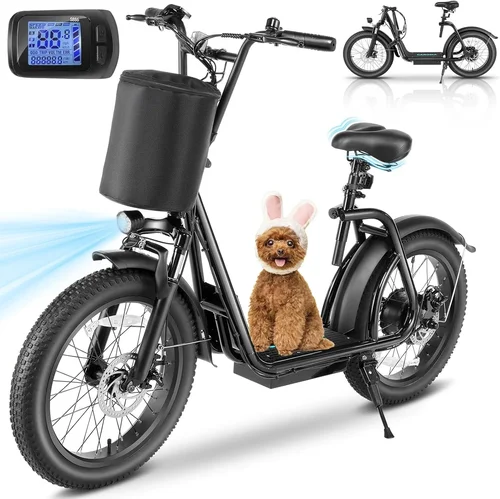
Expert Tips for Getting the Best Deal
- Shop During Off-Peak Seasons: Late fall and winter often bring discounts as retailers clear inventory. Spring and summer are peak buying times, so prices are higher.
- Compare Online and In-Store Options: Online retailers (like Rad Power Bikes or Lectric) often have lower prices and better deals, but local shops offer assembly, fitting, and service. Some brands (like Trek) price-match online offers.
- Look for Bundle Deals: Many brands offer free accessories (helmets, locks, lights) with purchase during promotions. These can save $100–$200.
- Check for Rebates and Incentives: Some cities and states offer rebates for ebike purchases (e.g., California’s Clean Vehicle Rebate Project). Employers may also have commuter benefit programs.
- Read the Return Policy: Ensure you can return or exchange the bike within 14–30 days if it doesn’t meet expectations. Avoid retailers with restocking fees or short windows.
- Consider Refurbished or Open-Box Models: Certified refurbished bikes from reputable brands can save 20–30% and often come with the same warranty as new.
- Negotiate with Local Dealers: If buying in-store, ask about discounts, free tune-ups, or accessory packages. Many shops are willing to negotiate, especially on higher-priced models.
- Join Waitlists for New Models: Brands often offer early-bird pricing or exclusive perks for pre-orders. Signing up can secure a better deal before general release.

Frequently Asked Questions
Q: How far can an ebike really go on one charge?
A: Real-world range depends on battery capacity, terrain, rider weight, assist level, and weather. A 500Wh battery typically delivers 25–40 miles. Use eco mode, maintain proper tire pressure, and avoid high assist levels to maximize range.
Q: Are ebikes legal everywhere?
A: Most places allow Class 1, 2, and 3 ebikes on roads and bike paths, but rules vary. Check local laws for speed limits, throttle use, helmet requirements, and trail access. Some national parks or protected areas restrict ebikes.
Q: Do I need a license or insurance for an ebike?
A: In most U.S. states, no license or insurance is required for Class 1–3 ebikes. However, some states (like New York) have specific regulations. Always verify local laws.
Q: How long do ebike batteries last?
A: Most lithium-ion batteries last 500–1,000 charge cycles, or about 3–5 years with regular use. Proper care (avoiding extreme temperatures, not draining to 0%) can extend lifespan.
Q: Can I ride an ebike in the rain?
A: Yes, most ebikes are water-resistant (rated IPX4 or higher), but avoid submerging them or high-pressure washing. Dry the bike after wet rides and store it indoors.
Q: Are ebikes safe?
A: When used responsibly, ebikes are safe. Always wear a helmet, follow traffic laws, and maintain your bike. Choose models with quality brakes and lights for added safety.
Q: Can I convert a regular bike to an ebike?
A: Yes, conversion kits (like those from Bafang or Tongsheng) are available for $400–$1,000. However, they may not match the integration or reliability of a purpose-built ebike.
Q: What’s the difference between hub and mid-drive motors?
A: Hub motors are in the wheel (front or rear) and are simpler and cheaper. Mid-drive motors sit near the pedals and offer better weight distribution, efficiency, and hill-climbing power—ideal for performance riding.
Q: How much do ebikes weigh?
A: Most weigh 40–70 lbs. Folding and commuter models are lighter (30–50 lbs), while cargo and mountain ebikes can exceed 70 lbs. Consider weight if you need to carry or store the bike frequently.
Q: Can I take my ebike on public transportation?
A: Many buses and trains allow folded or non-folding ebikes, but policies vary. Check with your local transit authority. Folding models are generally more accepted.
Our Final Recommendations
Best for Budget-Conscious Buyers: Lectric XP 3.0 – At around $1,000, this folding fat-tire ebike offers surprising performance, a 45-mile range, and solid build quality. Great for city commuting and light off-road use.
Best Overall Value: Rad Power Bikes RadCity 5 Plus – Priced at $1,899, it combines a powerful 750W motor, 61-mile range, integrated lights, and a comfortable step-through frame. Ideal for daily commuters.
Best Premium Option: Specialized Turbo Vado SL 5.0 – At $4,500, this lightweight commuter ebike features a stealthy design, long range, and exceptional ride quality. Perfect for urban professionals.
Best for Beginners: Aventon Level.2 – With intuitive controls, a smooth ride, and a $1,799 price tag, it’s an excellent entry point for new riders wanting reliability and style.
Best for Advanced Users: Trek Fuel EXe 9.9 XTR – A high-performance eMTB ($9,500) with full suspension, Shimano EP8 motor, and trail-ready geometry. Built for serious off-road enthusiasts.
Conclusion: Making the Right Choice
Choosing the best ebike for adults isn’t about finding the flashiest model or the lowest price—it’s about matching the right machine to your lifestyle, needs, and budget. Whether you’re commuting to work, exploring mountain trails, or hauling groceries, the right ebike can make every ride easier, faster, and more enjoyable. By focusing on key factors like performance, build quality, and support, avoiding common pitfalls, and shopping strategically, you’ll invest in a bike that serves you well for years to come.
Remember: the best ebike is the one you’ll actually ride. Prioritize comfort, reliability, and usability over gimmicks or hype. Take your time, do your research, and don’t hesitate to ask questions or seek expert advice. With the insights from this guide, you’re now equipped to make a confident, informed decision. So go ahead—embrace the electric revolution, reduce your carbon footprint, and rediscover the joy of riding. Your perfect ebike is out there. Ride smart, ride safe, and enjoy the journey.