
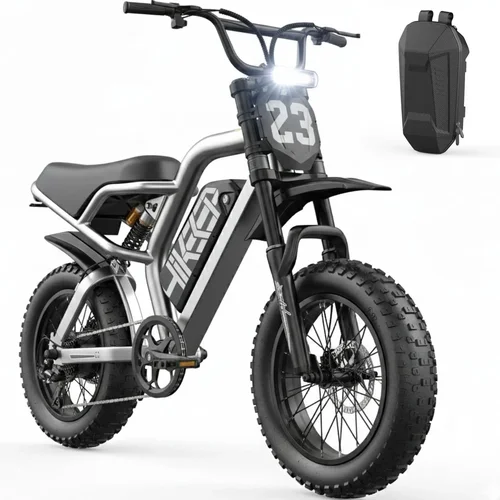
Electric mountain bikes (e-MTBs) have revolutionized off-road cycling, opening up trails and terrain that were once out of reach for many riders. Whether you’re conquering steep climbs, exploring remote backcountry paths, or simply enjoying longer rides without fatigue, an e-mountain bike can transform your outdoor experience. However, with the growing popularity of e-MTBs, the market has become crowded with options at every price point—making it harder than ever to find the right one within your budget.
This comprehensive buying guide is designed specifically for riders seeking the best e-mountain bike under $2000 in 2025. We’ll cut through the marketing noise and technical jargon to deliver expert insights, real-world performance data, and practical advice to help you make a confident, informed decision. From understanding key components like motors and batteries to comparing frame materials and suspension systems, this guide covers everything you need to know. Whether you’re a weekend warrior, a daily commuter who loves trail access, or a beginner dipping your toes into electric off-roading, we’ve got you covered.
The sub-$2000 e-MTB segment is more competitive than ever, with manufacturers packing impressive technology into increasingly affordable packages. Brands like Rad Power Bikes, Aventon, Trek, and Specialized have expanded their entry-level offerings, while newer players like Himiway and Engwe are pushing value boundaries with feature-rich models. In this guide, you’ll learn how to evaluate performance, durability, and long-term value—not just flashy specs. We’ll also highlight common pitfalls, share insider tips for scoring the best deals, and provide clear recommendations based on different riding styles and priorities. By the end, you’ll have a roadmap to choose an e-mountain bike that fits your needs, your terrain, and your wallet.

What to Look for When Buying an E-Mountain Bike Under $2000
1. Motor Type and Power Output
The motor is the heart of any e-mountain bike, directly influencing how it performs on climbs, flats, and technical terrain. In the under-$2000 range, you’ll typically encounter two main types: hub motors and mid-drive motors. Hub motors are located in the rear or front wheel and are common in budget-friendly models. They’re simple, reliable, and often sufficient for light trail use or casual riding. However, they can feel unbalanced on steep climbs and may struggle with weight distribution during aggressive riding.
Mid-drive motors, on the other hand, are mounted at the bike’s crankset and power the drivetrain directly. This design offers better weight balance, more natural handling, and improved efficiency—especially on varied terrain. While mid-drives were once exclusive to premium models, several brands now offer them under $2000. Look for motors with at least 250W of continuous power (the legal limit in most regions) and peak outputs around 500–750W for responsive assistance. Torque is equally important—aim for 50–80 Nm for confident hill climbing. Brands like Bosch, Shimano, and Bafang dominate this space, with Bafang’s M420 and M600 series appearing in many affordable builds.
2. Battery Capacity and Range
Battery performance determines how far you can ride on a single charge—a critical factor for trail exploration or long commutes. Measured in watt-hours (Wh), battery capacity directly correlates with range. In the sub-$2000 category, expect batteries ranging from 400Wh to 700Wh. A 500Wh battery is a sweet spot for most riders, offering 30–60 miles of range depending on terrain, rider weight, assist level, and riding style.
Lithium-ion (Li-ion) batteries are standard, but pay attention to cell quality—brands like Samsung, LG, and Panasonic indicate higher reliability and longevity. Removable batteries are a major plus, allowing you to swap in a fresh pack on long rides or charge indoors. Also consider charging time: most batteries take 4–6 hours to fully charge, though some fast-charging models can reach 80% in under three hours. Always check if the charger is included—some budget models sell it separately to keep the base price low.
3. Frame Material and Geometry
The frame is the foundation of your e-MTB’s durability, ride quality, and handling. Aluminum alloy is the most common material in this price range due to its strength-to-weight ratio and cost-effectiveness. Look for hydroformed or butted tubing, which reduces weight while maintaining stiffness. Steel frames appear in some budget models but are heavier and less ideal for aggressive trail use.
Geometry plays a huge role in how the bike feels on the trail. Slack head tube angles (65–67 degrees) improve stability at speed and on descents, while steeper angles offer quicker handling for tight trails. Reach, stack, and wheelbase measurements should match your body size and riding style. Many affordable e-MTBs now feature modern trail geometry with longer reaches and shorter stems for better control. Always check size charts—some brands run small, and a poorly fitting bike can ruin the experience regardless of specs.
4. Suspension System
Suspension absorbs impacts from roots, rocks, and drops, making rides smoother and safer. In the under-$2000 segment, you’ll find hardtail (front suspension only) and full-suspension models. Hardtails are lighter, simpler, and more affordable, with front forks offering 100–140mm of travel. They’re excellent for cross-country trails, fire roads, and light singletrack.
Full-suspension e-MTBs add rear shock absorption, typically with 120–150mm of travel front and rear. These are better suited for technical terrain, jumps, and rough descents. However, full-suspension models under $2000 often use lower-tier shocks and linkage designs that may lack adjustability or durability. If you plan to ride aggressively or on rocky trails, prioritize models with reputable suspension brands like RockShox, SR Suntour, or X-Fusion. Pay attention to lockout features—being able to stiffen the fork for climbing saves battery and improves efficiency.
5. Drivetrain and Gearing
The drivetrain determines how smoothly and efficiently you can shift gears, especially under load. Most e-MTBs under $2000 use 7–9 speed drivetrains from brands like Shimano (Tourney, Altus, Acera) or MicroShift. While adequate for casual riding, these lower-tier groupsets can feel clunky and wear faster under heavy use.
Look for at least an 8-speed system with a wide-range cassette (e.g., 11-42T or 11-46T) to handle steep climbs and fast descents. Some models now include 9 or even 10-speed drivetrains, offering smoother shifts and better gear spacing. Belt drives are rare in this price range but offer quiet, low-maintenance operation if available. Always test the shifting under load—some budget e-MTBs struggle with chain slap or missed shifts when climbing.
6. Braking Performance
Reliable brakes are non-negotiable for safety, especially on steep, technical trails. Disc brakes are standard, but quality varies widely. Mechanical disc brakes use cables and are common on entry-level models—they’re affordable but require frequent adjustment and offer less modulation.
Hydraulic disc brakes are vastly superior, using fluid to deliver consistent, powerful stopping with minimal hand effort. In the under-$2000 range, many brands now include hydraulic brakes from Shimano, Tektro, or Zoom. Look for 160–180mm rotors—larger rotors provide better heat dissipation and stopping power. Always test braking performance during a demo ride, especially on descents. Squeaky or spongy brakes are red flags.
7. Tires and Wheel Size
Tires are your bike’s only contact with the ground, influencing grip, comfort, and rolling resistance. Most e-MTBs under $2000 come with 27.5″ or 29″ wheels. 29ers roll faster and maintain momentum better on smooth trails, while 27.5″ wheels are more agile and better for tight, technical terrain. Some models offer mixed “mullet” setups (29″ front, 27.5″ rear) for a balance of stability and maneuverability.
Tire width typically ranges from 2.2″ to 2.6″, with wider tires offering more cushion and traction. Look for aggressive tread patterns with knobs for off-road grip. Tubeless-ready wheels are a bonus—they allow lower tire pressures for better traction and reduce puncture risk. However, setting up tubeless can be tricky for beginners, so consider whether you’re willing to invest the time.
8. Display and Control Interface
The display shows critical info like speed, battery level, assist mode, and sometimes navigation or ride stats. Basic LCD screens are common in budget models, offering essential data but limited customization. Higher-end displays (like Shimano’s E-Tube or Bosch’s Purion) provide more detailed metrics and connectivity.
Controls should be intuitive and within easy reach. Thumb shifters or twist grips are standard, but some models use handlebar-mounted buttons for assist levels. Look for waterproof, backlit displays for visibility in all conditions. Bluetooth connectivity is rare under $2000 but allows app integration for ride tracking and firmware updates.
9. Weight and Portability
E-mountain bikes are inherently heavier than traditional MTBs due to motors and batteries. Expect weights between 45 and 65 pounds in this price range. While you won’t be carrying it far, weight affects handling—especially on climbs and tight corners. Lighter models (under 50 lbs) are easier to maneuver and lift over obstacles.
Portability matters if you plan to transport the bike in a car or store it in tight spaces. Folding e-MTBs exist but are rare and often compromise on frame strength. Consider how you’ll load it—some models include rear racks or mounts for bike racks. Always check the bike’s dimensions and weight before buying, especially if you have limited storage.
10. Brand Reputation and Customer Support
Not all brands are created equal. Established names like Trek, Specialized, and Giant offer reliable engineering and strong dealer networks. Newer direct-to-consumer brands like Rad Power Bikes and Aventon provide excellent value but may have limited local service options.
Research customer reviews, warranty terms, and return policies. A reputable brand should offer at least a 1–2 year warranty on the frame and motor, with clear support channels. Avoid brands with vague warranties or no U.S.-based support. Community forums and Reddit threads can reveal real-world reliability issues not apparent in marketing materials.
11. Warranty and After-Sales Service
A solid warranty protects your investment. Most e-MTBs under $2000 include a 1-year warranty on electrical components and 2–5 years on the frame. Some brands offer extended warranties for an extra fee. Pay attention to what’s covered—batteries often have shorter warranties (6–12 months) due to degradation.
After-sales service is crucial. Can you get parts easily? Are there local dealers or service centers? Brands with strong dealer networks (like Trek or Giant) make maintenance simpler. Direct-to-consumer brands may require shipping the bike for repairs, which can take weeks. Always check service availability in your area before buying.
12. User Reviews and Real-World Feedback
Specs don’t tell the whole story. User reviews reveal how a bike performs in real conditions—durability, comfort, reliability, and customer service. Look for patterns: if multiple users report the same issue (e.g., battery failure or brake problems), it’s likely a design flaw.
Check multiple sources: Amazon, REI, brand websites, and forums like MTBR or Electric Bike Review. Video reviews on YouTube offer visual insights into ride quality and assembly. Pay attention to long-term reviews (6+ months) to assess durability. A bike that looks great on paper may disappoint in practice if build quality is poor.
Different Types of E-Mountain Bikes Under $2000

Common Buying Mistakes to Avoid
❌ Mistake: Focusing Only on Motor Power
Why it’s bad: A high-wattage motor doesn’t guarantee better performance. Many budget bikes advertise “750W peak” motors, but continuous output may be much lower. Overpowered motors can drain batteries quickly and feel jerky on trails.
What to do instead: Prioritize torque (Nm) and motor placement. A 250W mid-drive with 70Nm torque will outperform a 500W hub motor with 40Nm on steep climbs. Test ride to feel the assist smoothness.
❌ Mistake: Ignoring Battery Real-World Range
Why it’s bad: Manufacturers often quote range under ideal conditions (flat terrain, low assist). In reality, range can drop by 30–50% on hills or with heavy riders.
What to do instead: Use online range calculators and read user reviews. Aim for a battery with at least 500Wh if you plan long rides. Consider a second battery for extended trips.
❌ Mistake: Skipping the Test Ride
Why it’s bad: E-MTBs handle differently due to weight and motor placement. A bike that looks great online may feel unbalanced or uncomfortable in person.
What to do instead: Always test ride before buying. If purchasing online, choose retailers with generous return policies (e.g., 30-day returns). Pay attention to climbing, descending, and cornering feel.
❌ Mistake: Overlooking Maintenance Costs
Why it’s bad: E-MTBs require more maintenance than regular bikes—brake pads wear faster, chains stretch quicker, and electrical components need care.
What to do instead: Factor in annual maintenance costs ($100–$300). Choose models with accessible components and local service support. Learn basic maintenance like chain lubrication and brake adjustments.
❌ Mistake: Buying Based on Looks Alone
Why it’s bad: Flashy colors and sleek designs don’t equate to performance. Some budget bikes prioritize aesthetics over functionality.
What to do instead: Focus on specs, geometry, and component quality. A plain-looking bike with a good drivetrain and suspension will outperform a stylish one with weak brakes and a poor motor.
❌ Mistake: Ignoring Local Terrain
Why it’s bad: A hardtail may be fine for smooth trails but dangerous on rocky descents. A fat tire bike is overkill for pavement.
What to do instead: Match the bike to your typical terrain. Research local trail conditions and choose suspension, tires, and geometry accordingly.
❌ Mistake: Forgetting About Resale Value
Why it’s bad: Some brands depreciate quickly due to poor reliability or lack of support. You may lose 50% of value in a year.
What to do instead: Choose reputable brands with strong resale markets. Keep records and maintain the bike well. Avoid heavily modified or custom builds.
Budget Guidelines: How Much Should You Spend?
Entry-Level ($1,200 – $1,500): This tier offers basic e-MTB functionality with hub motors, 400–500Wh batteries, and mechanical disc brakes. Ideal for casual riders, light trail use, or commuting. Expect simpler drivetrains and limited suspension travel. Brands like Engwe and Ancheer dominate here, offering value but compromising on durability and service.
Mid-Range ($1,500 – $1,800): The sweet spot for most buyers. These bikes feature mid-drive motors, hydraulic brakes, 500–600Wh batteries, and better suspension. Models from Rad Power Bikes, Aventon, and Himiway offer excellent balance of performance and price. Great for regular trail riding and longer adventures.
Premium ($1,800 – $2,000): Near the top of the budget, these bikes include higher-end components like 9-speed drivetrains, RockShox forks, and improved displays. Some offer full suspension or advanced geometry. Look for Trek’s Powerfly or Specialized’s Turbo Levo in this range—refined ride quality and better support.
Luxury ($2,000+): While outside our scope, bikes above $2,000 offer top-tier motors (Bosch Performance Line), carbon frames, and premium suspension. If you can stretch your budget, these provide the best long-term value for serious riders.
Expert Tips for Getting the Best Deal
1. Shop During Off-Season Sales: Late fall and winter are prime times for discounts as retailers clear inventory. Black Friday, Cyber Monday, and end-of-year sales often feature $200–$500 off popular models.
2. Consider Last Year’s Models: New e-MTBs release annually, making previous versions cheaper. The tech changes slowly, so a 2024 model offers nearly identical performance to a 2025 at a lower price.
3. Buy Direct from Manufacturers: Brands like Rad Power Bikes and Aventon sell directly online, cutting out dealer markups. You’ll often get better specs for the price, though assembly may be required.
4. Check for Bundle Deals: Some retailers offer free accessories (lights, locks, helmets) with purchase. Others include extended warranties or free shipping—factor these into total value.
5. Use Price Tracking Tools: Websites like CamelCamelCamel (for Amazon) or Honey can alert you to price drops. Set alerts for your desired model and buy when prices dip.
6. Negotiate with Local Dealers: Even if a bike is listed at $1,999, dealers may discount it to meet online prices or clear stock. Mention competitor offers to leverage a better deal.
7. Read the Fine Print on Returns: Ensure the retailer offers at least a 14-day return window. Some charge restocking fees or require you to pay return shipping—avoid these unless absolutely necessary.
8. Join Loyalty Programs: Brands like REI and Trek offer member discounts, early access to sales, and free maintenance. These perks add up over time.
Frequently Asked Questions
Q: Can I ride an e-MTB on regular mountain bike trails?
A: It depends on local regulations. Many trails allow Class 1 e-MTBs (pedal-assist only, up to 20 mph), but some prohibit all e-bikes. Always check trail rules before riding. Class 2 (throttle-assisted) and Class 3 (up to 28 mph) are often restricted.
Q: How long do e-MTB batteries last?
A: Most lithium-ion batteries retain 80% capacity after 500–1,000 charge cycles, equating to 3–5 years of regular use. Proper care—avoiding extreme temperatures and not draining to 0%—extends lifespan.
Q: Are e-MTBs harder to maintain?
A: They require more attention than regular bikes due to electrical components, but basic maintenance (cleaning, lubrication, brake checks) is similar. Annual professional servicing is recommended.
Q: Can I upgrade components later?
A: Yes, but compatibility varies. Motors and batteries are often proprietary, so upgrades may require full replacement. Drivetrain, brakes, and suspension are usually upgradeable.
Q: Do I need a special license or insurance?
A: In most U.S. states, no license is required for Class 1 e-MTBs. Insurance is optional but recommended for theft or damage coverage, especially for bikes over $1,500.
Q: How do I charge the battery on long rides?
A: Portable chargers are available but heavy. Most riders plan routes near charging points or carry a spare battery. Some campgrounds and cafes offer outlets.
Q: Are e-MTBs safe for beginners?
A: Yes, with proper training. Start on easy trails and use lower assist levels to build confidence. The added power can help beginners tackle hills but requires careful handling.
Q: What’s the difference between pedal-assist and throttle?
A: Pedal-assist (Class 1) only engages when you pedal, while throttle (Class 2) lets you ride without pedaling. Throttle models are less common on trails and may be restricted.
Q: Can I ride in the rain?
A: Most e-MTBs are water-resistant but not waterproof. Avoid submerging the motor or battery. Dry the bike after wet rides and check connections.
Q: How do I store my e-MTB long-term?
A: Store in a cool, dry place with the battery at 50–60% charge. Remove the battery if storing for months. Cover the bike to prevent dust buildup.
Our Final Recommendations
Best for Budget-Conscious Buyers: Rad Power Bikes RadRover 6 Plus – At $1,699, this fat-tire hardtail offers a 750W hub motor, 672Wh battery, and hydraulic brakes. Ideal for sand, snow, and light trails. Great value with strong community support.
Best Overall Value: Aventon Aventure.2 – Priced at $1,799, it features a 750W mid-drive motor, 720Wh battery, and full suspension. Excellent for technical trails with modern geometry and reliable components.
Best Premium Option: Trek Powerfly 4 – At $1,999, this hardtail uses a Bosch Active Line motor, 500Wh battery, and RockShox fork. Backed by Trek’s dealer network and warranty, it’s a premium choice under $2K.
Best for Beginners: Himiway Cobra – This $1,599 full-suspension e-MTB has a 750W motor, 720Wh battery, and user-friendly display. Easy to ride with stable handling, perfect for new e-MTB riders.
Best for Advanced Users: Specialized Turbo Levo SL Comp – At $1,999 (on sale), this lightweight hardtail uses a Specialized SL 1.1 motor and 320Wh battery. Designed for efficiency and speed, it’s ideal for experienced riders seeking performance.
Conclusion: Making the Right Choice
Choosing the best e-mountain bike under $2000 doesn’t have to be overwhelming. By focusing on key factors like motor type, battery capacity, suspension, and brand support, you can find a bike that delivers real-world performance without breaking the bank. Remember, the “best” bike is the one that matches your riding style, terrain, and long-term needs—not just the one with the flashiest specs.
Avoid common pitfalls like ignoring real-world range or skipping the test ride. Take advantage of seasonal sales, bundle deals, and direct-to-consumer offers to maximize value. And don’t forget the importance of warranty, service, and community support—these can make or break your ownership experience.
Whether you’re climbing mountain passes, exploring forest trails, or commuting with a side of adventure, an e-MTB under $2000 can open up a world of possibilities. Use this guide as your roadmap, prioritize what matters most to you, and ride with confidence. The trail is waiting—go find your perfect match.