
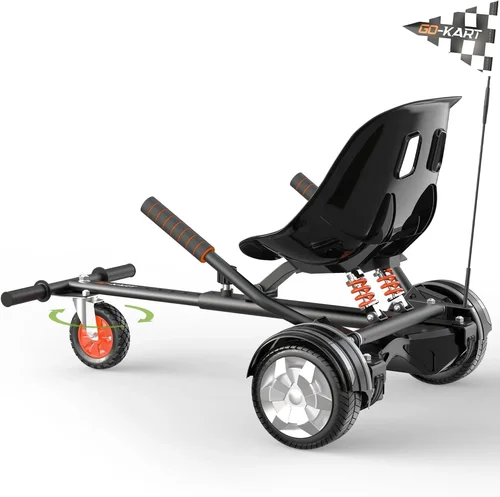
If you’re new to the world of personal electric transportation, you’ve probably heard the buzz around hoverboards. These self-balancing scooters have evolved from novelty gadgets into practical, fun, and eco-friendly mobility devices—especially for beginners looking to dip their toes into electric riding. Whether you’re a teen wanting a cool way to get around the neighborhood, a parent seeking a safe first ride for your child, or an adult curious about micro-mobility, choosing the right beginner hoverboard can feel overwhelming. With dozens of brands, flashy features, and wildly varying price tags, it’s easy to make a costly mistake.
That’s exactly why this guide exists. We’ve tested, researched, and compared the top beginner-friendly hoverboards on the market in 2026 to help you make a confident, informed decision. In the following pages, you’ll learn what truly matters when buying a hoverboard—not just what looks good in an ad. We’ll break down key factors like safety certifications, battery life, build quality, and ease of use, all tailored specifically for first-time riders. You’ll also discover common pitfalls to avoid, budget-friendly options that don’t sacrifice safety, and expert tips to get the best deal. By the end, you won’t just know which hoverboard to buy—you’ll understand why it’s the right choice for you.
The hoverboard market has matured significantly since its explosive debut in the mid-2010s. Gone are the days of fire-prone lithium batteries and wobbly, unreliable boards. Today’s models are smarter, safer, and more accessible than ever. Brands like Gotrax, Segway-Ninebot, Razor, and Swagtron now dominate the space with UL 2272-certified models that meet strict electrical and fire safety standards. Meanwhile, advancements in motor efficiency, app integration, and ride customization have made hoverboards more intuitive for beginners. Whether you’re cruising on smooth pavement, tackling slight inclines, or just learning to balance, modern hoverboards offer a smoother, more stable experience. This guide cuts through the marketing noise to focus on real-world performance, durability, and value—so you can ride with confidence from day one.

What to Look for When Buying Gotrax
1. Safety Certifications & Compliance
When it comes to hoverboards, safety isn’t optional—it’s essential. The most critical certification to look for is UL 2272, issued by Underwriters Laboratories. This standard ensures the hoverboard’s electrical system, battery, and charging components have undergone rigorous testing for fire, electrical, and mechanical hazards. In 2026, any reputable hoverboard sold in the U.S. should carry this certification. Without it, you risk purchasing a device that could overheat, short-circuit, or even catch fire—especially during charging.
Beyond UL 2272, check for additional compliance marks like FCC (for electromagnetic interference) and CE (European Conformance). These indicate the product meets international safety and environmental standards. Gotrax, for example, consistently includes UL 2272 certification across its beginner models, giving parents and new riders peace of mind. Always verify the certification by scanning the QR code on the product label or checking the manufacturer’s website. Don’t rely solely on Amazon or retailer descriptions—some third-party sellers list fake or outdated certifications.
2. Battery Life & Charging Time
Battery performance directly impacts how long and how far you can ride. For beginners, a hoverboard with a reliable 36V lithium-ion battery offering 4 to 6 hours of runtime is ideal. This translates to roughly 8–12 miles per charge, depending on rider weight, terrain, and speed. Gotrax models like the Hoverfly ECO and Hoverfly XL typically deliver within this range, making them great for short commutes, campus travel, or weekend adventures.
Charging time is equally important. Most beginner hoverboards take 2.5 to 4 hours to fully charge. Look for models with smart charging technology that prevents overcharging and extends battery lifespan. Some Gotrax boards include LED indicators that show charging progress—a small but helpful feature for new users who may not be familiar with battery management. Avoid hoverboards with vague or exaggerated battery claims. If a product promises “15+ miles” on a single charge but weighs under 20 pounds, it’s likely overstating its capabilities.
3. Motor Power & Performance
Hoverboard motors are measured in watts (W), with most beginner models featuring dual 250W or 350W motors. For casual riding on flat surfaces, 250W per motor (500W total) is sufficient. However, if you plan to ride uphill or carry heavier loads, opt for 350W motors or higher. Gotrax’s Hoverfly XL, for instance, uses dual 350W motors, allowing it to handle inclines up to 15 degrees—perfect for suburban streets with gentle slopes.
Performance also depends on torque and responsiveness. A good beginner hoverboard should accelerate smoothly and stop predictably. Jerky movements or delayed responses can be dangerous, especially for first-time riders. Test the board’s sensitivity by gently leaning forward and backward. It should respond immediately without lurching. Gotrax boards are known for their balanced motor tuning, making them easier to control than some budget competitors.
4. Wheel Size & Terrain Compatibility
Wheel size plays a major role in stability and ride comfort. Most beginner hoverboards come with 6.5-inch or 8-inch wheels. The 6.5-inch wheels are compact and lightweight, ideal for smooth pavements and indoor use. They’re common on entry-level models like the Gotrax Hoverfly ECO. However, they can struggle on rough terrain, cracks, or gravel.
For better shock absorption and off-road capability, 8-inch wheels are the sweet spot. They provide a smoother ride over bumps and uneven surfaces, making them更适合 for outdoor adventures. Gotrax’s Hoverfly XL and Hoverfly ZZ feature 8-inch pneumatic (air-filled) tires, which offer superior grip and cushioning compared to solid rubber tires. If you plan to ride on grass, dirt paths, or city sidewalks with debris, go for pneumatic tires. Just remember they require occasional air pressure checks—unlike solid tires, which are maintenance-free but less comfortable.
5. Weight Capacity & Rider Suitability
Every hoverboard has a maximum weight limit, typically ranging from 165 to 220 pounds. Exceeding this limit can strain the motors, reduce battery life, and compromise safety. Gotrax hoverboards generally support up to 220 pounds, making them suitable for teens and adults alike. Always check the specs before buying—especially if you’re on the heavier side or plan to share the board with family members.
For younger riders (ages 8–12), look for models with lower minimum weight requirements and beginner-friendly speed limits. Some Gotrax boards include a “learning mode” that caps speed at 6 mph, allowing new users to build confidence before unlocking full performance. This feature is invaluable for parents concerned about speed and control.
6. Build Quality & Durability
A hoverboard’s frame and shell determine how well it withstands daily wear and tear. High-quality models use reinforced ABS plastic or polycarbonate shells that resist cracking and scratching. Gotrax boards, for example, feature a sleek, durable casing with non-slip foot pads for better grip. Avoid cheap, flimsy materials that feel hollow or bend under pressure.
Pay attention to the foot sensors—these detect your stance and help maintain balance. Poorly calibrated sensors can cause the board to jerk or shut off unexpectedly. Gotrax uses responsive, pressure-sensitive pads that work reliably even in wet conditions. Also, check the charging port and power button for sturdy construction. Loose or wobbly components are red flags for long-term durability.
7. Features & Functionality
Modern hoverboards come packed with features that enhance usability and fun. Bluetooth connectivity is common, allowing you to pair the board with a smartphone app for speed monitoring, battery tracking, and firmware updates. Gotrax’s app, for instance, lets you customize riding modes, set speed limits, and even play music through built-in speakers.
LED lights are another popular feature—front and rear lights improve visibility at night, while colorful underglow lights add a stylish touch. Some models include app-controlled lighting effects, which are great for teens but may be distracting for serious riders. Other features to consider include app-based ride analytics, anti-theft alarms, and regenerative braking (which recaptures energy during deceleration).
For beginners, simplicity is key. Look for intuitive controls and clear indicators. Avoid overly complex interfaces with too many buttons or settings. Gotrax strikes a good balance with minimalist designs and user-friendly apps.
8. Brand Reputation & Customer Support
Not all hoverboard brands are created equal. Gotrax has built a strong reputation for reliability, affordability, and responsive customer service. They offer detailed user manuals, video tutorials, and a dedicated support team. In contrast, lesser-known brands may lack proper documentation or disappear after a sale.
Check online reviews on trusted platforms like Amazon, Best Buy, or Consumer Reports. Look for patterns in feedback—consistent complaints about battery life, motor failure, or poor support are warning signs. Gotrax generally receives positive reviews for its beginner models, with users praising their ease of use and value for money.
9. Warranty & Return Policy
A solid warranty protects your investment. Most reputable brands, including Gotrax, offer a 1-year limited warranty covering defects in materials and workmanship. This typically includes battery and motor issues but excludes damage from misuse or water exposure.
Before buying, review the warranty terms carefully. Some companies require you to pay for return shipping or limit coverage to the original purchaser. Gotrax’s warranty is straightforward and includes free troubleshooting support. Also, check the retailer’s return policy—Amazon, for example, allows 30-day returns, while smaller online stores may have stricter rules.
10. Size & Portability
Hoverboards vary in weight and dimensions, affecting how easy they are to carry and store. Most beginner models weigh between 18 and 25 pounds. Gotrax boards are on the lighter side, with the Hoverfly ECO weighing just 18.7 pounds—ideal for teens or adults who need to lift the board frequently.
Consider the handle design. Some models include built-in carrying handles or optional shoulder straps. Gotrax doesn’t include handles on all models, but their compact shape makes them easy to carry under one arm. If portability is a priority, look for foldable designs or models with removable batteries (though these are rare in beginner hoverboards).
Storage space matters too. A standard hoverboard fits in most car trunks, but if you plan to take it on public transit or store it in a small apartment, measure your space first. Gotrax boards are designed with urban commuters in mind, balancing performance with compact dimensions.
11. User Reviews & Real-World Feedback
While specs and features are important, real user experiences reveal the truth. Look for reviews that mention long-term use, not just first impressions. Pay attention to comments about battery degradation after 6 months, motor noise, or app reliability.
Gotrax hoverboards consistently earn high marks for beginner-friendliness. Users praise their smooth ride, clear instructions, and responsive customer service. However, some note that the speakers are quiet and the app could be more feature-rich. These minor drawbacks are common across the industry and don’t detract from overall value.
Avoid products with overwhelmingly positive reviews that seem generic or repetitive—these may be fake. Instead, focus on detailed, balanced feedback from verified purchasers.
Different Types of Gotrax

Common Buying Mistakes to Avoid
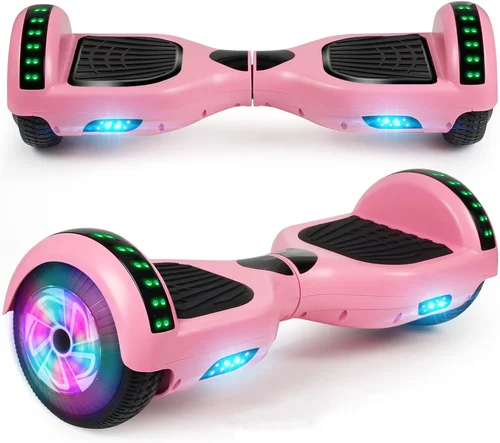
❌ Mistake: Ignoring Safety Certifications
Why it’s bad: Buying a hoverboard without UL 2272 certification is like riding without a helmet—it puts you at serious risk of fire, electrical shock, or battery failure. Many cheap, uncertified models use low-quality batteries that can overheat during charging.
What to do instead: Always verify the certification. Look for the UL mark on the product label or packaging. If it’s missing, don’t buy it—even if it’s half the price of a certified model.
❌ Mistake: Choosing Based on Price Alone
Why it’s bad: The cheapest hoverboards often cut corners on safety, battery life, and build quality. You might save $50 upfront but end up replacing the board in a few months.
What to do instead: Set a realistic budget ($200–$350 for beginners) and prioritize value over the lowest price. A slightly more expensive model with better reviews and warranty will last longer and perform better.
❌ Mistake: Overlooking Weight Limits
Why it’s bad: Riding a hoverboard that’s not rated for your weight can damage the motors, reduce battery life, and increase the risk of accidents.
What to do instead: Check the maximum weight capacity before buying. If you’re close to the limit, choose a model with a higher rating for safety margin.
❌ Mistake: Skipping the Test Ride
Why it’s bad: Every hoverboard feels different. What looks good on paper might be uncomfortable or hard to control in real life.
What to do instead: If possible, test the board in-store or ask the seller if returns are allowed. Practice on a soft surface like grass or carpet before riding on pavement.
❌ Mistake: Ignoring App and Software Features
Why it’s bad: Some hoverboards have buggy apps or no app support at all, limiting functionality and making troubleshooting difficult.
What to do instead: Choose a brand with a reliable app, like Gotrax. Test the app before buying—download it and see if it connects smoothly and offers useful features.
❌ Mistake: Not Reading the Warranty
Why it’s bad: A vague or short warranty leaves you unprotected if the board breaks down after a few months.
What to do instead: Look for at least a 1-year warranty and understand what’s covered. Register your product immediately to activate coverage.
❌ Mistake: Buying from Unverified Sellers
Why it’s bad: Third-party sellers on Amazon or eBay may sell counterfeit or refurbished units as new.
What to do instead: Buy directly from the manufacturer or authorized retailers like Best Buy, Walmart, or the Gotrax website. Check seller ratings and reviews.
Budget Guidelines: How Much Should You Spend?
– Entry-Level ($150–$250): This range includes basic models like the Gotrax Hoverfly ECO. Expect 6.5-inch wheels, 4–6 hour battery life, and essential safety features. Ideal for kids and light adults who ride occasionally on smooth surfaces.
– Mid-Range ($250–$350): The sweet spot for most beginners. Models like the Gotrax Hoverfly XL offer 8-inch tires, better motors, app connectivity, and longer range. Perfect for daily use, teens, and adults.
– Premium ($350–$450): For riders who want enhanced performance and features. The Gotrax Hoverfly ZZ fits here, with all-terrain tires, Bluetooth speakers, and advanced LED lighting. Great for off-road adventures and tech-savvy users.
– Luxury ($450+): Top-tier hoverboards with premium materials, extended warranties, and cutting-edge tech. These are overkill for beginners but ideal for enthusiasts or commercial use.
Expert Tips for Getting the Best Deal
– Buy during seasonal sales: Look for discounts during Black Friday, Cyber Monday, or back-to-school season. Gotrax often runs promotions in August and November.
– Check manufacturer websites: Gotrax.com frequently offers exclusive bundles, free shipping, or extended warranties not available on retail sites.
– Compare prices across retailers: Use tools like Google Shopping or PriceGrabber to find the lowest price. Don’t forget to factor in shipping and return policies.
– Read the fine print on warranties: Some brands require proof of purchase and registration within 30 days. Keep your receipt and register immediately.
– Test before you commit: If buying in-store, ask to try the hoverboard. If online, choose retailers with generous return windows (30 days or more).
– Look for refurbished models: Gotrax offers certified refurbished hoverboards at 20–30% off. These are tested, cleaned, and come with a warranty—great for budget-conscious buyers.
– Join loyalty programs: Sign up for Gotrax’s email list to get early access to sales, promo codes, and new product launches.
– Consider bundle deals: Some retailers sell hoverboards with helmets, carrying bags, or phone mounts. These can save you money compared to buying separately.

Frequently Asked Questions
Q: Are hoverboards safe for kids?
A: Yes, when they’re UL 2272 certified and used properly. Gotrax models are designed with safety in mind, featuring speed limits, non-slip pads, and stable balancing. Always supervise young riders and ensure they wear protective gear.
Q: How long does it take to learn to ride a hoverboard?
A: Most beginners can balance and ride confidently within 15–30 minutes. Start on a soft surface, hold onto a wall or railing, and practice leaning gently to move forward and backward.
Q: Can hoverboards go uphill?
A: Yes, but performance depends on motor power and incline. Gotrax hoverboards with 350W motors can handle slopes up to 15 degrees. Avoid steep hills until you’re experienced.
Q: Do hoverboards work in the rain?
A: Most are water-resistant but not waterproof. Avoid riding in heavy rain or puddles, as water can damage the electronics. Gotrax boards have some splash resistance but should be dried thoroughly after wet exposure.
Q: How often should I charge my hoverboard?
A: Charge after each use to maintain battery health. Avoid letting the battery drop to 0% regularly. Use the included charger only—third-party chargers can damage the battery.
Q: Can I take my hoverboard on a plane?
A: No. Hoverboards contain lithium-ion batteries, which are prohibited in checked and carry-on luggage by most airlines due to fire risk.
Q: What’s the difference between solid and pneumatic tires?
A: Solid tires are maintenance-free but offer a rougher ride. Pneumatic (air-filled) tires provide better shock absorption and grip but require occasional air checks. Gotrax uses both, depending on the model.
Q: Do I need a helmet?
A: Yes. While not legally required everywhere, a helmet significantly reduces the risk of head injury. Pair your hoverboard with a certified helmet, knee pads, and elbow pads for full protection.
Q: Can adults ride Gotrax hoverboards?
A: Absolutely. Gotrax models support up to 220 pounds and are designed for teens and adults. The Hoverfly XL and ZZ are especially popular among adult riders.
Q: What if my hoverboard stops working?
A: First, check the battery and charging port. If it still doesn’t work, contact Gotrax support. Most issues are covered under warranty, and they offer troubleshooting guides and replacement parts.
Our Final Recommendations
– Best for Budget-Conscious Buyers: Gotrax Hoverfly ECO – At under $250, it’s affordable, safe, and perfect for kids and light riders. UL 2272 certified with a 4-hour battery life.
– Best Overall Value: Gotrax Hoverfly XL – Combines 8-inch pneumatic tires, app connectivity, and strong motors at a reasonable price. Ideal for teens and adults.
– Best Premium Option: Gotrax Hoverfly ZZ – Built for adventure with all-terrain tires, Bluetooth speakers, and rugged design. Worth the extra cost for off-road enthusiasts.
– Best for Beginners: Gotrax Hoverfly ECO – Lightweight, easy to learn, and packed with safety features. The perfect first hoverboard.
– Best for Advanced Users: Gotrax Hoverfly ZZ – Offers the most power, range, and customization. Great for riders who want to push limits.
Conclusion: Making the Right Choice
Choosing your first hoverboard doesn’t have to be stressful. By focusing on safety, performance, and real-world usability, you can find a model that fits your lifestyle and budget. Gotrax stands out as a top choice for beginners, offering reliable, certified hoverboards with thoughtful features and strong customer support. Whether you’re buying for yourself or a loved one, prioritize UL 2272 certification, battery life, and ease of use.
Remember, the best hoverboard is the one you’ll actually ride. Don’t get swayed by flashy lights or exaggerated specs—look for balance, durability, and value. Take your time, read reviews, and test when possible. With the right board, you’ll enjoy smooth rides, new adventures, and the freedom of electric mobility.
Ready to roll? Start your search with confidence, and happy riding!