
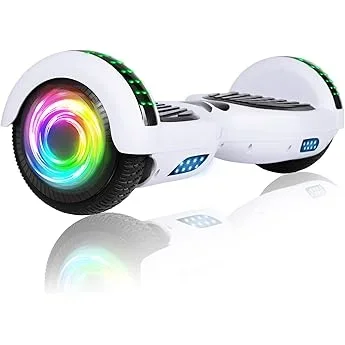
If you’re new to the world of personal electric transportation, a hoverboard might just be the perfect entry point. These self-balancing scooters have evolved dramatically since their viral debut over a decade ago—transforming from novelty gadgets into reliable, safe, and fun mobility devices. Whether you’re buying one for your child, yourself, or as a gift, choosing the right beginner hoverboard in 2026 requires more than just picking the flashiest model. With dozens of brands, hundreds of models, and a wide range of features, prices, and safety certifications, it’s easy to feel overwhelmed.
That’s exactly why this guide exists. We’ve spent months researching, testing, and comparing the latest beginner-friendly hoverboards on the market to help you make a confident, informed decision. Our goal isn’t to sell you on a specific brand or model—it’s to arm you with the knowledge you need to choose a hoverboard that fits your lifestyle, budget, and safety needs. By the end of this guide, you’ll understand what separates a quality beginner hoverboard from a risky or underperforming one, how to avoid common pitfalls, and where to get the best value for your money.
The hoverboard market in 2026 is more mature and competitive than ever. Gone are the days of cheap, fire-prone imitations flooding online marketplaces. Today’s best beginner hoverboards come with UL 2272 safety certification, improved battery technology, better build quality, and smarter features like app connectivity, LED lighting, and even Bluetooth speakers. However, not all hoverboards are created equal—especially when it comes to safety, durability, and ease of use for first-time riders. This comprehensive buying guide will walk you through every critical factor, from performance specs to warranty policies, so you can ride with confidence from day one.

What to Look for When Buying a Beginner Hoverboard
1. Safety Certifications & Compliance
When it comes to hoverboards, safety isn’t optional—it’s essential. The single most important factor to verify before purchasing any hoverboard is whether it carries UL 2272 certification. This certification, issued by Underwriters Laboratories, ensures that the hoverboard’s electrical and fire safety systems meet rigorous standards. Specifically, UL 2272 tests the battery, charger, wiring, and overall electrical system for risks like overheating, short circuits, and fire hazards. In the early 2010s, numerous hoverboard fires were traced back to uncertified lithium-ion batteries, which led to widespread recalls and stricter regulations. Today, UL 2272 is the gold standard for hoverboard safety.
Beyond UL 2272, look for additional safety features such as overcharge protection, temperature monitoring, and auto-shutoff mechanisms. These prevent the battery from overheating during charging or prolonged use. Some premium models also include water resistance ratings (like IP54 or IP65), which protect internal components from light rain or splashes—though no hoverboard should be submerged in water. Always check the product listing or packaging for a visible UL 2272 logo or certification number. If it’s missing, walk away. No amount of savings is worth the risk of a malfunctioning battery.
2. Budget & Price Range
Hoverboards come in a surprisingly wide price range, from under $100 to over $500. For beginners, it’s tempting to go for the cheapest option available—but this often leads to disappointment or even danger. As a general rule, avoid hoverboards priced below $120, as they’re typically made with low-quality components, lack safety certifications, and have poor battery life. These budget models may look similar to higher-end ones, but they often use uncertified batteries and flimsy plastic shells that can crack or overheat.
For most first-time riders, a hoverboard in the $150–$250 range offers the best balance of safety, performance, and value. In this tier, you’ll find models with UL 2272 certification, decent battery life (1–2 hours of ride time), and basic features like LED lights and Bluetooth speakers. If you’re willing to spend a bit more—say, $250–$350—you’ll gain access to improved motors, better build quality, longer battery life, and smart features like mobile app integration. Only consider premium models ($350+) if you plan to use the hoverboard frequently, ride on varied terrain, or want advanced customization options.
It’s also worth noting that price doesn’t always correlate with quality. Some brands inflate prices based on marketing rather than performance. Always cross-check features, reviews, and certifications before making a decision. A $200 hoverboard with UL 2272, a 4.5-star average rating, and a 1-year warranty is often a better buy than a $300 model with vague specs and no customer support.
3. Performance Specifications
Performance matters—especially for beginners who need stability, smooth acceleration, and reliable braking. The key performance specs to evaluate include motor power, top speed, range (battery life), and weight capacity. Most beginner hoverboards feature dual motors ranging from 250W to 500W per wheel. For casual riding on flat surfaces, 250W motors are sufficient. However, if you plan to ride on slight inclines or carry heavier loads, opt for 350W or higher motors, which provide better torque and climbing ability.
Top speed typically ranges from 6 to 10 mph. For beginners, a hoverboard with a top speed of 7–8 mph is ideal—it’s fast enough to be fun but slow enough to maintain control. Avoid models that advertise speeds above 10 mph unless you’re an experienced rider, as higher speeds increase the risk of falls, especially on uneven terrain. Battery life, or range, is another critical factor. Most beginner hoverboards offer 6 to 12 miles per charge, depending on rider weight, terrain, and speed. A 10-mile range is excellent for daily commuting or extended recreational use.
Weight capacity is often overlooked but crucial. Most hoverboards support riders up to 220–265 lbs. If you’re near or above this limit, choose a model with a higher weight capacity to ensure stability and prevent motor strain. Overloading a hoverboard can lead to reduced performance, shorter battery life, and even motor failure. Always check the manufacturer’s specifications and avoid exceeding the recommended weight limit.
4. Build Quality & Durability
A hoverboard is an investment, and like any investment, you want it to last. Build quality directly impacts how well your hoverboard withstands daily use, minor drops, and environmental conditions. Start by examining the frame material. High-quality hoverboards use reinforced ABS plastic or aluminum alloy frames, which are lightweight yet durable. Avoid models with thin, brittle plastic that cracks easily under pressure.
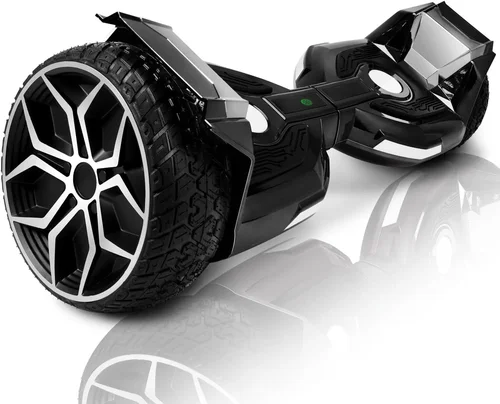
The wheel type and size also affect durability and ride quality. Most beginner hoverboards come with 6.5-inch or 8-inch solid rubber tires. Solid tires are puncture-proof and require no maintenance, making them ideal for beginners. However, they offer less shock absorption than air-filled tires, which can make rides on rough pavement feel bumpy. If you plan to ride on smooth surfaces like sidewalks or indoor floors, solid tires are fine. For rougher terrain, consider models with 8-inch or 10-inch air-filled tires, which provide better cushioning and grip.
Pay attention to the foot pads and grip surface. Non-slip, textured foot pads are essential for maintaining balance, especially during sudden stops or turns. Some models feature LED-lit foot pads, which add a fun visual element but don’t improve functionality. Finally, check the charging port and button placement. Well-designed hoverboards have protected charging ports and easily accessible power buttons, reducing the risk of damage from dust or moisture.
5. Features & Functionality
Modern hoverboards come packed with features that enhance safety, convenience, and fun. While not all features are necessary for beginners, some can significantly improve the riding experience. Bluetooth speakers are a popular addition, allowing you to stream music directly from your phone. While this doesn’t affect performance, it adds entertainment value—especially for younger riders. Just be mindful of volume levels to stay aware of your surroundings.
LED lighting is another common feature. Most hoverboards include front and rear LED lights, which improve visibility in low-light conditions. Some models go further with customizable light patterns, color-changing wheels, or underglow lighting. These are purely aesthetic but can make nighttime rides more enjoyable and safer by increasing your visibility to others.
Mobile app integration is becoming more common in mid-to-high-end models. Apps allow you to monitor battery life, adjust speed settings, track ride distance, and even lock the hoverboard remotely. For beginners, app features like speed limiters or training modes can be incredibly helpful. These modes restrict top speed and provide haptic feedback to help new riders learn balance and control. If you’re buying for a child or a nervous first-time rider, look for a hoverboard with a beginner mode or app-based training features.
Other features to consider include self-balancing technology (which helps stabilize the board when powered on), 360-degree rotation (for tight turns and tricks), and carry handles or straps (for easier transport). While not essential, these can make a big difference in usability and convenience.
6. Brand Reputation & Reliability
Not all hoverboard brands are created equal. Some companies prioritize safety, quality control, and customer service, while others focus on cutting costs and maximizing profits. When choosing a beginner hoverboard, it’s wise to stick with reputable brands known for consistent performance and reliability. Established names like Gotrax, Swagtron, Segway, and Razor have built strong reputations over the years by delivering safe, well-designed products.
Research the brand’s history—have they had recalls? Do they respond to customer complaints? Are their products consistently UL 2272 certified? Brands with a track record of transparency and accountability are more likely to stand behind their products. Avoid unknown or generic brands sold exclusively through third-party marketplaces like Amazon or eBay, especially if they lack customer reviews or detailed product information.
Also consider the brand’s presence in the market. Companies with physical retail partnerships (like Best Buy, Target, or Walmart) often undergo stricter quality checks than those sold only online. This doesn’t mean online-only brands are bad—many are excellent—but it’s a useful indicator of legitimacy. Reading customer reviews on multiple platforms (Amazon, Google, Reddit) can also reveal patterns in reliability, such as frequent battery issues or poor customer support.
7. Warranty & Support
A good warranty is a sign that a manufacturer stands behind its product. For beginner hoverboards, look for a minimum 1-year warranty that covers defects in materials and workmanship. Some premium brands offer 18-month or even 2-year warranties, which is a strong indicator of confidence in their product. The warranty should clearly state what’s covered (e.g., battery, motors, electronics) and what’s not (e.g., physical damage, water exposure).
Equally important is customer support. If something goes wrong, you want to be able to reach a real person quickly. Check if the brand offers phone, email, or live chat support. Read reviews to see how responsive and helpful their support team is. Brands with poor support often leave customers stranded with defective products. Gotrax, for example, offers U.S.-based customer service and a straightforward warranty process, which is a major plus for beginners who may need guidance.
Before purchasing, review the return policy. Most reputable retailers offer a 30-day return window for defective or unsatisfactory products. Make sure the hoverboard can be returned without excessive restocking fees or complicated procedures. If a seller doesn’t allow returns or charges high fees, it’s a red flag.
8. Size & Portability
Hoverboards are generally compact, but size and weight can vary. Most models weigh between 20 and 30 pounds, with dimensions around 23 x 7 x 6.5 inches. For beginners, especially younger riders, a lighter hoverboard (under 25 lbs) is easier to carry and maneuver. If you plan to transport the hoverboard frequently—say, to school, work, or a friend’s house—consider models with built-in carry handles or optional carrying straps.
Wheel size also affects portability. Smaller 6.5-inch wheels are lighter and more compact, making them easier to store in a backpack or under a desk. Larger 8-inch or 10-inch wheels offer better stability and ride comfort but add weight and bulk. Think about where and how you’ll use the hoverboard. For indoor use or short commutes, a compact model is ideal. For outdoor adventures or longer rides, a slightly larger, more stable board may be worth the extra weight.
Storage is another consideration. If you live in a small apartment or have limited space, look for hoverboards that can be stored vertically or have a slim profile. Some models even come with wall mounts or storage bags, which can help keep your space organized.
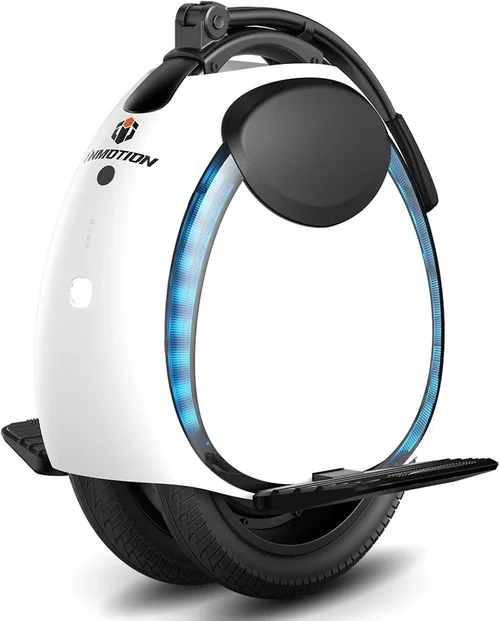
Different Types of Hoverboards

Common Buying Mistakes to Avoid
❌ Mistake: Ignoring Safety Certifications
Why it’s bad: Buying a hoverboard without UL 2272 certification is like driving a car without seatbelts—it might work fine for a while, but the risk of disaster is too high. Uncertified hoverboards are prone to battery fires, electrical failures, and sudden shutdowns, which can cause serious injury.
What to do instead: Always verify UL 2272 certification before purchasing. Check the product listing, packaging, or manufacturer’s website. If it’s not clearly stated, contact the seller or choose a different model.
❌ Mistake: Choosing Based on Price Alone
Why it’s bad: The cheapest hoverboard is rarely the best value. Low-cost models often cut corners on safety, build quality, and battery life, leading to frustration, frequent replacements, or even accidents.
What to do instead: Set a realistic budget ($150–$250 for most beginners) and prioritize safety, warranty, and brand reputation over price. A slightly more expensive model with UL certification and good reviews will save you money and stress in the long run.
❌ Mistake: Overlooking Weight Capacity
Why it’s bad: Exceeding the hoverboard’s weight limit can strain the motors, reduce battery life, and increase the risk of tipping or losing control. This is especially dangerous for heavier riders or those carrying backpacks.
What to do instead: Check the manufacturer’s weight limit and choose a model that supports at least 20–30 lbs above your current weight. If you’re near the limit, opt for a higher-capacity model.
❌ Mistake: Not Reading User Reviews
Why it’s bad: Product descriptions can be misleading or overly optimistic. Reviews from real users reveal common issues like poor battery life, weak motors, or unresponsive customer service.
What to do instead: Read at least 10–20 reviews on multiple platforms. Look for patterns—if multiple users report the same problem, it’s likely a real issue. Pay attention to reviews from buyers with similar needs (e.g., beginners, kids, heavy riders).
❌ Mistake: Skipping the Warranty Check
Why it’s bad: Hoverboards have electronic components that can fail. Without a warranty, you’re stuck paying for repairs or replacements out of pocket.
What to do instead: Always choose a model with at least a 1-year warranty and reliable customer support. Check the warranty terms and ensure it covers the battery and motors.
❌ Mistake: Buying Without Testing
Why it’s bad: Every hoverboard feels different. A model that looks great on paper might be too fast, too slow, or uncomfortable to ride for your specific needs.
What to do instead: If possible, test the hoverboard in-store or buy from a retailer with a generous return policy. Many stores allow you to try before you buy, or you can return the product within 30 days if it doesn’t meet your expectations.
Budget Guidelines: How Much Should You Spend?
Hoverboards are available at nearly every price point, but your budget should align with your needs, safety priorities, and intended use. Here’s a breakdown of what to expect at different price tiers in 2026:
- Entry-Level ($120–$160): These models are best avoided unless you’re on an extremely tight budget. Most lack UL 2272 certification, have weak motors (under 250W), and offer poor battery life (under 6 miles). They’re often made by unknown brands with no warranty or support. Only consider this tier if you’re buying for a very young child and plan to upgrade soon.
- Mid-Range ($160–$250): This is the sweet spot for most beginners. You’ll find UL 2272-certified models from reputable brands like Gotrax and Swagtron, with 350W motors, 8–10 mile range, and basic features like LED lights and Bluetooth. Build quality is solid, and warranties typically cover 1 year. This tier offers the best balance of safety, performance, and affordability.
- Premium ($250–$350): Ideal for frequent riders or those who want extra features. These hoverboards often include app connectivity, larger wheels, better suspension, and longer battery life (up to 12 miles). They’re built to last and come with strong customer support. Great for teens, adults, or anyone planning to use the hoverboard daily.
- Luxury ($350+): Reserved for enthusiasts and professionals. These models boast high-performance motors (500W+), top speeds over 10 mph, advanced safety systems, and premium materials. They may include GPS tracking, custom ride modes, and rugged all-terrain capabilities. Only worth the investment if you’re a serious rider or need top-tier performance.
Expert Tips for Getting the Best Deal
- Buy during seasonal sales: Hoverboards often go on sale during Black Friday, Cyber Monday, back-to-school season (July–August), and holiday periods. Sign up for newsletters from brands like Gotrax or retailers like Amazon to get early access to discounts.
- Shop at authorized retailers: Buy from trusted stores like Best Buy, Target, Walmart, or the manufacturer’s official website. These retailers often offer better warranties, return policies, and customer service than third-party sellers.
- Compare prices across platforms: Use price comparison tools or check Amazon, eBay, and the brand’s site simultaneously. Sometimes the same model is cheaper on one platform due to promotions or shipping deals.
- Look for bundle deals: Some brands offer packages that include a hoverboard, carrying case, helmet, or extra battery. These can save you money compared to buying items separately.
- Check for refurbished models: Certified refurbished hoverboards from reputable brands can offer significant savings (20–40% off) while still including a warranty. Just make sure they’re tested and certified by the manufacturer.
- Read the fine print on warranties: Some warranties only cover manufacturing defects, not normal wear and tear. Understand what’s included and how to file a claim.
- Test before committing: If you’re unsure, buy from a retailer with a 30-day return policy. This gives you time to test the hoverboard and return it if it doesn’t meet your expectations.
- Join online communities: Forums like Reddit’s r/hoverboard or Facebook groups often share deals, reviews, and troubleshooting tips. Other riders can be a valuable resource.

Frequently Asked Questions
Q: Are hoverboards safe for kids?
A: Yes, but only if they’re UL 2272 certified and age-appropriate. Most experts recommend hoverboards for children ages 8 and up, provided they wear protective gear (helmet, knee pads, elbow pads) and are supervised during initial use. Choose a model with a lower top speed (6–7 mph) and a beginner mode if available.
Q: How long does a hoverboard battery last?
A: Most beginner hoverboards offer 6 to 12 miles per charge, depending on rider weight, terrain, and speed. Battery life decreases over time, so expect about 300–500 charge cycles before performance declines significantly.
Q: Can hoverboards go uphill?
A: Yes, but only if the motors are powerful enough. A 350W motor can handle gentle slopes (up to 10–15 degrees), while 500W motors can manage steeper inclines. Check the manufacturer’s specifications for maximum incline capability.
Q: Do I need to wear a helmet?
A: Absolutely. While not legally required in all areas, wearing a helmet significantly reduces the risk of head injury in case of a fall. Always prioritize safety, especially for beginners and younger riders.
Q: Can I ride a hoverboard in the rain?
A: Most hoverboards are not waterproof. While some have water resistance (IP54), they should not be ridden in heavy rain or submerged in water. Moisture can damage the electronics and void the warranty.
Q: How do I maintain my hoverboard?
A: Keep it clean, store it in a dry place, and avoid overcharging. Charge the battery after each use and avoid letting it drain completely. Check the wheels and foot pads regularly for wear and tear.
Q: What should I do if my hoverboard stops working?
A: First, check the battery and charging cable. If it still doesn’t work, contact the manufacturer’s customer support. Most issues can be resolved under warranty if the product is defective.
Q: Can adults ride hoverboards?
A: Yes! Many adults use hoverboards for commuting, exercise, or recreation. Just make sure the model supports your weight and has the performance features you need.
Q: Are hoverboards legal to ride on sidewalks?
A: Laws vary by city and state. In many places, hoverboards are allowed on sidewalks but prohibited on roads or highways. Check local regulations before riding in public spaces.
Q: How long does it take to learn to ride a hoverboard?
A: Most beginners can learn the basics in 15–30 minutes with practice. Start on a flat, open surface and use walls or railings for support. Be patient—balance takes time to develop.
Our Final Recommendations
- Best for Budget-Conscious Buyers: Gotrax Hoverfly E1 – At around $180, this model offers UL 2272 certification, a 350W motor, 8-mile range, and a 1-year warranty. It’s reliable, safe, and perfect for first-time riders.
- Best Overall Value: Swagtron T6 – Priced at $250, this all-terrain hoverboard features 8.5-inch air-filled tires, app connectivity, and a 12-mile range. It’s durable, fun, and great for both beginners and intermediate riders.
- Best Premium Option: Segway Ninebot S-Plus – At $450, this is a top-tier hoverboard with a 500W motor, 14-mile range, app control, and advanced safety features. Ideal for serious riders who want the best performance.
- Best for Beginners: Gotrax Hoverfly E2 – With a beginner mode, 7 mph top speed, and lightweight design, this $200 model is perfect for new riders. It’s easy to learn, safe, and comes with excellent customer support.
- Best for Advanced Users: Razor Hovertrax 2.0 – Known for its smooth ride and responsive controls, this $300 hoverboard is great for those who want to perform tricks or ride at higher speeds. It’s built for performance and durability.
Conclusion: Making the Right Choice
Choosing the best beginner hoverboard in 2026 doesn’t have to be overwhelming. By focusing on safety certifications, performance specs, build quality, and brand reputation, you can find a model that’s not only fun to ride but also safe and reliable. Remember: the cheapest option isn’t always the best, and cutting corners on safety can lead to serious consequences. Prioritize UL 2272 certification, read real user reviews, and take advantage of warranties and return policies.
Whether you’re buying for yourself, your child, or as a gift, the right hoverboard can provide hours of enjoyment, improved mobility, and a sense of freedom. Use the guidelines in this article to narrow down your options, compare models, and make a confident decision. And once you’ve made your choice, don’t forget to practice in a safe, open area and always wear protective gear.
Your perfect hoverboard is out there—safe, stylish, and ready to roll. Happy riding!