
Fat tire e-bikes have exploded in popularity over the past few years—and for good reason. These rugged, all-terrain electric bicycles combine the power of a motor with the stability and traction of oversized tires, making them ideal for everything from snowy backroads and sandy beaches to muddy trails and city streets. Whether you’re an outdoor adventurer, a commuter looking for a more versatile ride, or someone who just wants a fun, confidence-inspiring way to get around, a fat tire e-bike can be a game-changer.
But with so many models flooding the market—from budget-friendly imports to high-end performance machines—it’s easy to feel overwhelmed. That’s exactly why this guide exists. We’ve spent months researching, testing, and comparing dozens of fat tire e-bikes across every price point and use case. Our goal? To arm you with everything you need to make a smart, informed decision—no marketing fluff, no hidden surprises. By the end of this article, you’ll understand exactly what to look for, which brands deliver real value, and how to avoid common pitfalls that trip up first-time buyers.
The fat tire e-bike market has matured significantly in recent years. What once was a niche segment dominated by a handful of off-road enthusiasts has now become mainstream, with major brands like Rad Power Bikes, Aventon, Juiced Bikes, and even traditional bicycle manufacturers like Trek and Specialized offering capable models. At the same time, direct-to-consumer startups and overseas manufacturers have driven prices down, making fat tire e-bikes more accessible than ever. But lower prices don’t always mean better value—and that’s where this guide comes in. We’ll walk you through the key factors that truly matter, help you understand the trade-offs at different budget levels, and give you actionable advice to ensure you get the right bike for your needs.

What to Look for When Buying a Fat Tire E-Bike
1. Motor Power and Type
The motor is the heart of any e-bike, and on a fat tire model, it needs to be strong enough to handle extra weight, rolling resistance, and challenging terrain. Most fat tire e-bikes use either hub motors (located in the front or rear wheel) or mid-drive motors (mounted near the pedals). Hub motors are simpler, more affordable, and generally reliable—ideal for casual riders or those on a budget. Mid-drive motors, while pricier, offer better weight distribution, improved hill-climbing ability, and more natural pedal assistance, making them preferable for serious off-road use.
Motor power is measured in watts (W). In the U.S., federal law limits e-bikes to 750W for Class 1 and Class 3 models, though many manufacturers still advertise higher peak outputs. For fat tire e-bikes, aim for at least 500W–750W if you plan to ride on sand, snow, or steep hills. Lower-powered motors (250W–350W) may struggle under load and drain your battery faster. Also consider torque—measured in Newton-meters (Nm)—which determines how quickly the bike accelerates and climbs. Look for at least 60–80 Nm for serious off-road performance.
2. Battery Capacity and Range
Battery life is arguably the most critical factor after motor performance. Fat tire e-bikes consume more energy due to their wide tires and heavy frames, so battery capacity matters even more than on standard e-bikes. Battery capacity is measured in watt-hours (Wh)—a higher number means longer range. Most quality fat tire e-bikes offer batteries between 480Wh and 960Wh.
Range depends on several variables: rider weight, terrain, assist level, wind, and tire pressure. A typical 672Wh battery might give you 30–50 miles on flat ground with moderate pedal assist, but that could drop to 15–25 miles on sand or steep hills. Always check if the battery is removable—this allows for easy charging, replacement, or carrying a spare. Lithium-ion (Li-ion) is the standard chemistry; avoid older or unspecified chemistries like lead-acid, which are heavy and inefficient.
Also consider battery placement. Frame-integrated batteries look sleek and lower the center of gravity, while rear rack-mounted batteries are easier to swap but can affect handling. Some premium models even offer dual-battery options for extended adventures.
3. Frame Material and Build Quality
Fat tire e-bikes are inherently heavier than regular e-bikes—often weighing 60–80+ pounds—so the frame must be robust enough to handle the stress without flexing or cracking. Most use aluminum alloy (like 6061 or 7005), which offers a great balance of strength, weight, and corrosion resistance. Steel frames are stronger and absorb vibrations better but add significant weight. Carbon fiber is rare in fat tire e-bikes due to cost and impact vulnerability, though some high-end models experiment with it.
Look for reinforced joints, thick tubing, and quality welds. Check for rust-resistant coatings, especially if you’ll ride in wet or salty conditions (like beach paths). Suspension forks are common on mid- to high-end models—they improve comfort on rough terrain but add weight and maintenance. Full-suspension fat tire e-bikes exist but are niche and expensive; most riders do fine with a quality front suspension fork and wide, cushioned tires.
4. Tire Size and Tread Pattern
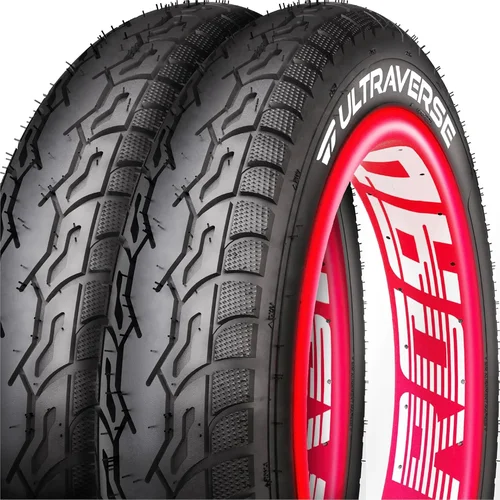
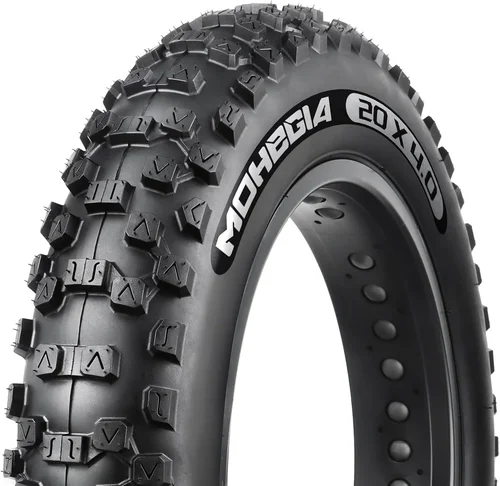
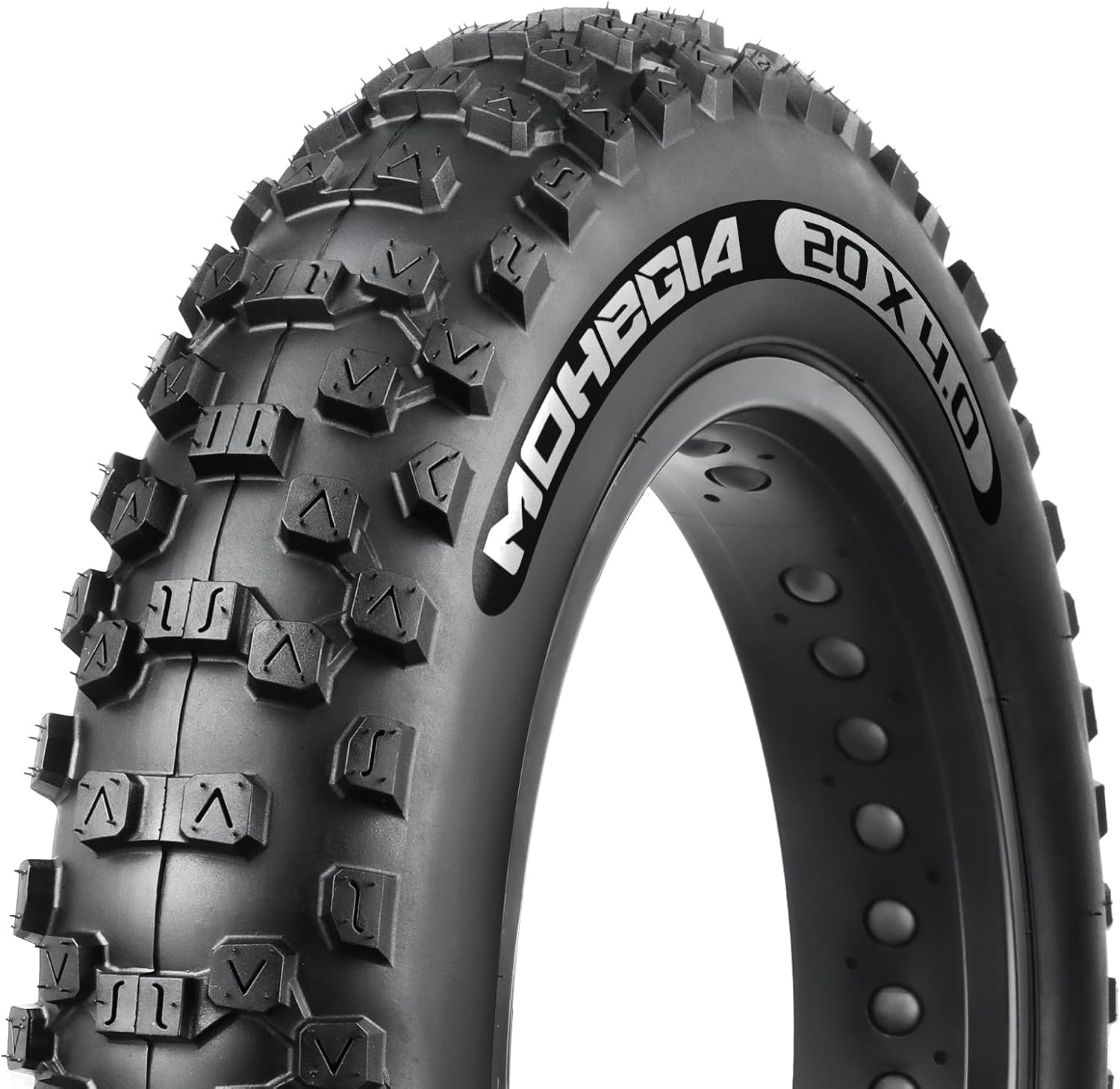
Fat tires typically range from 3.8” to 5” in width, with 4” being the sweet spot for most riders. Wider tires (4.5”–5”) provide maximum flotation on soft surfaces like snow or sand but increase rolling resistance and weight. Narrower fat tires (3.8”–4”) roll more efficiently on pavement and hardpack while still offering excellent grip.
Tread pattern is equally important. Knobby, aggressive treads excel off-road but create noise and drag on pavement. Semi-slick or hybrid treads offer a compromise—quieter on roads while still gripping dirt trails. Consider your primary terrain: if you’re mostly commuting, lean toward smoother treads; if you’re hitting dunes or forest trails, go knobby. Also check tire pressure range—lower PSI (5–15) maximizes traction off-road, while higher PSI (20–30) improves efficiency on pavement.
5. Braking System
With all that weight and speed, reliable brakes are non-negotiable. Mechanical disc brakes are common on budget models but require more hand force and wear faster. Hydraulic disc brakes are superior—they offer consistent, powerful stopping with minimal effort, perform well in wet conditions, and require less maintenance. For fat tire e-bikes, always opt for hydraulic discs if possible.
Brake rotor size also matters. Larger rotors (180mm–203mm) dissipate heat better and provide more stopping power—essential for heavy bikes descending hills. Avoid rim brakes entirely; they’re unsafe on fat tire e-bikes due to poor modulation and susceptibility to mud/snow buildup.
6. Drivetrain and Gearing
Fat tire e-bikes often use either single-speed, 7-speed, or 8–11-speed drivetrains. Single-speed setups are simple and low-maintenance but limit your ability to tackle hills or maintain speed on flats. Multi-speed drivetrains (usually Shimano Tourney, Altus, or Deore) give you flexibility—lower gears for climbing, higher gears for cruising.
Pay attention to the derailleur quality and chain type. A worn or cheap drivetrain will shift poorly and wear out quickly under motor-assisted loads. Some high-end models use belt drives instead of chains—these are cleaner, quieter, and require zero lubrication, but they’re harder to repair and not compatible with all frames.
7. Display and Controls
The display is your interface with the bike’s electronics. Basic LCD screens show speed, battery level, and assist mode—adequate for casual riders. Color displays with Bluetooth connectivity, GPS tracking, ride analytics, and smartphone integration offer a premium experience but add cost and complexity.
Look for intuitive controls: easy-to-reach buttons, clear visibility in sunlight, and responsive feedback. Some bikes feature torque sensors that adjust assistance based on how hard you pedal—this feels more natural than cadence sensors, which only respond to pedal rotation. Torque sensors are worth the upgrade if you prioritize a smooth, bike-like ride.
8. Weight and Portability
Fat tire e-bikes are heavy—there’s no way around it. But some are heavier than others. Frame design, motor type, battery size, and added features (like suspension or racks) all contribute. If you need to carry your bike upstairs, load it into a car, or store it in a small apartment, weight becomes a major concern.
Check if the bike folds (rare but available on some commuter-focused models) or if the wheels are quick-release for easier transport. Also consider standover height—the distance from the ground to the top tube. A lower standover makes mounting and dismounting safer, especially for shorter riders or those with limited mobility.
Different Types of Fat Tire E-Bikes

Common Buying Mistakes to Avoid
❌ Mistake: Prioritizing Price Over Battery and Motor Quality
Why it’s bad: The cheapest fat tire e-bikes often cut corners on motor and battery specs—using underpowered motors, low-capacity batteries, or poor-quality cells that degrade quickly. This leads to short range, weak performance, and frequent replacements.
What to do instead: Allocate at least 60% of your budget to motor and battery. A $1,200 bike with a 500W motor and 672Wh battery will outperform a $900 bike with a 350W motor and 480Wh pack—even if the cheaper one looks flashier.
❌ Mistake: Ignoring Local Laws and Class Ratings
Why it’s bad: E-bike regulations vary by state and country. Riding a Class 3 bike (28 mph top speed) on trails restricted to Class 1 (20 mph, pedal-assist only) can result in fines or bans. Some ultra-powerful “off-road only” models aren’t street-legal at all.
What to do instead: Check your local laws before buying. Most fat tire e-bikes are Class 2 (throttle + pedal assist, 20 mph) or Class 3. Choose accordingly based on where you’ll ride most.
❌ Mistake: Overlooking Maintenance Requirements
Why it’s bad: Fat tire e-bikes have more complex systems than regular bikes—motors, batteries, wide tires, suspension—all requiring regular upkeep. Neglecting maintenance leads to premature wear, safety issues, and costly repairs.
What to do instead: Learn basic maintenance: tire pressure checks, brake adjustments, chain lubrication, and battery care. Budget for annual tune-ups at a local shop, especially if you ride in harsh conditions.
❌ Mistake: Buying Based on Looks Alone
Why it’s bad: A sleek design or aggressive styling doesn’t guarantee performance. Some brands prioritize aesthetics over functionality—resulting in weak frames, poor ergonomics, or unreliable electronics.
What to do instead: Focus on specs, component quality, and real user feedback. Test ride if possible. A bike that feels stable and responsive matters more than one that looks cool in photos.
❌ Mistake: Assuming All Fat Tires Are Equal
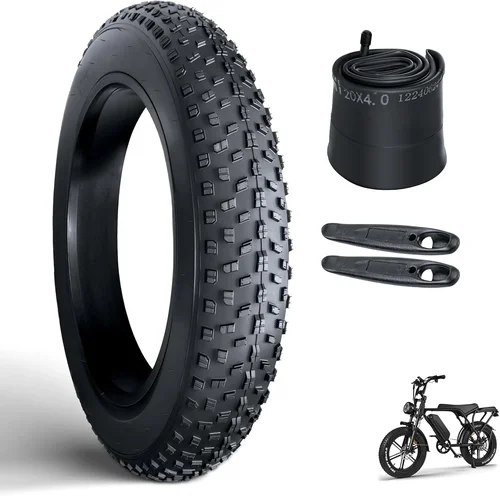
Why it’s bad: Tire quality varies wildly. Cheap tires may lack puncture protection, have weak sidewalls, or use low-grip rubber compounds. This affects safety, comfort, and efficiency.
What to do instead: Look for reputable tire brands like Maxxis, Vee Tire, or Schwalbe. Check for features like Kevlar belts, dual-compound rubber, and reinforced casings. Upgrade tires if needed—they’re one of the easiest performance boosts.
❌ Mistake: Skipping the Test Ride
Why it’s bad: Fat tire e-bikes handle differently than standard bikes—wider, heavier, and often slower to turn. What looks good on paper might feel unwieldy or uncomfortable in person.
What to do instead: Always test ride before buying. If purchasing online, choose retailers with generous return policies (30+ days). Pay attention to steering feel, braking responsiveness, and overall comfort.
❌ Mistake: Ignoring Warranty and Customer Support
Why it’s bad: E-bikes are complex machines. Without solid warranty coverage, a single failed component (like a controller or battery) could cost hundreds to replace out-of-pocket.
What to do instead: Choose brands with at least a 1–2 year comprehensive warranty, responsive customer service, and accessible repair networks. Read warranty fine print—some exclude batteries or motors after 6 months.
Budget Guidelines: How Much Should You Spend?
Entry-Level ($800–$1,500): These bikes are great for casual riders or those new to e-biking. Expect basic components: 350W–500W hub motors, 480Wh–672Wh batteries, mechanical disc brakes, and minimal suspension. Brands like Heybike, Ancheer, and Ecotric dominate this space. While functional, they may lack durability for daily or off-road use. Ideal for paved paths, light trails, or seasonal riding.
Mid-Range ($1,500–$3,000): This is the sweet spot for most buyers. You’ll find 750W motors, hydraulic disc brakes, quality drivetrains (Shimano Altus/Deore), and better displays. Batteries range from 672Wh to 960Wh, offering 30–60 miles of real-world range. Brands like Rad Power Bikes, Aventon, and Juiced Bikes excel here. These bikes handle mixed terrain confidently and come with solid warranties.
Premium ($3,000–$5,000): Designed for enthusiasts and serious adventurers. Features include mid-drive motors (e.g., Bafang M600), full suspension options, torque sensors, color displays with app integration, and premium tires. Frame materials are high-grade aluminum or even carbon. Expect excellent build quality, advanced safety features (lights, fenders, racks), and robust customer support. Perfect for long-distance touring, mountain trails, or all-weather commuting.
Luxury ($5,000+): Top-tier machines with cutting-edge tech. Think dual batteries, carbon frames, custom geometry, professional-grade suspension (RockShox, Fox), and proprietary software ecosystems. Brands like Riese & Müller, Specialized, and Trek offer these. They’re overkill for most riders but deliver unmatched performance, comfort, and prestige.
Expert Tips for Getting the Best Deal
- Shop during off-season sales: Winter (January–March) is the best time to buy fat tire e-bikes, as demand drops and retailers clear inventory. Many brands offer 15–30% discounts.
- Buy directly from reputable brands: Companies like Rad Power Bikes, Aventon, and Juiced Bikes sell online with free shipping, extended test periods, and direct warranty service—cutting out middleman markups.
- Check for bundle deals: Some retailers include free accessories (helmets, locks, racks) or extended warranties during promotions. These can add $200+ in value.
- Consider certified pre-owned: High-end e-bikes hold value well. Certified refurbished models from manufacturers often come with warranties and cost 20–40% less than new.
- Read return policies carefully: Ensure you have at least 14–30 days to return the bike if it doesn’t meet expectations. Some companies charge restocking fees or require you to pay return shipping.
- Join owner forums and Facebook groups: Real users share deals, troubleshooting tips, and honest reviews you won’t find on retail sites.
- Negotiate with local dealers: Even if a shop doesn’t advertise discounts, they may match online prices or throw in free assembly and tune-ups.
- Factor in total cost of ownership: Include maintenance, potential upgrades (better tires, lights), and insurance. A slightly pricier bike with lower upkeep can save money long-term.
Frequently Asked Questions
Q: Can I ride a fat tire e-bike in the snow?
A: Absolutely—fat tire e-bikes are among the best vehicles for snowy conditions. The wide tires provide excellent flotation, preventing you from sinking. Lower tire pressure (5–10 PSI) increases grip. Just ensure your battery stays warm (store indoors when not riding) and avoid deep powder unless you have a high-torque motor.
Q: Are fat tire e-bikes good for commuting?
A: Yes, especially if you face rough roads, potholes, or inclement weather. Their stability and cushioning make for a comfortable ride, and many models include lights, fenders, and racks. However, they’re heavier and slower on smooth pavement than standard e-bikes, so consider your route and parking situation.
Q: How fast do fat tire e-bikes go?
A: Most are limited to 20 mph (Class 2) or 28 mph (Class 3) by law. Actual top speed depends on motor power, terrain, and rider weight. On flat ground, expect 18–22 mph with throttle assist.
Q: Do I need a special license or insurance?
A: In most U.S. states, no—fat tire e-bikes are treated like regular bicycles if they meet Class 1/2/3 criteria. However, check local regulations. Some cities require helmets, and insurance is optional but recommended for high-value bikes.
Q: Can I pedal a fat tire e-bike without power?
A: Yes, but it’s harder due to the weight and tire resistance. It’s doable for short distances, but not ideal for long rides. Always carry a charger or plan routes with charging options if you rely heavily on the motor.
Q: How long do fat tire e-bike batteries last?
A: A quality Li-ion battery should last 800–1,000 charge cycles, equating to 3–5 years with regular use. Capacity gradually declines—expect 70–80% original range after 3 years. Avoid fully draining or overcharging to extend life.
Q: Are fat tire e-bikes suitable for beginners?
A: Yes, especially models with step-through frames and intuitive controls. The wide tires offer exceptional stability, boosting confidence. Start with a mid-range bike that has good brakes and a manageable weight.
Q: Can I upgrade components later?
A: Many parts are upgradeable—tires, seats, lights, racks. However, motors and batteries are usually integrated and costly to replace. Choose a bike with standard mounting points and compatible specs if you plan future upgrades.
Q: What’s the difference between a hub motor and mid-drive motor?
A: Hub motors are simpler, cheaper, and easier to maintain but less efficient on hills. Mid-drives use the bike’s gears, offering better hill climbing, weight balance, and efficiency—but cost more and require more maintenance.
Q: How do I store my fat tire e-bike in winter?
A: Keep it indoors if possible. If stored outside, cover it and remove the battery (store at 30–50% charge in a cool, dry place). Inflate tires to recommended pressure to prevent flat spots.
Our Final Recommendations
Best for Budget-Conscious Buyers: RadRover 6 Plus ($1,999) – Rad Power Bikes delivers unbeatable value with a 750W motor, 672Wh battery, hydraulic brakes, and reliable components. Great for commuting and light off-roading.
Best Overall Value: Aventon Aventure.2 ($2,199) – Combines a powerful 750W motor, 840Wh battery, torque sensor, and sleek design. Excellent range, comfort, and customer support.
Best Premium Option: Juiced Ripcurrent X ($3,499) – With a 1,000W peak motor, 960Wh battery, and aggressive off-road geometry, this bike dominates sand, snow, and trails. Ideal for serious adventurers.
Best for Beginners: Heybike Mars ($1,299) – Affordable, foldable, and easy to ride. Perfect for first-time e-bike owners who want fat tire capability without complexity.
Best for Advanced Users: Specialized Kenevo SL ($7,500) – A high-performance mid-drive fat bike with full suspension, premium components, and race-ready handling. For those who demand the absolute best.
Conclusion: Making the Right Choice
Choosing the right fat tire e-bike isn’t just about picking the shiniest model or the lowest price tag—it’s about aligning your purchase with your real-world needs, riding style, and long-term goals. Whether you’re navigating city streets, exploring backcountry trails, or simply seeking a more enjoyable way to get around, the right fat tire e-bike can transform your experience.
Remember: prioritize motor and battery quality, don’t skimp on brakes, and always consider where and how you’ll ride most often. Test rides, honest reviews, and solid warranties are your best allies in avoiding buyer’s remorse. And while it’s tempting to chase the latest tech or biggest specs, the best bike is the one that fits your life—not the other way around.
Take your time, do your research, and invest wisely. A great fat tire e-bike isn’t just a purchase—it’s an invitation to explore more, commute smarter, and ride with confidence, no matter the terrain. Happy riding!