
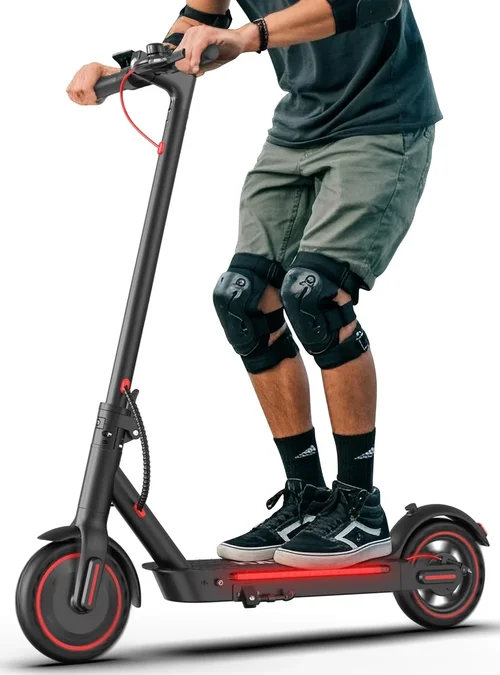
Electric scooters have surged in popularity over the past decade, transforming urban commutes and weekend adventures alike. But what happens when the forecast calls for rain? Many riders quickly discover that not all e-scooters are built to handle wet conditions—some falter, others fail outright, and a few actually thrive. That’s why choosing the right electric scooter for rain isn’t just a nice-to-have—it’s essential for safety, longevity, and peace of mind. Whether you’re navigating slick city streets after a downpour or braving a light drizzle on your daily commute, your scooter needs to be up to the task.
This comprehensive buyer’s guide is designed to help you cut through the marketing noise and make an informed decision. We’ll walk you through the critical factors that determine how well an electric scooter performs in wet weather, from IP ratings and tire types to braking systems and build materials. You’ll learn how to spot red flags, avoid common pitfalls, and identify models that truly deliver reliable performance when the skies open up. By the end, you’ll have a clear roadmap to find the best electric scooter for rain—one that matches your budget, lifestyle, and riding needs.
The market today offers a dizzying array of options, from ultra-lightweight commuter models to rugged off-road beasts. However, very few manufacturers prioritize true weather resistance, especially at lower price points. Most budget scooters claim “water-resistant” features but fall short in real-world rainy conditions. Meanwhile, premium models often pack advanced sealing, corrosion-resistant components, and smart electronics that adapt to moisture. Our goal is to help you understand where your money is best spent and which features genuinely matter when rain is part of your riding reality.
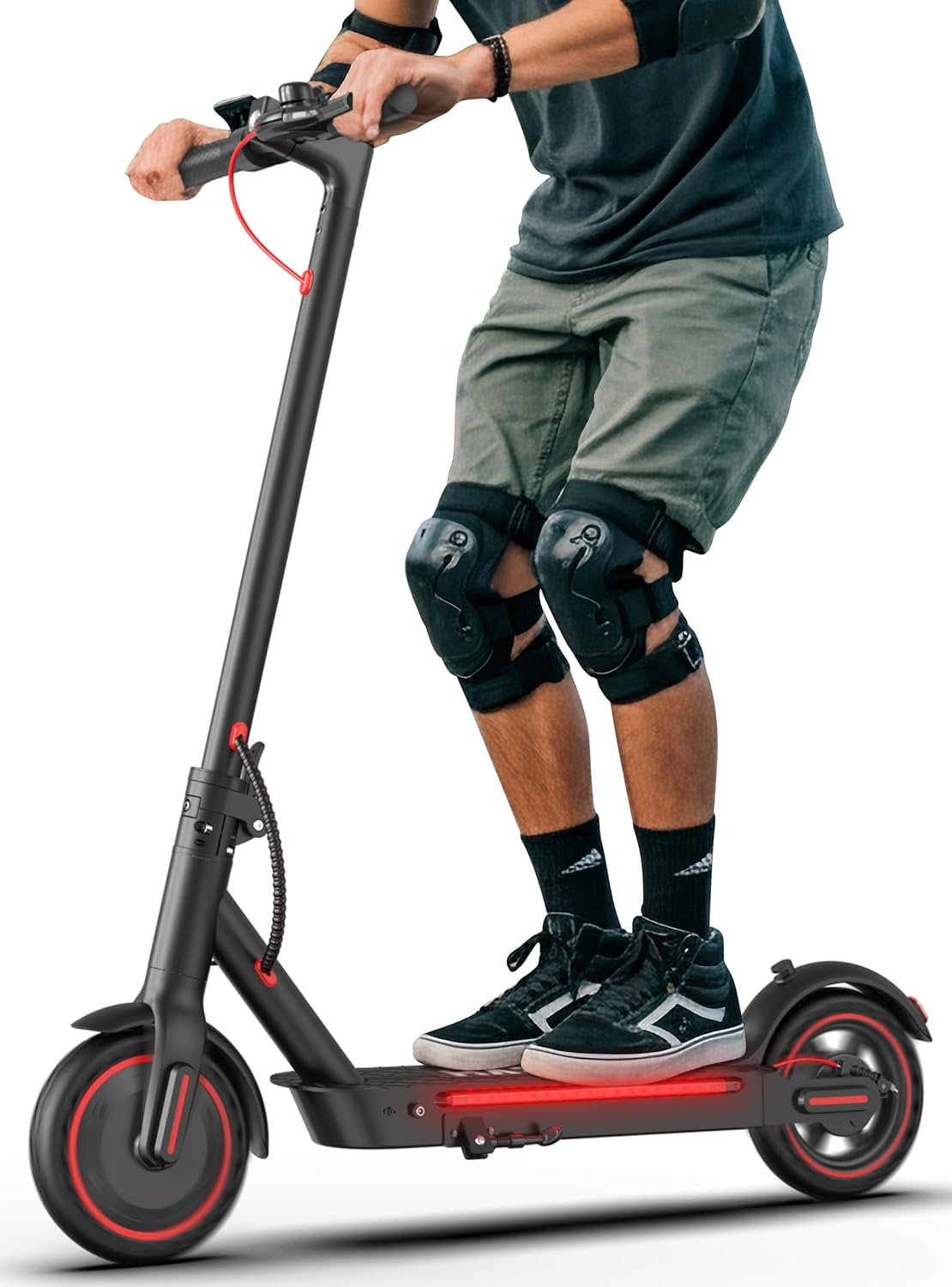
What to Look for When Buying an Electric Scooter for Rain
1. IP Rating (Ingress Protection)
The single most important specification for any electric scooter intended for rainy conditions is its IP (Ingress Protection) rating. This standardized code, defined by the International Electrotechnical Commission (IEC), tells you exactly how well a device resists dust and water. For rain riding, focus on the second digit—the water resistance rating.
An IPX4 rating means the scooter can handle splashing water from any direction, which is the bare minimum for light rain. However, it won’t survive a puddle splash or sustained exposure. IPX5 offers protection against low-pressure water jets, making it suitable for moderate rain. For serious wet-weather commuting, aim for IPX6 (powerful water jets) or higher. Some premium models even boast IPX7, meaning they can withstand temporary immersion in up to 1 meter of water for 30 minutes—though we don’t recommend intentionally submerging your scooter.
2. Tire Type and Tread Pattern
Tires are your scooter’s only contact point with the road—and in rain, that contact becomes critically important. Pneumatic (air-filled) tires generally offer better grip on wet surfaces than solid rubber tires because they conform to road irregularities and provide more surface area traction. However, not all pneumatic tires are equal.
Look for tires with deep, directional tread patterns that channel water away from the contact patch—similar to car tires. These reduce hydroplaning risk and improve braking performance on slick pavement. Tubeless designs are preferable, as they’re less prone to pinch flats from potholes filled with water. Some high-end models even feature self-sealing inner tubes that automatically plug small punctures caused by debris hidden under puddles.
Solid tires, while low-maintenance, should be avoided for rainy riding unless they have aggressive tread and are made from soft, grippy rubber compounds. Many budget scooters use hard, smooth solid tires that become dangerously slippery when wet.
3. Braking System Performance in Wet Conditions
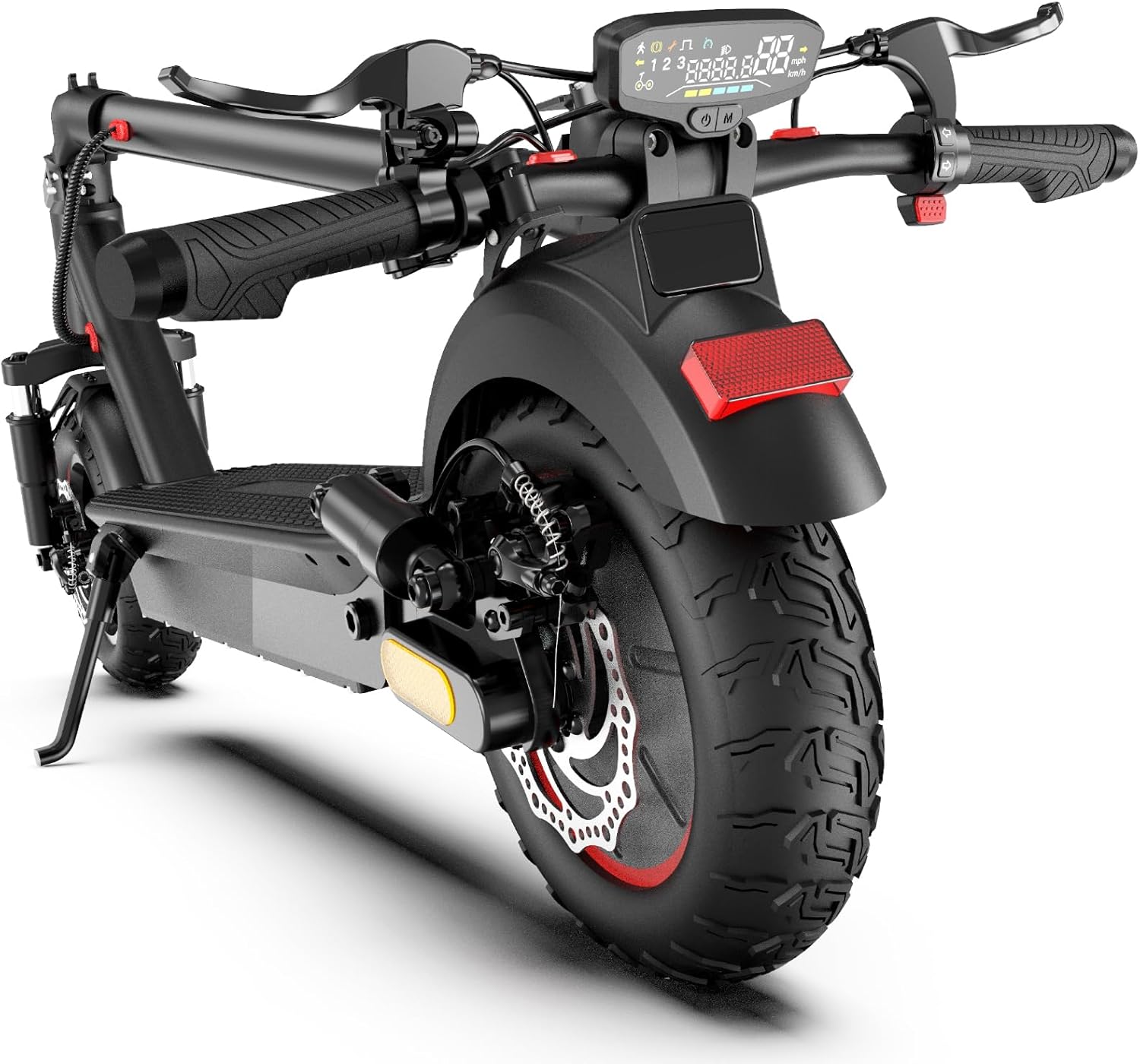
Wet roads dramatically reduce friction, increasing stopping distances. A reliable braking system is non-negotiable for safe rainy riding. Disc brakes—especially hydraulic disc brakes—outperform drum and regenerative brakes in wet weather because they’re less affected by water and provide consistent, powerful stopping force.
Regenerative braking, common on many modern e-scooters, can be less effective in rain because it relies on motor resistance, which may not engage as strongly when traction is compromised. Mechanical disc brakes (cable-actuated) are a solid mid-tier option, but hydraulic discs offer superior modulation and power, crucial for avoiding skids on wet asphalt.
Always test brakes before purchasing if possible. Listen for squeaking (a sign of contaminated pads) and check for smooth lever feel. Also, ensure the brake levers are positioned comfortably for quick access—wet hands need every advantage.
4. Frame and Component Materials
Corrosion is the silent killer of electric scooters in rainy climates. Aluminum alloys (like 6061 or 7005) are ideal for frames because they resist rust and remain lightweight. Avoid scooters with steel frames unless they’re explicitly treated with anti-corrosion coatings—even then, long-term exposure to salted winter roads can degrade them.
Pay attention to fasteners, hinges, and electrical connectors too. Stainless steel bolts and sealed junction boxes prevent internal corrosion. Look for models with conformal coating on circuit boards—a thin protective layer that shields electronics from moisture ingress.
Deck material matters as well. Textured, non-slip decks with drainage grooves help shed water and keep your feet secure. Avoid smooth plastic or painted metal decks, which become treacherous when wet.
5. Motor Placement and Sealing
Hub motors come in two main types: front-wheel and rear-wheel drive. Rear hub motors are generally preferred for rain riding because they provide better weight distribution and traction, especially during acceleration on wet surfaces. However, motor sealing is even more critical than placement.
Motors should be fully enclosed with rubber gaskets and O-rings to prevent water from entering the windings. Open-style motors, often found on cheaper models, allow water and debris to accumulate inside, leading to overheating, reduced efficiency, and eventual failure. Check user reviews for reports of motor issues after rain exposure—this is a common failure point.
Some premium scooters feature dual motors with independent sealing, offering redundancy and improved hill-climbing ability even in damp conditions.
6. Battery Enclosure and Charging Port Protection
The battery is the heart of your electric scooter—and one of the most vulnerable components in wet weather. Lithium-ion batteries must be housed in a sealed, waterproof compartment with no exposed vents or seams. Look for batteries with their own IP rating (often IPX6 or higher) separate from the main scooter rating.
Charging ports are another weak point. Models with magnetic charging connectors (like those used on some Segway and Xiaomi scooters) are superior because they eliminate exposed pins that can corrode or short-circuit when wet. If your scooter uses a traditional barrel connector, ensure it has a rubber flap that seals tightly when closed.
Never charge a wet scooter. Always dry the port and surrounding area thoroughly before plugging in. Moisture in the charging circuit can cause permanent damage or pose a fire risk.
7. Display and Control Interface
Your display is your window into speed, battery level, and ride mode—but in rain, it needs to remain readable and functional. Opt for scooters with backlit LCD or OLED displays that don’t wash out in direct sunlight or glare off wet surfaces. Touchscreens should be avoided in rainy conditions unless they’re specifically rated for wet operation (most aren’t).
Physical buttons are more reliable than touch controls when your fingers are wet or gloved. Look for raised, tactile buttons with good feedback. Some models include glove-friendly modes or voice alerts as backup.
Additionally, ensure the throttle and brake levers are ergonomically designed and don’t slip when wet. Rubberized grips with drainage channels help maintain control.
8. Suspension and Ride Comfort
While not directly related to water resistance, suspension plays a crucial role in maintaining control on wet, uneven roads. Potholes, manhole covers, and painted crosswalks become尤其 slippery when wet, and a rigid scooter can easily lose traction.
Front suspension (spring or hydraulic) absorbs shocks and keeps the front wheel grounded. Dual suspension systems (front and rear) offer the best stability but add weight and cost. For city commuting in rainy areas, even basic spring suspension is preferable to none.
Remember: better suspension doesn’t just improve comfort—it enhances safety by reducing the chance of wheel lockup or skidding on unexpected bumps.
Different Types of Electric Scooters for Rain
Common Buying Mistakes to Avoid
❌ Mistake: Ignoring the IP Rating
Why it’s bad: Many buyers assume “water-resistant” means fully rainproof, but without a verified IP rating, you’re gambling with your safety and investment. Scooters without proper sealing can short-circuit, lose power mid-ride, or suffer permanent damage after a single heavy rainstorm.
What to do instead: Always verify the IP rating in the official product documentation. If the manufacturer avoids mentioning it, consider it a red flag. Prioritize models with at least IPX5 for reliable wet-weather performance.
❌ Mistake: Choosing Solid Tires for Rainy Climates
Why it’s bad: Solid tires lack the flexibility and tread needed to maintain grip on wet surfaces. They transmit every pothole and slick patch directly to your feet, increasing the risk of slips and falls. On rainy days, this can turn a routine commute into a dangerous ordeal.
What to do instead: Opt for pneumatic tires with deep, directional treads. If you must choose solid tires (for puncture concerns), ensure they’re made from soft, high-traction rubber and have visible grooves for water dispersion.
❌ Mistake: Overlooking Brake Type
Why it’s bad: Regenerative brakes alone are insufficient in rain. They rely on motor resistance, which diminishes when traction is low. Riders often panic and lock up wheels, leading to skids or falls.
What to do instead: Choose scooters with mechanical or hydraulic disc brakes. Dual braking systems (disc + regenerative) offer the best safety margin. Test the brakes in-store or during a demo ride to ensure responsiveness.
❌ Mistake: Buying Based Solely on Price
Why it’s bad: The cheapest scooters often cut corners on weatherproofing, using unsealed motors, poor-quality batteries, and flimsy decks. You may save $100 upfront but end up replacing the scooter after one rainy season.
What to do instead: View your purchase as a long-term investment. A mid-range scooter with proper IP rating and quality components will outlast multiple budget models and provide safer, more reliable performance.
❌ Mistake: Neglecting Post-Ride Maintenance
Why it’s bad: Even the best waterproof scooter needs care after rain exposure. Failing to dry components, lubricate moving parts, or check for corrosion can lead to premature wear and hidden damage.
What to do instead: Wipe down your scooter after every wet ride, especially the deck, brakes, and charging port. Store it in a dry place and inspect seals regularly. Consider applying silicone spray to hinges and connectors for extra protection.
❌ Mistake: Assuming All “Waterproof” Claims Are Equal
Why it’s bad: Marketing terms like “splash-proof,” “weather-resistant,” or “rain-ready” are unregulated and often misleading. A scooter advertised as “waterproof” might only handle a light mist, not a downpour.
What to do instead: Demand specifics. Ask for the IP rating, test reports, or third-party certifications. Read real user reviews from riders in rainy regions—they’ll reveal the truth behind the claims.
❌ Mistake: Skipping the Test Ride
Why it’s bad: You can’t judge ride quality, balance, or brake feel from specs alone. A scooter that looks great on paper might feel unstable or unresponsive in real-world conditions—especially when wet.
What to do instead: Whenever possible, test ride the scooter in similar conditions to your intended use. Pay attention to how it handles wet pavement, turns, and stops. If buying online, choose retailers with generous return policies.
Budget Guidelines: How Much Should You Spend?
Entry-Level ($150–$350):
At this price point, expect basic functionality with minimal weather protection. Most models feature IPX4 ratings, solid tires, and single braking systems. These are suitable only for occasional use in light rain or dry conditions. Brands like Gotrax and Razor dominate this space, offering affordability but compromising on durability and safety in wet weather. Ideal for teens or casual riders in mild climates—but not recommended for daily rainy commutes.
Mid-Range ($500–$900):
This is the sweet spot for most urban commuters. Scooters in this range typically offer IPX5 or IPX6 ratings, pneumatic tires, and reliable disc brakes. Models like the Segway Ninebot MAX G30LP or Apollo City 2022 provide excellent value with robust builds, good range (20–30 miles), and solid wet-weather performance. You’ll also find better suspension, brighter lights, and improved displays. For riders who face regular rain, this tier delivers the best balance of cost and capability.
Premium ($1,000–$2,000):
Designed for enthusiasts and serious commuters, premium scooters feature IPX6 or higher ratings, dual motors, hydraulic brakes, and advanced electronics. Examples include the Dualtron Thunder 3 and Kaabo Wolf Warrior 11. These models handle heavy rain, steep hills, and long distances with ease. Expect premium materials, customizable ride modes, and superior build quality. If you ride daily in variable weather, this investment pays off in reliability and safety.
Luxury ($2,000+):
At the top end, you’ll find scooters built like motorcycles—with full weather sealing, heated grips, adaptive headlights, and smart connectivity. Brands like Inokim and Nanrobot offer models with IPX7 ratings, self-healing tires, and app-based diagnostics. These are overkill for most users but ideal for professionals, delivery riders, or those in extreme climates. They represent the pinnacle of electric scooter engineering, with near-indestructible construction and cutting-edge features.
Expert Tips for Getting the Best Deal
– Buy During Off-Seasons: Retailers often discount scooters in late winter or early spring when demand is low. You can save 15–25% by shopping between February and April, especially on previous-year models.
– Check Manufacturer Refurbished Programs: Many brands (like Segway and Apollo) sell certified refurbished scooters at significant discounts. These units are tested, repaired, and come with warranties—often indistinguishable from new.
– Compare Retailers: Prices vary widely between Amazon, brand websites, and specialty retailers like Fluid FreeRide or Urban Scooters. Sign up for newsletters to get exclusive promo codes.
– Read Long-Term Reviews: Look for YouTube reviews or forum posts from riders who’ve used the scooter for 6+ months in rainy conditions. Early impressions can be misleading—real-world durability matters most.
– Verify Warranty Coverage: Ensure water damage is covered under warranty. Some brands exclude “liquid ingress” from coverage, even if the scooter has an IP rating. Read the fine print carefully.
– Consider Accessories Upfront: Fenders, phone mounts, and waterproof bags enhance rainy-day usability. Buying them as a bundle often saves money versus purchasing separately.
– Test Before You Commit: If buying locally, insist on a test ride. If online, choose retailers with 14–30 day return windows. You deserve to feel confident in your choice.
– Join Owner Communities: Facebook groups and Reddit forums (like r/ElectricScooters) are goldmines for honest feedback, maintenance tips, and deal alerts from fellow riders.

Frequently Asked Questions
Q: Can I ride my electric scooter in heavy rain?
A: It depends on the scooter’s IP rating and build quality. Models with IPX6 or higher can handle heavy rain, but you should still exercise caution—reduce speed, avoid deep puddles, and never submerge the scooter. Even waterproof scooters aren’t designed for underwater operation.
Q: Will riding in the rain void my warranty?
A: Not if the scooter is rated for water resistance and you follow usage guidelines. However, many warranties exclude damage from “misuse” or “improper conditions.” Always check your warranty terms and avoid riding through deep water or saltwater.
Q: How do I dry my scooter after a rainy ride?
A: Wipe it down with a microfiber cloth, especially the deck, brakes, and charging port. Let it air-dry in a well-ventilated area—never use a hair dryer or direct heat, which can damage seals. Store it upright to allow water to drain from crevices.
Q: Are foldable scooters less waterproof?
A: Not necessarily. Modern foldable designs include sealed hinges and gaskets. However, the folding mechanism is a potential weak point—ensure it’s well-sealed and inspect it regularly for wear.
Q: Can I modify my scooter to be more water-resistant?
A: Some riders apply dielectric grease to connectors or add aftermarket fenders, but modifications can void warranties and introduce new risks. It’s safer to choose a scooter designed for wet conditions from the start.
Q: What should I do if my scooter gets soaked?
A: Power it off immediately. Do not charge it until it’s completely dry—this may take 24–48 hours. Inspect for water ingress, especially around the battery and motor. If you notice corrosion or malfunction, contact the manufacturer.
Q: Are there scooters that can handle snow and ice?
A: Yes, but they’re specialized. Look for models with studded tires, wide footprints, and high torque—like the Kaabo Mantis or Inokim Ox Super. These are overkill for rain alone but excel in winter conditions.
Q: How often should I service a scooter used in rain?
A: Every 3–6 months, depending on usage. Clean and lubricate brakes, check tire pressure, inspect seals, and tighten bolts. More frequent use in wet conditions warrants more frequent maintenance.
Q: Is it safe to ride at night in the rain?
A: Only if your scooter has bright, waterproof headlights and taillights. Reflective tape and wearable lights add extra visibility. Reduce speed and avoid poorly lit areas.
Q: Do insurance policies cover e-scooter damage from rain?
A: Some homeowner’s or renter’s insurance policies may cover accidental damage, but not wear and tear. Specialized e-scooter insurance (like that offered by Velosurance) often includes weather-related claims—check your policy details.
Our Final Recommendations
Best for Budget-Conscious Buyers: Segway Ninebot MAX G30LP
With an IPX5 rating, pneumatic tires, and reliable rear disc brake, this scooter punches above its weight. Priced around $650, it’s the most affordable option that doesn’t compromise on essential wet-weather features.
Best Overall Value: Apollo City 2022
Offering IPX6 water resistance, dual hydraulic brakes, and a powerful 500W motor, the Apollo City delivers premium performance at a mid-range price ($899). Its balanced design makes it ideal for daily commuters in rainy cities.
Best Premium Option: Dualtron Thunder 3
For those who refuse to compromise, the Thunder 3 boasts IPX5 rating, dual 1,500W motors, and hydraulic suspension. At $2,499, it’s built to conquer any weather condition with authority and style.
Best for Beginners: Gotrax GXL V2
While not the most advanced, the GXL V2 ($349) offers IPX4 protection and a simple, stable ride. Perfect for new riders testing the waters—literally—before upgrading to a more capable model.
Best for Advanced Users: Kaabo Wolf Warrior 11
With IPX6 rating, knobby off-road tires, and a top speed of 50 mph, this beast handles rain, mud, and mountains alike. Priced at $2,799, it’s for riders who demand极限 performance in all conditions.
Conclusion: Making the Right Choice
Choosing the best electric scooter for rain isn’t about finding the flashiest model or the highest speed—it’s about matching your real-world needs with a scooter engineered to handle moisture, corrosion, and slippery roads. From understanding IP ratings to evaluating tire types and braking systems, every detail matters when the forecast turns gray.
Remember: a scooter that fails in the rain doesn’t just inconvenience you—it endangers you. Prioritize safety, durability, and verified weather resistance over gimmicks or low prices. Use this guide as your checklist, consult real user experiences, and never skip the test ride.
Whether you’re commuting through Seattle’s drizzle or exploring Portland’s wet streets, the right electric scooter will keep you moving confidently, comfortably, and safely. Invest wisely, maintain diligently, and enjoy the freedom of riding—rain or shine.